
Have you ever tasted a sauce at a restaurant and wondered why yours at home never tastes quite the same? The good news is that chefs are not using magic.
They rely on a handful of easy habits that anyone can learn in a normal kitchen. Once you know these tricks, your pasta, steak, and veggies will taste like a special night out.
1. Season in Layers, Not All at Once
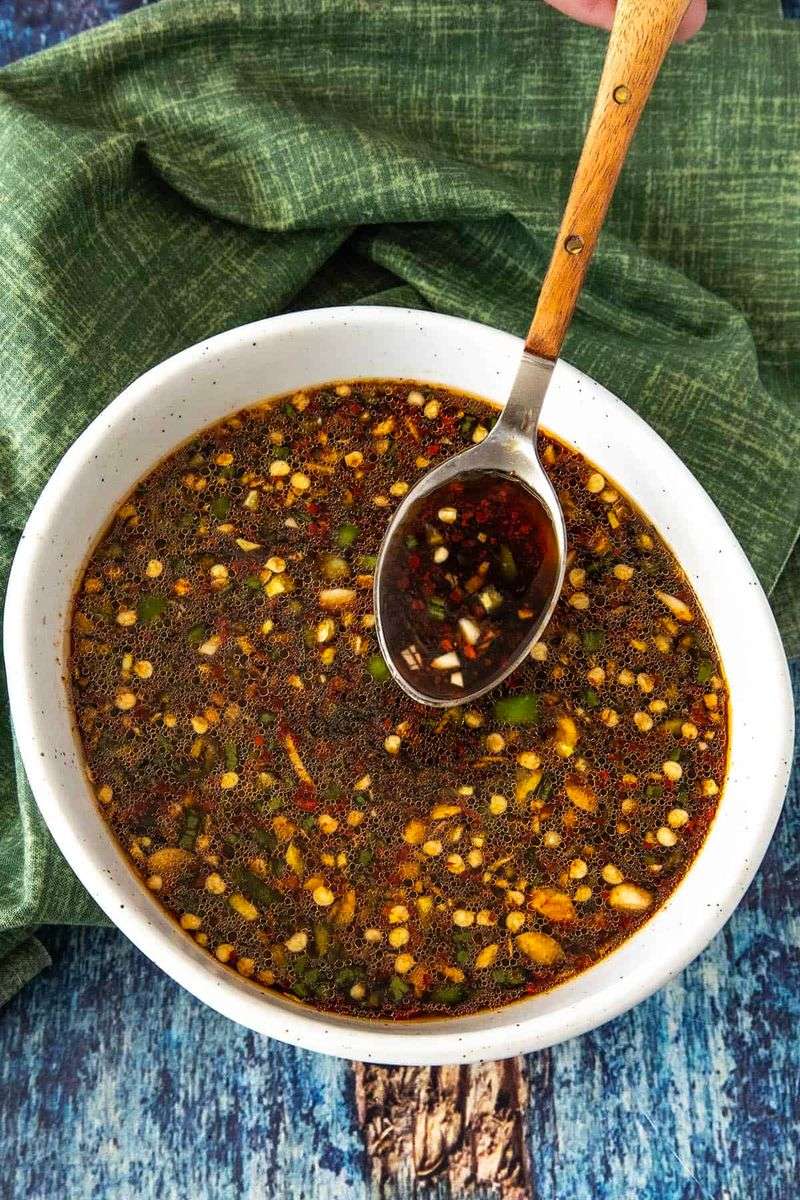
Picture a chef tasting a spoonful, adding a pinch, then tasting again. Professional cooks rarely dump all the salt in at the start.
Instead, add a little seasoning early, a bit more halfway through, and a final touch right before serving. Flavors change as liquid cooks down, so early salt can turn harsh if you overdo it.
Small additions over time give you control and a sauce that tastes balanced from the first bite to the last.
2. Finish With Cold Butter
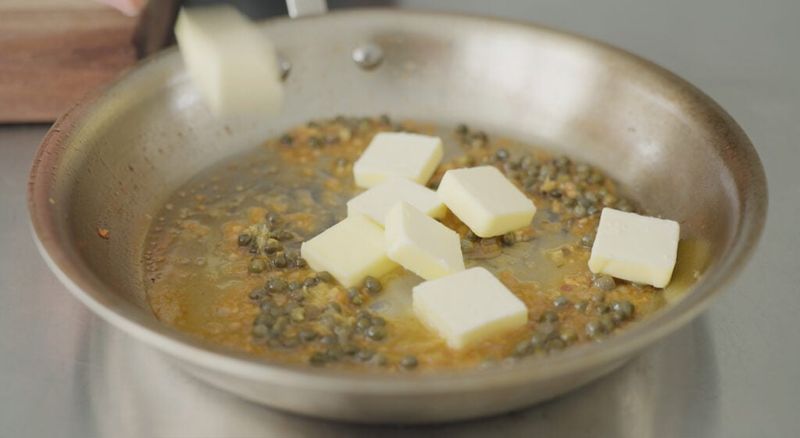
Here is the secret behind that shiny, silky look at fancy restaurants. Right before serving, take the pan off the heat and swirl in a few cubes of cold butter.
French cooks call this monter au beurre, which means to mount with butter. The fat thickens the sauce slightly and makes it taste rich and smooth.
Keep the heat low, though. Too much heat makes the butter split and turn greasy.
3. Never Waste the Brown Bits
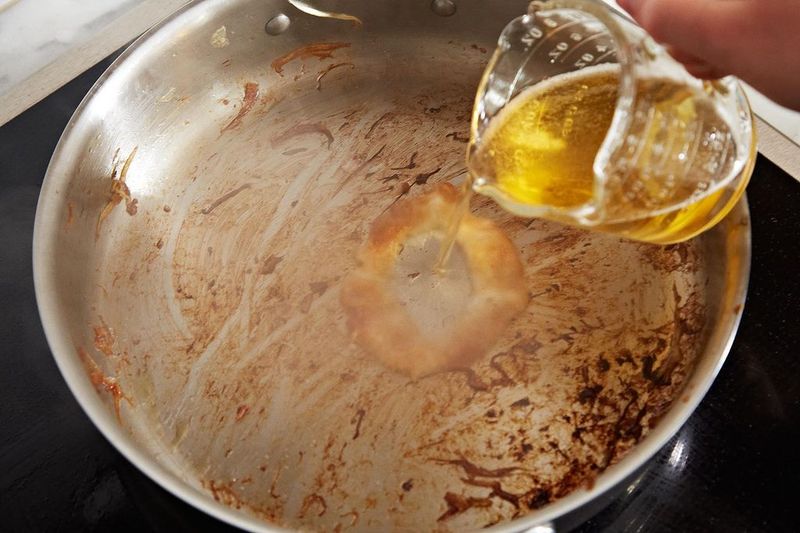
Those crusty brown bits stuck to your pan after searing chicken? They are pure gold.
Chefs call them fond, and they are packed with deep, roasted flavor.
Pour in a splash of broth, wine, or even water while the pan is hot. Then scrape the bottom with a wooden spoon as it bubbles.
In seconds, you have the base for a gravy or pan sauce that tastes like it simmered for hours.
4. A Squeeze of Acid Wakes Everything Up
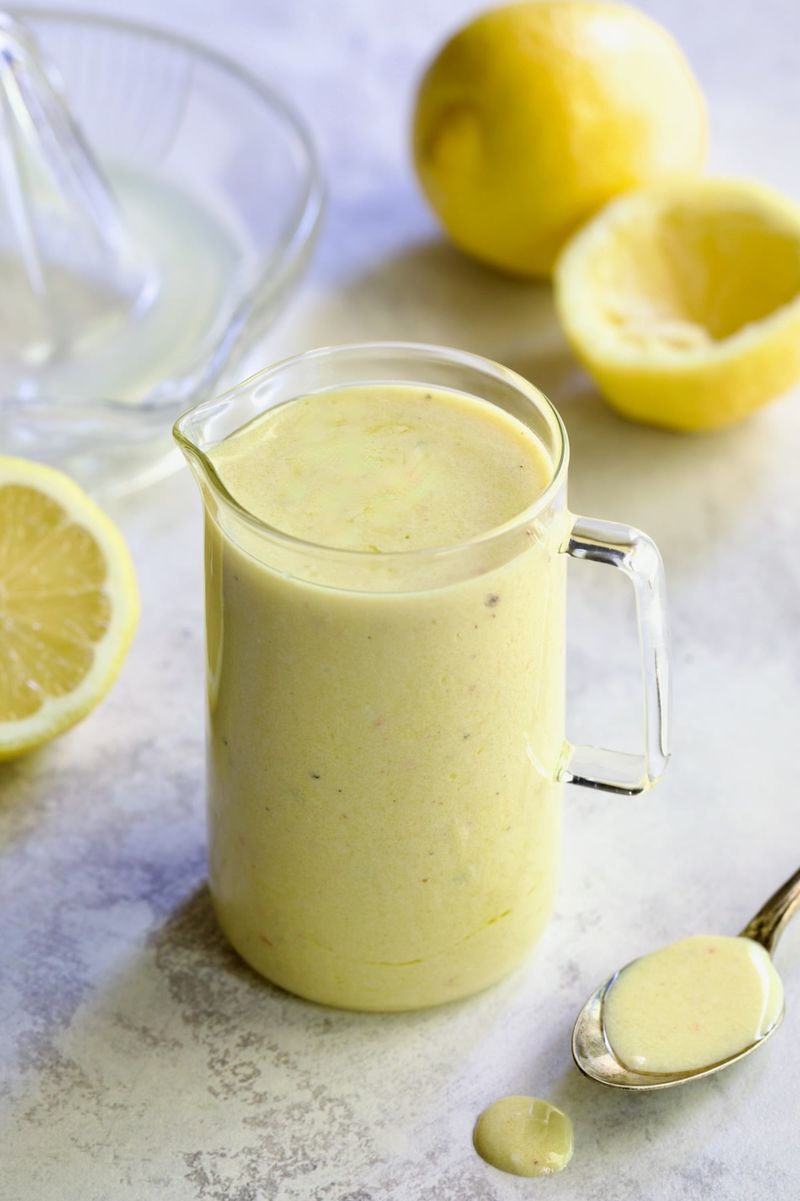
Ever made a sauce that tasted flat, even with plenty of salt? It probably needed acid.
A small squeeze of lemon juice or a dash of vinegar brightens heavy flavors almost instantly. Think of it like turning on the lights in a dim room.
Start with just half a teaspoon, stir, and taste. Cream sauces, tomato sauces, and gravies all perk up with this tiny change.
Most home cooks skip it completely.
5. Make Your Own Stock
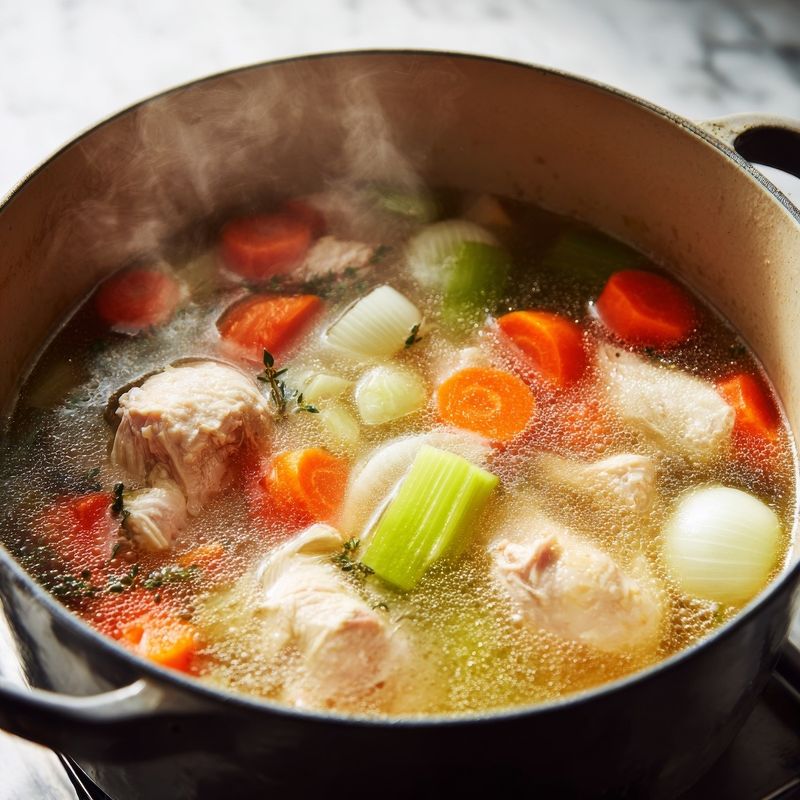
Grandmas everywhere knew this one long before cooking shows existed. Homemade stock beats the boxed stuff almost every time.
Save chicken bones, onion ends, carrot peels, and celery tops in a freezer bag. When it fills up, cover everything with water and simmer for a few hours.
The result is full of body and natural gelatin, which helps sauces cling to food. Freeze extra in ice cube trays for quick, easy portions later.
6. Reduce, Reduce, Reduce
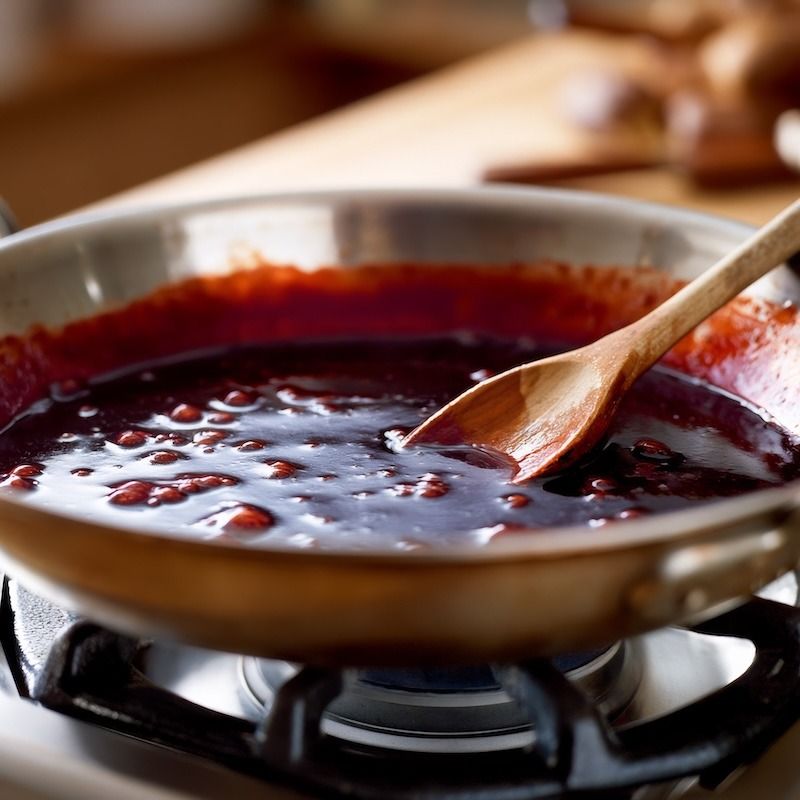
Patience is a flavor too. Restaurant sauces often taste stronger because they have been simmered until much of the water cooks away.
As liquid evaporates, the flavor gets concentrated and the sauce thickens naturally. No flour needed!
A good test is to dip a spoon in and run your finger across the back. If the line stays clear, your sauce is ready.
Just remember to salt at the end, since reducing intensifies saltiness.
7. Toast Your Spices First
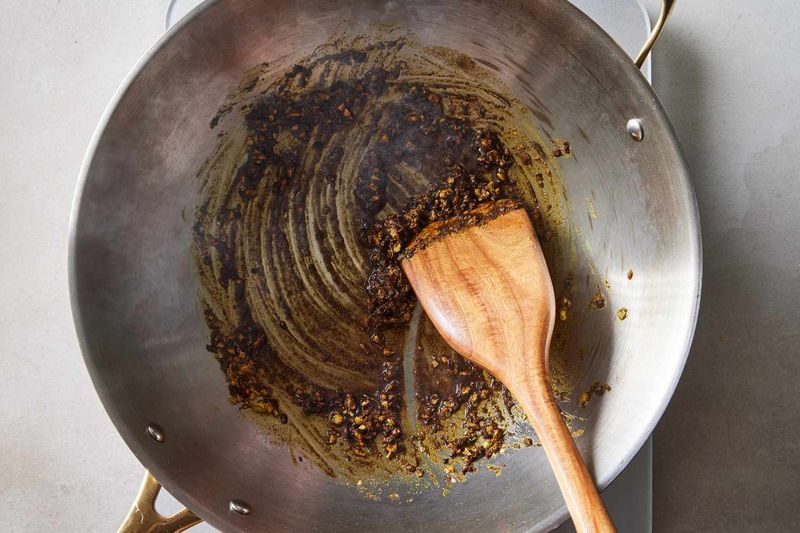
Open a jar of cumin and sniff it. Now imagine that smell doubled.
Toasting spices does exactly that.
Warm whole or ground spices in a dry pan or a little oil for about thirty seconds, stirring constantly. The heat releases their natural oils and deepens the aroma.
Watch closely, because spices go from perfect to burnt very fast. Once they smell nutty and fragrant, add your liquid right away to stop the cooking.
8. Sweat Your Aromatics Slowly
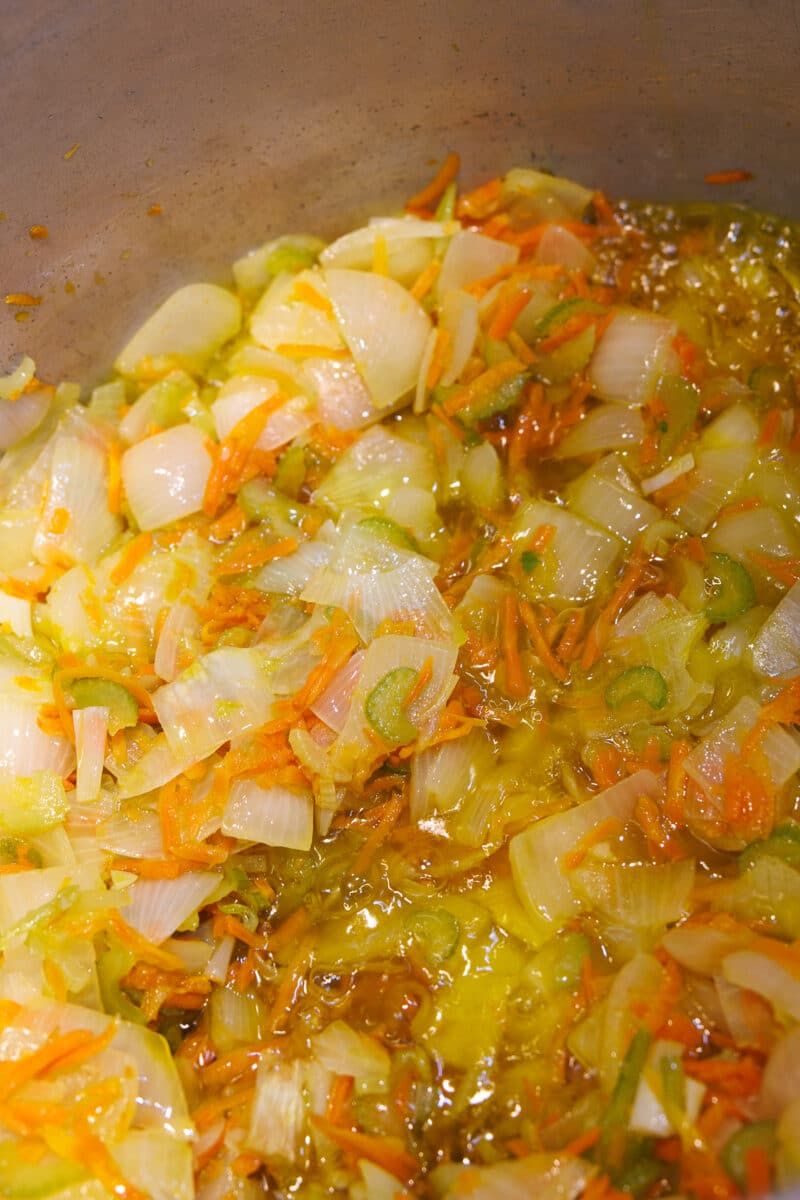
Rushing onions on high heat is one of the most common home cooking mistakes. Burnt garlic tastes bitter, and raw onion tastes sharp.
Chefs cook aromatics low and slow until they turn soft and see-through. This process, called sweating, brings out their natural sweetness.
Give onions about eight to ten minutes and add garlic during the last minute or two. Your sauce will taste smoother and more rounded right from the start.
9. Save That Starchy Pasta Water
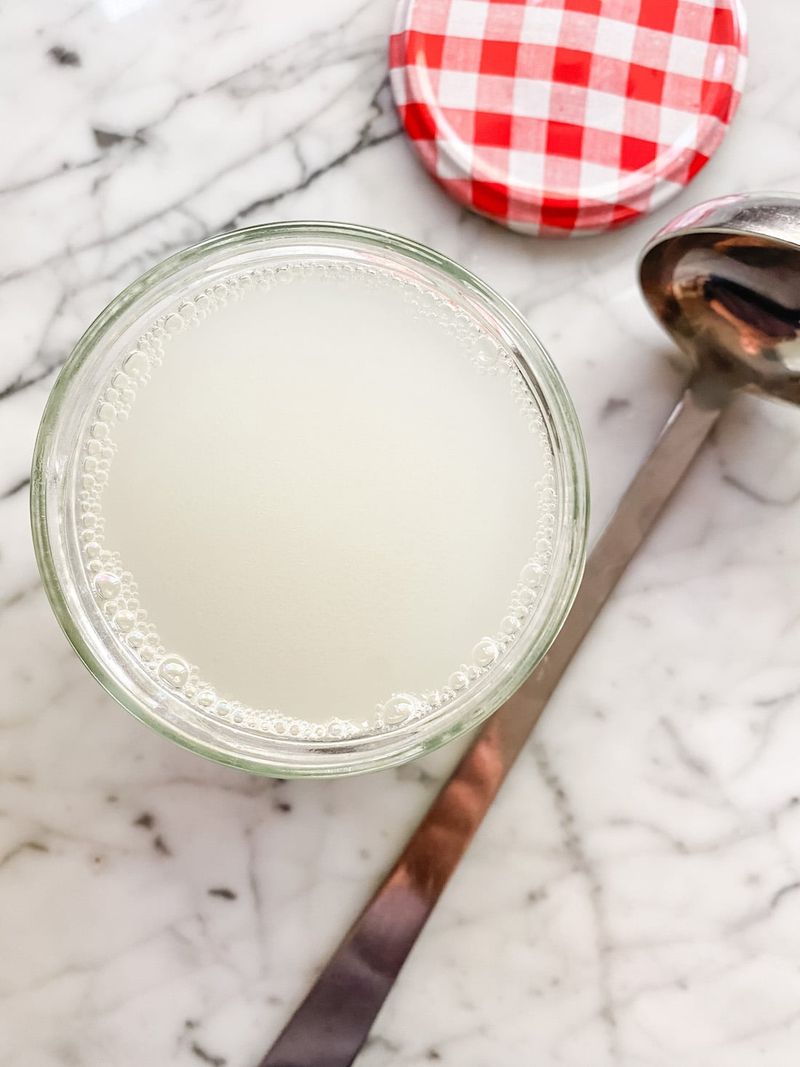
Italian grandmothers would gasp if they saw you pour pasta water down the drain. That cloudy liquid is a cook’s best friend.
Starch from the noodles helps sauce stick to pasta and blend into a creamy coating. Before draining, scoop out a mug of the water.
Add a splash at a time while tossing pasta in the sauce. Watch it go from watery and separate to glossy and smooth.
Like magic, but real.
10. Fresh Herbs Go In Last
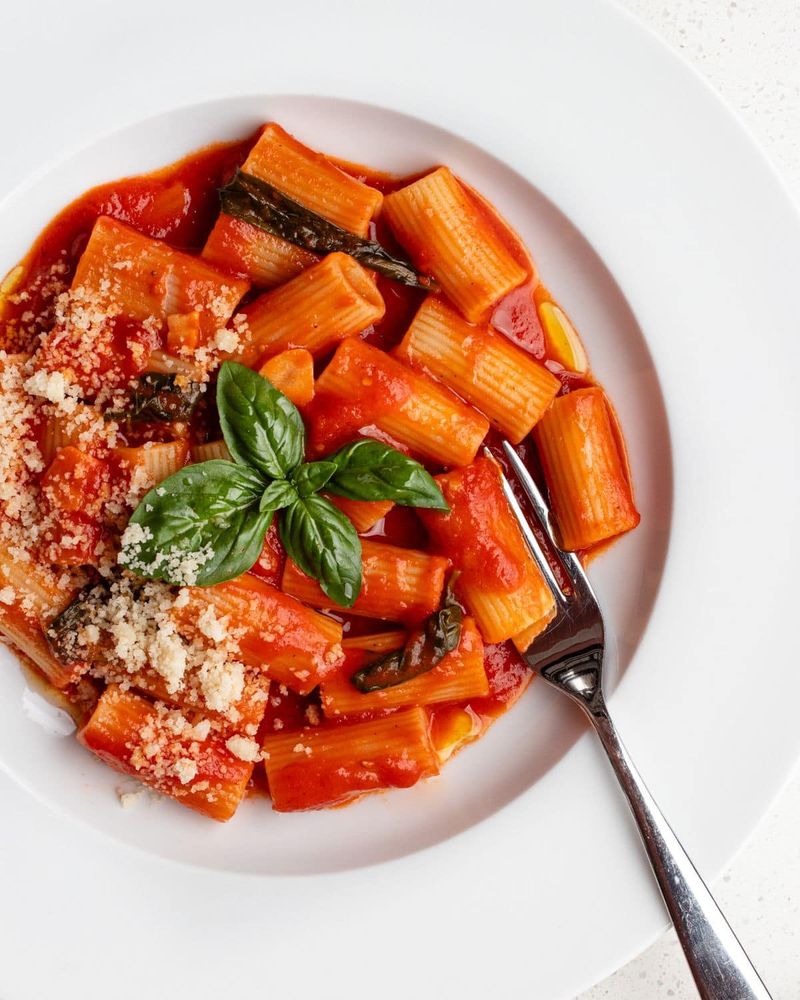
Delicate herbs like basil, parsley, cilantro, and chives lose their bright flavor fast when cooked too long. Heat turns them dull and dark.
So save them for the very end. Stir them in after turning off the burner, or sprinkle them on top right before serving.
Hardy herbs like rosemary and thyme are different. They can handle long simmering.
Knowing which herb goes when makes a big difference in taste and color.
11. Bloom Tomato Paste in Oil
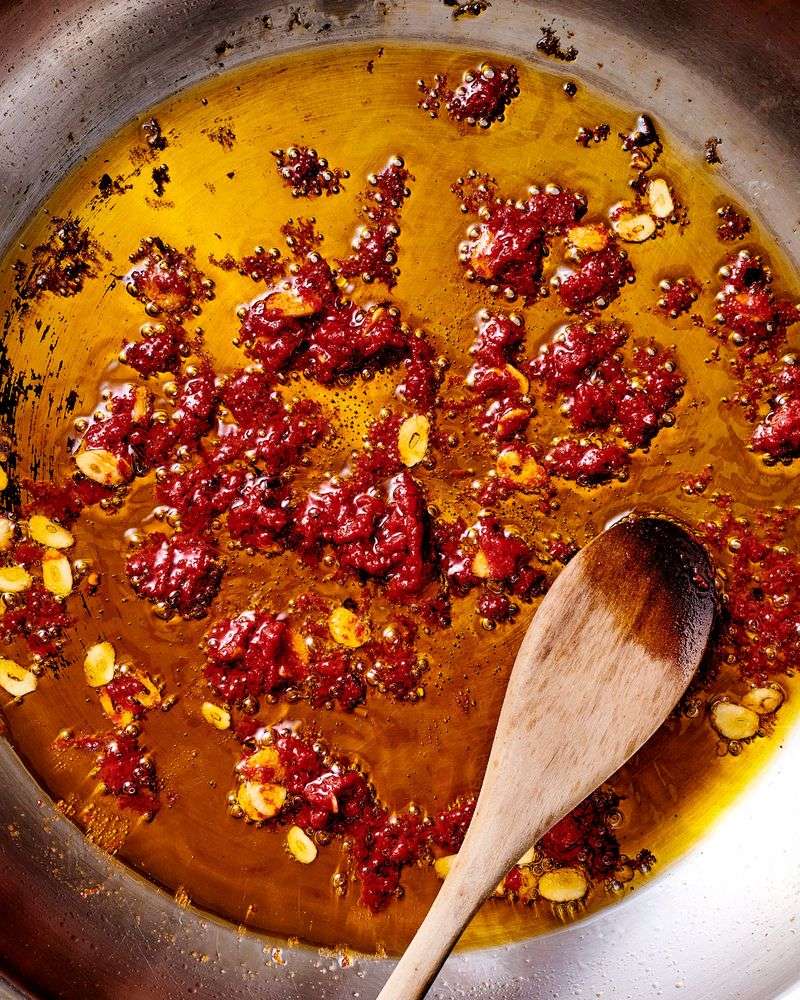
Squeezing tomato paste straight into liquid is a missed opportunity. Fry it first!
Cook a spoonful in hot oil for two or three minutes, stirring often. You will see it change from bright red to a darker, rusty brick color.
That color shift means sugars are caramelizing, giving your sauce a richer, almost meaty depth. Chili, marinara, and stews all taste better with this one simple step that takes barely any extra time.
12. Sneak In Some Umami
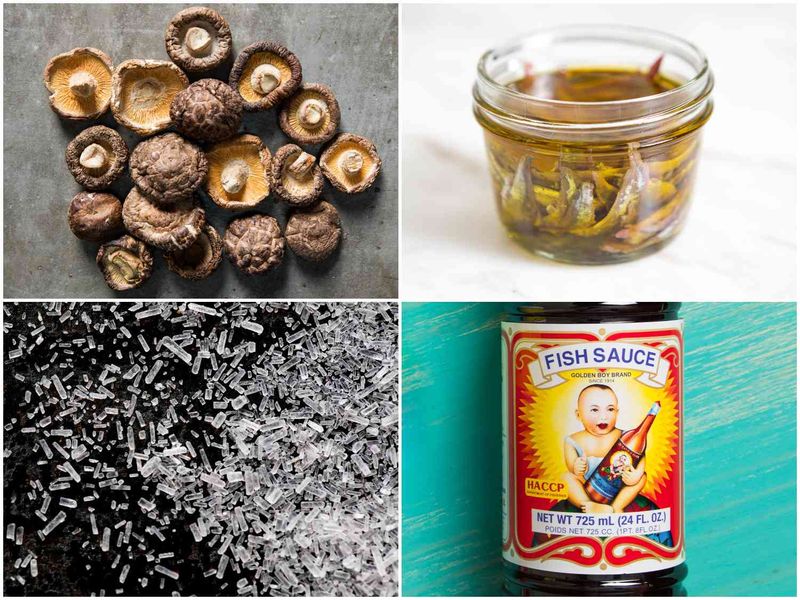
Did you know umami is called the fifth taste? It is that savory, mouthwatering flavor found in mushrooms, soy sauce, and aged cheese.
Restaurants quietly add umami boosters to tons of sauces. Try a dash of Worcestershire in gravy, a melted anchovy in marinara, or a parmesan rind in soup.
Nobody will taste fish or cheese directly. They will just notice your sauce tastes deeper and more satisfying than usual.
13. Strain for a Silky Texture
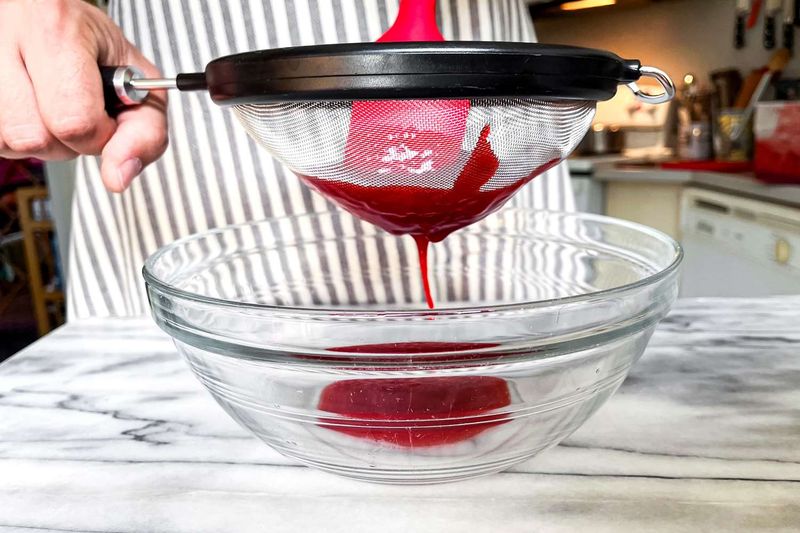
Ever notice how restaurant sauces are perfectly smooth, with no lumps or bits? Many are pushed through a fine mesh strainer before serving.
It takes about a minute. Pour the sauce through and press gently with a spoon to get every drop.
Straining removes herb stems, seeds, and stringy bits. Your cheese sauce, gravy, or custard will feel velvety on the tongue.
It is a small step that makes your cooking look professional.
14. Balance Sour With a Pinch of Sugar
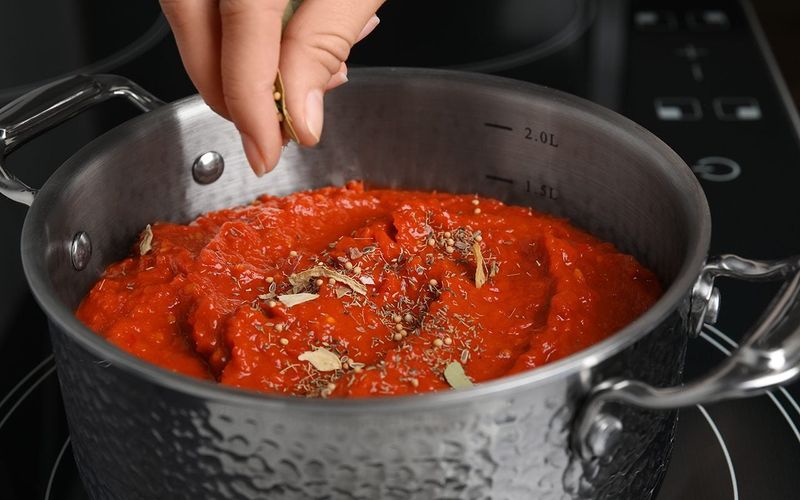
Tomatoes can be surprisingly sour, especially canned ones in winter. A tiny pinch of sugar smooths out that sharp edge.
You are not trying to make the sauce sweet. You just want balance, like adjusting a seesaw until both sides are level.
Honey, a grated carrot, or caramelized onions work too. Add a little, stir, and taste.
If the sauce suddenly tastes rounder and friendlier, you nailed it.
15. Use a Splash of Wine

Chefs have been cooking with wine for centuries, and for good reason. It adds fruitiness, acidity, and complexity that water simply cannot.
Pour a splash into the pan after cooking your aromatics. Let it bubble until most of it disappears and the alcohol smell fades.
Use a wine you would actually drink, not salty cooking wine from the store shelf. No wine at home?
Grape juice with a little vinegar is a decent swap.
16. Whisk in a Slurry the Right Way
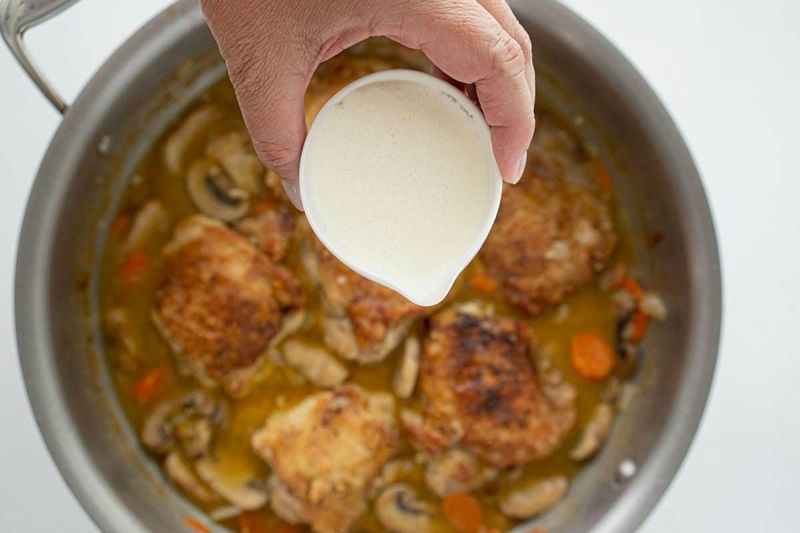
Lumpy gravy is a holiday tragedy many of us remember. The fix is simple.
Never dump cornstarch or flour straight into hot liquid. Mix it first with a few spoons of cold water until smooth, making a slurry.
Then pour it slowly into the simmering sauce while whisking. Let it bubble for a minute or two so it fully thickens and loses any starchy taste.
Smooth results, every single time.
17. Start With a Classic Roux
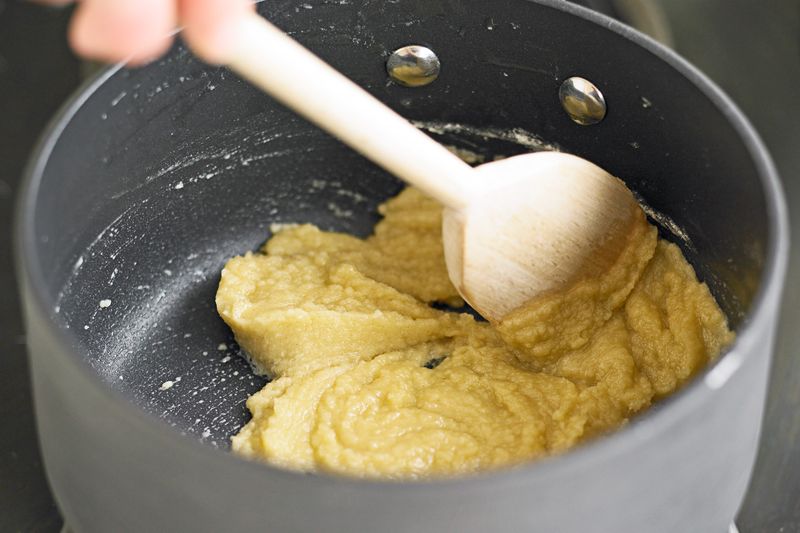
Mac and cheese, gumbo, and creamy gravy all share one humble hero: the roux. It is just equal parts butter and flour cooked together.
Stir it over medium heat until it smells nutty, then slowly whisk in milk or stock. The longer you cook a roux, the darker and more flavorful it becomes.
Cajun cooks take theirs to chocolate brown! For cheese sauce, a light golden shade is perfect.
18. Blend for Restaurant Smoothness
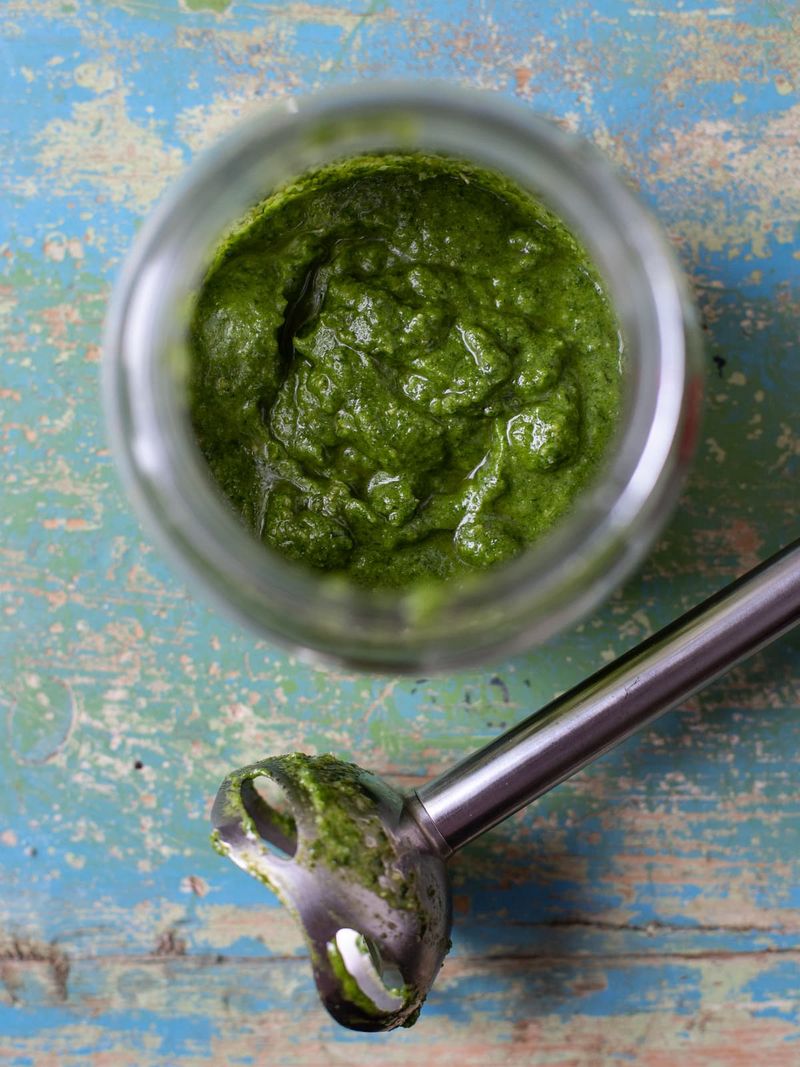
Blenders are not just for smoothies. An immersion blender can turn chunky homemade sauce into something that looks like it came from a fancy bistro.
Roasted pepper sauce, tomato soup, and pesto all benefit from a quick blitz. Blending also helps oil and liquid combine into a creamy texture.
Be careful with hot liquids in regular blenders. Fill only halfway, and cover the lid with a towel to avoid painful splatters.
19. Add a Little Heat for Depth

Spicy food fans are not the only ones who benefit here. A tiny bit of heat makes other flavors pop, even when nobody notices any burn.
Try a pinch of cayenne in cheese sauce or a few red pepper flakes in marinara. A drop of hot sauce works wonders in gravy too.
The goal is a gentle warmth in the background. Think of it as a spotlight that makes everything else shine brighter.
20. Let Flavors Rest and Mingle
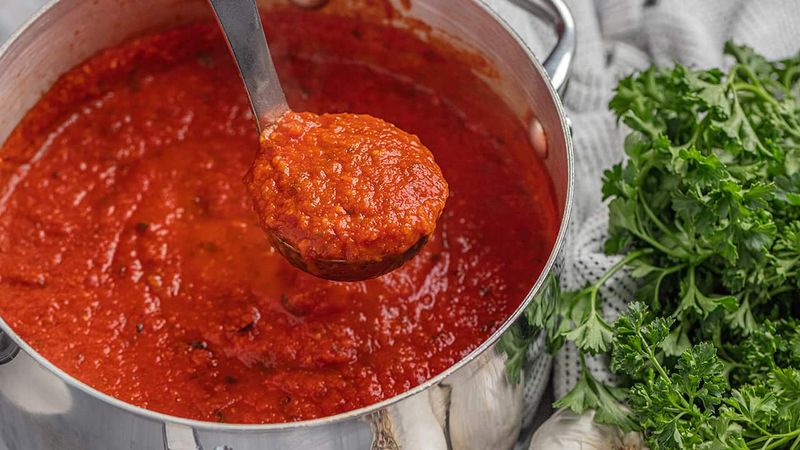
Leftover chili always tastes better the next day, right? There is a real reason for that.
Given time, spices, herbs, and aromatics blend together and mellow out. Sharp flavors soften and the whole sauce becomes more unified.
When you can, make sauces like marinara, curry, or barbecue sauce a day early. Store them covered in the fridge, then reheat gently.
You will be amazed how much better they taste.
21. Taste Constantly Like a Chef

Watch any professional kitchen and you will see cooks tasting nonstop. Spoon in, taste, adjust, repeat.
Recipes are just guides. Your tomatoes, your stove, and even your salt brand are different from the recipe writer’s.
Keep a cup of clean spoons nearby and taste at every stage. Ask yourself whether it needs salt, acid, sweetness, or richness.
Trusting your own taste buds is the biggest trick of all.