
Some of the tastiest foods in the world started as a way to stop good food from going to waste. Long ago, families could not afford to throw away stale bread, old rice, or scraps of meat.
So clever cooks turned those bits into meals people still love today. Learning their stories might change how you look at the leftovers sitting in your fridge right now.
1. Fried Rice
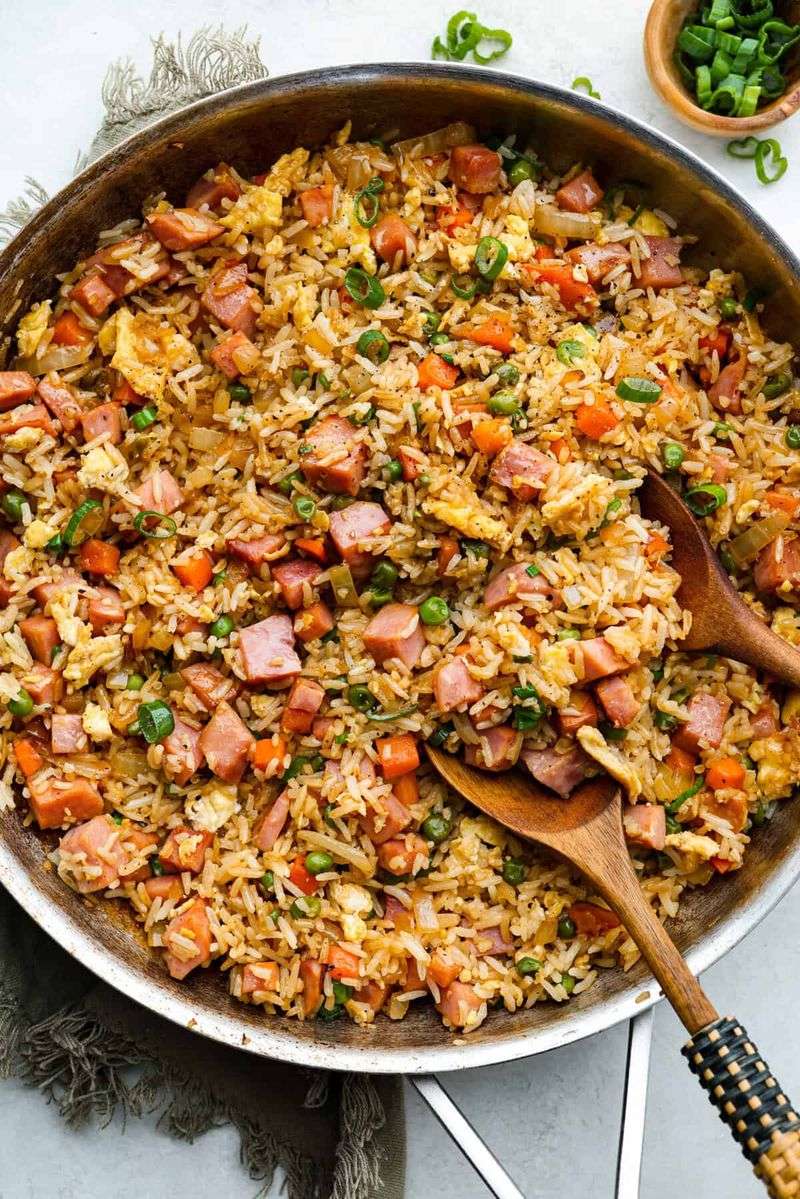
Cold rice is actually better for this dish than fresh rice. Cooks in China figured that out over a thousand years ago, tossing day-old grains into a hot wok with whatever scraps were around.
The dry, firm rice soaks up flavor without turning mushy. Add an egg, some veggies, and a splash of soy sauce.
Next time you order takeout, save the extra rice. Tomorrow’s dinner is basically already halfway done.
2. French Toast
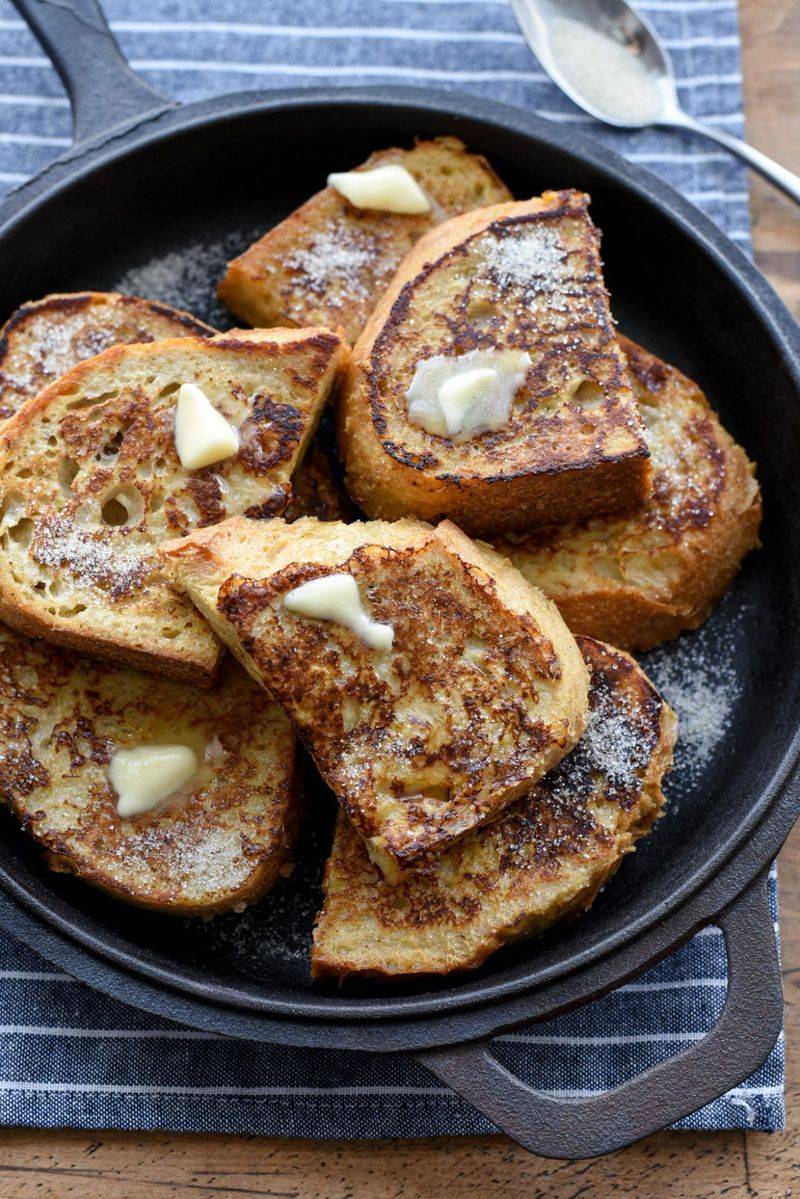
Here is a fun fact: in France, people call it pain perdu, which means lost bread. That name says it all.
Bread that had gone stale was soaked in milk and eggs, then fried until golden and soft again. Romans were doing something similar nearly 2,000 years ago.
Got a loaf that feels a little hard? Perfect.
Slightly dry bread soaks up the egg mixture without falling apart in the pan.
3. Bread Pudding
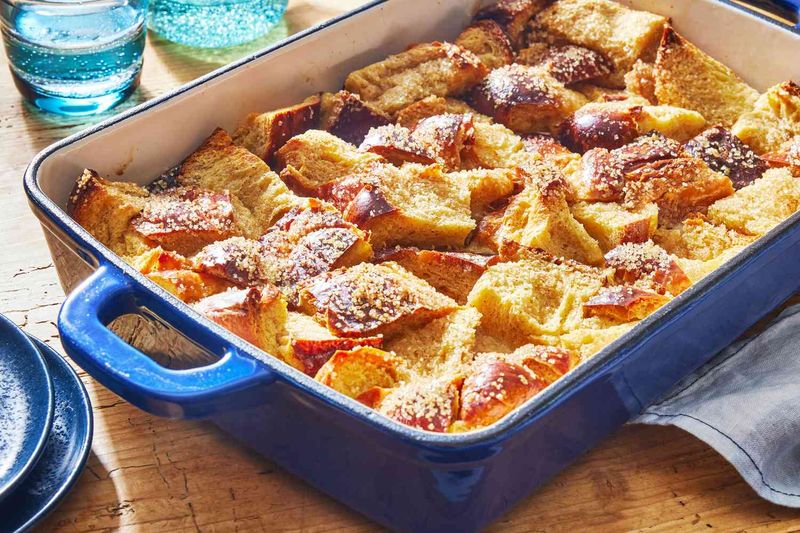
Picture an English kitchen in the 1200s. Bread was precious, and nobody dared toss even a crumb.
Cooks started mixing stale chunks with milk, eggs, sugar, and spices, then baking everything into a cozy, custard-like dessert. People called it poor man’s pudding back then.
Today, fancy restaurants serve it with whiskey sauce or chocolate. You can make a simple version at home using old hot dog buns or croissants.
4. Shepherd’s Pie
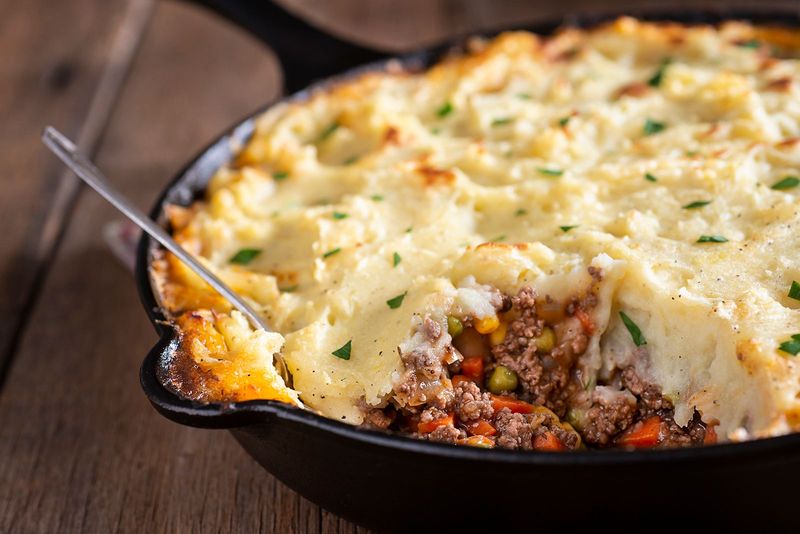
Sunday roast leftovers had a clever second life in Britain and Ireland. Housewives in the late 1700s chopped up the remaining meat, mixed it with gravy and vegetables, and spread mashed potatoes on top.
Potatoes were cheap and filling, so the dish fed big families easily.
Quick tip: lamb makes it shepherd’s pie, while beef makes it cottage pie. Either way, extra mashed potatoes from dinner work beautifully as the crust.
5. Panzanella
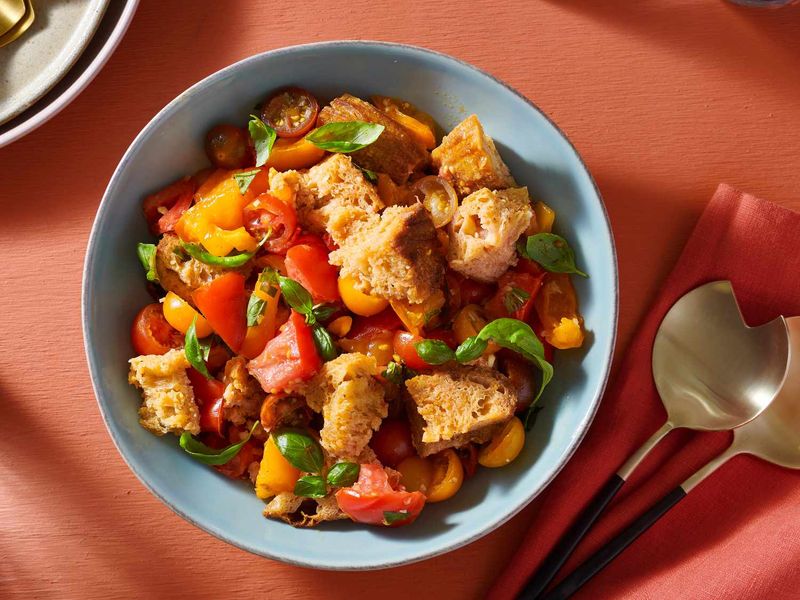
Soggy bread in a salad sounds odd, right? Italians in Tuscany would disagree.
Farmers had hard, leftover bread and plenty of summer tomatoes. They tore up the bread, tossed it with juicy tomatoes, onions, basil, olive oil, and vinegar, then let it soak.
The bread drinks up all that tangy juice and becomes chewy and delicious. It is a great way to use garden tomatoes and a forgotten baguette together.
6. Ribollita
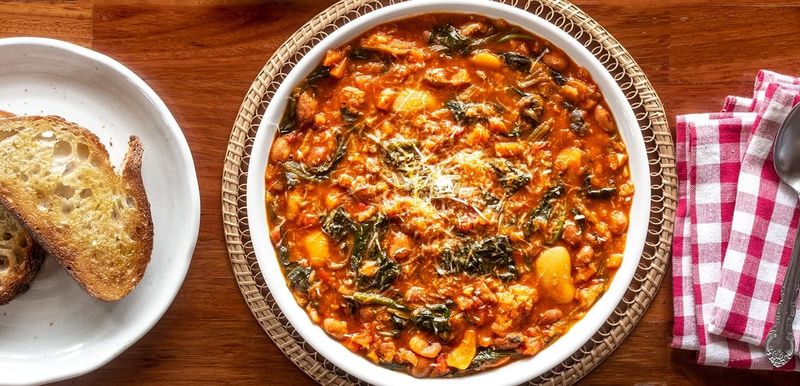
The name ribollita means reboiled, and that is exactly the trick. Tuscan peasants cooked a big pot of vegetable and bean soup, then heated the leftovers the next day with chunks of stale bread.
Each reheating made it thicker and richer.
Some cooks say it tastes best on day three. If you love hearty soups, try making a big batch and letting the flavors deepen over a few days.
7. Bubble and Squeak
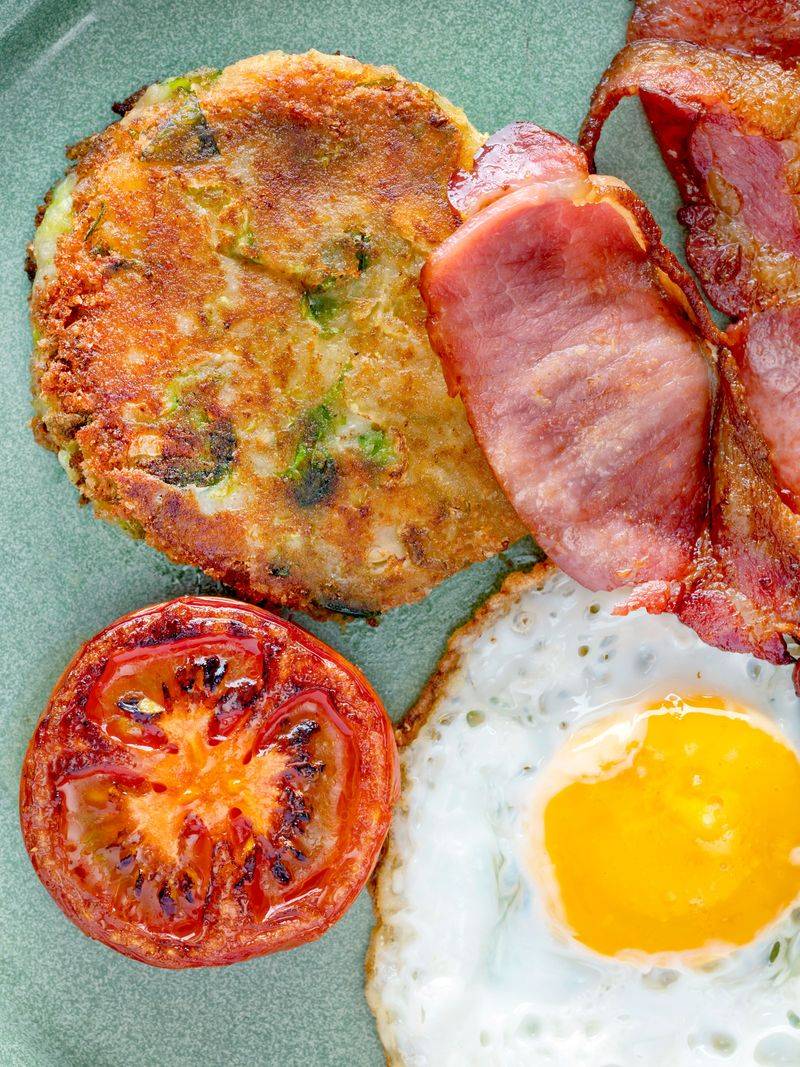
Listen closely while it cooks. The name comes from the bubbling and squeaking sounds the mix makes in a hot frying pan.
British families made it on Monday using Sunday dinner leftovers, mostly potatoes and cabbage. During World War II, when food was rationed, it became even more popular.
Mash your leftover veggies together, press them flat, and fry until crispy. Top it with a fried egg for a hearty breakfast.
8. Chilaquiles
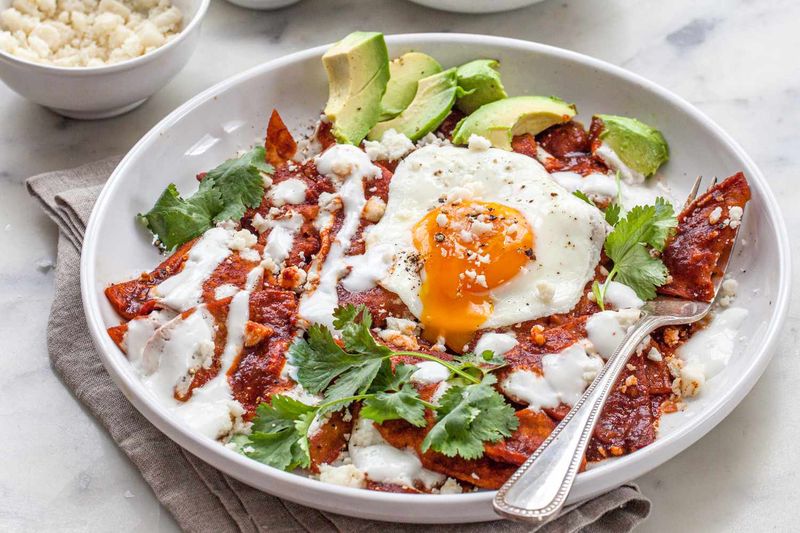
Mexican cooks never let a stale tortilla go to waste. Instead, they cut old tortillas into triangles, fried them, and simmered them in red or green salsa.
The result is crunchy, soft, spicy, and totally satisfying. Toppings like cheese, cream, onions, and eggs make it a full meal.
Many people in Mexico swear it is the best breakfast after a late night. Leftover tortilla chips from a party work nicely too.
9. Arancini
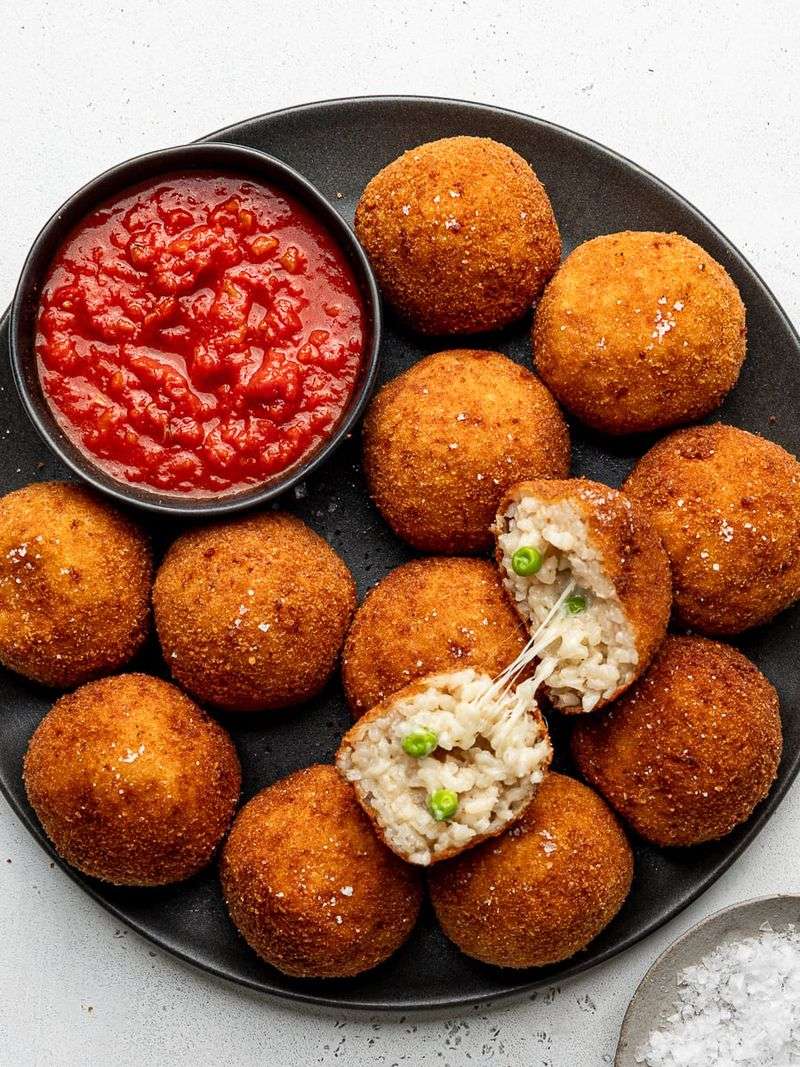
Crunchy on the outside, cheesy in the middle, arancini are little golden treasures from Sicily.
The idea was simple. Leftover risotto was rolled into balls, stuffed with cheese or meat sauce, coated in breadcrumbs, and fried.
Their name means little oranges because of their round shape and color.
Cold risotto holds its shape well, so it is ideal for rolling. Kids often love helping shape these at home.
10. Hash
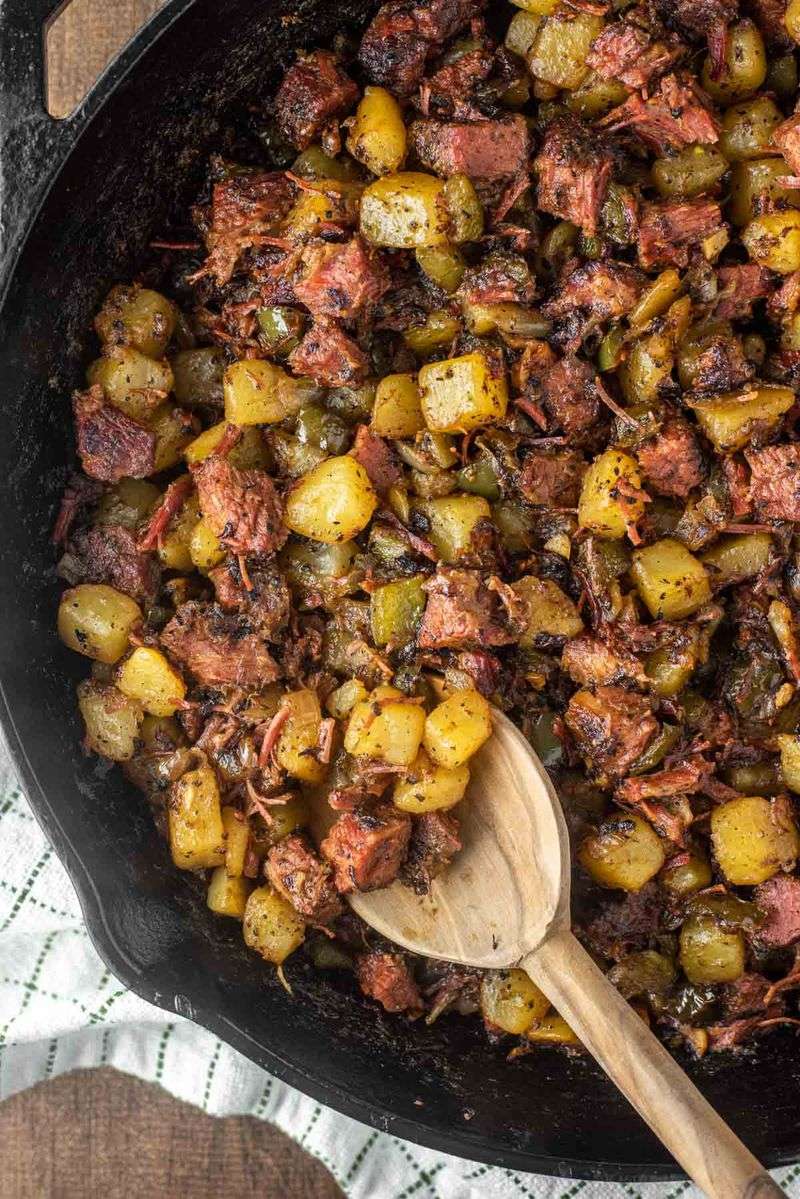
Ever heard of a hash house? American diners in the 1800s were nicknamed that because they served this cheap, hearty meal so often.
The word comes from the French hacher, meaning to chop. Cooks diced leftover meat and potatoes, then fried them together until crispy.
Corned beef hash is the classic, but leftover ham, turkey, or sausage also work. Just make sure the pan is hot for those crunchy bits.
11. Frittata
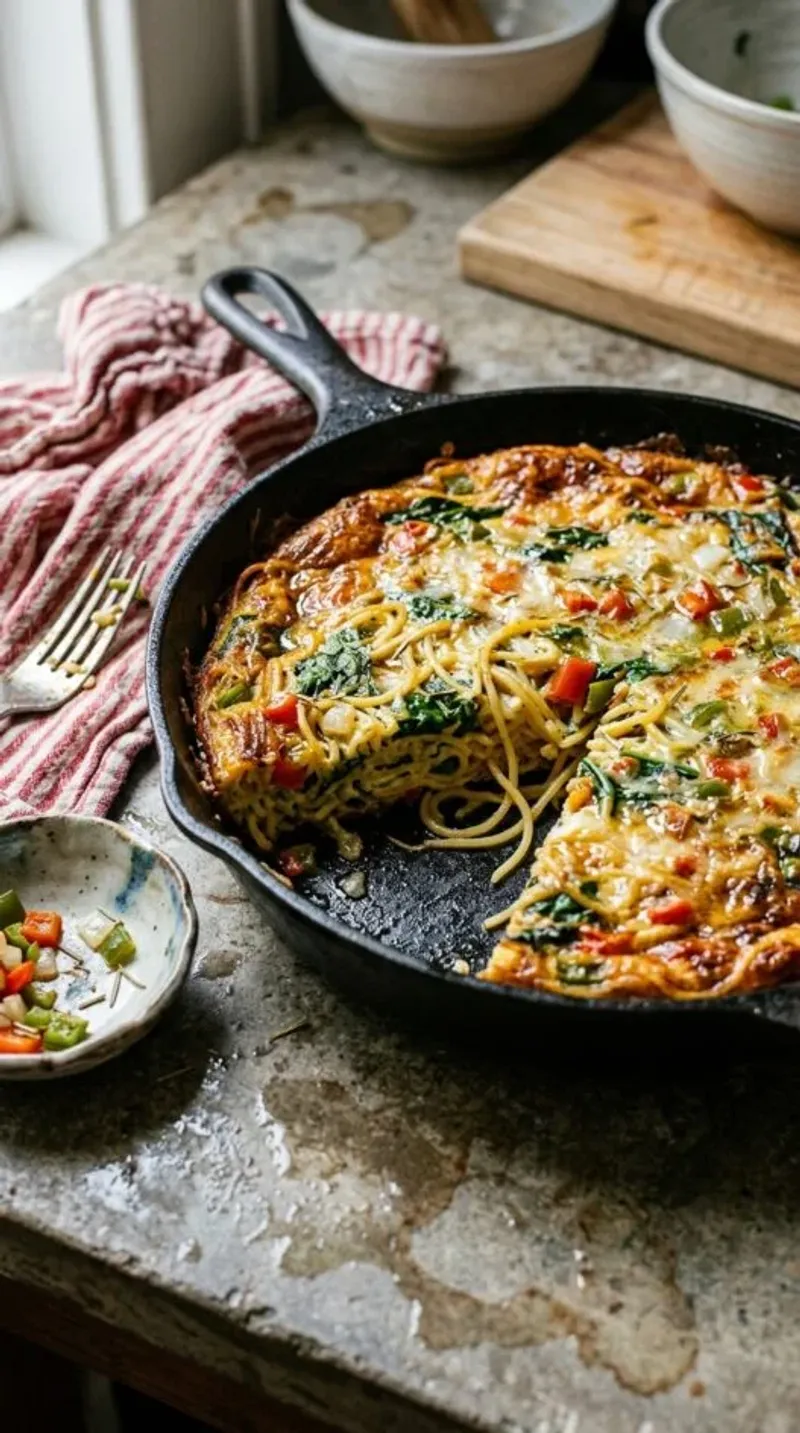
Think of a frittata as the open door of the kitchen. Almost anything can come in.
Italian home cooks used it to rescue leftover pasta, vegetables, cheese, and meats. Everything gets mixed with beaten eggs and cooked slowly in a skillet, then finished in the oven.
Leftover spaghetti frittata is a real Naples favorite. Slice it into wedges, and you have a meal that tastes great hot or cold.
12. Bibimbap
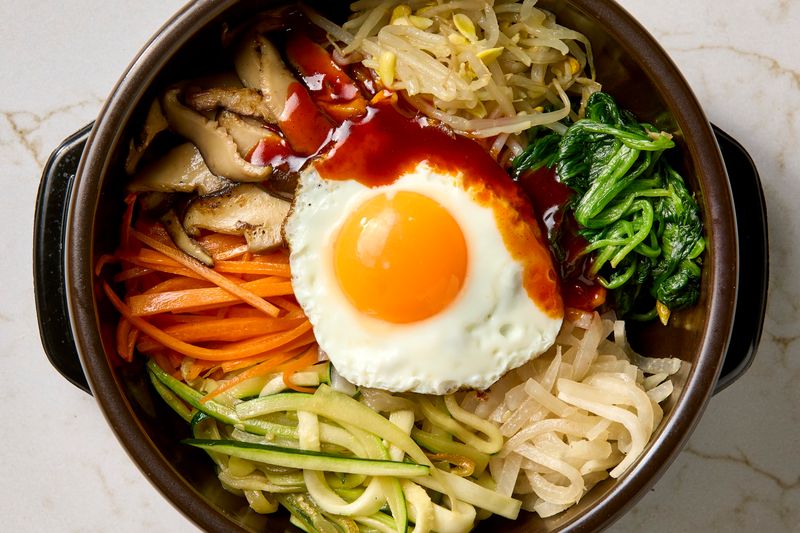
Beautiful and colorful, bibimbap might seem like a fancy dish. Its roots are actually very practical.
One popular story says Koreans mixed leftover side dishes, called banchan, with rice on the night before the Lunar New Year so nothing old carried into the new year.
The name simply means mixed rice. Stir everything together with spicy gochujang sauce.
Got scraps of cooked veggies? They belong in your bowl.
13. Gazpacho
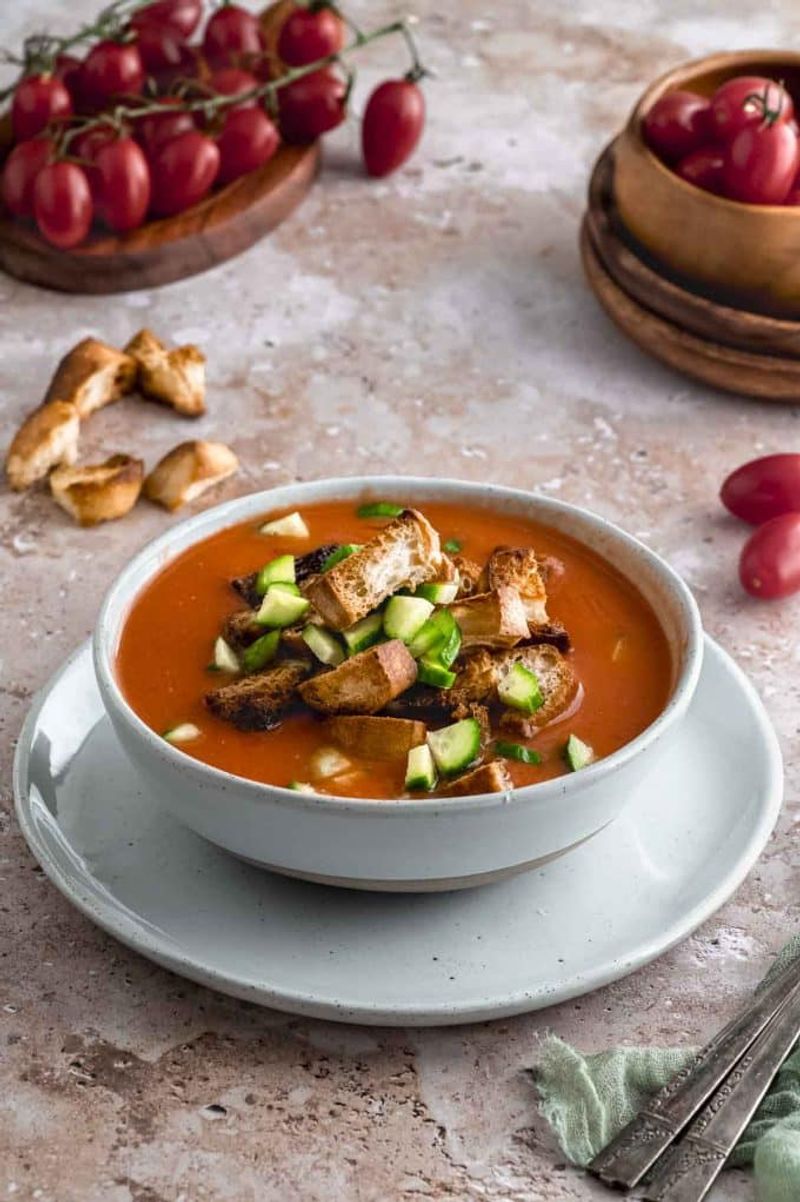
On blazing hot days in southern Spain, farm workers needed something cool and cheap. Gazpacho was the answer.
The original versions used stale bread, garlic, olive oil, water, and vinegar crushed together. Tomatoes and peppers came later, after they arrived from the Americas.
The old bread helps thicken this cold soup and gives it a smooth body. Blend it, chill it, and enjoy a refreshing summer bowl in minutes.
14. Pizza
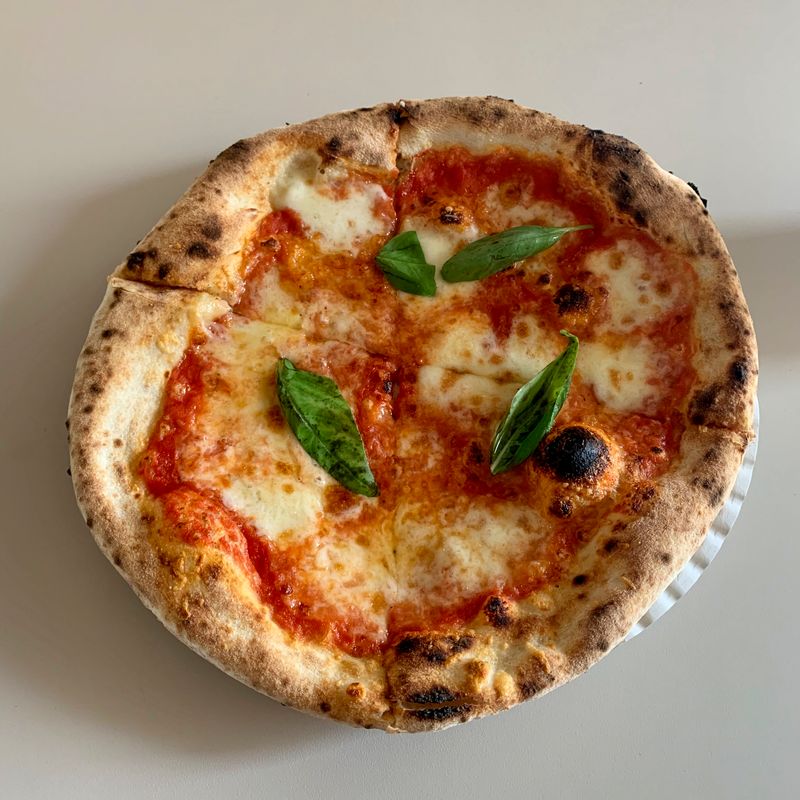
Yes, even pizza has humble beginnings. Poor families in Naples, Italy, topped simple flatbreads with whatever bits of cheese, herbs, oil, or tomatoes they had left.
It was fast, cheap street food for working people.
Today, pizza night is still one of the smartest ways to clean out your fridge. Leftover chicken, roasted veggies, or a little extra cheese can become a brand-new dinner that everyone wants.
15. Croutons
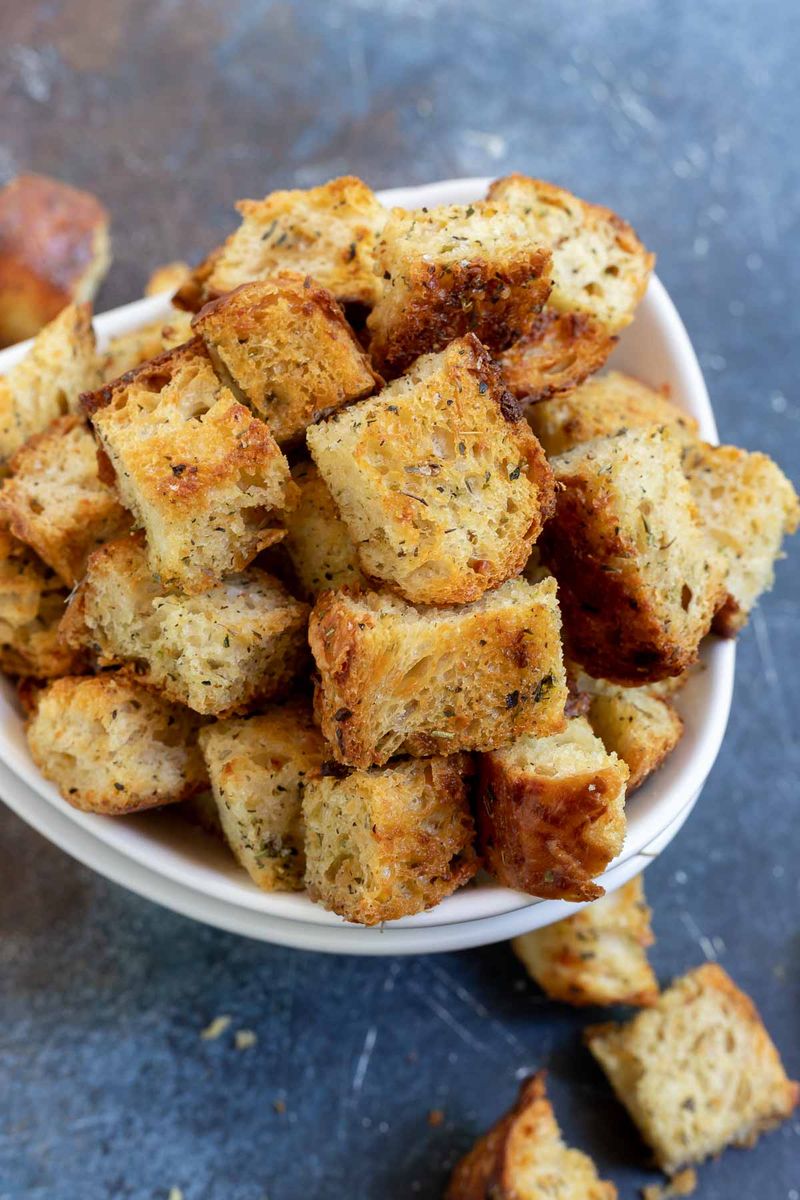
Small but mighty, croutons might be the easiest leftover rescue of all.
French cooks cut stale bread into cubes, tossed them in butter or oil, and toasted them until crunchy. The word crouton comes from croûte, meaning crust.
Making them at home takes about fifteen minutes. Add garlic powder, salt, and herbs, then bake.
They taste way better than store-bought ones and add crunch to soups and salads.
16. Strata
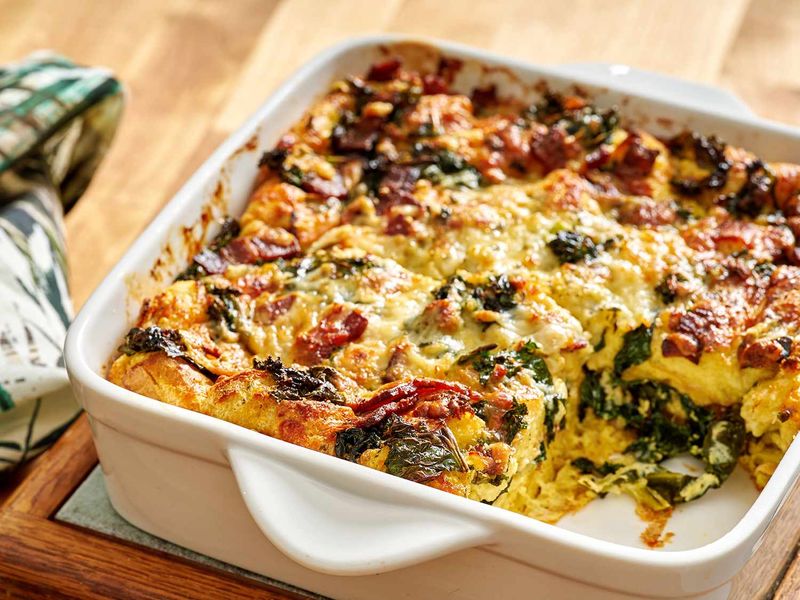
Busy holiday mornings call for something you can prep the night before. Enter the strata.
This American casserole layers stale bread with eggs, milk, cheese, and leftover meats or veggies. It sits overnight in the fridge, soaking everything up, then bakes into a puffy, savory dish.
Its name means layers in Italian. It is a lifesaver after Thanksgiving, when you have extra bread, ham, and hungry relatives.
17. Banana Bread
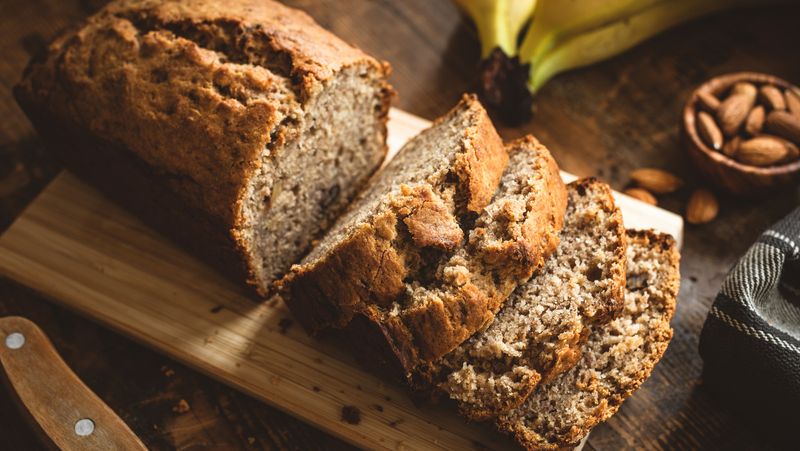
Brown, spotty bananas are not trash. They are an invitation.
Banana bread became hugely popular in America during the Great Depression of the 1930s, when families could not waste a single thing. Baking soda had also become common, making quick breads easy.
The riper the banana, the sweeter and more flavorful the bread. Toss old bananas in the freezer until you are ready to bake.
Walnuts or chocolate chips are tasty extras.