
Have you ever loved a vegetable roasted but hated it boiled? The way you cook food can change its flavor, texture, and even its smell in surprising ways.
Heat, time, and method all work like little magic tricks on your ingredients. Once you learn these tricks, you might discover new favorites hiding in foods you thought you disliked.
1. Brussels Sprouts
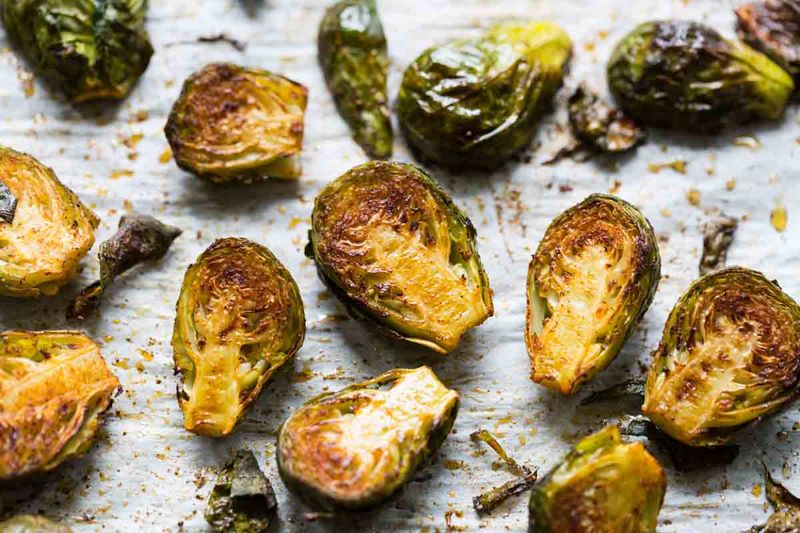
Plenty of grown-ups still shudder thinking about the mushy, gray sprouts from their childhood. Boiling them too long releases sulfur, which creates that stinky, bitter taste.
Roasting tells a totally different story. High heat around 425 degrees turns the edges crispy and brings out a nutty sweetness.
Cut them in half, toss with olive oil and salt, and place them cut side down. You might become a sprout fan overnight.
2. Garlic
Raw garlic bites back. Chop a clove and eat it plain, and your tongue will feel a sharp, spicy burn that lingers for hours.
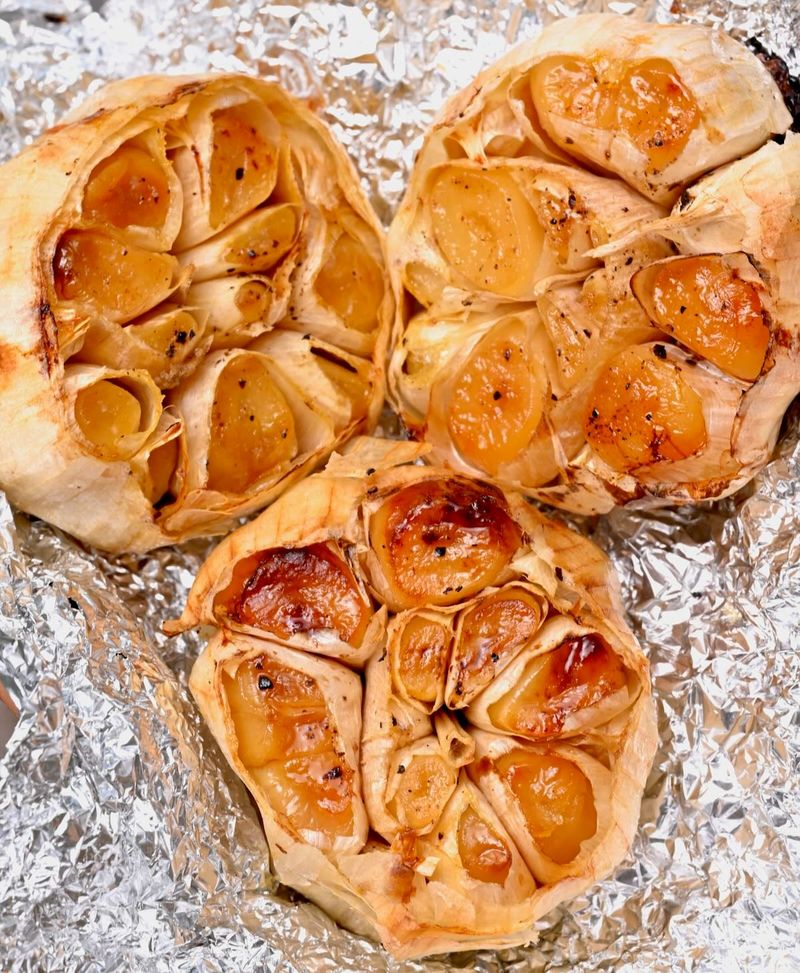
Roast a whole bulb in foil for about 40 minutes, though, and something wonderful happens. The cloves turn soft, golden, and almost sweet, like caramel with a savory twist.
You can spread roasted garlic on toast like butter. It is mellow enough that even picky eaters enjoy it.
3. Onions
Tears while chopping, a sharp crunch in your salad, and a strong smell on your breath. That is the raw onion experience.
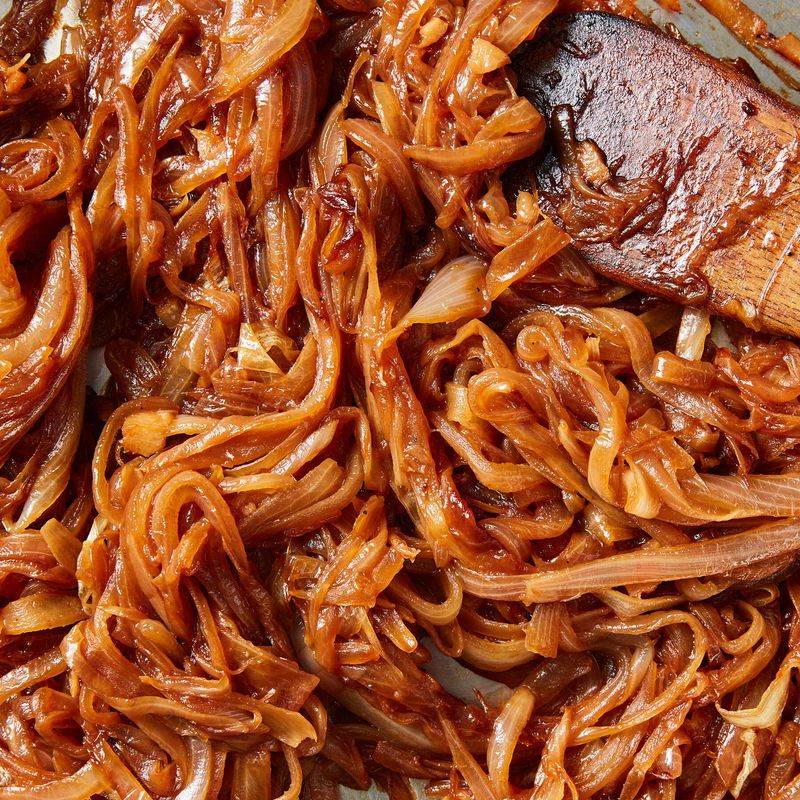
Now picture onions cooked slowly in butter for 45 minutes. They melt into a jammy, brown, sweet pile that tastes nothing like where they started.
Their natural sugars caramelize as the water cooks away.
Patience is the secret here. Rushing with high heat just burns them, so keep the flame low.
4. Eggs
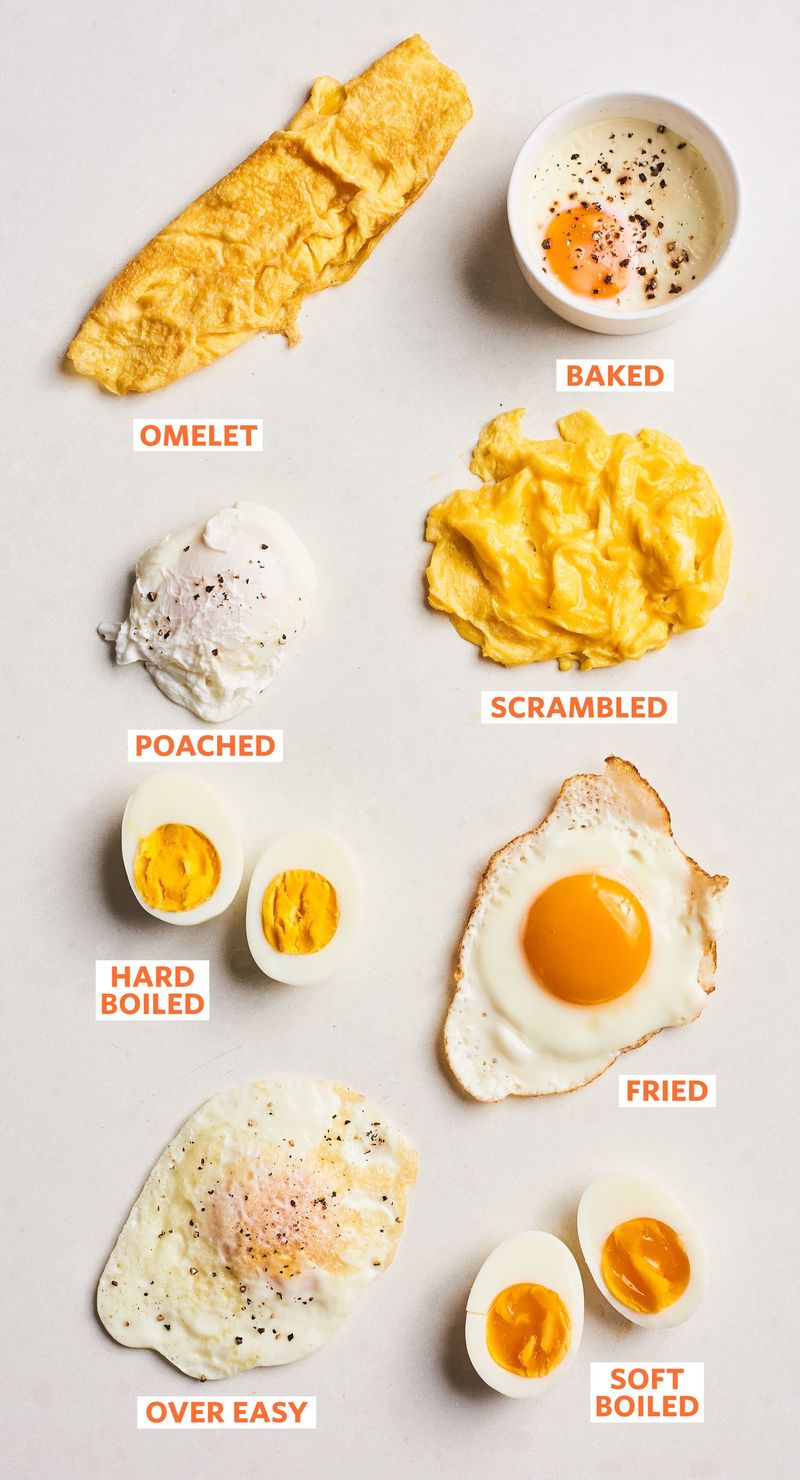
Few foods are as shape-shifting as a simple egg. Scrambled low and slow, it turns creamy and soft.
Fried in hot oil, the edges get lacy and crunchy.
Boiling changes things again. A six-minute egg has a gooey yolk, while a twelve-minute egg turns chalky and firm.
Fun fact: that green ring around an overcooked yolk comes from iron and sulfur meeting. Cooling eggs in ice water helps stop it.
5. Cauliflower
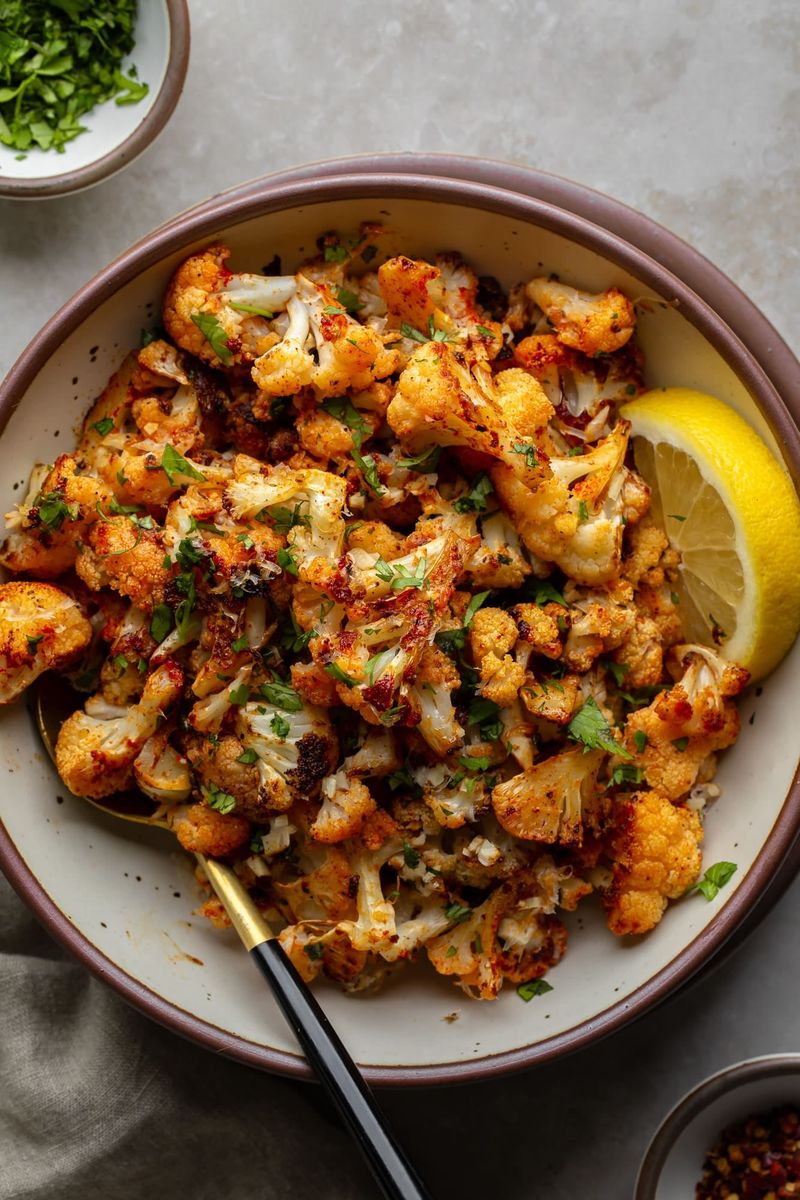
Steamed cauliflower is honestly kind of boring. It tastes mild, watery, and a little like cabbage.
Give it a hot oven, however, and it transforms into a toasty, nutty treat with crispy brown spots. Some people even roast a whole head and slice it like a steak.
Want to get creative? Blend it after boiling with butter and garlic for a fluffy mash that tastes surprisingly close to mashed potatoes.
6. Tomatoes
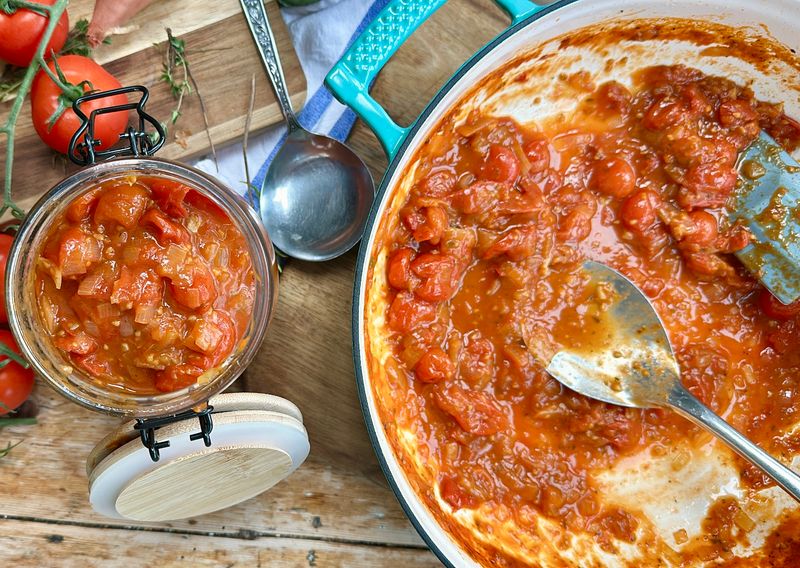
Bite into a fresh summer tomato and you get juicy, bright, slightly tangy flavor. It tastes like sunshine.
Simmer those same tomatoes for an hour and they deepen into a rich, savory sauce. Cooking boosts a natural flavor called umami, which makes food taste meaty and satisfying.
Here is a bonus: cooked tomatoes release more lycopene, a healthy nutrient. So that pizza sauce might be doing your body a small favor.
7. Potatoes
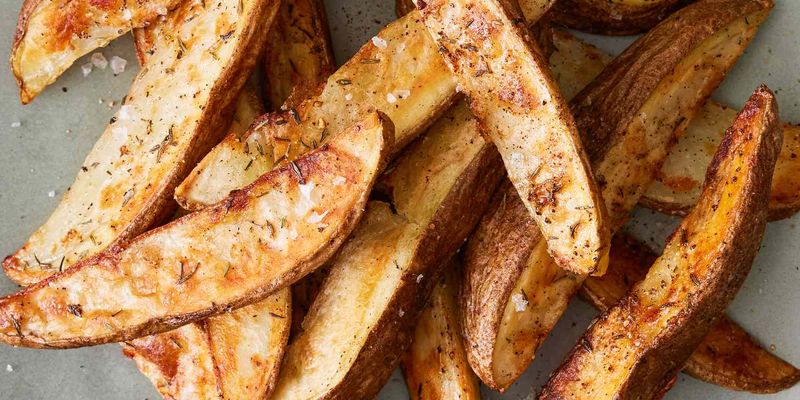
French fries, mashed potatoes, baked potatoes, and chips all start from the same humble spud. Isn’t that wild?
Frying creates a crunchy shell with a soft middle. Baking makes the inside fluffy and light, while boiling keeps them dense and smooth.
For the crispiest roasted potatoes, try boiling them for ten minutes first, then shake them in the pot to rough up the edges. Those scuffed bits turn wonderfully crunchy in the oven.
8. Carrots
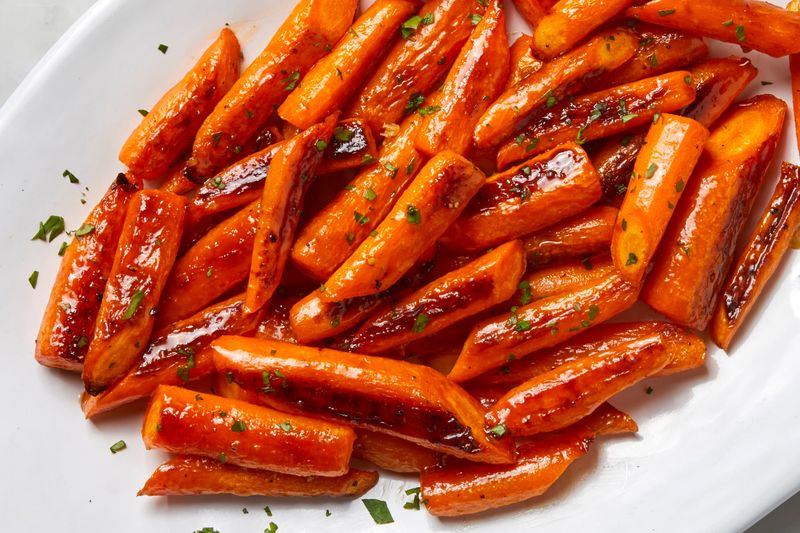
Crunchy carrot sticks make a great lunchbox snack. They are fresh, earthy, and just a little sweet.
Roast them with honey or maple syrup, though, and carrots taste almost like dessert. The heat softens them and concentrates their sugars into something rich and candy-like.
Boiled carrots fall somewhere in the middle, soft but kind of plain. Adding a pat of butter and a pinch of salt afterward can wake them right up.
9. Bell Peppers
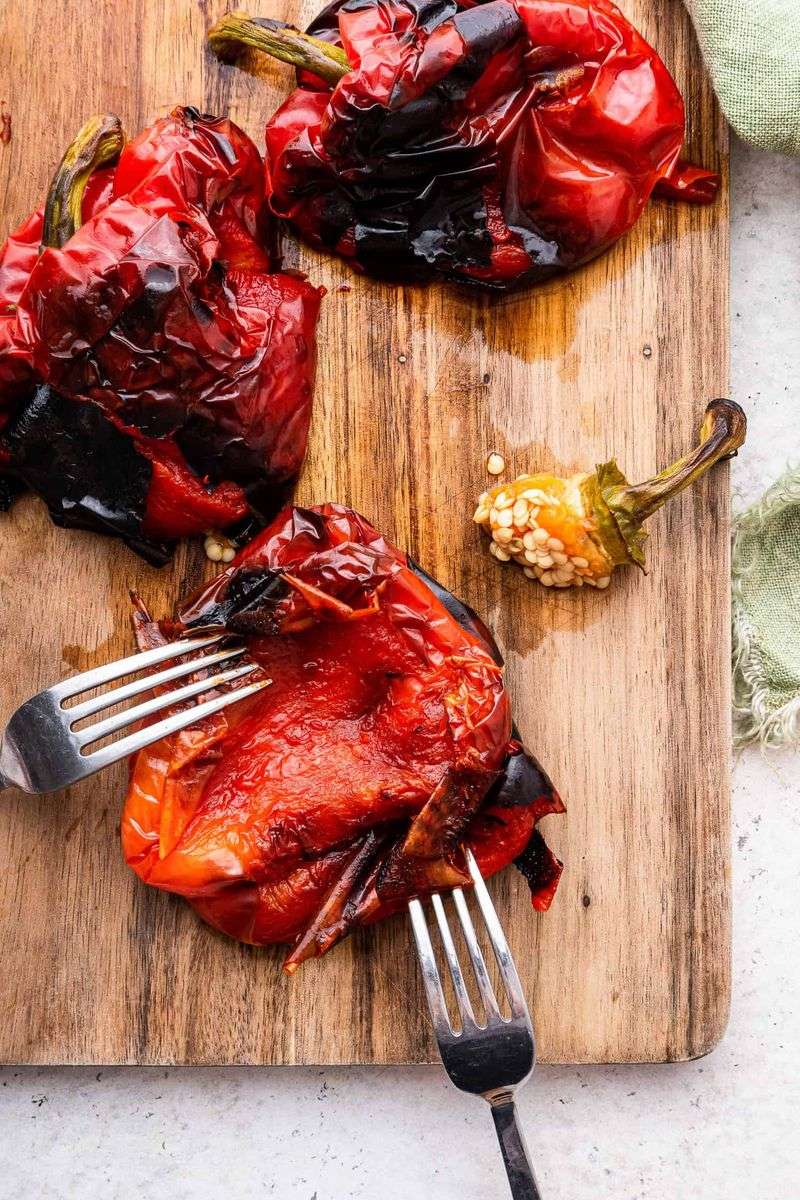
Grandma used to char peppers right over the stove flame until the skins turned black. It looked like a disaster, yet it tasted amazing.
Fire-roasting makes bell peppers smoky, silky, and deeply sweet. Raw peppers, on the other hand, stay crisp, juicy, and fresh, perfect for dipping in hummus.
After roasting, seal them in a bowl with a lid for ten minutes. The steam loosens the skin so it peels right off.
10. Mushrooms
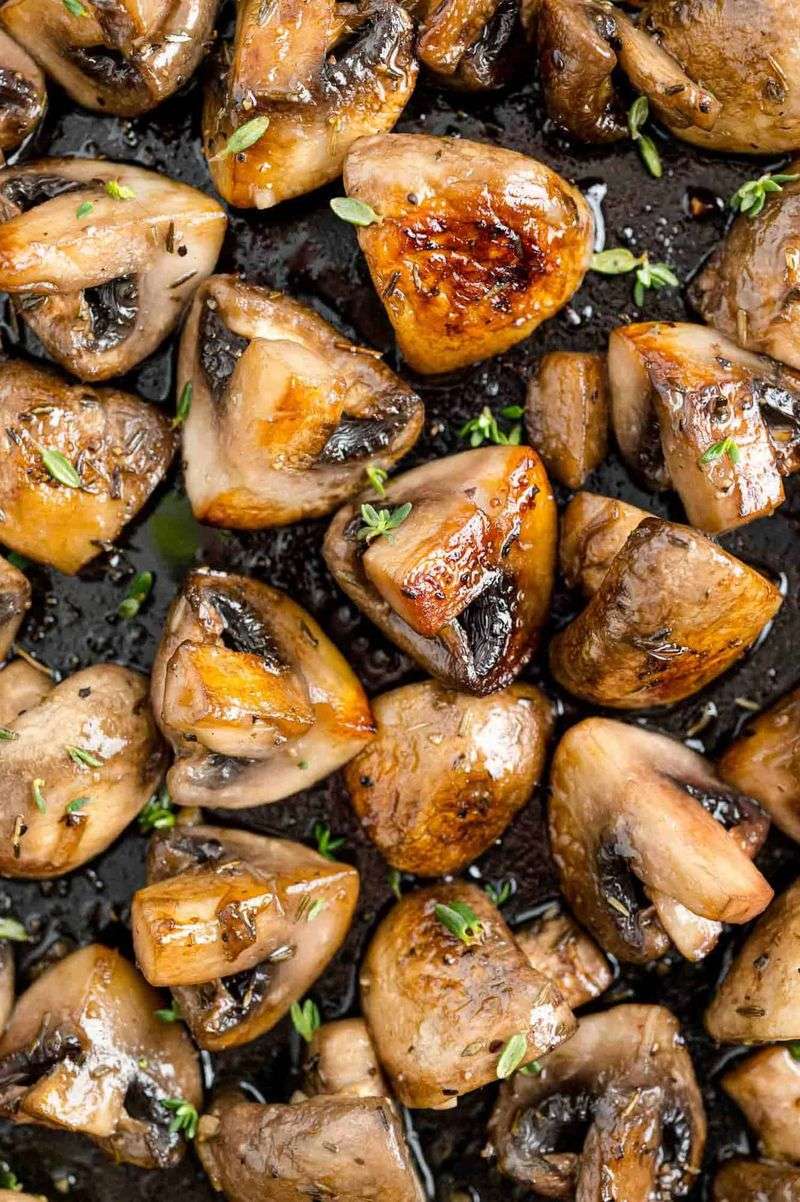
Squishy, rubbery, and gray. Lots of kids describe mushrooms that way, and honestly, they have a point when mushrooms are cooked poorly.
The trick is a hot pan and plenty of space. Crowded mushrooms steam in their own water, but spread-out ones brown beautifully and taste meaty and rich.
Wait to add salt until they are golden. Salting too early pulls out moisture and leaves you with a soggy pile instead.
11. Broccoli
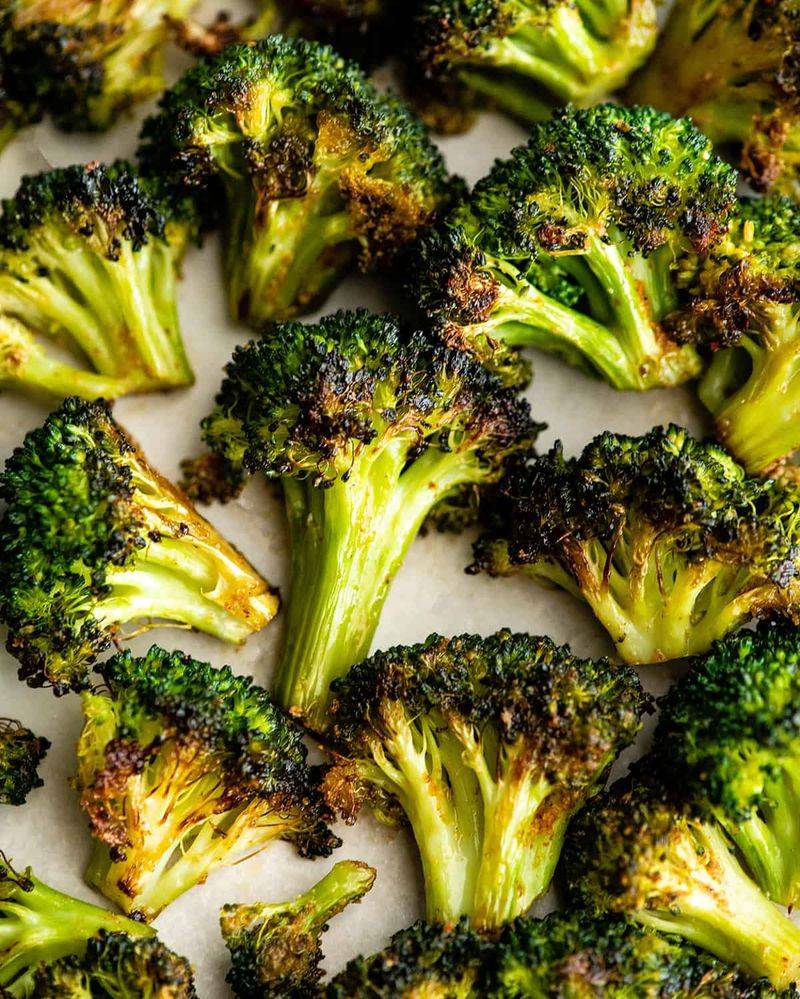
Picture two plates. One holds soft, olive-green broccoli that smells a bit like old socks.
The other has bright florets with crispy, browned tips.
Overcooking is the culprit behind that first plate. Quick steaming for about four minutes keeps broccoli vivid and fresh.
Roasting brings out a toasty, almost popcorn-like flavor in the crunchy tops. Squeeze some lemon juice on afterward, and you might want seconds.
12. Chicken
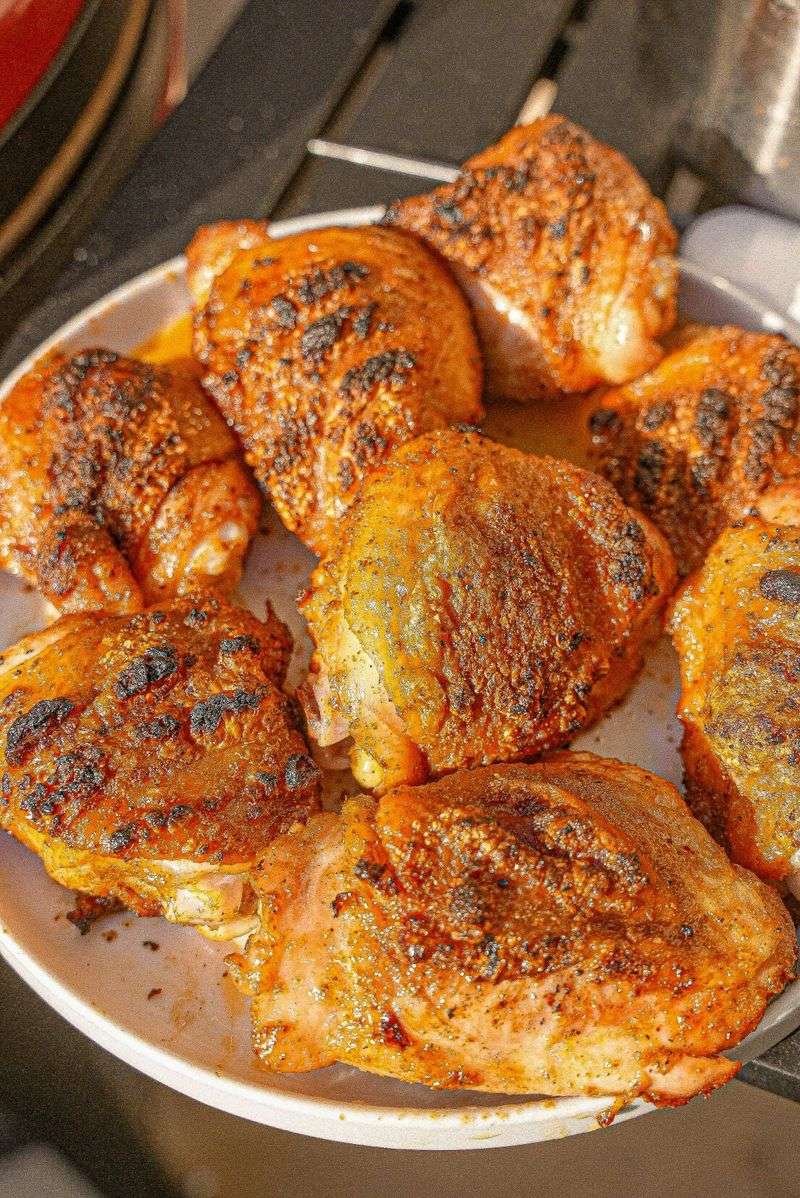
Did you know chicken can taste smoky, crunchy, or fall-apart tender, all depending on the pan you grab?
Grilling adds charred, smoky notes. Frying wraps it in a crispy, salty crust.
Slow braising in broth makes thighs so tender they slide off the bone.
Dry, chewy chicken usually means it cooked too long. A cheap meat thermometer helps a lot.
Pull chicken off the heat at 165 degrees for juicy results.
13. Cabbage
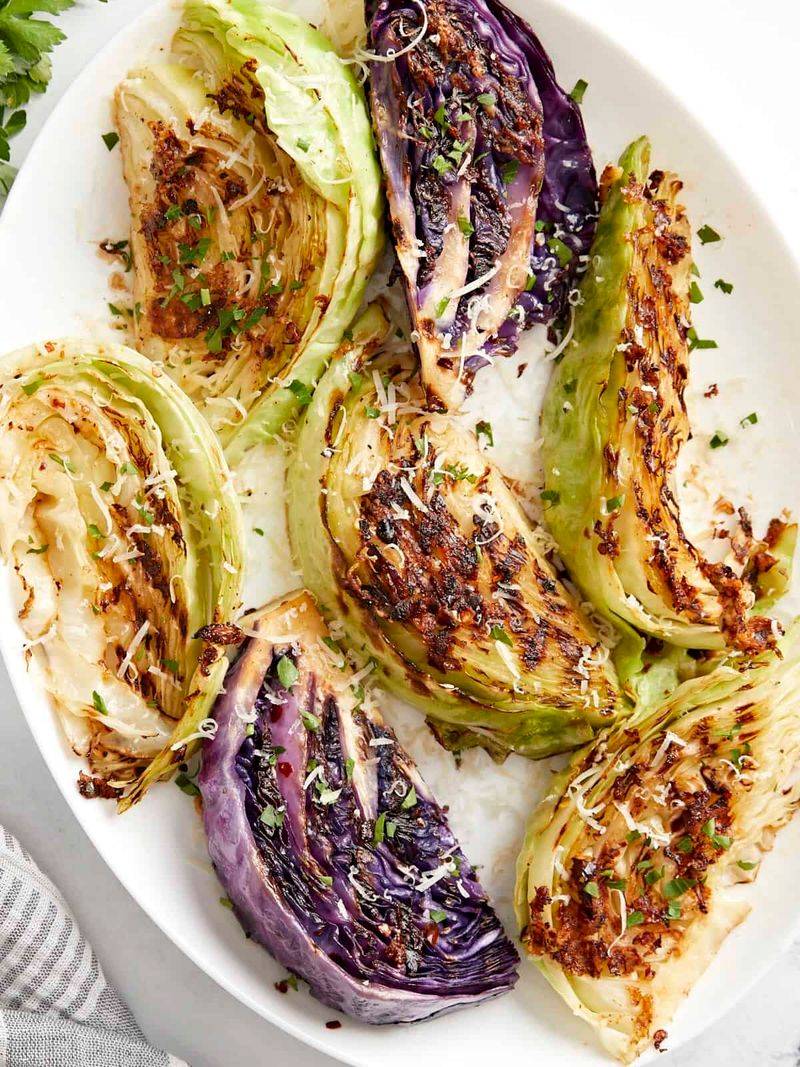
Cabbage might be the most underrated vegetable around. Raw, it gives coleslaw a peppery crunch that cools you down on hot days.
Slow-cooked with butter, it becomes soft, sweet, and silky. Charred in wedges, it gets crispy edges and a smoky flavor.
Then there is fermentation. Sauerkraut and kimchi are both cabbage, yet they taste sour and tangy.
People have preserved cabbage this way for over two thousand years.
14. Eggplant
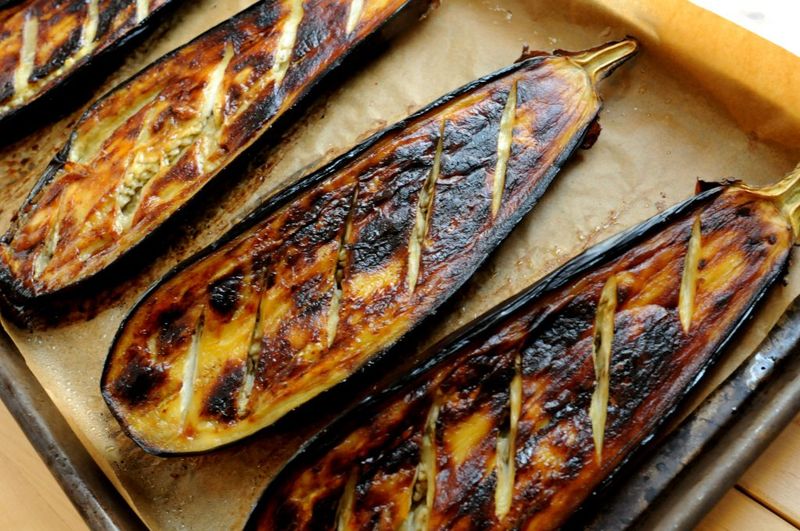
Spongy and bitter one minute, creamy and dreamy the next. Eggplant is a real kitchen chameleon.
Undercooked eggplant feels squeaky and strange in your mouth. Cook it fully, and it turns rich and tender.
Roasting it whole until it collapses creates the smoky base for baba ganoush, a Middle Eastern dip.
Frying works too, giving crisp golden slices. Just know eggplant soaks up oil like a sponge, so go easy.
15. Bananas
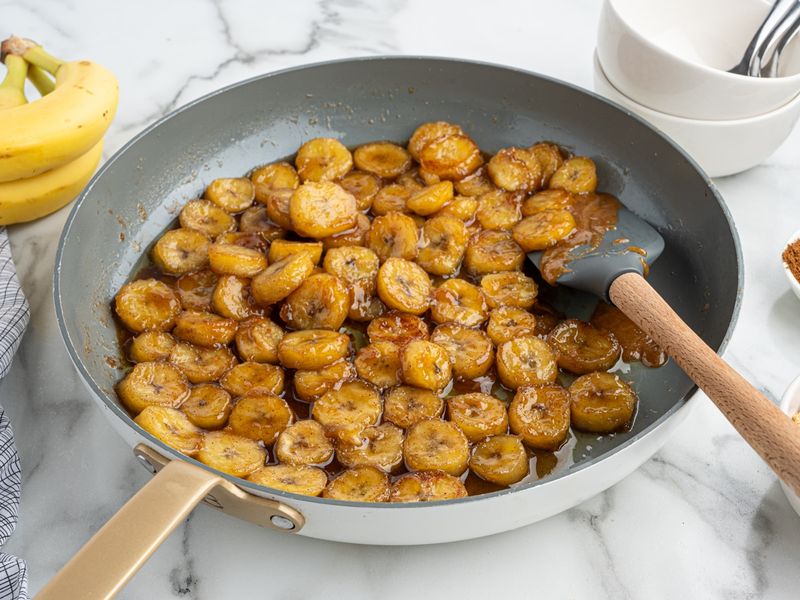
Most people only eat bananas fresh from the peel. That is a shame, because heat unlocks a whole new treat.
Pan-fry banana slices in butter with a little cinnamon, and the outside caramelizes into a sticky, toffee-like coating. Grilled bananas get gooey and taste amazing with chocolate.
Overripe, spotty bananas also bake into sweet, moist banana bread. So before you toss those brown ones, think twice and preheat the oven instead.
16. Salmon
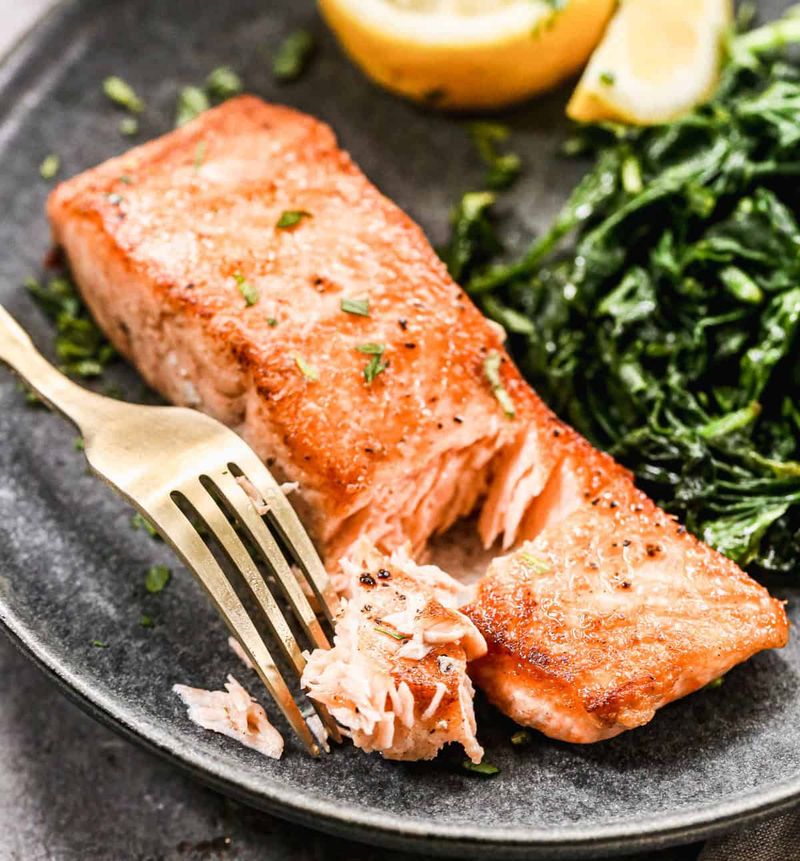
Chefs love salmon because it can play so many roles. Pan-seared with the skin down, it gets a crackly crust and buttery inside.
Gentle poaching in simmering water keeps it delicate and soft. Smoked salmon tastes salty, silky, and totally different from either.
A helpful tip: salmon cooks fast. Once it flakes easily with a fork, take it off the heat.
Leaving it longer makes it dry and chalky.
17. Corn
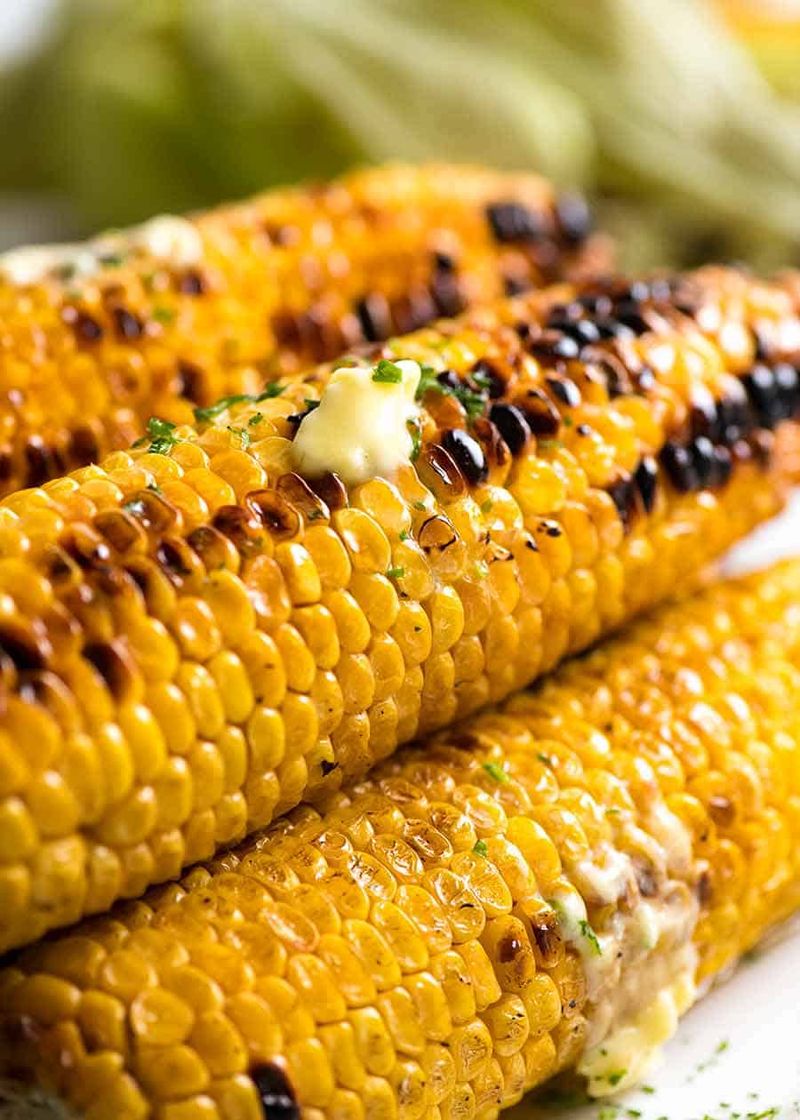
Summer cookouts just feel incomplete without grilled corn. Those charred, smoky kernels taste sweet and slightly toasty.
Boiled corn stays juicy and bright but lacks that smoky kick. Then there is popcorn, which comes from a special type of corn whose kernels explode when heated, thanks to a tiny drop of water trapped inside.
Try brushing grilled corn with lime and chili powder. That is how street vendors in Mexico serve elote.