
Power does not always come from armies, crowns, or great wealth. A single teaching, discovery, or invention can change how people live for centuries.
Drawing on Michael Hart’s ranking of influential people, this list explores figures whose ideas and actions helped shape our world. Their influence is not a measure of goodness, and their places in history remain open to debate.
1. Muhammad: Faith and Leadership United

Across seventh-century Arabia, a religious message became the foundation of a new community. Muslims believe Muhammad received revelations from God, later collected in the Quran.
His teachings stressed worship, charity, and responsibility toward others.
As a leader in Medina, he also guided political and social life, bringing many Arab tribes together. Islam spread widely after his death in 632.
His lasting influence shows how deeply faith and government can shape communities across generations and borders.
2. Isaac Newton: Rules Behind a Moving World
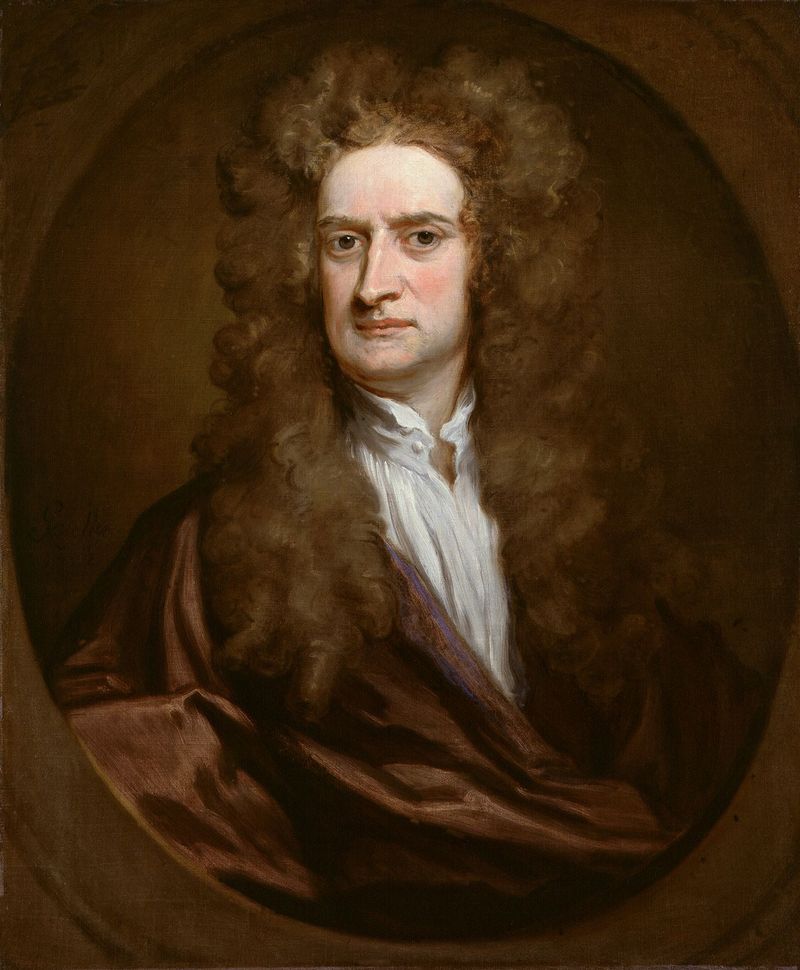
An apple falling and the Moon circling Earth might seem unrelated. One English thinker helped explain both through gravity.
His laws of motion also described how forces change the movement of objects, from rolling balls to speeding planets.
Published in 1687, his Principia became a landmark in science. He also studied light and helped develop calculus.
Next time you watch a bicycle brake, remember that everyday motion follows patterns he helped make clearer for everyone.
3. Jesus Christ: A Message That Crossed Continents
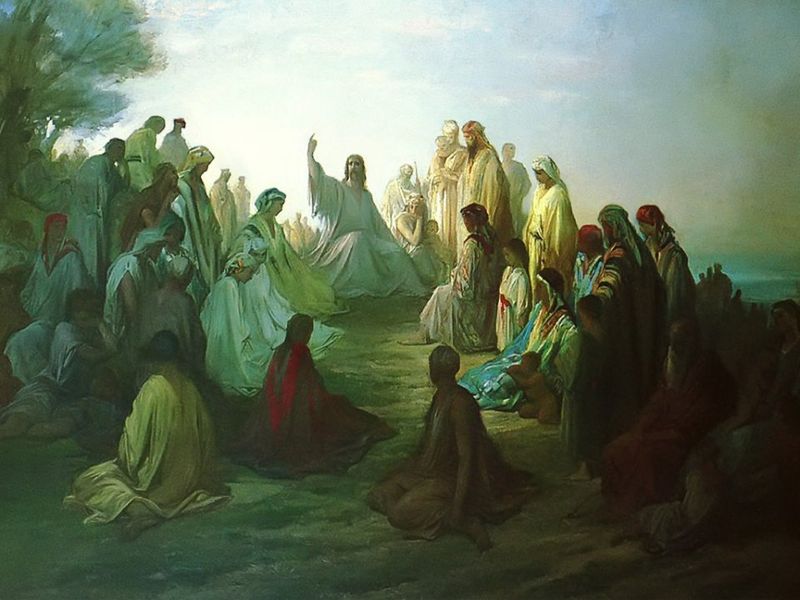
Love your neighbor sounds simple, yet its reach has been enormous. Through teachings about mercy, forgiveness, and care for people in need, a Jewish teacher in Roman Judea inspired the movement that became Christianity.
Christians believe he is the Son of God and rose from the dead. Accounts of his life appear in the Gospels.
Across centuries, his followers shaped schools, hospitals, laws, music, and art, making his influence both deeply personal and widely public.
4. Buddha: Finding Strength Through Understanding
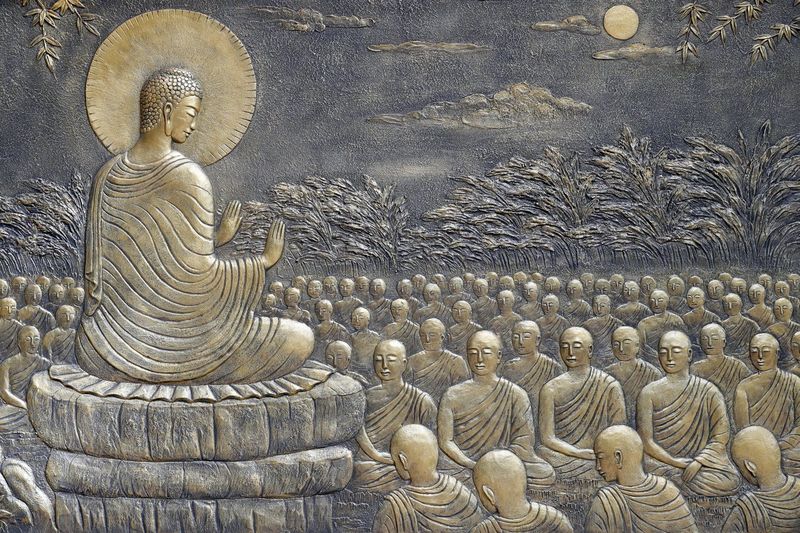
Instead of chasing greater riches, a spiritual seeker asked why people suffer. Known as Siddhartha Gautama, the Buddha taught that craving and ignorance help create suffering, and that wisdom, ethical behavior, and mental training offer a path toward freedom.
His lifetime is debated, but his impact is clear. Buddhist traditions spread across Asia and later worldwide.
Practices such as mindful attention invite people to notice their reactions before acting, connecting ancient teachings with ordinary daily challenges.
5. Confucius: Building Society Through Character

Good government, one Chinese teacher argued, begins with people learning to act well. He stressed kindness, respect, study, and the duties people have toward family and society.
Leaders, he believed, should guide through moral example rather than fear alone.
Later followers gathered his sayings in the Analects. His ideas shaped education and public service across East Asia for centuries.
Even today, debates about fair leadership echo his concern with character, responsibility, and earning other people’s trust.
6. St. Paul: Letters That Built Communities
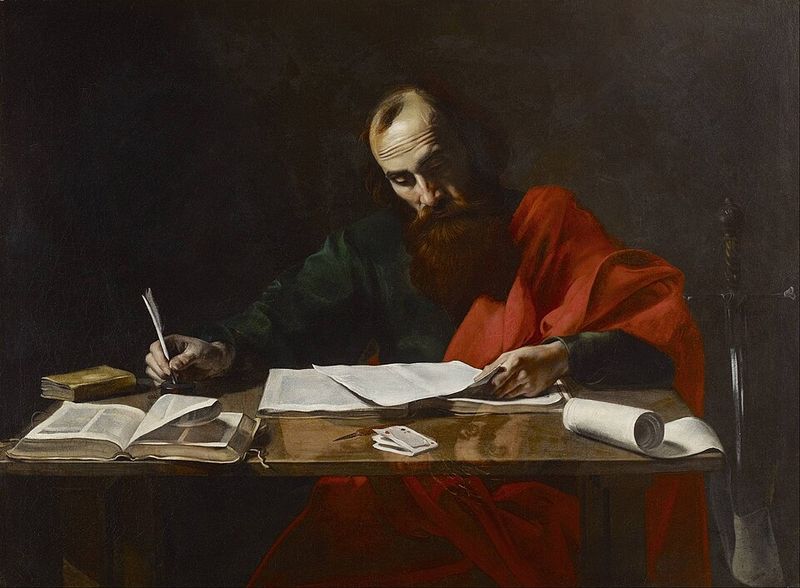
A letter can travel farther than its writer ever imagines. Several letters by this early Christian missionary became part of the New Testament, giving later generations guidance about faith, community, and conduct.
After becoming a follower of Jesus, Paul traveled through the eastern Roman world and helped establish congregations. He argued that non-Jews could join the movement without adopting all Jewish laws.
That position helped Christianity grow beyond its earliest setting and reach new audiences abroad.
7. Cai Lun: A Lasting Mark on Paper
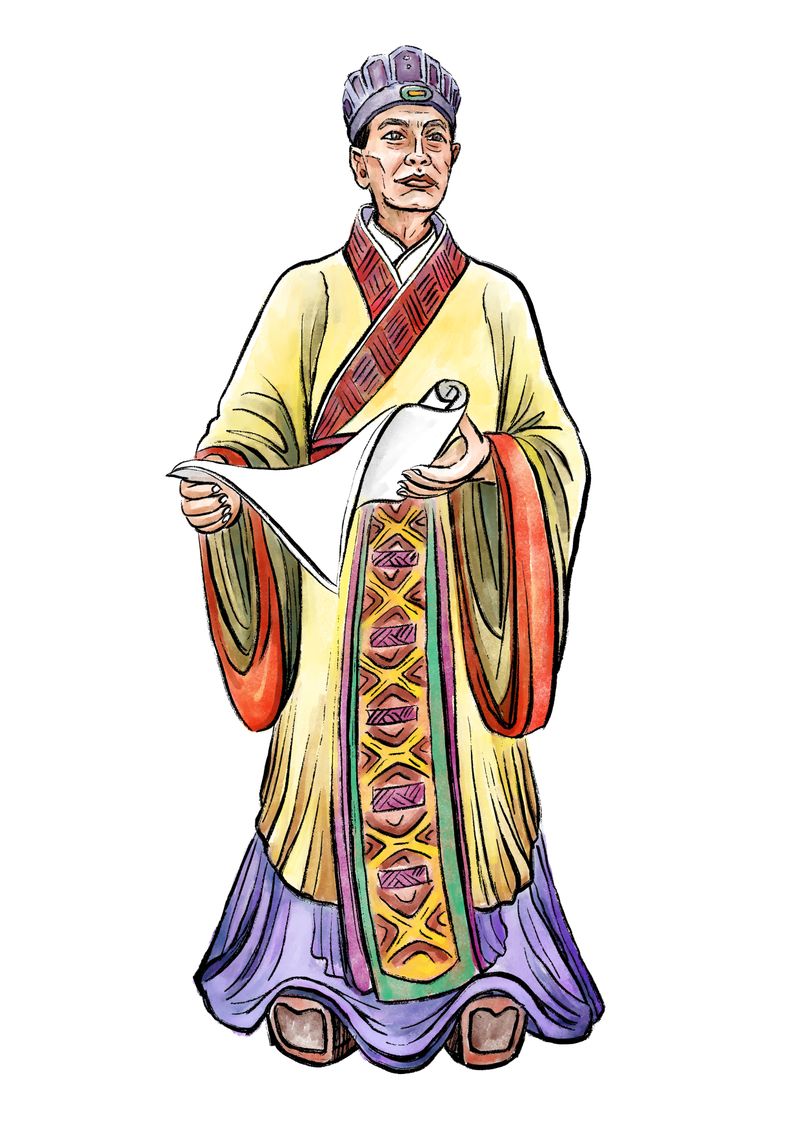
Imagine keeping school notes on heavy bamboo strips instead of paper. In ancient China, writing materials could be costly or awkward.
A court official traditionally credited with improving papermaking helped change that story around 105 CE.
Paper existed before Cai Lun, so calling him its sole inventor oversimplifies the evidence. His recorded contribution involved practical materials and methods.
As papermaking spread, cheaper writing surfaces supported books, records, education, and the exchange of ideas across distant societies.
8. Johannes Gutenberg: Making Ideas Easier to Share
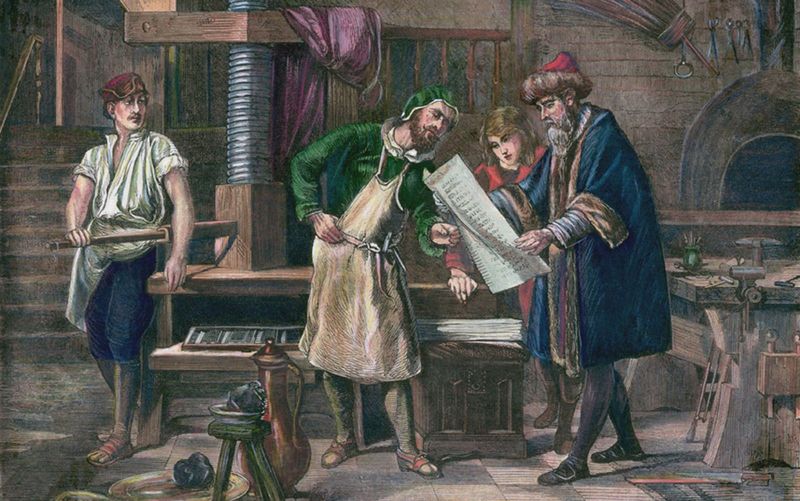
Before printed books became common in Europe, copying a manuscript could take months. During the 1400s, a German craftsman developed a printing system using movable metal type, suitable ink, and a press that could produce pages repeatedly.
Printing and movable type already existed in East Asia. Gutenberg’s system transformed European publishing, helping books reach more readers.
Religious arguments, scientific findings, and political ideas spread faster, showing how a communication tool can change who gets heard publicly.
9. Christopher Columbus: Voyages With Unequal Consequences
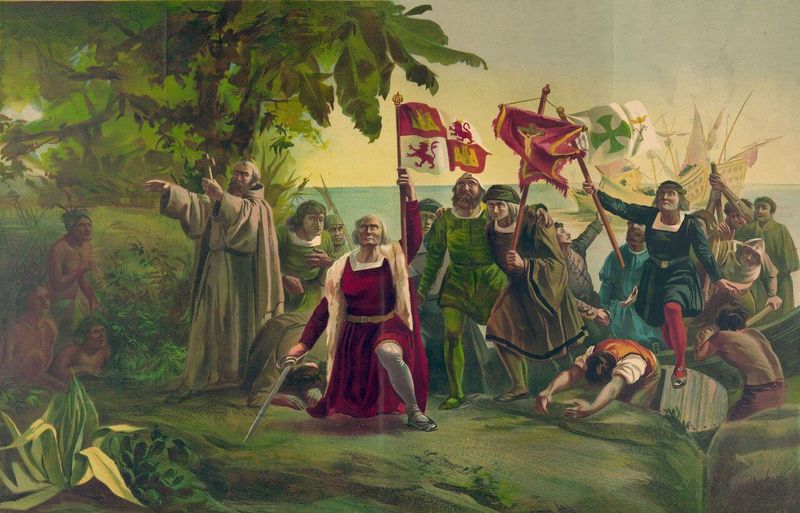
When ships crossed the Atlantic in 1492, worlds already full of people entered a devastating new relationship. The voyages launched sustained contact between Europe and the Americas, although Indigenous peoples had lived there for thousands of years.
Columbus sailed for Spain and helped establish colonial rule marked by forced labor and violence. Later exchanges moved crops, animals, people, and diseases across oceans.
Understanding his influence means recognizing both global change and the suffering inflicted on communities.
10. Albert Einstein: Rethinking Space and Time
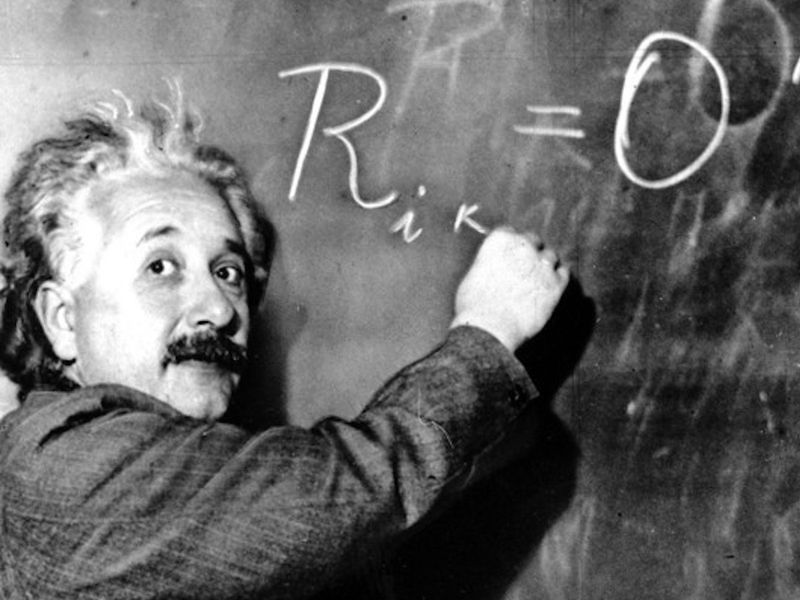
Clocks do not always tick at the same rate. That surprising idea sits within relativity, which changed how scientists understand space, time, and gravity.
A former patent clerk helped show that the universe behaves differently from everyday expectations.
His famous equation, E = mc², connects mass and energy. He also explained the photoelectric effect, work recognized by a Nobel Prize.
Modern satellite navigation uses corrections based on relativity, bringing his unusual ideas into ordinary journeys every day.
11. Louis Pasteur: Fighting Threats Too Small to See
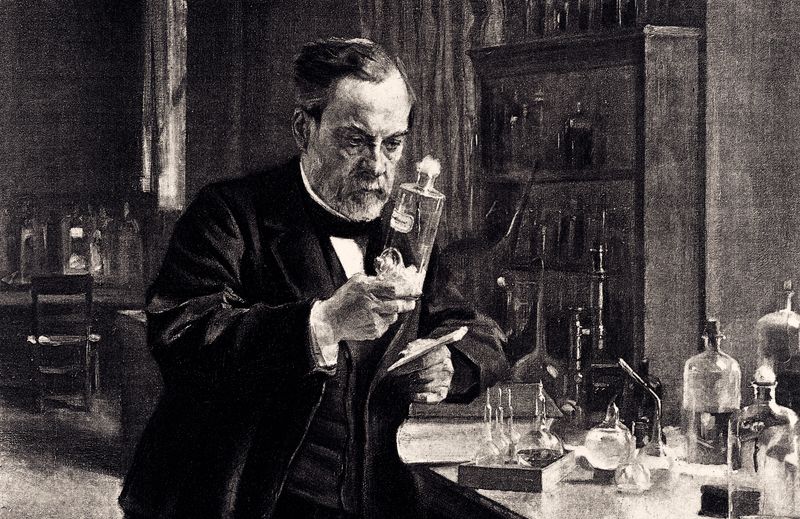
A glass of milk offers a small reminder of a huge scientific change. Research into microbes helped explain why food spoils and how some diseases spread.
Heating certain drinks to reduce harmful germs became known as pasteurization.
Working with colleagues, Pasteur also developed vaccines against anthrax and rabies. His experiments strengthened germ theory, alongside work by other scientists.
The lesson reaches beyond laboratories: testing explanations carefully can lead to habits and treatments that protect entire communities.
12. Galileo Galilei: Letting Evidence Challenge Belief
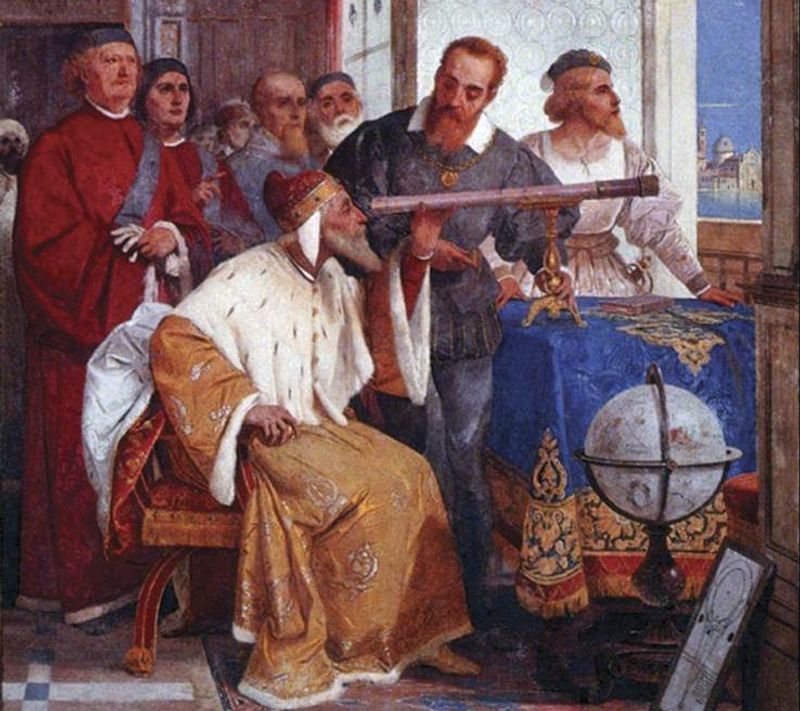
Four tiny lights near Jupiter helped shake an old picture of the universe. Observing through an improved telescope, an Italian scientist discovered moons orbiting that planet.
Here was clear evidence that not everything circled Earth.
His observations supported the view that Earth travels around the Sun. Church authorities later tried him, and he spent his remaining years under house arrest.
His studies of motion also advanced physics, making his career a powerful example of questioning authority.
13. Aristotle: Asking Questions About Almost Everything
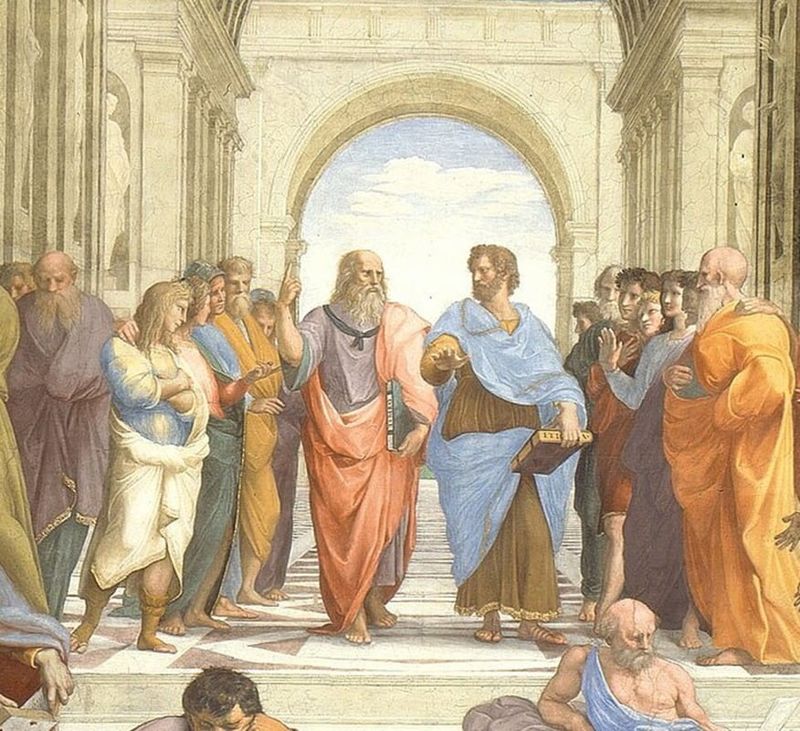
Animals, friendship, government, poetry: almost nothing escaped one Greek thinker’s curiosity. A student of Plato and later a teacher of Alexander the Great, he built systems for studying nature and reasoning through difficult questions.
His writings shaped scholarship in Islamic, Jewish, and Christian traditions. Many scientific claims were eventually overturned, but his methods of sorting ideas and examining arguments remained influential.
Reading him offers a useful reminder that great thinkers can be insightful and mistaken at once.
14. Euclid: Giving Geometry a Clear Structure
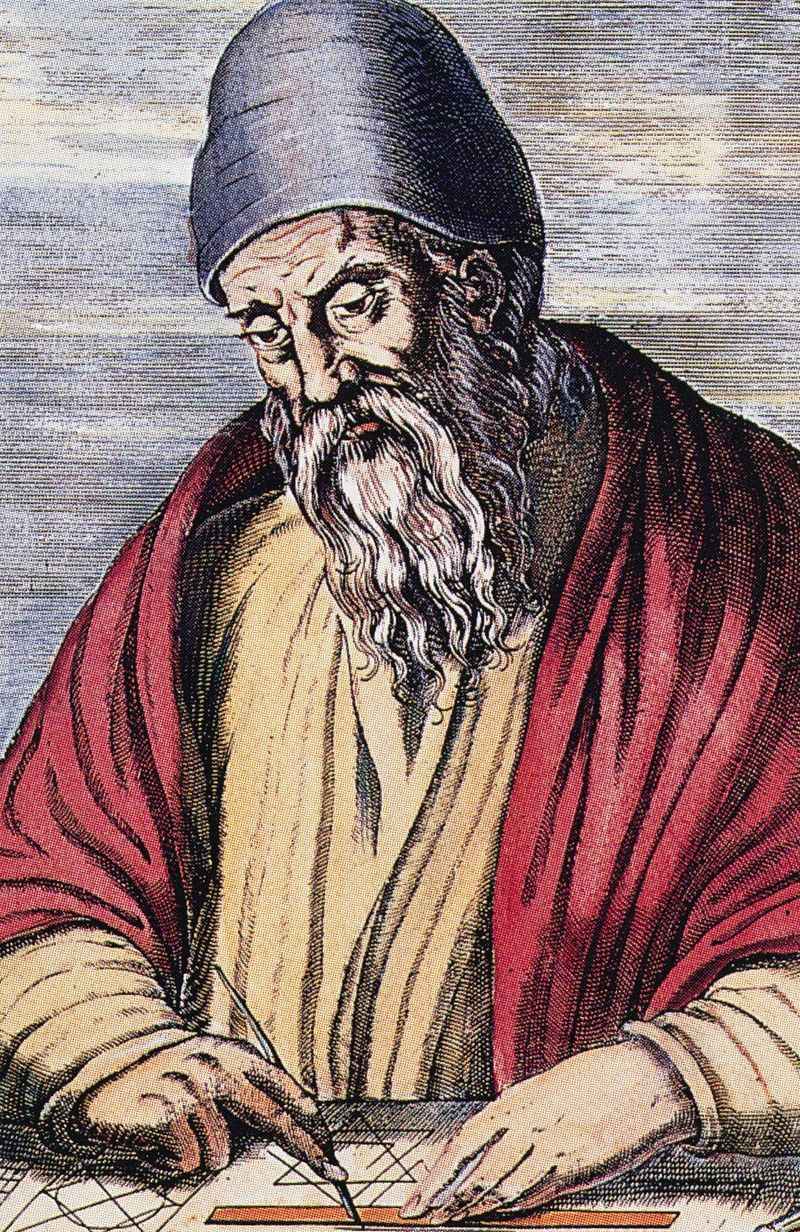
A triangle on a classroom board carries a very long history. Around 300 BCE, a mathematician working in Alexandria organized geometric knowledge into the Elements.
The work built conclusions step by step from definitions, basic assumptions, and earlier proofs.
Little is known securely about his life. His book, however, became one of history’s most influential textbooks.
Its lasting gift is not merely a collection of shapes, but a clear model for explaining why a claim follows logically.
15. Moses: Law, Freedom, and Sacred Memory
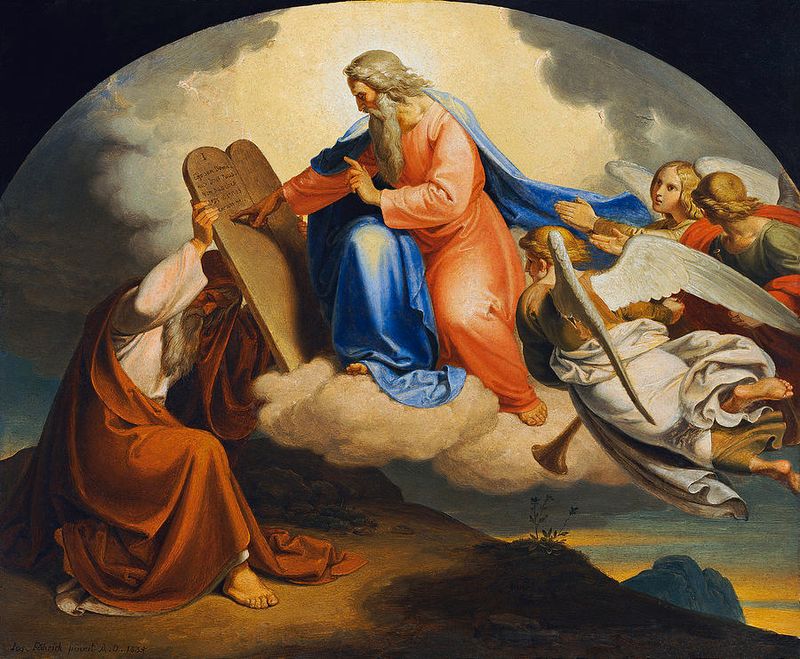
A journey from slavery toward freedom stands at the heart of the Exodus story. In Jewish tradition, the leader of that journey also receives God’s law, including the Ten Commandments.
Christianity and Islam likewise give him a major role.
Independent historical evidence about Moses is limited, and scholars debate the events behind these accounts. His influence is clearer than his biography: stories associated with him have shaped worship, moral duties, legal thinking, and movements seeking liberation worldwide.
16. Charles Darwin: Explaining How Life Changes
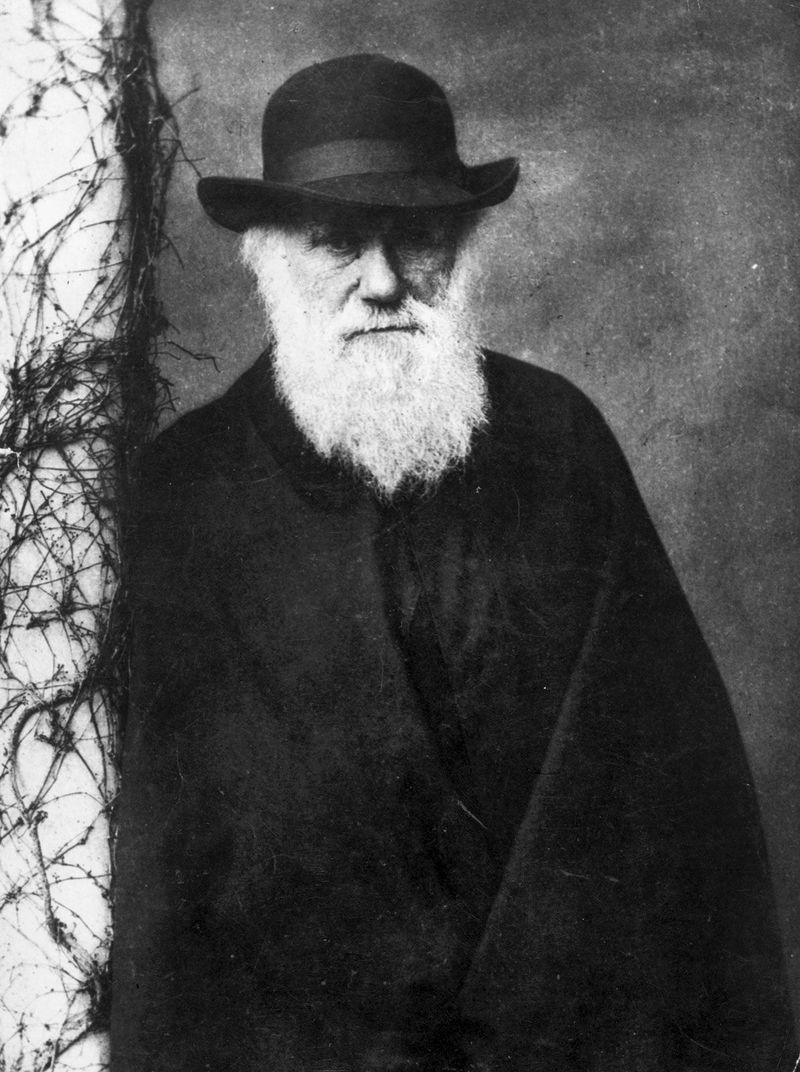
Small differences between living things can matter enormously over many generations. After years of observation, a British naturalist explained how natural selection helps species change.
Individuals with useful inherited traits may leave more offspring in a particular environment.
Published in 1859, On the Origin of Species transformed biology. Alfred Russel Wallace independently developed a similar explanation, prompting a joint presentation earlier.
Today’s studies of antibiotic resistance offer a practical example of evolution happening within timescales people can observe.