
Revenge can turn a scary story into something much harder to shake. When hurt people strike back, the line between victim and villain can disappear fast.
These films helped shape revenge horror, while a few pushed its ideas into action and crime thrillers. From haunted dreams to deadly prom nights, their stories show why getting even rarely brings peace.
1. Carrie (1976): A Prom Night That Changed Horror
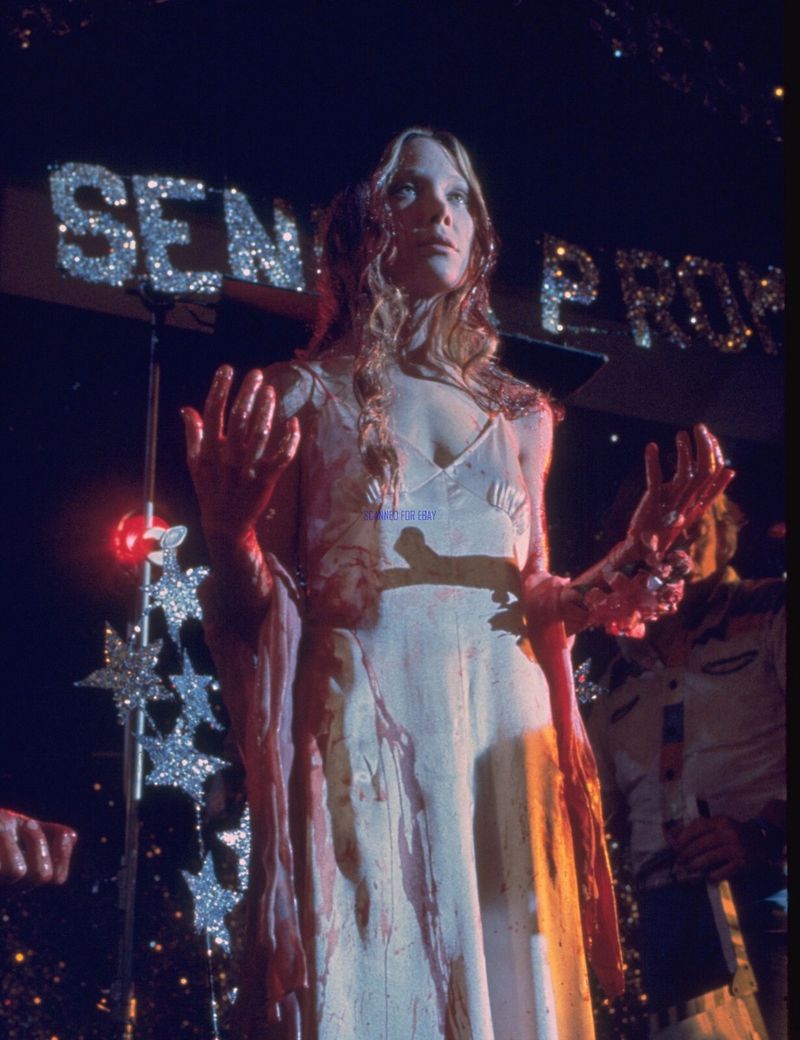
Few school dances have left such a deep mark on movie history. Brian De Palma turns Stephen King’s story about a bullied girl with strange powers into a painful portrait of loneliness, shame, and anger.
The famous prom sequence works because we understand Carrie’s need to belong before everything falls apart. Watch how the camera builds hope, then dread.
Its lasting lesson for horror storytellers is simple: revenge hits harder when the audience first feels the hurt.
2. The Last House on the Left (1972): Terror Comes Home
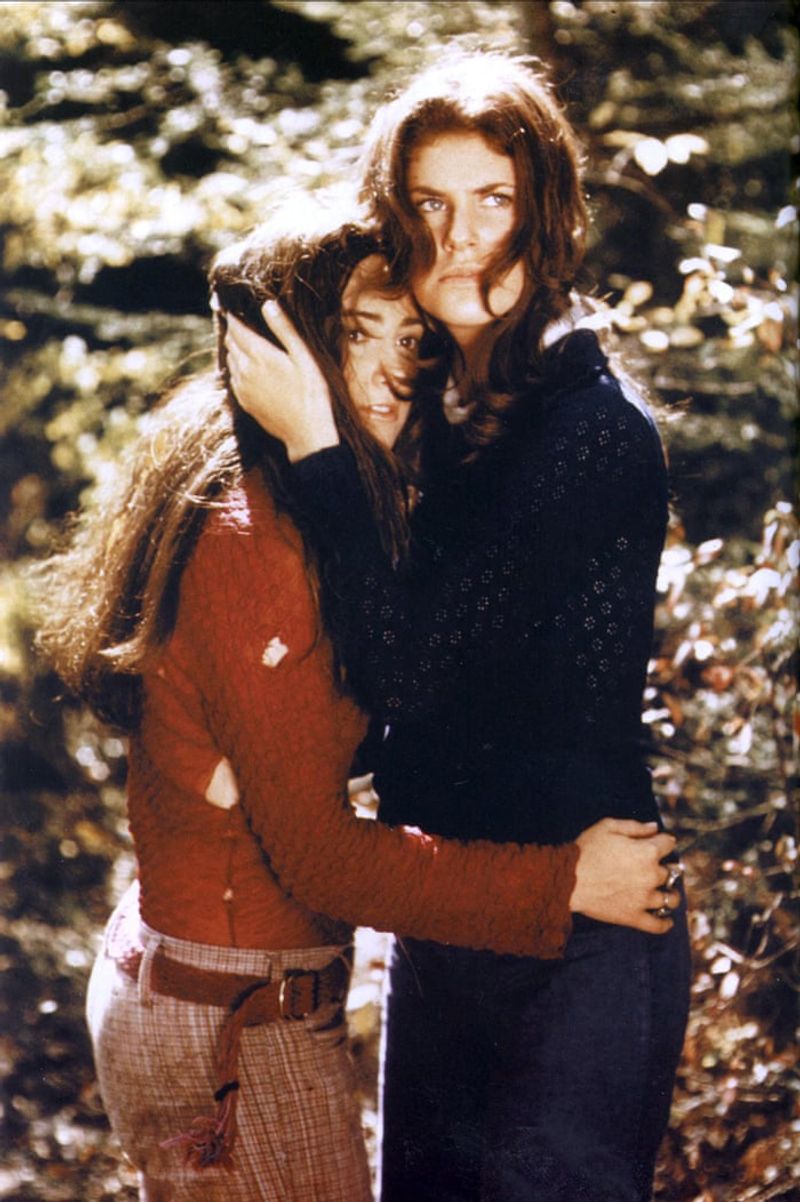
Home stops feeling safe in Wes Craven’s rough, upsetting first feature. After criminals attack two young women, one victim’s parents discover who is staying under their roof and seek revenge.
Its harsh style strips away the comfort of polished movie violence. Rather than offering easy justice, the story makes ordinary people frightening too.
Expect disturbing sexual violence and cruelty. For viewers studying horror history, its impact lies in making revenge feel ugly rather than heroic or clean.
3. I Spit on Your Grave (1978): A Divisive Turning Point
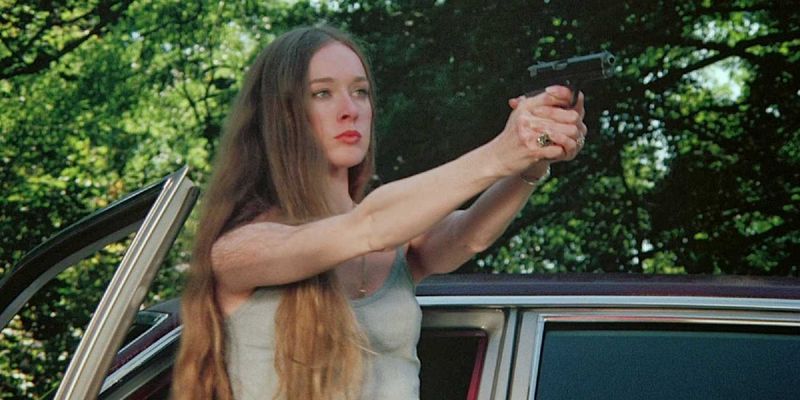
Arguments about this film have lasted almost as long as its reputation. Meir Zarchi follows a writer whose peaceful country stay becomes a nightmare, followed by her pursuit of the men who attacked her.
Some viewers see survival and control; others see exploitation of suffering. That split is central to its place in revenge horror.
Approach it with care because the sexual violence is prolonged. Understanding its influence does not require enjoying or defending its extreme choices.
4. Ms. 45 (1981): City Streets Become a Battleground
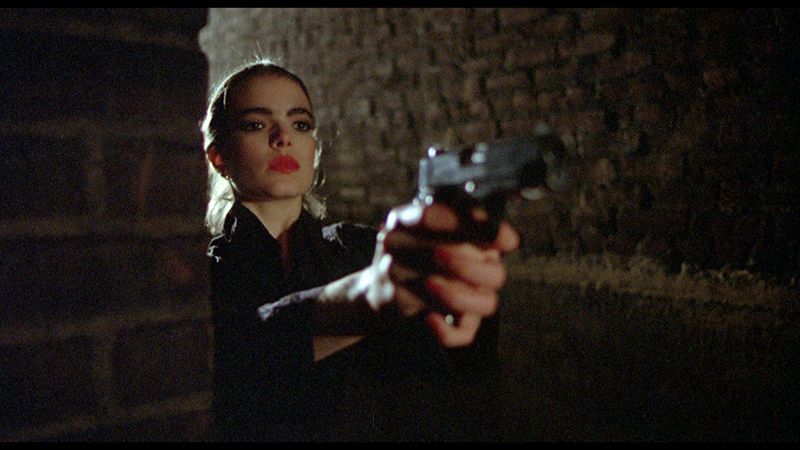
New York feels like a trap in Abel Ferrara’s fierce street thriller. Thana, a young seamstress who cannot speak, survives two assaults and begins carrying a pistol through a city filled with threats.
Her silence makes looks, gestures, and sound especially powerful. Although closer to vigilante cinema than traditional horror, the film shares the genre’s fear and growing dread.
Notice how her targets change: the story steadily challenges any simple idea that revenge automatically equals justice for victims.
5. A Nightmare on Elm Street (1984): Revenge Invades Sleep
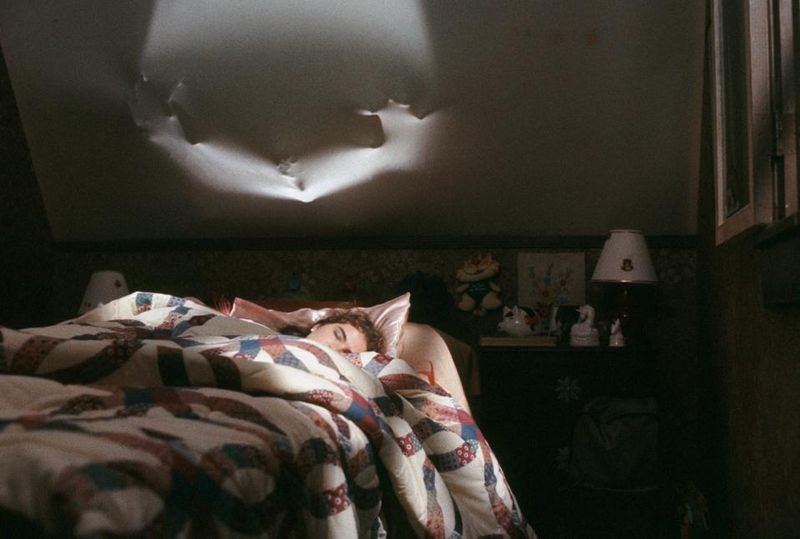
Falling asleep should offer an escape, not open a door to danger. Wes Craven breaks that promise with Freddy Krueger, a murdered killer who attacks the children of the parents responsible for his death.
Revenge becomes something inherited, reaching teenagers through choices they never made. The dream setting also frees the scares from ordinary rules.
Pay attention to Nancy’s problem solving: her active resistance helps balance Freddy’s power and gives this inventive nightmare a strong emotional center.
6. Oldboy (2003): A Puzzle Built from Pain
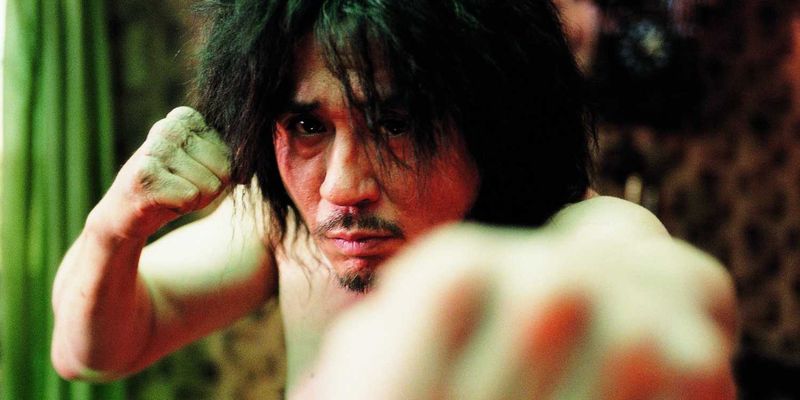
Fifteen stolen years leave one man desperate for answers. Park Chan-wook follows Oh Dae-su after his unexplained imprisonment ends, turning his search into a carefully arranged trap of secrets and emotional cruelty.
Best viewed without spoilers, this South Korean thriller sits beside horror through its disturbing ideas rather than supernatural scares. The famous corridor fight draws attention, but the deeper shock concerns control.
Watch for clues about who truly directs the revenge and who pays its lasting price.
7. Kill Bill: Volumes 1 and 2 (2003-2004): Vengeance in Bold Colors
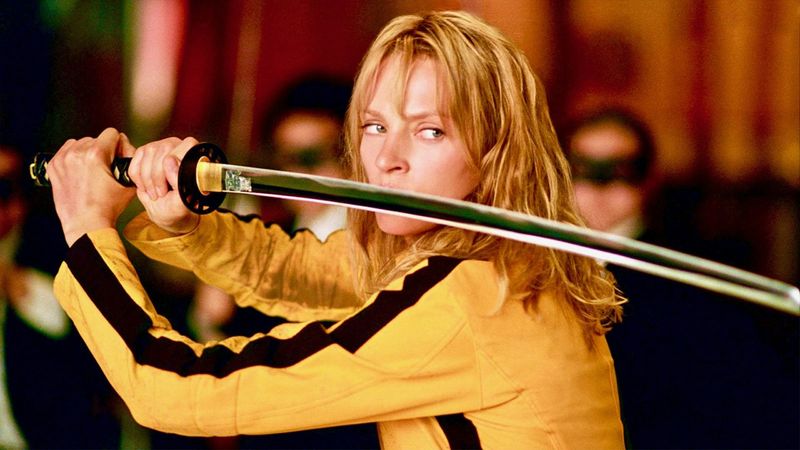
A yellow tracksuit became shorthand for a revenge mission. Across two films, Quentin Tarantino sends the Bride after former allies who betrayed her, mixing martial arts, westerns, and flashes of horror imagery.
These are action films first, not clear examples of horror. Their place here comes from how boldly they package vengeance through music, color, and shifting viewpoints.
Compare the first volume’s explosive battles with the second’s quieter confrontations to see how spectacle gives way to personal stakes.
8. Revenge (2017): Survival Under a Blazing Sun

Bright sunshine offers no comfort in Coralie Fargeat’s desert nightmare. After an assault and an attempt on her life, Jen fights to survive while the men hunting her lose their sense of control.
The bold colors and extreme violence make realism less important than the shift in power. Unlike older entries that linger on a victim’s helplessness, the camera increasingly follows her determination.
Expect sexual violence and gore, but also notice whose viewpoint shapes the chase throughout.
9. Coffy (1973): A Nurse Refuses to Back Down
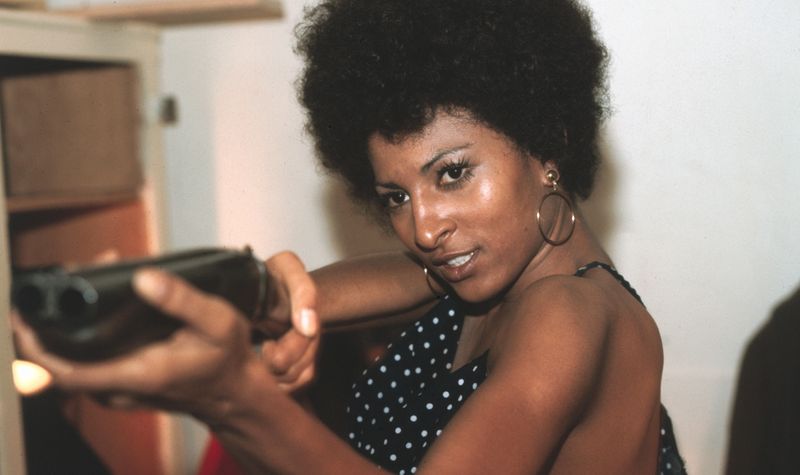
By day, she cares for people; after hours, she hunts those hurting her community. Pam Grier gives Coffy fierce purpose as a nurse targeting the drug trade after her younger sister’s addiction brings devastating harm.
Jack Hill’s film belongs mainly to action and exploitation cinema, yet its avenging heroine connects strongly with this list. Grier’s commanding presence helped widen the screen image of who could lead a revenge story.
Look beyond the thrills to its anger about corruption.
10. Bedevilled (2010): An Island with Nowhere to Hide
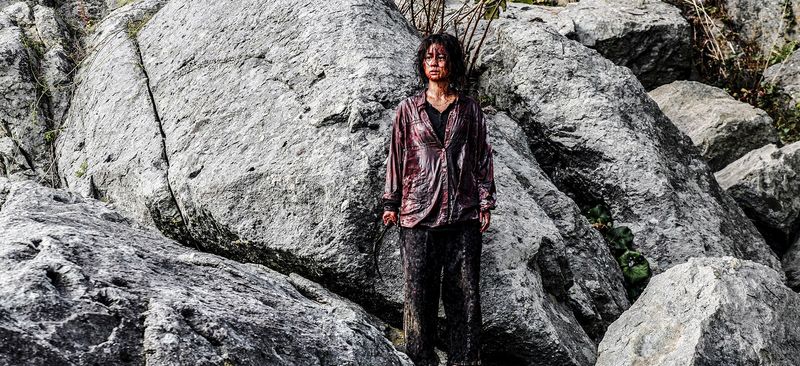
An island can look peaceful while hiding terrible cruelty. Jang Cheol-soo places an abused woman inside a small community where neighbors excuse violence and a visiting friend fails to offer the help she needs.
When her suffering turns into retaliation, the terror grows from everything people allowed to happen beforehand. The setting makes escape feel painfully distant.
Be prepared for abuse and graphic violence. Its sharpest question is not simply who attacks, but who watches and does nothing.
11. The Craft (1996): Outsiders Discover Dangerous Power
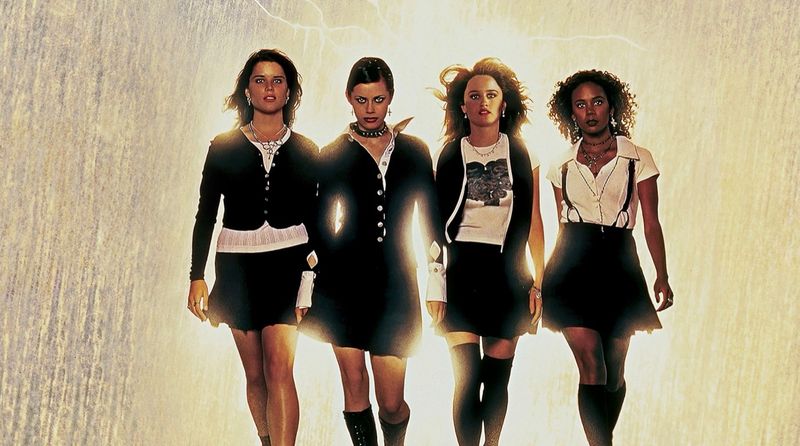
For anyone who ever felt left out, magical payback has an obvious appeal. Four teenage girls form a witchcraft circle, using new powers to answer bullying, insecurity, and the pressures surrounding their lives.
Andrew Fleming mixes friendship drama with supernatural horror, then lets the group’s bond twist into a struggle for control. Its lasting appeal comes from taking teenage feelings seriously without making every choice admirable.
Follow the changing friendships closely; the real danger grows inside the circle.
12. American Mary (2012): Surgical Skill Takes a Dark Turn
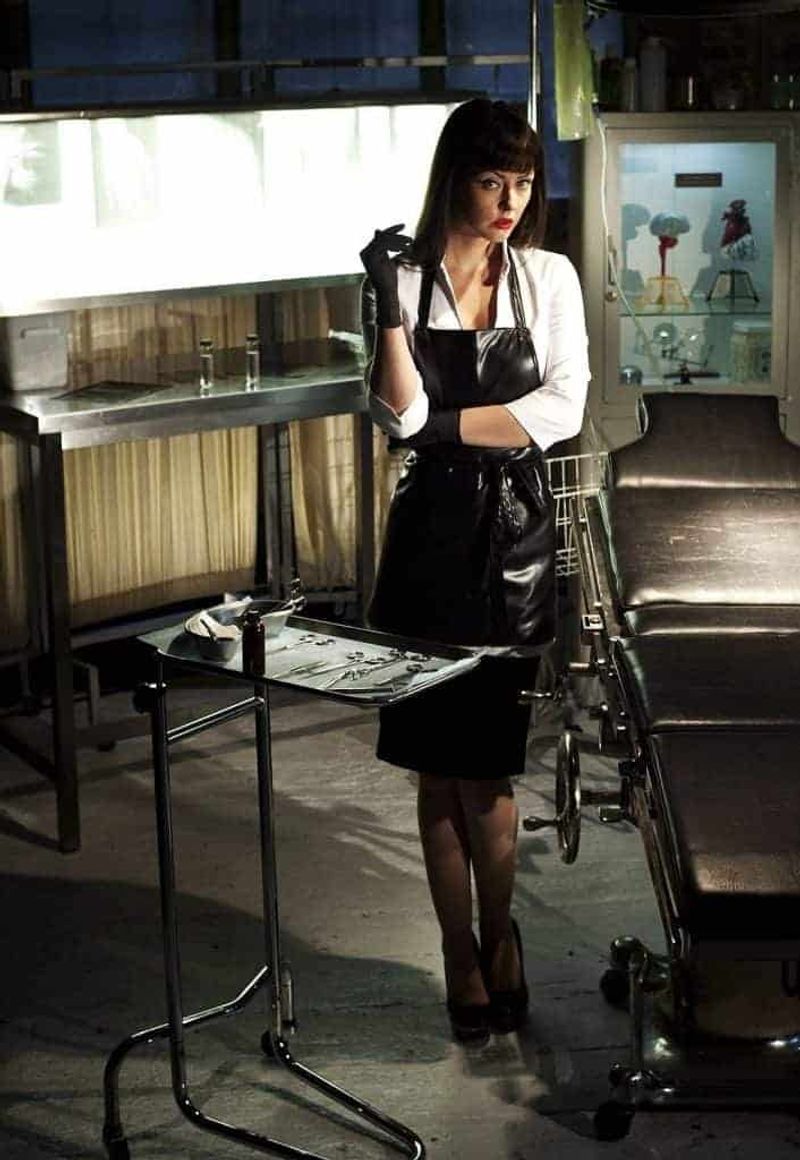
Medical training takes a sinister detour when talent meets betrayal. Mary Mason, a struggling student, finds paid work in underground body modification before using her surgical skills against a man who assaults her.
Directors Jen and Sylvia Soska connect revenge with questions about consent, beauty, and control over the body. The unusual setting gives familiar payback ideas a disturbing new shape.
Expect sexual assault themes and surgical horror, while noticing how professional ambition slowly becomes tangled with emotional damage.
13. I Saw the Devil (2010): The Cost of Refusing to Stop
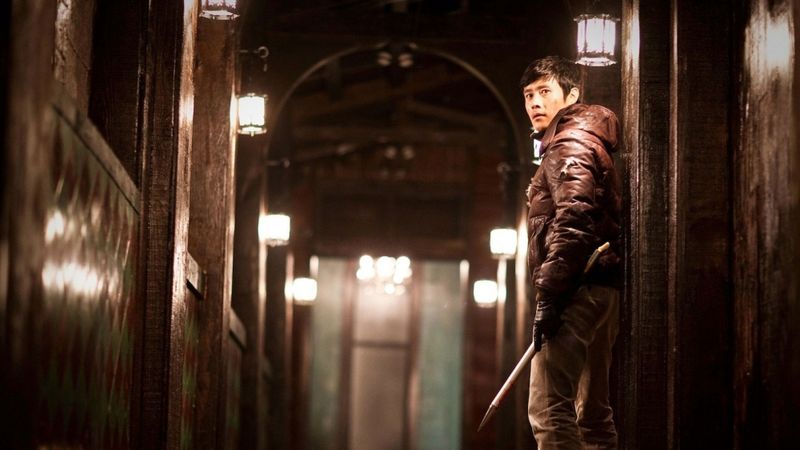
Catching the killer is only the beginning of this nightmare. A secret agent tracks the man who murdered his fiancée, then repeatedly releases him to stretch out the punishment instead of ending the threat.
Kim Jee-woon turns that choice into a brutal study of revenge without limits. Each new encounter risks more lives, making the supposed hero harder to support.
Strong gore warnings apply. The central insight is chilling: control over an enemy does not mean control over consequences.
14. Puppet Master III: Toulon’s Revenge (1991): Small Avengers, Surprising Heart
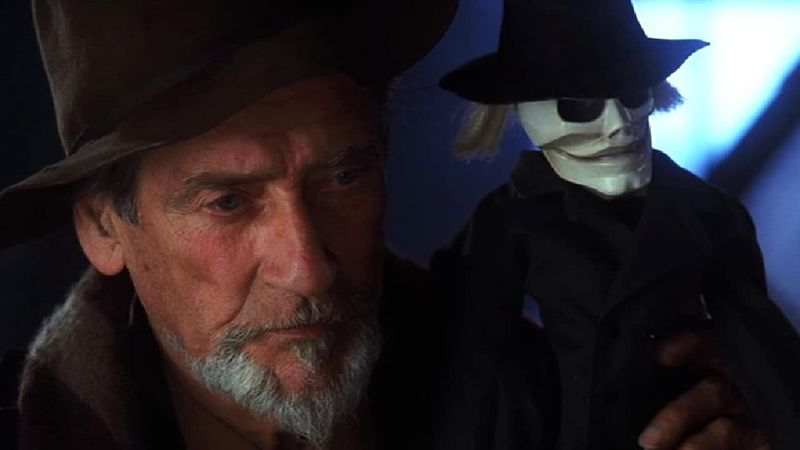
Tiny killers gain an unexpectedly sympathetic cause in this series prequel. Set in Nazi Germany, the story follows puppeteer André Toulon after persecution and his wife’s murder turn his living creations against their enemies.
The historical backdrop changes how viewers read the puppets, shifting them from simple monsters toward defenders of their maker. Their handmade designs remain a major attraction.
For a useful comparison, watch how this entry gives familiar creatures emotional purpose without abandoning the franchise’s strange humor.
15. Dead Silence (2007): A Ghost Who Demands Quiet
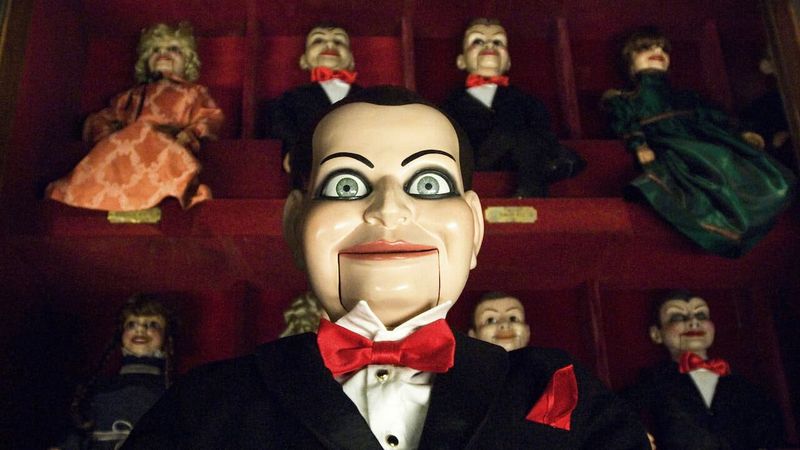
A wooden dummy rarely makes a room feel welcoming. James Wan builds that unease into a ghost story about Mary Shaw, a murdered ventriloquist whose revenge reaches through a town’s buried secrets and family histories.
Silence becomes part of the threat, giving familiar haunted doll imagery a useful twist. Listen for moments when ordinary background sounds disappear, since the sound design helps announce danger.
Rather than reinventing revenge horror entirely, the film gives an old curse story memorable theatrical style.