
A great villain can steal a movie with a smile, a whisper, or one chilling look. Behind those moments are actors who make dangerous characters feel real, even when their stories are pure fantasy.
Their performances give heroes stronger challenges and leave audiences talking long after the credits roll. From quiet threats to wild troublemakers, these actors show how many forms a memorable villain can take.
1. Heath Ledger: Chaos Behind the Joker’s Smile
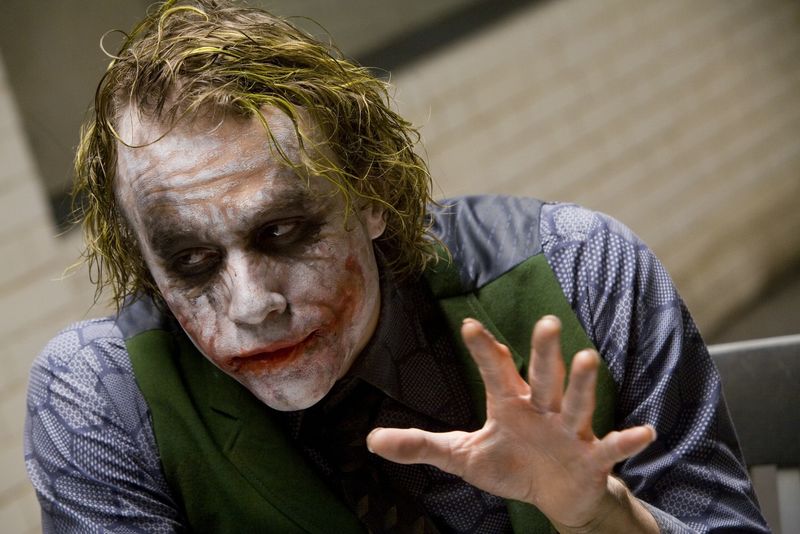
A crooked smile becomes a warning sign in The Dark Knight (2008). Ledger makes the Joker feel impossible to predict, switching from strange humor to sudden violence without losing the character’s unsettling logic.
Watch his pauses, restless movements, and changing voice during the interrogation scene. Those choices suggest someone testing everyone around him.
His performance earned a posthumous Oscar and shows how careful acting can make chaos feel frighteningly real rather than simply loud or random.
2. Anthony Hopkins: Terror Served With Perfect Manners
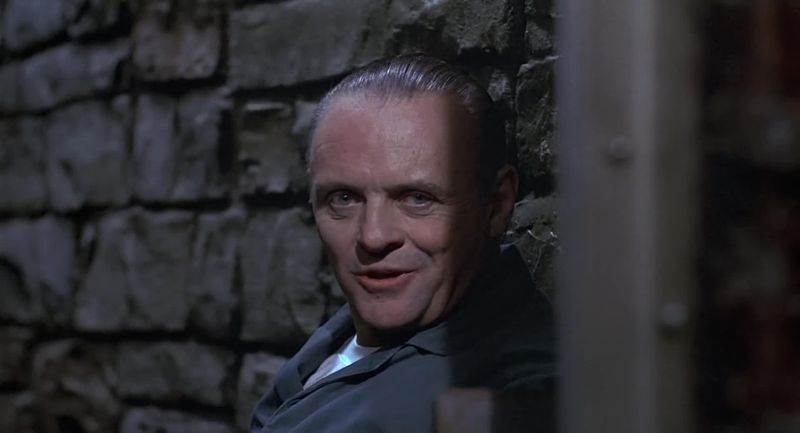
Good manners rarely feel as threatening as they do around Hannibal Lecter. In The Silence of the Lambs (1991), Hopkins uses a steady gaze and careful speech to make a locked cell seem strangely powerless.
His conversations with Clarice Starling work like mental chess matches. Notice how little he needs to move to control a scene.
The Oscar winning role proves that a villain can frighten viewers through intelligence and patience, without constantly shouting or chasing.
3. Javier Bardem: A Coin Toss With Terrible Stakes
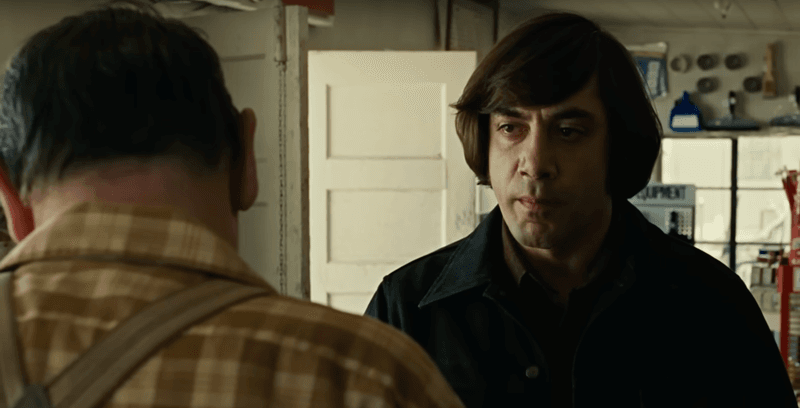
A simple coin toss should not make your stomach tighten. Yet Bardem turns that everyday action into a terrifying test as Anton Chigurh in No Country for Old Men (2007).
His flat voice and unusual haircut make the killer instantly recognizable, but the real fear comes from his rigid personal rules. Pay attention to the gas station scene: ordinary small talk becomes a trap.
Bardem won an Oscar for making danger feel both unpredictable and deliberate.
4. Gary Oldman: Menace With a Different Face
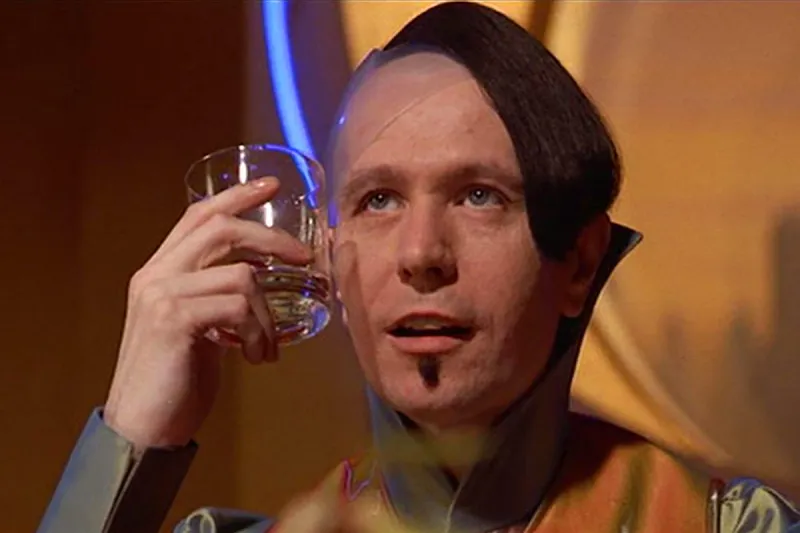
Some actors find one great villain style; Oldman seems to build a new one each time. His corrupt officer Norman Stansfield in Léon: The Professional (1994) mixes sudden outbursts with unnerving calm.
As Zorg in The Fifth Element (1997), he trades that raw danger for odd humor, fancy clothes, and selfish ambition. Compare his posture and speech across both films.
The contrast reveals how physical details can create separate characters instead of repeating the same performance.
5. Jack Nicholson: Charm That Turns Sour
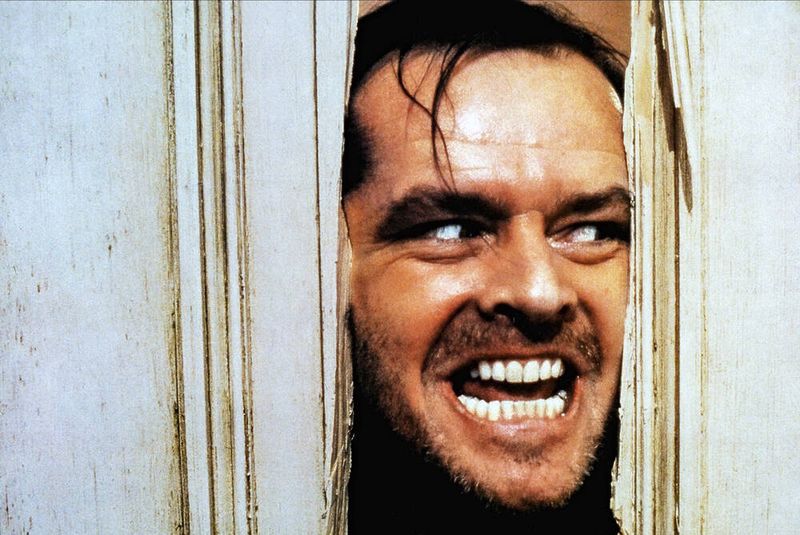
That famous grin can welcome you in or tell you to run. Nicholson uses both sides of it as Jack Torrance in The Shining (1980), making a father’s growing rage feel deeply disturbing.
His Joker in Batman (1989) brings a more playful kind of danger, mixing showmanship with deadly cruelty. Together, the roles reveal his gift for turning charm into a threat.
Watch how quickly his expressions shift when another character challenges his control or pride.
6. Christoph Waltz: A Smile That Hides a Trap
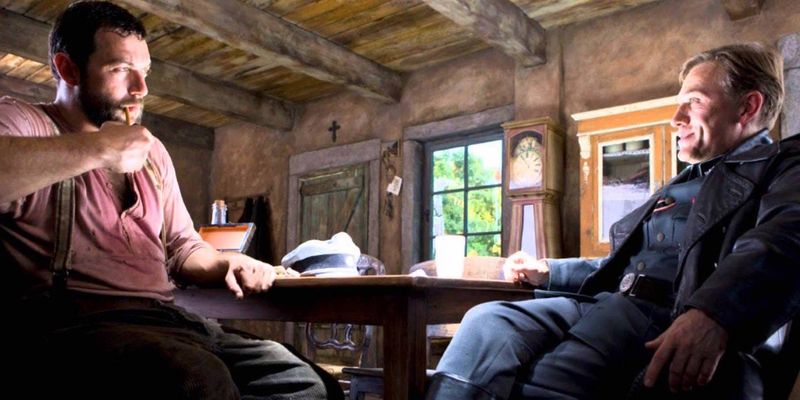
Polite conversation becomes a weapon when Hans Landa enters a room. In Inglourious Basterds (2009), Waltz makes the Nazi officer sound helpful and friendly while quietly tightening his grip on frightened people.
The opening farmhouse scene offers a clear lesson in suspense: listen to his changing pace and watch his patient smile. His charm never softens the character’s cruelty.
Instead, it makes that cruelty harder to escape, helping earn Waltz an Oscar for this chilling performance.
7. Ralph Fiennes: Cruelty Beyond the Costume
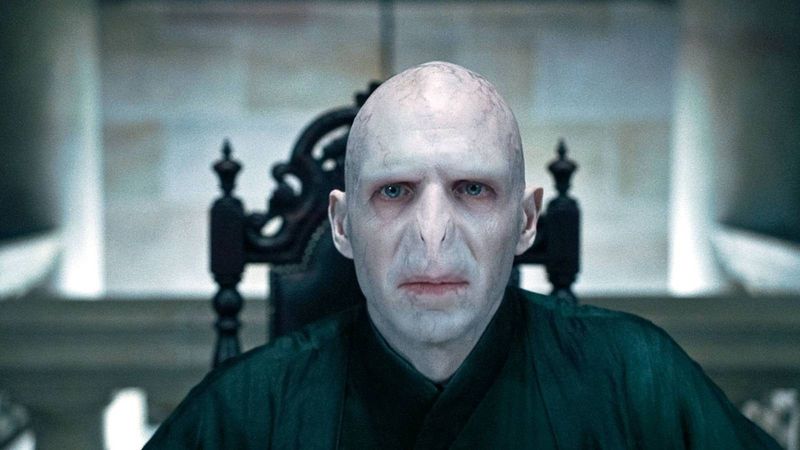
Even heavy makeup cannot hide the force of a strong performance. As Lord Voldemort in the Harry Potter films, Fiennes turns sharp gestures and a thin voice into signs of hunger for power.
His Amon Goeth in Schindler’s List (1993) is frightening for a different reason: the character reflects real human cruelty. Comparing these roles shows his range across fantasy and historical drama.
Neither depends only on appearance; both expose the terrible choices behind the menace.
8. Alan Rickman: The Power of a Measured Voice
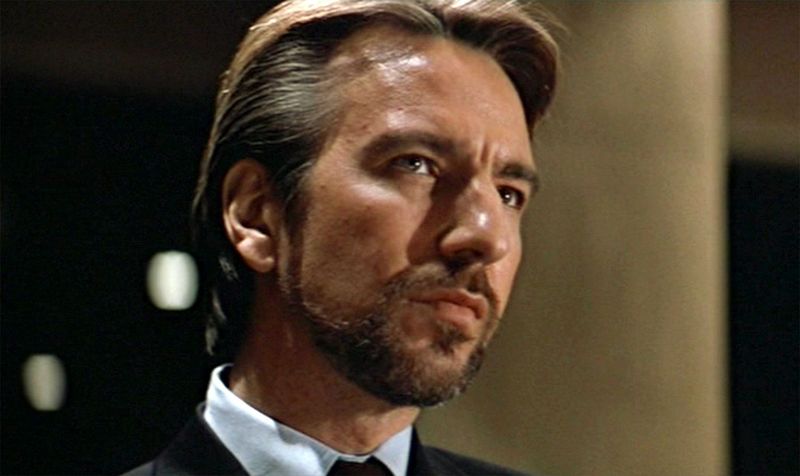
Few movie criminals sound so calmly sure of themselves. Rickman’s Hans Gruber in Die Hard (1988) treats a violent robbery like a business deal, making his polished manners part of the danger.
Notice the dry humor and precise delivery rather than just the threats. His later work as Severus Snape adds another layer to his screen legacy, though Snape is more complicated than a straightforward villain.
Rickman excelled at suggesting feelings his characters would rather keep hidden.
9. Tim Curry: Playfulness With Sharp Teeth
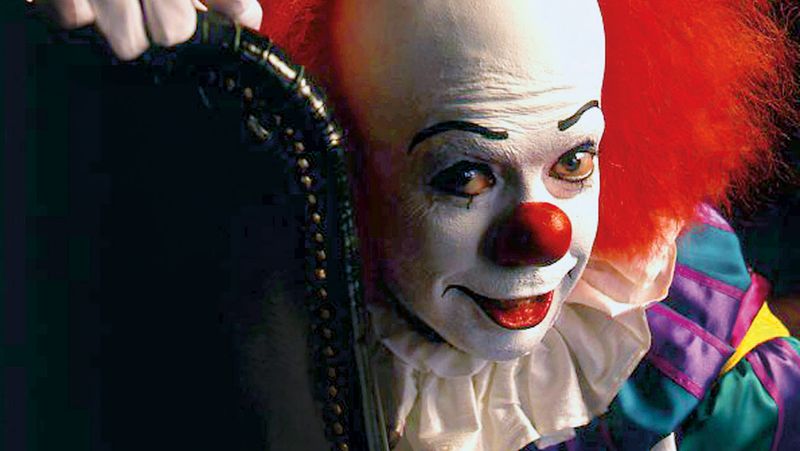
A clown’s cheerful face is supposed to promise fun. Curry twists that promise as Pennywise in the 1990 It miniseries, letting jokes and bright smiles slip into something hungry and cruel.
His theatrical energy also drives Dr. Frank-N-Furter in The Rocky Horror Picture Show (1975), although that character fits less neatly into a simple villain box. Across both performances, Curry commits completely to bold choices.
Watch his timing: a playful pause can suddenly become a warning.
10. Daniel Day-Lewis: Ambition That Fills the Room
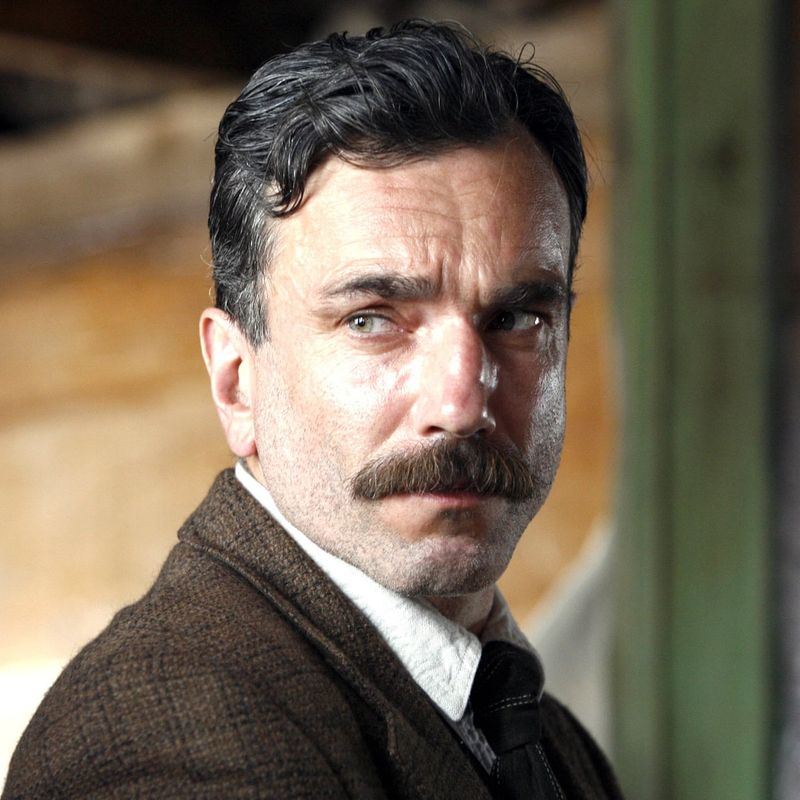
Power feels almost physical when Day-Lewis takes the screen. Bill the Butcher in Gangs of New York (2002) holds attention through fierce pride, rough humor, and the constant possibility of violence.
Daniel Plainview in There Will Be Blood (2007) channels that force into greed and bitter competition. Neither man needs to be pleasant to be fascinating.
Compare their voices and movements to see how fully Day-Lewis separates them, while showing the damage caused by unchecked ambition.
11. Louise Fletcher: Control Behind a Calm Face
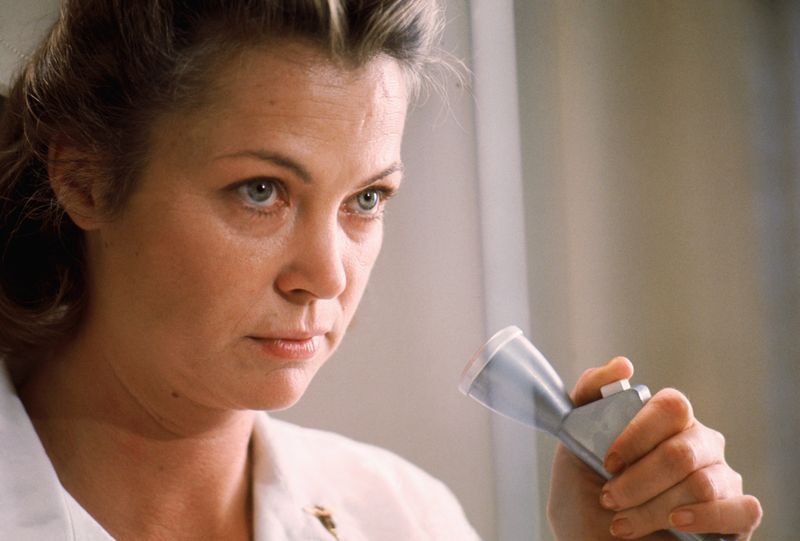
No dramatic entrance announces Nurse Ratched’s threat. In One Flew Over the Cuckoo’s Nest (1975), Fletcher builds a controlling figure through a level voice, strict routines, and a face that reveals very little.
The performance makes ordinary rules feel frightening when someone uses them to strip others of choice. Watch how she responds when patients challenge her authority.
Her restraint, which earned an Oscar, shows that screen cruelty can hide behind the appearance of professional care.
12. Kathy Bates: When Admiration Becomes Possession
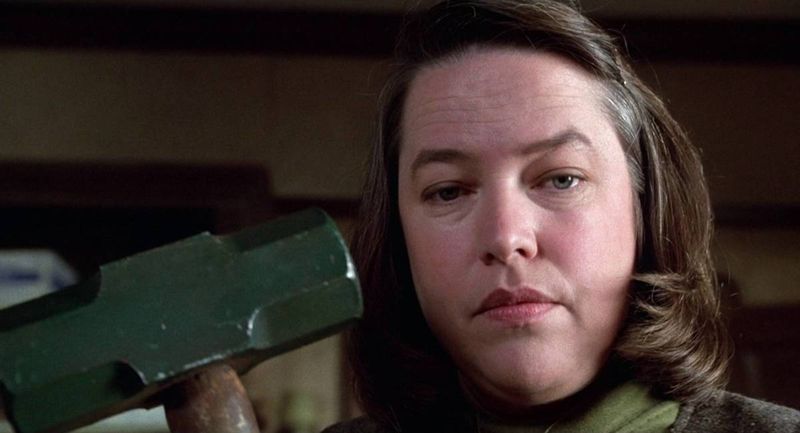
Being someone’s biggest fan sounds harmless until Annie Wilkes opens the door. Bates makes the former nurse in Misery (1990) seem caring at first, then reveals how quickly affection can turn into punishment.
Her sudden mood changes keep both the trapped writer and the audience guessing. Look closely at how household kindness becomes a way to demand obedience.
The Oscar winning performance works because Annie feels like a person, not merely a collection of scary habits.
13. Cate Blanchett: Villainy Wears Its Crown

Confidence can be a villain’s most striking accessory. Blanchett gives Hela in Thor: Ragnarok (2017) the swagger of someone who believes a kingdom already belongs to her, making each entrance feel like a challenge.
Her Lady Tremaine in Cinderella (2015) rules a smaller world through cold looks and carefully chosen words. One character threatens with grand power; the other wounds through family control.
Together, they show how Blanchett adjusts her presence to match different stories beautifully.
14. Helena Bonham Carter: Bellatrix’s Wild Devotion
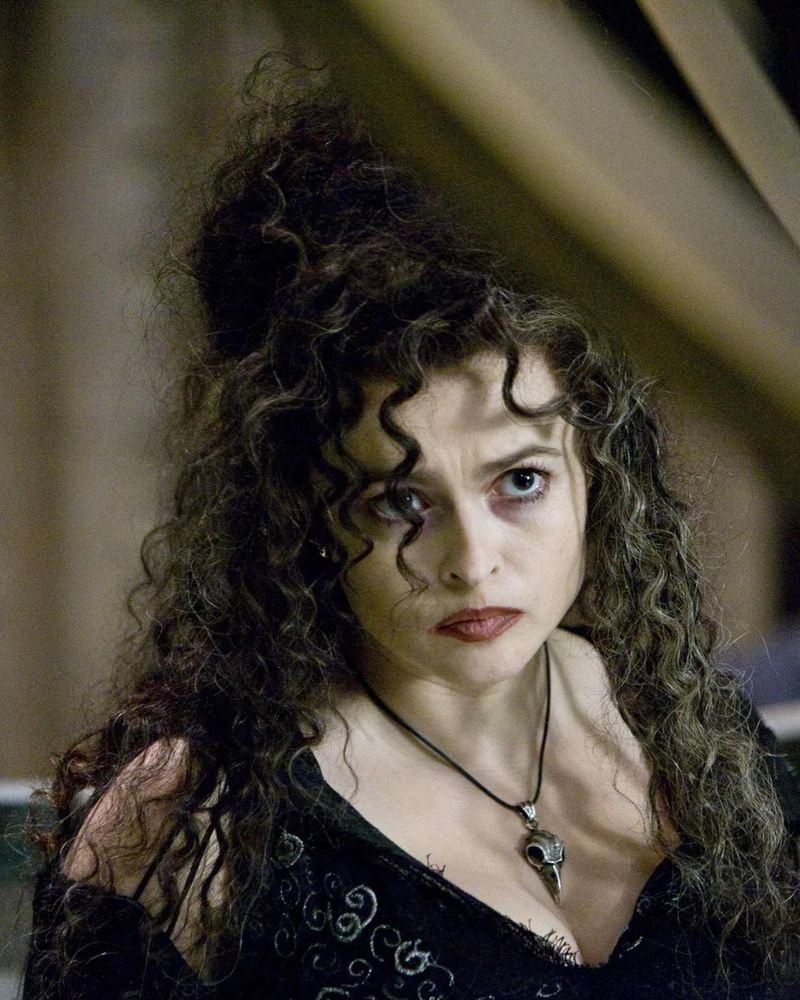
Laughter sounds different when Bellatrix Lestrange is enjoying herself. Bonham Carter gives the Harry Potter villain a reckless energy, turning each grin and sudden movement into proof that she welcomes trouble.
Her loyalty to Voldemort makes that wildness even more dangerous, because cruelty becomes a source of pride. Watch her posture beside the more controlled villains around her.
The contrast helps Bellatrix stand apart, showing how movement and attitude can make a supporting character impossible to overlook.
15. Mads Mikkelsen: Danger Beneath the Elegance
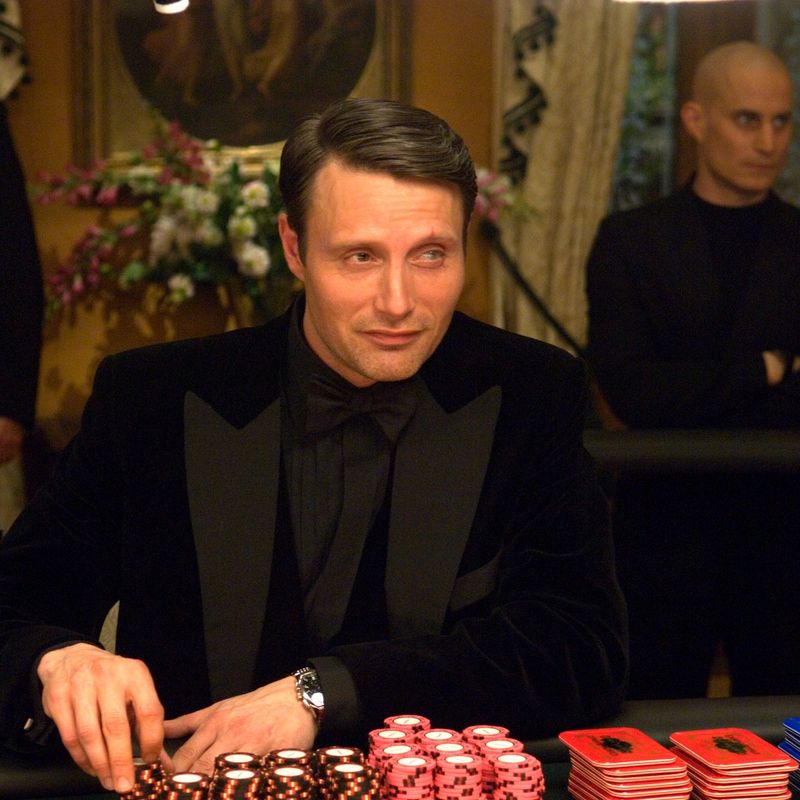
A perfectly tailored suit offers no promise of safety. Mikkelsen makes Le Chiffre in Casino Royale (2006) compelling through watchful calculation, letting signs of pressure crack the gambler’s carefully managed surface.
In the Hannibal television series (2013 to 2015), his Lecter hides monstrous behavior beneath taste, courtesy, and careful attention. Compare the nervous strain of one role with the patient confidence of the other.
His stillness invites viewers to search for danger in the smallest facial changes.