
Playing Hamlet takes more than learning famous lines. Shakespeare’s troubled prince must show grief, anger, humor, and doubt, sometimes within a single scene.
Across centuries, great actors have made those feelings seem real in very different ways. From early stages to movie screens, these performances show why the role still challenges actors and draws audiences in.
1. Richard Burbage: The Prince Who Started It All
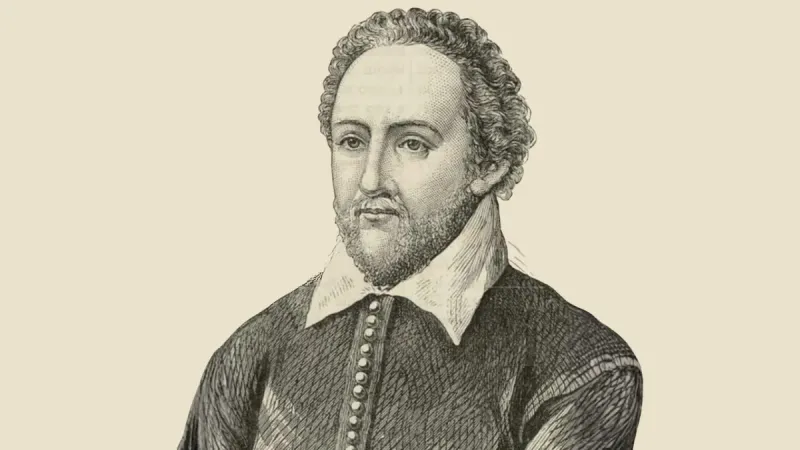
Before cameras or recordings, one actor helped give Hamlet his first voice. Richard Burbage is widely accepted as the original performer, and Shakespeare may have shaped the part around his talents.
His work survives through historical accounts rather than footage, so details remain uncertain. Still, his place in theater history is huge.
Remembering Burbage helps us see that Hamlet began as a living stage character, not simply a famous school assignment studied by students today.
2. Lewis Hallam Jr.: Taking Hamlet to Early America
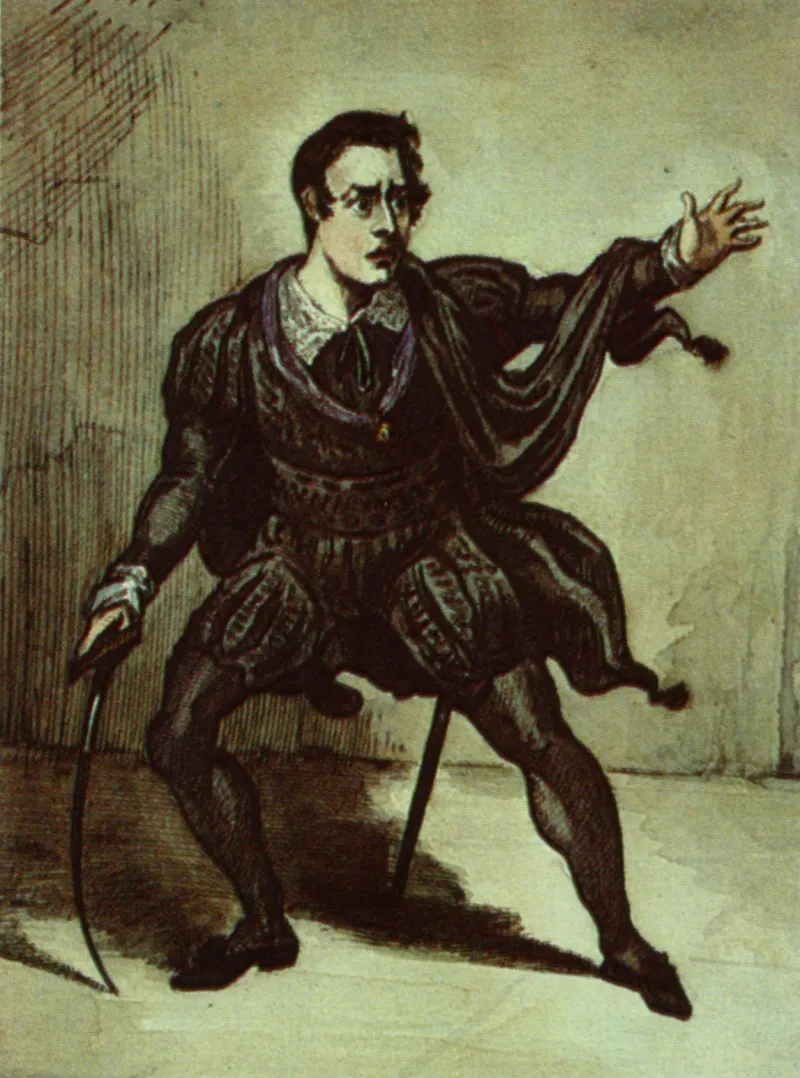
Imagine meeting Shakespeare’s prince in colonial America, long before Broadway existed. Lewis Hallam Jr. is credited with an early American milestone: a recorded Philadelphia performance of Hamlet in 1759.
He helped bring British theater traditions to audiences across the Atlantic. Although we cannot judge his acting from recordings, his historical importance is clear.
His story offers a useful reminder that a great role can build bridges between countries, generations, and very different kinds of audiences.
3. Edwin Booth: A Hundred Nights of Hamlet
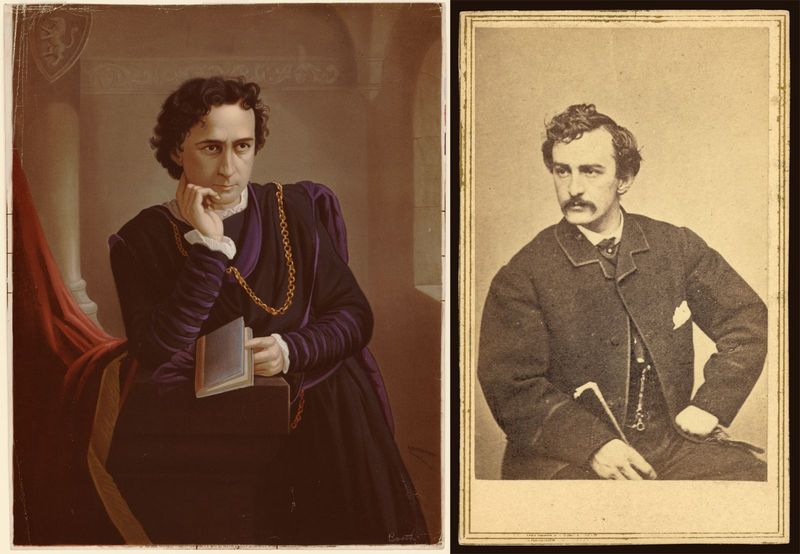
One hundred nights in the same demanding role sounds exhausting. For Edwin Booth, that remarkable run helped make Hamlet his signature achievement during the 1864 and 1865 New York theater season.
At the Winter Garden Theatre, audiences embraced a prince known for thoughtfulness and emotional depth. Booth became closely linked with the character.
His success shows how careful acting, repeated night after night, can turn a performance into a defining chapter of an actor’s career.
4. Henry Irving: A Thoughtful Prince in Grand Surroundings
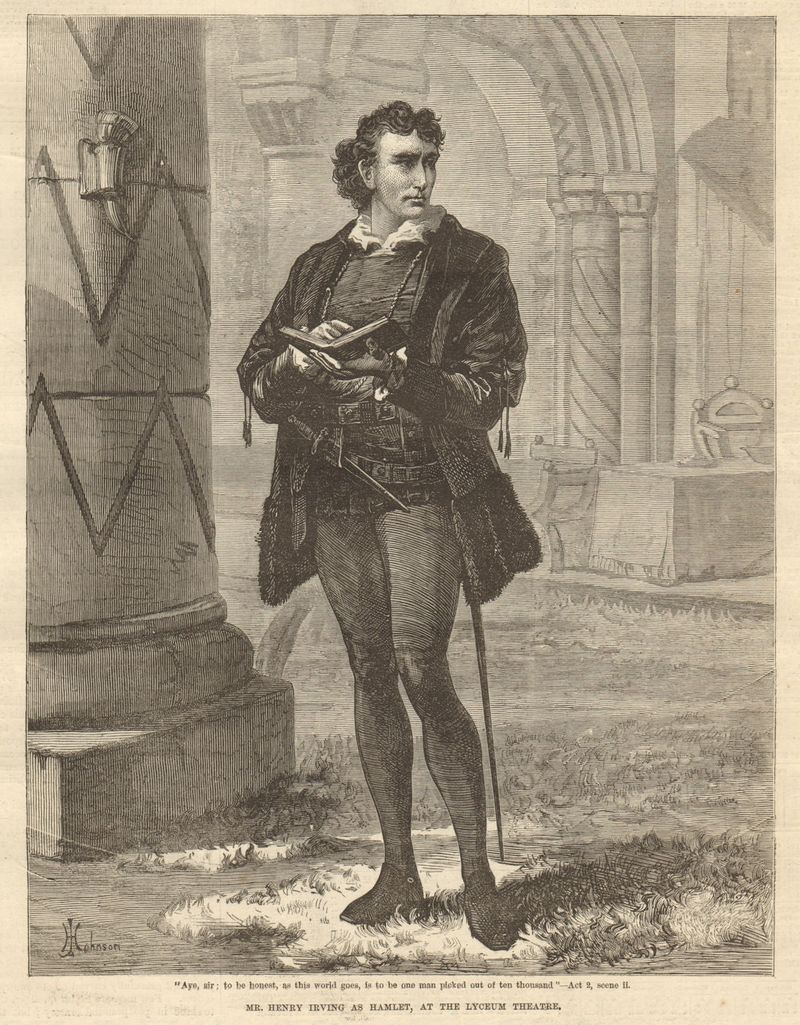
Grand scenery could draw a crowd, but a thoughtful prince kept people watching. Henry Irving’s Hamlet became a major attraction at London’s Lyceum Theatre during the 1870s, helping establish his reputation.
His interpretation emphasized a scholarly, appealing young man rather than only a fierce avenger. Elaborate staging gave the tragedy a rich setting.
When comparing Hamlets, consider how surroundings shape your response: a lavish court can make the prince’s private loneliness feel even more striking.
5. Sarah Bernhardt: Breaking Expectations With a Sword
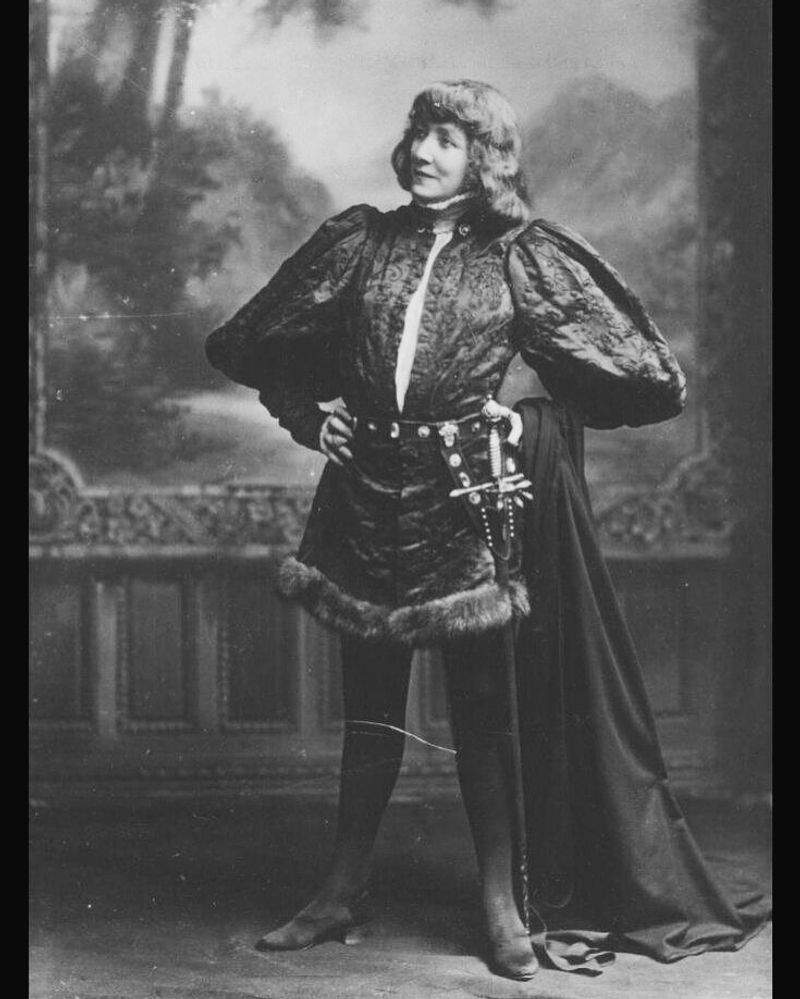
A woman playing Denmark’s prince challenged expectations, and Sarah Bernhardt welcomed the challenge. The celebrated French star performed Hamlet onstage in 1899, bringing her fame and bold presence to the role.
In 1900, she also appeared in a short film of the fencing scene. That surviving glimpse connects theater history with early cinema.
Her example encourages viewers to look beyond casting traditions and ask a better question: does the performer make the character’s struggle feel convincing?
6. John Barrymore: More Than a Famous Face
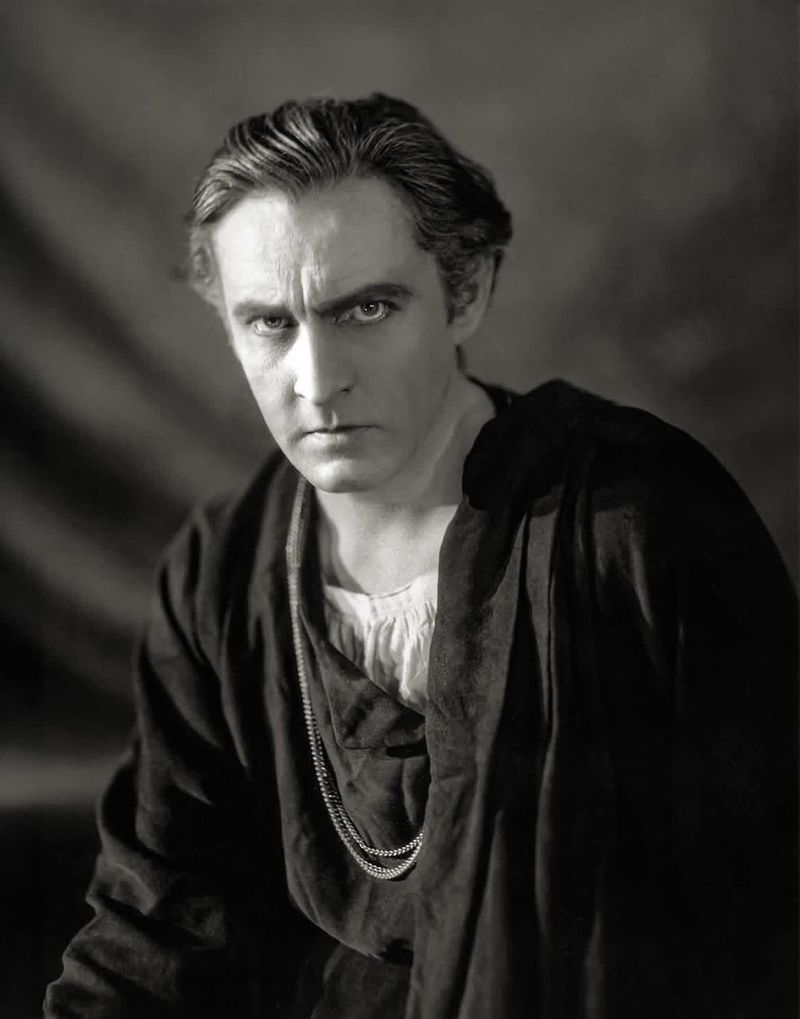
Movie star looks were only part of the story. John Barrymore earned serious stage respect with a Hamlet that combined sharp intelligence, strong feeling, and an energetic sense of danger.
His New York run reached 101 performances, surpassing Edwin Booth’s famous hundred. The achievement helped confirm his standing as a major tragic actor.
For anyone who knows him mainly through Hollywood history, this chapter reveals the demanding stage work behind his lasting reputation beyond the screen.
7. John Gielgud: Finding Music in Shakespeare’s Words
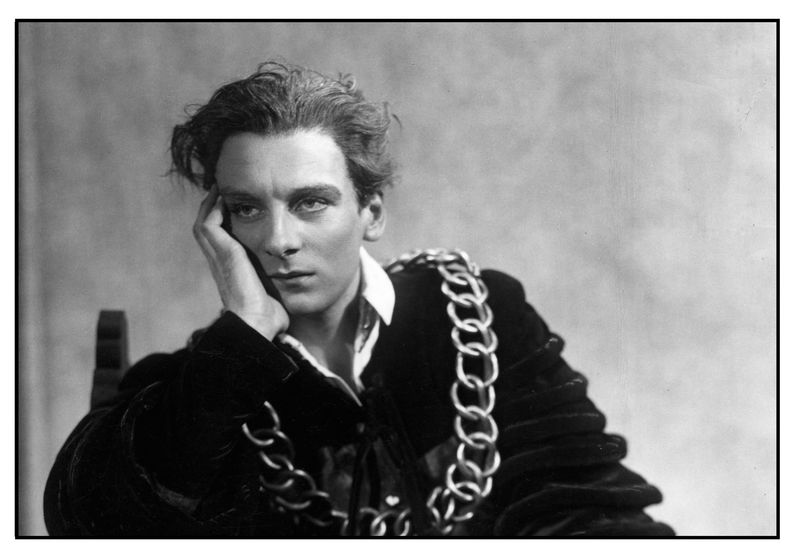
Listen closely, and Shakespeare’s language can feel almost musical. John Gielgud became celebrated for the beauty and control of his speaking voice, qualities that helped shape his famous Hamlet.
He returned to the role across several productions and hundreds of performances. Rather than treating speeches as grand recitations, he revealed thoughts unfolding through the words.
Listening to recordings offers a helpful lesson: changes in rhythm, pauses, and emphasis can make familiar lines sound newly discovered again.
8. Laurence Olivier: Bringing Hamlet Into the Shadows
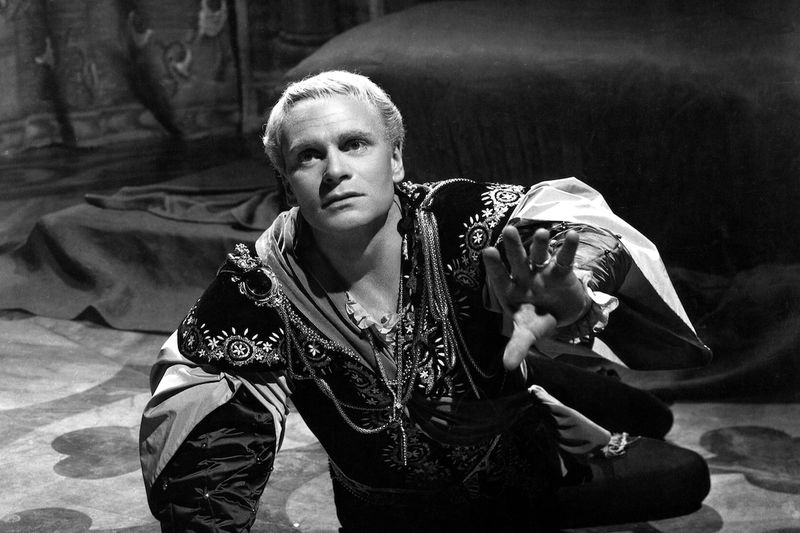
Fog, shadows, and winding castle stairs turn private worry into something you can see. Laurence Olivier directed and starred in the 1948 film, using cinema to draw viewers inside Hamlet’s troubled mind.
The movie won four Academy Awards, including Best Picture and Best Actor. Its shortened text and strong focus on family tensions make it a distinct interpretation, not a complete version.
Watch how camera angles and silence carry feelings that stage actors must communicate differently.
9. Richard Burton: Power Without Royal Splendor
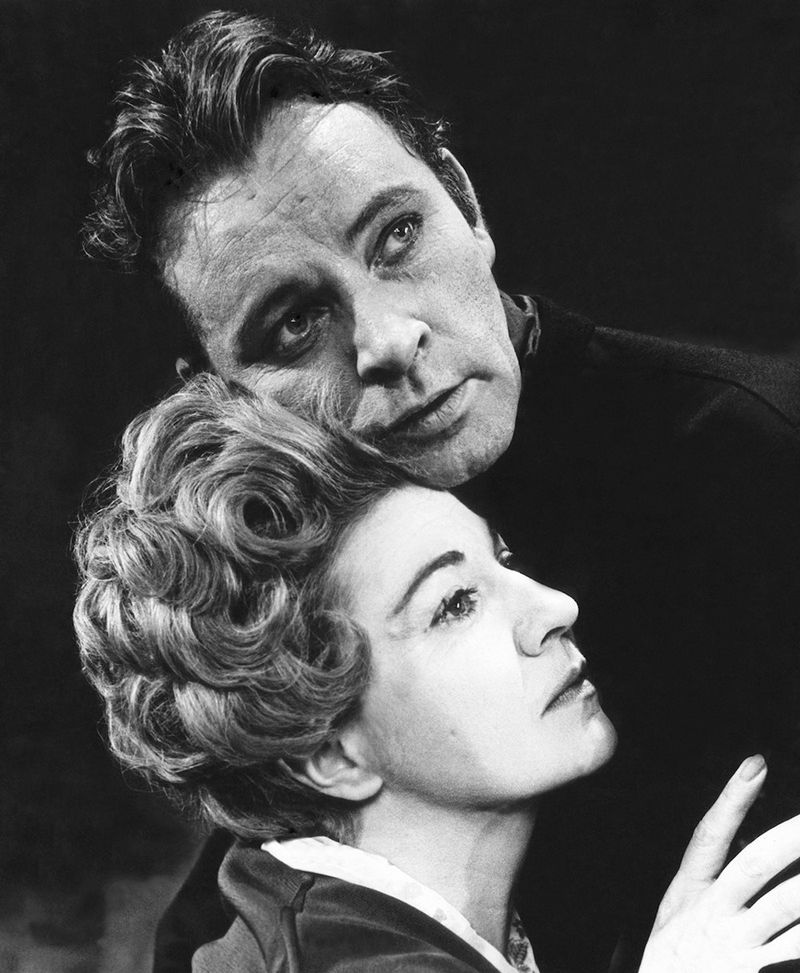
A bare stage and rehearsal clothes left nowhere to hide. Richard Burton’s 1964 Broadway Hamlet, directed by John Gielgud, relied on the actors rather than rich costumes or grand scenery.
Burton brought a powerful voice and restless energy to the prince. The production enjoyed an unusually long Broadway run and was preserved through a filmed theatrical presentation.
Seek out that recording to notice how a forceful delivery can make Hamlet seem dangerous even while he hesitates.
10. Ian McKellen: A Role Worth Revisiting
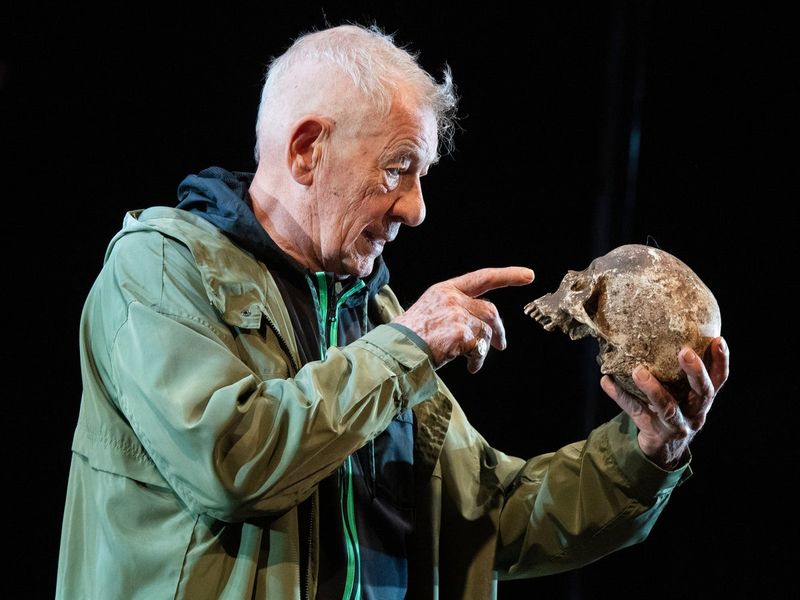
Returning to Hamlet can reveal as much about an actor as about the play. Ian McKellen played the prince as a young man in 1971 and revisited the role decades later.
Those appearances invite an interesting comparison: how does age change our understanding of grief, anger, or doubt? His career shows that the character need not belong to one stage of life.
Look for the thinking behind each line, rather than judging a performance by appearance.
11. Daniel Day-Lewis: Grief at Close Range
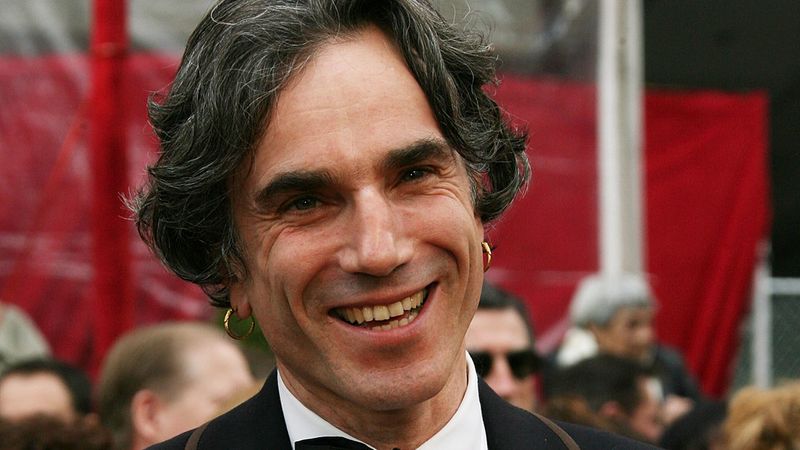
Grief feels painfully close in accounts of this troubled production. Daniel Day-Lewis played Hamlet at London’s National Theatre in 1989 under director Richard Eyre, bringing intense feeling to the prince’s distress.
He left the production before its run ended, and the circumstances have attracted much speculation. That history should not replace attention to his acting.
His performance remains a reminder that Hamlet demands emotional range, while stories about an actor’s private experience deserve care rather than exaggeration.
12. Mark Rylance: An Unsettling Mind in Motion
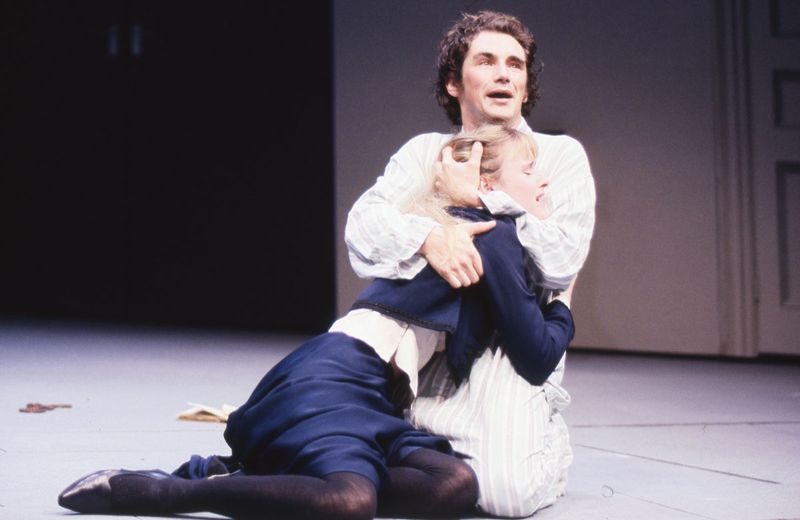
Forget the image of a perfectly composed royal hero. Mark Rylance’s Hamlet for the Royal Shakespeare Company in the late 1980s explored a prince whose behavior could seem raw, strange, and deeply unsettled.
His approach pushed viewers to question where deliberate disguise ended and genuine distress began. That uncertainty suits a play filled with spying and doubt.
Pay attention to sudden shifts in movement or mood: they can reveal conflicts that polished speeches alone might leave hidden.
13. Mel Gibson: A Prince With Physical Energy
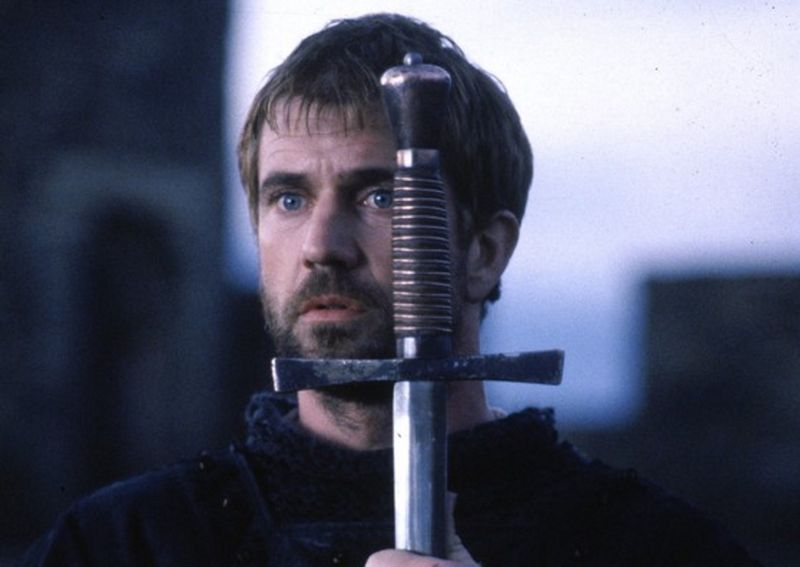
Action movie energy found an unexpected home in Shakespeare’s tragedy. Mel Gibson starred in Franco Zeffirelli’s 1990 film, presenting a Hamlet with physical force, quick reactions, and plainly visible anger.
The adaptation cuts the text and places the story in a rough medieval world. Its direct storytelling can offer newcomers an approachable starting point.
Compare the famous speeches with quieter family scenes, and notice how movement, facial expression, and setting help explain feelings behind the unfamiliar language.
14. Kenneth Branagh: Making Room for the Whole Story
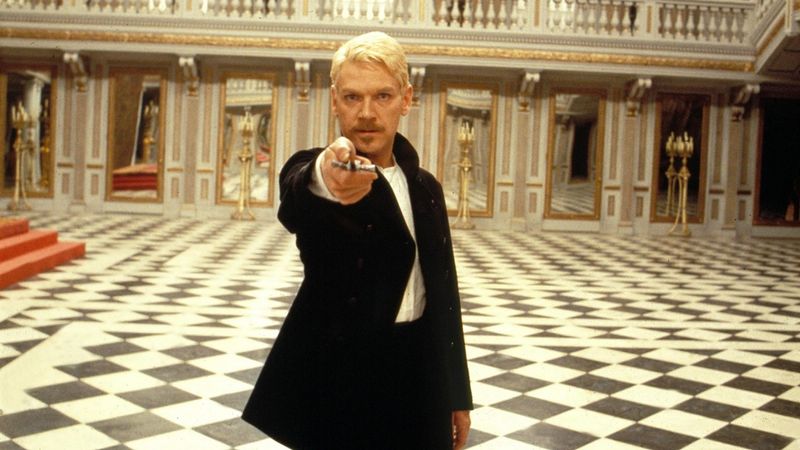
Four hours gives a troubled prince plenty of room to think. Kenneth Branagh directed and starred in the 1996 film, famous for presenting the play’s full text rather than heavily cutting it.
Bright halls, mirrors, and a large cast create a royal world full of watchers. Branagh’s energetic delivery keeps long speeches moving.
If shorter adaptations leave you puzzled, this version restores political details and smaller relationships that help explain why Denmark feels so tense throughout the story.
15. Ralph Fiennes: A Tony-Winning Turn
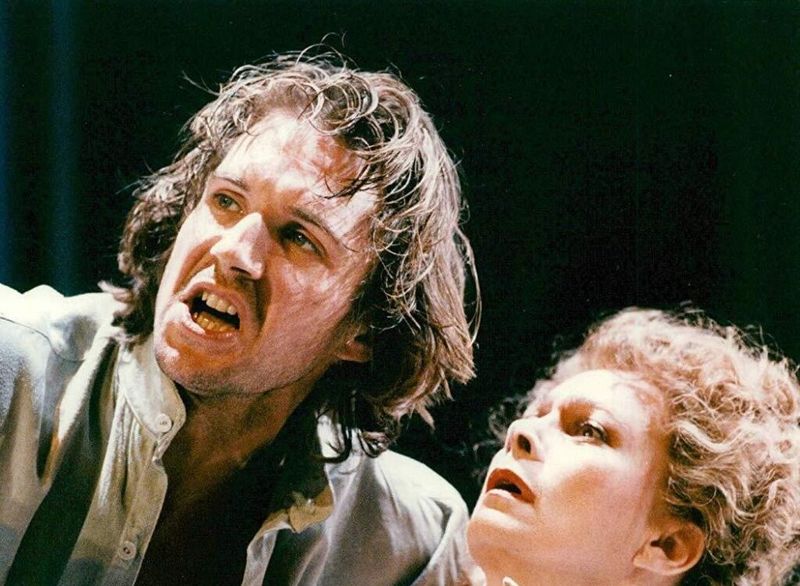
A major stage prize confirmed what enthusiastic audiences had already noticed. Ralph Fiennes won the 1995 Tony Award for Best Actor in a Play for his Hamlet, directed by Jonathan Kent.
After performances in London, the production reached Broadway, where his interpretation earned major recognition. His prince combined keen intelligence with emotional strain.
When exploring reviews or production photographs, consider how small gestures can matter as much as famous speeches in building a believable, deeply conflicted person.