
Grandma’s kitchen held secrets that many of us forgot about over the years. Today, more families are bringing back simple, old ways of cooking, saving, and sharing food.
These habits help cut waste, save money, and make meals taste better. Get ready to discover which classic kitchen customs are making a big comeback.
1. Sourdough Starter Revival
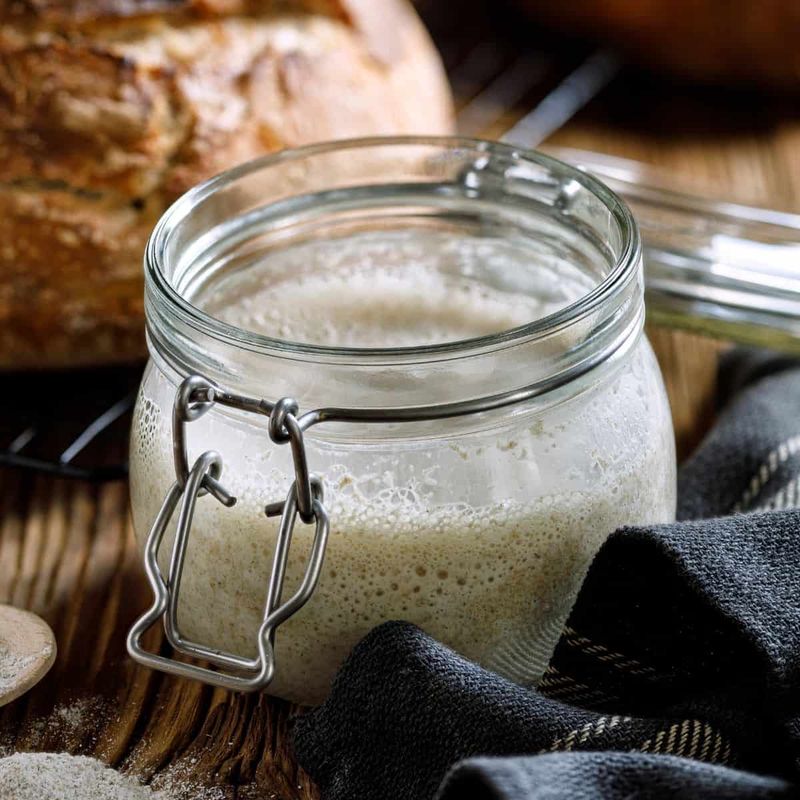
Picture a jar of flour and water that can outlive you. Some sourdough starters have been passed down for over a hundred years!
Bakers keep these bubbly mixes alive by feeding them a little flour and water each day. Wild yeast does the rest, making bread rise without store-bought packets.
Want to try it? Mix equal parts flour and water, stir daily, and wait about a week for bubbles to appear.
2. Home Canning Comes Back
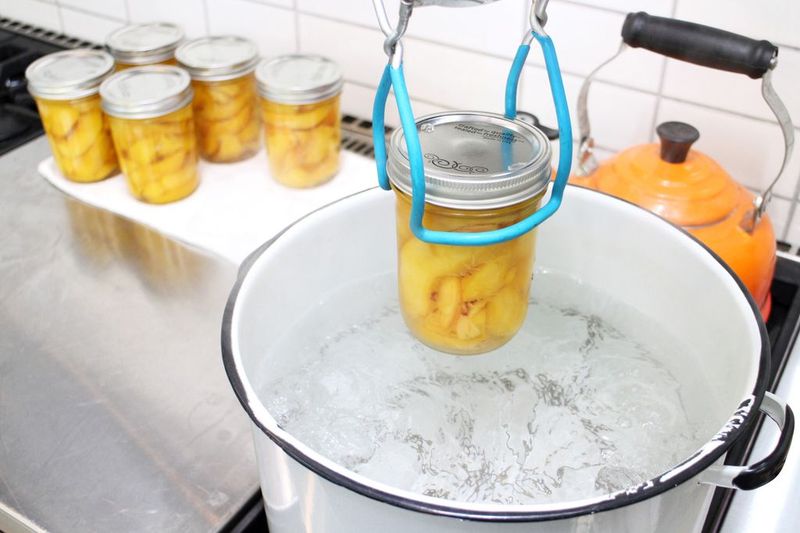
Summer tomatoes in January sound like magic, right? Canning makes it possible.
Families once filled shelves with jars of peaches, beans, and jams to get through cold months. Now people are learning again, often from online videos and community classes.
Start small with a water bath canner and high-acid foods like jam or pickles. Always follow tested recipes, because safety matters a lot when sealing food for months.
3. Fermenting Vegetables in Crocks
Did you know sailors once ate sauerkraut to stay healthy on long trips? Fermented cabbage kept them from getting sick.
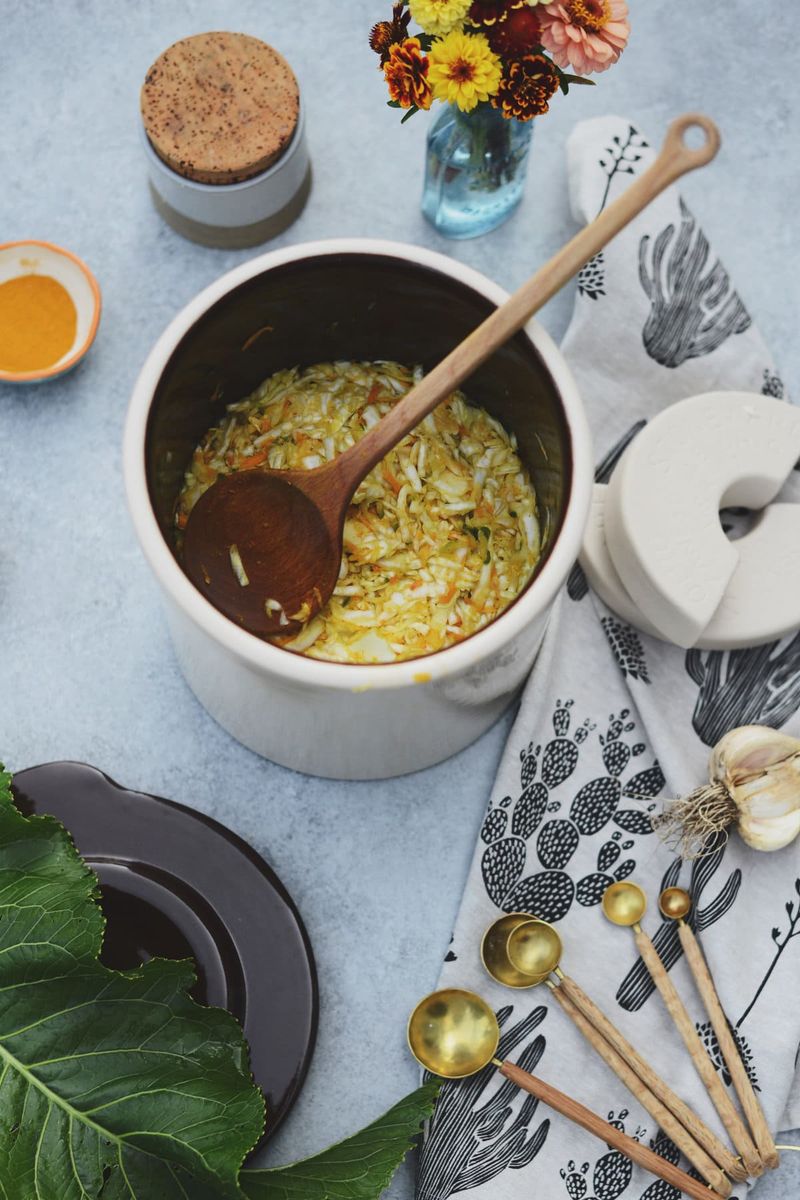
Today, crocks full of kimchi, pickles, and kraut are popping up in modern kitchens. Good bacteria in these foods may help your stomach feel happy.
All you really need is cabbage, salt, and patience. Pack it tight, keep it under the brine, and taste it after a week or two.
4. Sunday Family Dinners
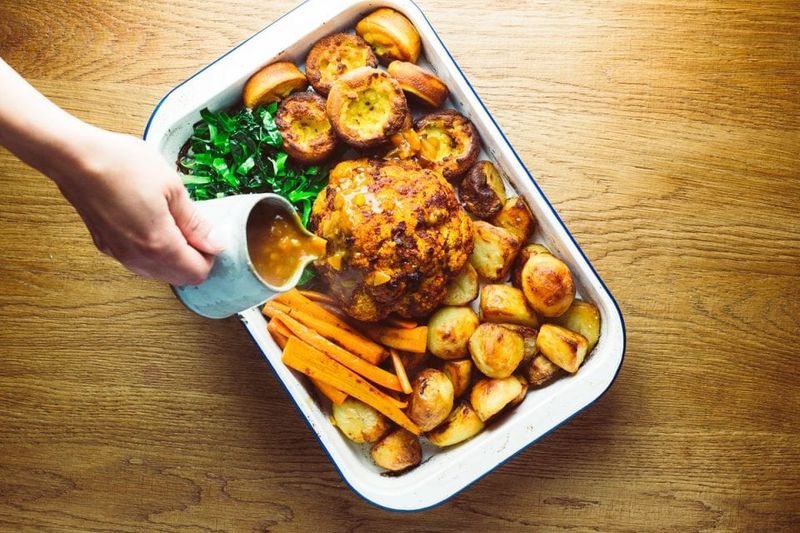
Phones down, plates up! Sunday dinner was once the most important meal of the week, and it is returning.
Busy schedules pushed many families apart at mealtime. Now, people are setting aside one evening to gather, talk, and share a big home-cooked dish like roast chicken or pot roast.
Keep it simple. Rotate who cooks, let kids help set the table, and save the best stories for dessert.
5. Cast Iron Cooking
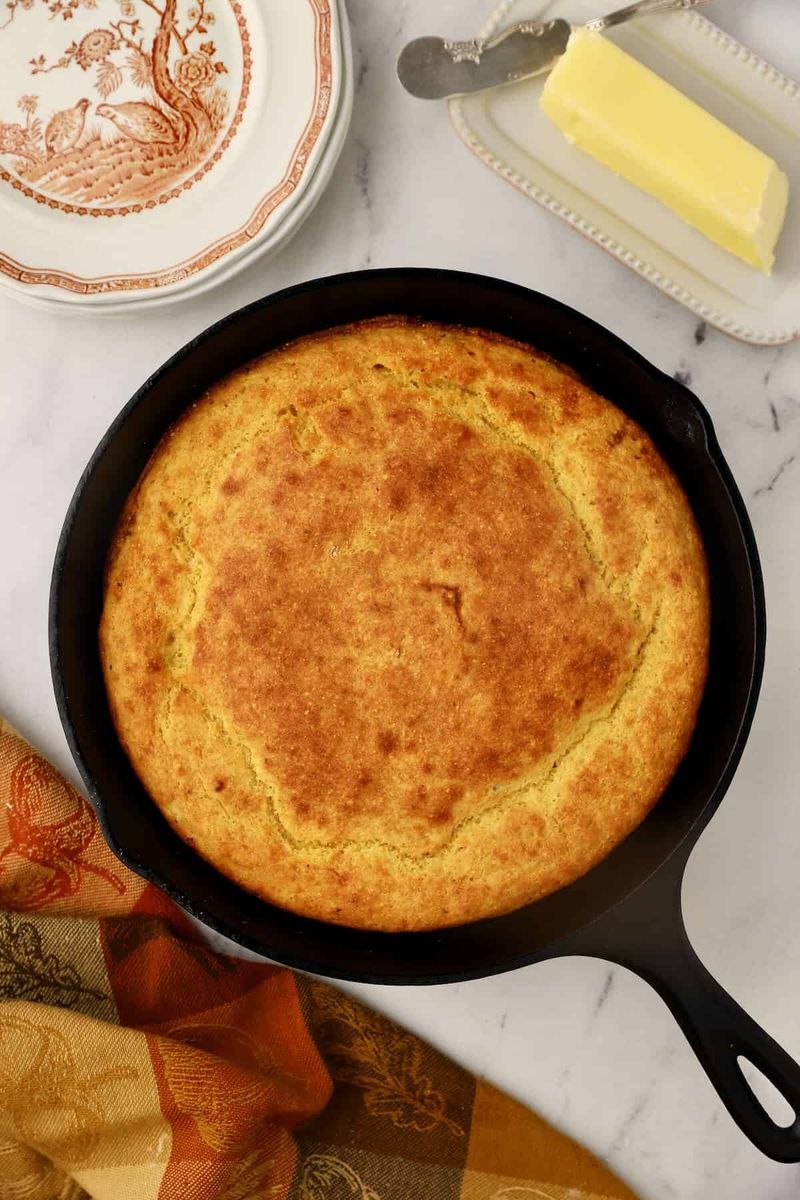
A good cast iron skillet might be the only pan you ever need. Many people still cook with pans their great-grandparents bought.
Cast iron holds heat beautifully, giving steaks a perfect crust and cornbread golden edges. It even adds a tiny bit of iron to your food.
Care is easy once you learn it. Rinse with hot water, dry it fully, and rub on a thin layer of oil after each use.
6. Bone Broth Simmering
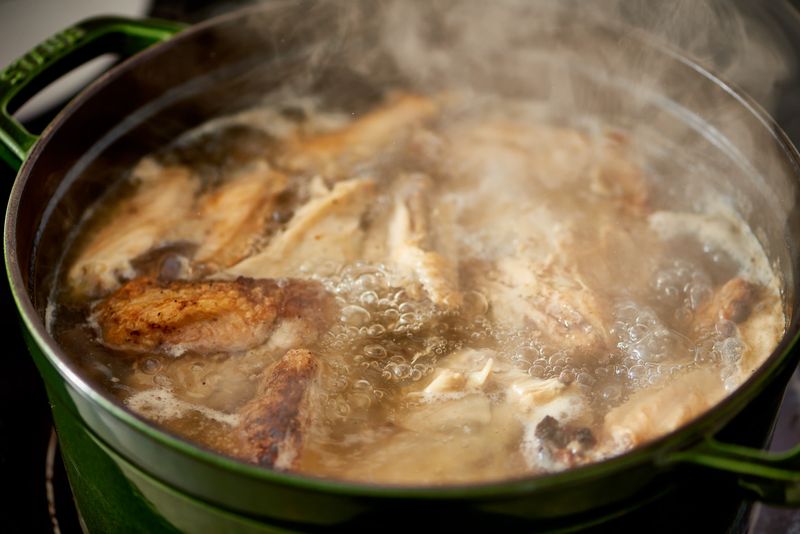
Grandmothers never threw out chicken bones. They tossed them in a pot with onion scraps and let it bubble for hours.
That rich, golden broth became soup, gravy, and comfort on sick days. Now it sells for high prices in fancy shops!
Save money by making your own. Keep a freezer bag of bones and veggie peels, then simmer everything with water and a splash of vinegar for several hours.
7. Churning Homemade Butter
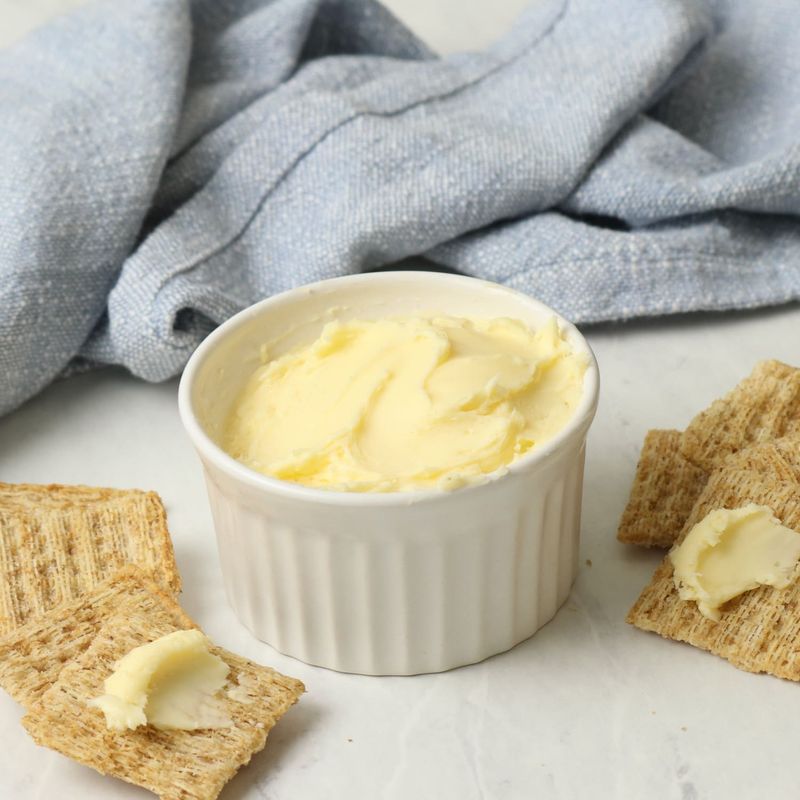
Here’s a fun kitchen trick: shake a jar of heavy cream long enough, and you get butter!
Pioneer families used wooden churns, but a simple jar works great today. Kids love taking turns shaking it while watching the cream turn thick and then suddenly split.
Pour off the buttermilk and save it for pancakes. Rinse the butter in cold water, add a pinch of salt, and spread it on warm bread.
8. Growing Kitchen Herb Gardens
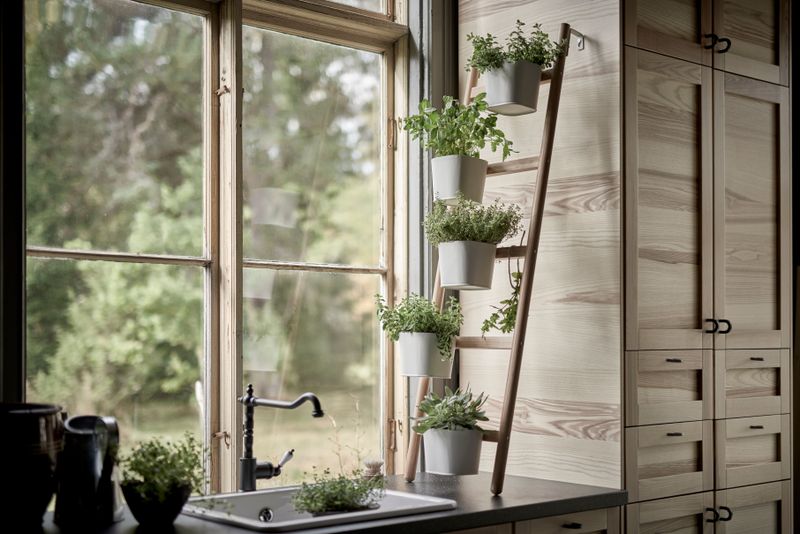
Long ago, almost every home had a kitchen garden right outside the back door. Fresh herbs were just a few steps away.
Modern cooks are bringing that idea indoors with windowsill pots. Basil, mint, chives, and parsley grow easily with sunshine and a little water.
Snipping your own herbs saves money and adds bright flavor to almost any meal. Plus, your kitchen will smell amazing every single day.
9. Root Cellar Storage
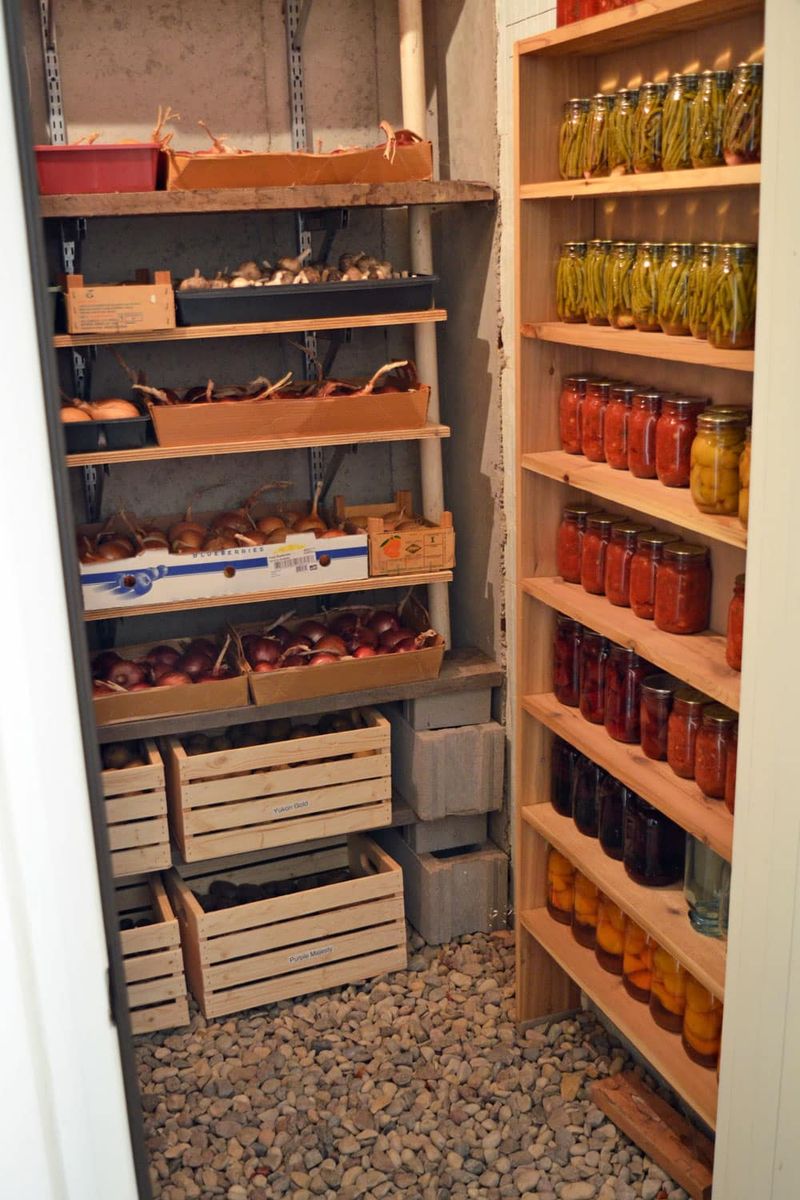
Before refrigerators, a cool dark cellar kept potatoes, apples, and carrots fresh for months. Clever, right?
Some homeowners are digging new root cellars, while others use a chilly basement corner or garage. The trick is steady cool temperatures and a bit of humidity.
Keep apples away from potatoes, since apples give off a gas that makes other produce spoil faster. Store carrots in damp sand to keep them crunchy.
10. Scratch Baking Over Boxed Mixes
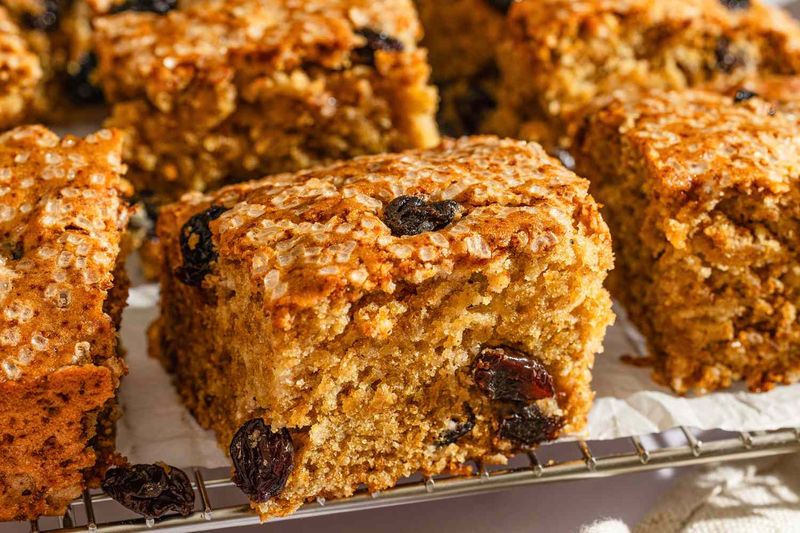
Boxed cake mixes only became popular in the 1950s. Before that, everyone baked from scratch, and honestly, it is not much harder.
Flour, sugar, eggs, butter, and baking powder are usually all you need. You also skip strange ingredients you cannot pronounce.
Find an old family recipe card or a trusted cookbook. Measure carefully, and you might be surprised how much richer homemade cakes and cookies taste.
11. Nose to Tail Eating
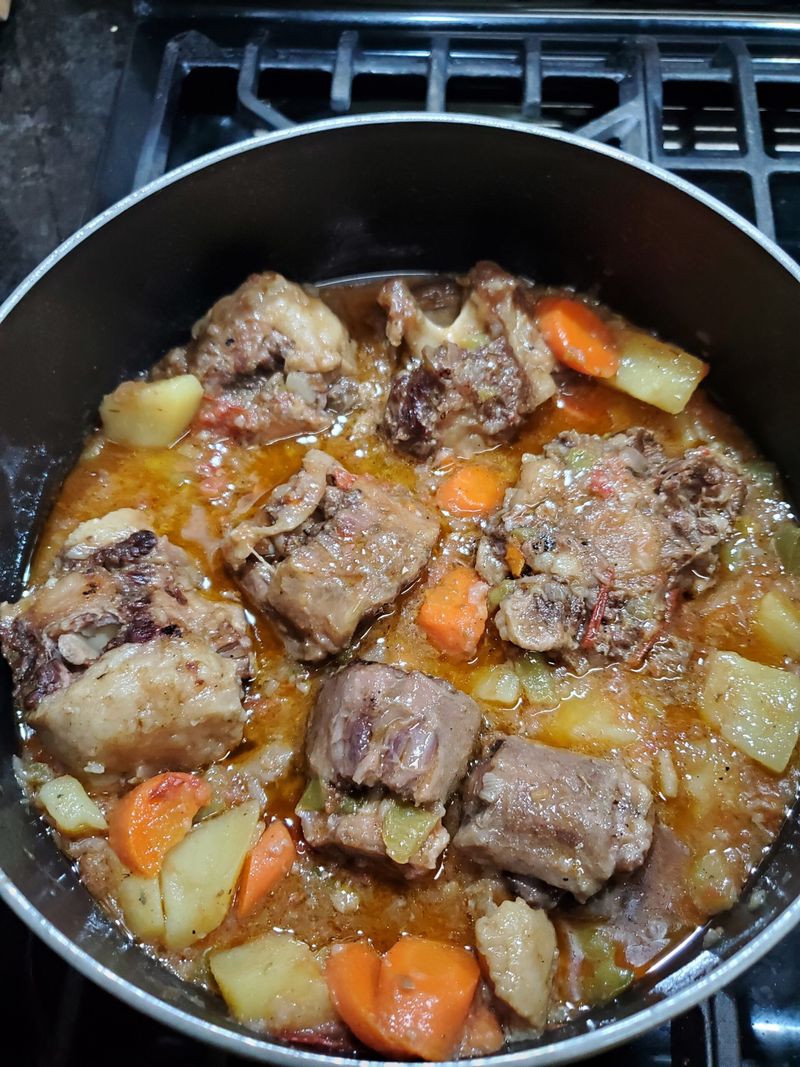
Waste not, want not. Our ancestors lived by that rule and used every part of an animal.
Oxtail stew, liver and onions, and marrow bones were common dinners. Chefs now celebrate these cuts again, and many are cheaper than steaks.
Curious but nervous? Start with oxtail or chicken thighs braised slowly until tender.
Ask a local butcher for tips, since they often love sharing old recipes.
12. Making Fresh Pasta by Hand
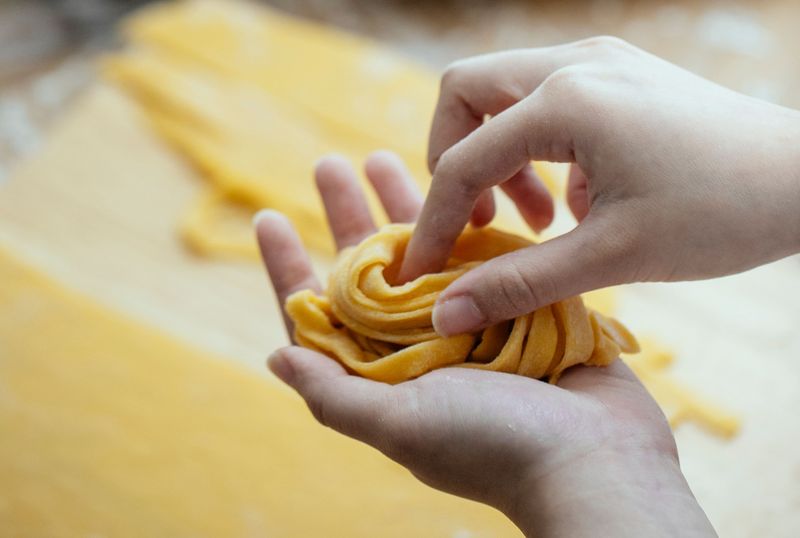
In Italian villages, nonnas could roll pasta dough paper thin with nothing but a long wooden pin. Their skills are inspiring a new generation.
Fresh pasta needs only flour and eggs. Make a well, crack eggs inside, and mix with a fork until a dough forms.
Knead it for ten minutes, rest it, then roll and cut. Cooking takes just two or three minutes, and the soft texture is unforgettable.
13. Drying Herbs and Fruit
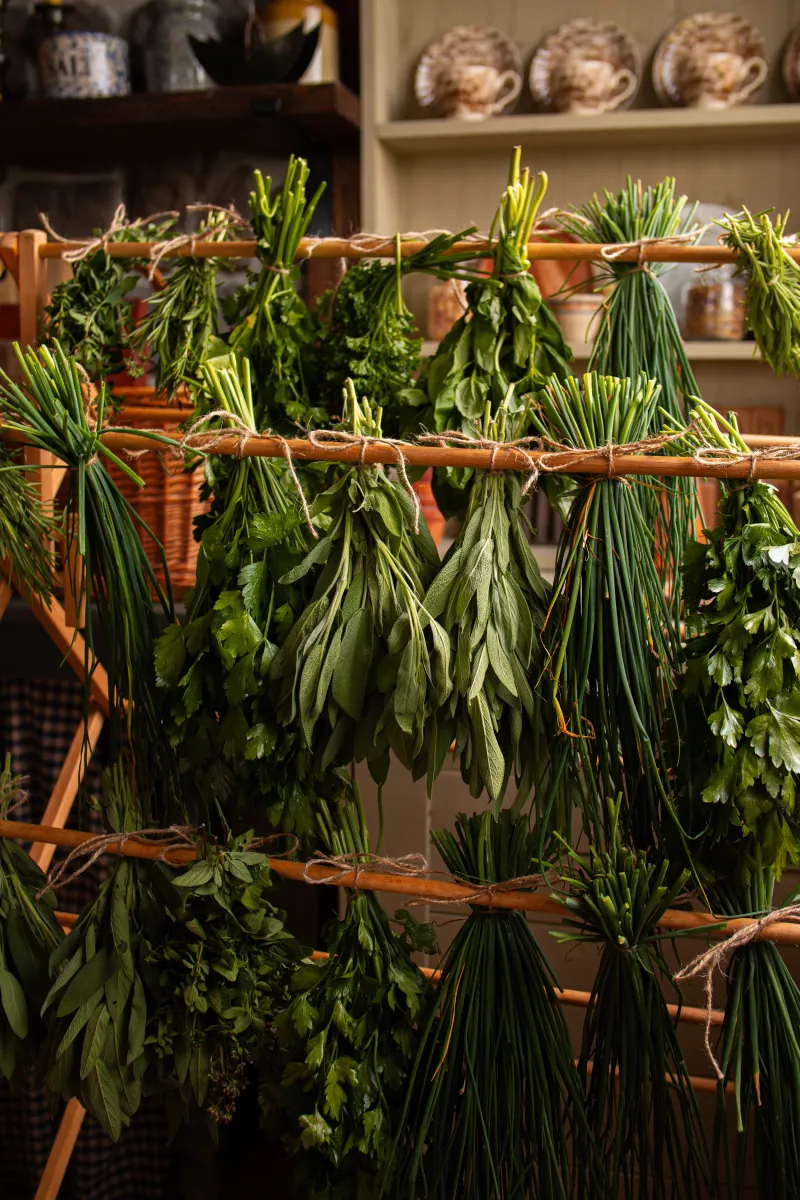
Hanging bundles of herbs from the ceiling looks pretty, but it served a real purpose. Drying was one of the oldest ways to save food.
Tie herbs with string and hang them in a dry spot for two weeks. For apples or tomatoes, a low oven or dehydrator does the job.
Dried apple rings make a sweet, chewy snack for lunchboxes. Store everything in airtight jars away from sunlight.
14. Cooking With Leftovers

Bubble and squeak, bread pudding, and fried rice all have one thing in common. They were born from leftovers!
Thrifty cooks turned yesterday’s dinner into today’s treat. Stale bread became French toast, and extra veggies turned into hearty soups.
Try a weekly leftover night. Pull everything from the fridge and get creative.
You will waste less food, save money, and maybe invent a new family favorite.
15. Brewing Homemade Kombucha and Kefir
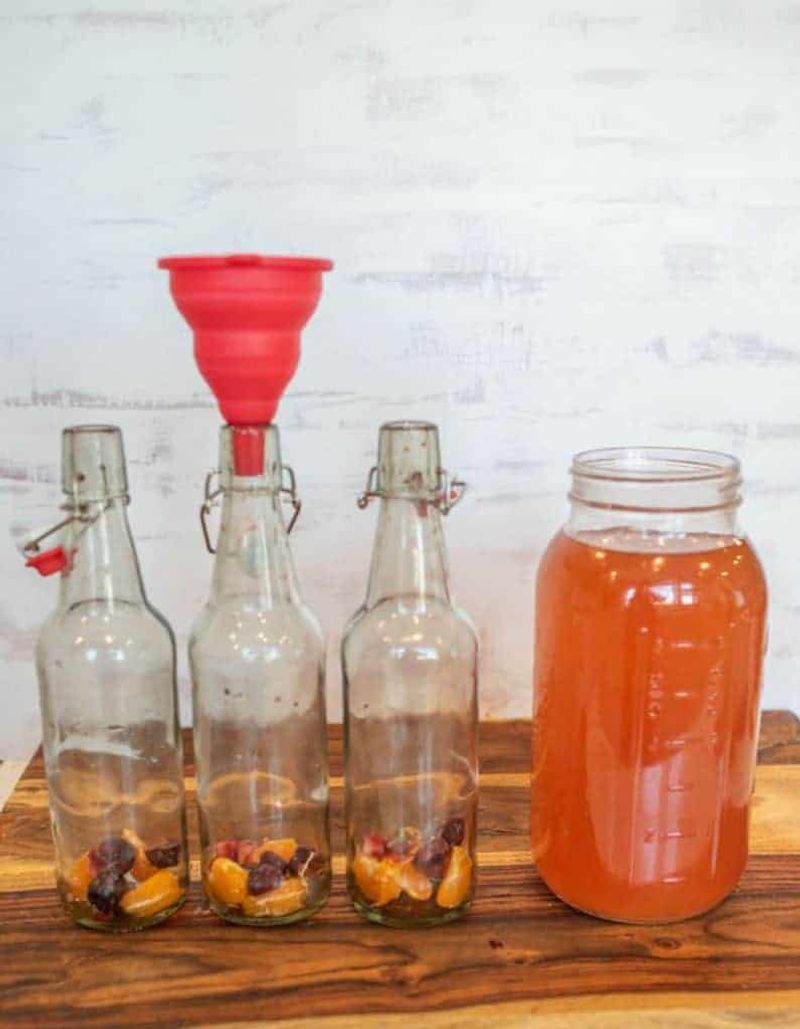
Kefir has been sipped in the Caucasus Mountains for centuries, and kombucha traces back over two thousand years. Both are fizzy, tangy, and surprisingly easy to make.
Kefir grains turn milk into a drinkable yogurt overnight. Kombucha uses a rubbery disc called a SCOBY to ferment sweet tea.
Friends often share extra grains or SCOBYs for free. Keep everything clean, and taste often to find your favorite flavor.
16. Saving Bacon Grease
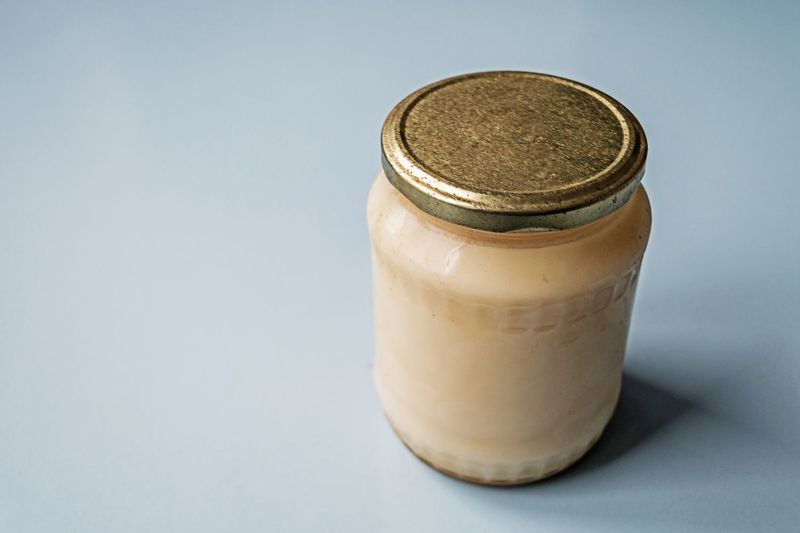
Remember that little can by Grandma’s stove? It was full of bacon grease, and it was liquid gold.
Southern cooks used it to fry eggs, season green beans, and make crispy cornbread. Home cooks are rediscovering its smoky, savory flavor today.
Strain warm grease through a coffee filter into a jar. Keep it in the fridge, and use a spoonful whenever a dish needs extra richness.
17. Seasonal Eating
Strawberries in December? Great-grandparents would have laughed.
They ate what grew each season, and food tasted fresher for it.
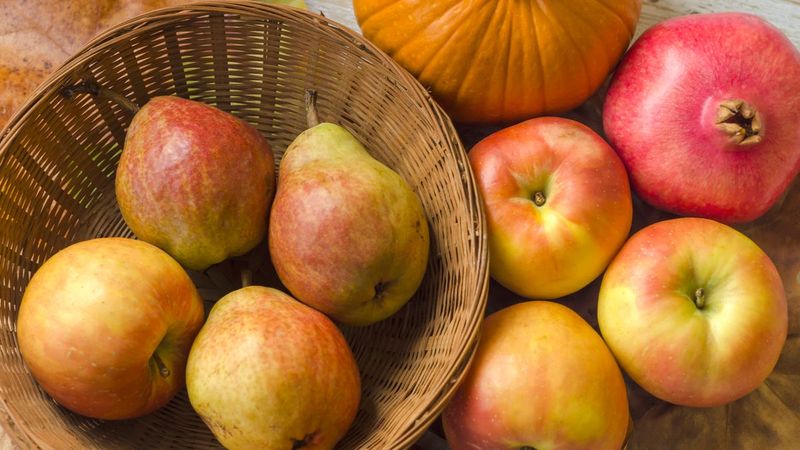
Farmers markets are helping people reconnect with that rhythm. Spring brings asparagus, summer offers corn and berries, and fall fills baskets with squash and apples.
Buying in season usually means lower prices and better flavor. Plan meals around what is fresh, and you will look forward to each new harvest.