
Every culture has its own special rules for sharing a meal. Something that feels polite at your dinner table might seem rude somewhere else.
Learning these customs helps you travel smarter, make new friends, and show respect to people from different places. Get ready to discover some surprising, funny, and heartwarming ways people eat around the globe.
1. Slurping Noodles in Japan
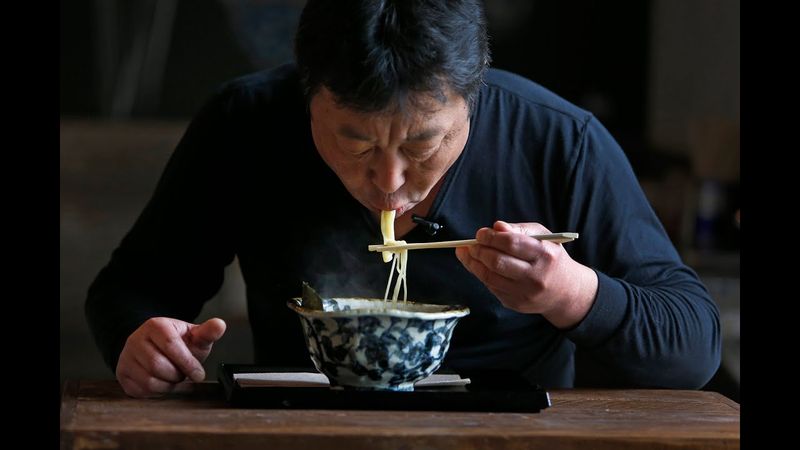
Picture a quiet Tokyo ramen shop filled with loud slurping sounds. Nobody is being rude.
In Japan, slurping noodles shows the cook you are enjoying the meal.
Slurping also cools down hot noodles as you eat them, so it has a practical side too. Soba and ramen are best eaten quickly before they get soggy.
If you visit, go ahead and slurp proudly. The chef will likely smile at the compliment.
2. Eating With Your Right Hand in India
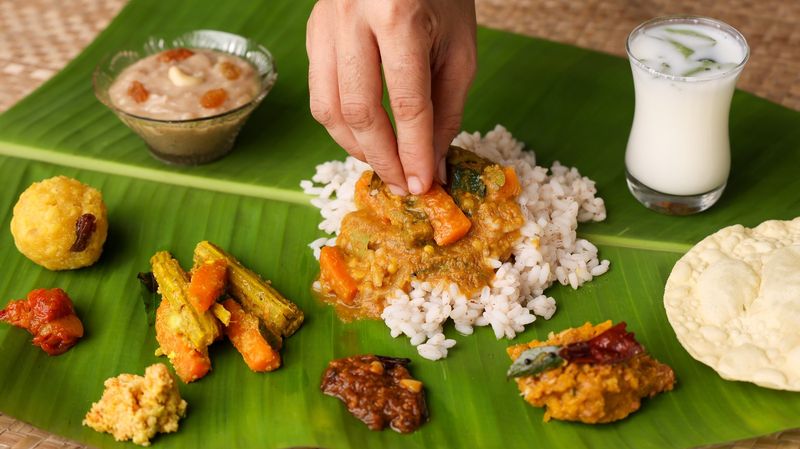
Forks are optional in much of India. Many families eat rice, dal, and curry using only their fingers, and they say food tastes better that way.
Here is the key rule: always use your right hand. The left hand is traditionally linked with personal hygiene, so using it at the table is considered unclean.
Wash your hands before and after the meal. Practice scooping with your fingertips, and you will soon feel like a pro.
3. Burping as a Compliment in China
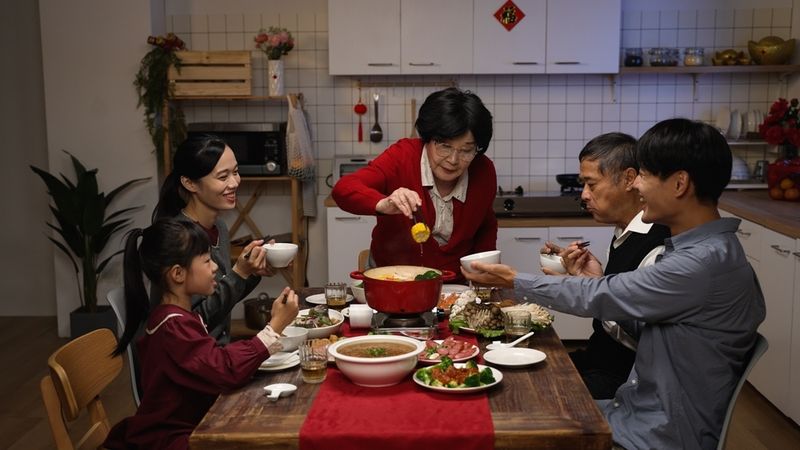
Did you know a burp can be a thank-you note? In some parts of rural China, a small burp after dinner tells the host you are happily full.
This custom is less common in big modern cities, where manners are changing. So it is smart to watch what others do before trying it yourself.
Still, the idea is sweet. Showing that you loved the food is the true goal, whatever form it takes.
4. Leaving Food on Your Plate in China
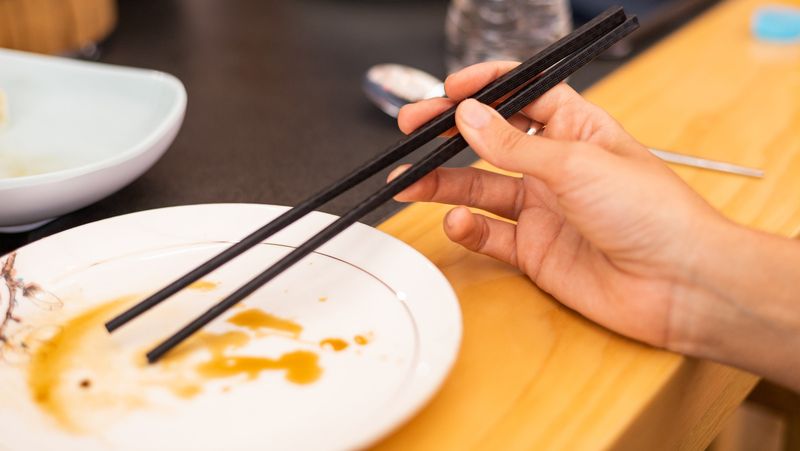
Clean plate club? Not in China.
Finishing every bite can signal that your host did not serve enough food.
Leaving a small amount behind shows you were treated generously and are completely satisfied. Hosts take great pride in offering plenty.
Compare that with the United States, where many kids are told to finish everything. Neither way is wrong.
They just send different messages, so knowing the local meaning really helps.
5. Cleaning Your Plate in the Philippines and Japan
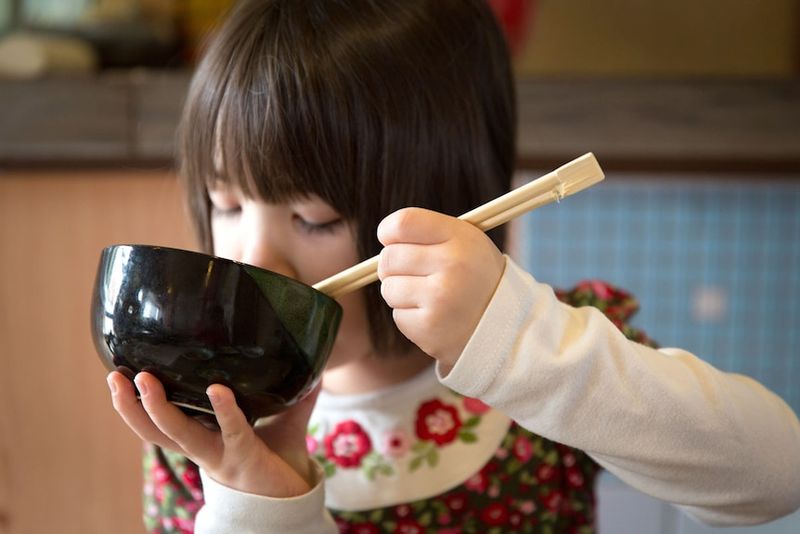
Just across the sea, the rules flip. In Japan, finishing every grain of rice is polite, since wasting food is frowned upon.
Many Japanese kids grow up hearing the word mottainai, which means a feeling of regret over waste. An empty bowl shows thanks to the farmers and the cook.
So take only what you can finish. Saying gochisousama deshita, meaning thank you for the meal, adds a perfect finishing touch.
6. Sharing Injera in Ethiopia
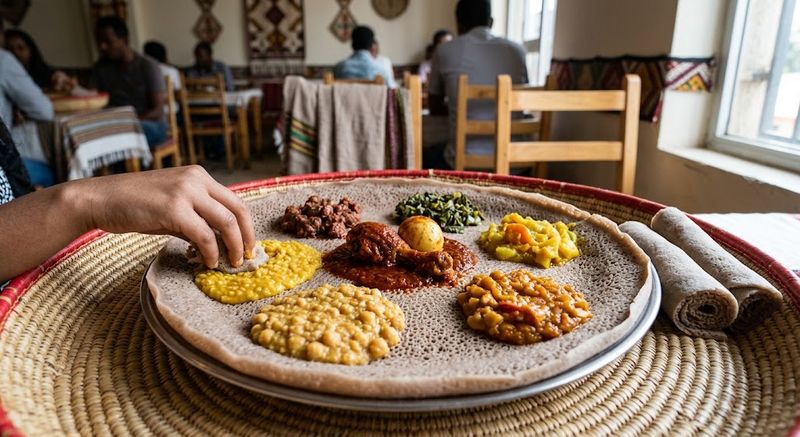
One giant spongy pancake, many happy hands. Ethiopian meals are served on injera, a sour flatbread that doubles as plate and spoon.
Everyone eats from the same platter, tearing pieces of bread to scoop up spicy stews. It feels warm and friendly, like a big family picnic.
Watch for gursha, a lovely tradition where someone feeds you a bite by hand. Accepting it shows trust and friendship, so open wide!
7. Keeping Hands Visible in France
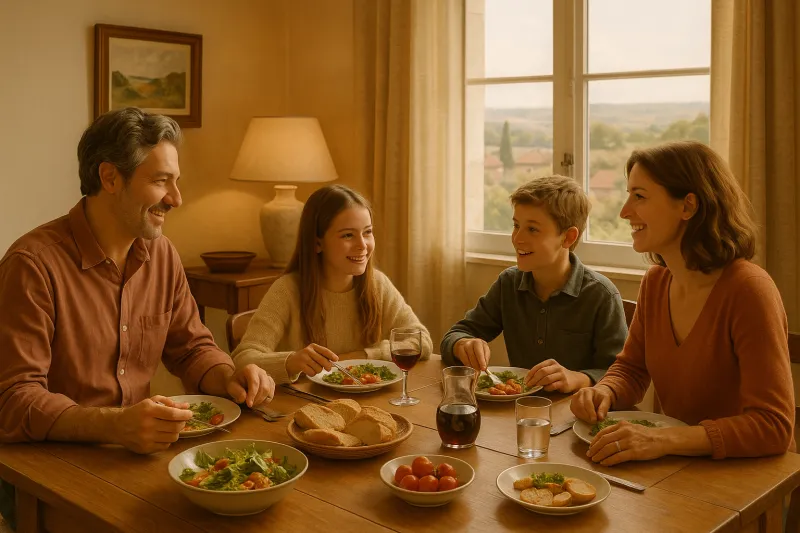
French parents have a funny rule kids in America rarely hear. Keep your hands on the table, resting your wrists near your plate.
Hiding hands in your lap once raised suspicion about what you were doing under there. Today it simply looks polite and attentive.
Oh, and put your bread right on the tablecloth, not on your plate. French diners use bread to push food onto their fork, which is quite handy.
8. No Cutting Spaghetti in Italy
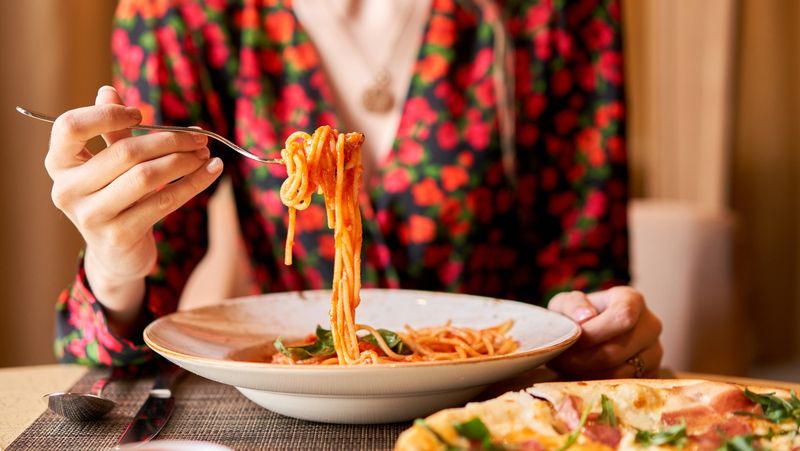
Grab a knife for your spaghetti in Rome, and a waiter might politely wince. Italians twirl long pasta with just a fork.
Spoons are usually skipped too, except sometimes for small children learning. The trick is to pick up a few strands and spin them against the edge of the plate.
Another tip: skip the cappuccino after lunch. Many Italians only drink milky coffee in the morning, believing it is too heavy after meals.
9. Saying Itadakimasu Before Meals
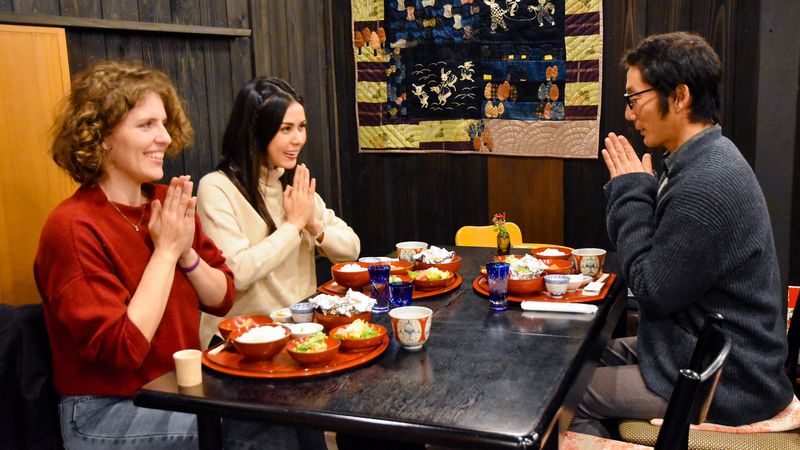
Hands pressed together, a quick bow, and a cheerful itadakimasu. That is how many meals begin in Japanese homes and schools.
The phrase means I humbly receive. It thanks everyone and everything that helped bring the food to the table, from plants and animals to farmers and cooks.
Try saying it before your next dinner. It takes two seconds and reminds you to appreciate what is on your plate.
10. Tea Pouring Rules in China
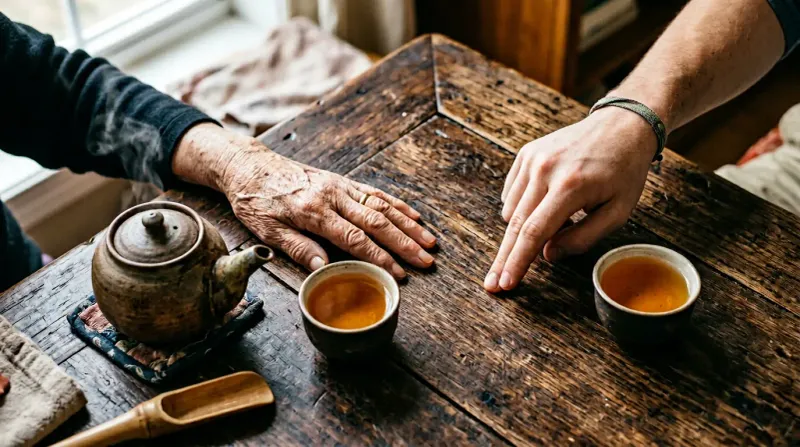
Ever seen someone tap two fingers on the table at dim sum? It is a silent thank-you when someone refills your tea.
Legend says an emperor traveled in disguise and poured tea for his servants. They could not bow without revealing him, so they tapped fingers instead.
Remember to fill other cups before your own. If the pot is empty, flip its lid open, and staff will refill it.
11. Toasting Eye to Eye in Germany
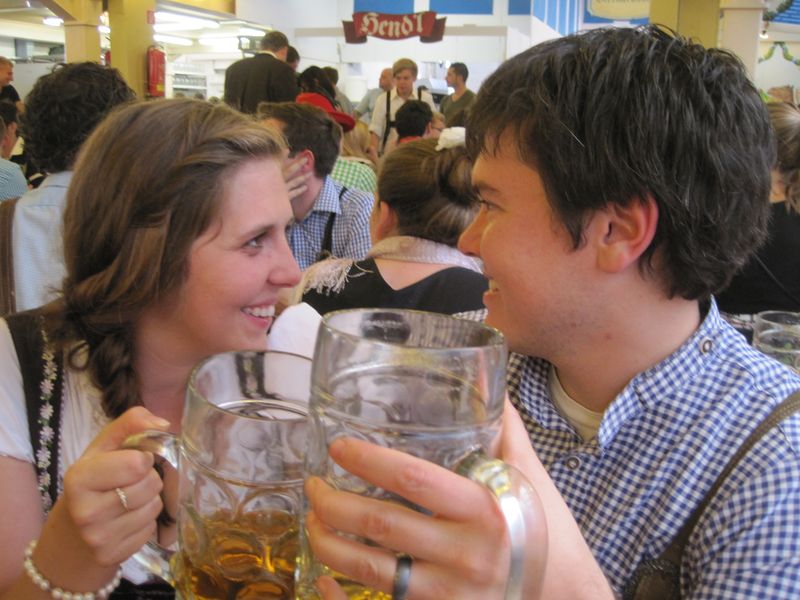
Prost! When glasses clink in Germany, eyes should meet.
Looking away during a toast is considered rude.
Some Germans jokingly warn that skipping eye contact brings seven years of bad luck. Whether you believe it or not, it is a fun reason to stay focused.
Kids can join in with juice. Look at each person, smile, and clink.
It turns a simple drink into a small moment of connection.
12. Arriving Late on Purpose in Argentina
Showing up exactly on time for dinner in Buenos Aires might catch your host still cooking. Arriving about thirty minutes late is often expected.
Dinner itself starts late, too, sometimes after 9 or even 10 at night. Argentinians love long, relaxed evenings full of conversation.
Bring a small gift like dessert or flowers. Then settle in, because the meal may stretch past midnight with plenty of laughter.
13. Taking Off Shoes in Korean Homes
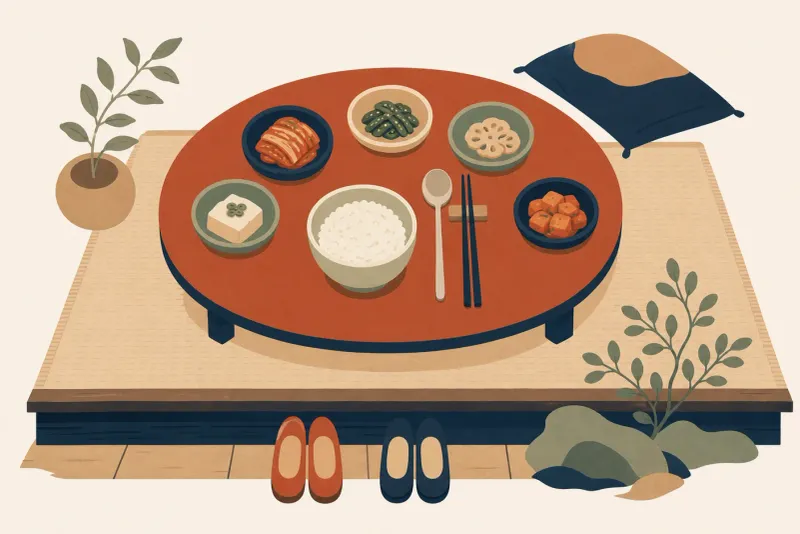
Step into a Korean home and you will notice a neat row of shoes by the door. Guests always remove their shoes before entering.
Many families eat at low tables while sitting on heated floors, so clean floors matter a lot. It is about comfort and respect.
Also, wait for the oldest person to lift their spoon first. Respecting elders is a huge part of Korean dining culture.
14. Turning Away to Drink in Korea

Here is a respectful little move you might spot in Seoul. When drinking with elders, younger people turn their heads away and cover their glass.
It shows humility and honor toward the older person. Pouring with two hands for elders adds extra politeness.
Even if your cup holds water or tea, this gesture is appreciated. Small actions like these say a lot without any words at all.
15. Bread Is Sacred in the Middle East
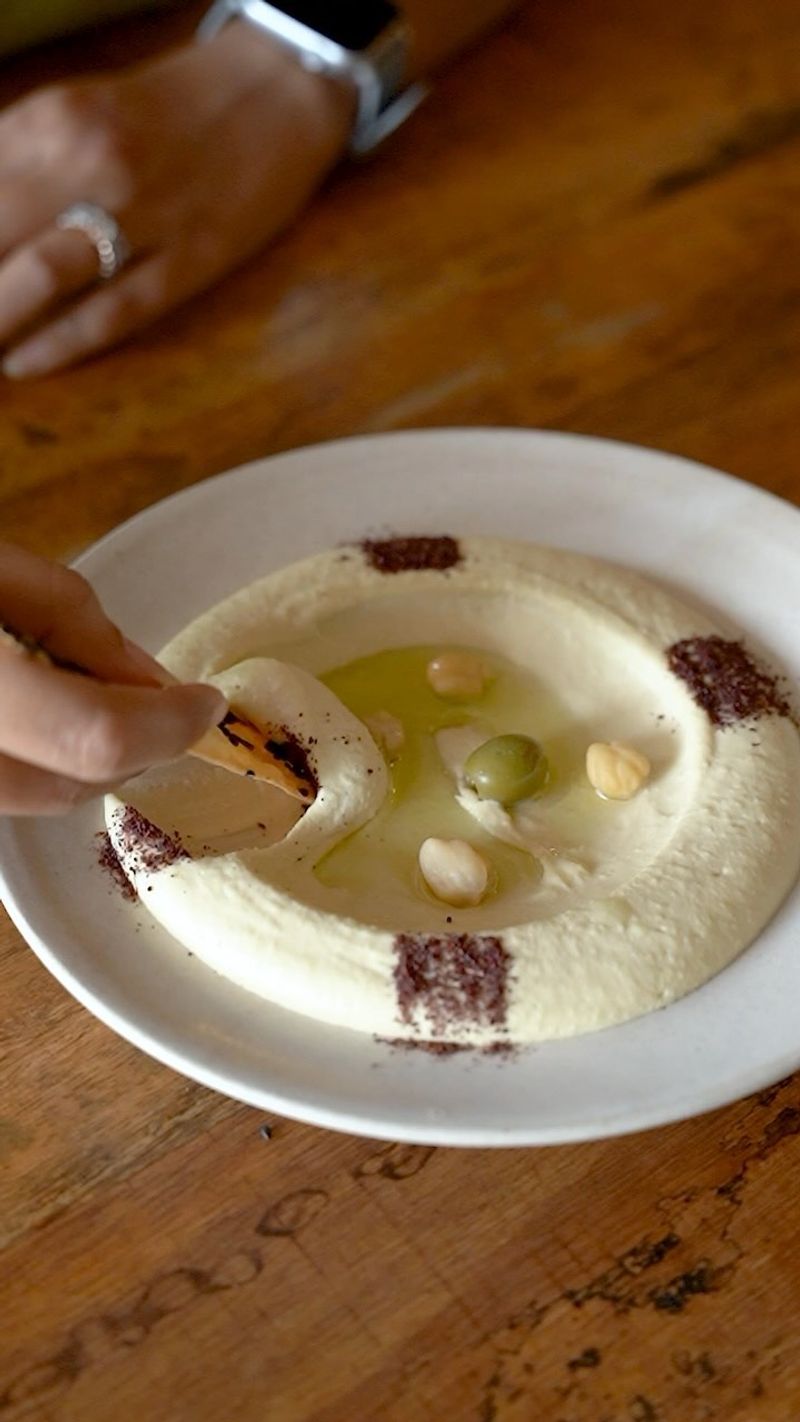
Drop a piece of bread in many Middle Eastern homes, and someone may pick it up, kiss it, and set it aside.
Bread is treated as a blessing, so wasting or tossing it carelessly feels disrespectful. Families often save stale pieces for other dishes.
Flatbreads also work as edible scoops for hummus and stews. Tear off small pieces, enjoy, and treat each bite like the gift it is.
16. Accepting Seconds in Arab Hospitality
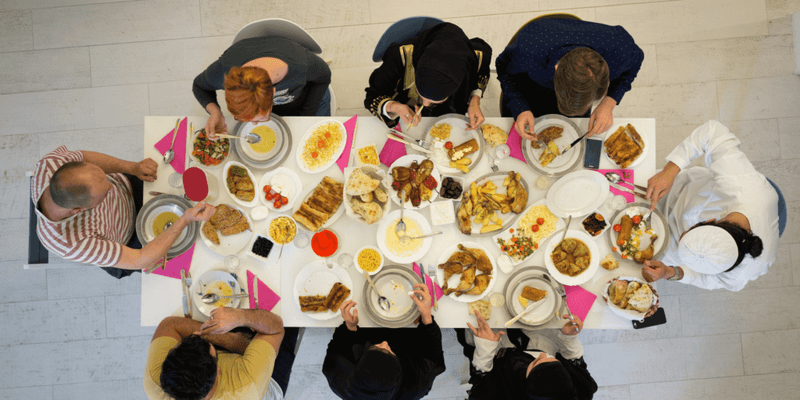
Guests are treated like royalty across the Arab world. Hosts will keep offering more food, again and again.
Politely refusing once is normal, but the host will likely insist. Accepting shows you value their kindness and cooking.
When you are truly full, place your hand over your plate and say thank you warmly. Traditionally, food is eaten with the right hand, often from a shared platter on the floor.
17. Watching Your Glass in Russia
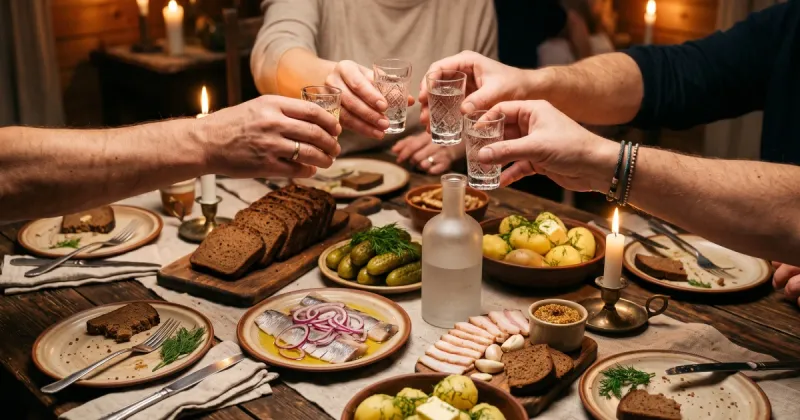
Russian dinners are famous for long, heartfelt toasts. Hosts might give speeches about friendship, family, or health between courses.
An empty glass or plate signals you want more, so expect refills. If you are done, leave a little behind.
Kids join toasts with juice or compote, a sweet fruit drink. Listening respectfully during each speech matters, and offering your own short toast can make you an instant favorite guest.
18. Never Salting Food in Egypt
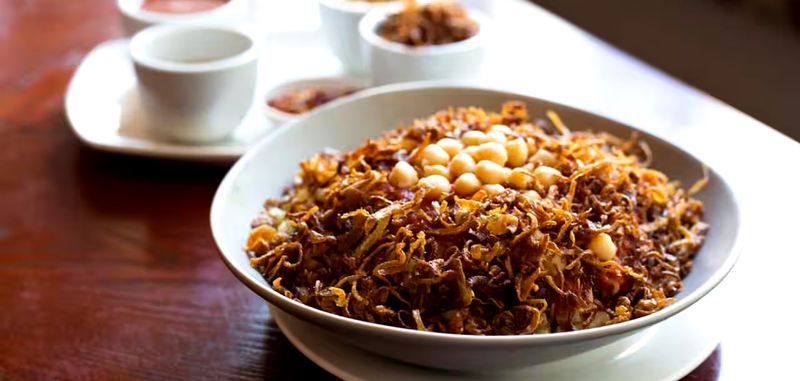
Reaching for the salt shaker seems harmless, right? In Egypt, adding salt before tasting can insult the cook.
It suggests the dish was not seasoned well. Always taste first, and praise the food generously instead.
Egyptians often say the meal was delicious many times during dinner. Kind words go a long way at their tables, so speak up and let your host know you love that bowl of koshari.
19. Long Lunches in Spain

Lunch in Spain is the main event, not a quick sandwich. Families gather around 2 or 3 in the afternoon for several courses.
After eating, people linger and chat, a habit called sobremesa. It means time spent at the table after the food is gone.
Rushing off is seen as a little rude. Slow down, share stories, and enjoy the company.
Honestly, it might be the best custom on this list.
20. Fika Breaks in Sweden
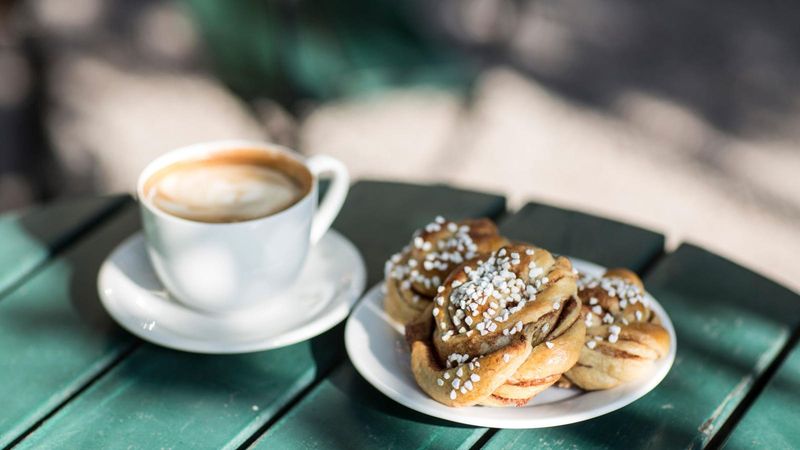
Coffee and cinnamon buns at 3 p.m.? Swedes call it fika, and it is practically a national treasure.
Fika is a break to relax with friends or coworkers over a warm drink and something sweet. Many offices even schedule it into the workday.
The point is not the snack but slowing down together. Try hosting your own fika with hot cocoa and cookies.
Phones down, smiles up.
21. Thumb Pointing in Malaysia
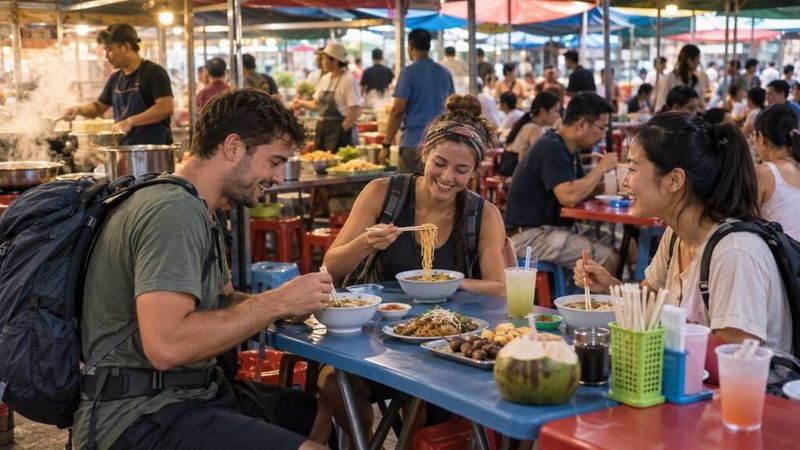
Pointing at the food with your index finger in Malaysia can come across as rude. Locals use their right thumb instead, folded over the fist.
Like in India, many people eat with the right hand, especially rice dishes like nasi lemak. Hawker centers buzz with families enjoying meals this way.
Practicing the thumb point before your trip is easy. It shows locals you made an effort, and they will notice.
22. Splitting the Bill Differently in Korea and Japan

Who pays? In Korea, the oldest or most senior person often covers the whole bill.
Younger guests may treat next time, perhaps buying coffee afterward.
In Japan, tipping is not expected and can even confuse staff. Great service is simply part of the job.
Knowing these money manners saves awkward moments. When unsure, offer politely to pay, and let your host guide what happens next.
23. Hangi Feasts in New Zealand
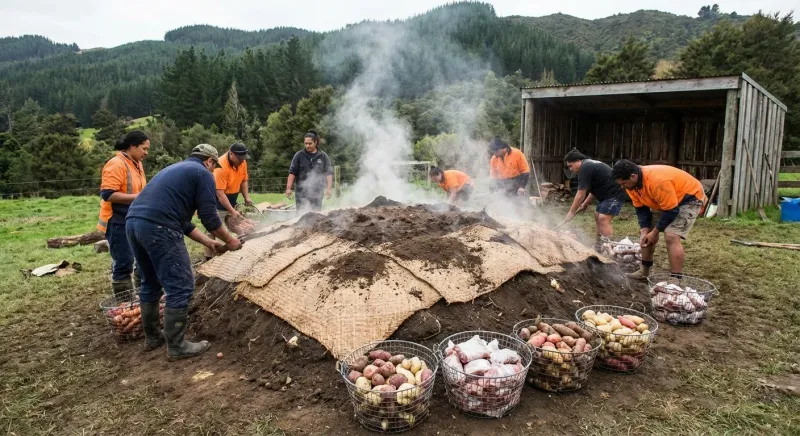
Dinner cooked underground for hours? That is a hangi, a traditional Maori feast in New Zealand.
Meat and vegetables are placed on hot stones in a pit, covered, and slowly steamed. The result is smoky, tender, and amazing.
Guests at a marae, a Maori meeting place, are welcomed with ceremony before eating. Sharing a hangi means sharing community.
If you are ever invited, say yes with gratitude.
24. Thanking the Cook in Brazil
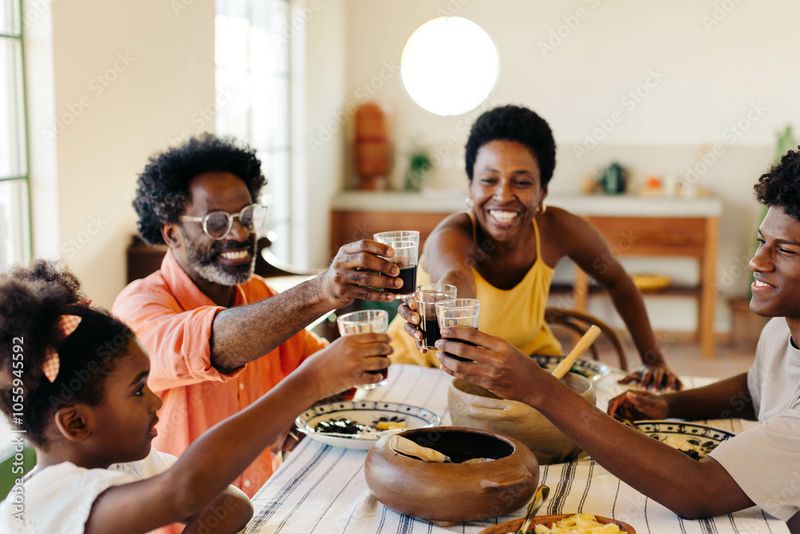
Sunday in Brazil often smells like feijoada, a rich black bean stew. Big family lunches are a cherished weekly tradition.
Brazilians rarely eat with their hands, even pizza or burgers, often using napkins or forks. Wiping your mouth before drinking is considered good manners.
Most important of all, praise the cook, usually a beloved grandma. A heartfelt muito obrigado, meaning thank you very much, can make her whole week.