
Some movies leave behind more than famous lines and memorable scenes. Their jokes, love stories, or choices behind the camera can look troubling through modern eyes.
Several sparked protests even when they first appeared, while others have faced sharper criticism over time. Nobody can know which films would actually be canceled today, but these titles show why audiences might push back.
1. The Birth of a Nation (1915): Film History With a Harmful Legacy
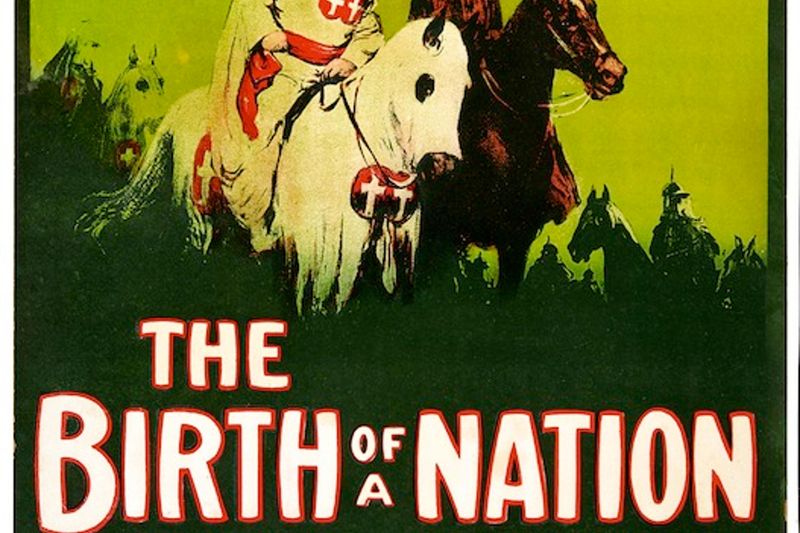
A movie can change filmmaking and still leave a deeply harmful mark. D.
W. Griffith’s silent epic praised the Ku Klux Klan and used racist images of Black Americans, including white performers wearing blackface.
Black organizers protested it when it opened, so the objections are hardly new. Its role in promoting the revived Klan makes it more than an example of outdated taste; it shows how powerful entertainment can help spread dangerous lies about people.
2. I Now Pronounce You Chuck & Larry (2007): Acceptance Wrapped in Stereotypes
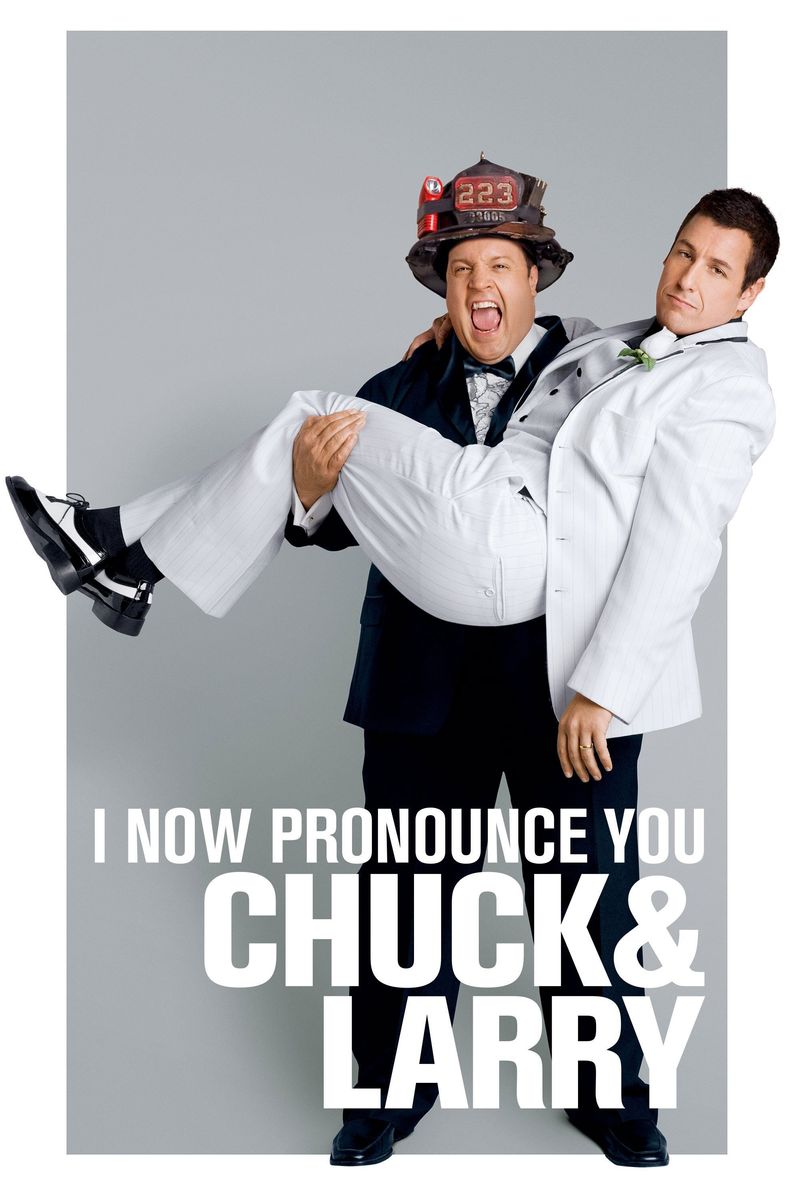
Good intentions do not automatically make every joke land. Adam Sandler and Kevin James play straight firefighters pretending to be a gay couple, and the story eventually argues for acceptance.
Along the way, though, it repeatedly treats gay identity as something embarrassing or strange. A new release would likely face questions about whether its message excuses its methods, giving viewers a useful test: who gets to be a person, and who becomes the punch line here?
3. Manhattan (1979): A Beautiful City, an Uneasy Romance
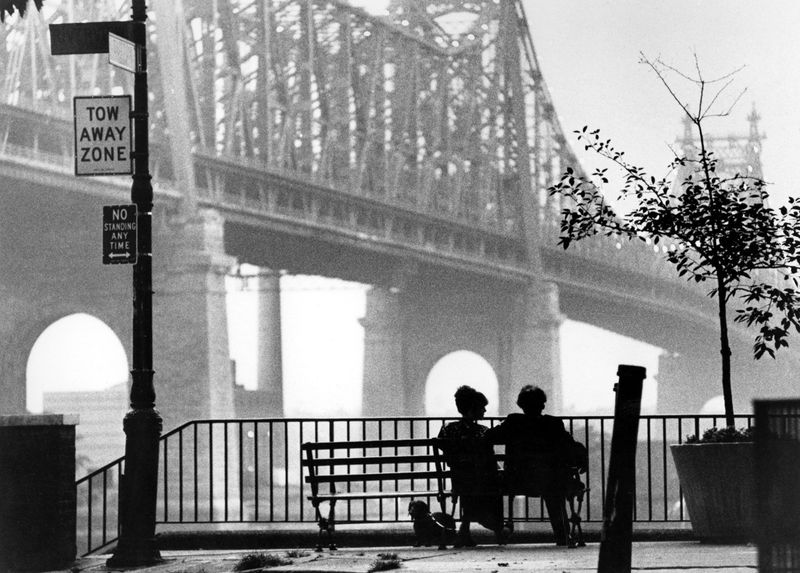
Lovely city views cannot make an uncomfortable age gap disappear. Woody Allen’s character, Isaac, is 42, while Tracy, the high school student he dates, is 17.
Modern audiences would likely question how warmly the film frames their relationship and how much room Tracy gets to define herself. Watching critically means looking beyond the famous photography to ask whether the story takes an adult’s responsibility seriously, rather than treating youth as a cure for his unhappiness.
4. Borat (2006): When Satire Cuts Both Ways
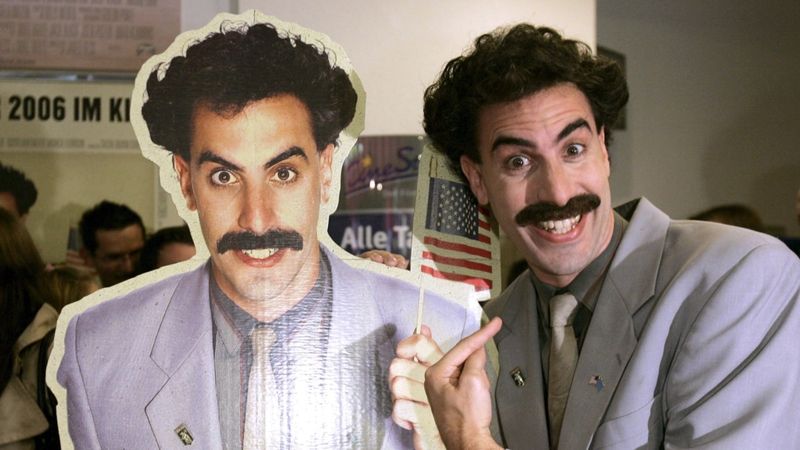
Shock is the engine of Sacha Baron Cohen’s mock documentary. His fictional reporter exposes prejudice by saying outrageous things, often prompting real people to reveal opinions they might otherwise hide.
Yet its invented version of Kazakhstan also turns a real country into a running joke. The debate is not simply whether comedy may offend; it is whether viewers recognize the target, or leave repeating the very stereotypes the film claims to mock in the first place.
5. Shallow Hal (2001): A Kind Message Undercut by Body Jokes
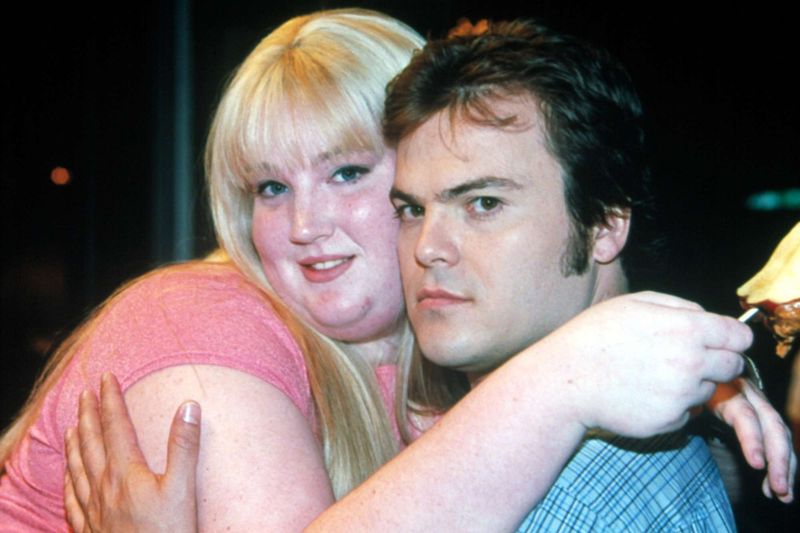
Being told to value inner beauty sounds like a lovely starting point. Trouble arrives when a comedy delivers that lesson through repeated jokes about a woman’s size and the space her body occupies.
Gwyneth Paltrow wears a fat suit as Rosemary, whose appearance Hal sees differently after hypnosis. For viewers revisiting it, a fair question is whether Rosemary receives dignity herself, or mostly serves as a lesson designed to improve the man who dates her onscreen.
6. Gone With the Wind (1939): Spectacle That Softens Slavery
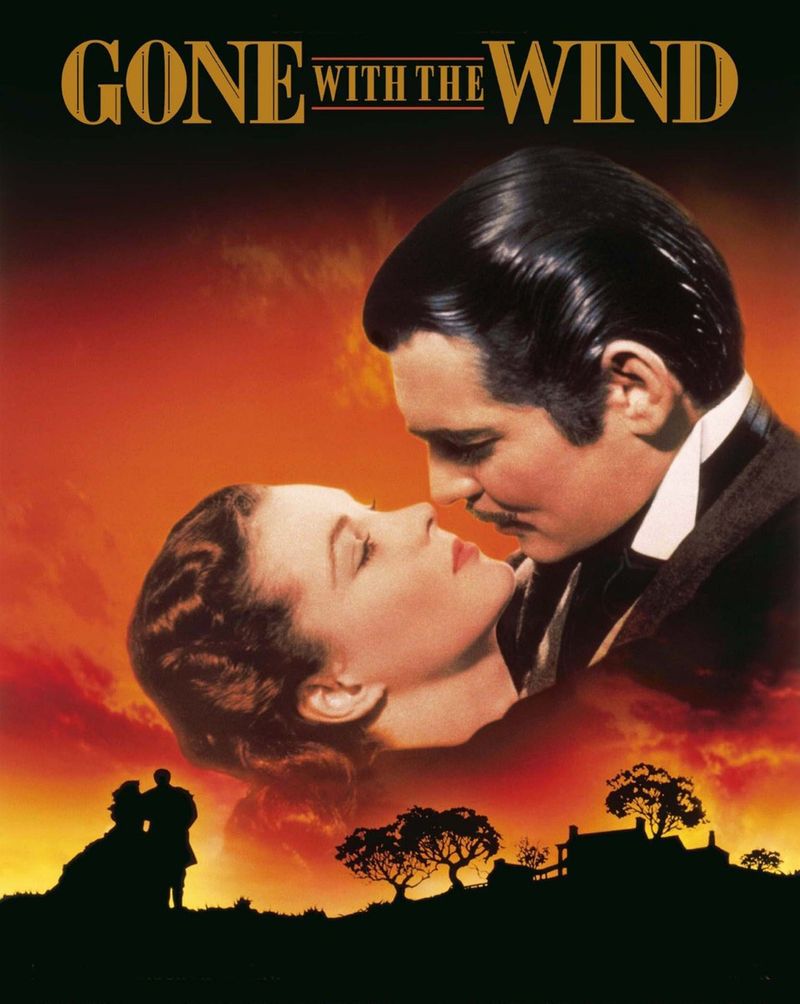
Sweeping music and grand costumes can make a false picture feel convincing. Behind its famous romance, this epic presents a softened vision of the slaveholding South and gives limited space to enslaved people’s suffering.
That framing deserves attention alongside its place in film history. Contextual introductions can help viewers separate impressive craft from misleading history, especially when a movie encourages sympathy for a social order built on denying other people their freedom and basic human rights.
7. Song of the South (1946): Familiar Songs, Missing History
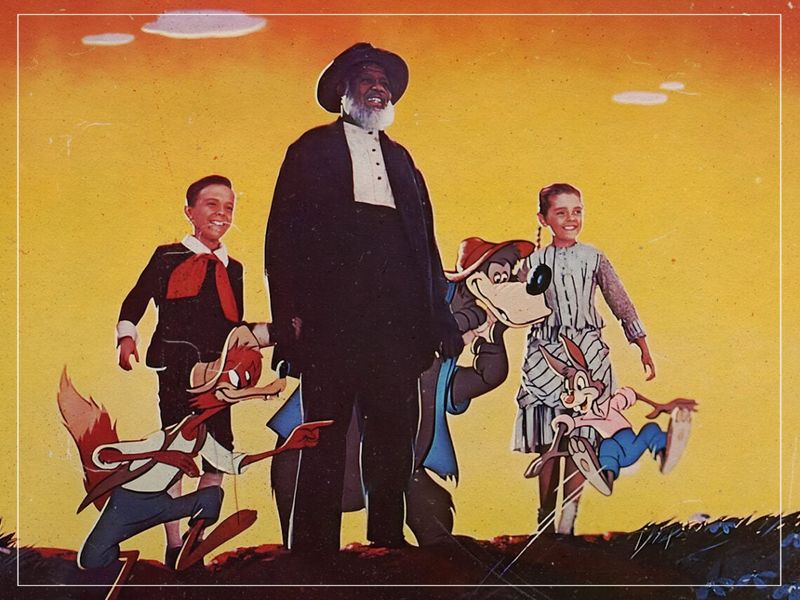
A catchy song can outlive the troubling story that carried it. Disney’s blend of live action and animation presents a comforting picture of Southern plantation life after the Civil War while relying on racial stereotypes.
The studio has kept the film off Disney+, reflecting its difficult legacy. Families encountering its songs elsewhere can use that disconnect to discuss how cheerful entertainment sometimes leaves out the hardship and unequal power that shaped the world it shows onscreen.
8. Lolita (1962): An Abuser’s Viewpoint Requires Care
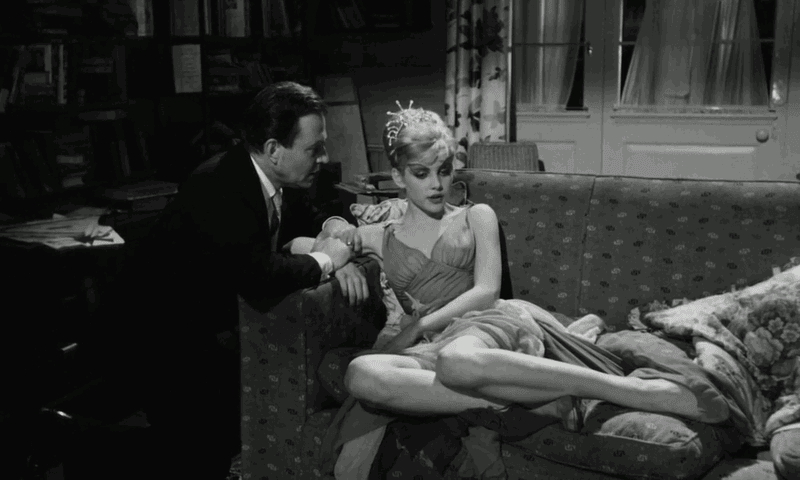
Whose version of events are we being asked to believe? Stanley Kubrick’s adaptation follows Humbert Humbert, an adult obsessed with a young girl, making the handling of his viewpoint central to any discussion.
The novel introduces her at 12; the film ages her to 14. Depicting abuse does not automatically endorse it, but modern marketing and criticism would need to avoid romanticizing the adult’s behavior or allowing his excuses to crowd out the child’s experience entirely.
9. A Clockwork Orange (1971): Violence That Refuses to Comfort
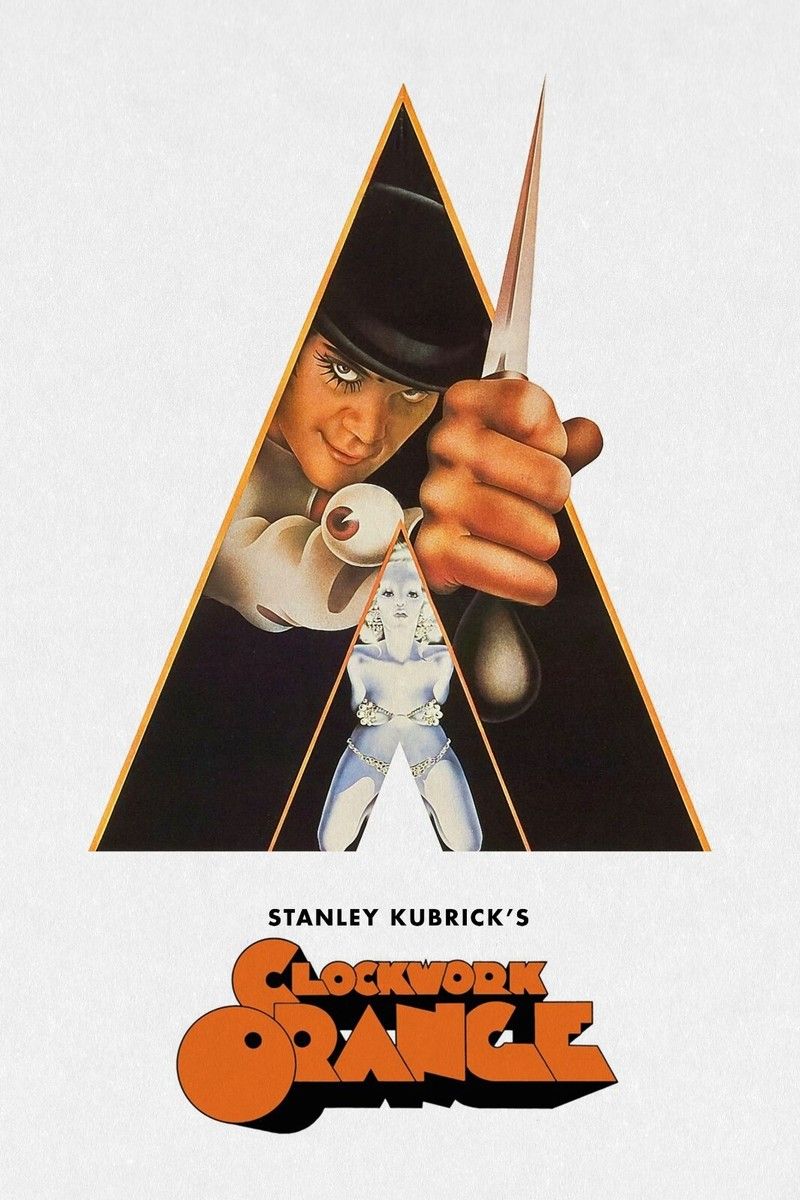
Few films make style and cruelty collide so sharply. Stanley Kubrick follows a violent young offender through a story about punishment, free will, and state control, including deeply disturbing scenes of sexual violence.
Its controversy was immediate, not something invented by today’s audiences. A modern release could still find defenders, but responsible viewing calls for clear content warnings and room to debate whether the striking presentation challenges violence or risks making its perpetrators seem dangerously appealing.
10. Last Tango in Paris (1972): Consent Behind the Camera
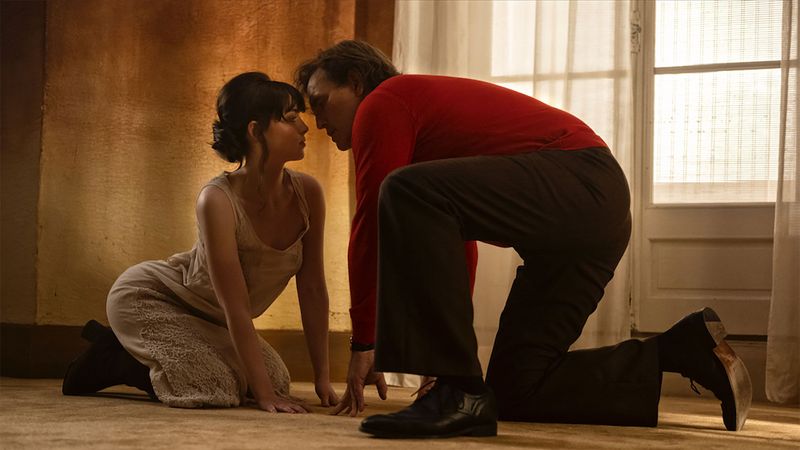
Behind the camera, consent matters just as much as performance. Maria Schneider said she felt humiliated by a scene whose butter detail was withheld from her; director Bernardo Bertolucci later acknowledged that deliberate surprise.
The sexual act was simulated, a distinction often lost in retellings. Even so, the ethical concern remains serious: performers deserve clear information and agreed boundaries, not emotional distress engineered without their knowledge in pursuit of a reaction that looks convincing on film.
11. Cannibal Holocaust (1980): Real Harm Is Not a Special Effect
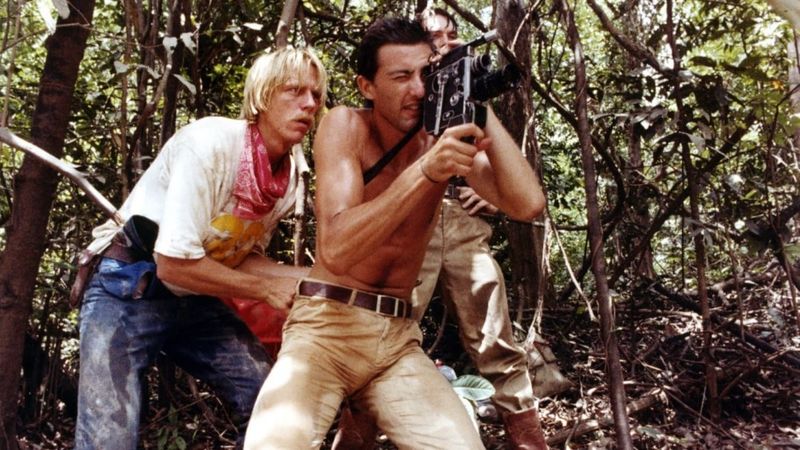
Make believe horror crosses a different line when suffering is real. Ruggero Deodato’s notorious film includes actual animal killings, alongside staged violence presented through a fake documentary setup.
That distinction separates objections about disturbing fiction from objections about production ethics. Anyone considering it should check detailed content guidance first; no viewer needs to prove their love of horror by watching cruelty, and filmmakers can create fear without making living creatures pay for the effect on screen.
12. Kids (1995): Youth Culture Without a Safety Net
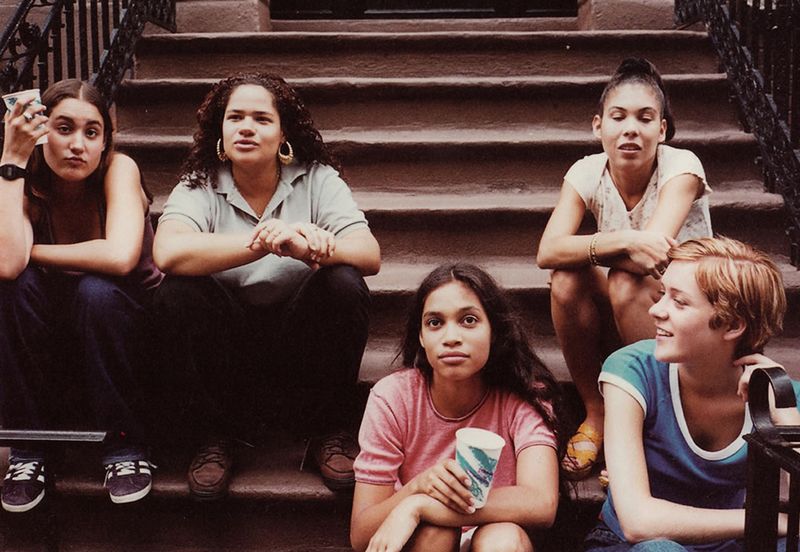
The rough edges are exactly what made this drama stand out. Larry Clark’s film follows teenagers through drug use, sexual behavior, and serious harm, offering little of the reassuring guidance found in mainstream youth stories.
Critics disagree over whether its raw approach exposes neglect or turns vulnerable young people into a spectacle. Today’s conversation would likely include casting safeguards, audience warnings, and whether a film gives its teenage subjects humanity beyond the shocking situations surrounding them.
13. Tropic Thunder (2008): Satire With an Explosive Choice
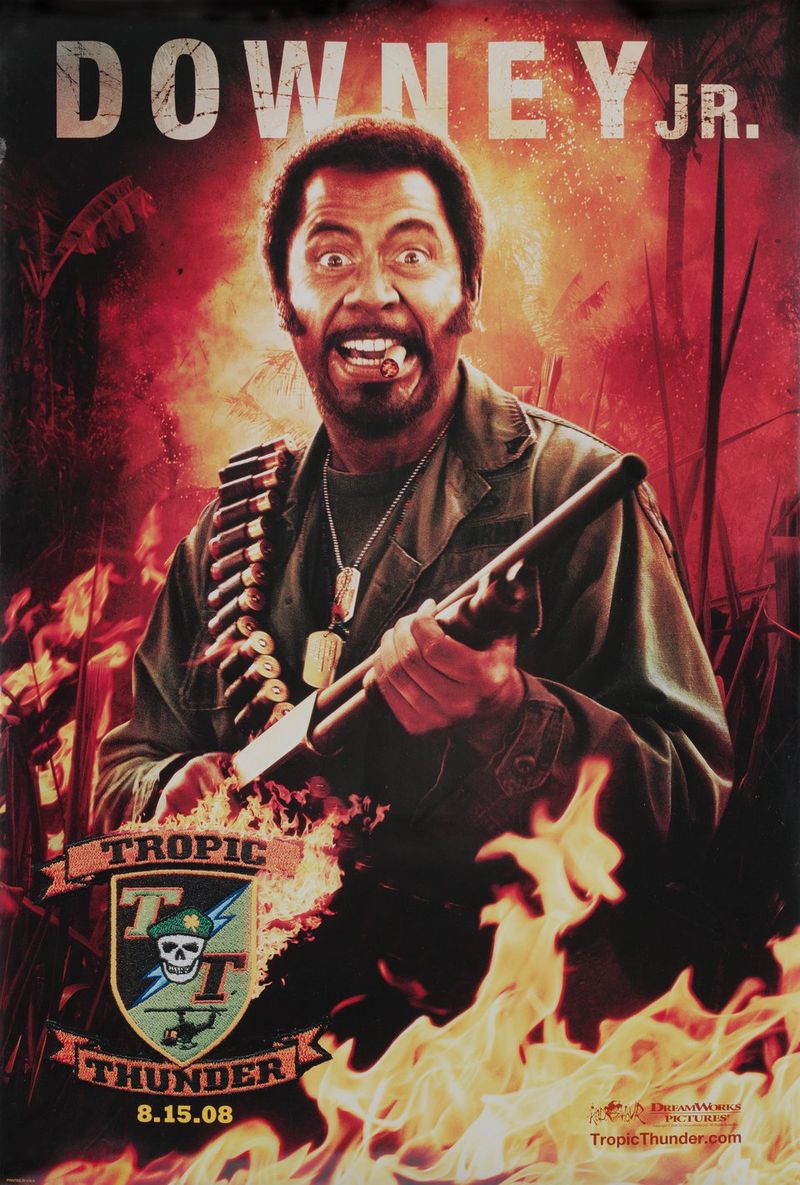
An actor mocking another actor’s arrogance creates a complicated joke. Robert Downey Jr. plays a white performer who darkens his skin to portray a Black soldier, with the film targeting Hollywood’s excesses.
That satirical purpose matters, but it does not erase blackface’s history or guarantee every audience will accept the choice. Discussion should also include the film’s disability slurs, rather than reducing its controversy to one performance or assuming everyone offended has simply missed the intended joke.
14. White Chicks (2004): Disguise Comedy Built on Caricature
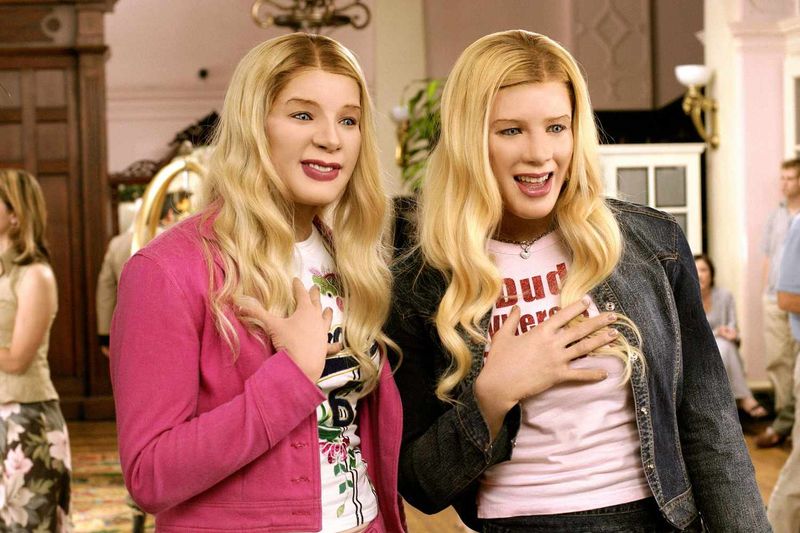
Disguise comedy rarely aims for subtlety, and this hit certainly does not. Marlon and Shawn Wayans play Black FBI agents posing as wealthy white sisters, using elaborate makeup and broad jokes about race, class, and gender.
Some viewers read the premise as a jab at privilege; others see lazy stereotypes doing most of the work. A fresh release would face that same argument, with added scrutiny of body jokes and the treatment of women throughout the story.
15. The Blind Side (2009): Who Gets Credit for Success?
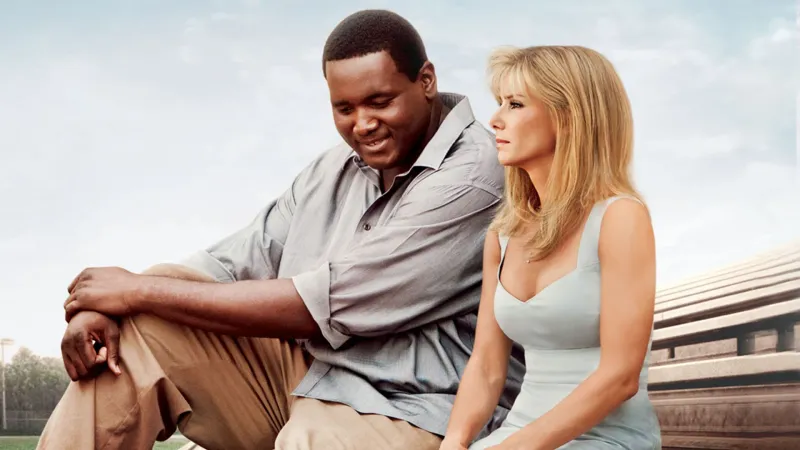
A feel good sports story can still leave its central athlete sidelined. Critics argue that this drama gives its white benefactors too much credit while downplaying Michael Oher’s knowledge, effort, and control over his future.
Oher’s later legal dispute with the Tuohy family brought renewed attention to that imbalance. Treat the movie as a dramatization, not a complete biography, and seek Oher’s own account before deciding who deserves credit for the achievements shown on the screen.
16. Dumbo (1941): A Beloved Elephant and Racial Coding
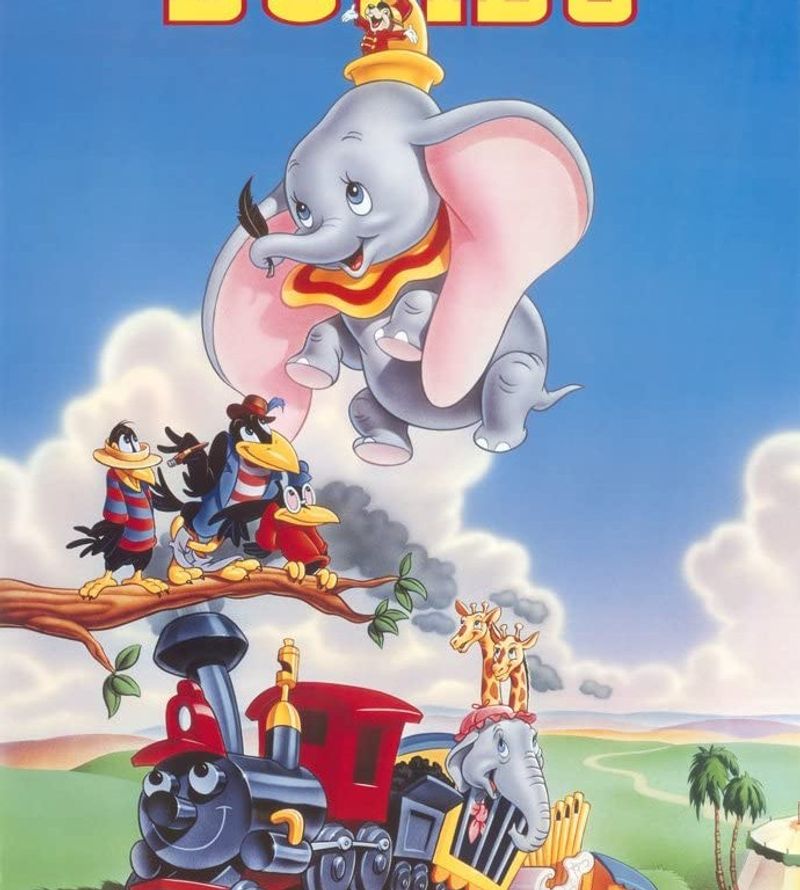
For many families, the little elephant’s courage is the lasting memory. Yet the crow sequence draws on racial stereotypes, and its lead character was originally named Jim Crow, echoing America’s system of segregation.
Voice casting deserves accuracy: white performer Cliff Edwards voiced the leader, while Black performers voiced other crows. Parents can acknowledge the moving story without brushing aside those choices, helping children understand that affection for an older film need not mean defending every scene.
17. The Aristocats (1970): A Musical Number With a Sour Note
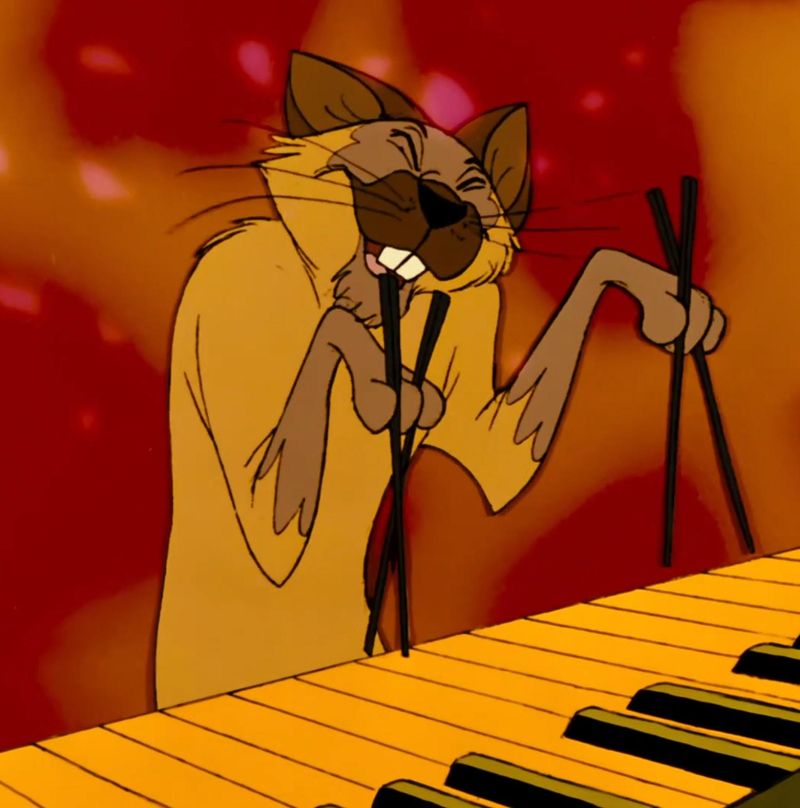
Parisian kittens and lively jazz make this cartoon easy to remember fondly. One musical sequence, however, features Shun Gon, a Siamese cat drawn and performed through exaggerated Asian stereotypes, including a heavily affected accent.
The brief appearance does not become harmless just because it passes quickly. When sharing older animation, adults can explain what makes a caricature unfair and point children toward fuller portrayals of Asian people, rather than treating an entire culture as a gag.
18. Ace Ventura: Pet Detective (1994): A Reveal Fueled by Disgust
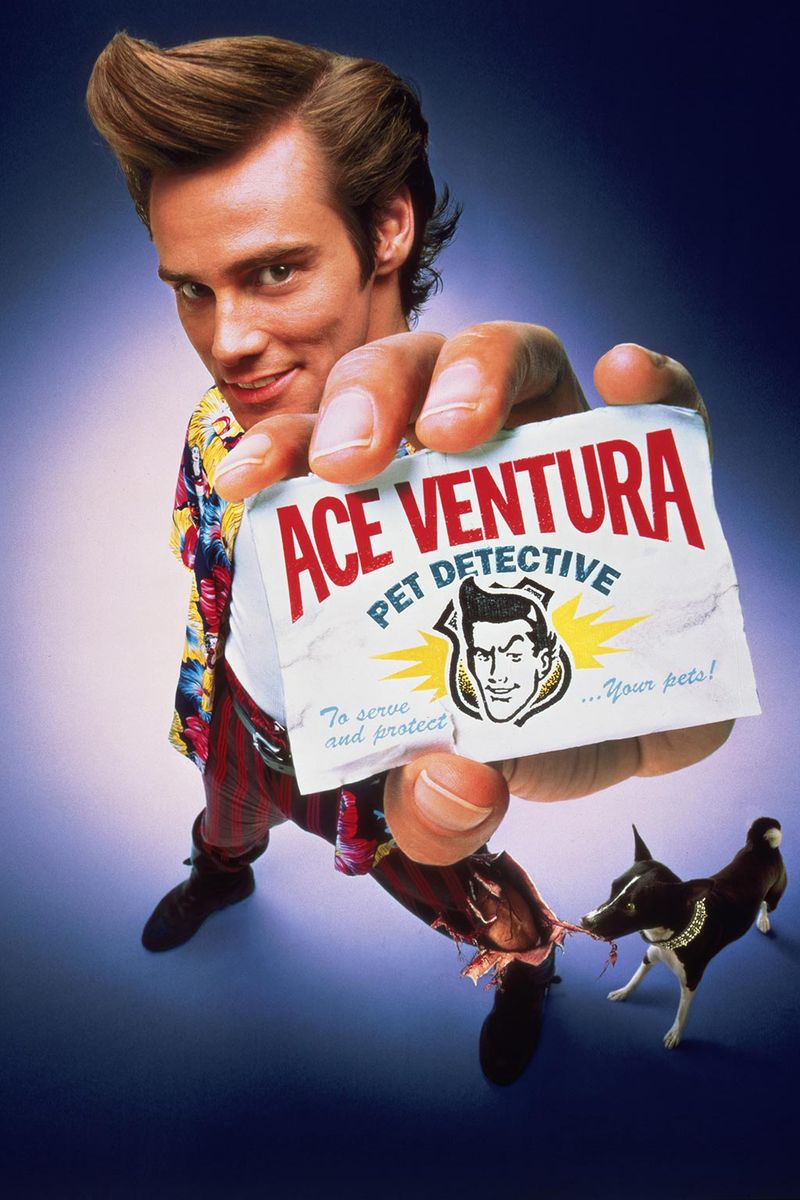
Rubber faced comedy takes a nastier turn in the final reveal. The villain’s concealed identity becomes an excuse for characters to react with horror and disgust, using gender and anatomy as the joke.
Whatever label viewers apply to the character, that reaction draws on familiar anti trans ideas about deception and shame. Revisiting the film means separating Jim Carrey’s physical comedy from a punch line that encourages audiences to see gender difference as something humiliating or repulsive.