
Some of the foods sitting in your kitchen right now were once so rare that only kings and rich families could enjoy them. Over time, trade, farming, and new technology turned these fancy treats into normal groceries.
Learning their stories shows how money, history, and taste are all mixed together. You might never look at a pineapple or a bag of sugar the same way again.
1. Pineapple: The Party Trophy
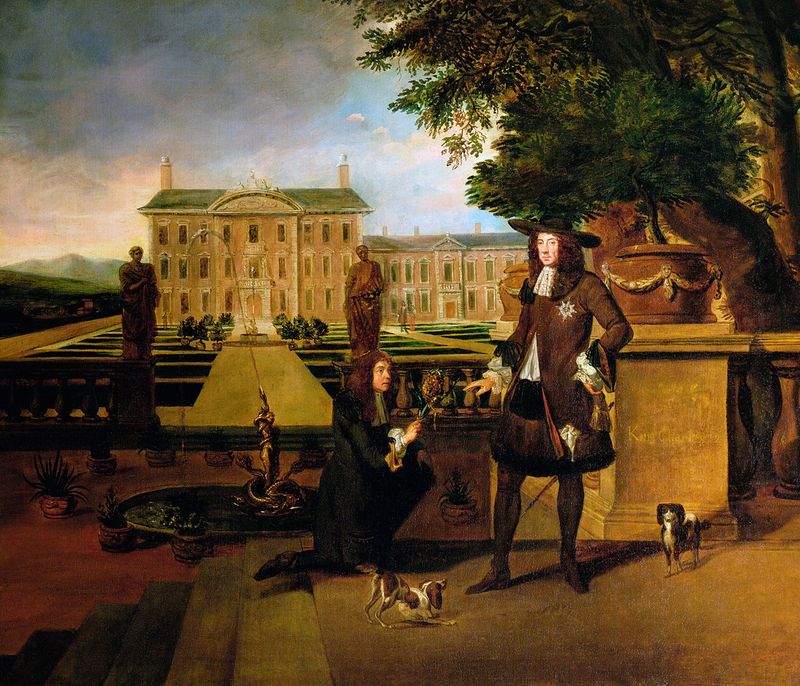
Picture a fruit so pricey that people rented it for parties instead of eating it. In 1700s Europe and colonial America, a single pineapple could cost what we would pay thousands of dollars for today.
Hosts placed them at the center of the table to show off. Some even carried one around town like a fancy handbag.
Next time you slice one for a snack, remember you are enjoying a former status symbol.
2. Black Pepper Worth Its Weight
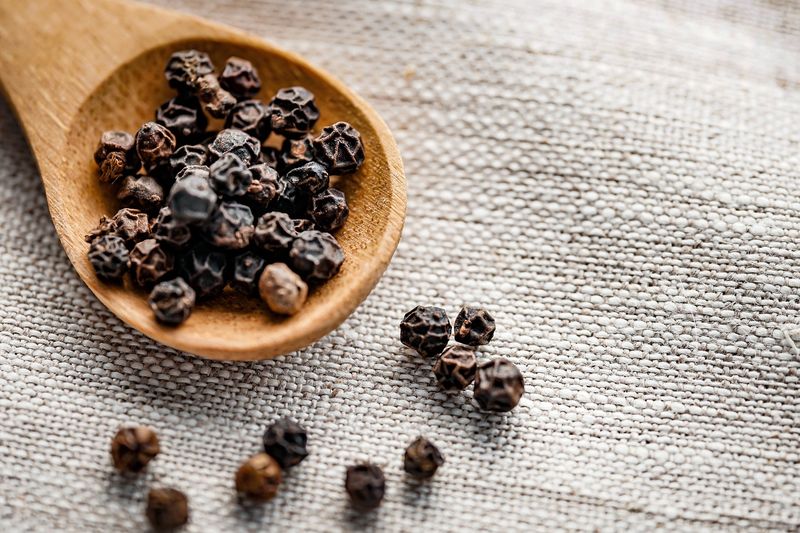
Did you know peppercorns were once used to pay rent? During the Middle Ages, pepper traveled thousands of miles from India to Europe, so it cost a fortune.
Wealthy families locked their spices in special boxes. Pepper was even called black gold.
Today you can grab a shaker for a few dollars. Try grinding whole peppercorns fresh, though, and you will taste why people once paid so much for that bold kick.
3. Sugar Sculptures for the Rich
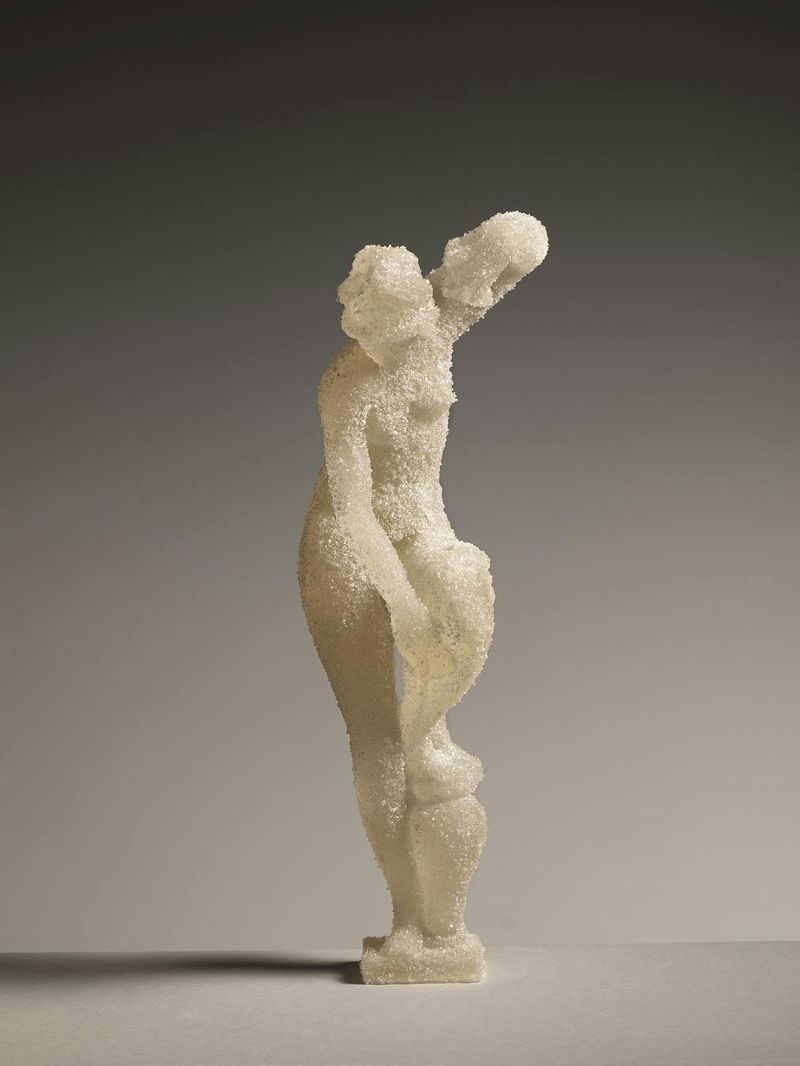
Long before candy aisles existed, sugar was a luxury shown off at royal feasts. Rich hosts hired artists to carve giant sugar sculptures of castles, animals, and ships.
Queen Elizabeth I loved sweets so much that her teeth reportedly turned black. Some nobles copied the look on purpose to seem wealthy!
Now sugar is everywhere and cheap. Maybe that is a good reason to enjoy it in smaller, smarter amounts.
4. Chocolate, the Drink of Emperors
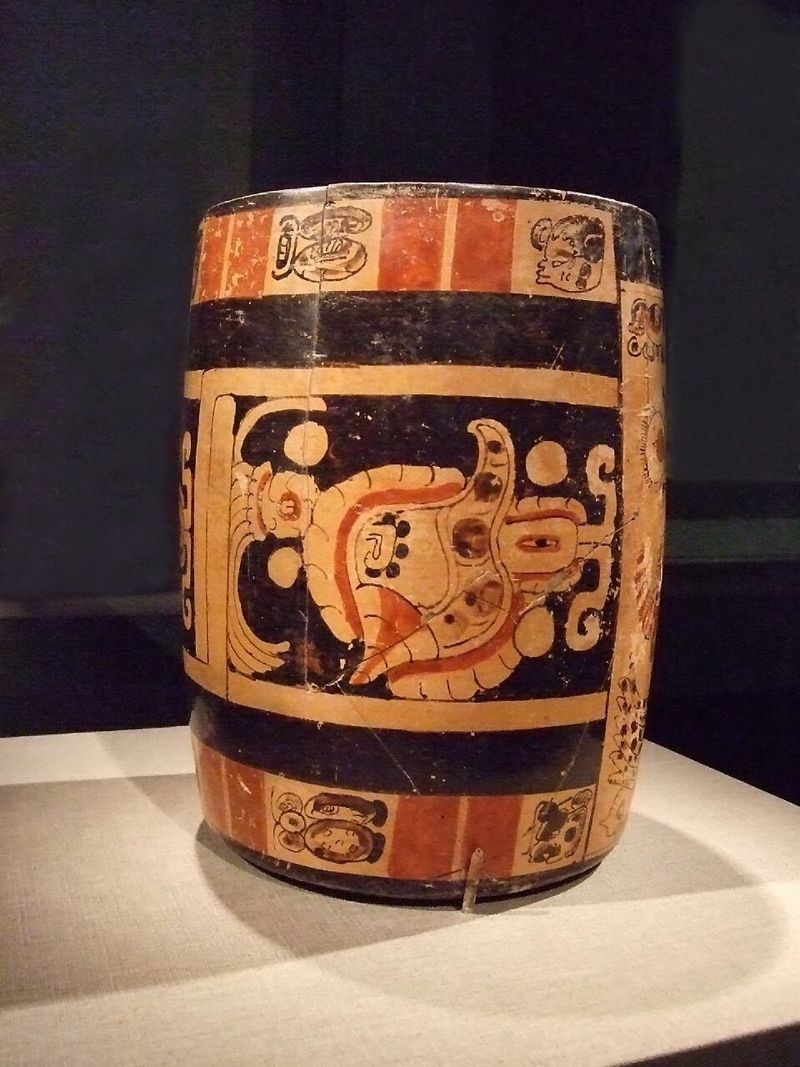
The Aztecs treated cacao beans like cash. You could trade about 100 beans for a turkey, and emperor Montezuma supposedly drank cups of chocolate from golden goblets.
When cacao reached Europe, only royalty and the upper class could afford it. Fancy chocolate houses became hangouts for the wealthy.
So that candy bar in your backpack has a seriously royal family tree. Pretty impressive for a lunchbox treat!
5. Lobster’s Big Glow-Up
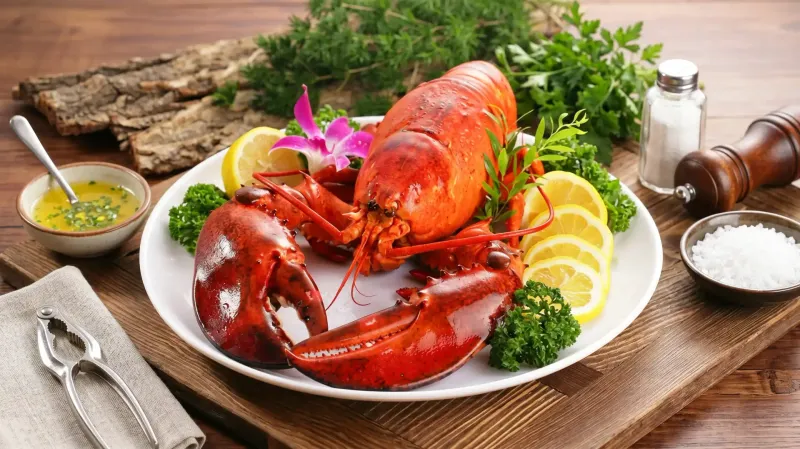
Here is a twist nobody saw coming. In early America, lobster was so common it washed up on beaches in piles, and people fed it to prisoners and servants.
Some workers even had contracts limiting how often they had to eat it! Then trains and canned food spread lobster to inland cities that thought it was exotic.
Prices climbed, and fancy restaurants claimed it. Now it is a classic splurge.
6. Cinnamon and Its Wild Tales
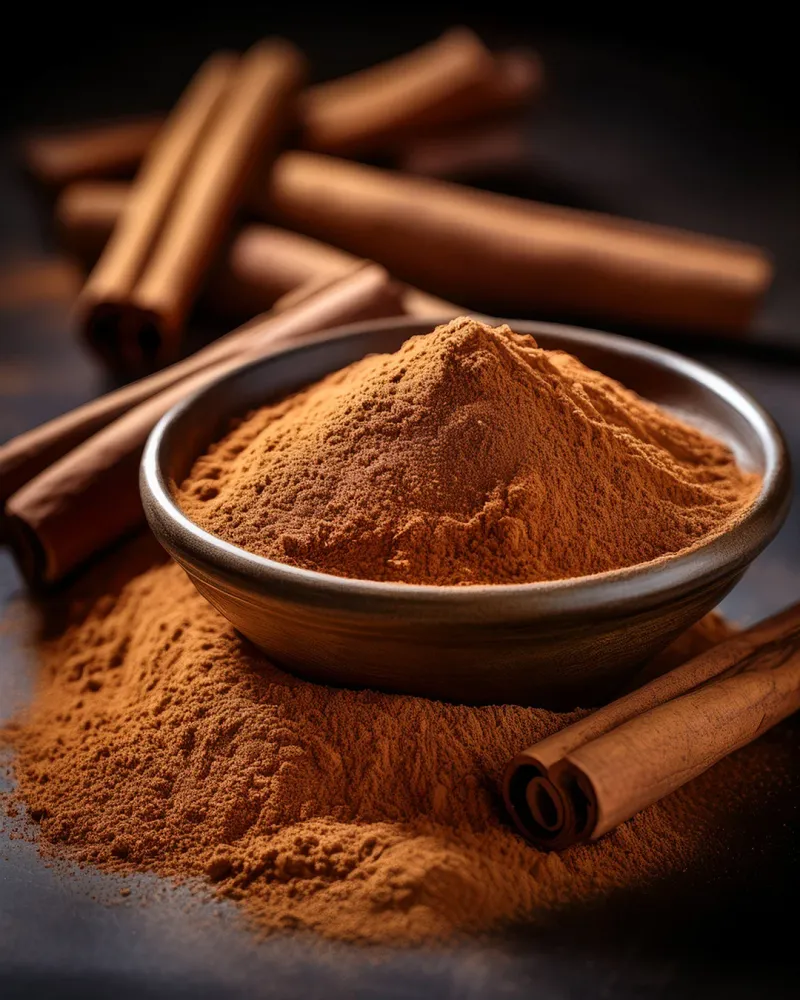
Ancient spice traders loved a good story. To keep prices high, they claimed cinnamon was guarded by giant birds that built nests from the sticks.
Nobody knew it really came from tree bark in Sri Lanka. Roman emperor Nero reportedly burned a year’s supply at his wife’s funeral to show grief and riches.
Sprinkle some on your oatmeal and enjoy a spice that once sparked legends.
7. Bananas on Fancy Plates
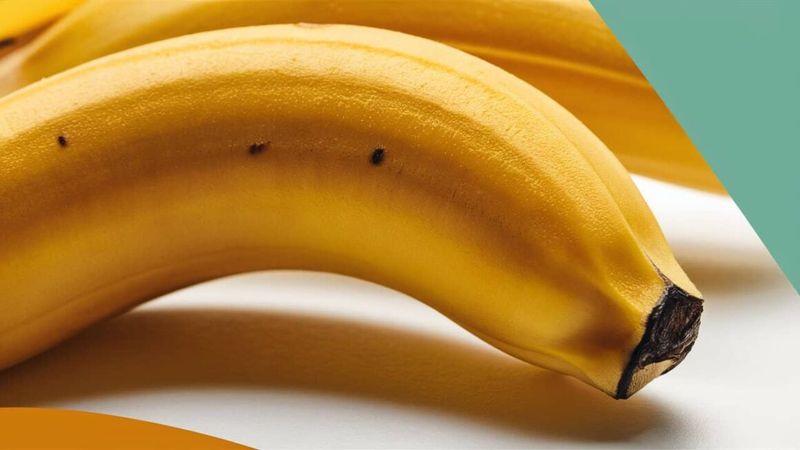
Imagine eating a banana with a knife and fork. In the 1800s, Americans and Britons did exactly that because bananas were rare imports.
Arriving by slow ships, many spoiled before reaching stores. The ones that survived cost a lot, so wealthy families served them at elegant dinners.
Faster steamships and refrigeration changed everything. Today bananas are among the cheapest fruits around, perfect for a quick, filling snack.
8. Salt Paid the Bills
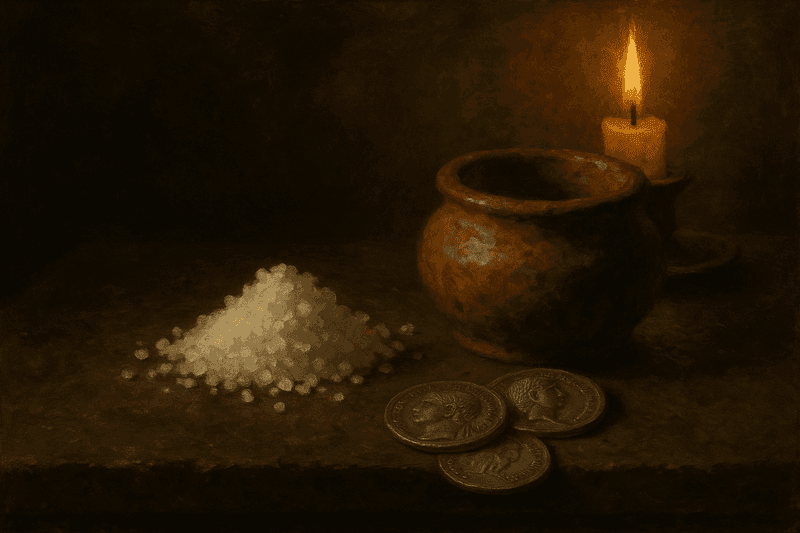
Ever heard someone say a person is worth their salt? That phrase comes from a time when salt was incredibly valuable.
It kept meat from rotting before fridges existed. Some say Roman soldiers received salt as part of their pay, and the word salary may trace back to it.
Cities grew rich along salt routes. That humble shaker on your table helped build entire empires.
9. Tea Time Meant Big Money
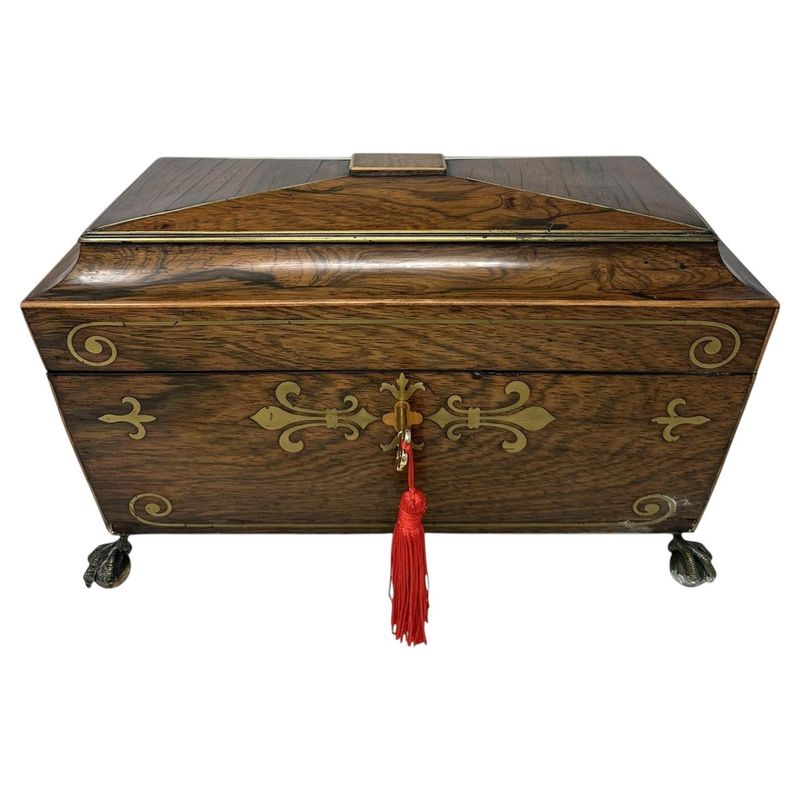
Grandma’s cozy cup of tea has a surprisingly expensive past. When tea first came to England in the 1600s, it was heavily taxed and very costly.
Rich households stored leaves in locked boxes called caddies. Only the lady of the house held the key!
High taxes even sparked smuggling and the famous Boston Tea Party. Brewing a cup today connects you to centuries of drama and luxury.
10. White Bread for the Upper Crust
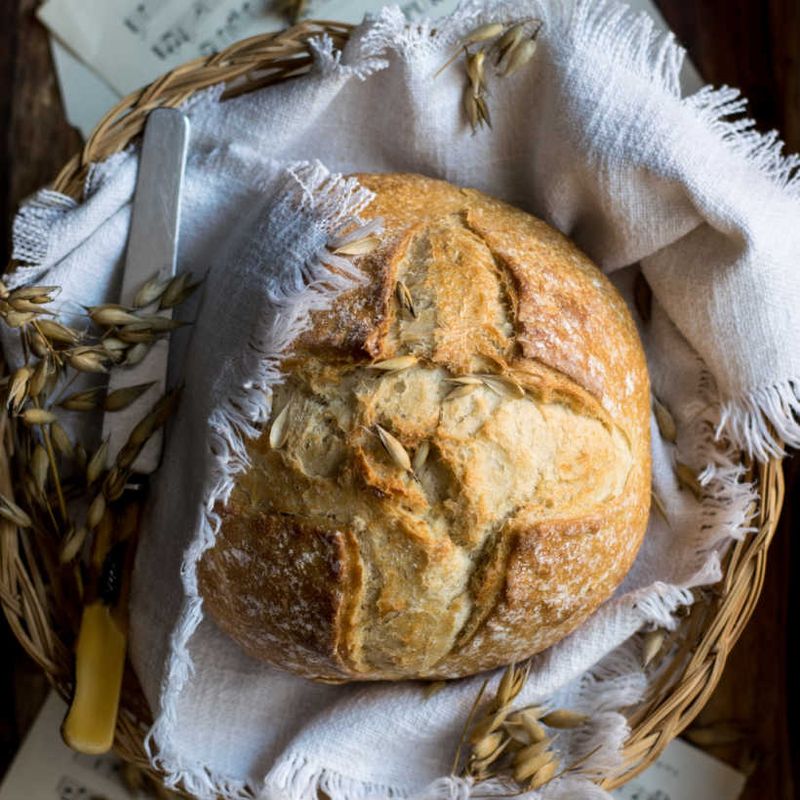
Funny how tastes flip. For centuries, soft white bread was the bread of the rich, because sifting flour that finely took lots of work.
Poor families ate darker, coarser loaves. The phrase upper crust supposedly comes from serving the best part of the bread to important guests.
Now whole grain breads often cost more and are praised for health. Try both and compare their flavors yourself.
11. Saffron’s Golden Threads
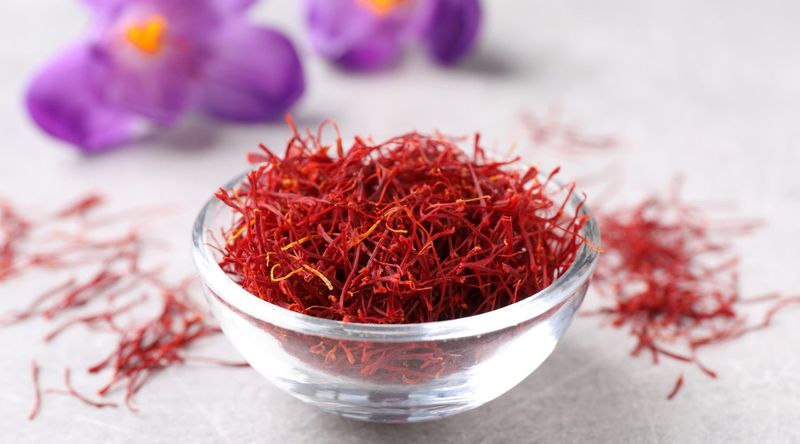
Around 150 flowers. That is roughly how many crocus blossoms it takes to make just one gram of saffron, all picked by hand.
Ancient Persians and Greeks prized it for food, dye, and perfume. Cleopatra was said to bathe in it.
Saffron is still the priciest spice on Earth, yet a tiny pinch flavors a whole pot of rice. A little goes a very long way.
12. Oranges as Holiday Treasure
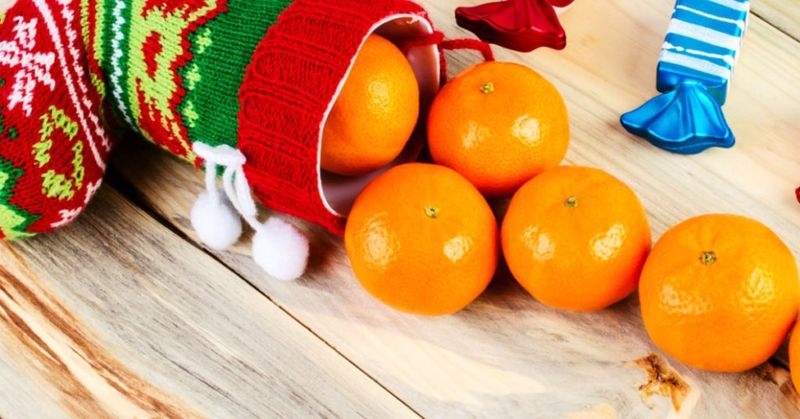
Ask an older relative about Christmas stockings, and they might mention finding an orange inside. During the Great Depression, fresh citrus in winter felt like real treasure.
Centuries earlier, European nobles built glass greenhouses called orangeries just to grow these fruits and impress guests.
Now oranges fill grocery bins all year long. Still, tucking one in a stocking is a sweet tradition worth keeping.
13. Oysters Went Up the Ladder
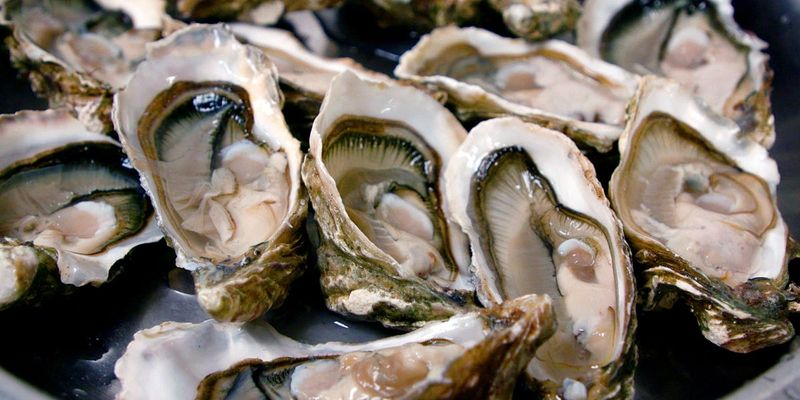
New York in the 1800s was basically oyster city. Street carts sold them cheaply, and working families slurped them by the dozen.
Then pollution and overharvesting wiped out many oyster beds. As supplies dropped, prices shot up.
Today a plate of oysters signals a fancy night out. Fun twist: farmed oysters actually help clean water, so choosing them can be good for the planet.
14. Vanilla’s Hand-Pollinated Secret
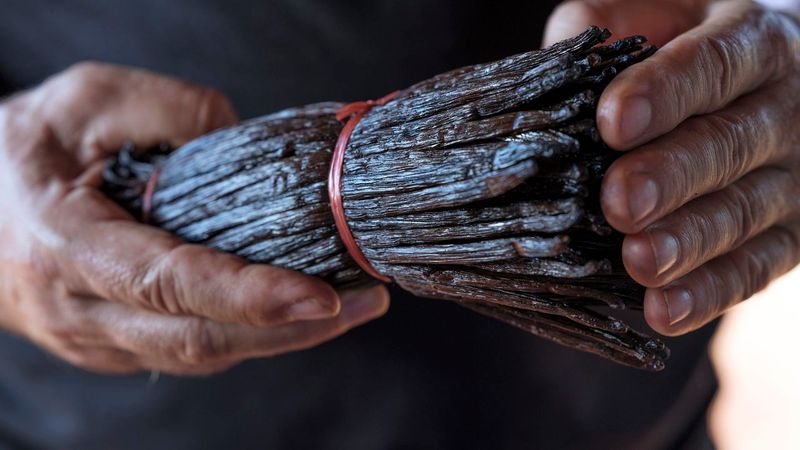
A 12-year-old boy changed vanilla forever. In 1841, Edmond Albius, an enslaved child on Reunion Island, discovered how to hand-pollinate vanilla orchids.
Before that, vanilla grew mostly in Mexico and was a luxury for royalty. Even now, each flower must be pollinated by hand, keeping real vanilla pricey.
Most cheap vanilla flavor is lab-made. Try a real bean once and taste the difference.
15. Coffee Houses of the Elite
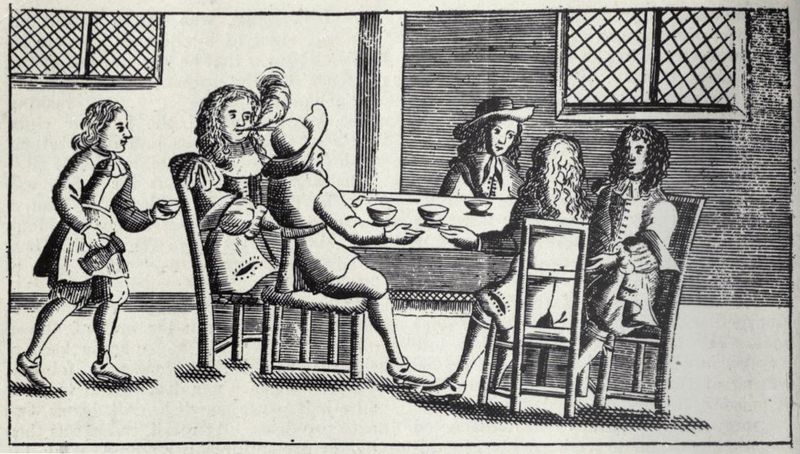
Coffee once had a seriously exclusive vibe. In 1600s London, coffee houses were where merchants and thinkers gathered to talk business and news.
Beans were imported from far-off lands, making a cup a sign of class. One famous coffee house even grew into the insurance giant Lloyd’s of London.
Your morning latte carries that history. Just maybe skip the powdered wig.
16. Canned Food Was Once Classy
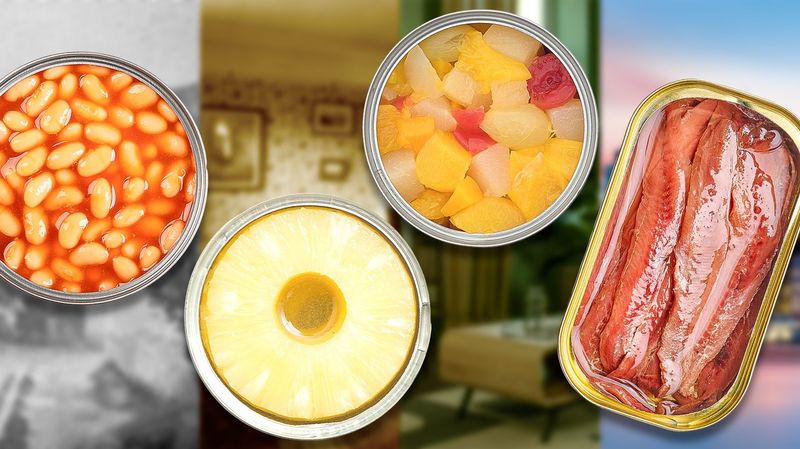
Believe it or not, canned peas once impressed dinner guests. When canning was invented in the early 1800s, tins were handmade and expensive.
Early explorers and wealthy families bought them as a modern wonder. Fun fact: the can opener was not invented until decades later, so people used hammers and chisels!
Factories eventually made cans cheap. Today they are pantry heroes for quick, budget-friendly meals.