
Big stars, giant sets, and huge budgets did not always bring crowds to theaters in the 1990s. Some movies lost fortunes, while others slowly recovered through video sales and television deals.
These Hollywood disappointments show why selling tickets is only part of the money story. Reported costs vary, and theaters keep part of ticket sales, so worldwide earnings alone cannot tell us whether a movie made money.
1. Cutthroat Island (1995): A Pirate Ship Full of Red Ink
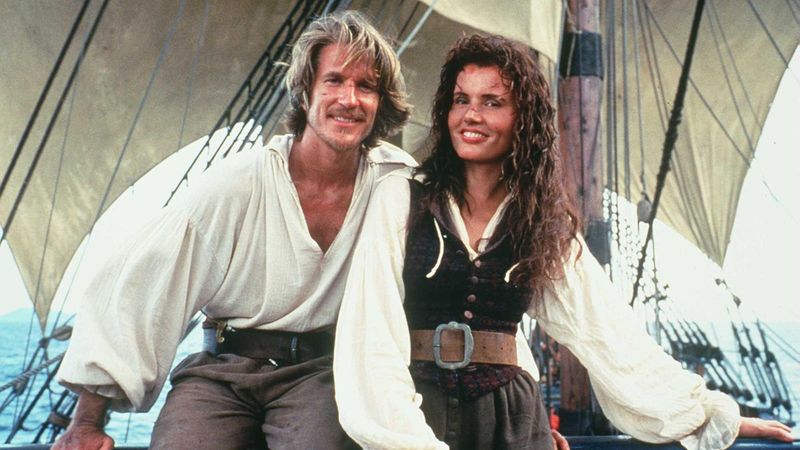
Pirate treasure turned into studio trouble when Geena Davis took command of this expensive adventure. Its reported production budget ranged from roughly $92 million to $115 million, while worldwide ticket sales reached only about $16 million.
The failure became tied to Carolco Pictures, though the company had already filed for bankruptcy before release. Huge ships and action scenes could not attract enough viewers, making it a lasting warning about spending heavily on an uncertain audience.
2. Waterworld (1995): An Ocean of Expensive Expectations
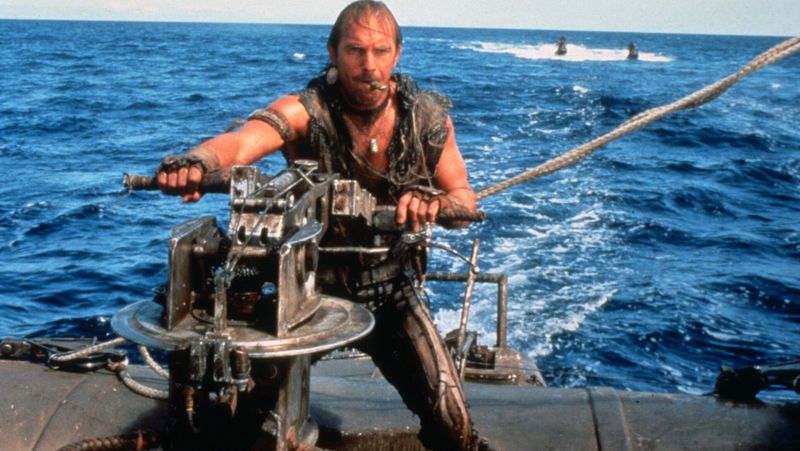
Building an action movie on open water proved almost as risky as its flooded future. Kevin Costner’s adventure cost around $175 million, making it the most expensive film of its time.
Worldwide earnings reached about $264 million, but theaters kept a share, and advertising added costs. Its original reputation as a disaster needs context: later video sales and other income helped it become profitable.
A troubled opening chapter did not tell the whole financial story.
3. The 13th Warrior (1999): A Battle the Budget Lost
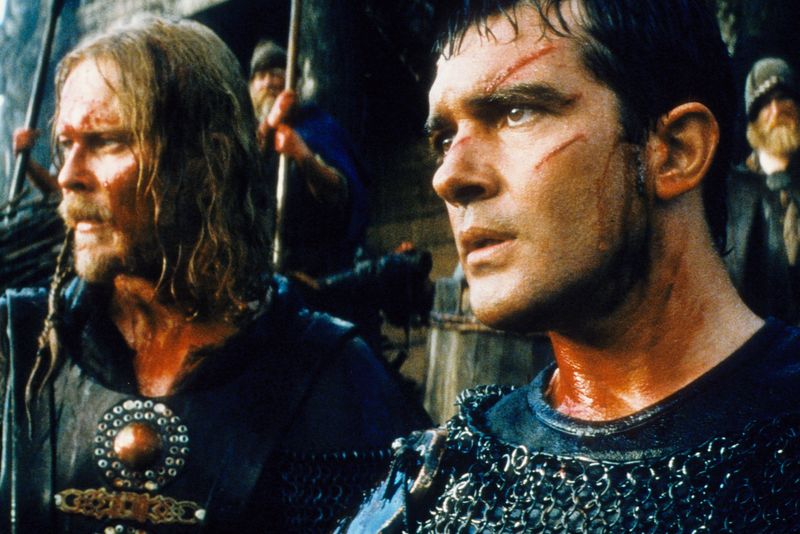
Swords, mist, and Viking warriors gave Antonio Banderas a striking adventure, but the money picture looked grim. Worldwide ticket sales totaled about $61.7 million, far below widely reported overall costs.
Reshoots and delays pushed spending upward, although published estimates mix production and promotional expenses. That makes exact loss claims tricky.
Based on Michael Crichton’s novel Eaters of the Dead, the film shows how changes behind the camera can turn an ambitious project into costly trouble.
4. Wild Wild West (1999): Giant Spider, Giant Bills
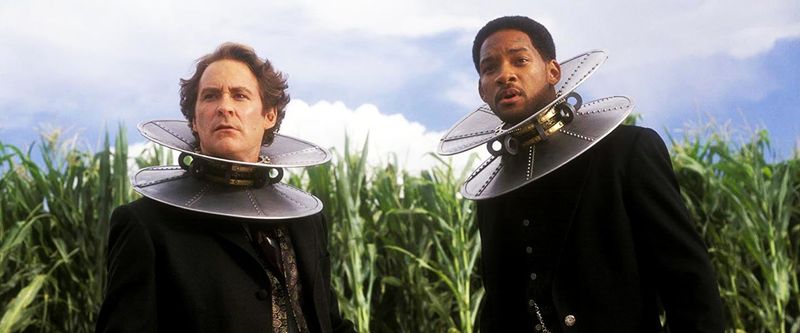
A giant mechanical spider is hard to forget, even when the movie around it disappoints. Will Smith and Kevin Kline led this strange mix of Western adventure, comedy, and steam powered machines.
Production reportedly cost about $170 million, against worldwide ticket sales of roughly $222 million. That gap was not enough to cover theater shares and marketing.
Its poor reviews offered a blunt lesson: familiar stars and massive effects cannot guarantee that audiences enjoy the ride.
5. Last Action Hero (1993): Outsized Action Meets Bad Timing
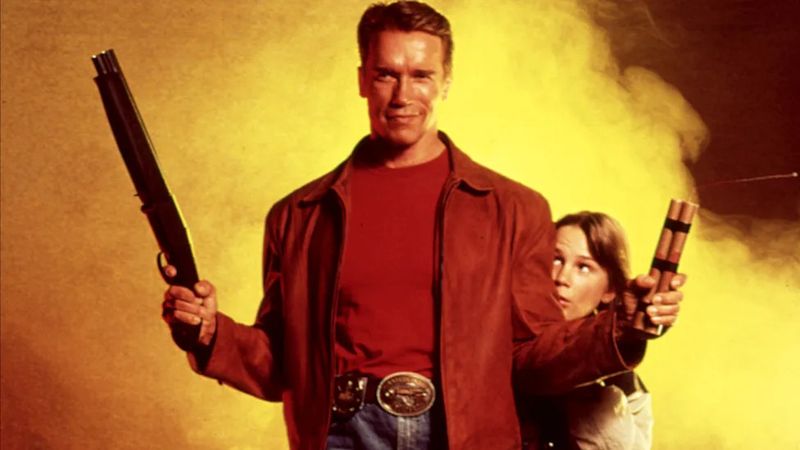
Imagine stepping through a movie screen and meeting your favorite action hero. Arnold Schwarzenegger’s playful adventure used that idea, but its release came shortly after Jurassic Park began dominating theaters.
Against an estimated $85 million production budget, worldwide earnings reached roughly $137 million. Marketing costs and theater shares made those numbers disappointing.
Later fans appreciated its jokes about action movies, showing how a clever concept can struggle when timing, promotion, and audience expectations work against it.
6. Hudson Hawk (1991): A Singing Thief Misses His Mark
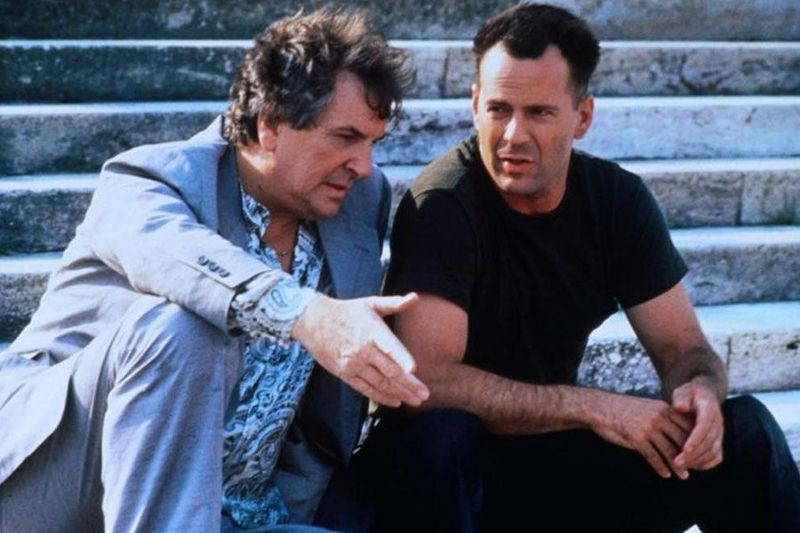
Bruce Willis singing during a robbery was not what every action fan expected. His oddball crime comedy mixed cartoon humor, secret plots, and musical moments into a package that proved difficult to sell.
Its reported budget reached around $65 million, while North American ticket sales stalled near $17 million. Overseas earnings were stronger, though worldwide totals vary across sources.
The mismatch between the star’s tough reputation and the film’s silly style helps explain its rough reception.
7. The Bonfire of the Vanities (1990): Big Names Cannot Save Everything
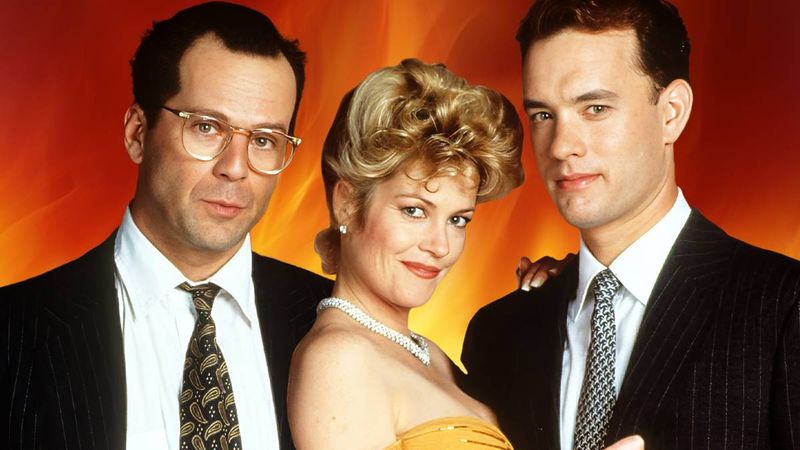
Tom Hanks, Bruce Willis, and Melanie Griffith looked like a powerful lineup on paper. Adapting Tom Wolfe’s sharp novel about wealth, race, and status, however, proved much harder than assembling famous faces.
The production cost about $47 million and earned roughly $15.6 million in reported ticket sales. Critics disliked many choices, and audiences stayed away.
Its troubled journey became the subject of The Devil’s Candy, a revealing book about how a major film can go wrong.
8. North (1994): A Family Adventure Loses Its Way
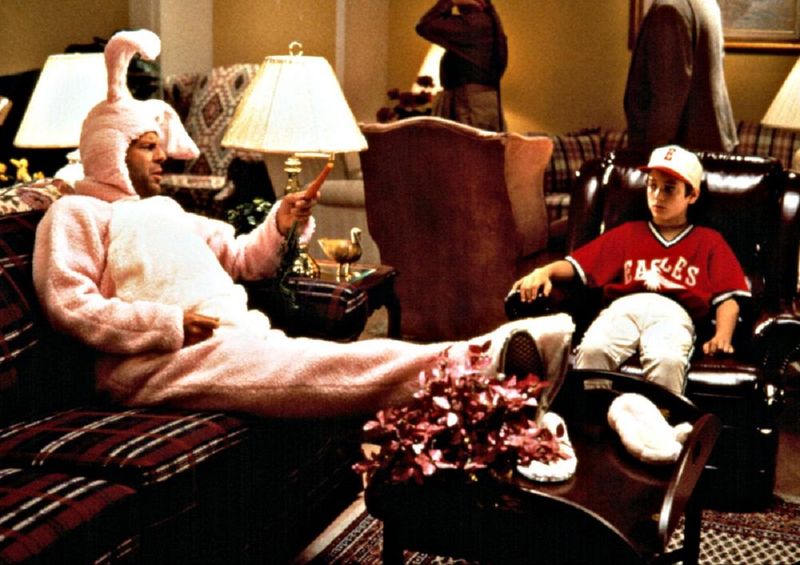
A boy shopping for better parents sounds like a setup for cheerful family fun. Elijah Wood played that wandering child, with Bruce Willis appearing in several unusual roles along the way.
Instead of becoming a holiday favorite, the movie faced harsh reviews and weak attendance. Its reported $40 million budget dwarfed ticket sales of about $7.1 million.
For readers comparing movie failures, this is a clear example where a familiar director and cast offered little protection.
9. Dudley Do-Right (1999): A Cartoon Mountie Takes a Tumble
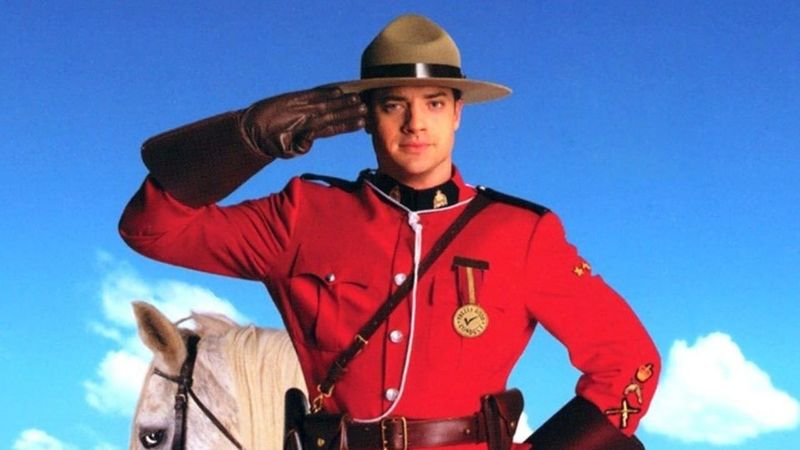
Red uniforms and goofy horse jokes could not repeat Brendan Fraser’s success with George of the Jungle. His turn as the famously clumsy Canadian Mountie struggled to connect with families.
Ticket sales reached only about $10 million. Published budget figures differ sharply, ranging from around $22 million to a frequently repeated $70 million, so precise loss claims deserve caution.
Either estimate points to disappointment, especially after advertising expenses and the share of sales kept by theaters.
10. Quest for Camelot (1998): A Kingdom Without Enough Customers

Songs, dragons, and a brave young heroine gave Warner Bros. the ingredients for an animated hit. Yet competing in a market shaped by Disney required more than a familiar fairy tale recipe.
Worldwide ticket sales reached about $38 million against a reported $40 million production budget. Since the studio received only part of those sales, the shortfall grew beyond that simple difference.
Its music earned recognition, but praise for individual songs could not fill enough seats.
11. Showgirls (1995): A Flop Finds a Second Audience

Las Vegas glitter could not hide the empty seats during this controversial drama’s first run. Elizabeth Berkley starred in a story about ambition and rivalry that received an adults only rating.
A production budget around $45 million outweighed worldwide ticket sales of roughly $38 million. Limited advertising options and age restrictions complicated its release.
Later, home video and cult screenings brought fresh income and attention, making its history more interesting than the original box office failure suggests.
12. Harley Davidson and the Marlboro Man (1991): Cool Bikes, Cold Sales
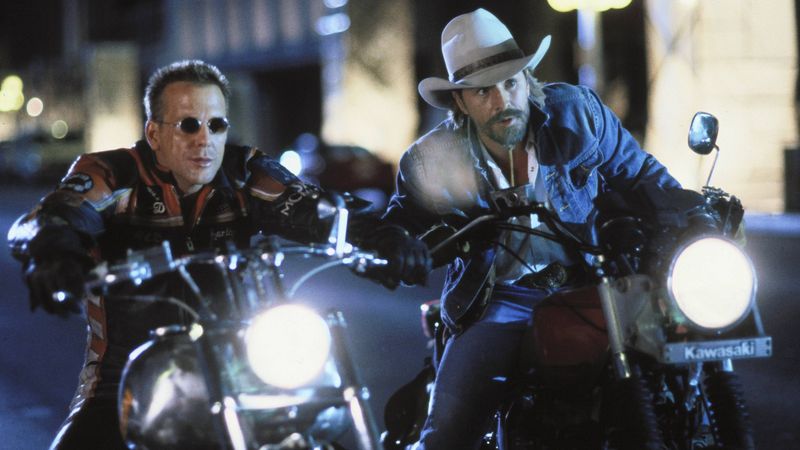
Leather jackets, motorcycles, and two famous leads promised a noisy good time. Mickey Rourke and Don Johnson played unlikely partners trying to save a friend’s bar in this action adventure.
The estimated production budget was $23 million, while domestic ticket sales reached only about $7.4 million. That figure should not be mistaken for a verified worldwide total.
Still, its weak American run made the financial trouble obvious: stylish costumes and star chemistry did not build broad demand.
13. Super Mario Bros. (1993): A Familiar Game Becomes a Strange Gamble
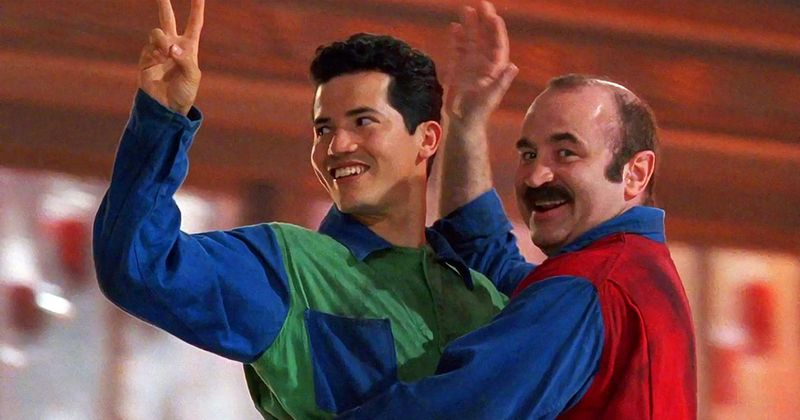
Fans expecting bright kingdoms instead found a gloomy city filled with strange dinosaur people. Bob Hoskins and John Leguizamo brought the famous plumbers into a live action world far removed from Nintendo’s games.
Reported production costs reached about $48 million, while domestic ticket sales totaled roughly $20.9 million. Worldwide estimates vary, so that domestic figure needs its label.
The troubled adaptation became a lasting reminder that a popular brand still needs a movie its audience actually wants.
14. Tank Girl (1995): Too Wild for the Mainstream

Punk attitude practically bursts from every frame of Lori Petty’s desert adventure. Based on a British comic, it combined outrageous costumes, animated inserts, and a rebellious heroine who refused to behave.
The reported $25 million budget met only about $6 million in domestic ticket sales. Its unusual style attracted a devoted following later, but that audience arrived too late to rescue the theatrical release.
Cult status can preserve a movie’s reputation without erasing its original financial disappointment.
15. The Postman (1997): A Costly Delivery Nobody Ordered
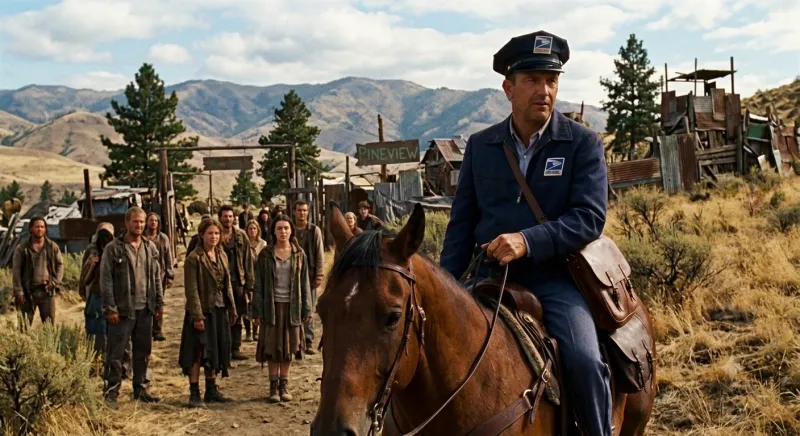
Delivering letters became an epic mission in Kevin Costner’s long adventure about rebuilding a broken America. Unfortunately, its hopeful message could not overcome poor reviews and little interest from ticket buyers.
The film cost about $80 million and collected roughly $20.8 million worldwide, creating a huge gap before marketing expenses. Unlike Heaven’s Gate, which opened in 1980, this disaster belongs squarely in the 1990s.
Its inclusion keeps the list focused on the decade named in the title.