
One person’s favorite bite can be the food someone else pushes to the edge of the plate. Strong smells, unusual textures, and even our genes can shape what we enjoy.
Knowing why certain foods divide opinion can make planning a shared meal easier. From salty little fish to fruit on pizza, these foods give everyone something to talk about.
1. Anchovies: Small Fish, Big Reactions
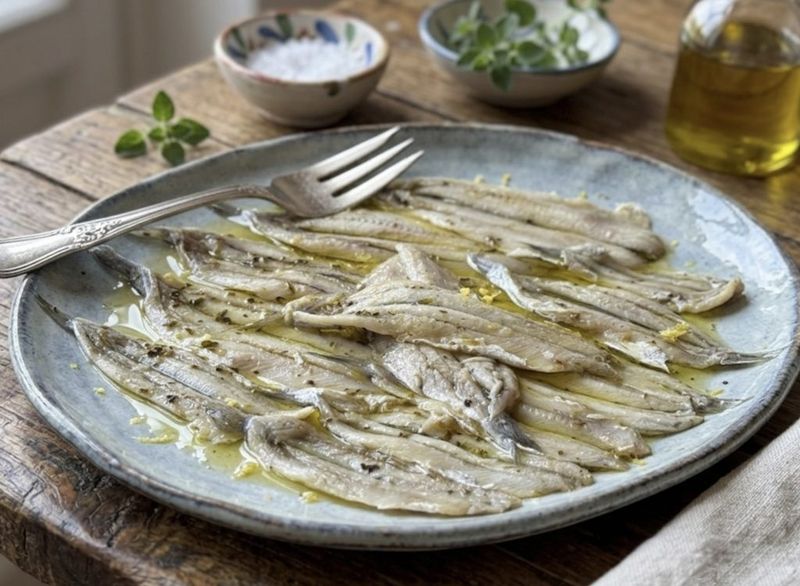
A single salty bite can turn a pizza topping into a dinner debate. Fans love the rich, savory flavor of cured anchovies, while others struggle with their fishy smell and tiny bones.
For a gentler introduction, melt a small fillet into warm olive oil before adding garlic and tomatoes. It adds depth without leaving obvious pieces behind.
Tell guests what is in the sauce, especially when cooking for anyone with a fish allergy or dietary restriction.
2. Beetroot: Sweet Meets Earthy
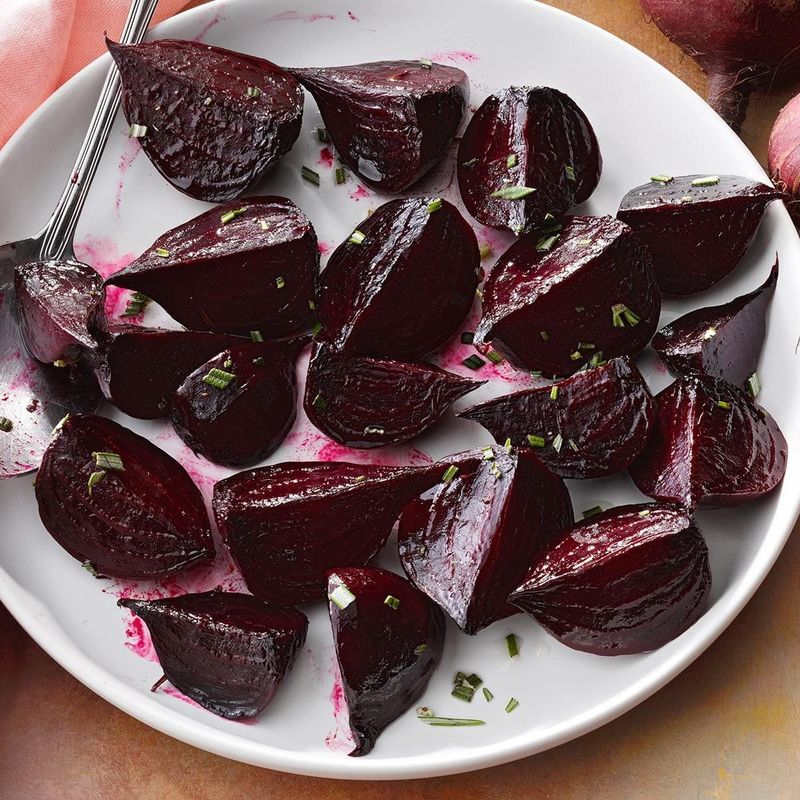
That deep purple color promises something bold, and the flavor delivers. Some diners taste sweetness in beetroot, while others notice an earthy flavor that reminds them of soil.
Pickling adds another dividing point: sharp vinegar.
Roasting can bring out its natural sweetness without the tang of a pickle jar. Serve small wedges with lemon and a mild cheese.
Keep the dressing separate so everyone can choose how much bite they want on their own dinner plate.
3. Black Licorice: The Candy That Starts Arguments
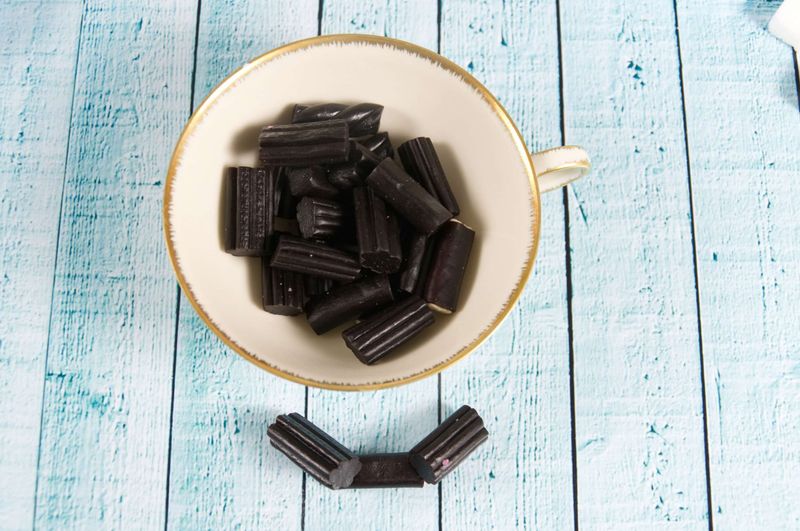
Candy usually feels like safe ground until someone opens a bag of black licorice. Its bold flavor can come from licorice root, anise, or both, depending on the recipe.
That herbal taste delights some people and overwhelms others.
Offer it alongside milder sweets rather than making it the only dessert option. Real licorice also deserves moderation: eating too much can affect blood pressure and potassium levels.
People with heart conditions should ask their clinician about it.
4. Blue Cheese: Bold Flavor With Visible Veins
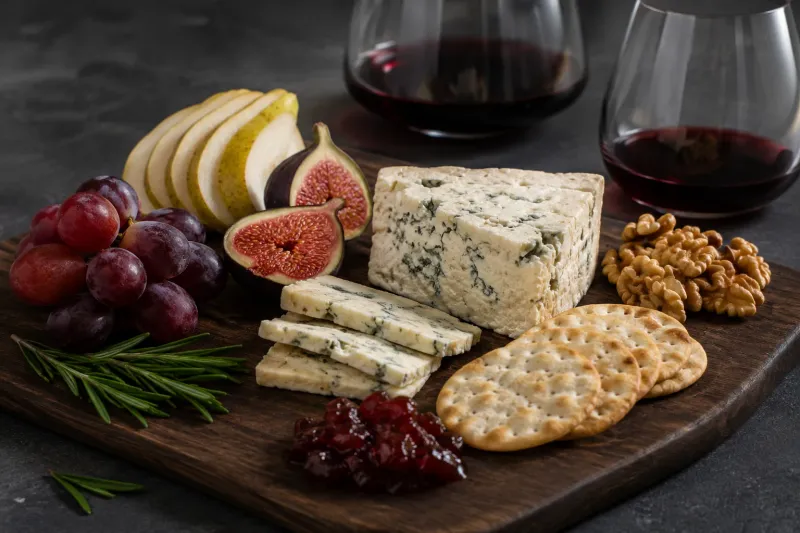
Before anyone takes a bite, the smell may have already started the discussion. Blue cheese gets its colorful veins and sharp flavor from selected mold cultures used during cheesemaking.
Those features are exactly what fans enjoy.
Newcomers might prefer a few crumbles with pear slices rather than a thick wedge alone. Creamier varieties can feel less intense, though strength varies.
Put it on a separate plate so its aroma and flavor do not dominate everything else.
5. Brussels Sprouts: A Second Chance for a Childhood Foe
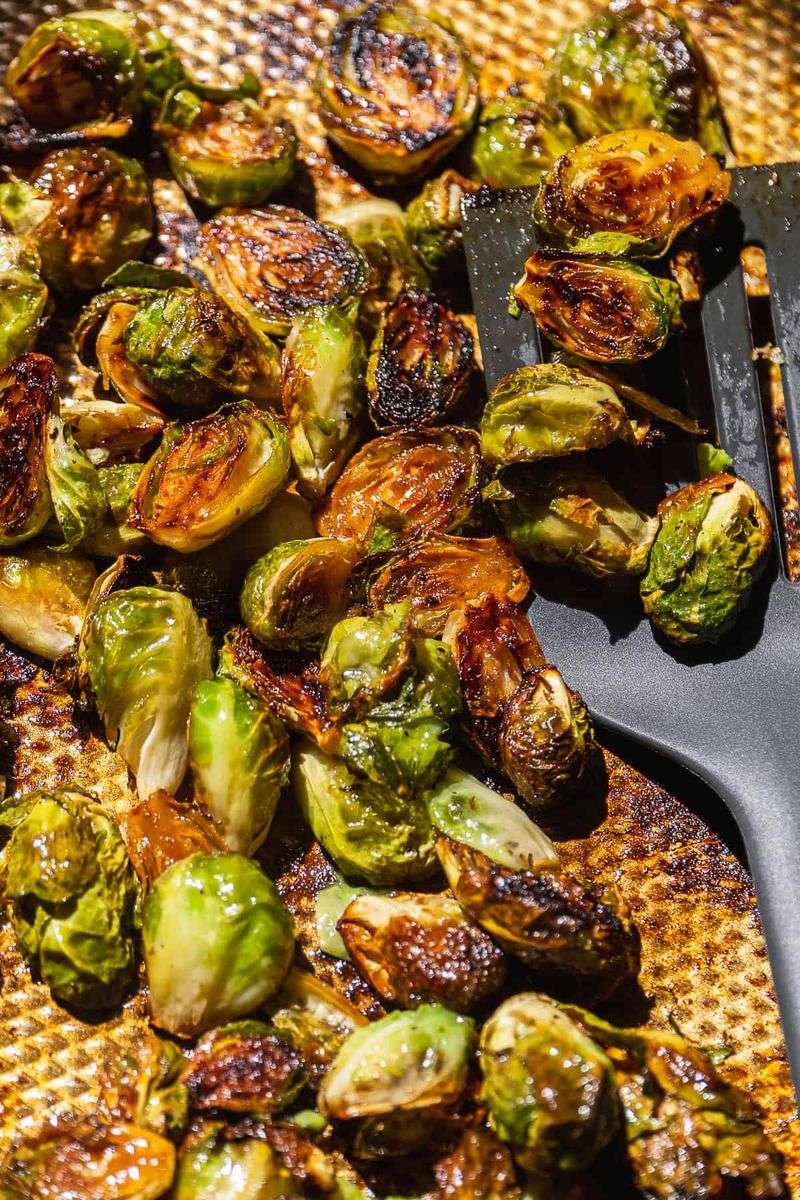
Memories of soggy school dinners can follow these little cabbages for years. Long boiling can produce a strong smell and soft texture, making an already bitter vegetable harder to enjoy.
Roasting offers a very different experience.
Halve the sprouts, coat them lightly with oil, and spread them out so they brown instead of steam. A squeeze of lemon adds brightness.
Offer a small serving without pressure; changing someone’s mind works better when dinner is not a contest.
6. Cilantro: Fresh Herb or Soapy Surprise?
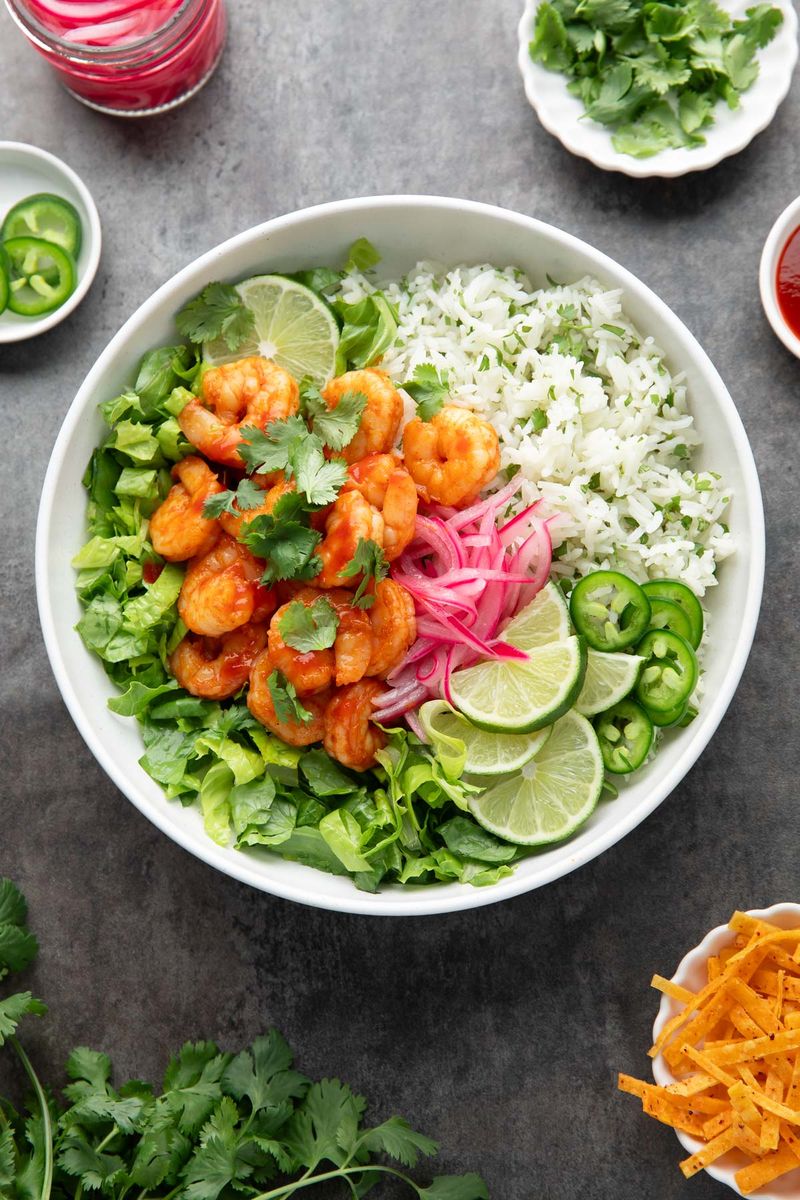
Imagine biting into a taco and tasting soap instead of fresh herbs. For some people, genetic differences help explain that reaction to cilantro, though experience and other factors matter too.
Others find the same leaves bright and refreshing.
There is no need to argue someone out of what they taste. Add cilantro at the table rather than mixing it through the entire meal.
Parsley, chives, or a little lime can offer alternatives, depending on the dish.
7. Coconut: When Texture Steals the Show
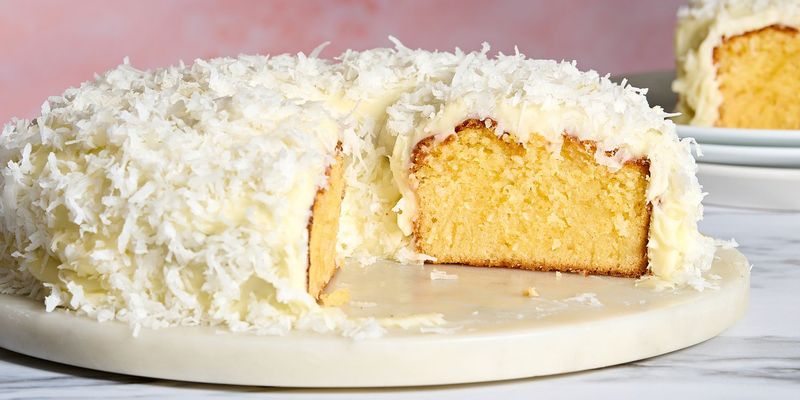
A fluffy cake can lose its appeal the moment chewy coconut flakes appear. The mild tropical flavor has plenty of fans, but the stringy texture bothers people who compare it to wood shavings.
Texture and flavor are separate issues here. Someone who dislikes shredded coconut may still enjoy smooth coconut milk in soup or curry.
Before changing a recipe, ask which part they dislike. Toasting flakes adds crunch, but it will not make them disappear completely.
8. Durian: A Powerful First Impression
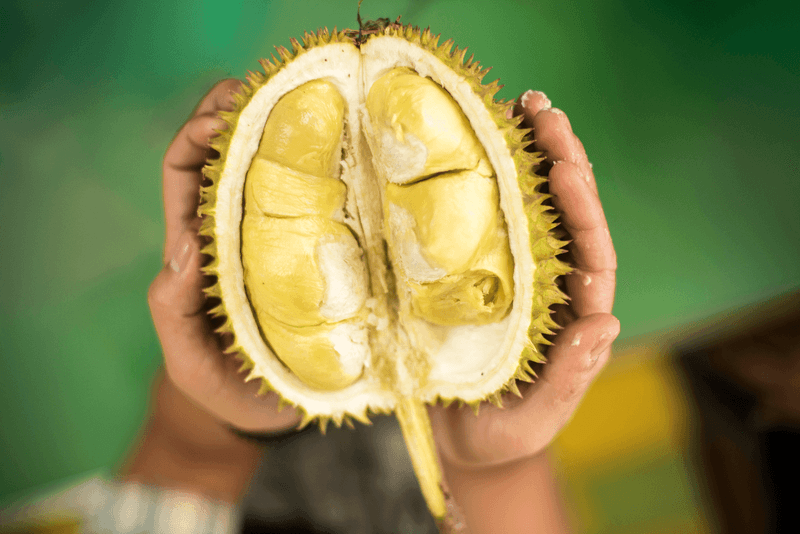
The smell often arrives before the fruit reaches the table. Popular across parts of Southeast Asia, durian has rich, creamy flesh that admirers prize.
Its powerful odor, however, can remind other people of onions or unpleasant leftovers.
Some hotels and transport systems restrict it because the smell lingers. If you are curious, try a small portion outdoors where permitted.
Ask fellow diners first, and keep leftovers tightly sealed rather than surprising everyone when they open the refrigerator.
9. Eggplant: All About the Cooking
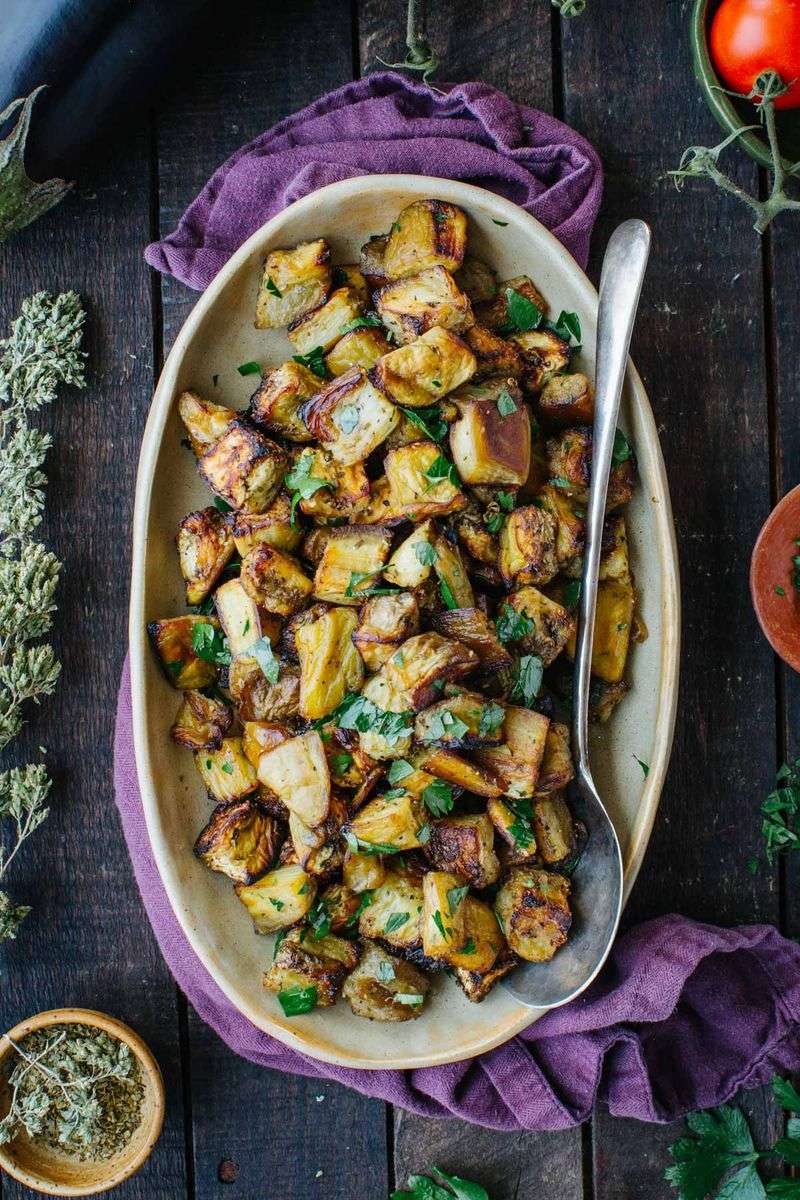
One poorly cooked slice can give this vegetable a lasting bad name. Undercooked flesh may feel spongy, while heavy frying can leave it greasy.
Cooked well, it becomes tender and carries sauces beautifully.
Try roasting evenly cut pieces with a measured coating of oil until the centers soften. Leave space between them for better browning.
For diners who dislike chunks, a smooth eggplant dip offers another route, but explain what is in it before serving anyone.
10. Liver and Offal: Tradition Meets Hesitation
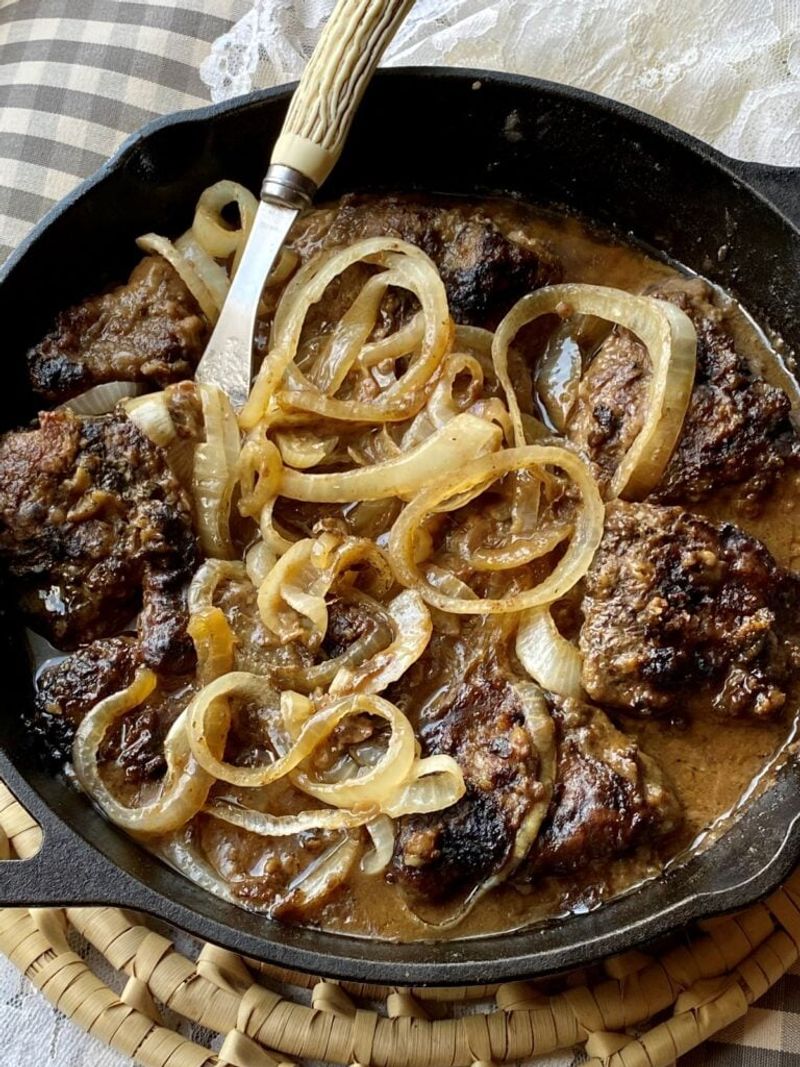
For one family, liver and onions means comfort; for another, the idea alone ends the conversation. Organ meats can have strong flavors and unfamiliar textures.
Knowing which part of the animal is served also shapes people’s reactions.
Liver, tripe, and other offal need different cooking methods, so follow a trusted recipe for the specific ingredient. Be clear about what you are offering.
A small optional portion respects curious eaters and anyone who would rather skip it.
11. Marmite and Vegemite: A Little Goes a Long Way

Spread it like chocolate, and your first bite may be your last. Marmite and Vegemite are different yeast extract spreads, but both deliver a strong, salty, savory punch.
Many devoted fans grew up eating them.
Start with a very thin scrape over buttered toast rather than a thick layer. Cheese can soften the overall effect in a sandwich.
Since these spreads contain plenty of salt, taste before adding any more seasoning to recipes that include them.
12. Marzipan: Almond Sweetness With Attitude
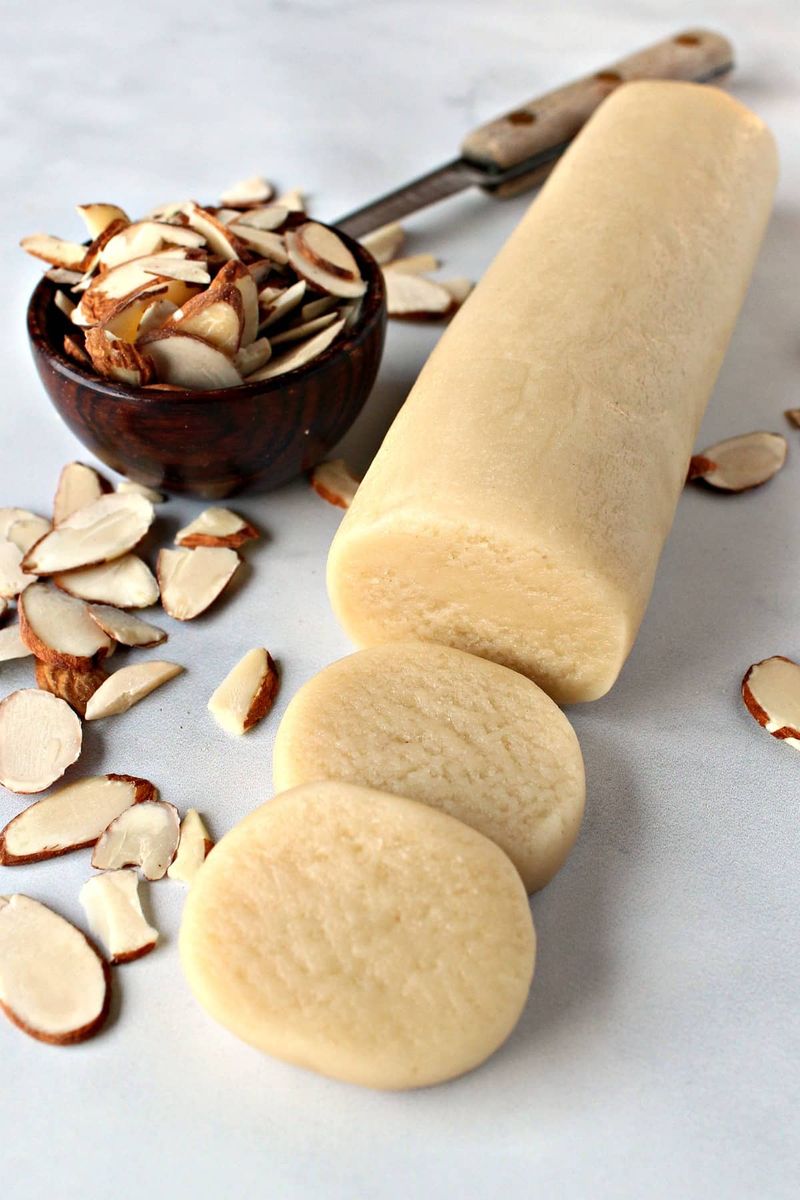
Those tiny candy fruits look charming, but their flavor can catch people off guard. Marzipan usually combines ground almonds and sugar, sometimes with egg white or added flavoring.
Its dense texture and strong almond taste divide dessert lovers.
Serve thin slices with dark chocolate or less sweet baked goods to balance the richness. Check labels if eggs are a concern, since recipes vary.
Almond allergies also make clear labeling essential, especially when marzipan hides beneath cake icing.
13. Mayonnaise: The Sandwich Deal Breaker
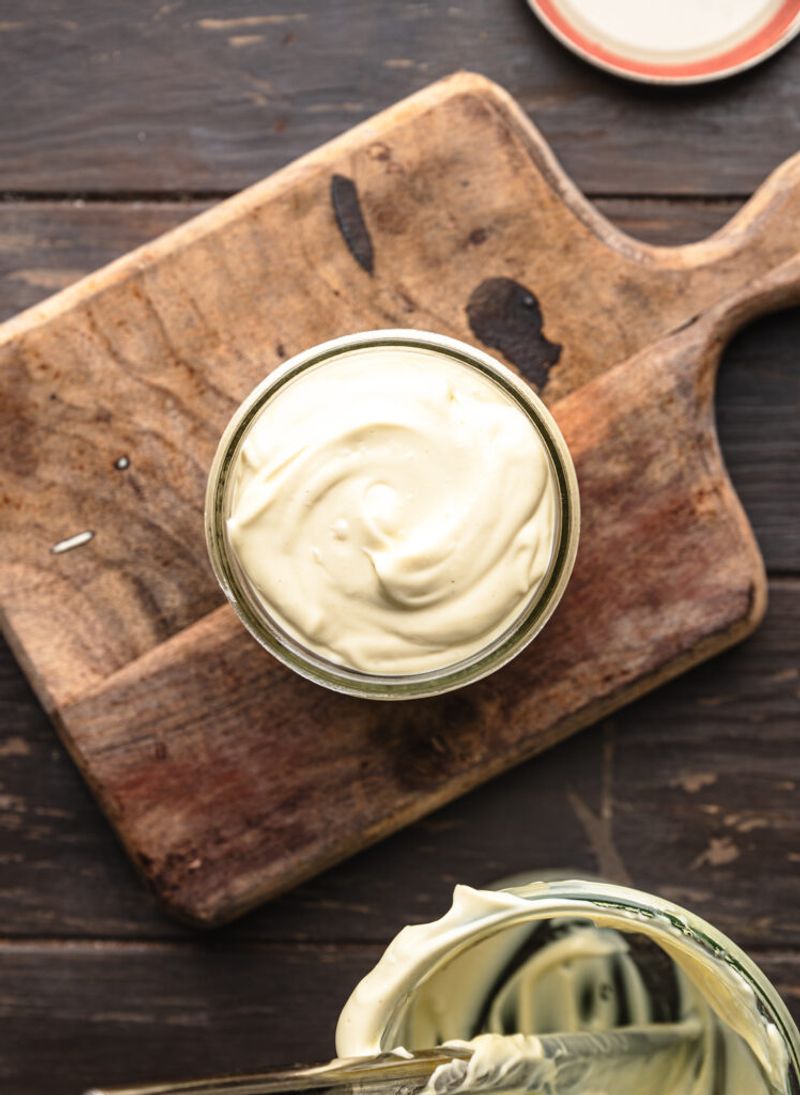
A generous swipe can turn a favorite sandwich into an unwanted lunch. Some people enjoy mayonnaise for its creamy richness, while others dislike its thick texture, pale appearance, or slight egg flavor.
When feeding a group, leave it off sandwiches until people choose their own condiments. Mustard, hummus, or mashed avocado may suit different tastes, though each changes the flavor.
Keep mayonnaise and foods made with it properly chilled, and follow package instructions for storage after opening.
14. Mushrooms: Savory Flavor, Tricky Texture
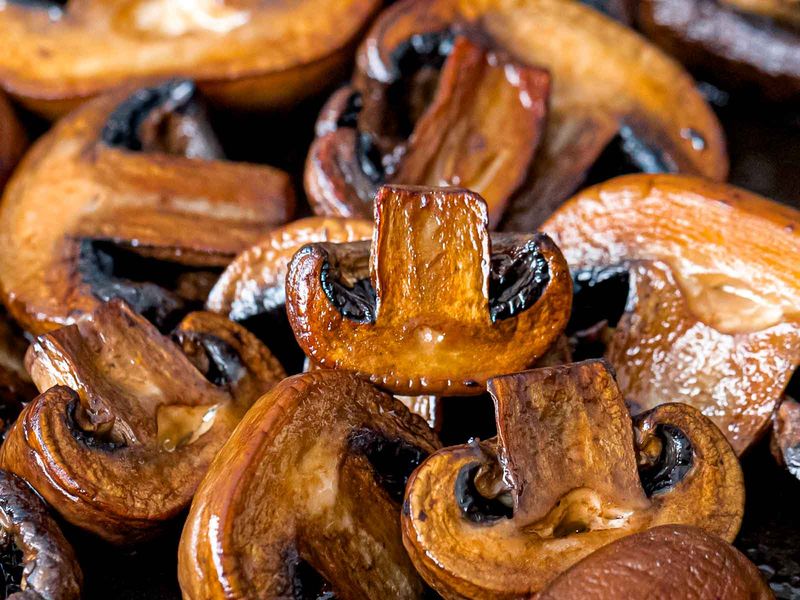
Squeaky, rubbery, or slimy: mushroom critics have a whole list of complaints. Fans focus instead on their deep savory taste.
Cooking technique often determines which side of that divide a plate lands on.
Use a wide pan and avoid crowding so moisture can escape and the mushrooms can brown. For texture skeptics, finely chopped cooked mushrooms may work better in a sauce.
Stick to store bought varieties unless a qualified expert has identified any wild ones.
15. Olives: Salty Little Opinion Splitters
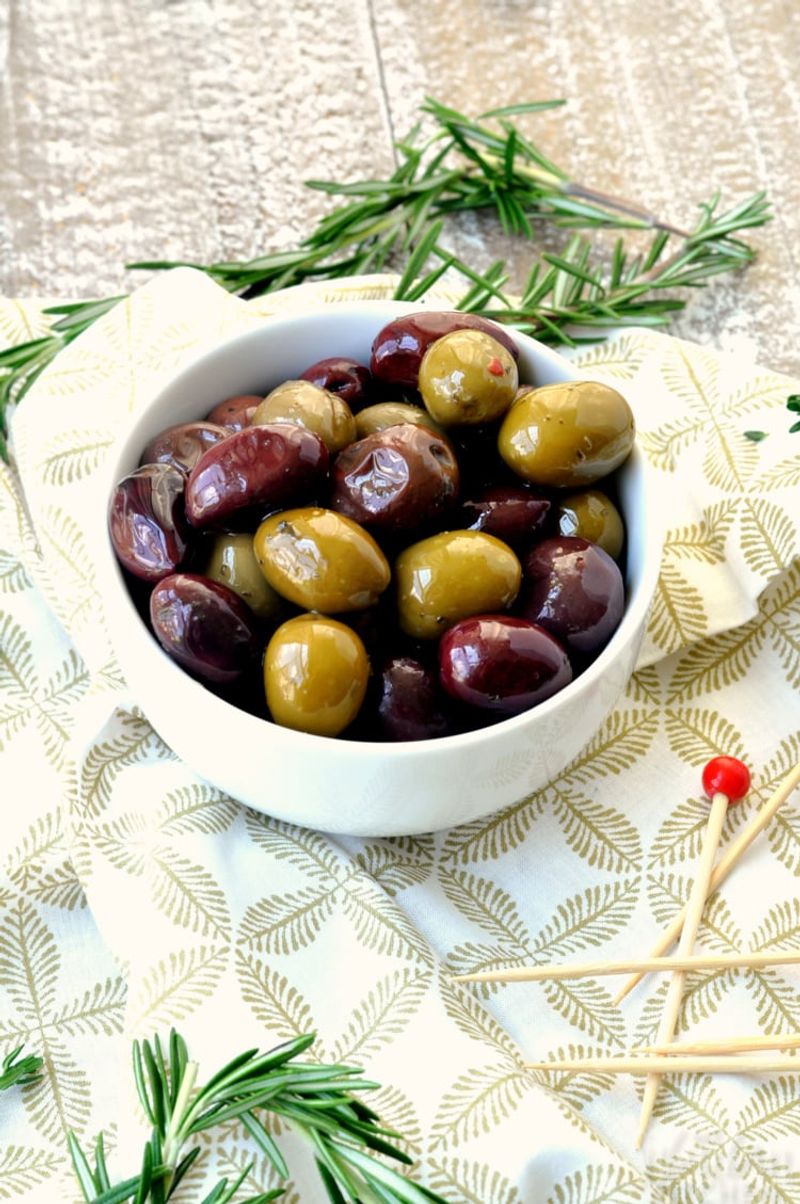
At a shared appetizer plate, olive lovers often inherit everyone else’s portion. The mix of salt, bitterness, and firm or soft flesh can be irresistible or deeply unappealing.
Variety and curing method make a noticeable difference.
Mild green olives may offer a friendlier starting point than strongly flavored cured ones. Serve them separately instead of scattering them through a salad.
Warn guests about pits, and provide a small empty dish so nobody has to juggle them.
16. Pineapple on Pizza: Sweet and Savory Showdown

Few toppings can spark such a lively argument before dinner even starts. Supporters love how juicy pineapple cuts through salty cheese and ham.
Opponents say the sweetness and warm fruit texture clash with everything they expect from pizza.
There is an easy peace plan: order separate pizzas or divide the toppings clearly. Drain pineapple well when making pizza at home to limit extra moisture.
Nobody needs to defend their taste buds while a perfectly good slice gets cold.
17. Raw Oysters: A Briny Bite of Debate
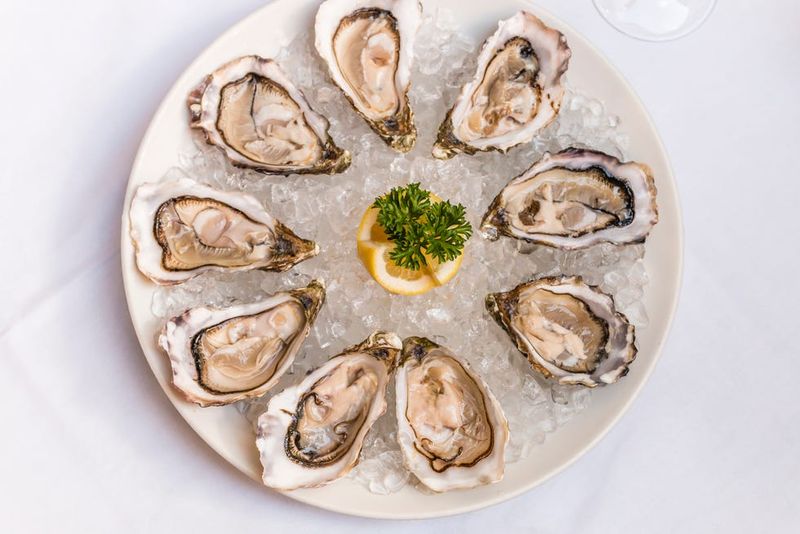
Slippery texture and a taste of the sea make raw oysters memorable, though not always pleasantly. Enthusiasts enjoy their fresh, briny character; hesitant diners may find the whole experience difficult.
Safety matters more than winning this debate. Raw oysters can carry harmful germs, and lemon juice or hot sauce will not reliably kill them.
Pregnant people, older adults, and anyone with weakened immunity should avoid them. Offer thoroughly cooked oysters as an alternative, while respecting shellfish allergies too.