
A familiar face can disappear from television without fans knowing why. Some stars trade busy sets for school, family, or a completely different career, while others need space to heal.
Their stories show that success does not always mean staying famous. A few later returned, but each found reasons to build a life beyond the roles viewers loved.
1. Josh Saviano Traded Scripts for Law
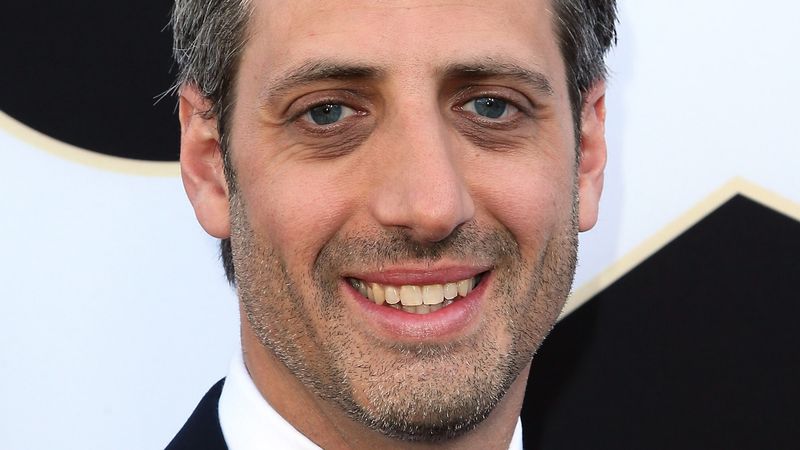
Paul Pfeiffer always seemed like the kid who would do his homework early. Offscreen, the actor behind him followed an equally serious path, leaving regular acting after The Wonder Years and studying political science at Yale.
Saviano later earned a law degree from Cardozo and built a legal career. He also returned briefly for appearances on Law & Order: Special Victims Unit, proving that changing careers does not require locking every old door behind you.
2. Jennette McCurdy Found Her Own Voice

Behind Sam Puckett’s sharp jokes was a young performer who did not enjoy the job fans adored. The iCarly and Sam & Cat star later described painful experiences with child acting and pressure tied to supporting her family.
McCurdy stepped away from acting and turned toward writing and directing. Her memoir, I’m Glad My Mom Died, offered a frank account of those years.
Her experience shows why leaving a popular role can be an act of self-care.
3. Nate Richert Changed the Soundtrack
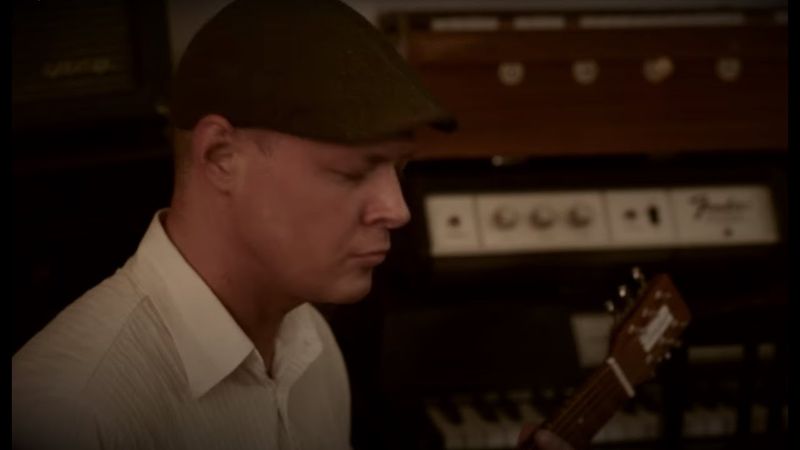
Harvey Kinkle won hearts without needing a single magic spell. After playing Sabrina’s boyfriend on Sabrina the Teenage Witch, Richert gradually moved away from acting and put more energy into music.
His later work included recording and performing, a quieter route than weekly television fame. Fans looking him up should expect a musician rather than a frozen image of Harvey.
Growing beyond a beloved character can mean finding a completely different way to be creative.
4. Staci Keanan Built a Legal Career
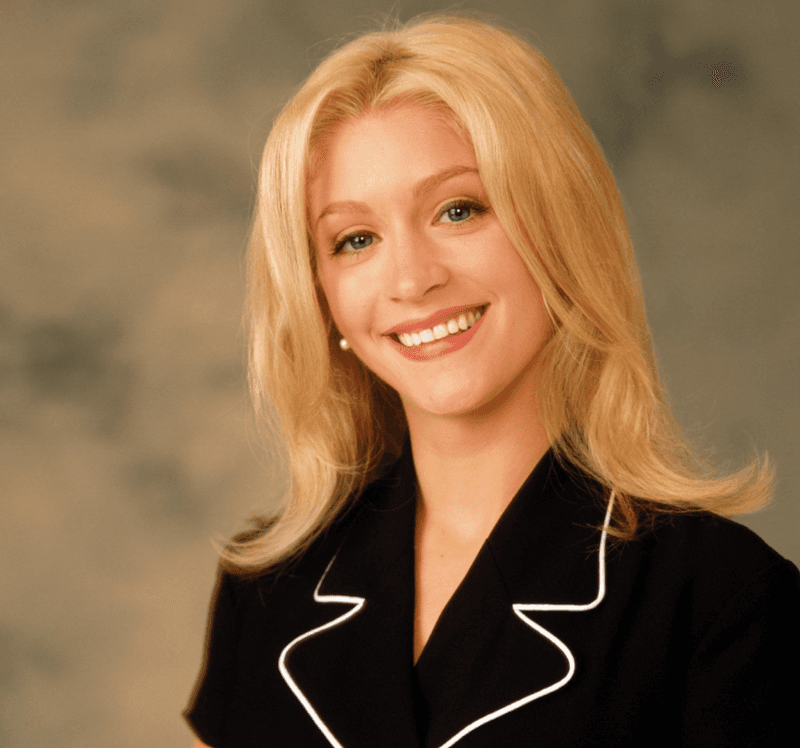
A courtroom turned out to be a more lasting setting than a sitcom living room. Known for My Two Dads and Step by Step, Keanan moved toward education while taking occasional acting work after her biggest television roles.
She studied art history at UCLA, later earned a law degree, and became an attorney under her birth name, Anastasia Sagorsky. Her path offers a useful reminder: an early career does not have to decide your entire future.
5. Jonathan Taylor Thomas Chose the Classroom
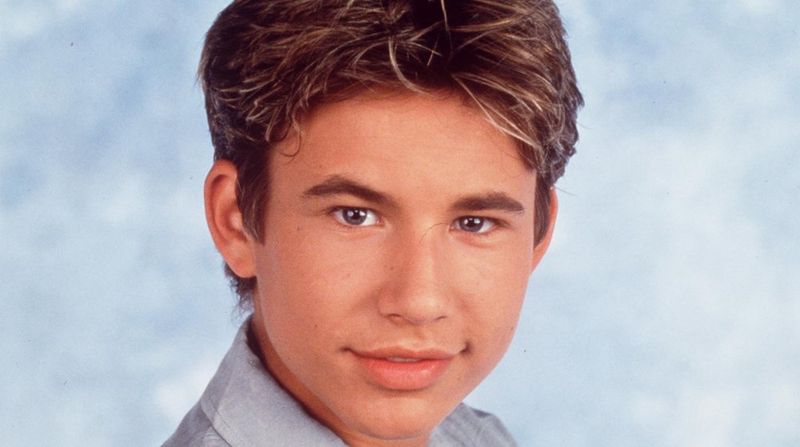
Teen magazine covers could not compete with his wish for a normal education. Home Improvement’s Randy Taylor left the series in 1998, stepping back from the demanding schedule that had made him a household name.
Thomas studied at Harvard and later graduated from Columbia, with study abroad at St Andrews along the way. Guest roles and directing work on Last Man Standing followed.
His story is less about disappearing forever than choosing when to step back.
6. Karyn Parsons Turned Toward Untold Stories
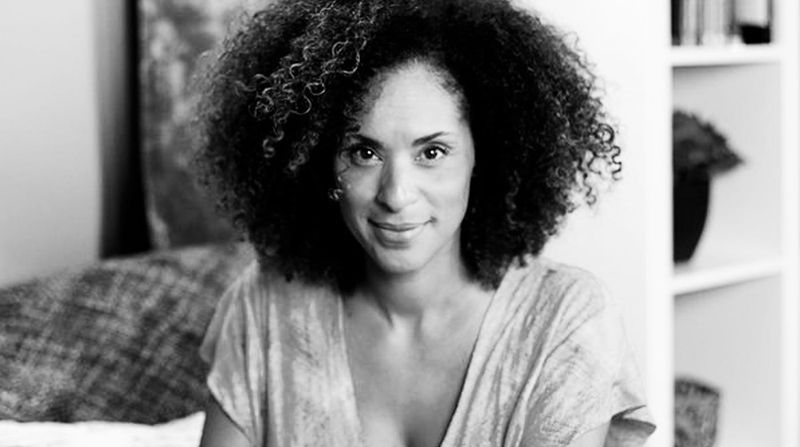
Hilary Banks loved attention, but the woman playing her found purpose away from it. After The Fresh Prince of Bel-Air, Parsons continued acting for a time before shifting more energy toward writing and educational storytelling.
She founded Sweet Blackberry, which shares overlooked stories from Black history with children. That work gives fans another reason to admire her beyond Hilary’s memorable outfits.
Sometimes a quieter public profile makes room for projects with a very different lasting impact.
7. Julie Anne Haddock Kept Life Private
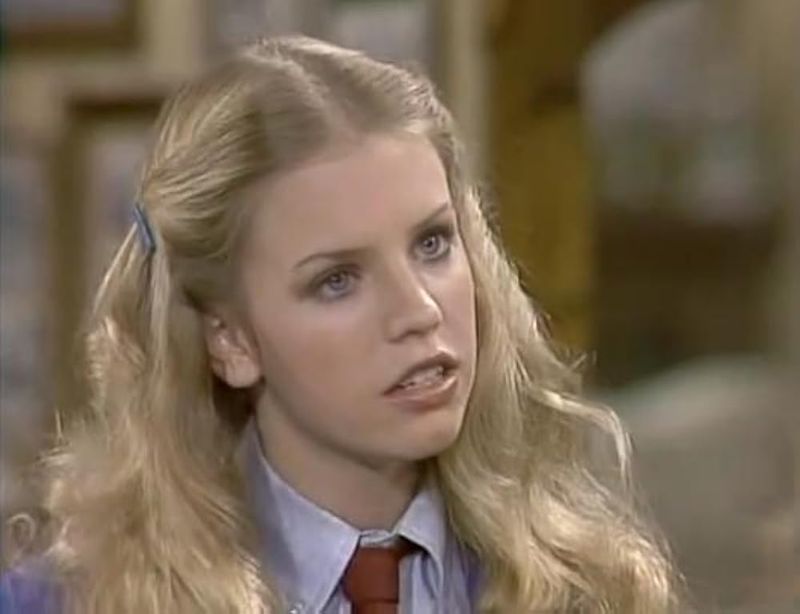
Not every familiar television face leaves behind a long trail of interviews. As Cindy Webster on The Facts of Life, Haddock belonged to the show’s original student group before a major cast change reduced her part.
She returned for later guest appearances, including a reunion episode during season eight, then largely vanished from public view. Reliable details about her later life are limited.
For fans, respecting that privacy matters more than filling the gaps with guesses.
8. Tina Yothers Made Room for Family
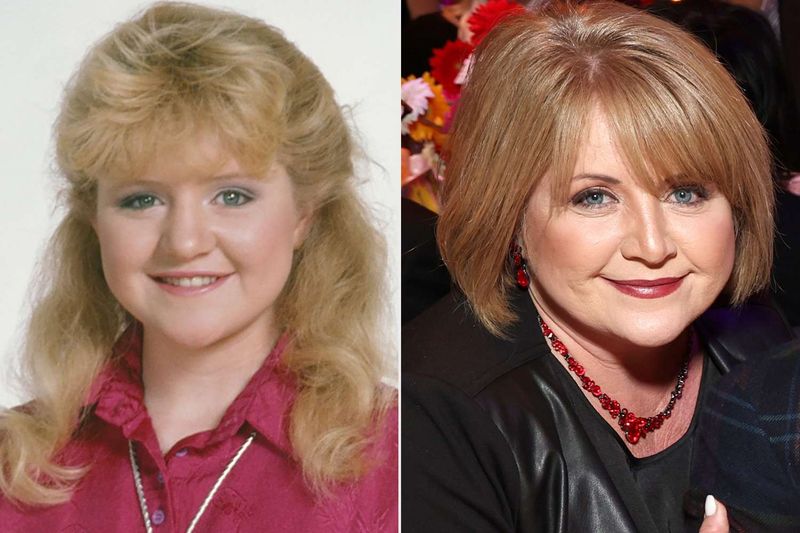
Growing up as Jennifer Keaton meant sharing a television home with one of America’s favorite families. Once Family Ties ended, Yothers explored music and gradually moved away from the steady acting schedule of her childhood.
Marriage and raising children became important parts of her life. She also made occasional reality television appearances, so her exit was not a complete disappearance.
Her changing priorities show how leaving regular acting can still allow the occasional visit with viewers.
9. Andrea Elson Found a Calmer Rhythm
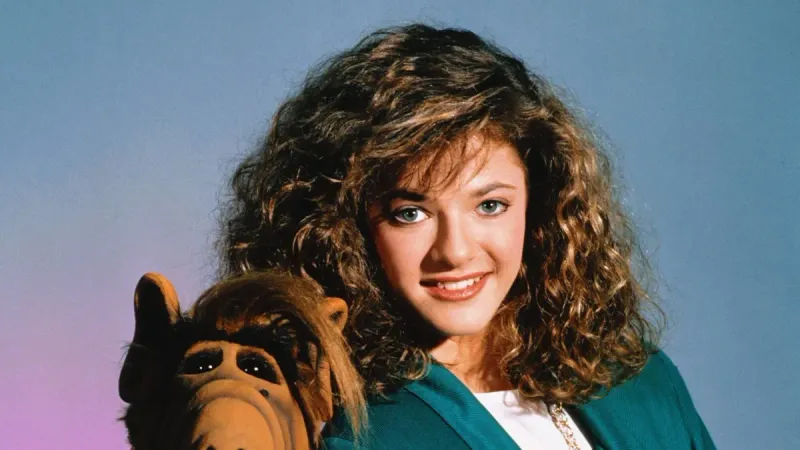
Life with a wisecracking alien was busy enough for any teenager. Elson played Lynn Tanner on ALF, then took smaller television roles before stepping away from acting and building a life outside the entertainment spotlight.
She married Scott Hopper, whom she met through the show, and later became involved in teaching yoga. That shift offers a refreshing contrast to sitcom chaos.
A quieter daily routine can be rewarding even when it never earns a studio audience.
10. Tempestt Bledsoe Set Her Own Pace
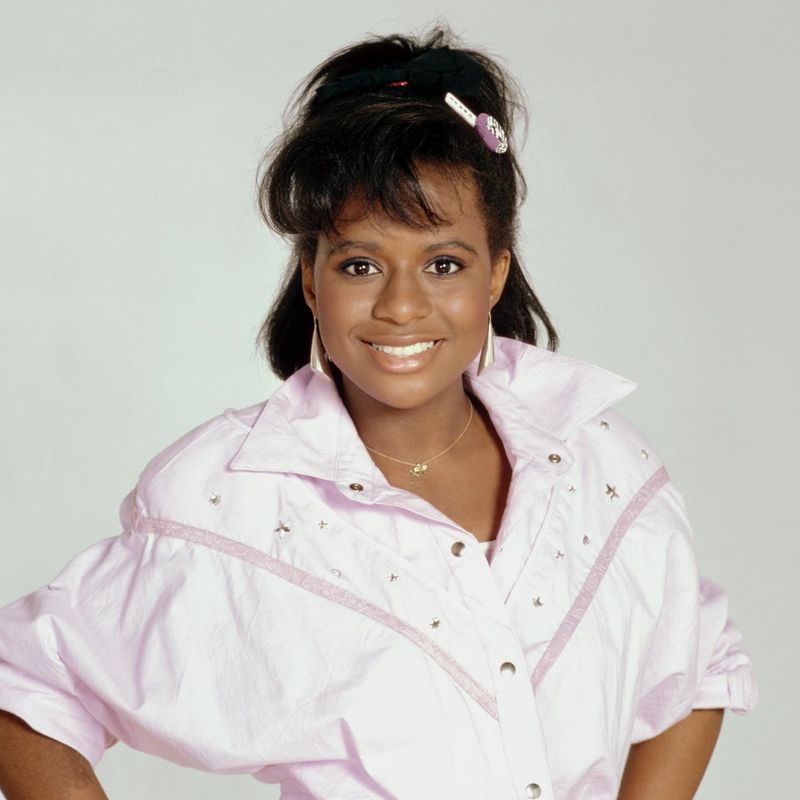
Vanessa Huxtable grew up in front of millions, but adulthood did not have to follow the same script. Bledsoe continued working after The Cosby Show, with projects that included hosting, voice acting, and another sitcom, Guys with Kids.
Her later screen appearances became less frequent, including a guest role on Family Reunion in 2019. She has maintained a relatively private life.
Rather than assuming retirement, fans can recognize that fewer appearances may simply reflect a different pace.
11. Corky Pigeon Picked Up the Drumsticks
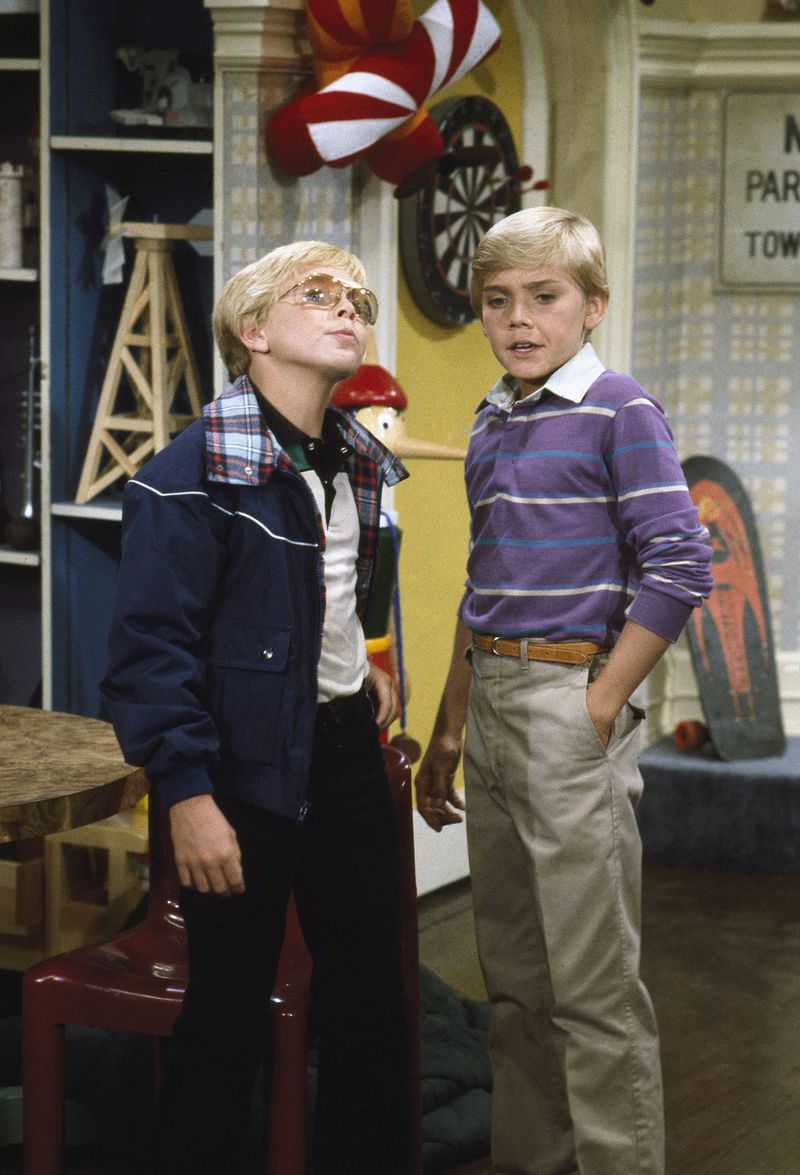
Freddy Lippincottleman had a name viewers could hardly forget. The young actor who played him on Silver Spoons later left screen work behind and found a different outlet for performing through music.
Pigeon became a drummer, including work with the band The Gain. His route away from television was not a retreat from creativity, just a change of stage.
For anyone considering a career switch, that distinction matters: leaving one job need not mean abandoning your talents.
12. Lisa Bonet Favored a Private Life
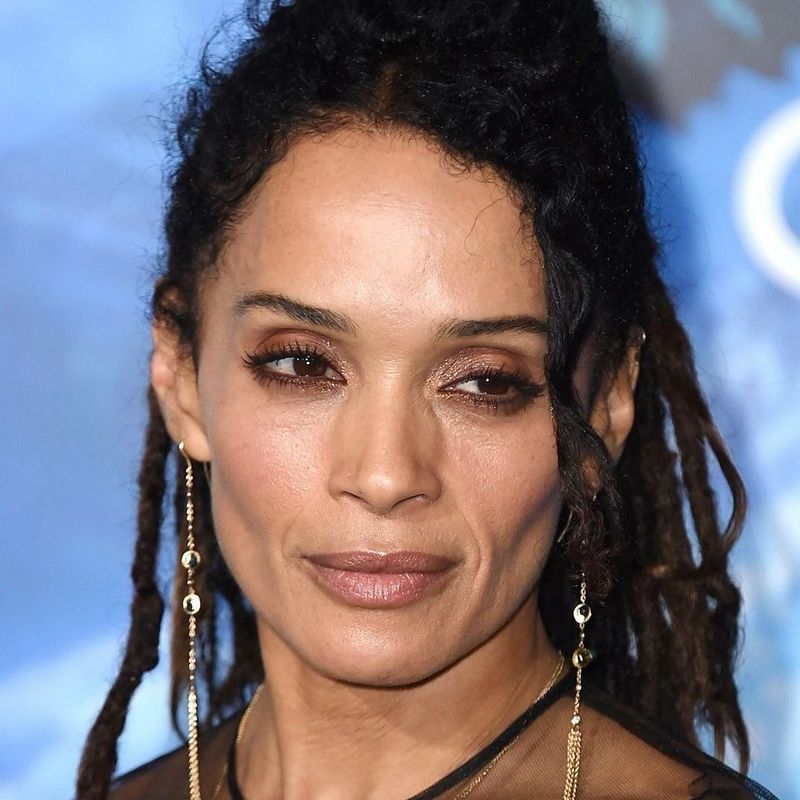
Denise Huxtable brought an easy confidence that made her stand out immediately. Bonet carried that appeal from The Cosby Show into A Different World, then built a more selective career across films and television.
Later roles included High Fidelity and Ray Donovan, but she never maintained the constant visibility of her sitcom years. Family and privacy have remained central to her public image.
Her story fits a gradual step back better than a clearly announced, permanent retirement.
13. Mara Wilson Rewrote Her Career
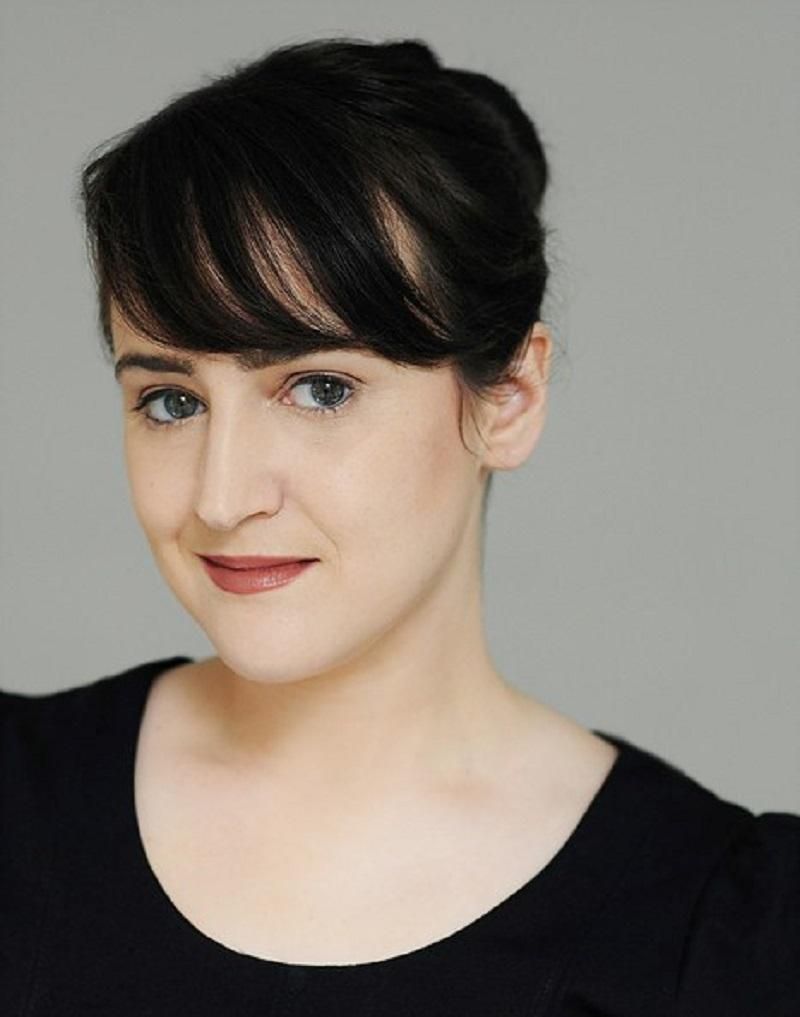
Being everyone’s favorite clever movie kid did not make growing up in Hollywood easy. Best known for Matilda and Mrs. Doubtfire, Wilson also appeared on television, including Pearl, though she was primarily a film star.
She stepped away from film acting around 2000, later studied at NYU, and developed a writing career. Occasional voice roles followed.
Her experience adds a useful wrinkle to this list: leaving childhood fame can mean changing formats rather than giving up performance.
14. Angus T. Jones Questioned the Job

Playing Jake Harper made him one of television’s most recognizable kids. As Jones grew older, however, his religious beliefs led him to question his work on Two and a Half Men, which he publicly criticized in 2012.
He left his regular role and later returned for the series finale. College and life beyond weekly television became part of his next chapter.
His departure shows how personal values can change, even when a job brings money and fame.
15. Frankie Muniz Chased the Checkered Flag

A racetrack offered the kind of rush no sitcom set could match. After Malcolm in the Middle ended, Muniz devoted serious time to professional racing, trading familiar television routines for training, competition, and life behind the wheel.
He also explored music and continued taking occasional entertainment work, so describing him as permanently retired would miss the mark. Racing became a major focus, not proof that acting had vanished forever.
His career shows that interests can overlap and evolve.
16. Dick York Faced a Painful Exit
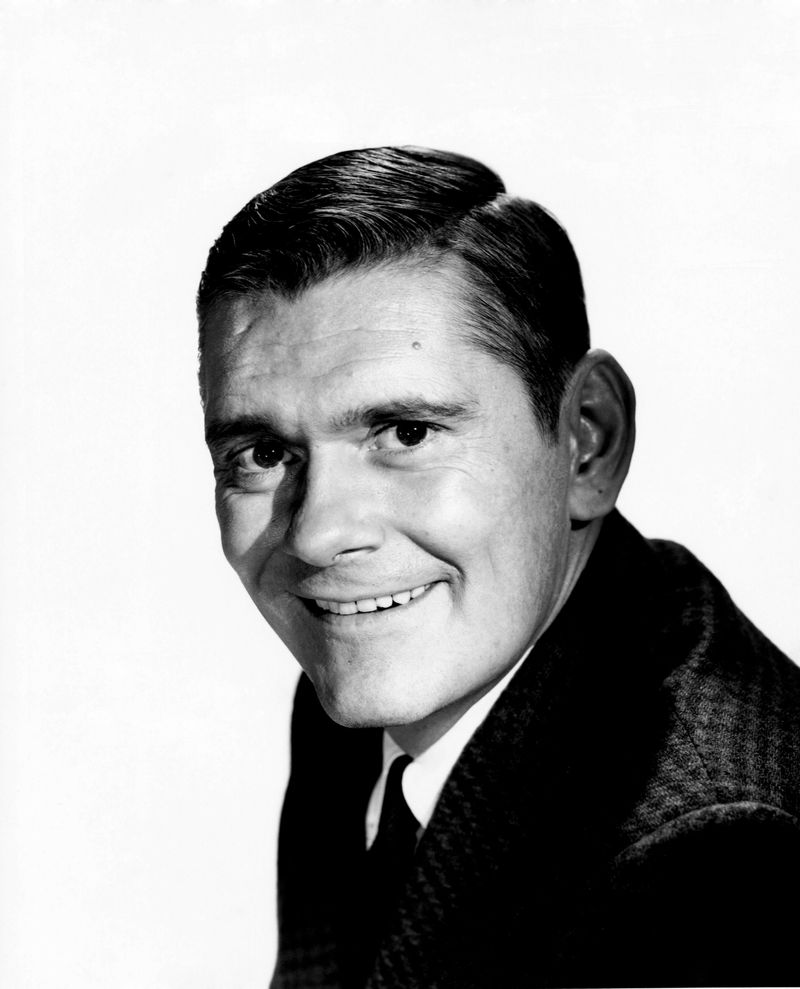
Behind Darrin Stephens’ comic frustration was pain that audiences could not see. York suffered a serious back injury while making a film in 1959, and ongoing health problems eventually forced him to leave Bewitched in 1969.
Dick Sargent replaced him, while York’s later acting work remained limited. He eventually devoted energy to helping people in need through his charity work.
His departure deserves compassion: sometimes leaving a beloved role is not a preference but a health necessity.