
Have you ever ordered something at a restaurant just because the name sounded impressive? You are not alone.
Many dishes come with French, Italian, or Japanese names that make simple food feel like a big deal. Knowing what these dishes really are can help you order with confidence and maybe save a few dollars too.
1. Escargot
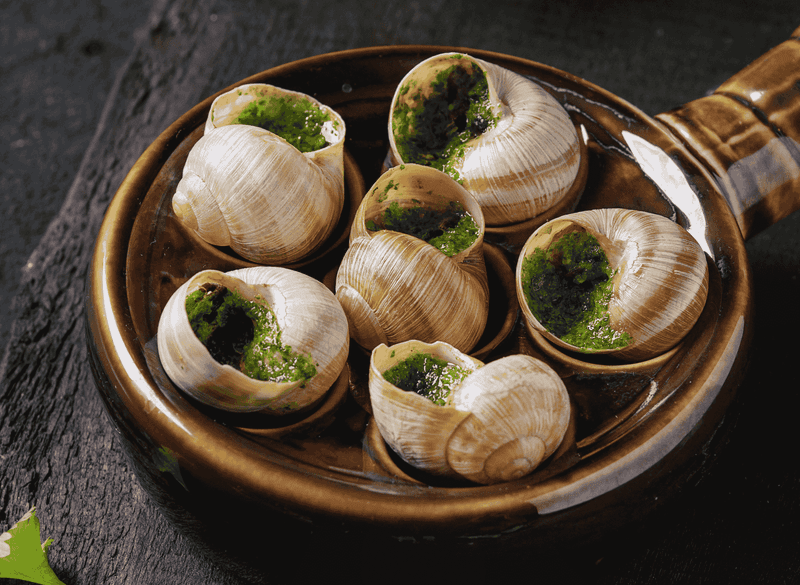
Picture a friend daring you to eat a snail. That is basically escargot, a French classic where land snails get cooked in garlic, butter, and parsley.
Most people say the snail itself tastes mild and a bit chewy. The real star is the buttery garlic sauce, which is great for dipping bread.
Tip: if you love garlic bread, you will probably enjoy escargot. Just ask for the special tongs so the shells do not slip away.
2. Foie Gras
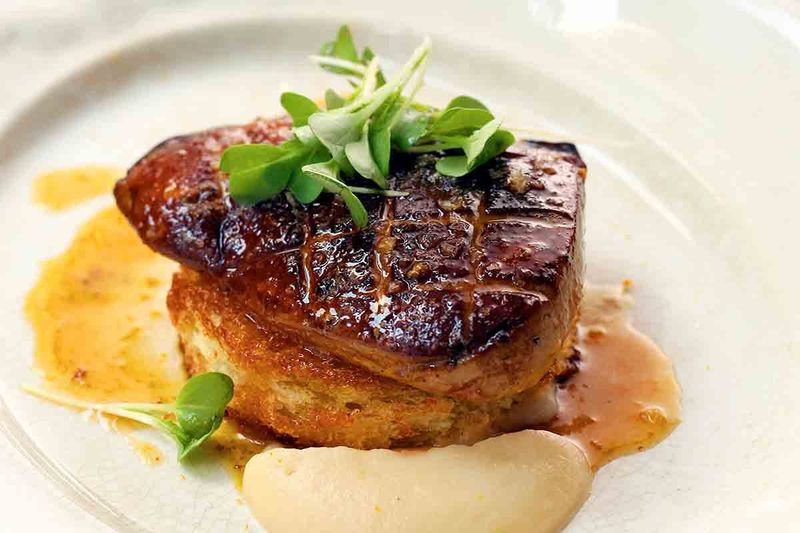
Few words make a menu look richer than foie gras. It means fat liver in French, and it usually comes from a duck or goose.
The texture is smooth and melts almost like butter. Chefs often serve it seared or as a spread with sweet fruit jam.
Fun fact: foie gras is banned in some places, including California at times, because of how the birds are raised. Many diners order it once just to say they tried it.
3. Beef Carpaccio
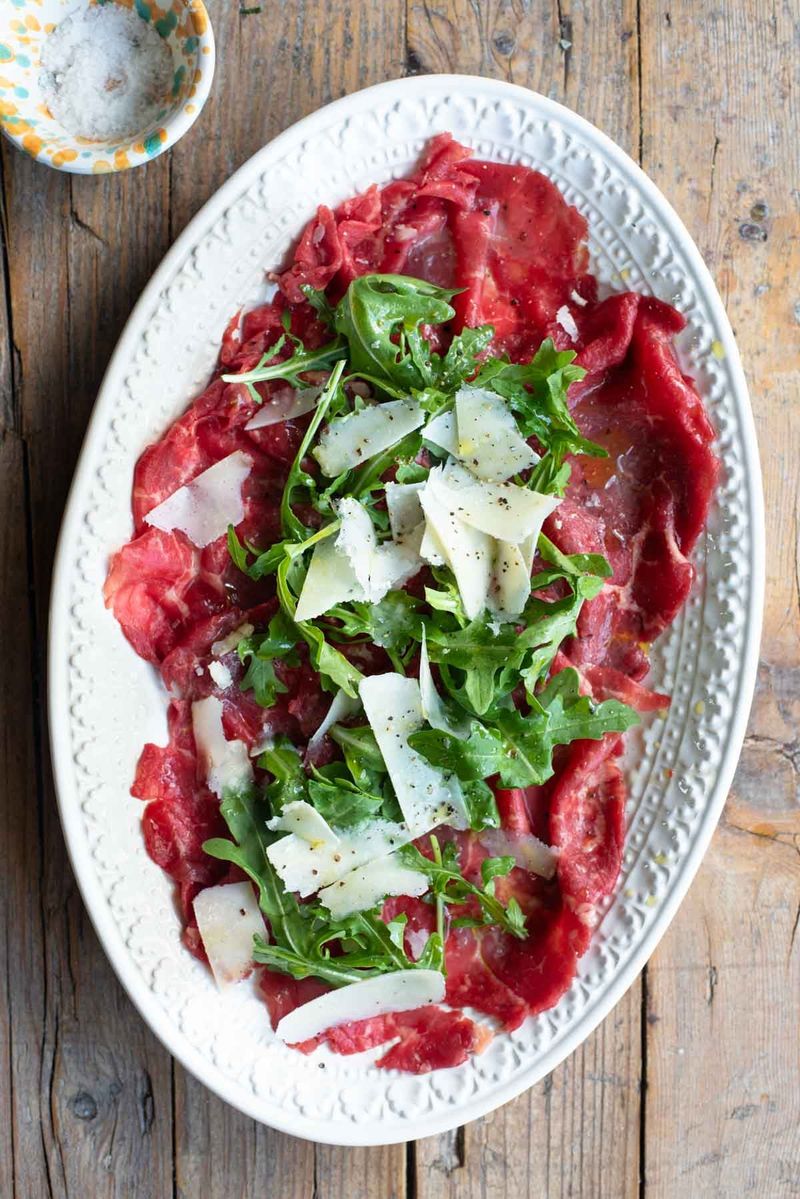
Raw beef sliced so thin you can almost see through it. That surprises plenty of diners who expected something cooked!
Carpaccio was created in Venice in the 1950s and named after a painter famous for using bright reds. It is usually topped with arugula, lemon, olive oil, and shaved parmesan.
The flavor is light and fresh, not bloody. If raw meat makes you nervous, try sharing a plate before ordering your own.
4. Bouillabaisse
Try saying it out loud: boo-yah-BEZ. Just pronouncing it feels like a small victory.
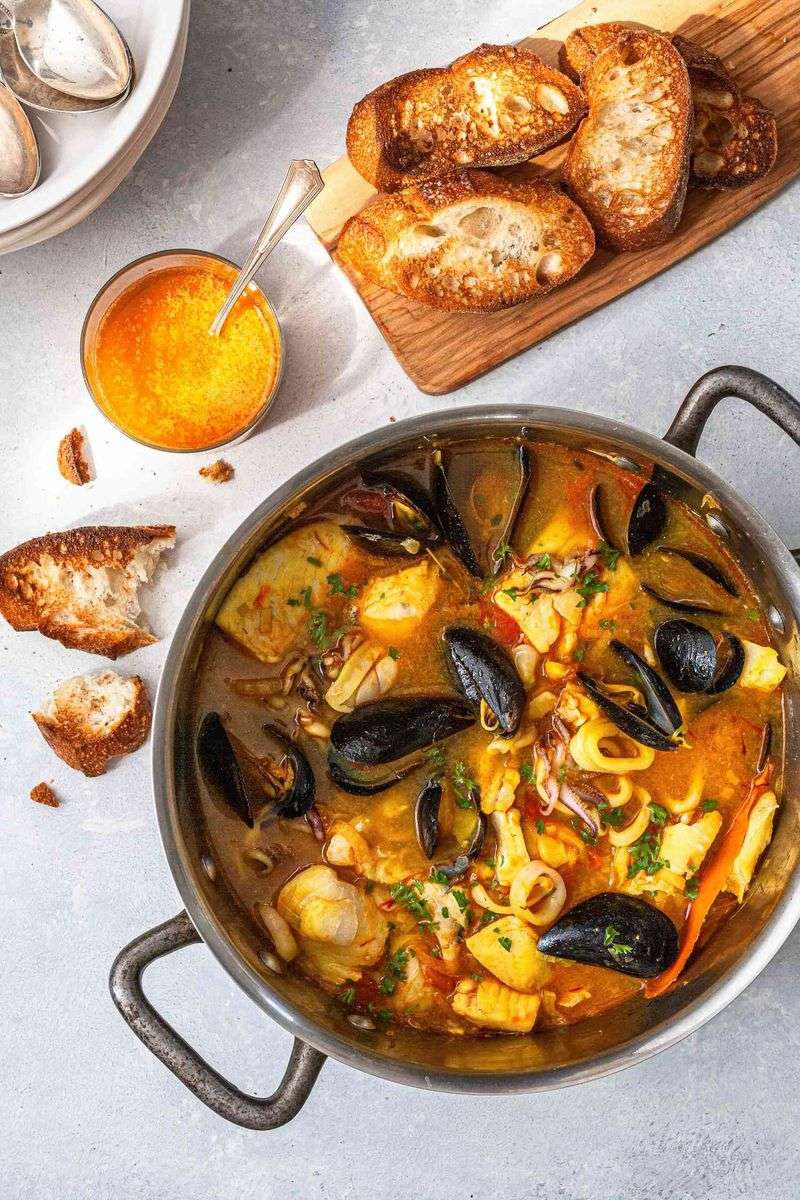
Underneath the tricky name, bouillabaisse is a seafood stew from Marseille, France. Fishermen first made it from leftover catch they could not sell.
Today it is packed with fish, mussels, and a golden saffron broth.
It often comes with toast and a garlicky sauce called rouille. Spread the sauce on the bread, then dunk it right into the soup.
5. Coq au Vin
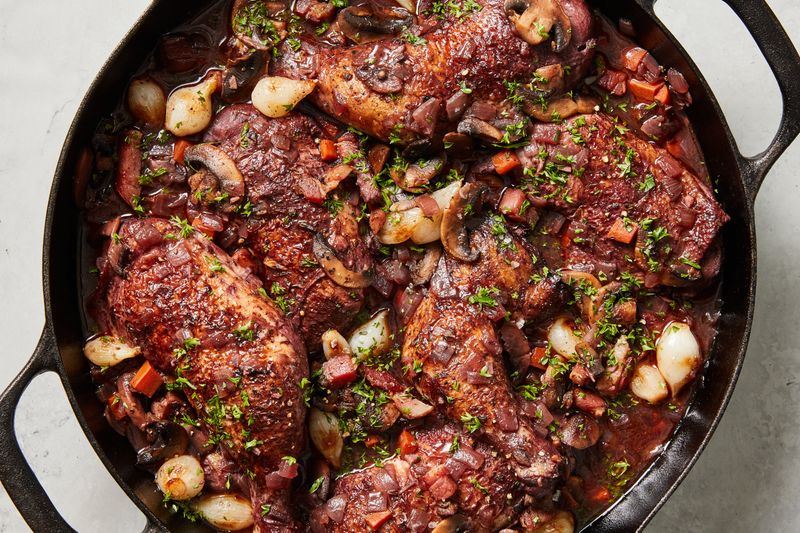
Grandmothers in the French countryside would laugh at how fancy this sounds. Coq au vin simply means rooster in wine.
It started as a way to make tough old birds tender. Cooks let chicken simmer slowly in red wine with mushrooms, onions, and bacon until it falls apart.
Do not worry about the wine. Most of the alcohol cooks off during the long simmer.
What stays behind is a deep, cozy flavor perfect for a chilly evening.
6. Steak Tartare
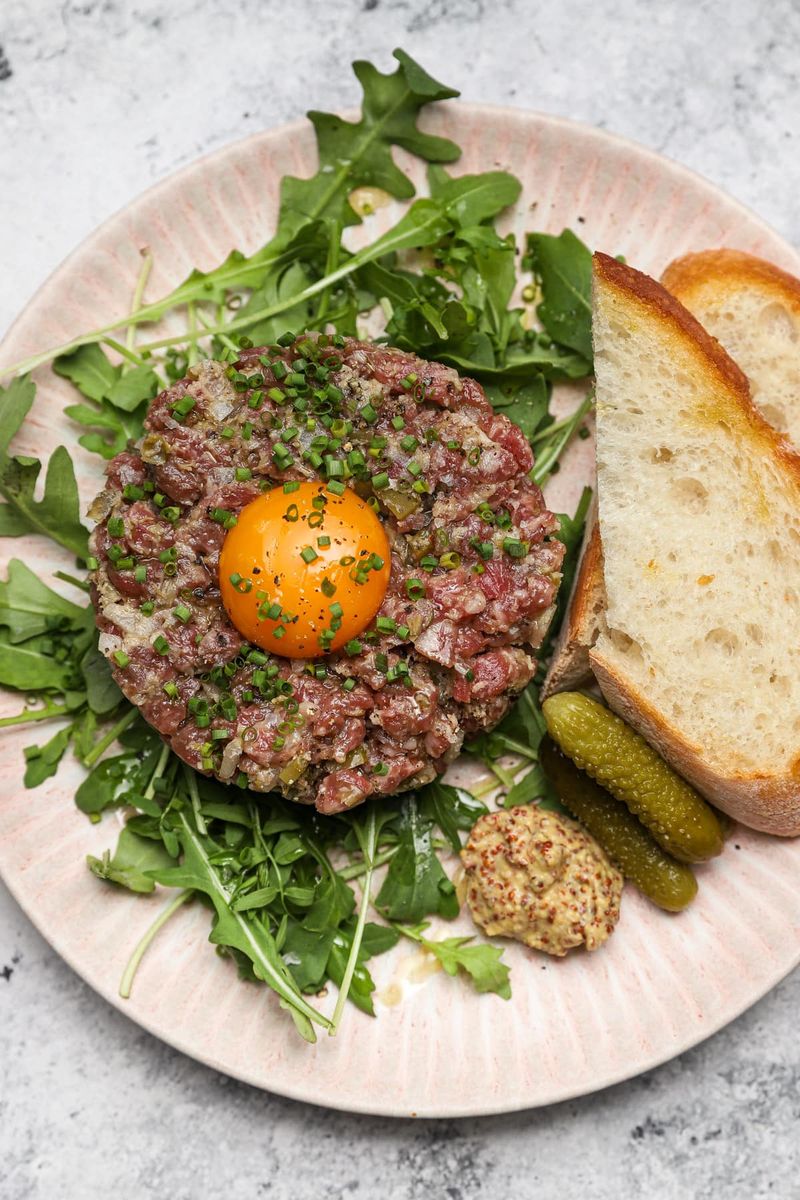
A raw egg yolk perched on chopped raw beef. Bold?
Absolutely, and that is exactly why people order it.
Steak tartare mixes finely chopped beef with onions, capers, mustard, and spices. You stir the yolk in at the table for a silky finish.
Restaurants use very fresh, high-quality meat for safety. Still, pregnant people and young kids are usually told to skip it.
Everyone else can scoop it onto toast and enjoy the bragging rights.
7. Truffle Fries
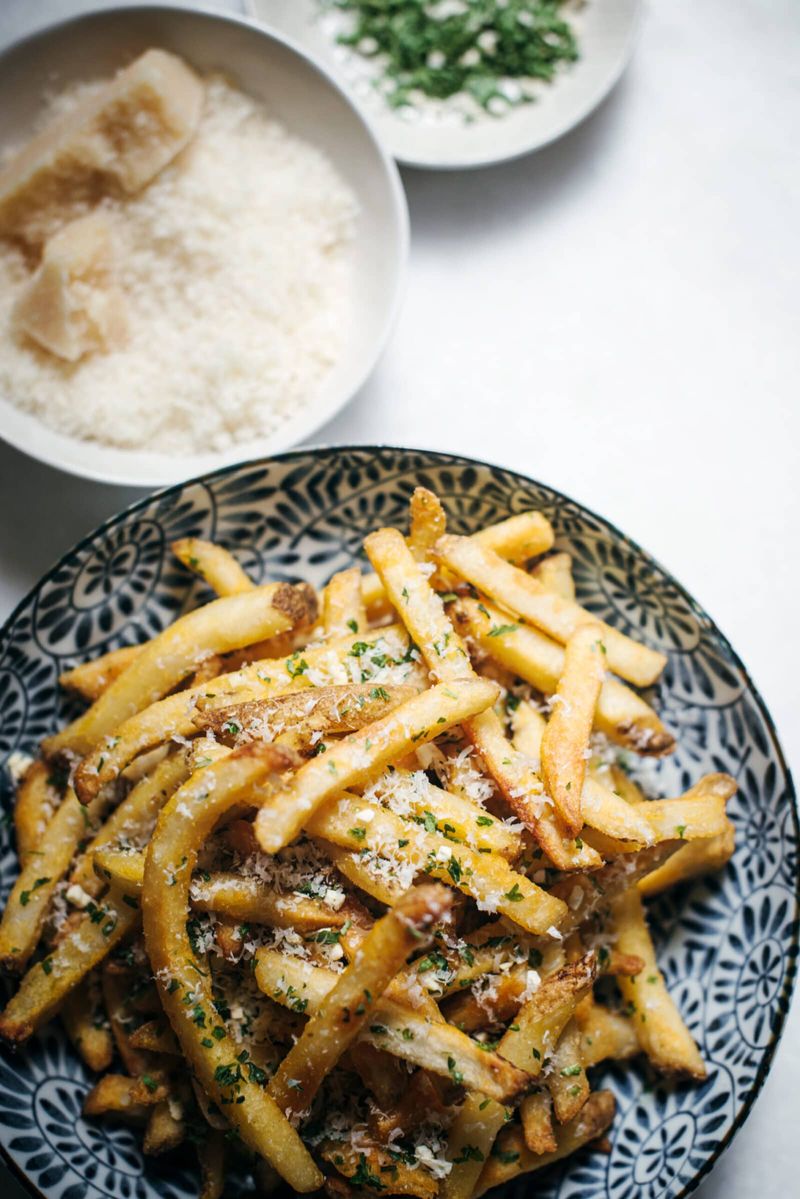
Let’s be honest. These are french fries wearing a tuxedo.
Real truffles are rare mushrooms that can cost thousands of dollars per pound. Most truffle fries use truffle oil instead, which is often made with flavoring rather than actual truffles.
That does not make them bad! The earthy smell and parmesan topping are seriously tasty.
Just know you are mostly paying extra for the name. Splitting a basket with friends makes the price easier to swallow.
8. Crème Brûlée
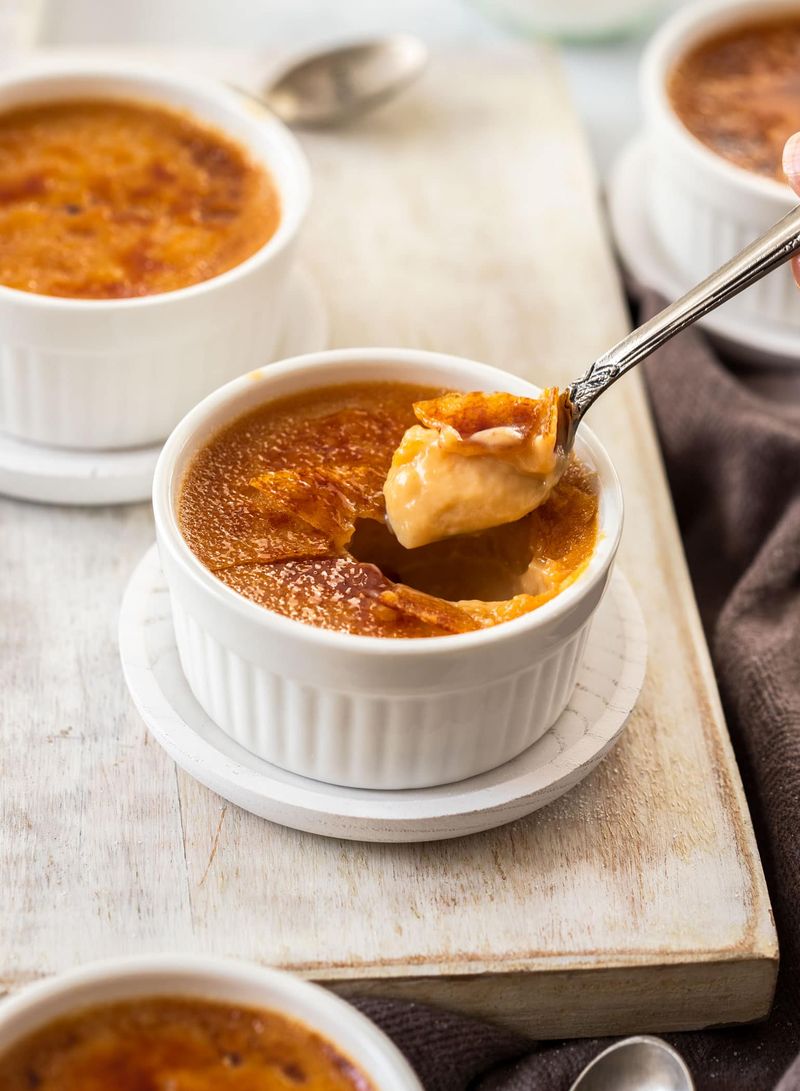
Tap, tap, crack. That satisfying sound is half the fun of crème brûlée.
The name means burnt cream, which sounds less exciting in English. It is a smooth vanilla custard with a layer of sugar melted into hard caramel using a small torch.
England, Spain, and France all claim they invented it first. Whoever deserves the credit, it remains a dessert-menu favorite.
Want to try it at home? A kitchen torch makes the job easy.
9. Risotto
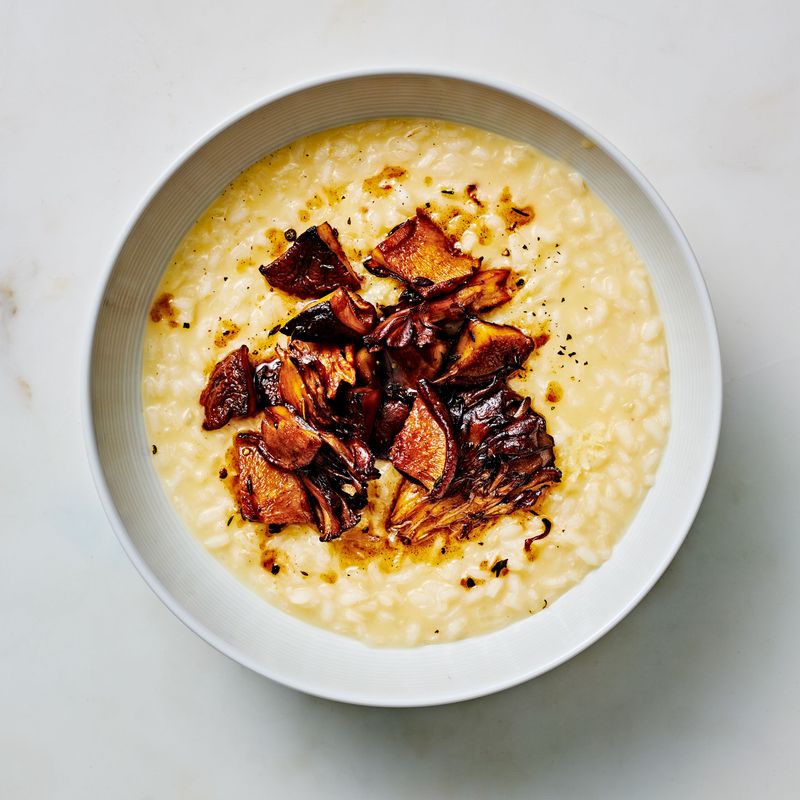
Chefs on cooking shows panic over risotto all the time, which makes it seem extra impressive.
At its heart, risotto is creamy Italian rice. Short-grain rice, often Arborio, gets cooked slowly while broth is added a little at a time.
Constant stirring pulls out starch and makes it silky without much cream.
Mushroom and parmesan versions are the classics. When it is done right, it should spread gently on the plate, not stand in a stiff lump.
10. Bruschetta
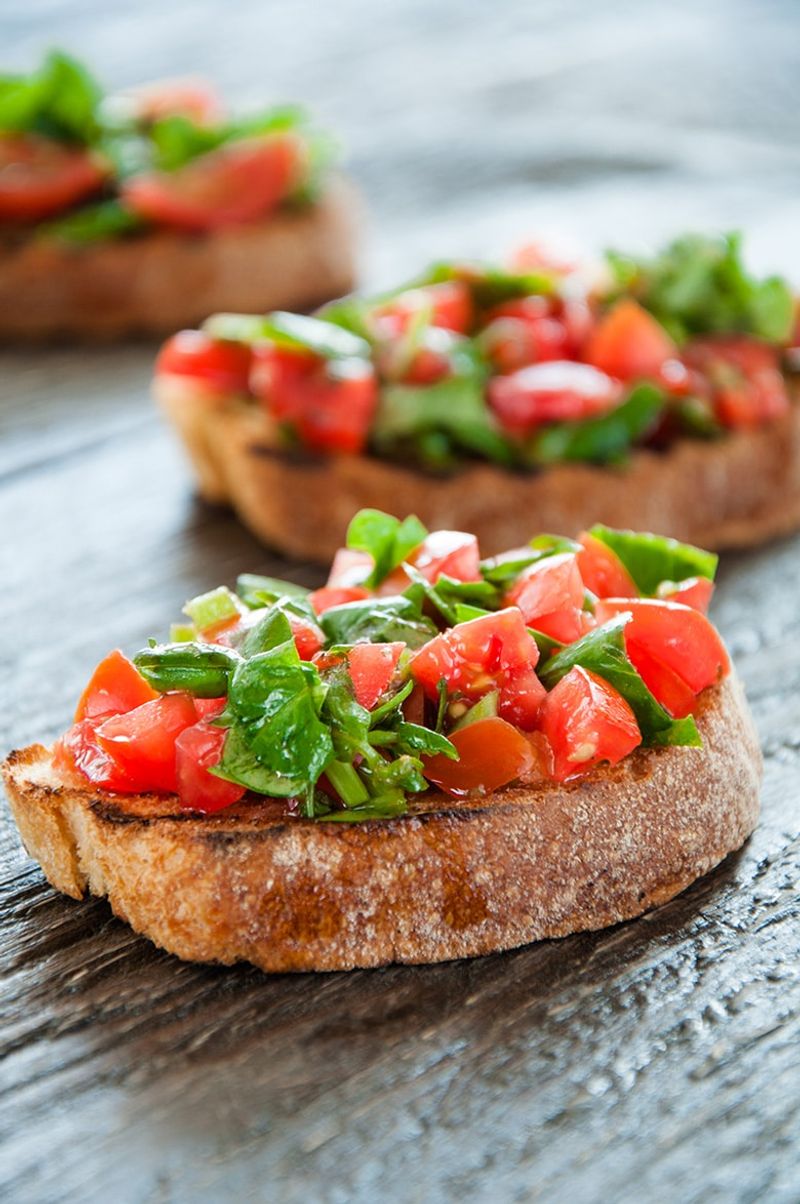
Here is a secret many diners miss: it is pronounced brew-SKET-ta, not brew-SHET-ta.
Whatever you call it, bruschetta is toasted bread rubbed with garlic and topped with chopped tomatoes, basil, and olive oil. Italian farmers once used it to taste their fresh olive oil.
It sounds like a gourmet starter, yet it costs pennies to make. Order it when tomatoes are in season during summer, since that is when it tastes the brightest.
11. Beef Wellington
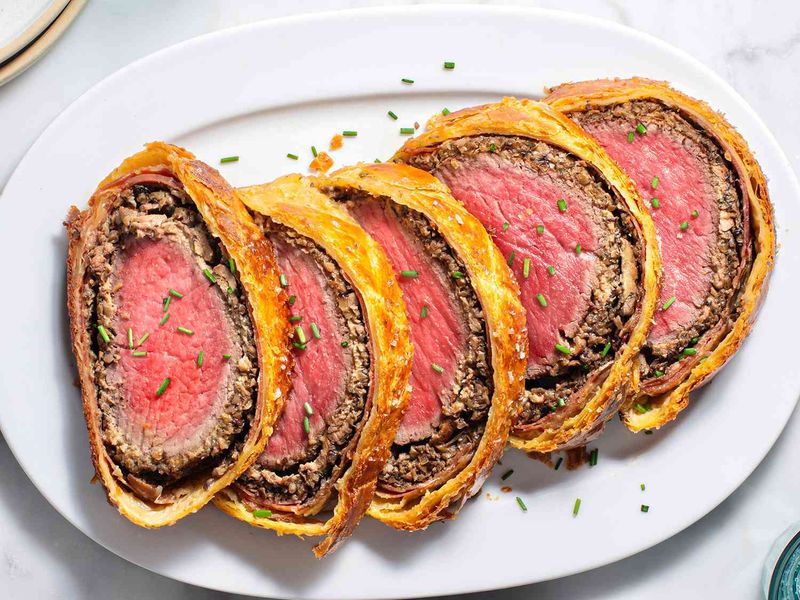
Gordon Ramsay made this dish famous all over again by yelling about it on TV.
Beef Wellington is a tender cut of beef coated in mushroom paste, wrapped in thin ham, and baked inside flaky puff pastry. Getting the meat pink while the pastry turns golden takes real skill.
Some say it was named after the Duke of Wellington, though nobody knows for sure. Expect a high price tag, since it takes hours to prepare.
12. Duck à l’Orange
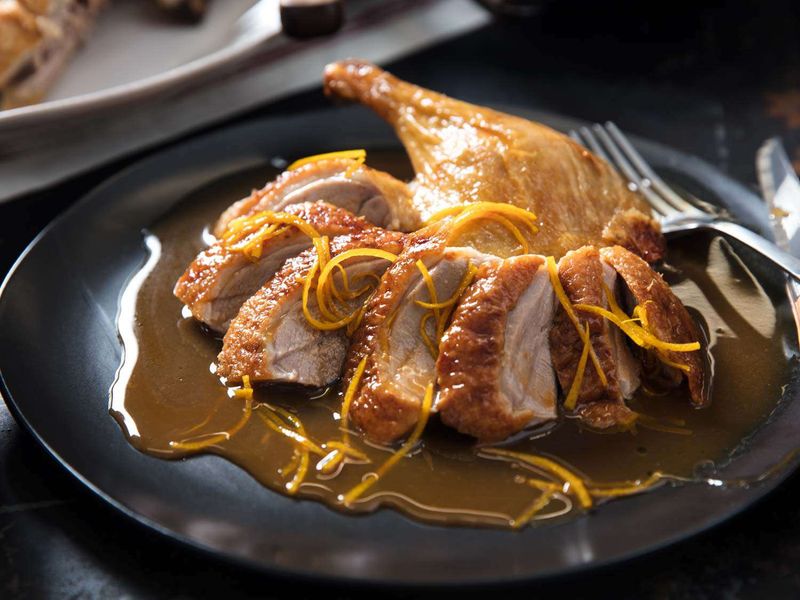
Back in the 1960s, this was the height of dinner-party style in America.
Duck à l’orange is roasted duck served with a sweet and tangy orange sauce. The citrus cuts through the rich, fatty meat, so every bite feels balanced.
Duck tastes more like dark meat or even steak than chicken. If you have never tried it, this classic recipe is a friendly first step.
Ask the server how pink they cook it.
13. Ratatouille
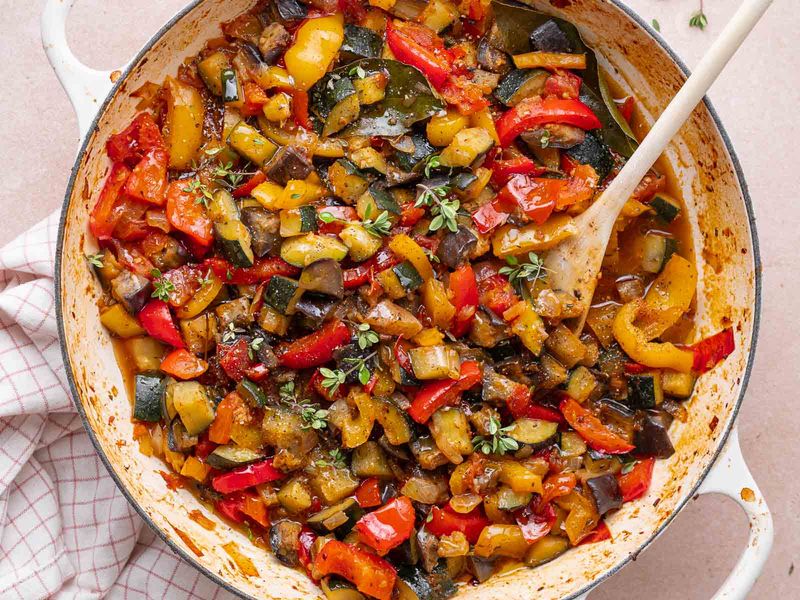
Thanks to a certain cartoon rat, kids everywhere suddenly wanted to order vegetables.
Ratatouille is a stew from southern France made with eggplant, zucchini, peppers, tomatoes, and herbs. The movie version used neatly stacked slices, but the traditional style is chunky and rustic.
Either way, it is simple farm food that happens to sound elegant. It also works as a great choice for vegetarians.
Pair it with crusty bread to soak up the juices.
14. Gnocchi
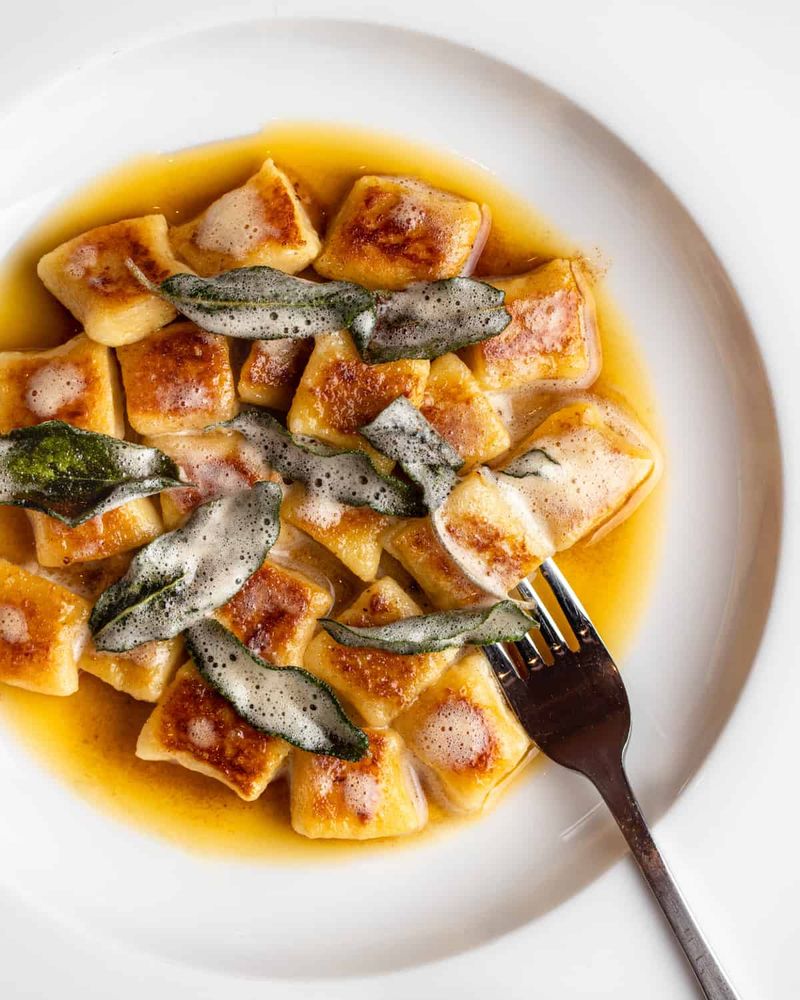
Nyoh-kee. Say it with confidence and nobody will know you practiced in the car.
Gnocchi are small Italian dumplings, usually made from potato, flour, and egg. Good ones feel like soft little pillows, not heavy rubber balls.
They are often tossed in brown butter and sage, tomato sauce, or pesto. Here is an insider tip: in Rome, many families traditionally eat gnocchi on Thursdays.
So that might be the best day to order them!
15. Wagyu Beef
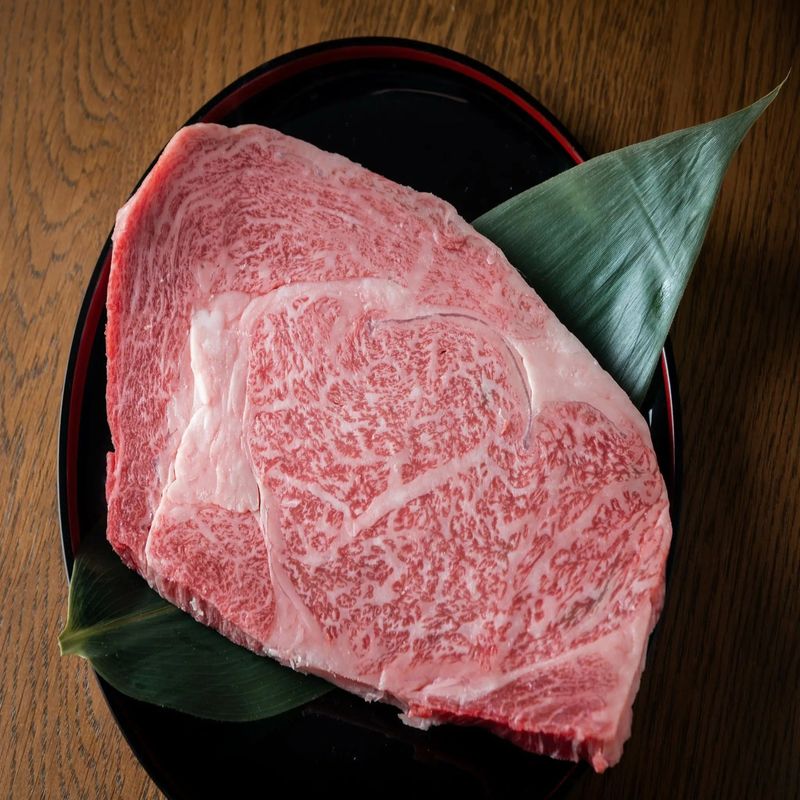
A single bite can cost more than a whole fast food meal. Wild, right?
Wagyu means Japanese cow. Its meat has lots of white fat marbling, which melts while cooking and makes the beef super tender and buttery.
Watch out, though. Some menus say wagyu-style or American wagyu, which is often mixed breed and cheaper.
True Japanese A5 wagyu is so rich that a few small slices are plenty for most people.
16. Lobster Bisque
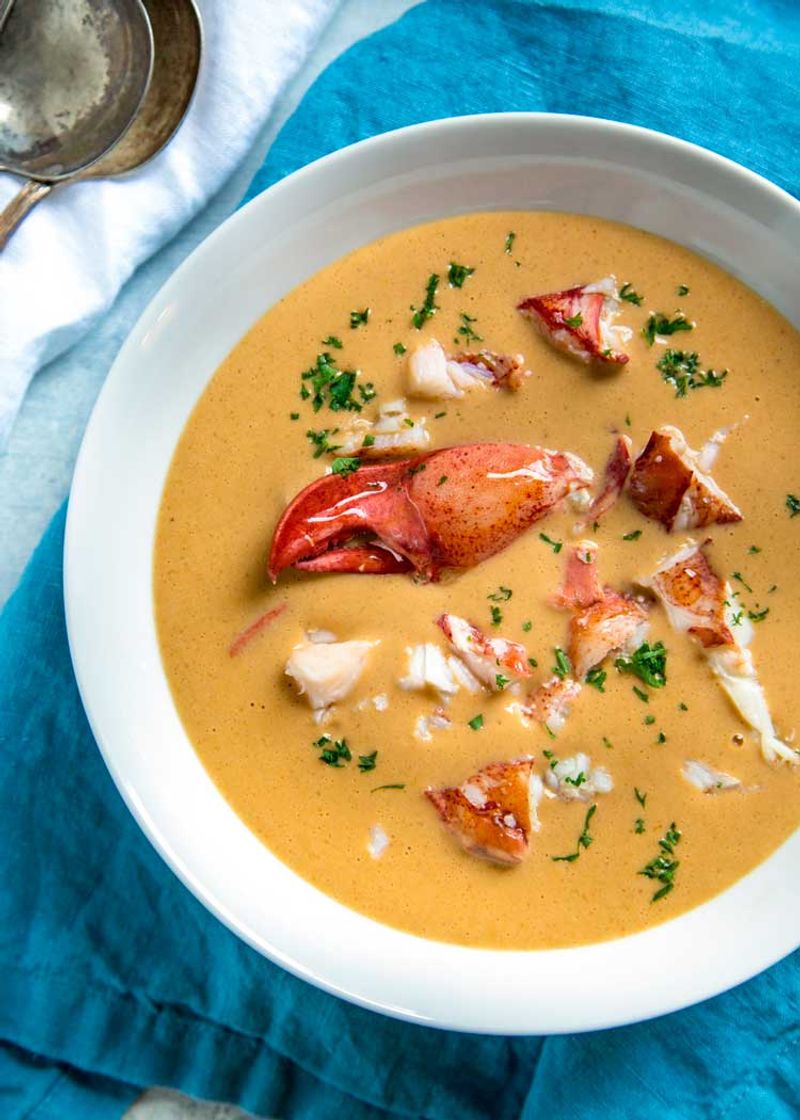
Soup does not usually feel like a luxury, but lobster bisque changes the game.
Bisque is a smooth, creamy French soup. Chefs simmer lobster shells to pull out every bit of flavor, then blend in cream, butter, and a splash of sherry.
That shell trick means you can enjoy lobster taste without paying for a whole lobster. It is a smart way to feel fancy on a budget.
Look for real chunks of meat floating on top.
17. Chateaubriand
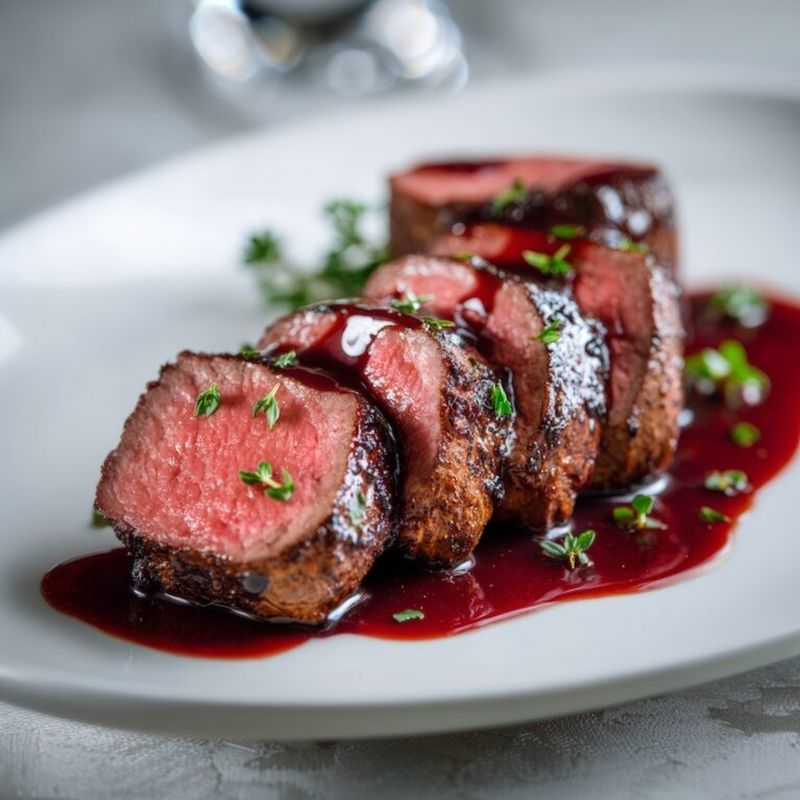
Date night calls for something special, and chateaubriand sounds like a royal feast.
It is actually a thick center cut of beef tenderloin, usually roasted and sliced for two people to share. The name comes from a French writer and politician from the 1800s whose chef supposedly created it.
It often arrives with béarnaise sauce and potatoes. Since it is meant for sharing, check the menu price carefully.
It is often listed per couple, not per person.
18. Bananas Foster
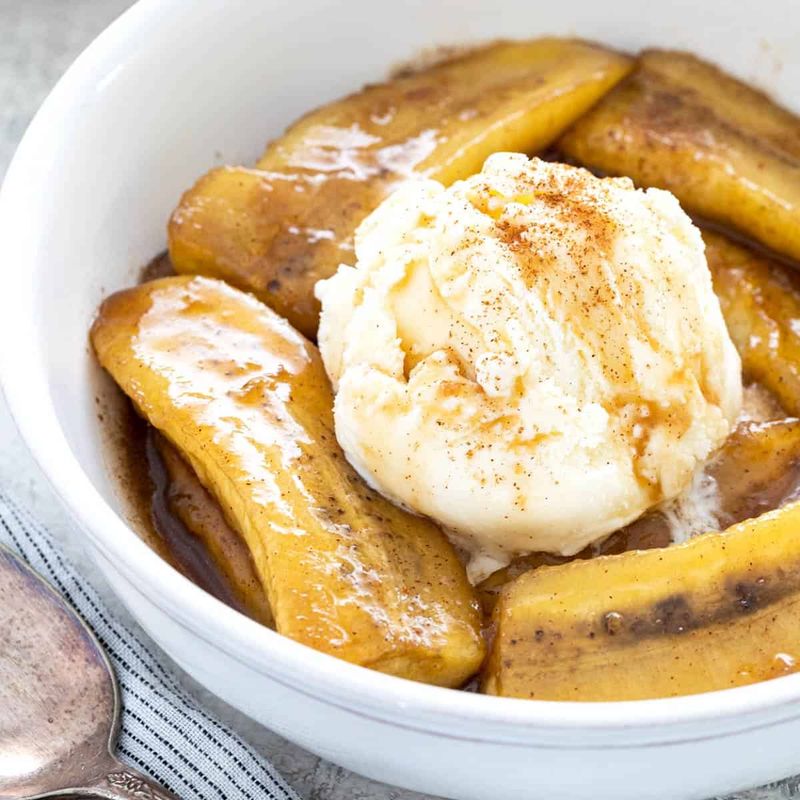
Whoosh! Flames shoot up right beside your table, and suddenly everyone in the room is watching.
Bananas Foster was invented in 1951 at Brennan’s in New Orleans. Bananas get cooked in butter, brown sugar, and cinnamon, then rum is lit on fire before everything gets spooned over vanilla ice cream.
Honestly, people order it for the show as much as the taste. The fire burns off most alcohol, leaving a warm, caramel sweetness behind.
19. Amuse-Bouche
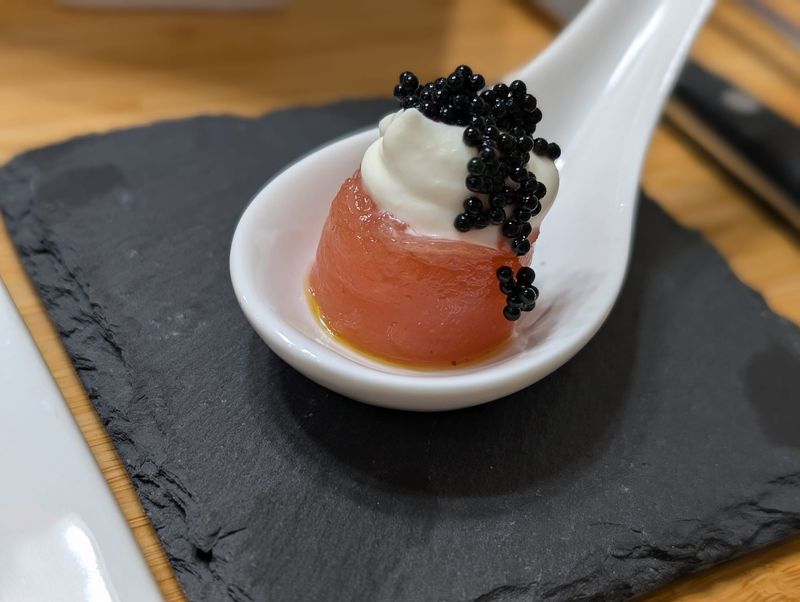
Surprise! The chef just sent out a free bite you never ordered.
An amuse-bouche, meaning mouth amuser in French, is a tiny one-bite snack served before the meal. It shows off the kitchen’s style and gets your taste buds ready.
You cannot really order it, which makes it feel even more exclusive. If you are offered one, eat it in a single bite.
Then thank your server, since it is a little gift from the chef.