
Every culture has its own rules about food, and some of them might surprise you. In one country, slurping noodles is polite, while in another, it could earn you a strange look.
Learning about these customs helps us understand people better and makes travel a lot more fun. Get ready to discover some of the most interesting ways people eat around the globe.
1. Loud Noodle Slurping in Japan
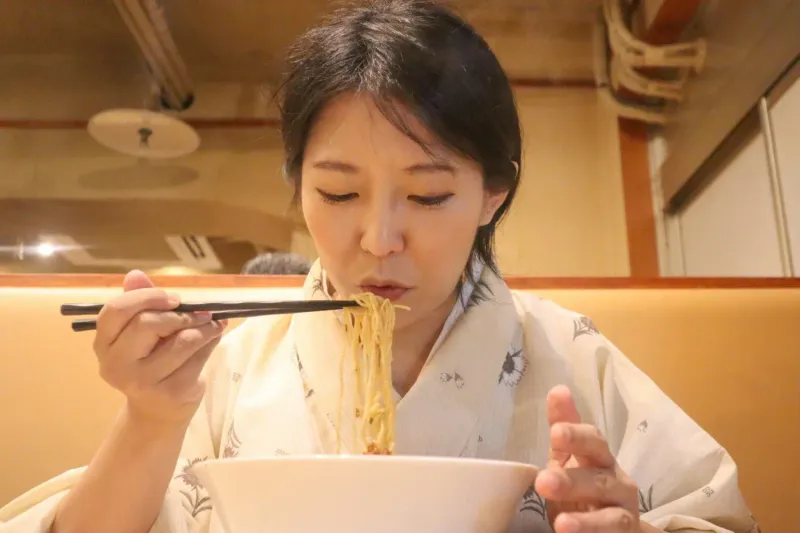
Picture a quiet ramen shop in Tokyo suddenly filled with loud slurps. Nobody looks annoyed.
In fact, the cook is probably smiling!
Slurping noodles in Japan shows you are enjoying your meal. It also cools down the hot broth so you do not burn your tongue.
If you ever visit, go ahead and slurp proudly. Staying silent might make the chef wonder if something was wrong with the food.
2. Eating With Your Right Hand in India
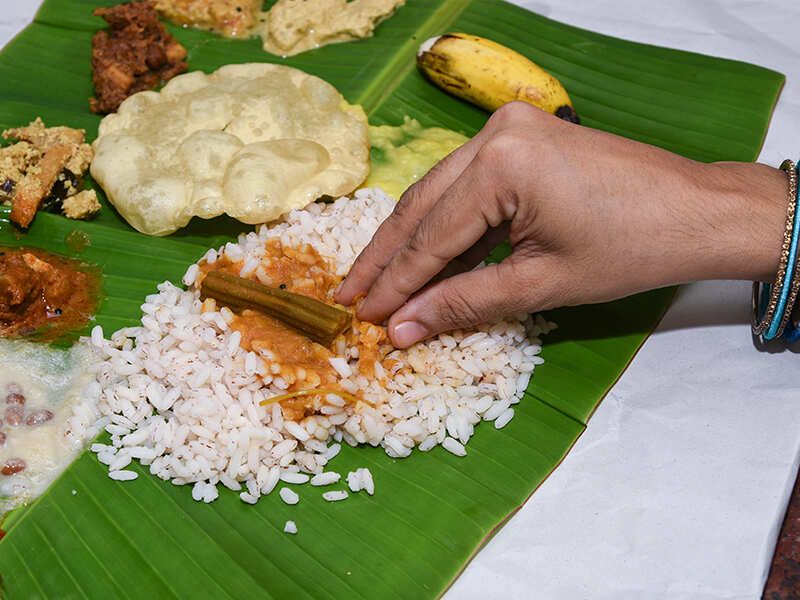
Forks are totally optional across much of India. Many families eat rice, curry, and flatbread using only their fingers.
Here is the key rule: always use your right hand. The left hand is traditionally linked with cleaning, so using it at meals feels rude.
Fans of this style say touching food makes it taste better. Try mixing rice and dal with your fingertips, and you might agree!
3. Burping as a Compliment in China
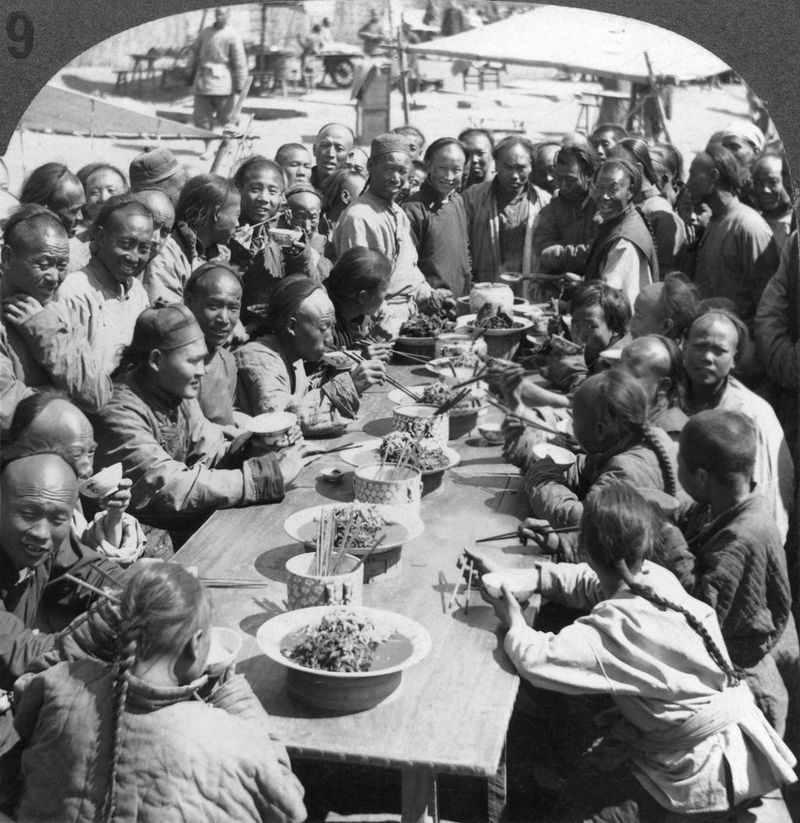
Your parents probably told you burping at the table is gross. In some parts of China, though, a small burp can actually be a thank-you.
A satisfied belch tells the host you ate well and felt full. It is more common among older generations and in rural areas.
Still, manners are changing in big cities. Watch what others do before you try it yourself!
4. Leaving Food on Your Plate in China
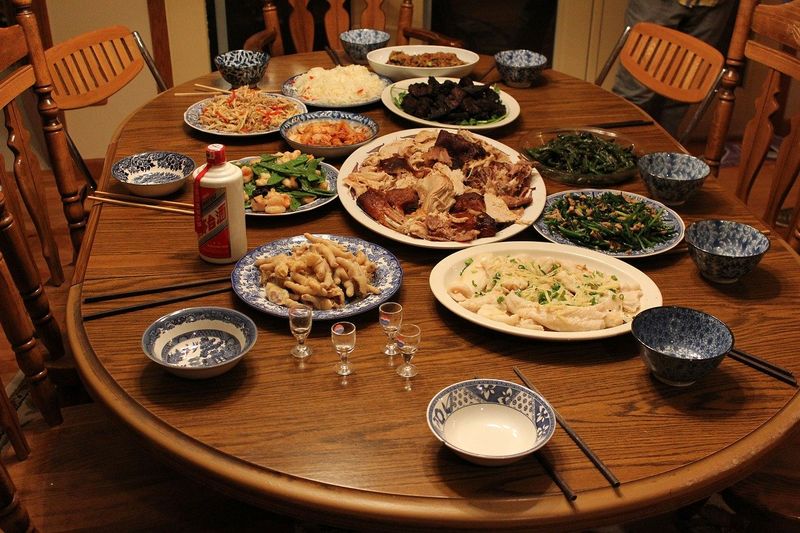
Cleaning your plate sounds polite, right? Surprisingly, in China it can send the wrong message.
An empty plate may tell your host they did not serve enough food. Leaving a little behind shows you were treated generously and are completely full.
Hosts take great pride in feeding guests well. So when dining with a Chinese family, leave a few bites as a quiet way of saying the meal was plenty.
5. Sharing Injera From One Big Platter in Ethiopia
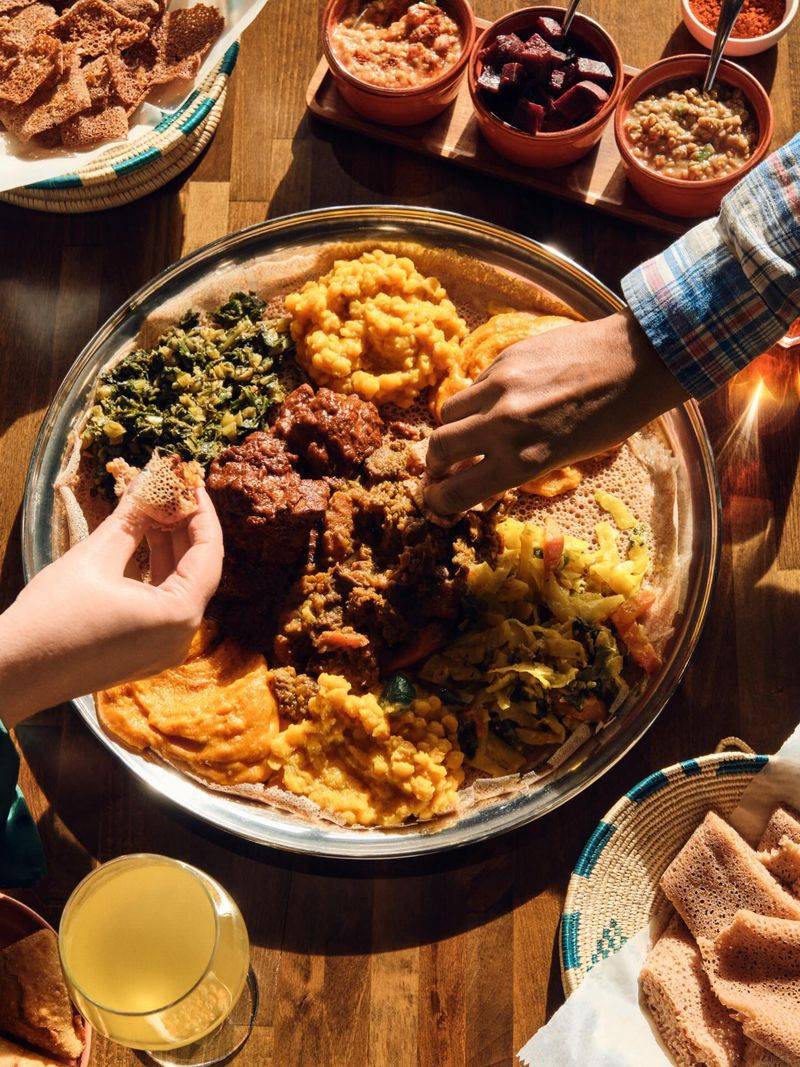
Imagine a giant, spongy pancake covered in colorful stews, and everyone digs in together. Welcome to an Ethiopian meal!
Injera works as both plate and spoon. You tear off a piece and scoop up the food with your right hand.
Friends sometimes feed each other a bite called gursha. It is a sweet sign of love and respect.
The bigger the bite, the stronger the friendship!
6. No Chopsticks Standing in Rice
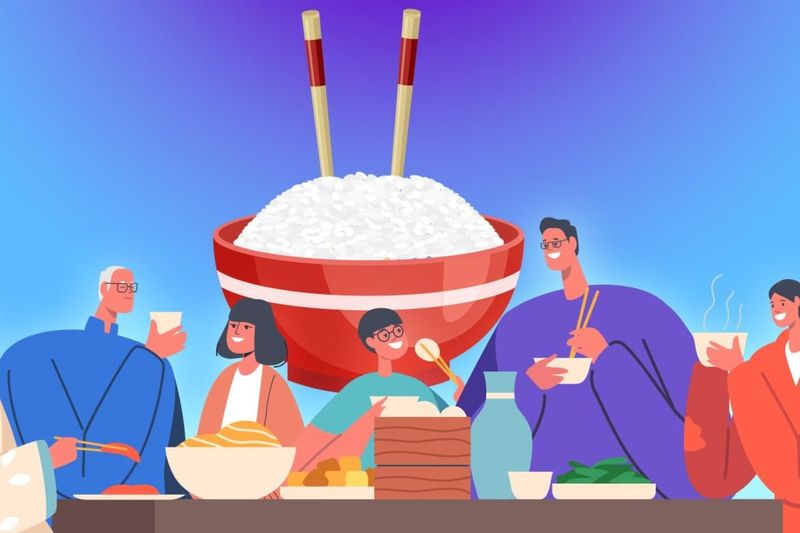
A pair of chopsticks stuck straight up in a rice bowl might look harmless. In Japan, Korea, and China, it is a big mistake.
That image looks like incense sticks used at funerals to honor the dead. So it reminds people of death during a meal.
The fix is easy. Rest your chopsticks across the bowl or on a little holder.
Your hosts will notice and appreciate it.
7. Keeping Hands Visible in France
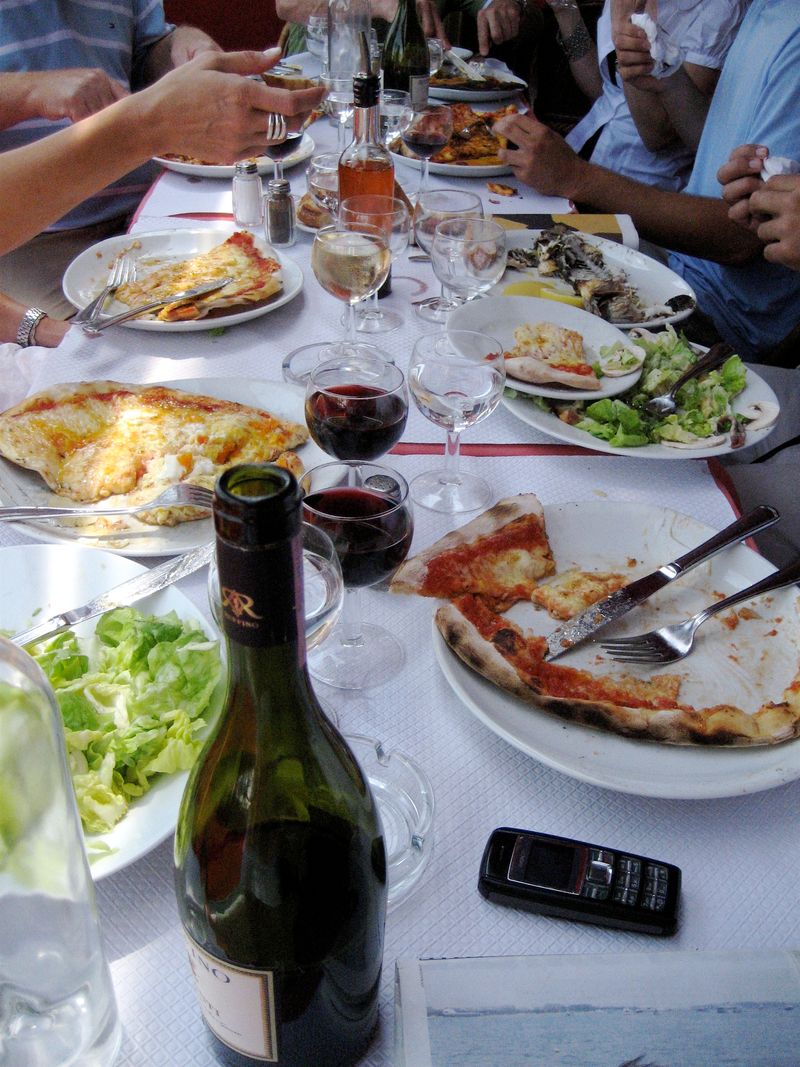
American kids often hear, keep your elbows off the table and hands in your lap. French manners say almost the opposite!
In France, you should keep your wrists resting on the table edge. Hiding your hands underneath was once seen as suspicious, as if you were up to something sneaky.
Elbows still stay off, though. Also, never cut your bread roll with a knife.
Just tear it by hand.
8. Never Pouring Your Own Drink in Korea
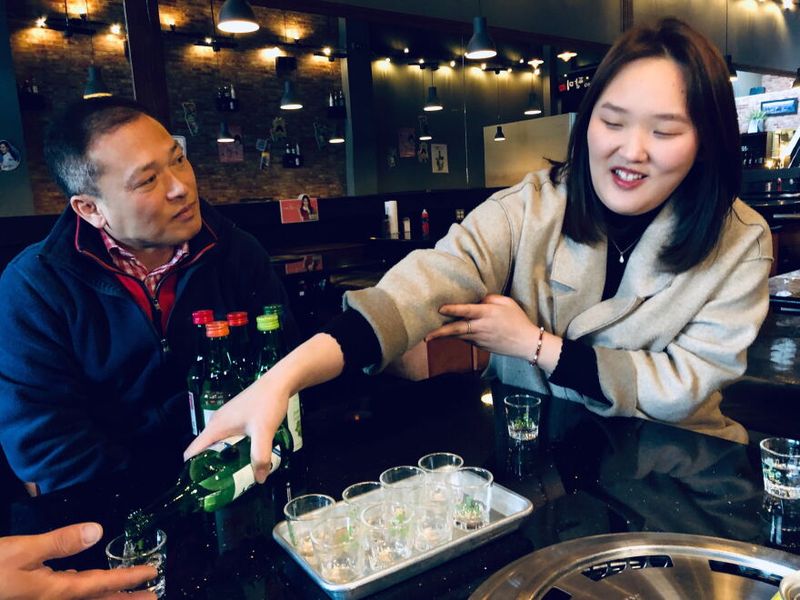
At a Korean dinner, your cup might stay empty if you reach for the bottle yourself. Pouring your own drink is considered a little lonely and impolite.
Instead, people pour for each other. Younger guests use both hands when serving elders, which shows respect.
Many Koreans also turn their head away when sipping in front of older people. These small gestures turn a simple drink into a moment of kindness.
9. Fish That Must Not Be Flipped in Southern China
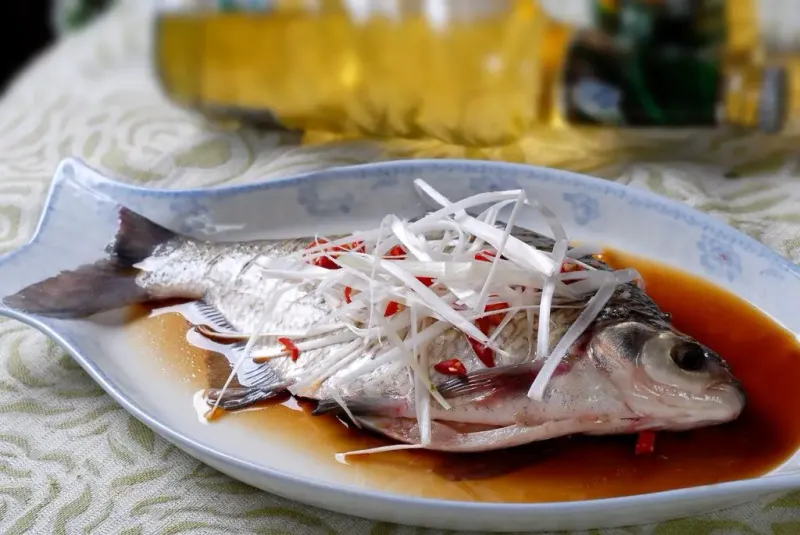
Fishermen have a funny superstition. In coastal areas of southern China, flipping a whole fish over on your plate is bad luck.
Why? Turning the fish looks like a boat capsizing.
Families with fishing jobs especially avoid it.
Instead, diners eat the top side, then gently lift away the bone to reach the meat below. It is a clever trick and a great story to share at your next seafood dinner.
10. Tipping Is Rude in Japan
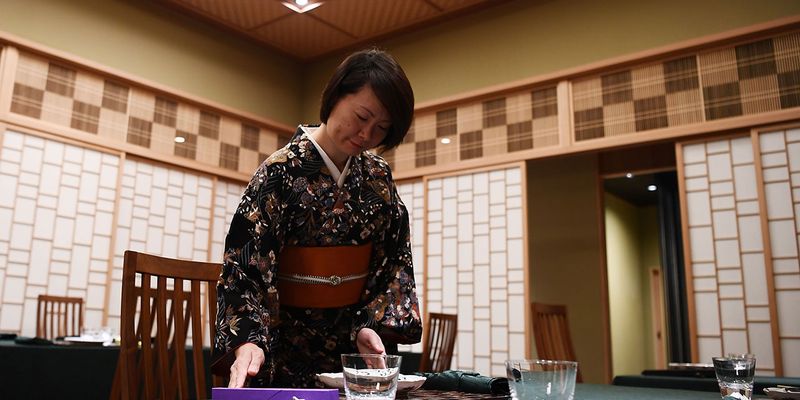
Leave extra money on a Japanese restaurant table, and the server may chase you down the street to return it!
Good service is simply expected in Japan, so tipping can feel awkward or even insulting. Staff take pride in doing great work without extra payment.
The best way to show thanks is to say gochisousama deshita after your meal. It means thank you for the feast, and it always earns a warm smile.
11. Salt Shaker Rules in Egypt
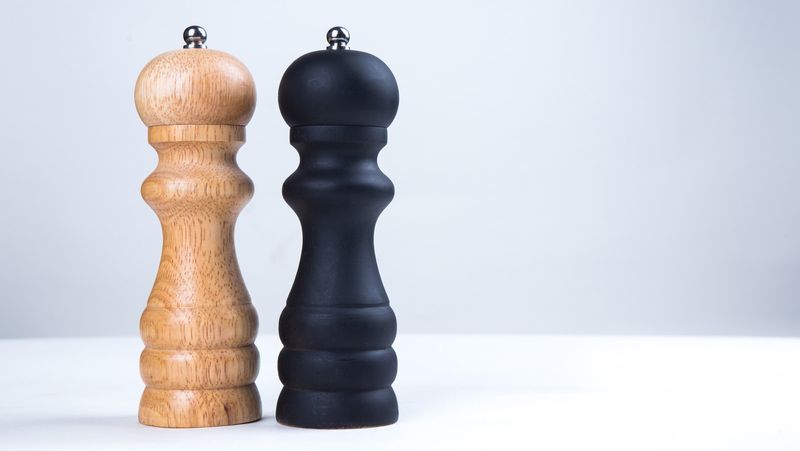
Here is a surprising tip for Egypt: think twice before grabbing the salt shaker.
Adding salt to food your host cooked can suggest the dish tasted bland. Many cooks take that as a quiet insult to their skills.
So taste first, then enjoy the meal as it is served. Praising the flavors out loud works even better.
Egyptian hospitality is famous, and kind words go a long way at the table.
12. Cheese-Stuck Fondue Penalties in Switzerland
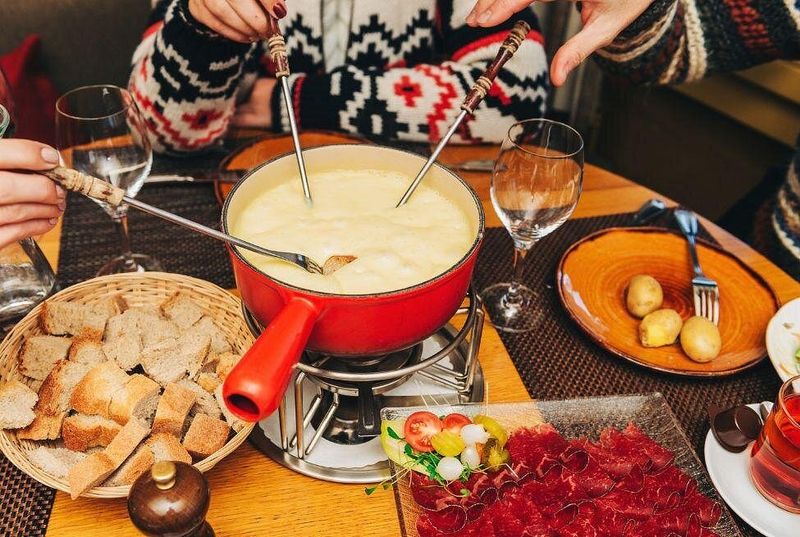
Drop your bread in the fondue pot, and you might have to pay up! Swiss fondue nights come with playful penalties.
Depending on the group, the clumsy diner may buy the next round of drinks, sing a song, or even kiss a neighbor.
Also, never double dip your fork. Fondue forks are just for dipping, not eating.
These silly rules keep the evening full of laughter and friendly competition.
13. Thai Spoon Over Fork Habit
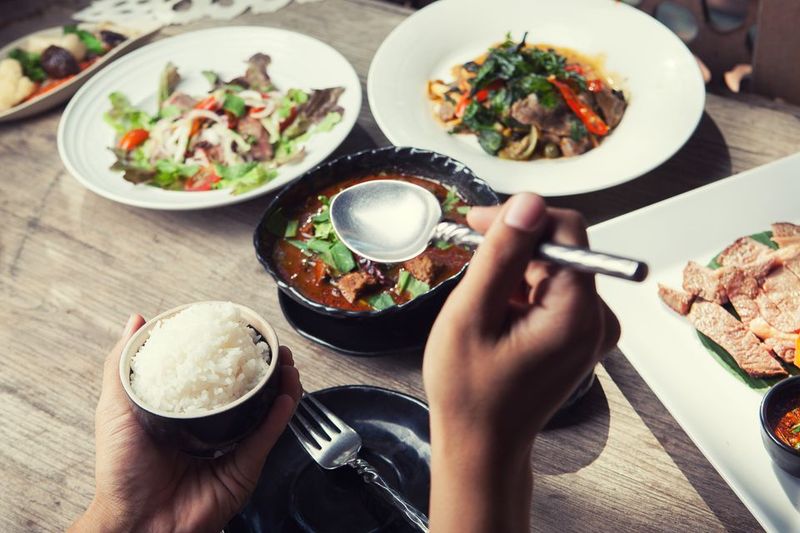
Watch locals eat in Bangkok, and you will notice something odd. The fork almost never reaches their mouth!
In Thailand, the spoon does the real work. The fork, held in the left hand, simply pushes food onto the spoon.
Putting a fork in your mouth looks as strange there as licking a knife would here. Knives are rarely needed, since Thai dishes come in bite-sized pieces.
14. Holding Your Glass Low in Georgia
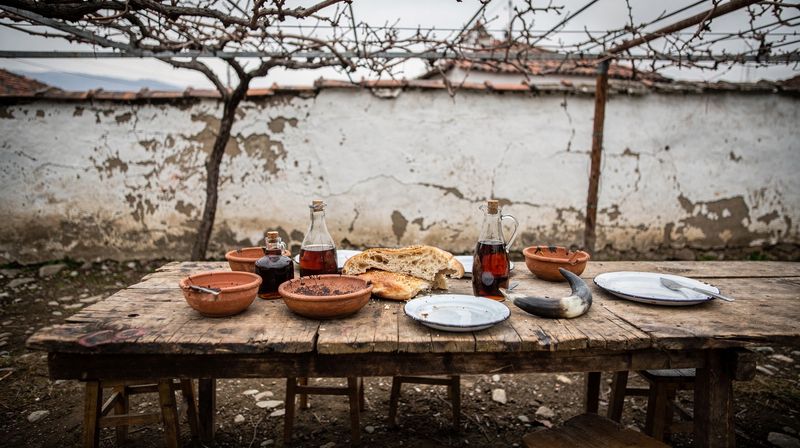
Some dinners come with a leader. In the country of Georgia, big feasts called supras are guided by a toastmaster known as the tamada.
The tamada gives long, heartfelt toasts about family, friends, peace, and loved ones who have passed. Guests drink only after each toast.
A supra can last for hours. It feels less like a meal and more like a celebration of life itself.
15. Bread Is Sacred in the Middle East
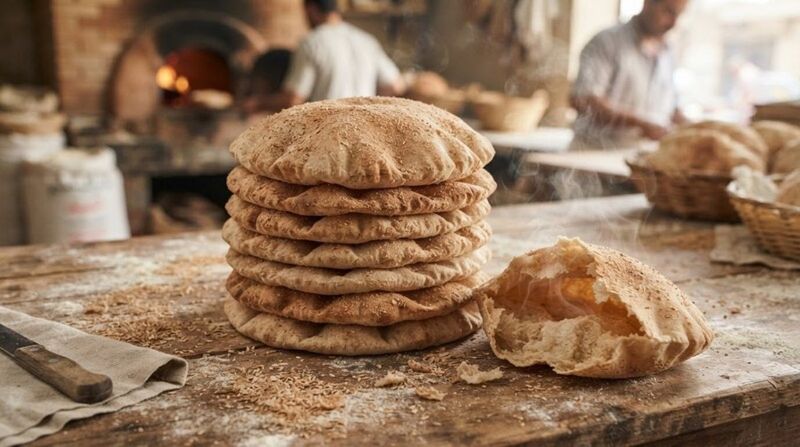
Ever seen someone kiss a piece of bread? Across many Middle Eastern countries, bread is treated as a gift from God.
Throwing it in the trash is deeply disrespectful. If bread falls on the floor, some people pick it up, kiss it, and touch it to their forehead.
Leftovers are often fed to birds or turned into new dishes like fattoush salad. Nothing goes to waste.
16. Eating Spaghetti Without a Spoon in Italy
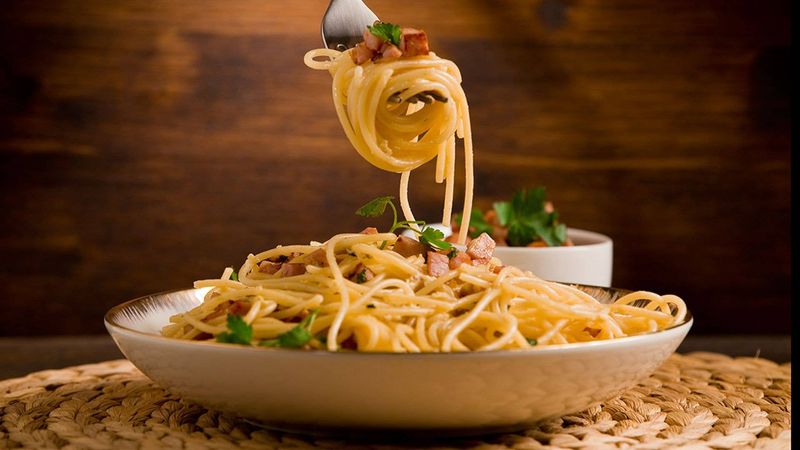
Ask an Italian grandmother about twirling pasta with a spoon, and prepare for a dramatic sigh.
In Italy, adults twirl spaghetti using just a fork against the plate. Spoons are mostly for little kids still learning.
Another surprise: cappuccino is a morning drink only. Ordering one after lunch or dinner marks you as a tourist instantly.
Italians believe milk after a big meal upsets digestion.
17. Accepting Food With Both Hands in Korea and Japan
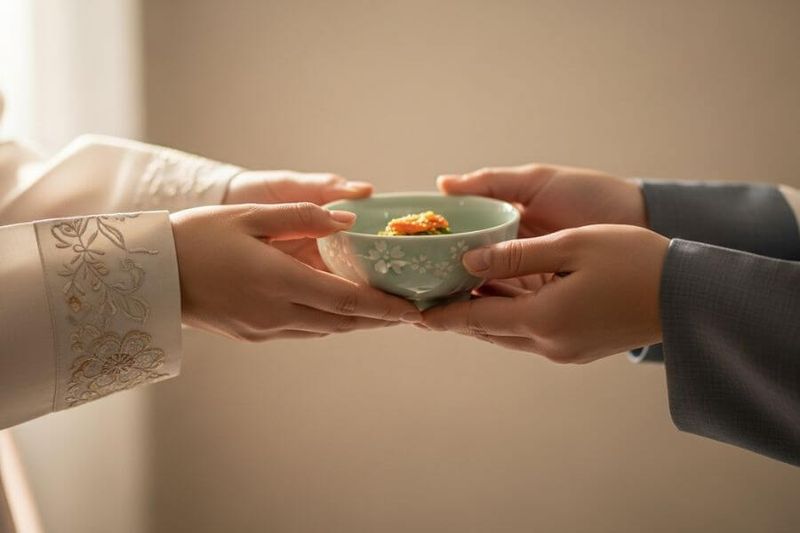
Small gestures can speak loudly. When someone hands you a plate or cup in Korea or Japan, take it with both hands.
Using two hands shows respect and gratitude, especially toward elders. Grabbing with one hand can seem careless.
Kids in these cultures learn this early. It is a simple habit you could even practice at home.
Your grandparents might just notice and feel extra appreciated!
18. Late-Night Dinners in Spain
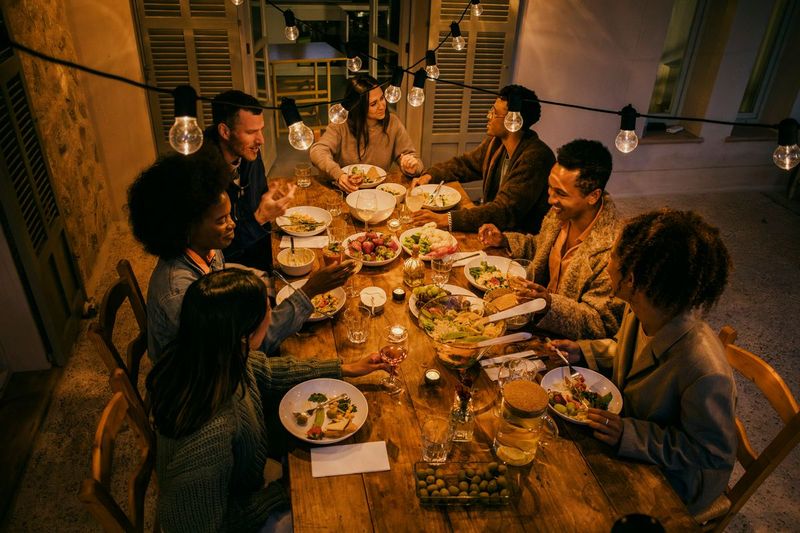
Hungry at 6 p.m.? Good luck finding dinner in Spain!
Most restaurants there barely open their kitchens before 8:30.
Spaniards often eat dinner around 9 or even 10 at night. Lunch is the big meal, usually eaten around 2 in the afternoon.
To survive the wait, people snack on tapas in the early evening. It is a relaxed way of life that makes evenings feel long and social.
19. Finger Feasts With Fufu in West Africa
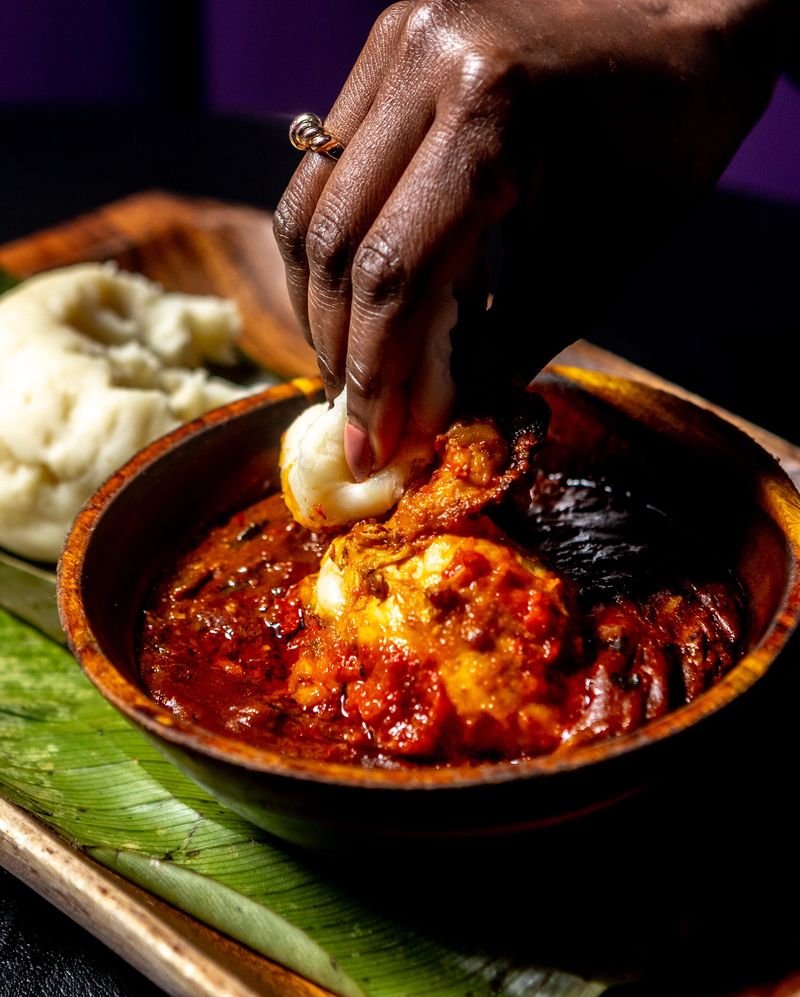
Soft, stretchy, and warm, fufu is a beloved staple in Ghana, Nigeria, and nearby countries. It is made from pounded cassava, yams, or plantains.
You pinch off a small ball with your right hand, press a dent into it, and scoop up soup. Here is the fun part: you swallow it without chewing!
Locals say chewing ruins the smooth texture. Sharing a bowl with family makes it even better.