
A good sushi meal starts with clues you can spot before taking a bite. The counter, menu, and staff can tell you a lot about how carefully a restaurant handles its food.
Knowing what to look for helps you choose a place that values both flavor and safety. A little attention before ordering can save you from a disappointing dinner.
1. Spotless Counters Set the Standard
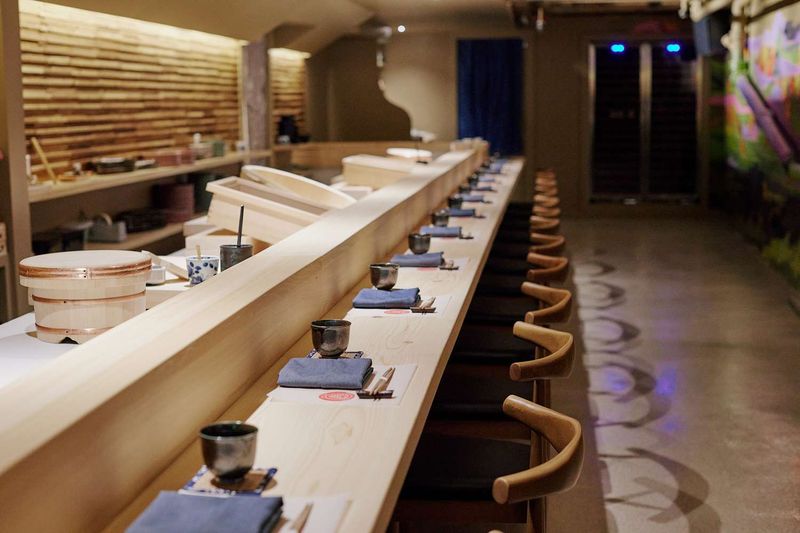
Your first clue might be right under your elbows. A clean sushi counter, tidy tables, and spotless dishes show that someone pays attention to everyday details.
Sticky menus or food scraps left around deserve a closer look.
Check the visible preparation area, too. Tools should look clean, and dirty dishes should stay away from fresh ingredients.
A sparkling dining room cannot prove food safety, but consistent cleanliness is a useful starting point before choosing your meal.
2. A Clean Smell Welcomes You

A sushi restaurant should not announce itself with a strong fish smell. Fresh seafood usually has little odor, sometimes carrying a faint scent like the ocean.
Sour, rotten, or ammonia smells are reasons to leave rather than gamble.
Notice whether heavy perfume or cleaning scents seem to cover something unpleasant. Cooking smells are normal, especially near grilled dishes, so use judgment.
Your nose offers a warning signal, not a reliable test that seafood is safe.
3. Displayed Fish Looks Carefully Maintained
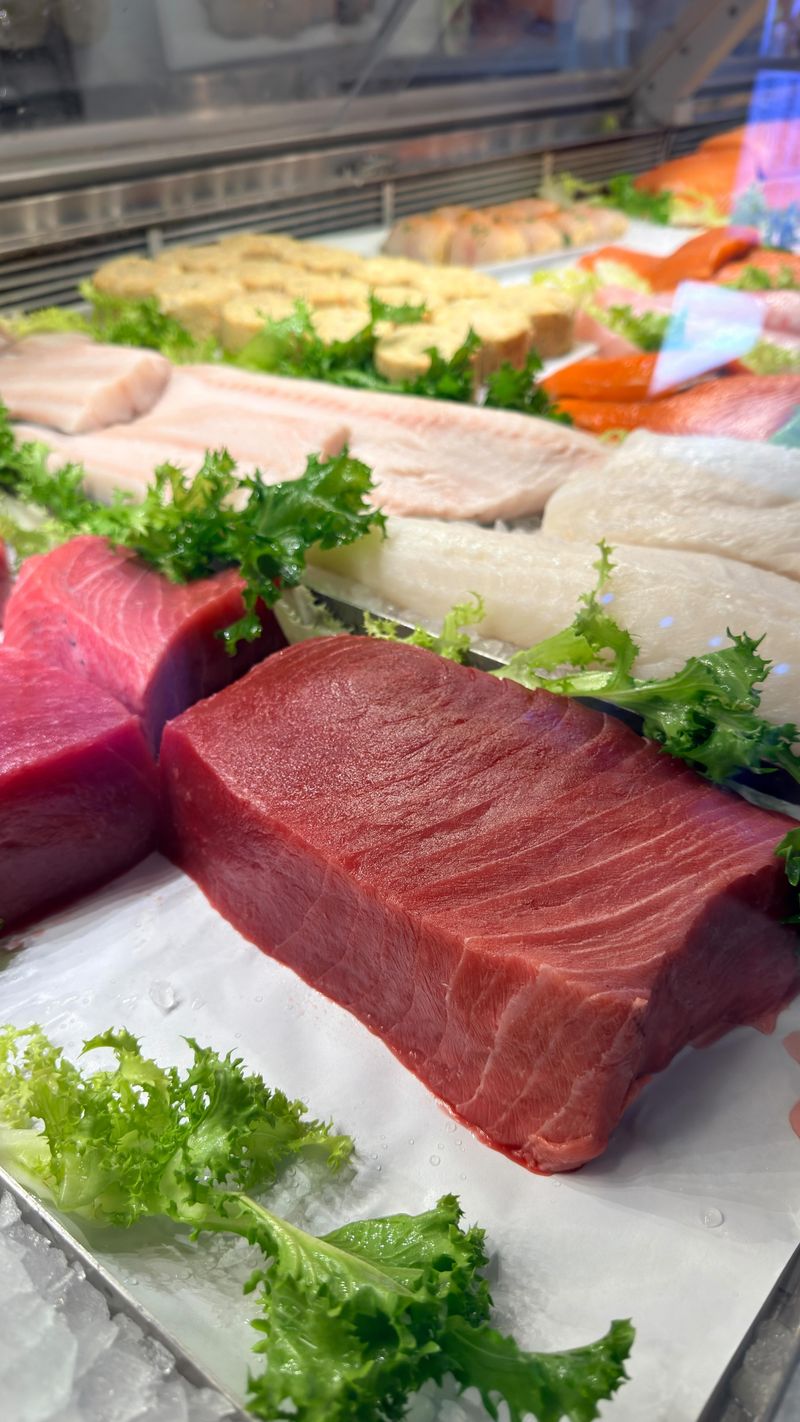
Take a quiet glance at the fish case before settling in. Seafood should look moist and well cared for, without dried edges or obvious discoloration.
Salmon often has clear fat lines, while many whitefish have a slightly translucent appearance.
Color varies by species, cut, and treatment, so bright fish alone proves little. Avoid treating appearance as a safety guarantee.
Instead, combine what you see with clean storage, sensible handling, and clear answers from the staff.
4. Seafood Stays Properly Chilled

Beautiful fish needs more than a pretty display. Watch whether seafood stays in refrigerated cases or returns to cold storage between tasks.
Long stretches on a warm counter should raise concerns, especially when the restaurant is quiet.
You can ask how the kitchen monitors storage temperatures. A clear answer about refrigeration and regular checks is reassuring.
Ice may help keep seafood cold, but an attractive ice bed alone does not show that temperatures are properly controlled.
5. Sourcing Questions Get Real Answers
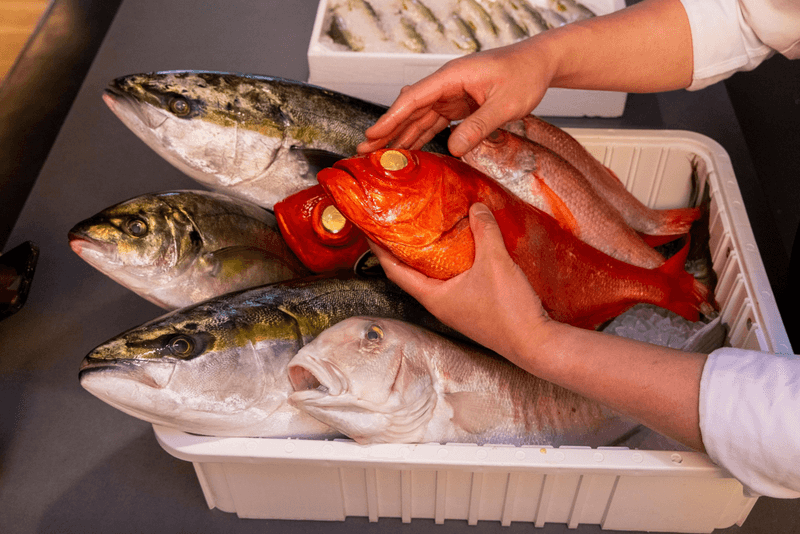
Where did tonight’s fish come from? A thoughtful restaurant can usually name a supplier, region, or farming source, even if the server needs to check with the chef.
Specific information means more than vague claims about premium seafood.
Ask which choices are seasonal and whether sourcing changes with availability. Sustainability depends on the species and how it was caught or raised.
Honest limits and careful explanations are stronger signs than promises that every option is perfect.
6. Freezing Is Explained Without Hype
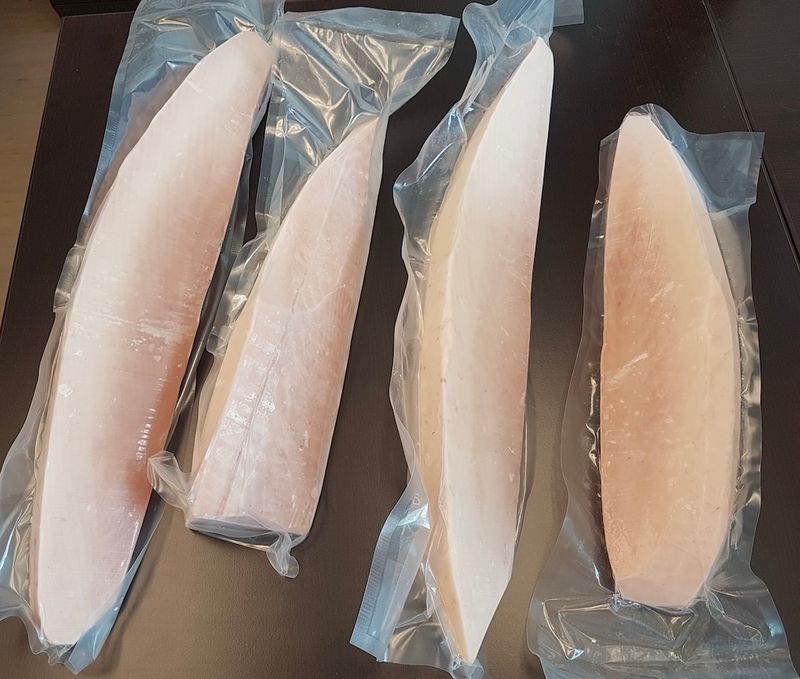
Never frozen is not automatically a compliment when raw fish is involved. Certain fish need freezing under specific time and temperature rules to control parasites.
Other fish may qualify for exemptions, depending on species and how they were raised.
Ask how the restaurant handles that requirement. Staff should offer a sensible explanation rather than relying on the label sushi grade.
Freezing does not remove every hazard, so careful thawing, refrigeration, and clean preparation still matter greatly.
7. The Chef’s Workspace Is Easy to Watch
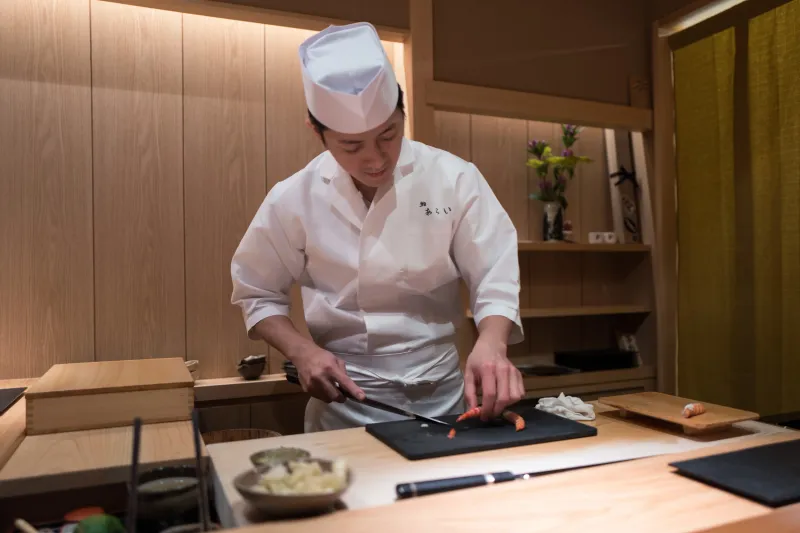
A seat at the counter can reveal more than a menu photo. An open preparation area lets you watch ingredients being sliced and sushi being assembled.
Look for orderly tools, protected ingredients, and a steady, careful pace.
Visibility is helpful, but it is not a requirement for excellent sushi. Some good restaurants use closed kitchens.
When preparation is on display, judge the actual habits you see rather than assuming that an open counter guarantees quality.
8. Handwashing Is Part of the Routine
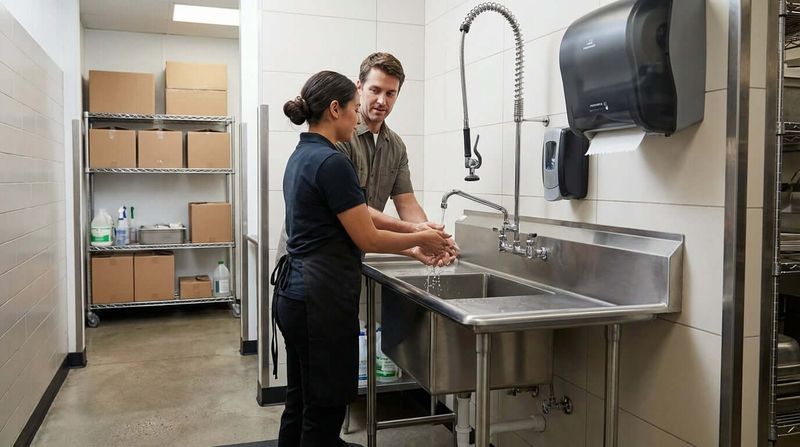
Hands tell a story when the kitchen gets busy. Watch for washing after handling dirty items, touching a phone, or switching tasks that could spread germs.
Gloves should also be changed when needed, not worn through every job.
Bare hands alone are not enough to judge a restaurant, since local rules and approved practices differ. The stronger clue is whether workers prevent contamination.
Handling money and then touching ready food without proper cleaning deserves your attention.
9. Knife Work Looks Calm and Precise
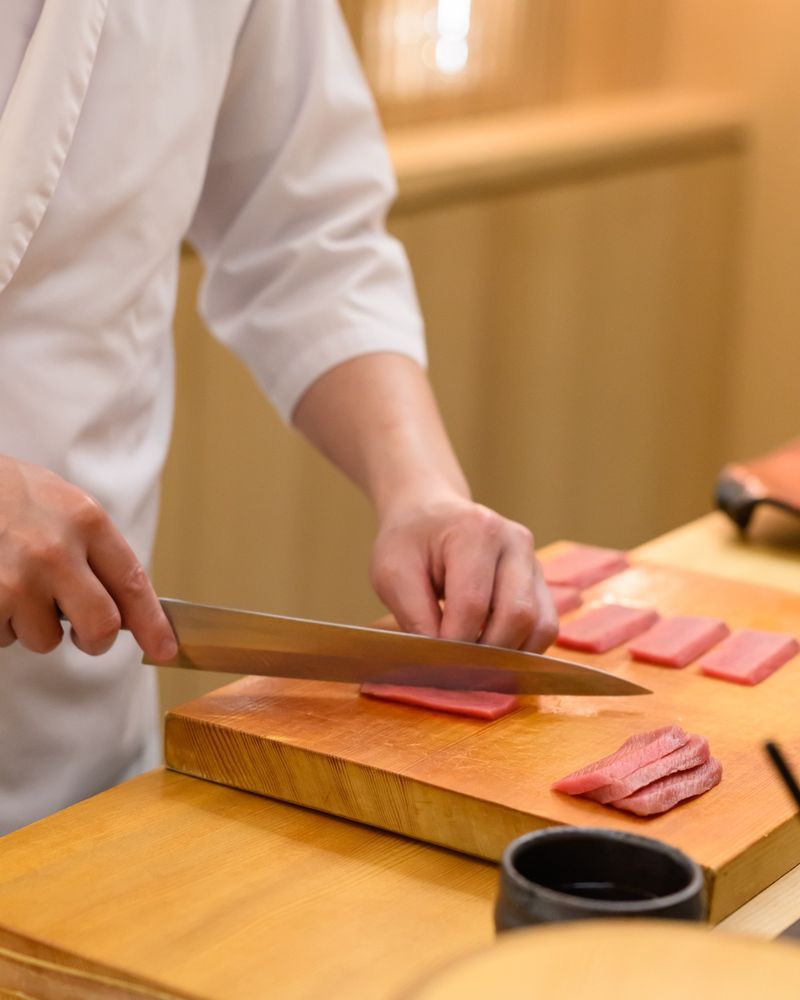
No flashy knife tricks are needed to show skill. Smooth cuts, a stable board, and neat slices suggest the chef understands the ingredients.
Ragged edges and crushed fish can point to poor technique or tools needing attention.
Watch a few pieces being prepared for other diners. Cuts may differ because each fish has its own texture, so identical shapes are not always the goal.
Careful handling and thoughtful portions matter more than speed or dramatic movements.
10. Rice Receives Its Own Attention

The rice is not just a platform for fish. Ask what kind the kitchen uses and how it is prepared.
Japanese short grain rice is a common choice because it holds together while keeping a pleasant, tender texture.
At the counter, watch for gentle handling instead of heavy squeezing. Visible grains and lightly shaped portions suggest care.
You cannot judge seasoning before tasting, but staff should understand that vinegar, salt, and sweetness need a thoughtful balance.
11. Rice Temperature Has a Thoughtful Explanation

Cold, hard rice can flatten an otherwise lovely bite. Many sushi styles use rice that feels slightly warm or near room temperature, although chef preferences vary.
Before ordering, ask whether pieces are made fresh rather than stored ready assembled.
Warm holding also needs a safety plan. Restaurants may use approved acidification methods or controlled holding times under local rules.
A confident explanation beats the simple claim that rice always sits out because tradition says it should.
12. Seasonal Specials Reflect Real Availability
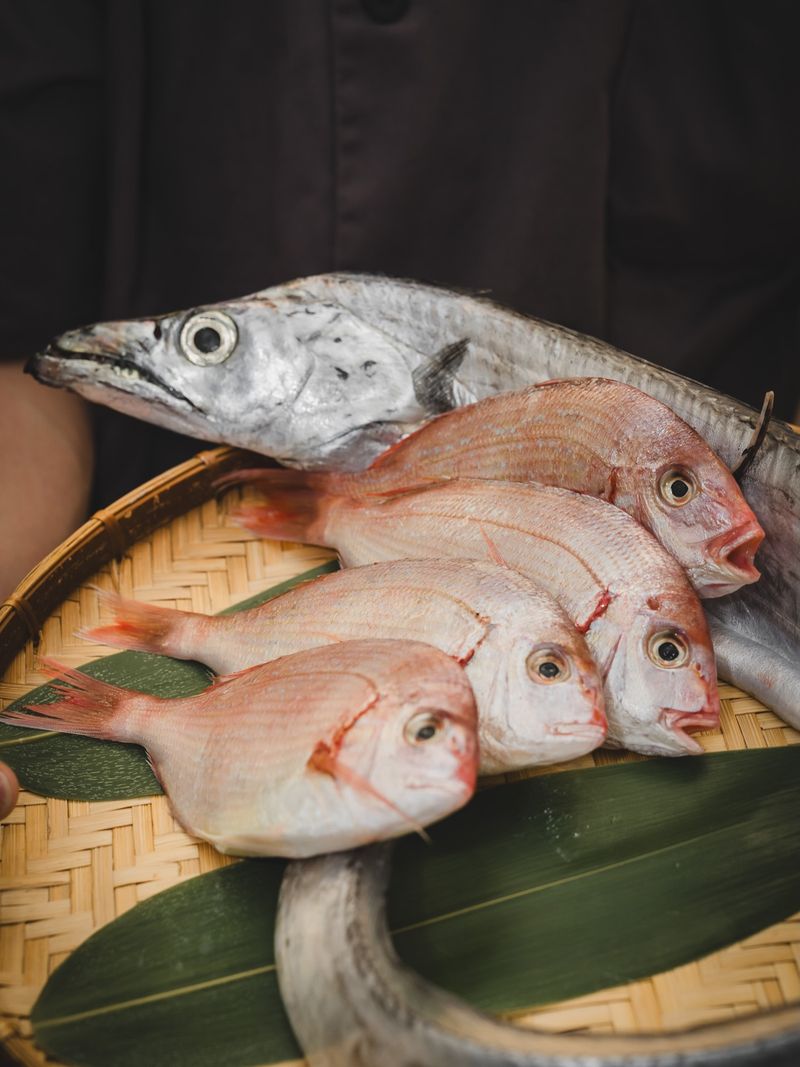
A changing specials board can be a welcome sight. It suggests the kitchen responds to what suppliers can provide rather than promising every fish every day.
Ask what arrived recently or which selection the chef recommends right now.
Sometimes the best answer is that a favorite fish is unavailable. Refusing to serve a disappointing ingredient shows restraint.
Seasonal choices are not automatically better or safer, but clear reasons for menu changes can reveal a thoughtful buying approach.
13. Simple Options Let Ingredients Shine
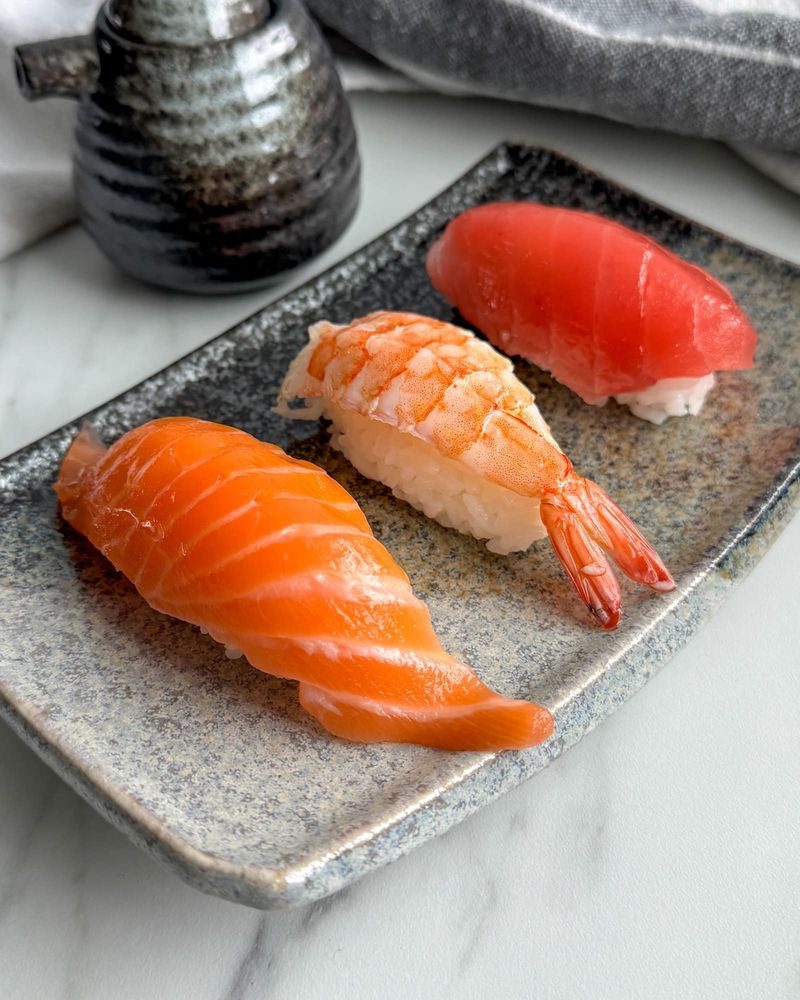
A menu does not need fireworks to sound delicious. Plain nigiri and sashimi give seafood a chance to stand on its own, with fewer toppings covering its flavor.
Their presence gives you straightforward choices when judging a new restaurant.
Creative rolls can still be excellent, and a large menu is not proof of poor quality. Look for clear ingredient descriptions and options beyond heavy sauces.
A focused selection often makes it easier to ask useful questions.
14. Plates Show Balance, Not Just Size
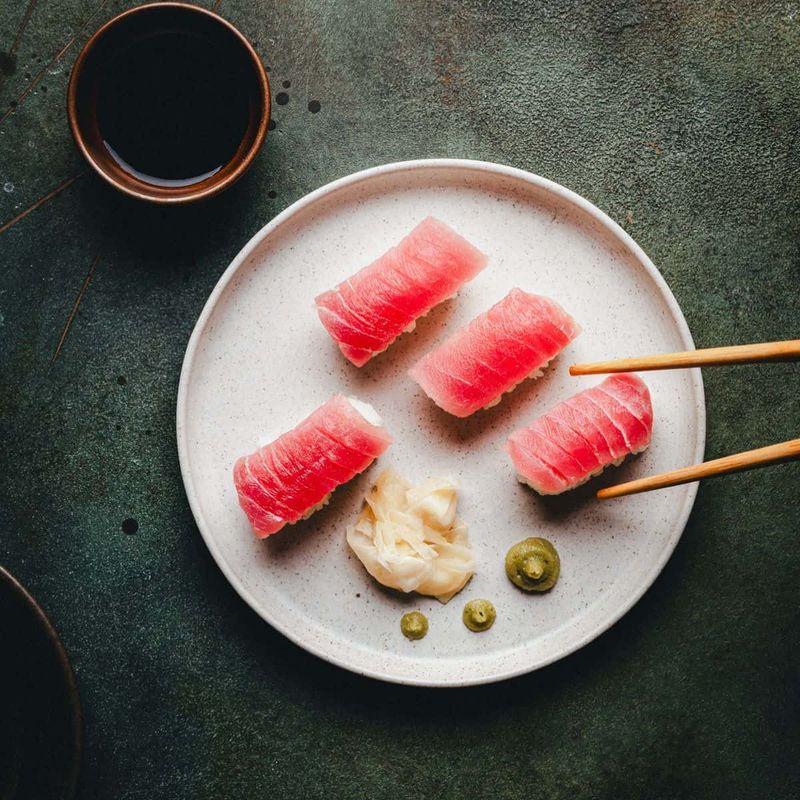
Peek at a passing plate without judging anyone’s dinner. Neat rolls, carefully placed fish, and reasonable portions suggest that presentation matters.
Nigiri should look balanced rather than like a mountain of rice wearing a tiny seafood hat.
Styles and serving sizes vary, so there is no single perfect shape. Watch for consistent care across several plates instead.
Clean rims and tidy assembly are useful clues, while oversized portions alone say little about freshness, safety, or flavor.
15. Staff Take Questions and Allergies Seriously

A helpful server makes choosing dinner feel easier, not awkward. Ask about unfamiliar fish, raw ingredients, or how a dish is prepared.
Good staff explain clearly or check with the kitchen instead of guessing to sound confident.
If you have an allergy, notice whether they discuss ingredients and shared equipment honestly. No restaurant should promise safety without understanding the risk.
Respectful answers, realistic limits, and useful alternatives show more care than a cheerful but empty reassurance.
16. Recent Reviews Match What You See
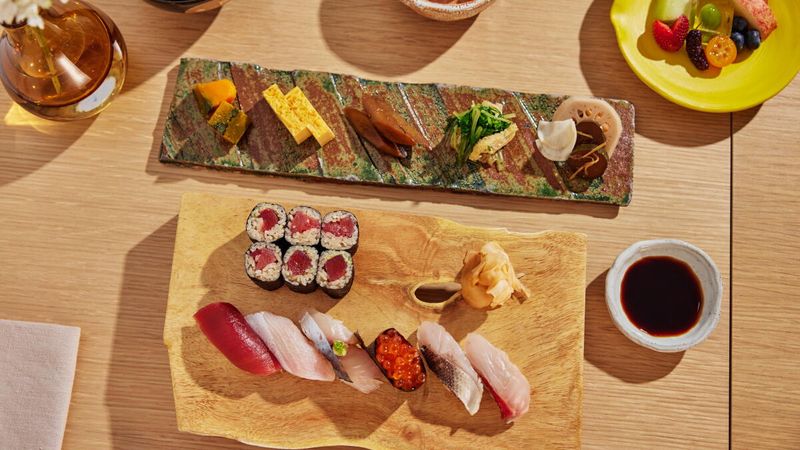
Before walking in, scan recent reviews for patterns rather than one glowing rating. Repeated comments about clean surroundings, careful service, and consistent meals are more useful than praise based only on huge portions or bargain prices.
A busy dining room can suggest steady ingredient turnover, but popularity does not prove safe handling. Compare online feedback with your own observations.
Where available, check official inspection reports too, remembering that a report reflects conditions at a particular time.