
Some foods cost more than a fancy dinner for a whole family, and people still line up to taste them. From rare fish eggs to fruit grown with special care, the world is full of treats that are pricey for a reason.
Learning about these foods teaches us about history, farming, and the hard work behind every bite. Get ready to explore the dishes that food lovers save up for and dream about.
1. Beluga Caviar
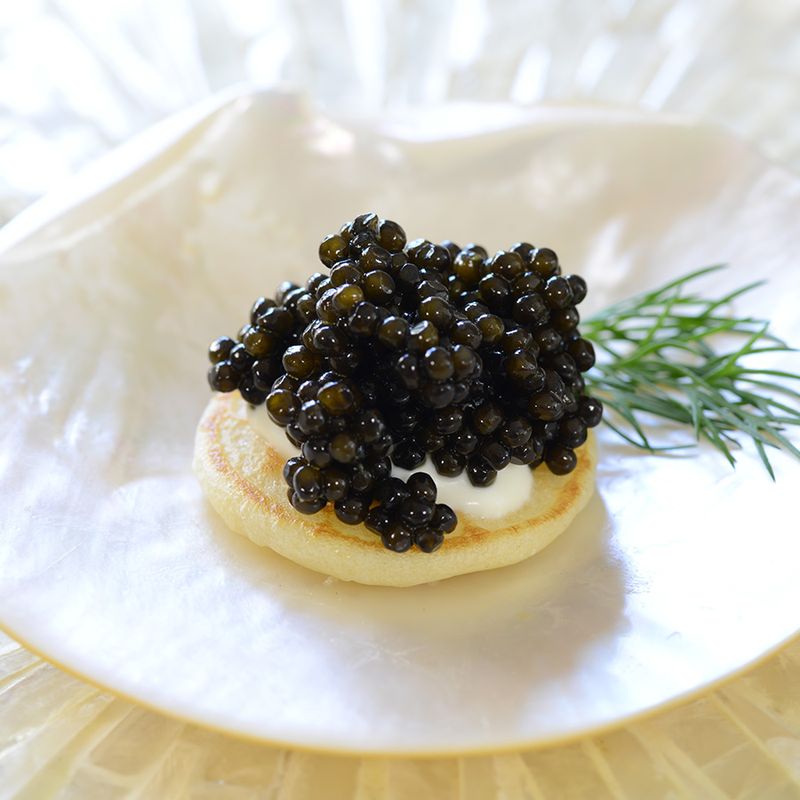
Tiny gray pearls that pop on your tongue can cost thousands of dollars per pound. Beluga caviar comes from the beluga sturgeon, a giant fish found mainly in the Caspian Sea.
Overfishing made wild beluga very rare, so most caviar today comes from fish farms. The taste is buttery, salty, and smooth.
Try a small spoonful served on a mother-of-pearl spoon, since metal spoons can change the flavor.
2. White Truffles from Alba
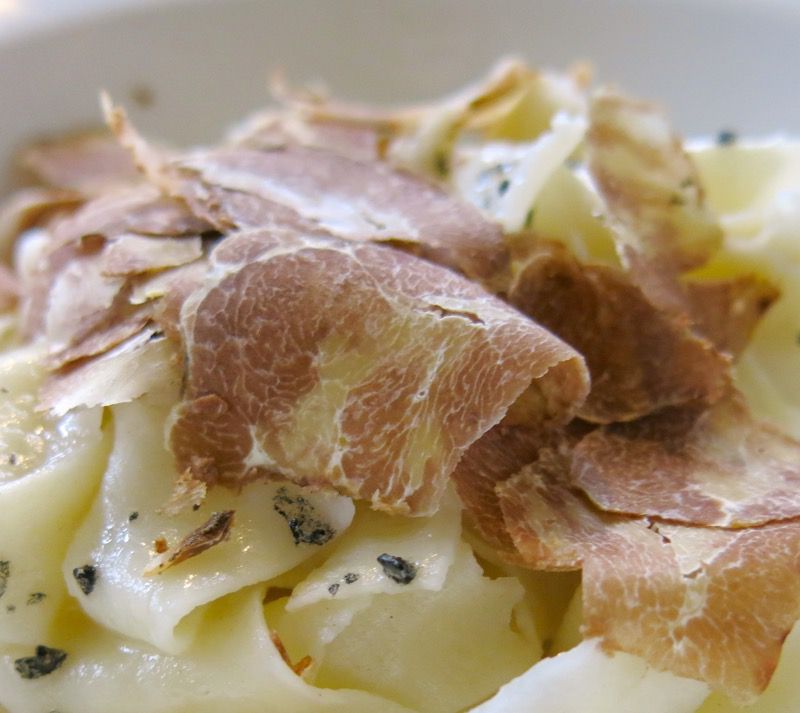
Picture a dog sniffing through an Italian forest at dawn, hunting for treasure. That treasure is the white truffle, a knobby fungus that grows underground near Alba, Italy.
Farmers cannot grow them, which is why prices can top several thousand dollars per pound. Their smell is earthy and garlicky.
Visit during the autumn truffle fair, or simply order fresh pasta with a few thin shavings on top.
3. Wagyu Beef from Kobe
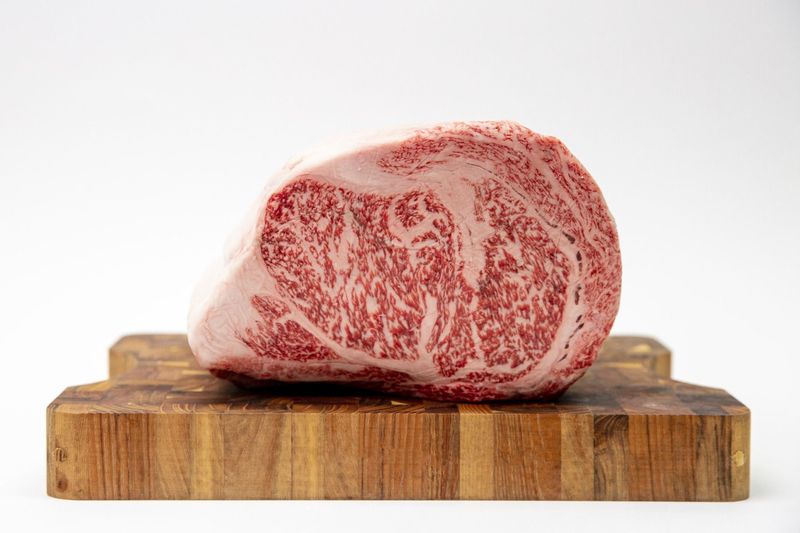
Fun fact: real Kobe beef must come from Tajima cattle raised in Hyogo, Japan. Only a few thousand cows qualify each year.
The meat has white streaks of fat called marbling, which melt while cooking and make each bite super tender. Many restaurants abroad sell fake versions, so check for official certification.
A small portion goes a long way, because the richness fills you up fast.
4. Bluefin Tuna Sushi
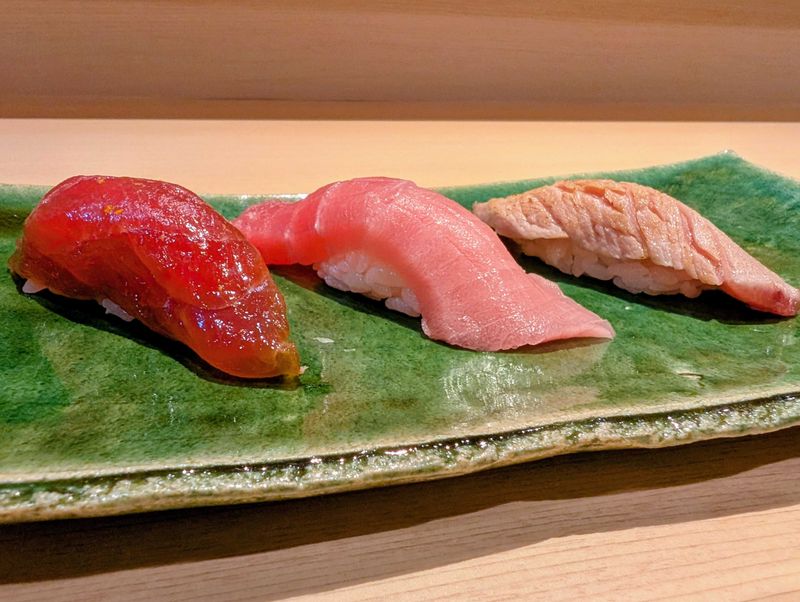
In 2019, one bluefin tuna sold at a Tokyo auction for over three million dollars. Yes, a single fish!
The fattiest part, called otoro, comes from the belly and melts almost like butter. Sushi chefs slice it carefully and serve it on a small bed of rice.
Since bluefin numbers have dropped, look for restaurants that buy from responsible fisheries. Your taste buds and the ocean will both thank you.
5. Saffron Dishes
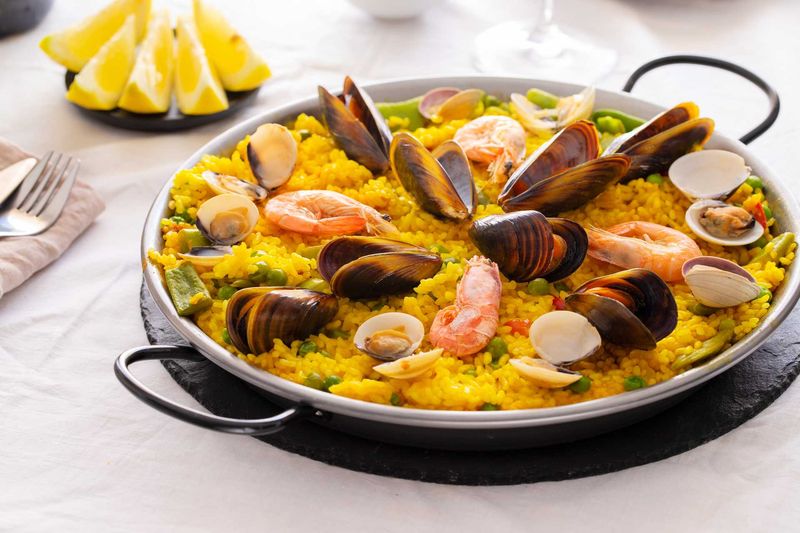
Ever wondered why a pinch of red threads costs so much? Saffron comes from crocus flowers, and each bloom gives only three tiny strands.
Workers pick them by hand, and it takes about 75,000 flowers to make one pound. That patience creates a golden color and a honey-like smell.
Taste it in Spanish paella, Persian rice, or Indian sweets. A little goes a long way, so never overdo it.
6. Foie Gras
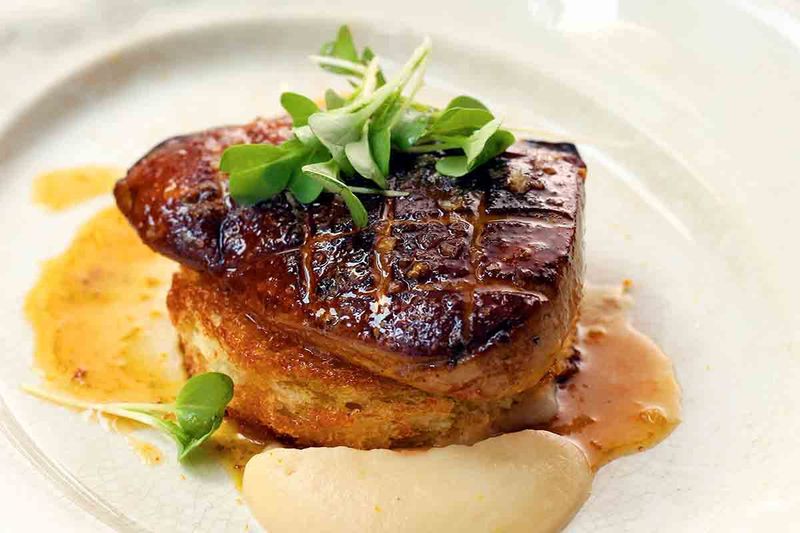
French chefs have treasured foie gras for centuries. The name means fat liver, and it comes from ducks or geese.
When seared in a hot pan, it turns crispy outside and silky inside. Many people pair it with sweet fruit jam or toasted bread.
Some places have banned it because of animal welfare concerns, so learn how it is made and decide for yourself before ordering.
7. Yubari King Melon
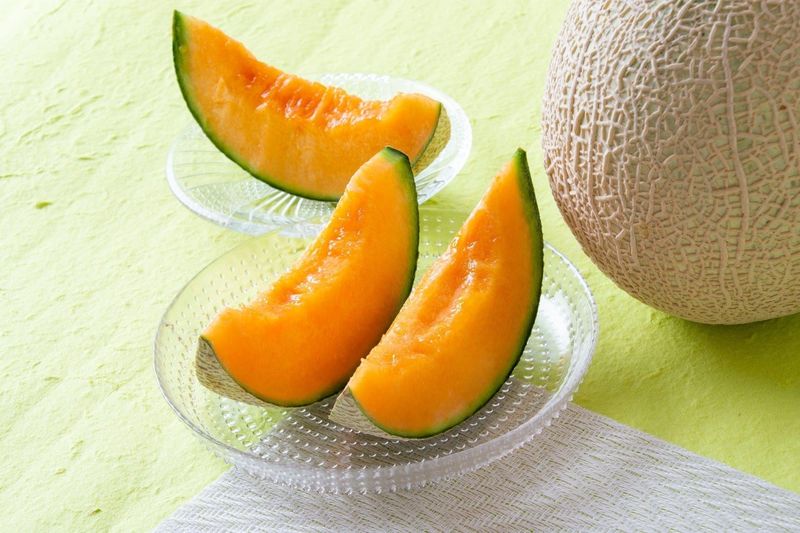
A pair of melons once sold for around 45,000 dollars at a Japanese auction. Yubari King melons grow in Hokkaido, where farmers treat each one like a prized pet.
They must be perfectly round with a neat, even net pattern on the skin. Inside, the orange flesh is juicy and candy-sweet.
In Japan, people often give them as fancy gifts. Regular ones at shops cost far less than auction stars.
8. Edible Bird’s Nest Soup
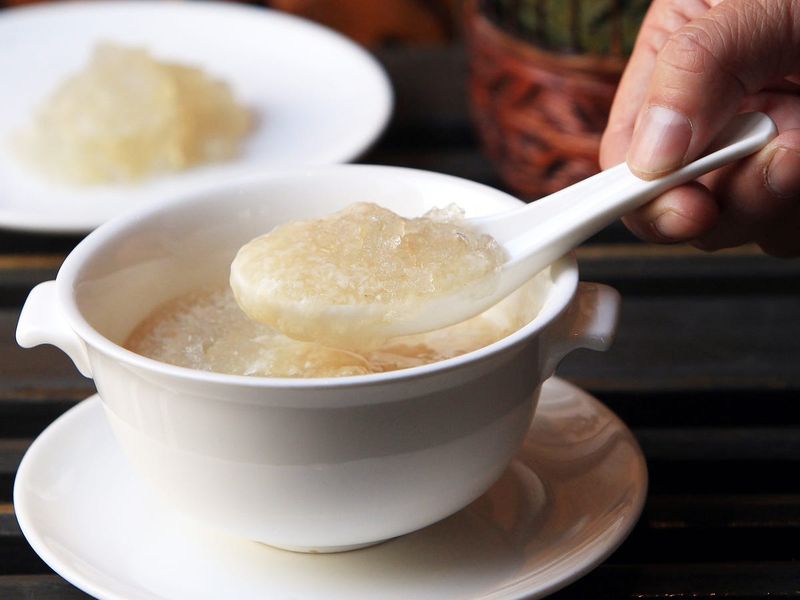
Swiftlet birds build nests from their own saliva, and believe it or not, people eat them. In Chinese culture, bird’s nest soup has been a luxury for hundreds of years.
Collectors climb high cave walls to gather the nests, which explains the steep price. The soup tastes mild and has a soft, jelly-like texture.
Many believe it helps skin and health, though science is still unsure.
9. Matsutake Mushrooms
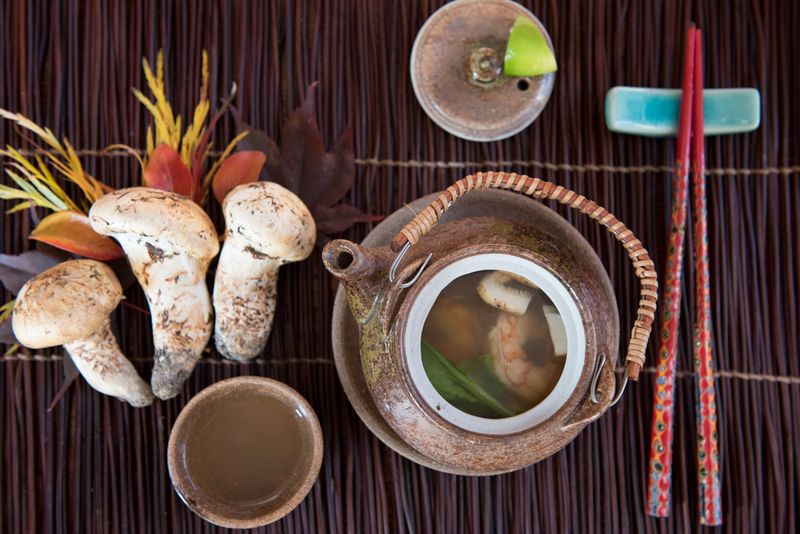
Autumn in Japan smells a little spicy, thanks to matsutake mushrooms. Their scent reminds people of pine and cinnamon.
They grow only near certain pine trees and refuse to be farmed. Pine forests have shrunk, making these mushrooms rarer every year.
A classic way to enjoy them is dobin mushi, a soup served in a small clay teapot. Sip the broth first, then eat the tender pieces inside.
10. Iberico Ham
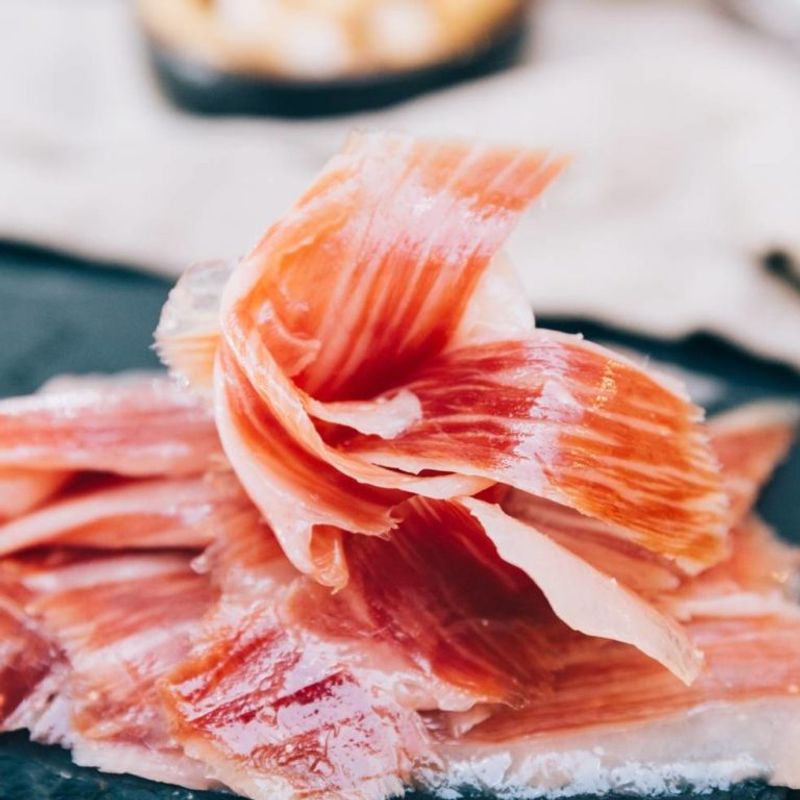
Black-hooved pigs roam Spanish oak forests, munching acorns all autumn long. That special diet gives Jamon Iberico de Bellota its nutty flavor.
After that, the ham hangs and cures for up to four years. Slicers use long, thin knives to carve paper-thin pieces.
Let each slice warm to room temperature before eating. The fat turns glossy and melts right on your tongue, which is pure magic.
11. Kopi Luwak Coffee
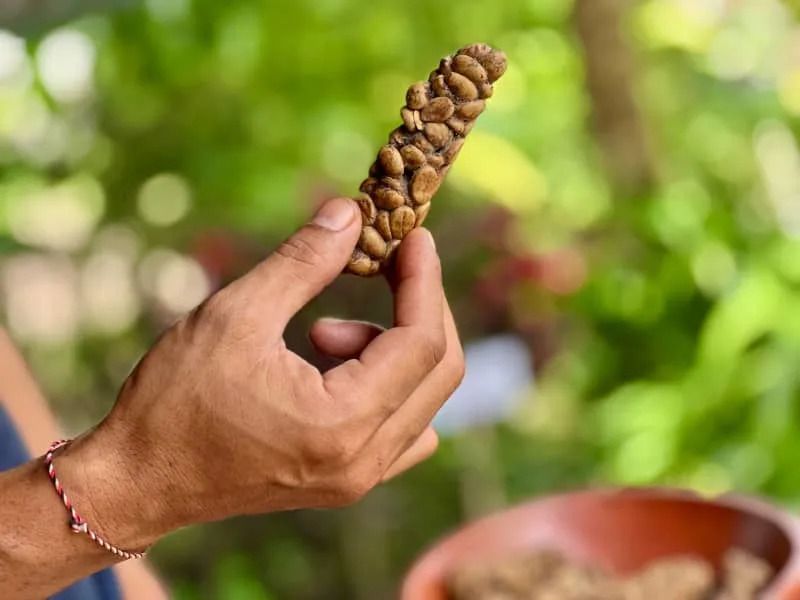
Here is a weird one. Kopi Luwak coffee beans are eaten by civets, small cat-like animals, then collected from their droppings in Indonesia.
Fans say the trip through the civet makes the coffee smoother and less bitter. A single cup can cost more than fifty dollars.
Sadly, some farms keep civets in cages. If you try it, choose wild-sourced beans from trusted sellers who treat animals kindly.
12. Densuke Watermelon
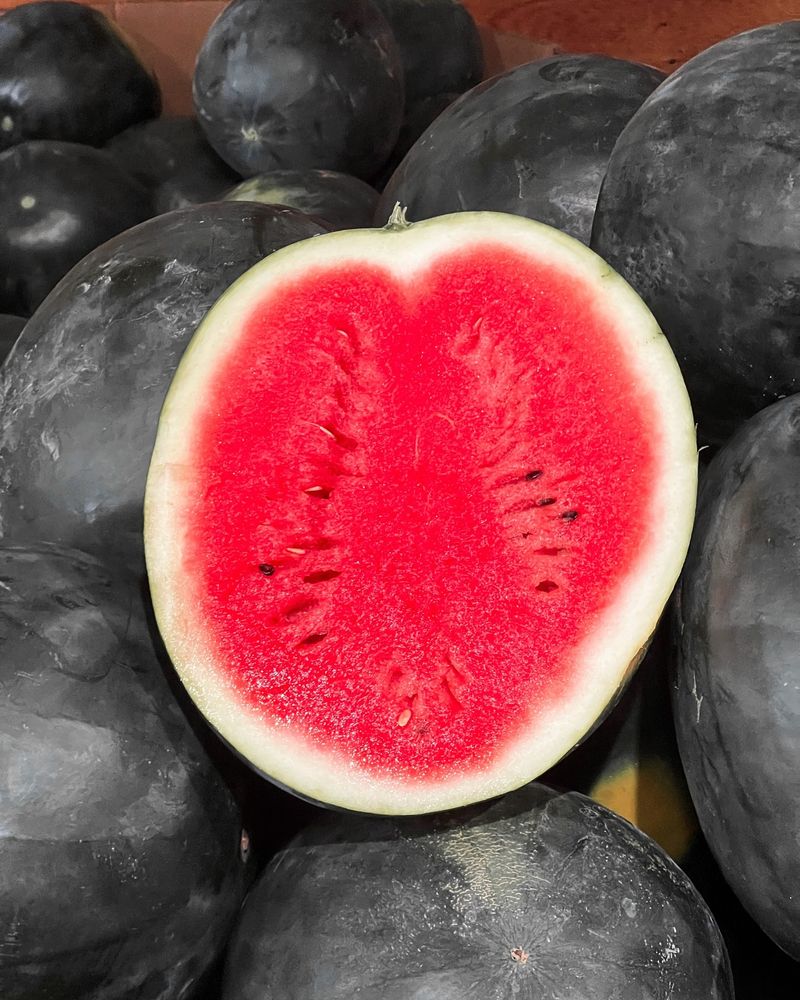
Black as a bowling ball on the outside, bright red on the inside. Densuke watermelons grow only on the Japanese island of Hokkaido.
Farmers harvest just a few thousand each year, and one once sold for over six thousand dollars. The fruit is crisp, juicy, and sweeter than most melons.
Sharing one at a summer party would definitely make you the most popular guest around.
13. Fugu Pufferfish
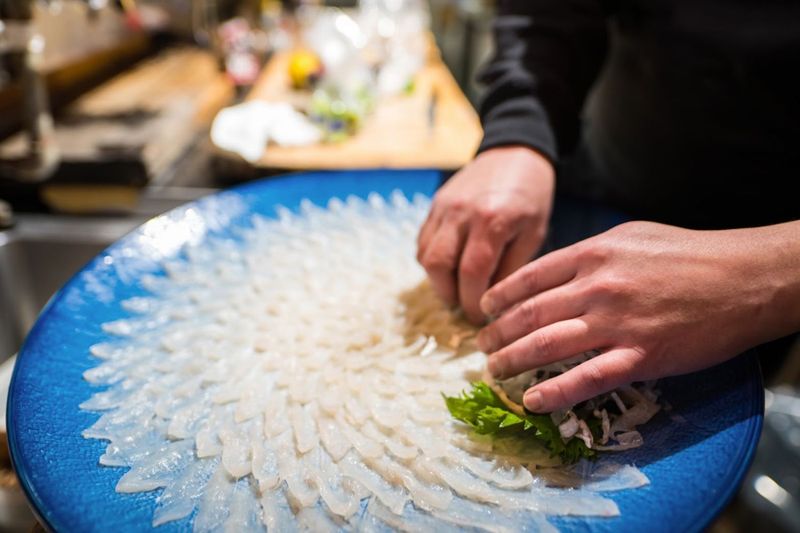
Danger on a plate! Fugu, or pufferfish, contains a poison stronger than cyanide.
In Japan, chefs train for years and pass tough exams before they can serve it. They slice the safe parts so thin you can see the plate through them, often arranged like a flower.
The taste is mild and clean. Only eat fugu at licensed restaurants, and never try preparing it at home.
14. Ruby Roman Grapes
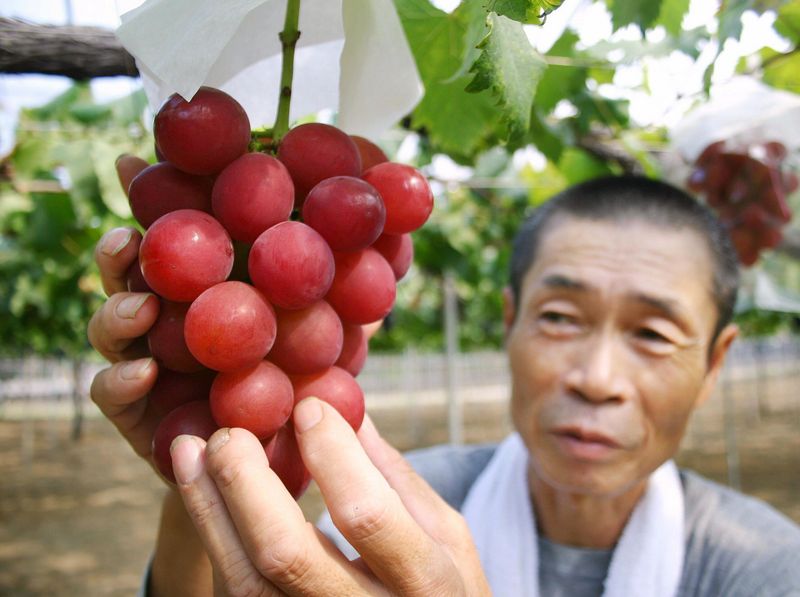
Each grape is about the size of a ping-pong ball. Ruby Roman grapes come from Ishikawa, Japan, and growers inspect them one by one.
To earn the name, grapes must meet strict rules for size, color, and sugar. A single bunch has sold for over ten thousand dollars.
They are bursting with sweet juice and have very little sourness. Eat them slowly to enjoy every bite.
15. Almas Caviar
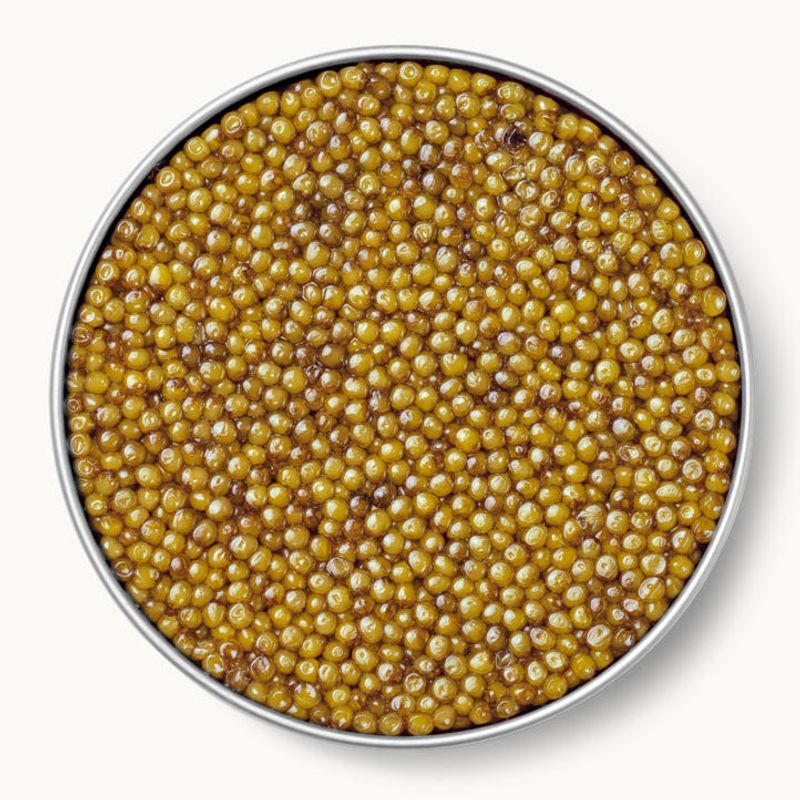
Golden in color and sold in a real gold tin, Almas caviar might be the fanciest food on Earth. It comes from very old albino beluga sturgeon.
The eggs are pale, almost white, and super rare. Prices can reach over thirty thousand dollars per kilogram.
Most people will never taste it, but even seeing it at a luxury food hall is a fun story to share.
16. Moose Cheese
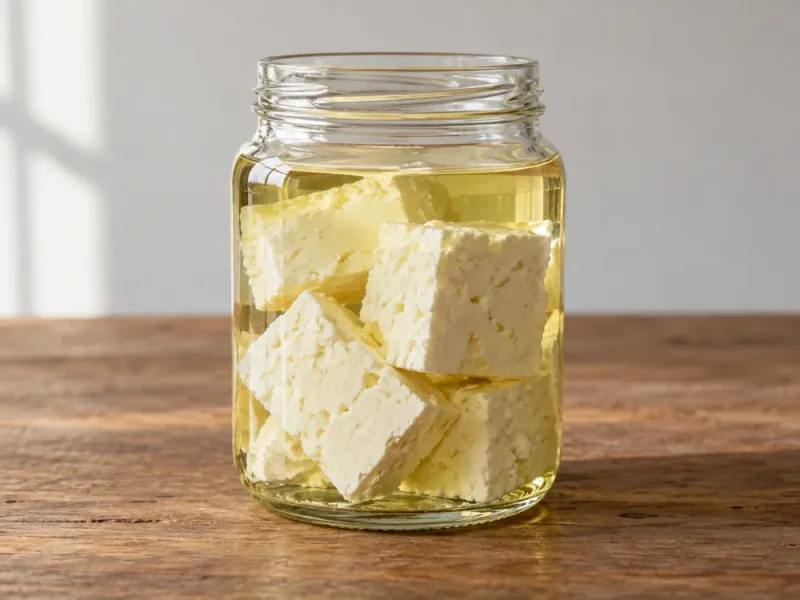
Milking a moose takes patience, and that is putting it mildly. A small farm in Sweden called Elk House is famous for making moose cheese.
Moose only give milk for a few months, and milking can take up to two hours. That is why the cheese costs hundreds of dollars per pound.
It tastes creamy and rich. Visit the farm in summer to meet the moose too.
17. Swiftlet-Free Sea Urchin Uni
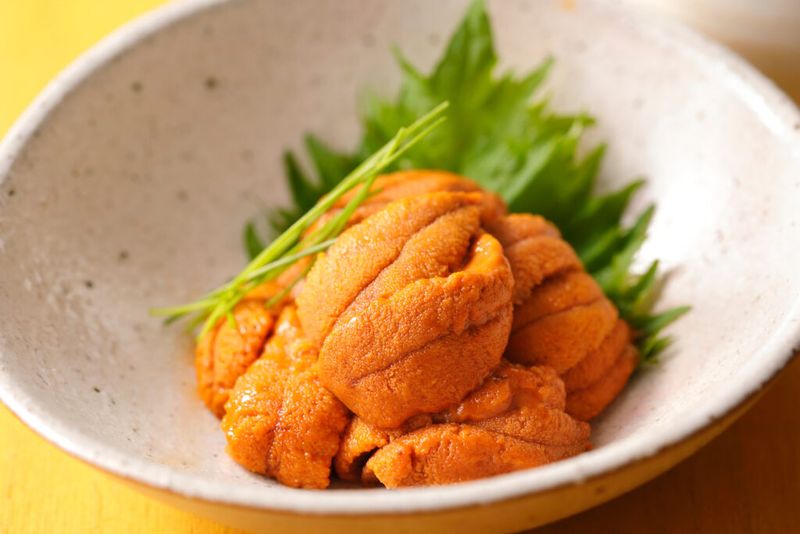
Spiky outside, buttery inside. Sea urchin, called uni in Japan, is the soft orange part hidden in the shell.
Divers collect them by hand, and the best uni from Hokkaido can cost a lot at sushi bars. Fresh uni tastes sweet, salty, and a little like the ocean breeze.
If it smells fishy or looks mushy, skip it. Good uni should look firm and bright.
18. Bluefin Lobster from Brittany
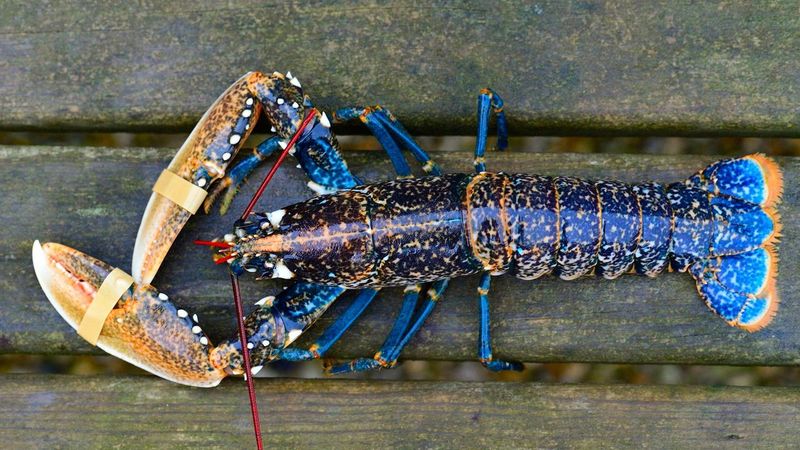
Brittany’s blue lobsters sparkle like sapphires before cooking. French fishermen catch them along the rocky coast of northwest France.
Chefs love their firm, sweet meat, which many say beats other lobsters. Because they are caught in small numbers, restaurants charge high prices.
Order it grilled with melted butter at a seaside cafe. Sitting by the ocean while you eat makes the meal feel extra special.
19. Manuka Honey
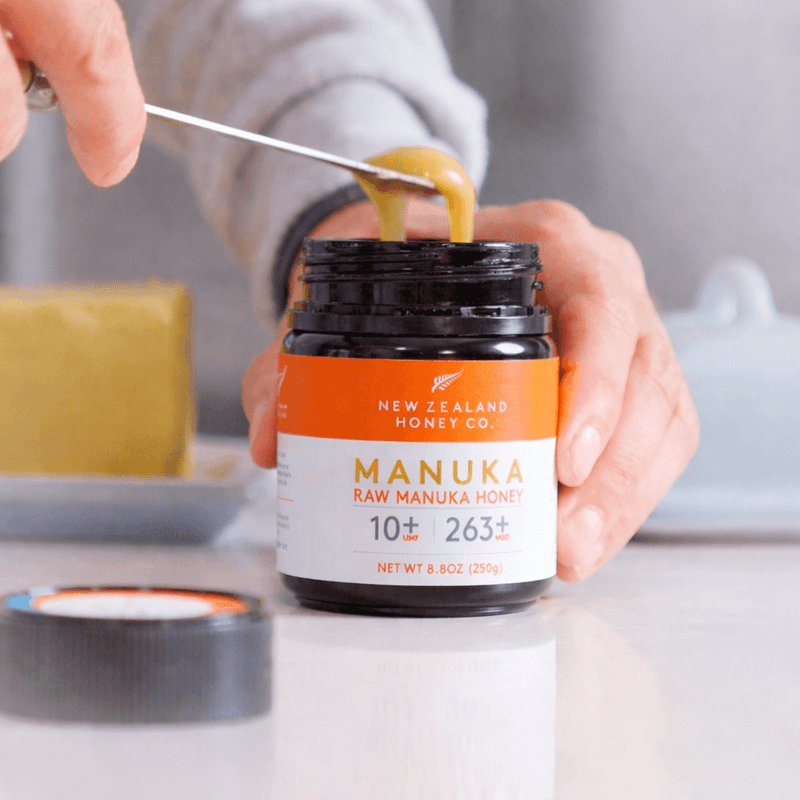
Bees in New Zealand visit tiny white manuka flowers that bloom for only a few weeks each year. The result is thick, dark honey with a bold flavor.
Top-grade jars can cost hundreds of dollars. Labels show a UMF number, and higher numbers mean stronger natural compounds.
Spread it on toast or stir it into warm tea. Many families keep a jar handy for sore throats.
20. Vanilla Beans from Madagascar
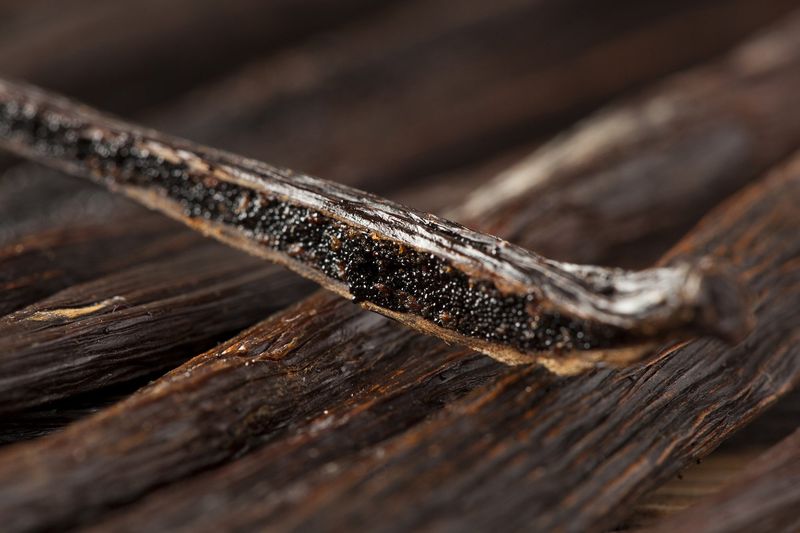
Every vanilla flower in Madagascar gets pollinated by hand, using a tiny stick. Farmers have just one day to do it before the bloom closes.
After picking, the green pods are cured for months until they turn dark and fragrant. All that labor makes vanilla the second most expensive spice after saffron.
Scrape the seeds into homemade ice cream, and you will see why bakers adore it.
21. Gold-Leaf Desserts
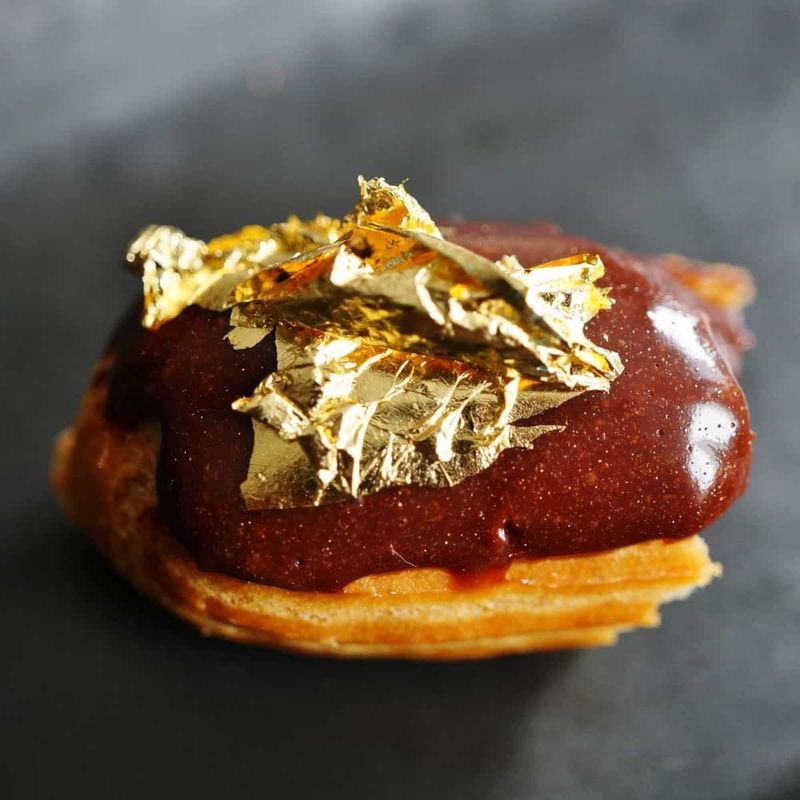
Eating real gold sounds like something from a fairy tale. Yet in places like Dubai and New York, chefs wrap desserts and burgers in thin edible gold leaf.
Gold has no flavor at all, so you are really paying for the sparkle. Some sundaes covered in gold cost over a thousand dollars.
For a cheaper thrill, try a cupcake with a tiny gold flake on top. Same shine, smaller bill.