
When the leaves start to change color, farm stands fill up with some of the tastiest food of the whole year. Fall produce is often cheaper, fresher, and packed with more flavor because it was picked at just the right time.
Eating with the seasons is also a simple way to give your body vitamins, fiber, and energy for cooler days. Here are some colorful picks to look for on your next trip to the market.
1. Crisp Apples
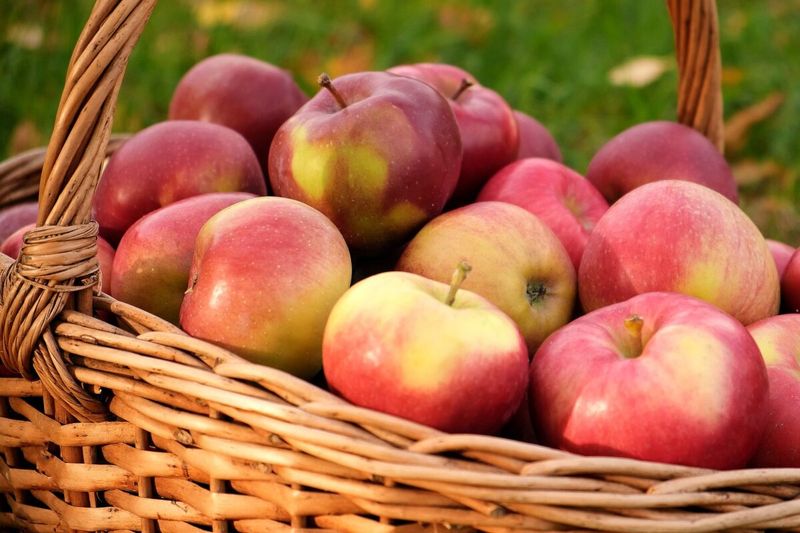
Nothing says fall quite like the crunch of a fresh-picked apple. Orchards burst with hundreds of varieties this time of year, from tart Granny Smiths to sweet Honeycrisps.
Apples are loaded with fiber, especially in the skin, so skip the peeler. That fiber keeps you full and helps your tummy work well.
Fun fact: apples float because about a quarter of their volume is air. Try slicing one with peanut butter for an easy snack.
2. Pumpkins Beyond the Porch
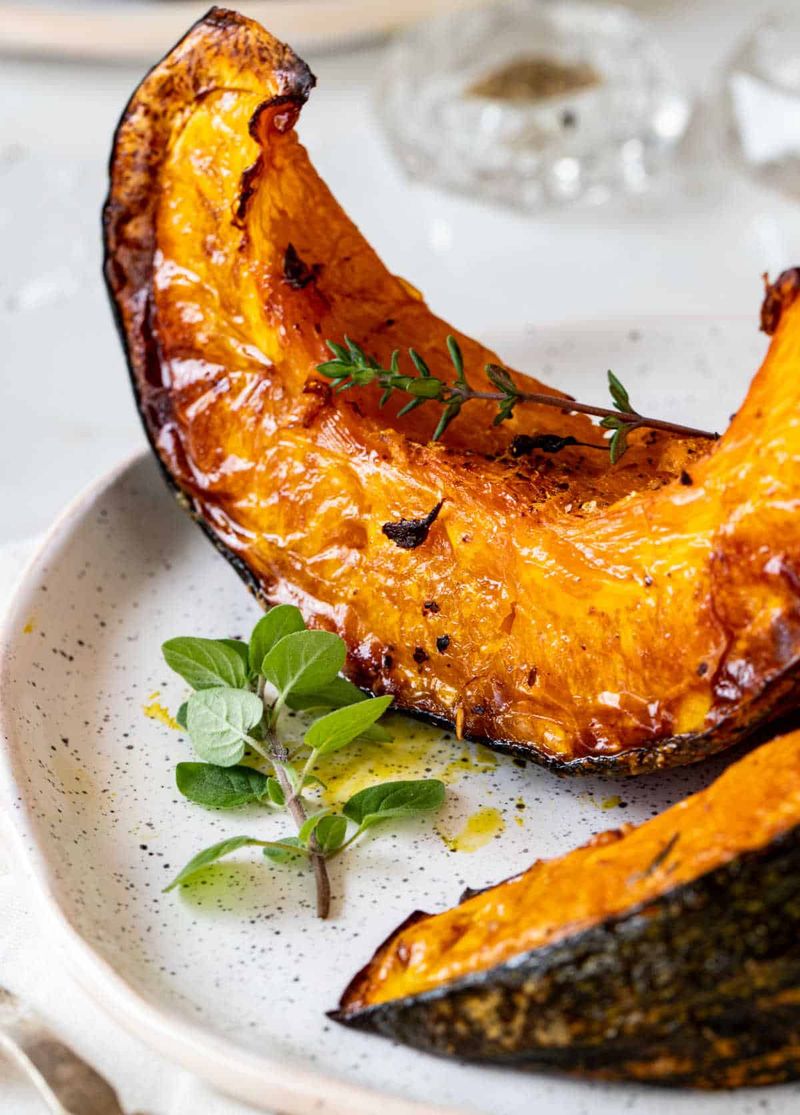
Sure, carving jack-o-lanterns is fun, but pumpkins deserve a spot on your plate too. Their bright orange color comes from beta-carotene, which your body turns into vitamin A for healthy eyes.
Small sugar pumpkins are best for cooking. Roast chunks with a little olive oil, or blend them into soup.
And please save those seeds! Toasted with a pinch of salt, they make a crunchy snack full of zinc and protein.
3. Sweet Potatoes
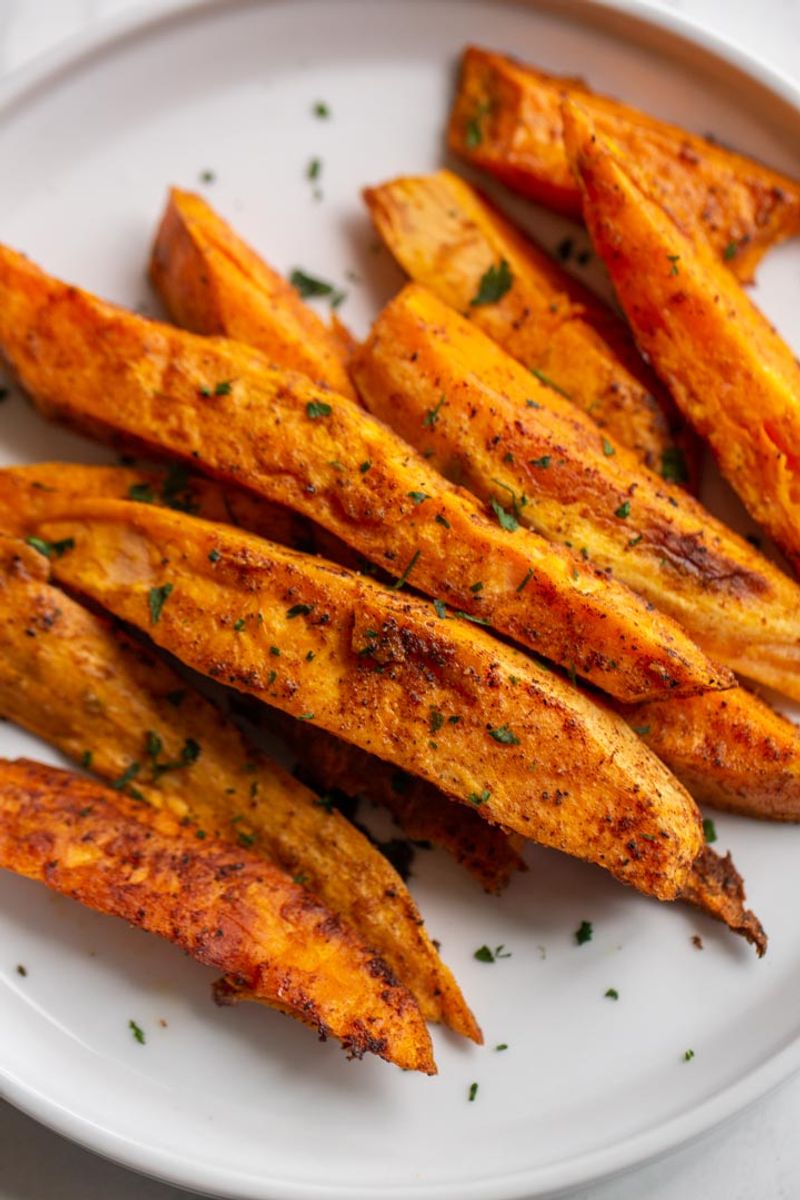
Think of sweet potatoes as nature’s candy that actually loves you back. They taste sweet, yet they give steady energy instead of a quick sugar crash.
One medium sweet potato holds more than a full day’s worth of vitamin A. It also brings potassium and plenty of fiber.
Bake them whole, mash them with cinnamon, or cut them into wedges for homemade fries. Kids and grown-ups usually agree on this one.
4. Juicy Pears
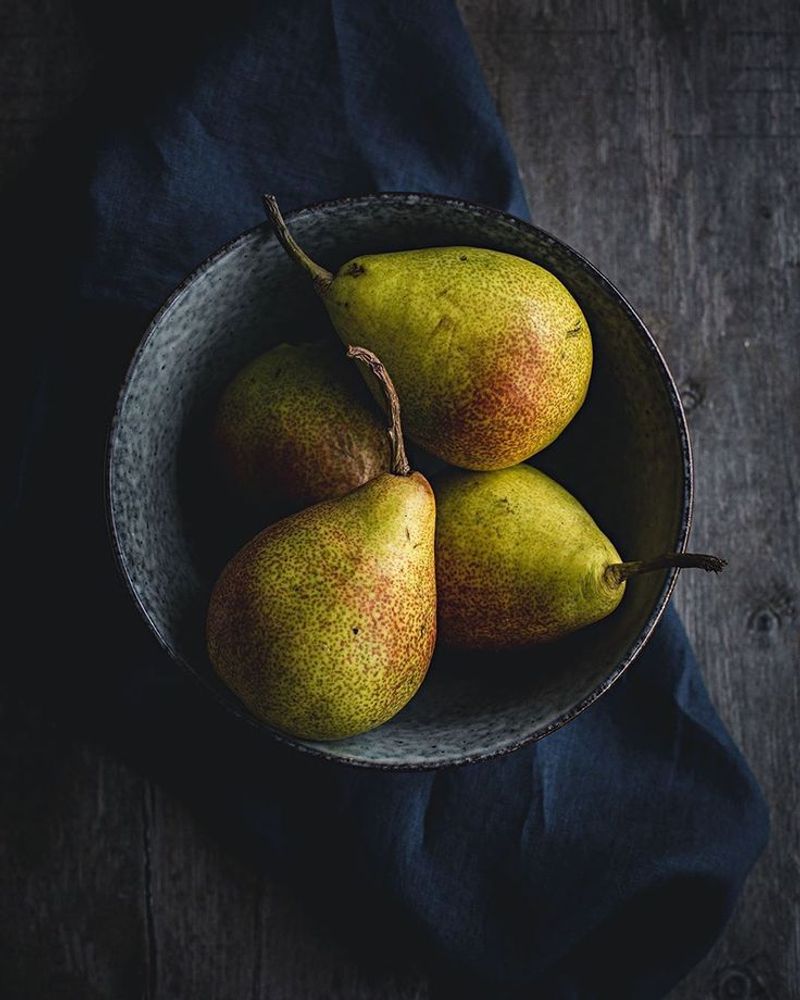
Grandma always kept a bowl of pears on the counter, waiting for them to soften just right. She was onto something.
Pears ripen best off the tree, so buy them firm and let them sit a few days. Press gently near the stem.
If it gives a little, it is ready.
Each pear offers about six grams of fiber and some vitamin C. Slice one into oatmeal for a cozy breakfast.
5. Brussels Sprouts
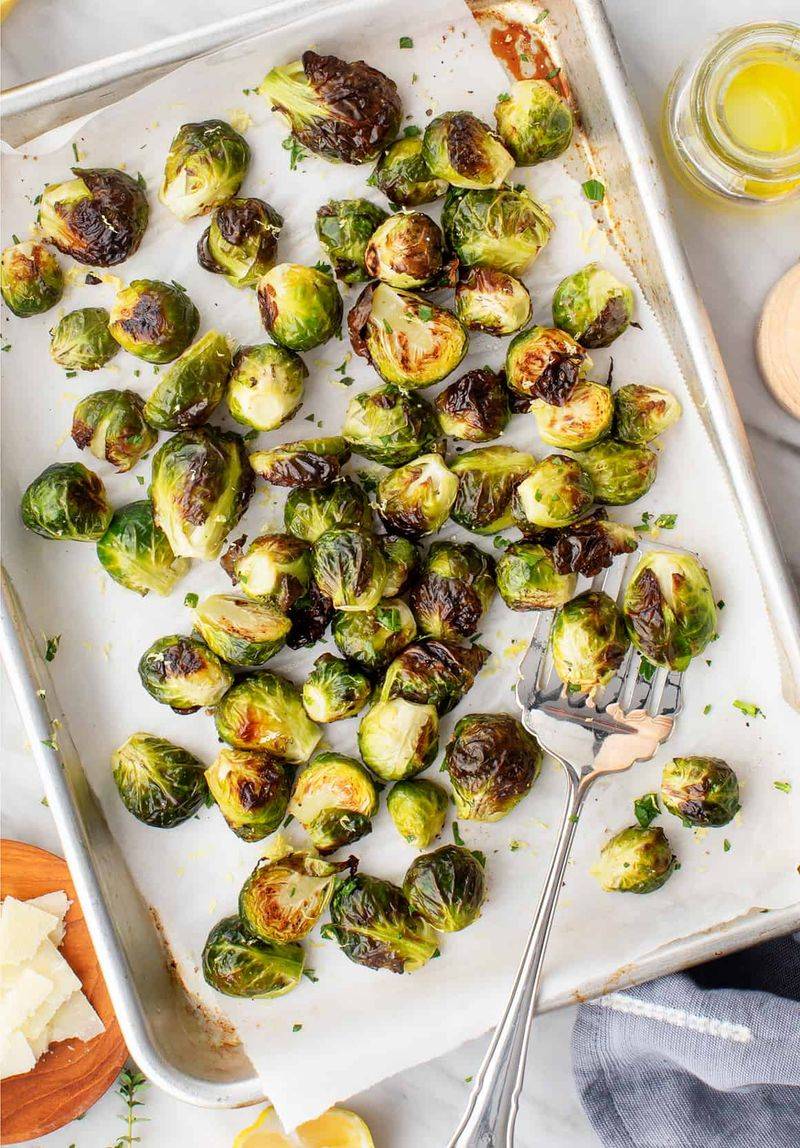
Did you used to push these little green balls around your plate? Time to give them a second chance.
The secret is roasting. High heat turns Brussels sprouts crispy and nutty instead of mushy and bitter.
Toss them in oil, add salt, and bake until the edges brown.
They pack vitamin K for strong bones and vitamin C for your immune system. Cold weather actually makes them taste sweeter, so fall sprouts shine.
6. Cranberries
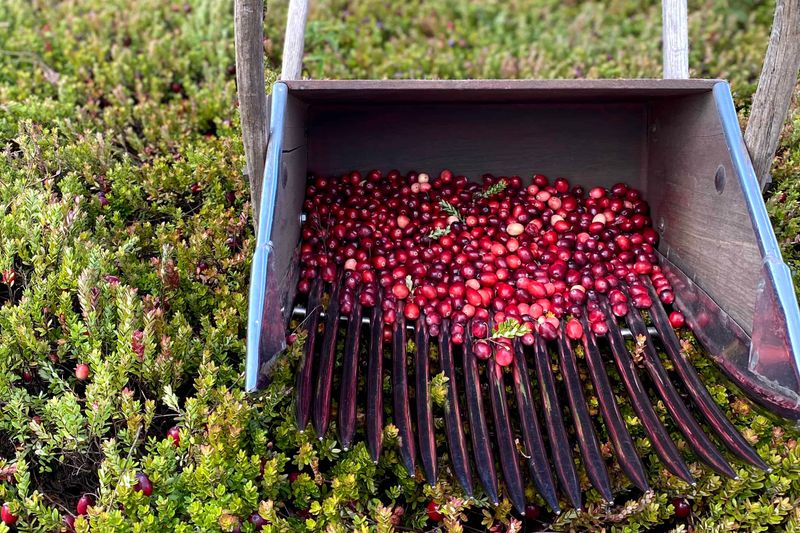
Here is a wild sight: farmers flood cranberry bogs with water, and the berries float to the top like a red carpet. Tiny air pockets inside make that possible.
Fresh cranberries are very tart, so most people cook them with a bit of sweetener. Homemade sauce beats the canned stuff by a mile.
They are rich in antioxidants. Toss a handful into muffins or freeze extras, since they keep for months.
7. Butternut Squash
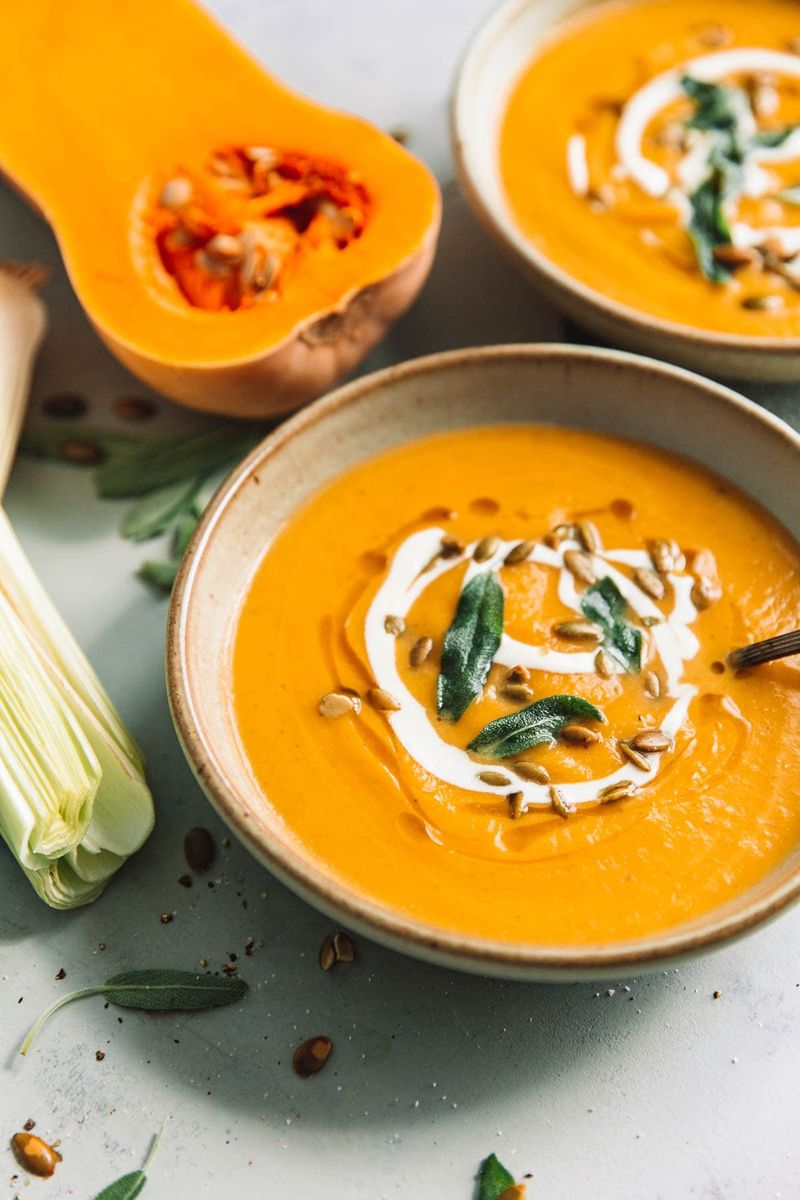
Shaped a bit like a giant peanut, butternut squash hides creamy orange flesh under its tan skin. It tastes mild, sweet, and slightly nutty.
Peeling one can feel tricky. Here is a tip: microwave it for two minutes first to soften the skin.
Once cubed, it roasts beautifully or blends into velvety soup. You get vitamins A and C, plus fiber.
Uncut squash can last on your counter for a couple of months.
8. Pomegranates
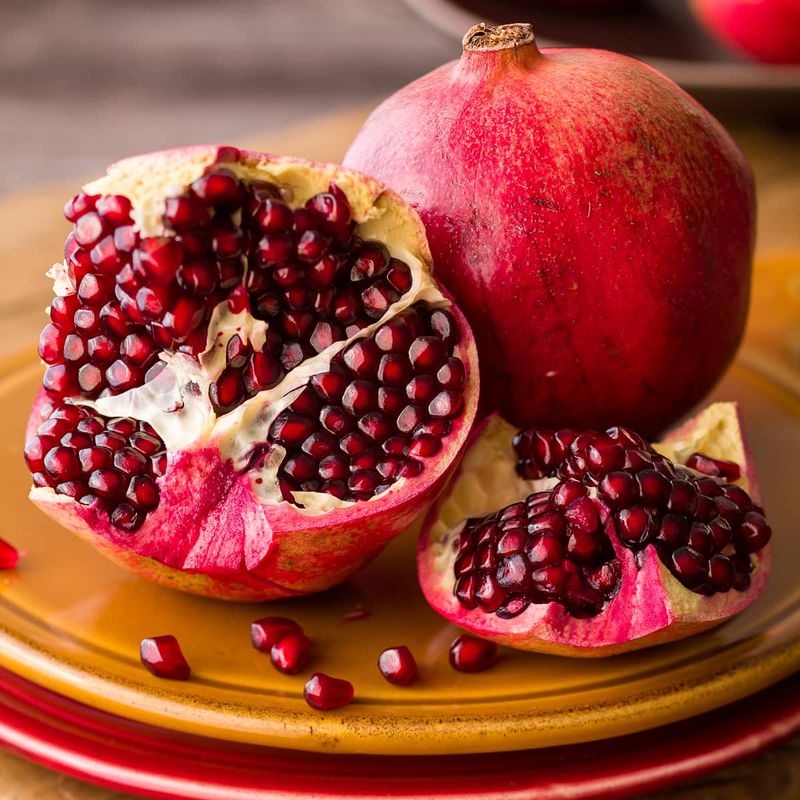
Cracking open a pomegranate feels like finding treasure. Inside, hundreds of shiny ruby seeds called arils sparkle like jewels.
Getting them out can be messy, though. Try this trick: cut the fruit in half, hold it over a bowl of water, and tap the back with a spoon.
Seeds sink while the white pith floats.
Sprinkle arils on salads or yogurt. They bring vitamin C, fiber, and a sweet-tart pop in every bite.
9. Kale
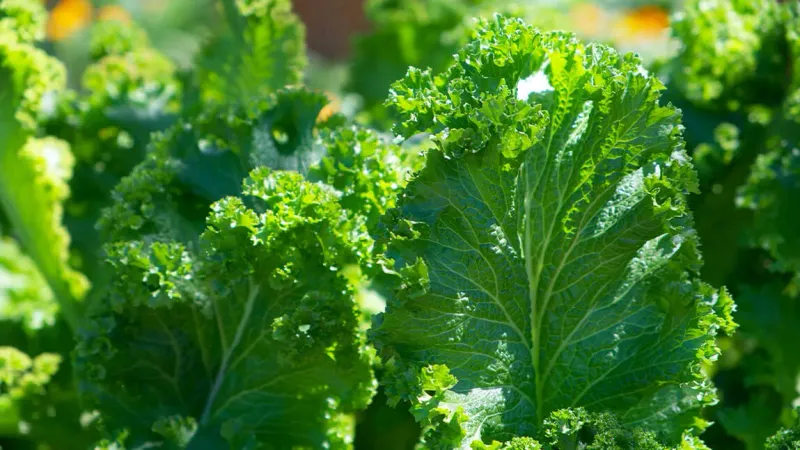
Kale is one tough green. It keeps growing even after the first frost, and chilly nights make the leaves taste less bitter.
A single cup holds loads of vitamins A, C, and K. Not bad for something so leafy!
If raw kale feels too chewy, massage it with a little olive oil and lemon juice for a minute. The leaves soften right up.
You can also bake them into crispy chips with salt.
10. Cauliflower
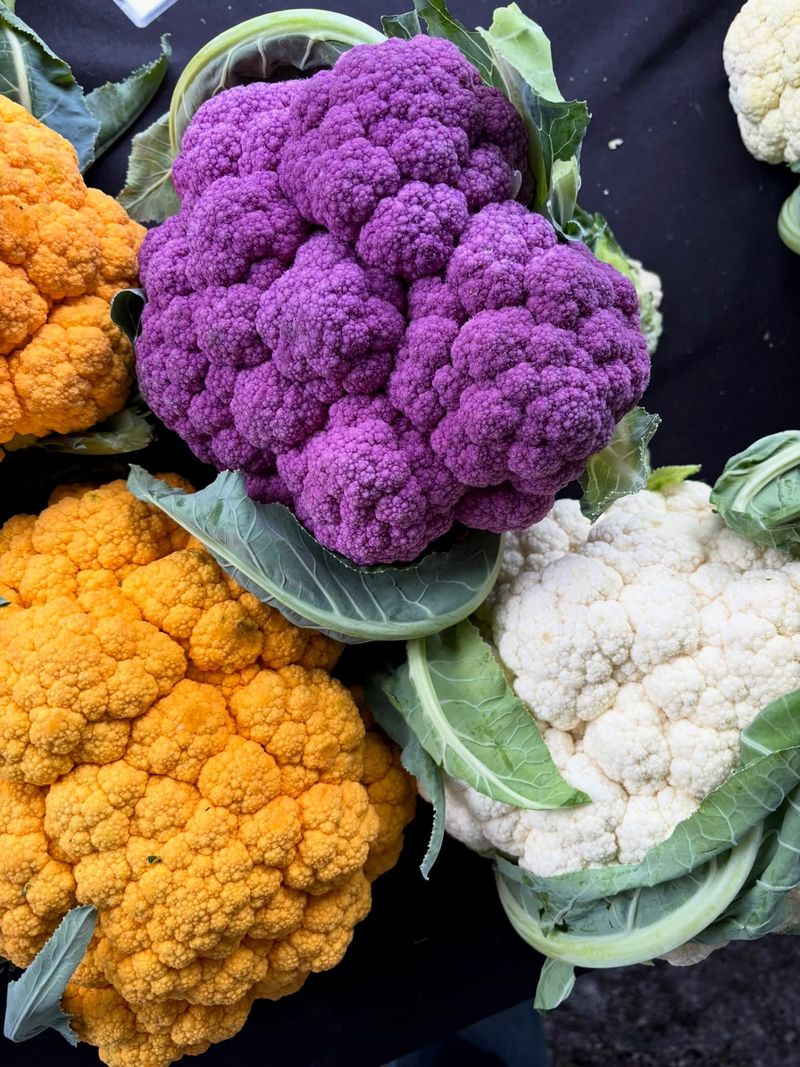
Cauliflower might be the most shape-shifting veggie around. People turn it into rice, pizza crust, mashed potatoes, and even wings.
It comes in more than just white. Look for purple, orange, and green heads at farmers markets this season.
They taste nearly the same but add fun color.
Each serving gives you vitamin C and fiber with very few calories. Roast florets with garlic and parmesan for a side dish that disappears fast.
11. Beets
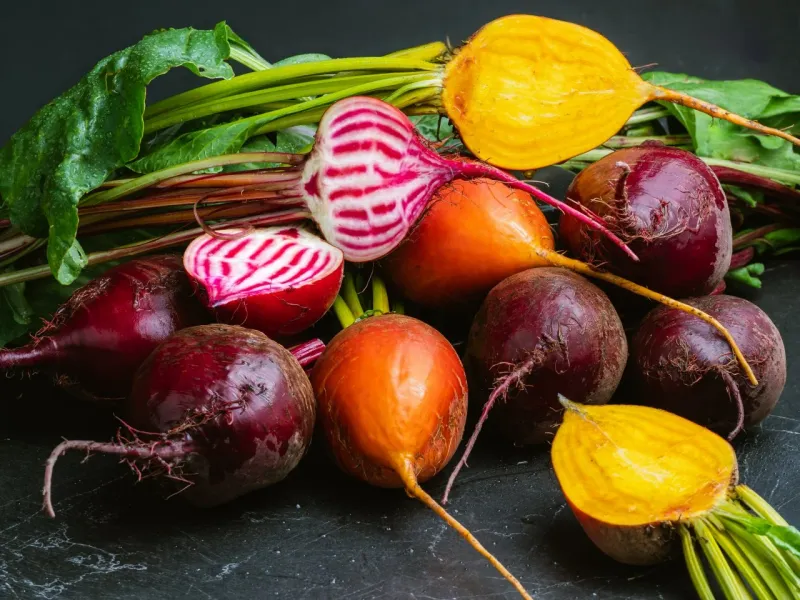
Ever notice your fingers turning pink after cutting beets? That bold color comes from a natural pigment called betalain, which helps fight swelling in the body.
Beets also contain nitrates that may help blood flow, which is why some athletes drink beet juice before races.
Roast them wrapped in foil until tender, and the skins slip right off. Golden beets are a great choice if you want less mess.
Do not toss the leafy tops either.
12. Figs
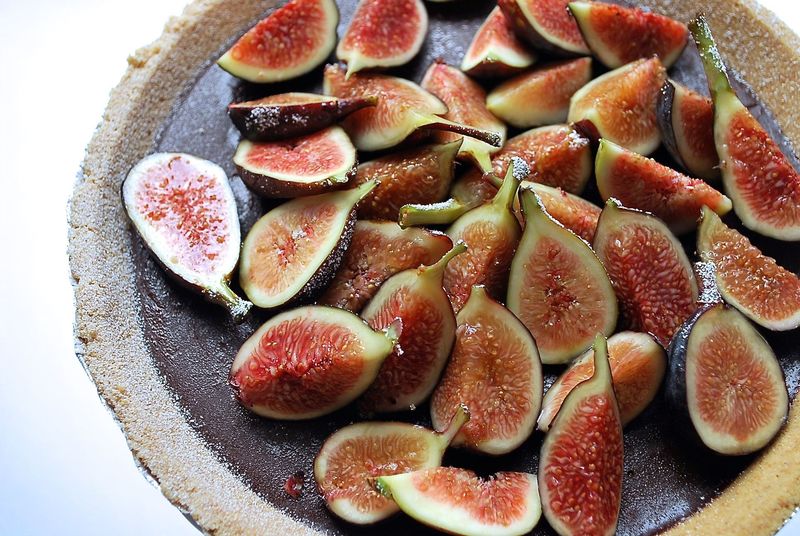
Soft, jammy, and just a little bit fancy, fresh figs show up for only a short time in early fall. Grab them when you can.
Inside each fig are tiny crunchy seeds that give a fun texture. Figs offer fiber, potassium, and calcium too.
They spoil quickly, so eat them within a couple of days. Try them halved with a drizzle of honey, or chopped into a salad with nuts and cheese.
13. Parsnips
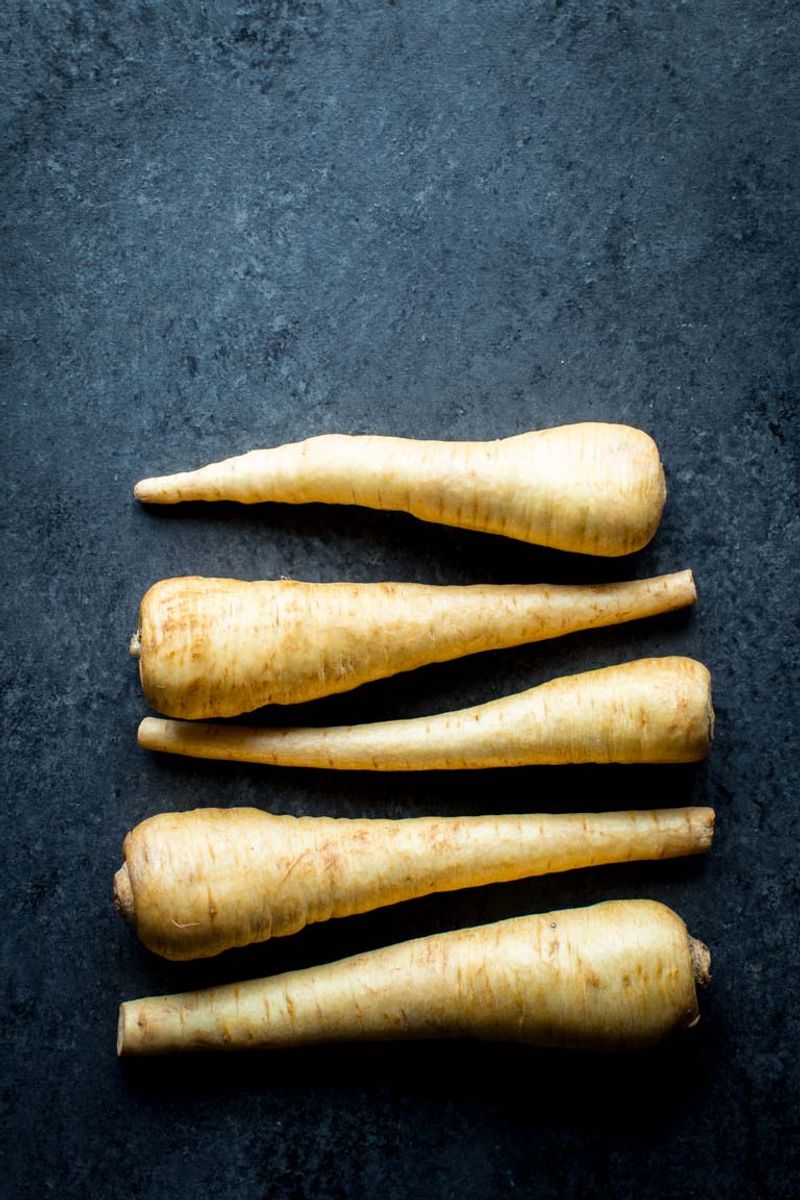
Picture a carrot that forgot its color. Meet the parsnip, a pale root veggie with a sweet, slightly spicy flavor.
Long before sugar was common in Europe, people used parsnips to sweeten cakes and jams. A cold snap turns their starch into sugar, making them even tastier.
They are full of fiber, folate, and vitamin C. Roast them with carrots and a drizzle of maple syrup for a side dish worth bragging about.
14. Grapes
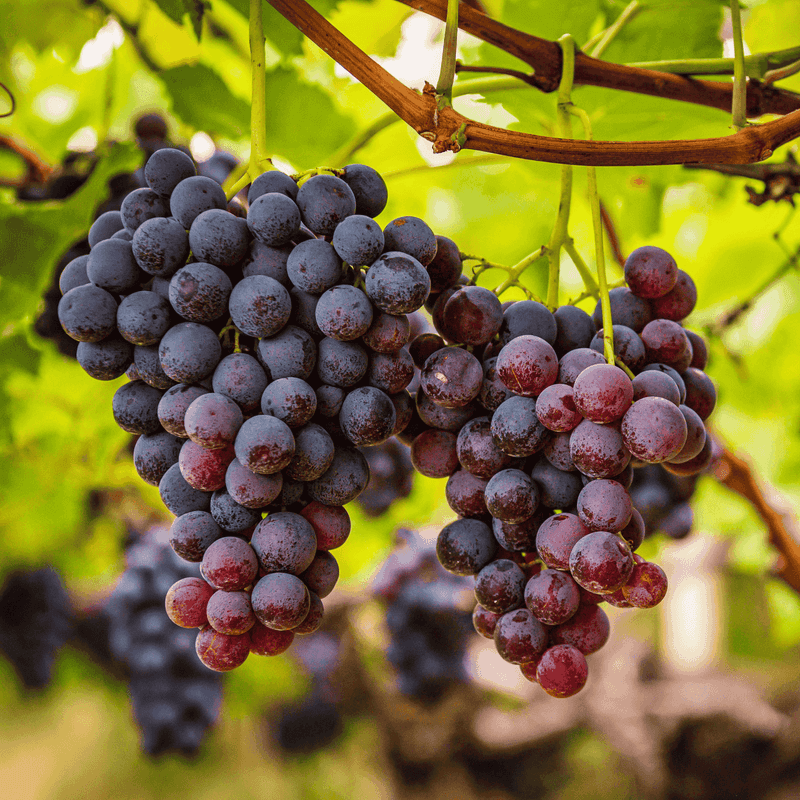
Late summer slides into fall, and vineyards hang heavy with ripe grape clusters. Concord grapes, the deep purple kind, have a bold flavor you will never forget.
Grapes are about 80 percent water, so they help keep you hydrated. They also carry antioxidants in their skins.
Here is a cool snack hack: freeze grapes overnight. They turn into tiny sorbet bites that kids love.
Just rinse well before eating or freezing.
15. Broccoli
Broccoli actually loves cool weather. Fall heads tend to be tighter, greener, and sweeter than those grown in summer heat.
Gram for gram, it offers more vitamin C than an orange. Who knew those little trees were so powerful?
To keep the nutrients, steam it lightly for about four minutes instead of boiling. It should stay bright green with a slight crunch.
The stems are tasty too, so peel and slice them instead of tossing them.
16. Persimmons
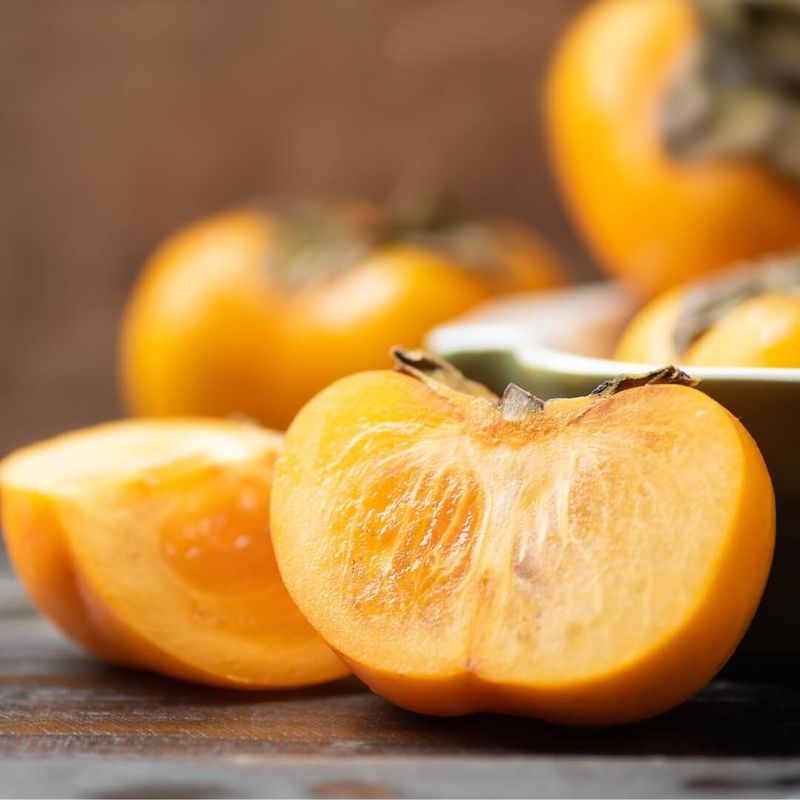
Bite into the wrong persimmon too early and your mouth will pucker like you licked a sock. Timing matters with this fruit!
Fuyu persimmons are squat and can be eaten crisp, like an apple. Hachiya ones are acorn-shaped and must be very soft before eating.
Both kinds bring vitamin A, fiber, and a honey-like sweetness. Slice a Fuyu crosswise, and you might spot a pretty star pattern in the center.
17. Spaghetti Squash
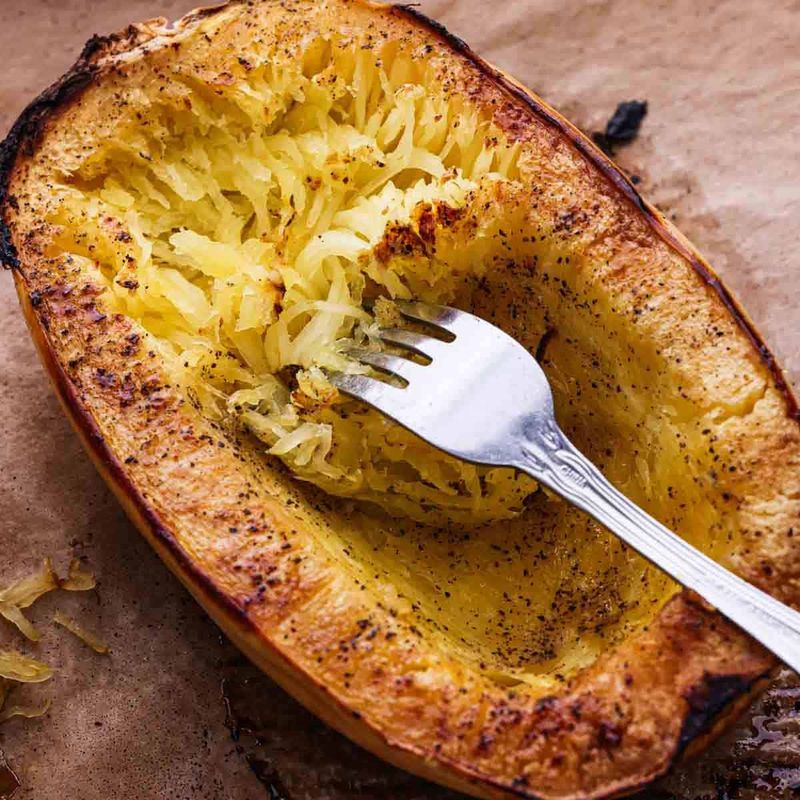
Kids often think it is a magic trick. You roast a plain yellow squash, scrape it with a fork, and out come long strands that look just like noodles.
Spaghetti squash makes a light swap for pasta with fewer carbs and calories. It still soaks up sauce beautifully.
Cut it in half, scoop out the seeds, and roast cut side down for about 40 minutes. Top with marinara and cheese for an easy dinner.