
A great movie fight can tell a story without a single word. The way filmmakers shoot those fights has changed a lot, from Bruce Lee’s quick strikes to long scenes that barely cut away.
These movies helped shape what action looks like today. Watch closely, and you may spot their ideas in films you already love.
1. Enter the Dragon (1973): Speed With a Purpose
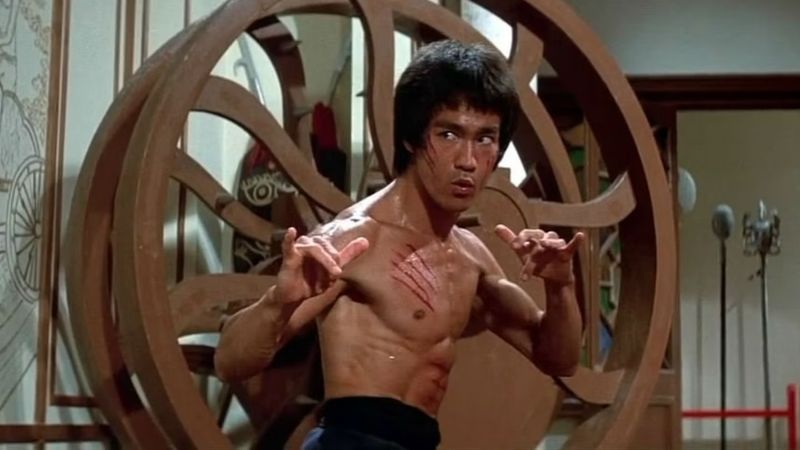
Bruce Lee could make one quick move say more than a dozen wild punches. In Enter the Dragon, his sharp timing and direct style put skill ahead of showy movement.
His approach reflected Jeet Kune Do, a fighting philosophy built around using what works.
Watch how Lee changes distance before he strikes. The action is exciting because you can follow each choice.
That clear link between thought and movement became a model for later screen fighters around the world.
2. Drunken Master (1978): Comedy in Every Kick
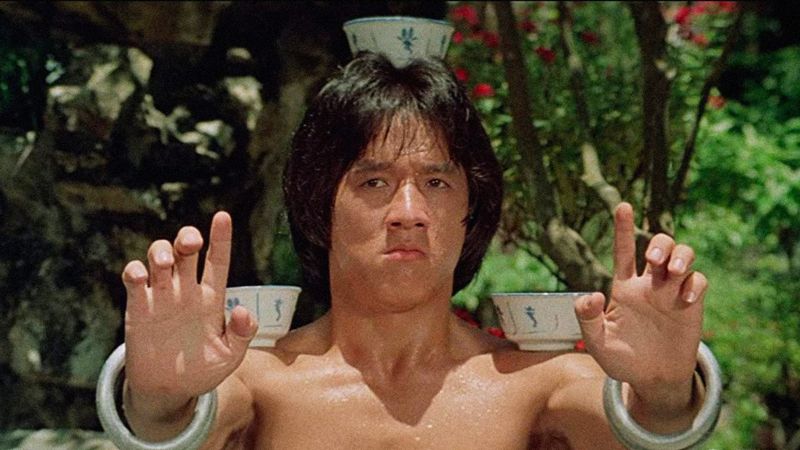
A stumble can be the start of a clever attack. Jackie Chan made that idea thrilling in Drunken Master, mixing tricky footwork, acrobatics, and jokes into his fights.
His character looks unsteady, but each surprising move takes careful control.
Notice how a missed strike can set up the next laugh or turn the fight around. Chan showed that action could reveal personality, not just power.
He gave filmmakers a fresh way to keep audiences smiling while they watched every move.
3. Raiders of the Lost Ark (1981): Adventure Fights Get Messy
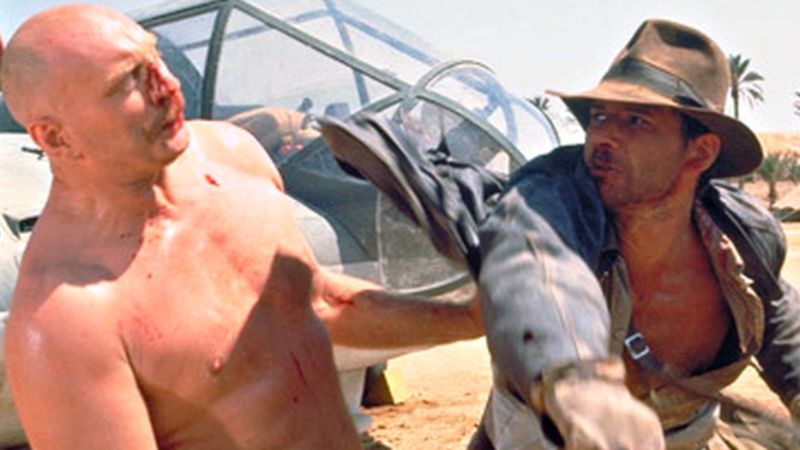
Indiana Jones rarely wins by looking like the best fighter in the room. In Raiders of the Lost Ark, he scrambles, gets hurt, and uses whatever is nearby to survive.
Spielberg blends fistfights with chases and other dangers, so the action keeps changing shape.
Think of the airfield battle: the setting creates problems that punches alone cannot solve. That mix helped set a lasting standard for adventure films.
A fight becomes more fun when the place matters as much as the opponent.
4. Police Story (1985): Stunts You Can Feel
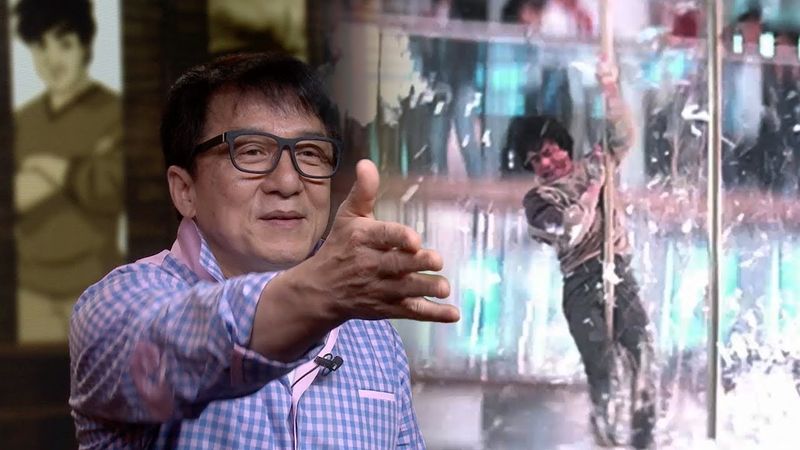
Glass breaks, bodies tumble, and Jackie Chan keeps moving. Police Story made its fights memorable by placing careful choreography inside risky, everyday spaces.
Its opening pursuit and shopping mall finale turn streets, vehicles, and store displays into parts of the action.
Look for the wide shots that let you see a stunt play out. They help the danger feel real while making the movement easy to follow.
Chan’s approach showed why planning and a clear camera view can be as exciting as a spectacular fall.
5. The Matrix (1999): A New Way to Bend Time
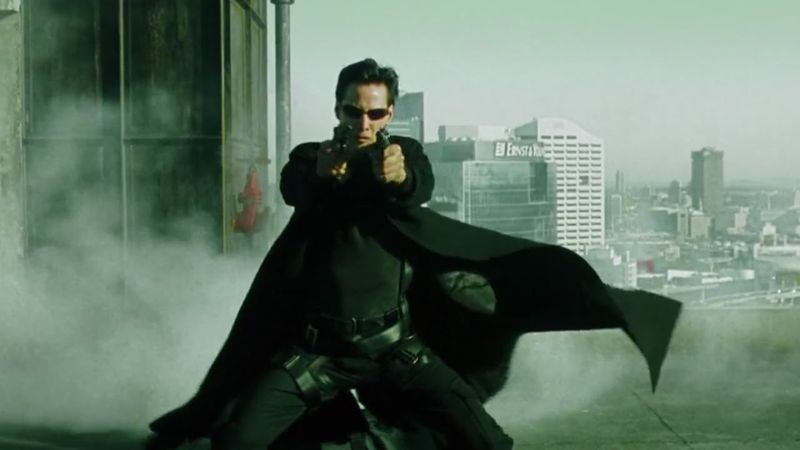
For a moment, the camera seems to move faster than time itself. The Matrix used its famous bullet time effect to show impossible dodges from striking angles.
It also brought wire-assisted Hong Kong fight choreography, led by Yuen Woo-Ping, into a Hollywood science fiction story.
The effects matter because they fit a world where reality has hidden rules. Watch how the fights change as Neo learns those rules.
The movie made visual tricks feel like part of a character’s growth, not just decoration.
6. Crouching Tiger, Hidden Dragon (2000): Fights That Float
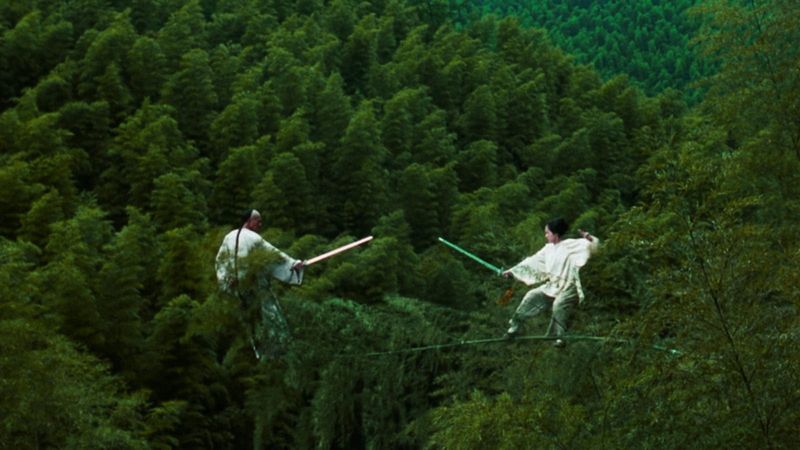
A warrior seems to step across the sky as easily as a garden path. Crouching Tiger, Hidden Dragon uses wire-assisted movement to make sword fights feel graceful and dreamlike.
Yet the beauty never replaces the emotions driving each clash.
Watch the fighters’ faces and pauses, not only their leaps. Pride, longing, and frustration shape the way they move.
Ang Lee’s film helped show wider audiences that a fight could feel like a dance while still carrying a serious story underneath.
7. The Bourne Identity (2002): Close and Uncomfortable
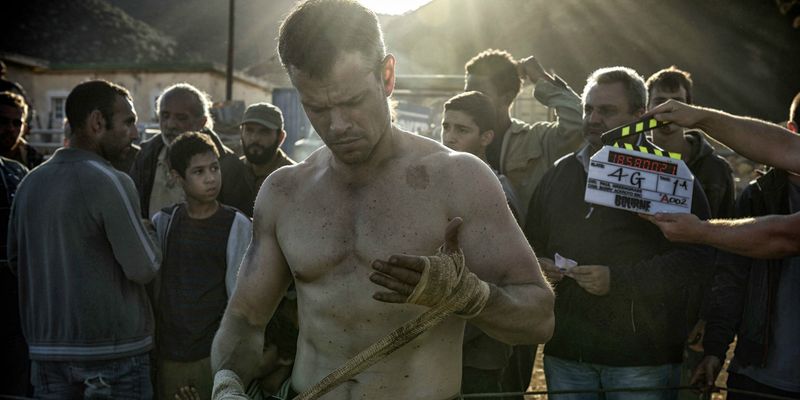
There is barely room to breathe when Jason Bourne fights. The Bourne Identity favors quick, close encounters over grand poses.
Bourne reacts to danger fast and uses the space around him, making each struggle feel urgent and personal.
Pay attention to how little time the characters have to plan. The rough style helped push spy action toward smaller, harder fights.
It also shows a useful storytelling trick: when escape feels uncertain, even a short fight can hold your attention.
8. Ong-Bak: Muay Thai Warrior (2003): Raw Athletic Power
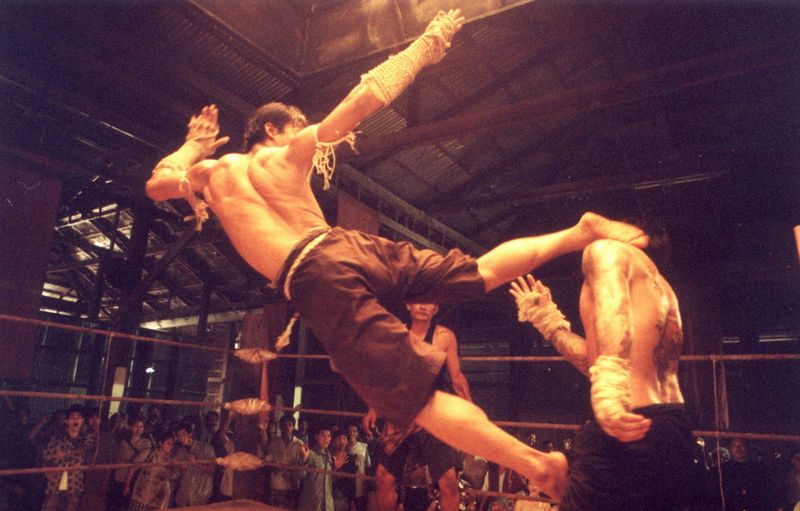
Tony Jaa seems to spring off the ground like a coiled rope. Ong-Bak brought Muay Thai’s elbows, knees, and powerful kicks to a wider movie audience.
Its action put the spotlight on physical skill rather than wires or computer-made moves.
Watch the replayed stunts and notice how clearly Jaa’s body travels through each space. The film’s appeal comes from seeing a performer do difficult things.
It reminds viewers that a simple camera angle can make trained movement exciting enough on its own.
9. Kill Bill: Vol. 1 (2003): A Fight-Movie Mix Tape
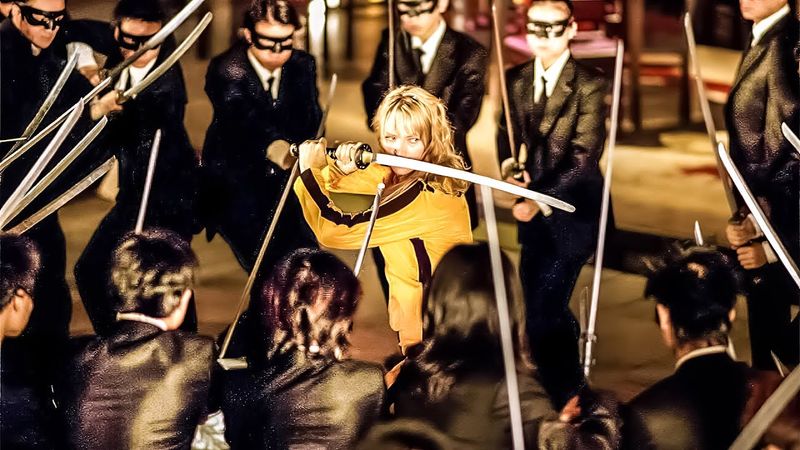
One fight feels like a samurai film; another flashes with the energy of a comic book. Kill Bill: Vol. 1 borrows from kung fu movies, Japanese sword tales, and anime to build its own bold style.
The changing look keeps each showdown distinct.
During the restaurant battle, notice how music, color, and movement work together. They set the mood before a blade even swings.
The film showed that action directors could celebrate older styles while reshaping them for a new audience.
10. Oldboy (2003): The Hallway That Would Not End
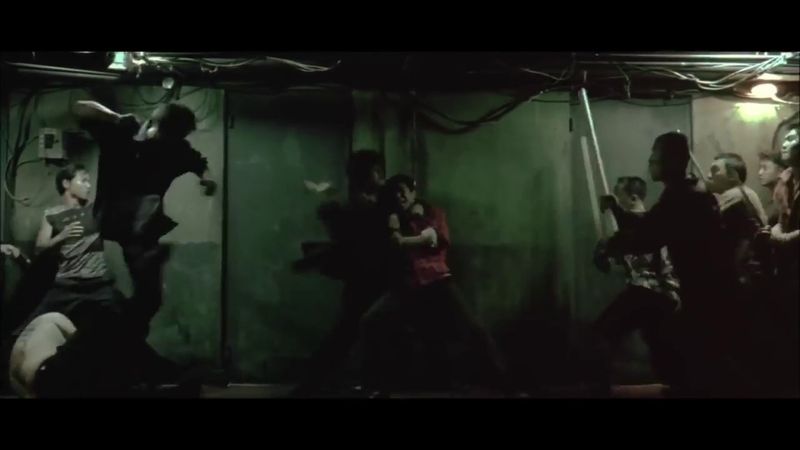
Exhaustion becomes part of the fight in Oldboy’s famous hallway scene. Seen from the side and filmed to look like one long take, the clash gives its lead character no easy break.
He stumbles and strains as the struggle goes on.
Notice how the wide view lets you follow both the fighters and the narrow path ahead. The scene proved that action does not need nonstop speed to feel intense.
Sometimes staying with a tired character makes every small victory matter more.
11. Undisputed II: Last Man Standing (2006): A Rival Worth Watching
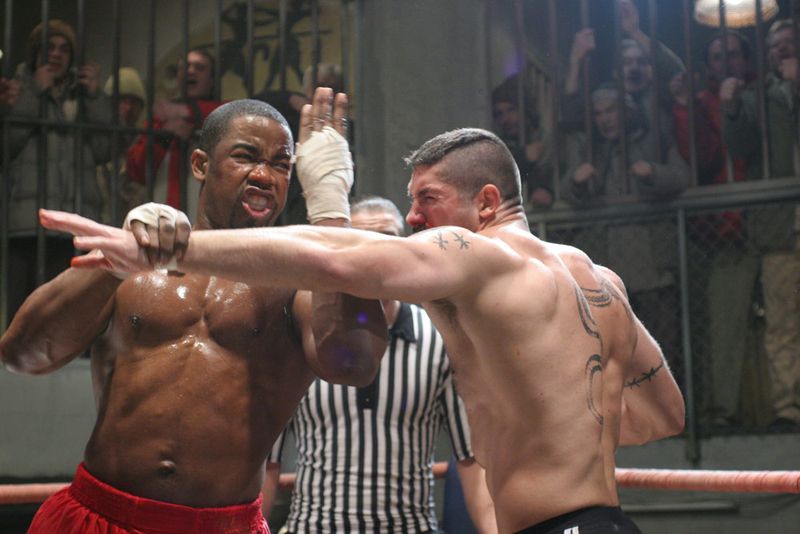
A hero’s skills mean more when the other fighter can truly match them. Undisputed II gives its rivals striking moves and enough time to show them.
Yuri Boyka, played by Scott Adkins, stands out because his ability makes each exchange uncertain.
Keep an eye on how the fighters adjust after a move fails. Their answers turn a contest into a story with changing odds.
The film helped raise expectations for sharp choreography in smaller martial arts releases, where the fighting carries much of the drama.
12. The Raid (2011): No Safe Room
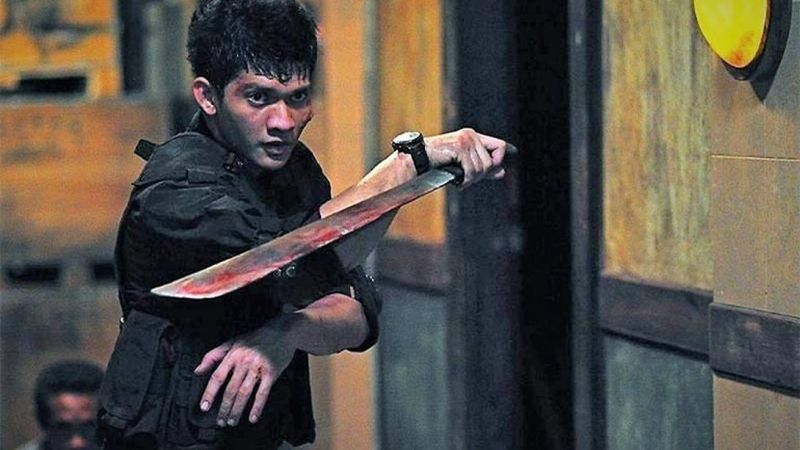
Every doorway in The Raid seems to hide another threat. Trapped inside an apartment building, the police team must fight through tight rooms and halls.
The film brought Indonesian pencak silat to many new viewers through rapid, forceful choreography.
Notice how a narrow setting changes which moves are possible. Fighters must turn walls and corners into useful tools.
That clear connection between place and action helped make the movie influential. It shows how a simple goal can give a long chain of fights real momentum.
13. Rurouni Kenshin (2012): Swordplay at Full Speed
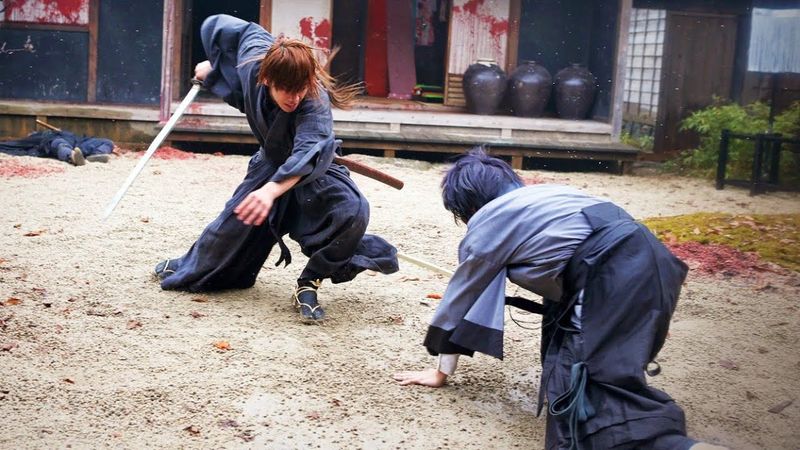
Kenshin’s sword moves quickly, but his choices are never simple. Rurouni Kenshin turns a manga hero’s fast duels into live-action movement using agile performers and carefully hidden wirework.
The fights carry the weight of Kenshin’s promise not to kill.
Watch how he tries to stop an opponent rather than simply overpower them. That goal gives the speedy choreography a clear purpose.
The film offered an example of adapting larger-than-life action without losing the feelings that made its characters memorable.
14. John Wick (2014): Every Move in View
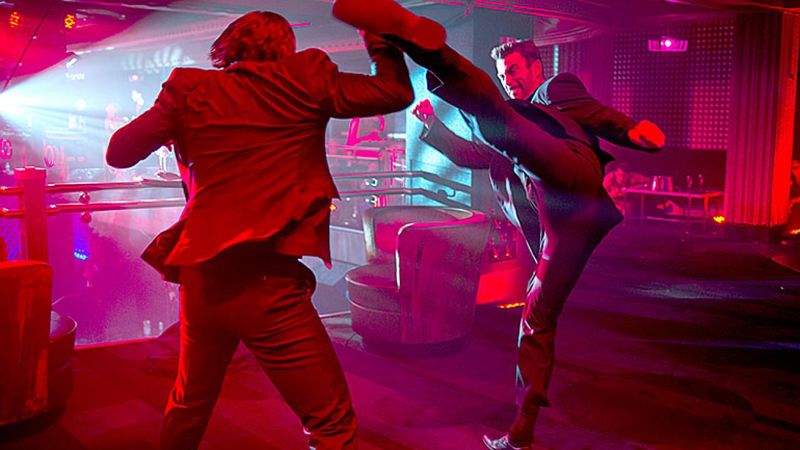
John Wick does not need the camera to hide his footwork. Longer shots and clear framing let viewers track his throws, grappling, and close-range shooting.
The careful blend of martial arts and firearms became known as gun-fu.
Look for the moments when Wick uses a wall, a car, or a fallen weapon to change his options. Each choice keeps the action moving.
The film made clear choreography a selling point, encouraging viewers to notice the work behind a polished fight.
15. Captain America: The Winter Soldier (2014): Superhero Combat Up Close
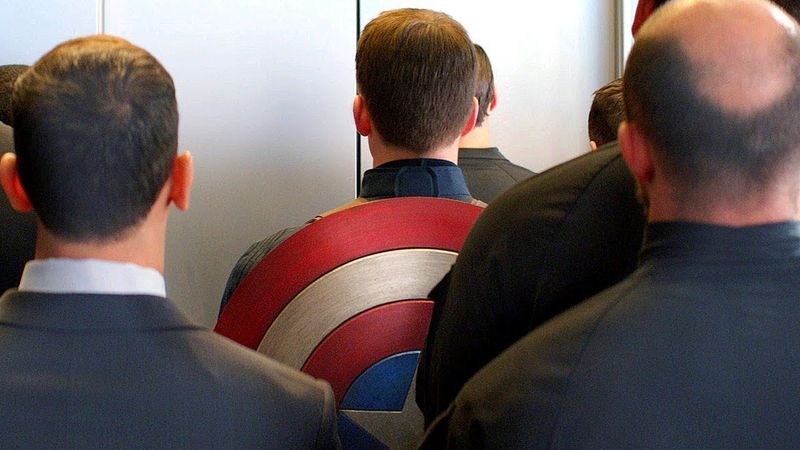
Even a superhero can feel trapped in an elevator. Captain America: The Winter Soldier puts its hero in close spaces where strength alone cannot settle a fight.
Quick counters, shield work, and practical-looking stunts give the action the feel of a spy thriller.
Watch how Steve Rogers reads a room before trouble starts. His awareness makes the fights more than displays of power.
The movie showed that superhero battles could stay exciting at human scale, with clear moves and immediate danger.
16. Kingsman: The Secret Service (2014): Chaos With a Rhythm
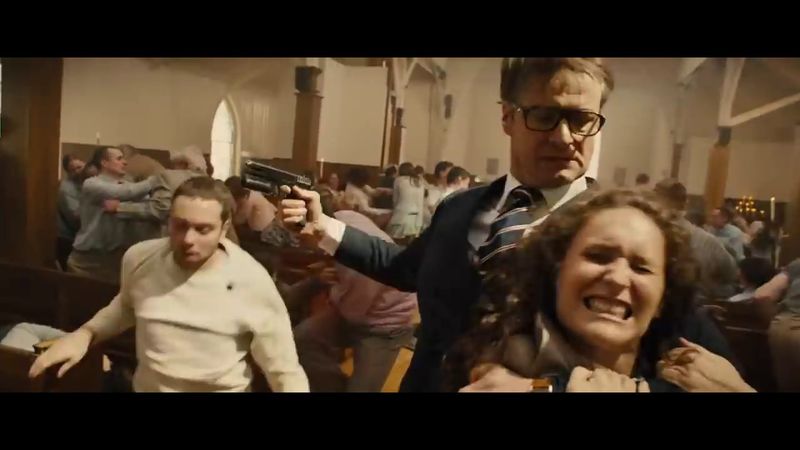
A neat suit meets complete chaos in Kingsman: The Secret Service. Its church sequence uses sweeping camera moves, fast choreography, and digital editing to create the rush of a nearly unbroken fight.
The result is highly stylized and deliberately unsettling.
Notice how the camera carries you from one part of the room to another. That motion helps connect a huge number of actions.
The scene pushed the long-take idea toward wild spectacle, showing how editing and camera tricks can create their own rhythm.
17. Atomic Blonde (2017): Too Tired to Look Cool
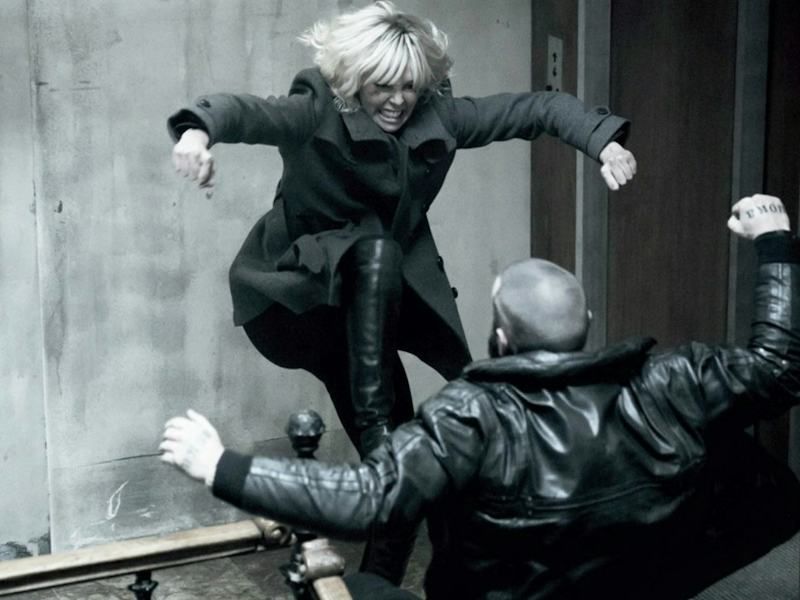
By the end of a fight in Atomic Blonde, everyone looks worn out. Its memorable stairwell sequence follows bruised fighters through a long struggle, letting fatigue slow their moves and change their plans.
The action feels painful because nobody shrugs off a hard hit.
Watch the pauses when the characters search for enough strength to continue. Those moments give the blows meaning.
The film showed how a sustained fight can reveal determination without making its hero seem untouched or impossible to hurt.