
Every culture on Earth has found a way to turn flour, water, and heat into something special. Baking is about more than food, because breads and cakes help people celebrate holidays, honor family, and share stories.
Some traditions are hundreds of years old and still happen in kitchens today. Get ready to travel the globe one tasty bite at a time.
1. King Cake Surprises in New Orleans
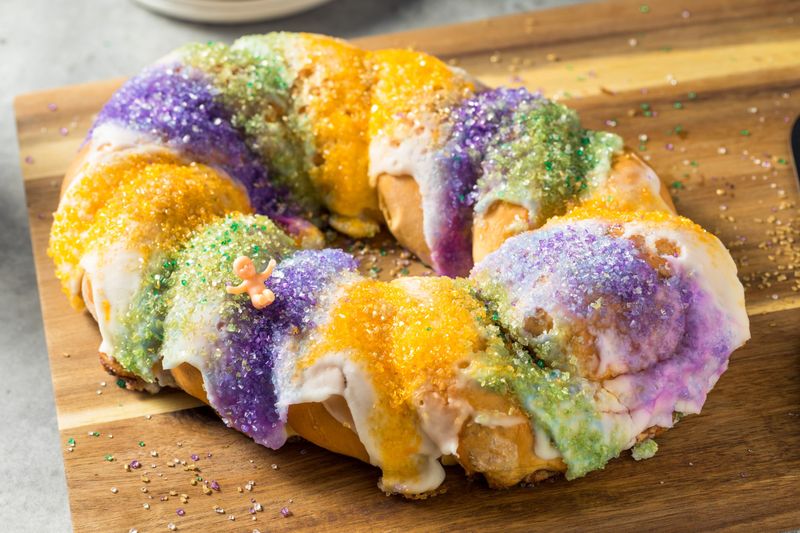
Imagine biting into cake and finding a tiny plastic baby. In New Orleans, that happens every Mardi Gras season with the king cake, a ring of sweet dough covered in purple, green, and gold sugar.
Whoever finds the baby is said to have good luck. The catch?
That lucky person usually has to buy or bake the next cake!
Tip: always warn guests about the hidden baby so nobody bites down too hard.
2. Galette des Rois in France
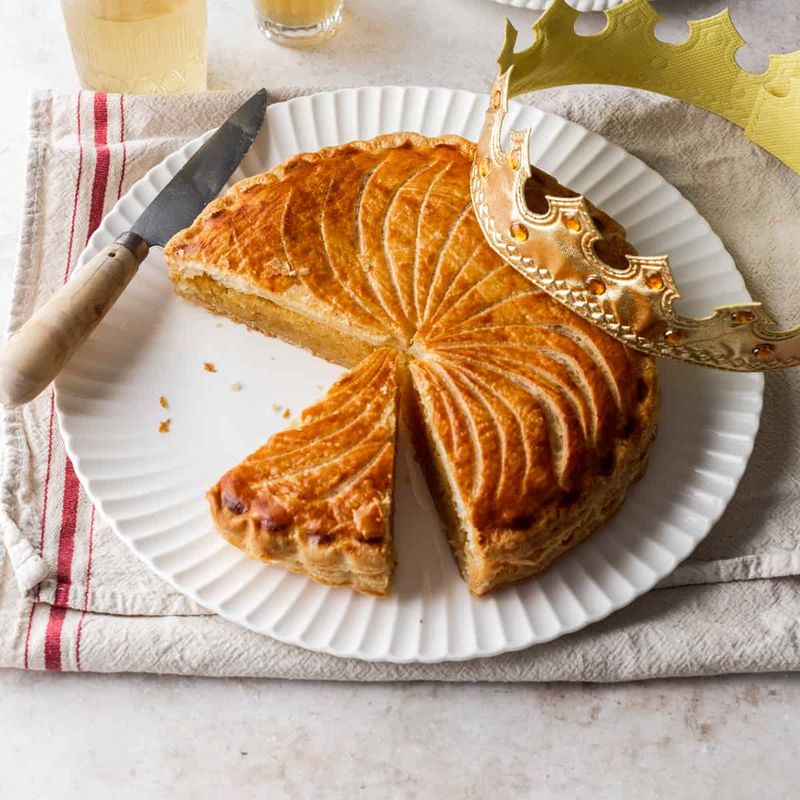
Every January, French bakeries fill their windows with golden puff pastry pies stuffed with almond cream. The galette des rois celebrates Epiphany, and each one hides a small charm called a feve.
Families often have the youngest child sit under the table and call out who gets each slice. That keeps things fair!
The finder wears a paper crown and becomes king or queen for the day. Pretty royal treatment for a dessert.
3. Mooncakes for the Mid-Autumn Festival
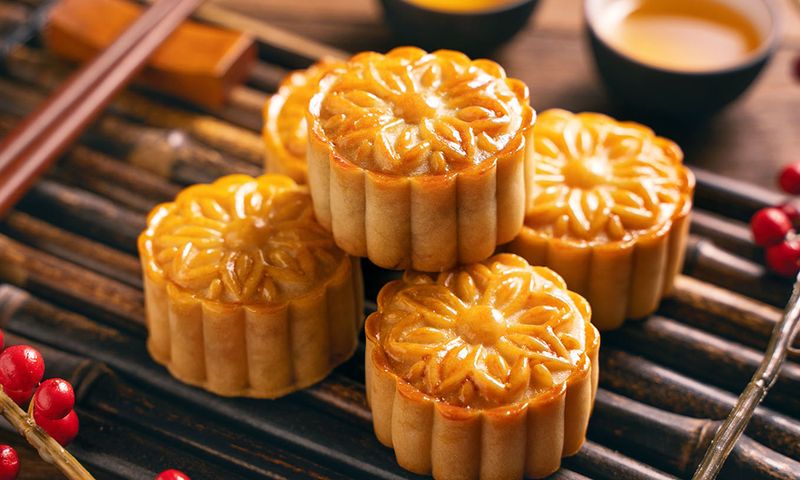
Under the brightest full moon of autumn, families across China gather outside to share mooncakes. These round pastries have fancy patterns pressed into the top using wooden molds.
Inside, you might find sweet lotus seed paste, red bean, or even a salty egg yolk that looks like a tiny moon. The round shape stands for family unity.
Mooncakes are rich, so people usually cut them into small wedges and enjoy them with hot tea.
4. Stollen at German Christmas Markets
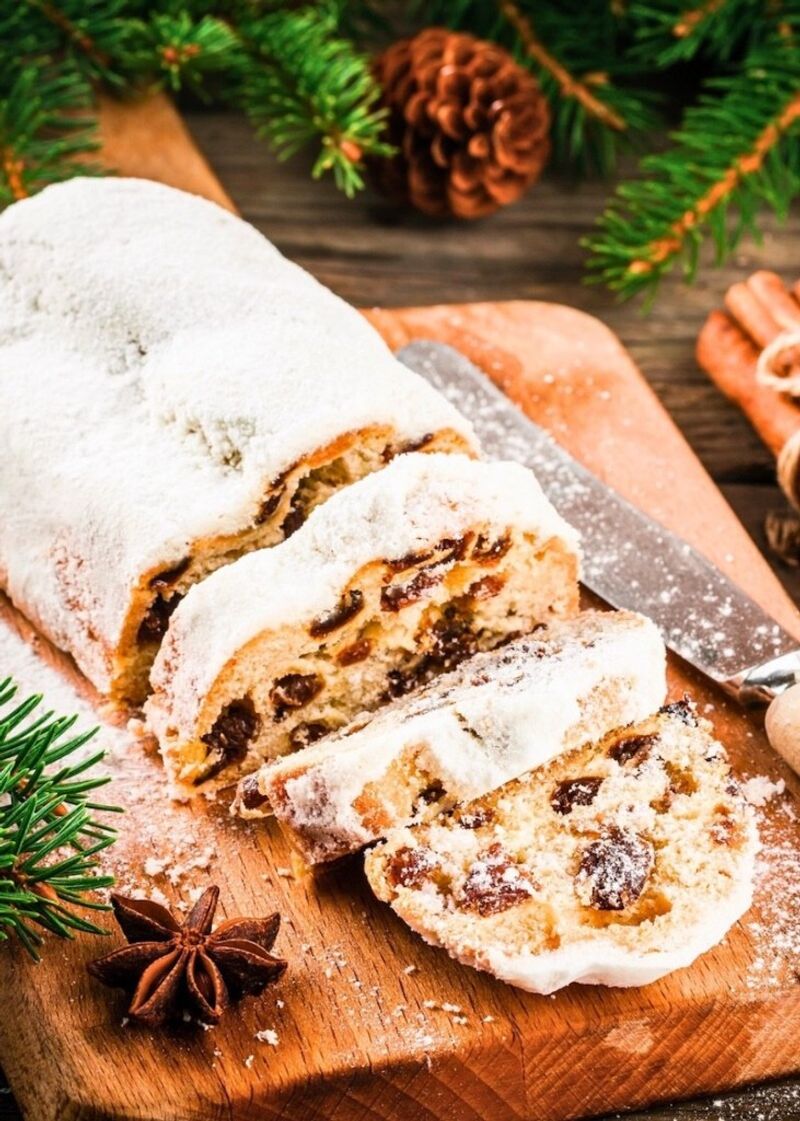
Back in 1730, bakers in Dresden made a stollen weighing nearly two tons for a royal party. Today, the city still holds a yearly Stollen Festival.
Stollen is a dense bread packed with dried fruit, nuts, and sometimes marzipan. A thick coat of powdered sugar represents baby Jesus wrapped in white blankets.
Here is a neat trick: bake it a few weeks before Christmas. The flavors actually get better as it rests.
5. Pan de Muerto for Day of the Dead
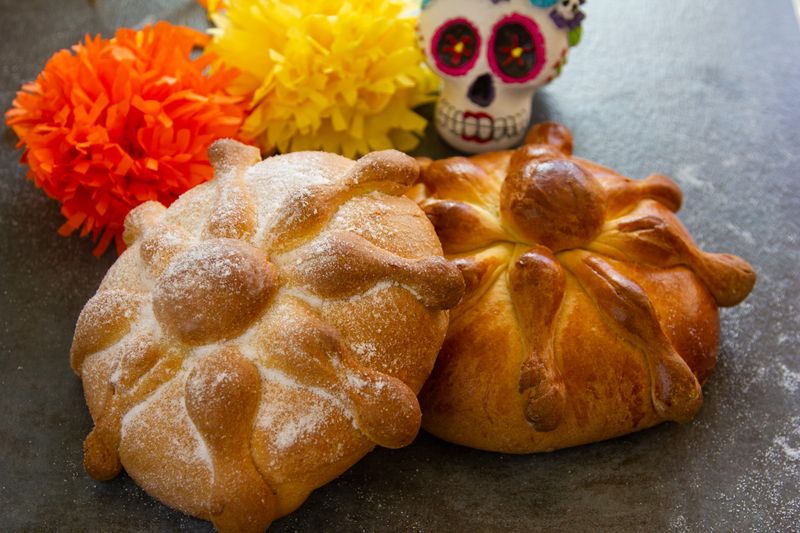
Look closely at pan de muerto and you will spot little dough bones crossing the top. Mexican families bake this soft, orange-scented bread for Dia de los Muertos in early November.
Loaves are placed on home altars called ofrendas, next to photos, candles, and bright marigolds. People believe loved ones who have passed return to visit.
After the celebration, everyone eats the bread together, sharing happy memories of the family members they miss.
6. Braided Challah for Shabbat
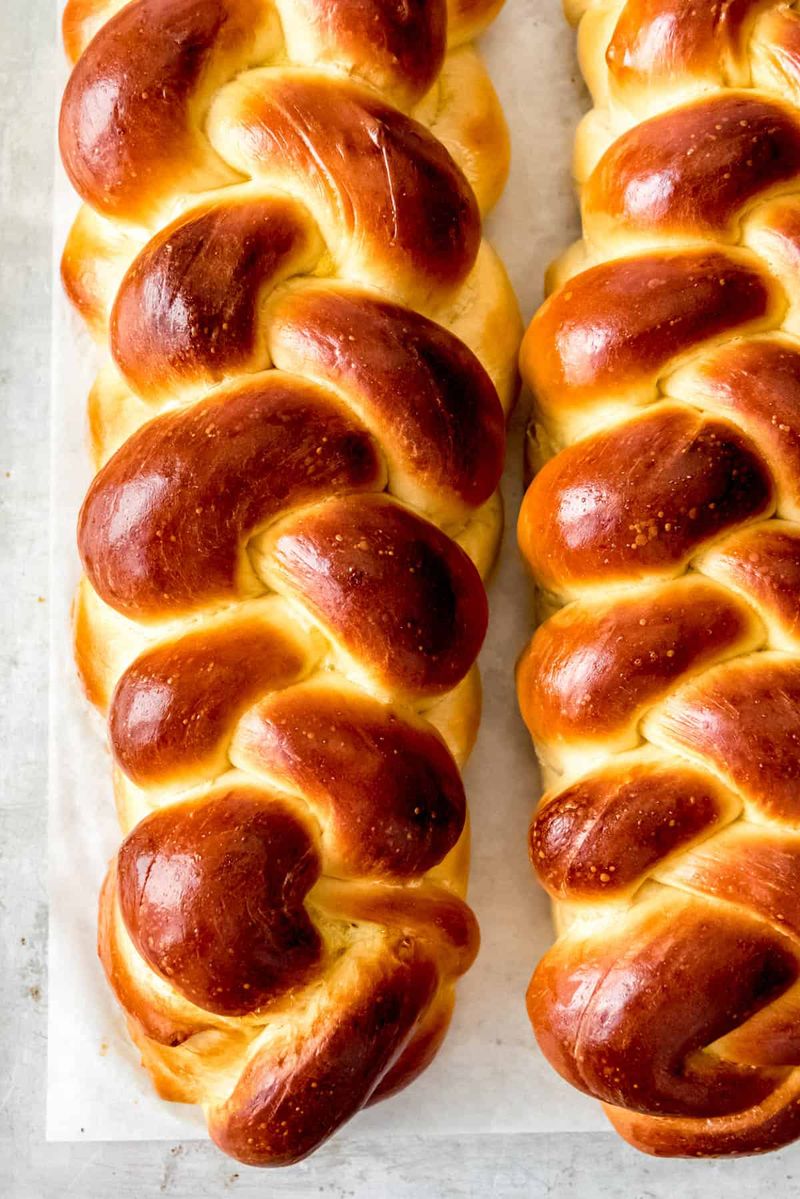
Friday evenings in many Jewish homes smell wonderful, thanks to challah. Bakers braid this eggy dough into shiny loaves for Shabbat, the weekly day of rest.
Two loaves usually sit on the table, remembering the double portion of food given in the desert long ago. For Rosh Hashanah, challah turns round to show the circle of the year.
Want to try braiding? Start with three strands.
It feels just like braiding hair.
7. Hot Cross Buns at Easter
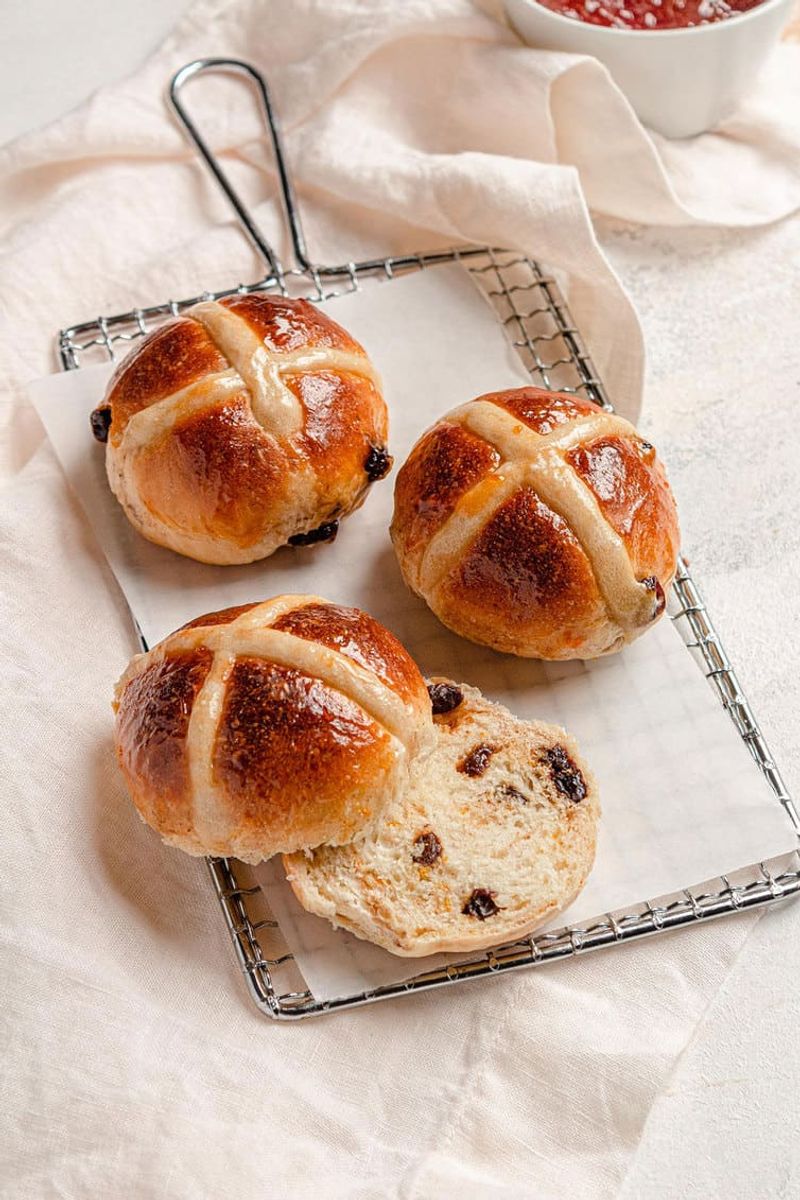
One a penny, two a penny! That old nursery rhyme is all about hot cross buns, a British Easter favorite.
Spiced with cinnamon and dotted with currants, each bun wears a cross on top. Old folk beliefs claimed buns baked on Good Friday would never spoil, so some people hung one in the kitchen all year for luck.
We suggest eating yours warm, split open with melting butter, instead of saving it.
8. Semla Buns in Sweden
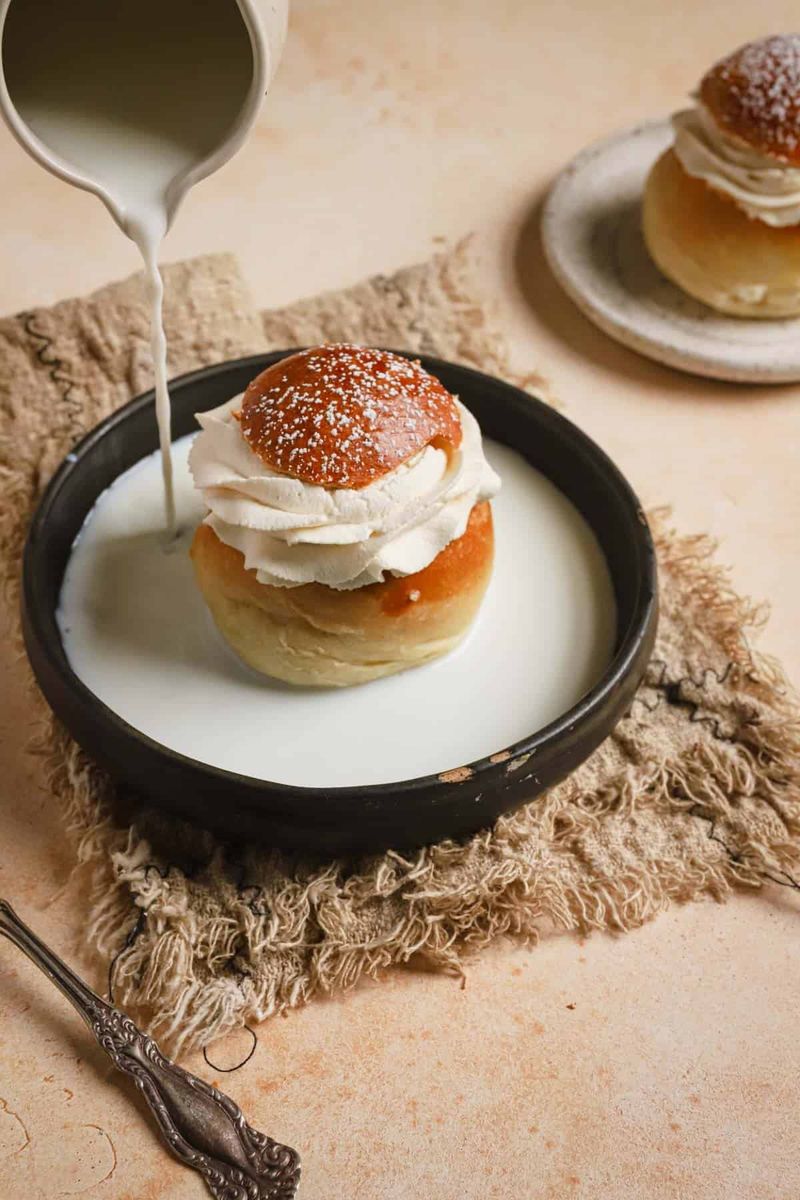
Swedes love semlor so much that they even have a special day for them, called Fat Tuesday. These cardamom buns get their tops sliced off, then filled with almond paste and a mountain of whipped cream.
Legend says King Adolf Frederick ate fourteen servings in one meal back in 1771. Yikes!
Some people still enjoy theirs the old-fashioned way, floating in a bowl of warm milk. Cozy and creamy.
9. Panettone From Milan
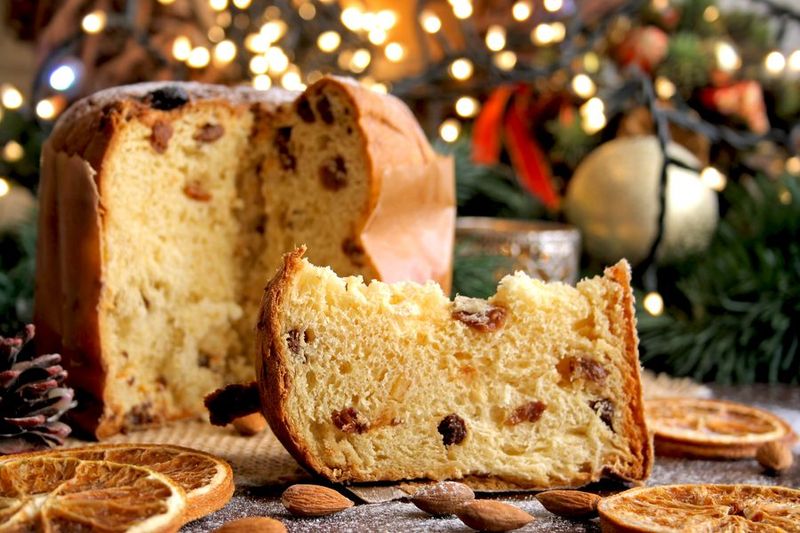
Tall, fluffy, and shaped like a chef’s hat, panettone is the star of Italian Christmas. It comes from Milan, where bakers let the dough rise for days.
Getting that super airy texture takes patience. Many bakers even hang the loaves upside down while they cool so they do not collapse.
Leftover slices make amazing French toast or bread pudding. Italians often give panettone as gifts, so expect boxes stacked everywhere in December.
10. Vasilopita and the Lucky Coin
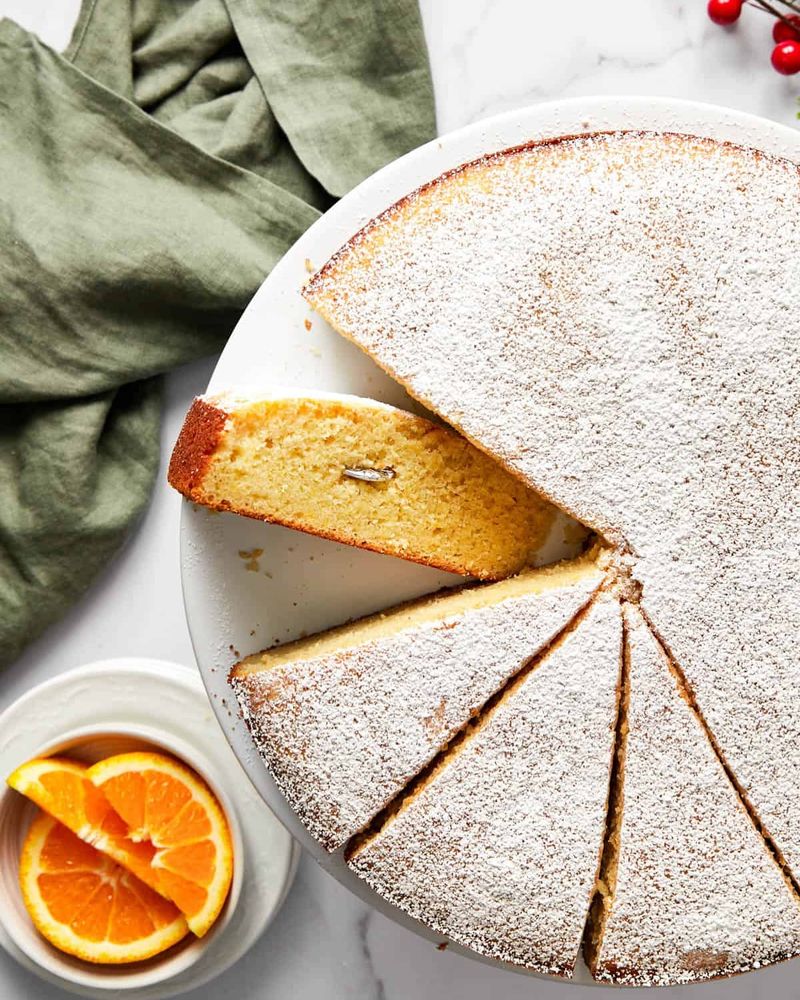
At midnight on New Year’s Eve, Greek families gather around a cake with a secret coin baked inside. It is called vasilopita, named after Saint Basil.
Slices are cut in a special order. The first goes to Christ, then to the house, and then to each family member from oldest to youngest.
Whoever finds the coin is expected to enjoy a lucky year. Many families keep that coin in a wallet for good fortune.
11. Tandoor Naan in India
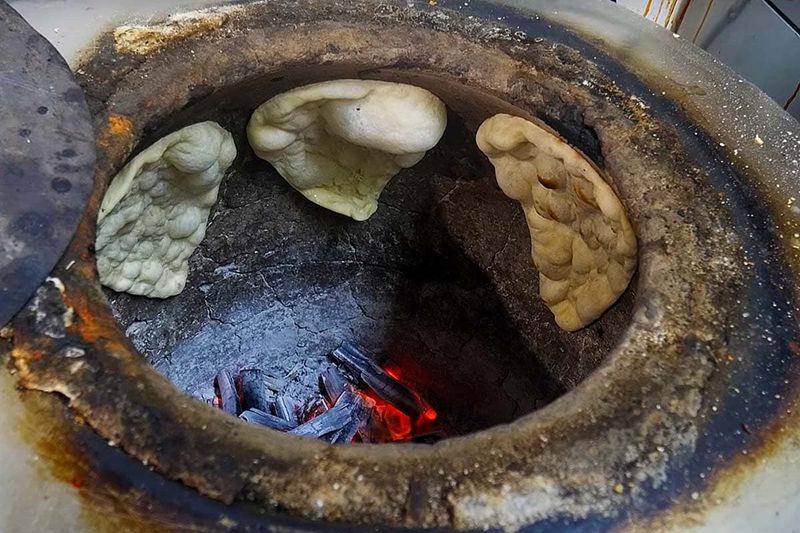
Picture a cook reaching into a blazing hot clay oven and slapping dough right onto its wall. That is how naan is made in a tandoor across northern India and Pakistan.
The oven can reach over 800 degrees, so the bread puffs up and chars in about a minute. A long metal hook pulls it out.
At home, a very hot cast iron pan gives surprisingly similar bubbly, smoky results.
12. Injera Baking in Ethiopia
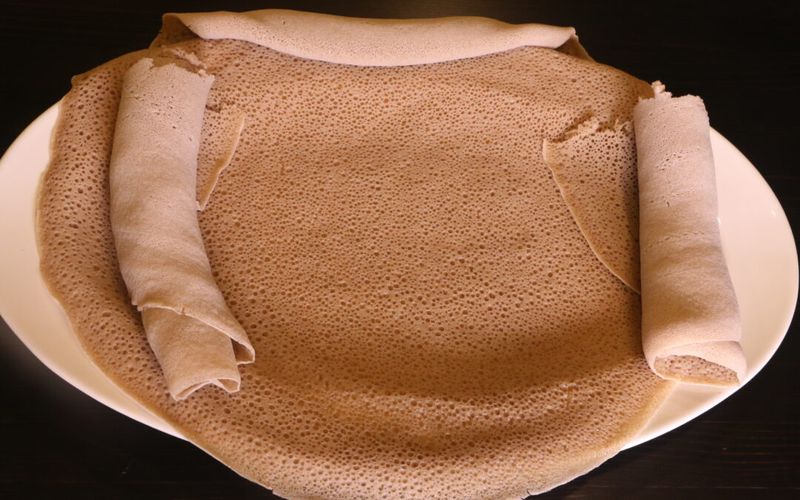
No forks needed here! In Ethiopia, the spongy flatbread injera works as plate, spoon, and food all at once.
Made from a tiny grain called teff, the batter ferments for several days, giving it a pleasant sour tang. Cooks pour it in a spiral onto a large clay griddle called a mitad.
Sharing from one big platter is a sign of friendship. Sometimes people even hand-feed each other a bite called gursha.
13. Rosca de Reyes on Three Kings Day
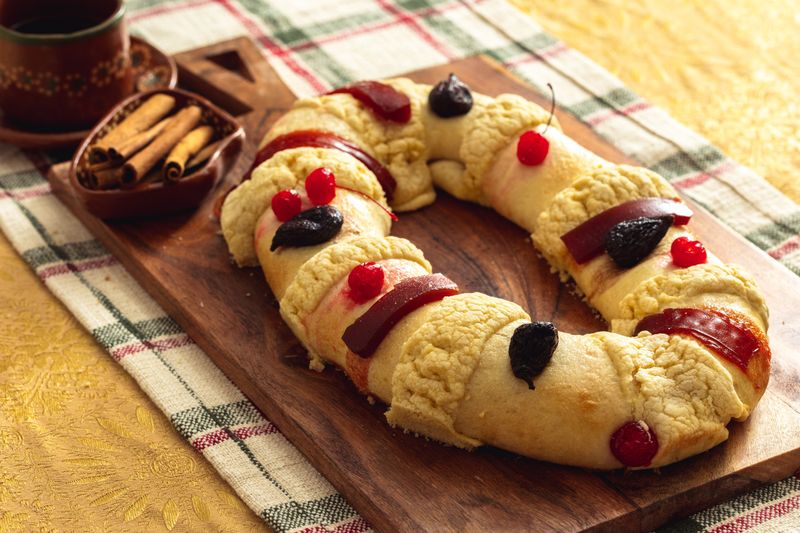
Mexico has its own version of the hidden-baby tradition, and it comes with hot chocolate. On January 6, families share rosca de reyes, an oval sweet bread topped with colorful candied fruit.
The ring shape stands for a crown. Tiny figurines are tucked inside, and finding one means you host a tamale party on February 2.
So choose your slice carefully, or get ready to make lots of tamales!
14. Anzac Biscuits From Australia
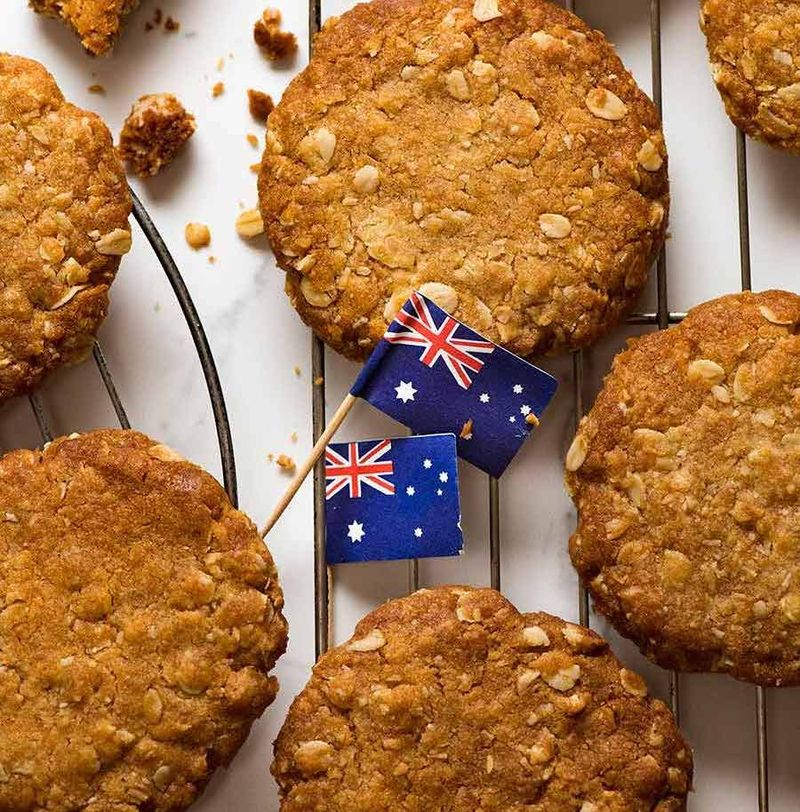
During World War I, families in Australia and New Zealand needed treats that could survive long ship rides to soldiers overseas. Anzac biscuits were the answer.
Made with oats, coconut, flour, and golden syrup, they use no eggs, which helped them stay fresh for weeks. Today people bake them on Anzac Day, April 25, to honor those who served.
Like them chewy? Pull the tray out a minute early.
15. Gingerbread Houses of Nuremberg
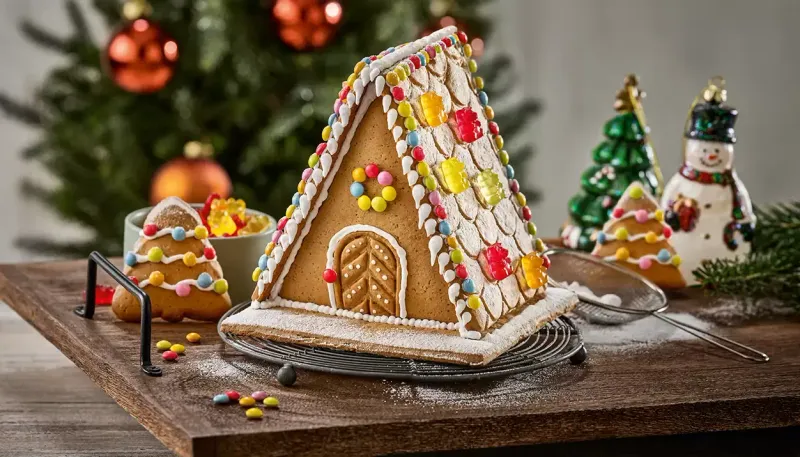
Fairy tales and cookies make a sweet team. When the story of Hansel and Gretel became popular in the 1800s, German bakers started building gingerbread houses.
Nuremberg earned the nickname gingerbread capital of the world thanks to its lebkuchen spice cookies. Guild bakers there once guarded their recipes like treasure.
Building your own house? Use thick royal icing as glue and let walls dry for an hour before adding the roof.
16. Paczki Day in Poland
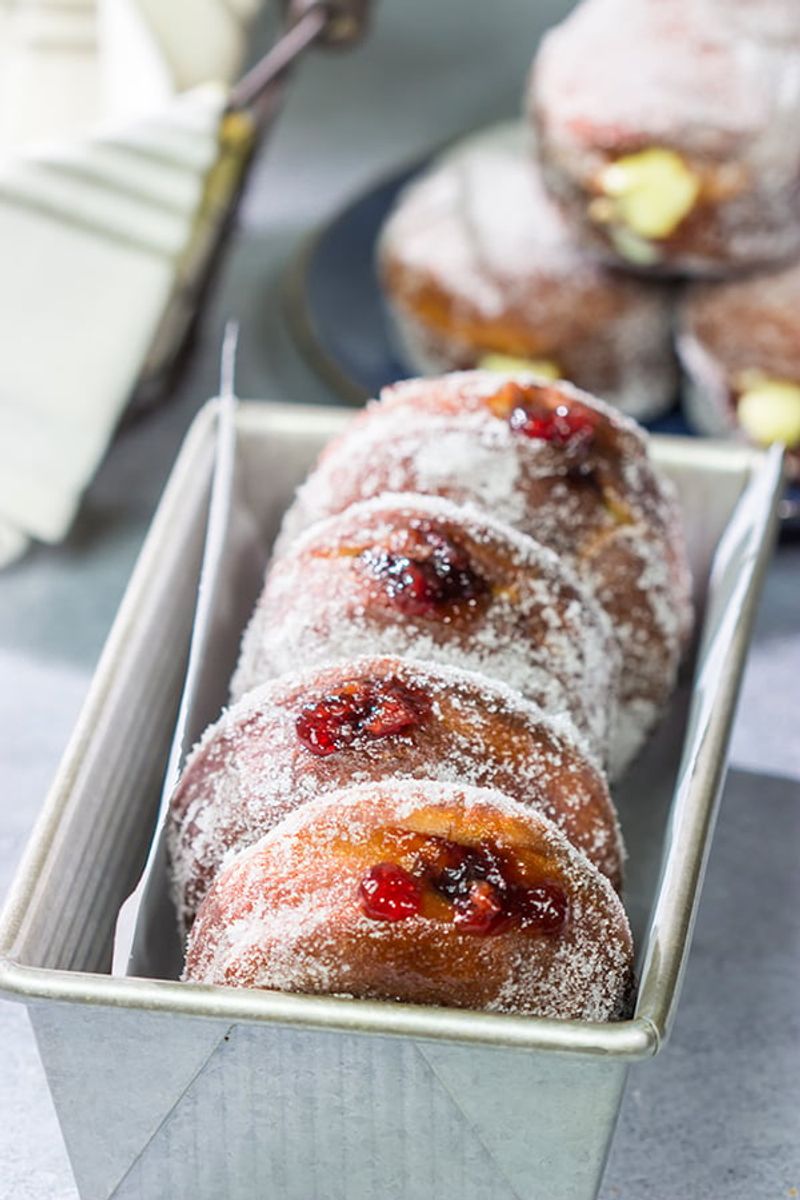
Lines wrap around bakery blocks in Poland on Fat Thursday. Everyone wants paczki, round fried doughnuts stuffed with rose jam, plum butter, or custard.
Polish families traditionally made them to use up sugar, eggs, and lard before the fasting season of Lent. Some say skipping them brings bad luck for the year.
Poles eat millions of paczki in a single day. Honestly, that sounds like a holiday worth celebrating anywhere.
17. Kulich and Russian Easter
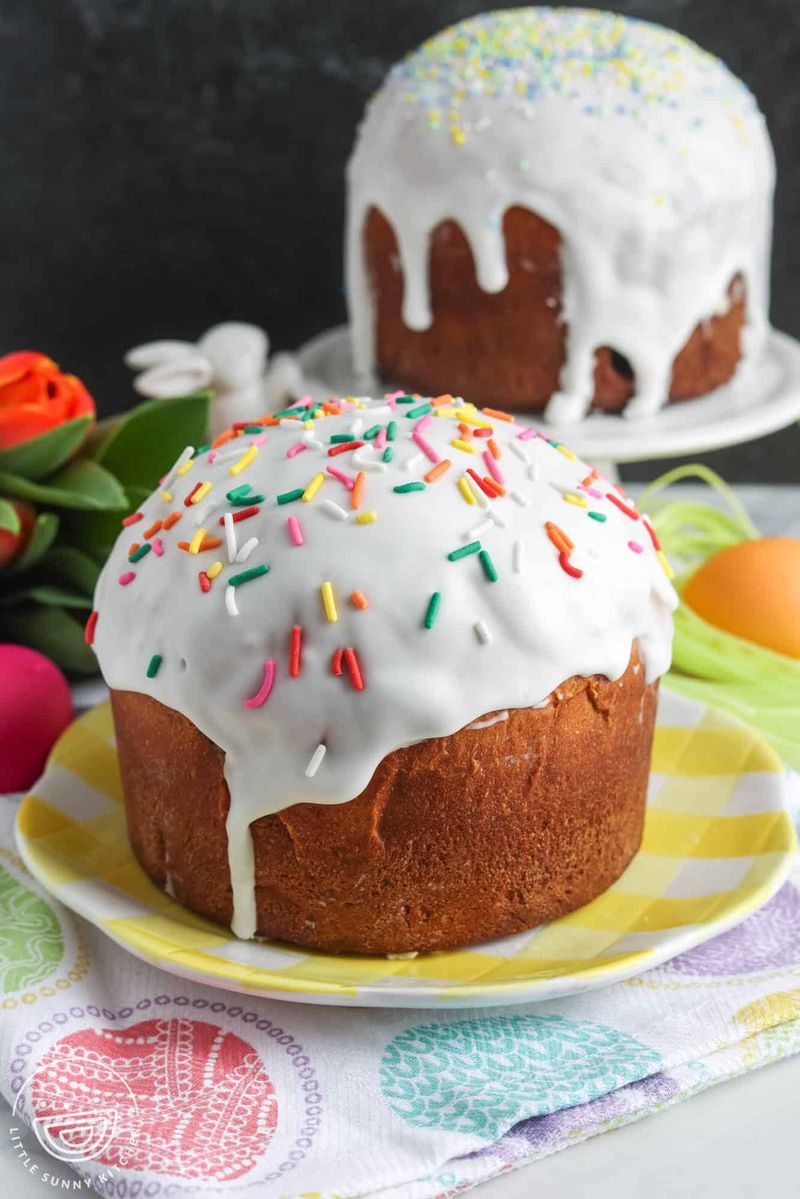
Tall and round like a tower, kulich is a sweet Easter bread baked in Russia and other Orthodox countries. Bakers often use coffee cans as pans to get that height.
White icing drips down the top, sprinkled with colorful candy. On the night before Easter, families carry their kulich to church to be blessed by a priest.
It is usually served with paskha, a creamy cheese dessert, plus bright red dyed eggs.
18. Bara Brith in Wales
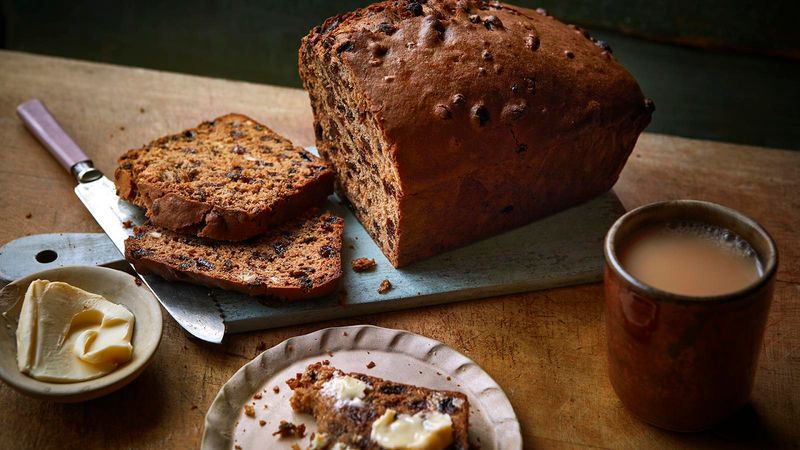
Tea does double duty in this Welsh treat. To make bara brith, which means speckled bread, bakers soak dried fruit overnight in strong tea.
The fruit plumps up and makes the loaf incredibly moist. Farm families once baked it on the same day as regular bread, using the cooling oven.
Spread a thick slice with salted butter and enjoy it at teatime, just as people in Wales have for generations.