
Breakfast is often called the most important meal of the day, but not every morning favorite helps your body. Some foods look harmless yet are packed with sugar, salt, or unhealthy fats that leave you tired before lunch.
Knowing which ones to watch can help you feel more focused and energetic. Here are some common choices worth thinking twice about, plus smarter swaps you can try.
1. Sugary Cereal
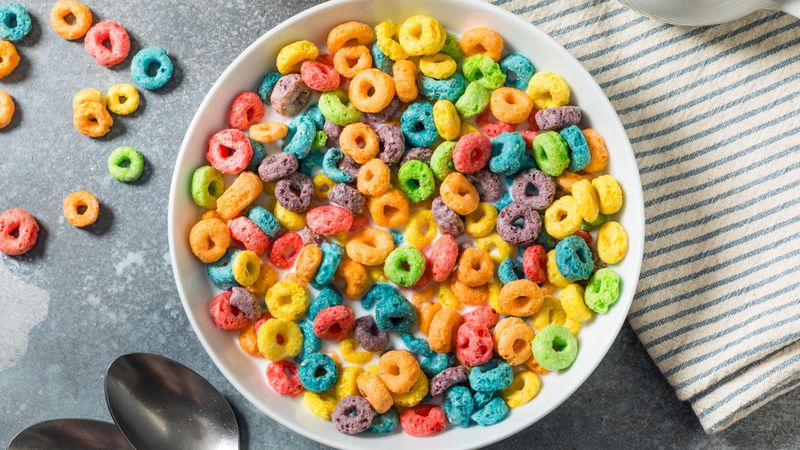
Cartoon mascots and rainbow colors make sugary cereal hard to resist. Sadly, many boxes pack more sugar per bowl than a frosted cookie.
That sweet rush fades fast, often leaving you hungry and cranky by mid-morning. Your body burns through it quickly and wants more.
Try checking the label for cereals with less than 6 grams of sugar per serving. Adding fresh berries gives natural sweetness without the crash.
2. Toaster Pastries

Grabbing a toaster pastry on the way out the door feels like a win. It is quick, warm, and tastes like dessert.
Here is the catch: most are made with white flour, sugar, and very little protein or fiber. They will not keep you full for long.
Did you know these treats were first sold in 1964? A whole grain toast with peanut butter makes a far better grab-and-go option.
3. Flavored Yogurt Cups
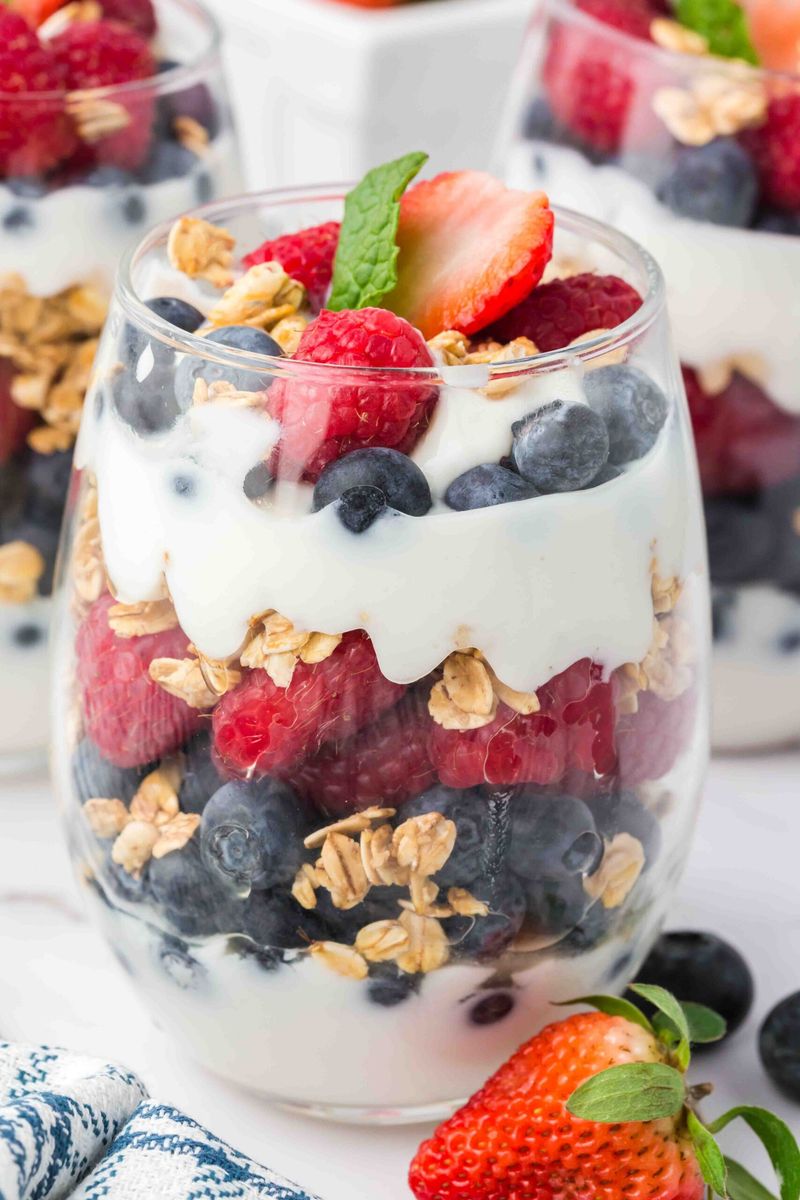
Yogurt sounds healthy, right? Plain yogurt often is, but many flavored cups hide a surprising amount of added sugar.
Some brands contain nearly as much sugar as a candy bar. The fruit on the bottom is usually more like jam than real fruit.
A simple fix is buying plain Greek yogurt and stirring in your own sliced fruit and a drizzle of honey. You stay in control of the sweetness.
4. Glazed Donuts
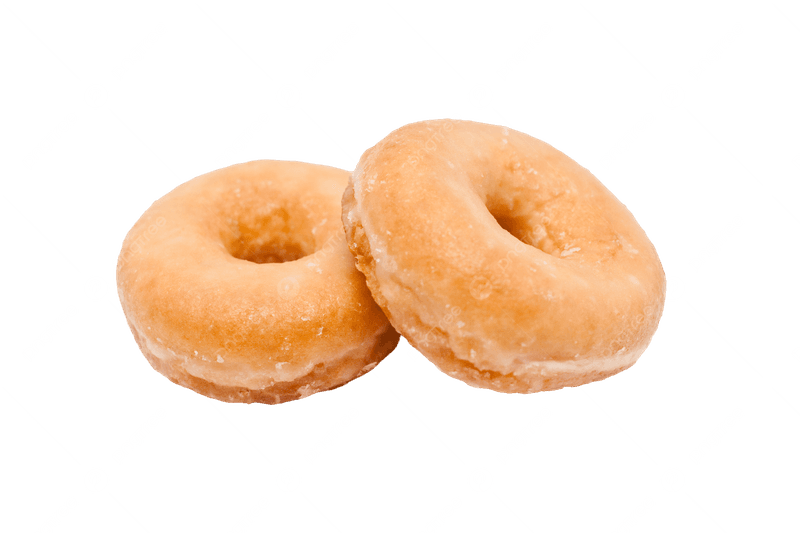
Picture a box of fresh, shiny donuts at a Saturday morning meeting. Everyone grabs one, and nobody regrets it until about an hour later.
Donuts are deep-fried, coated in sugar, and offer almost no nutrients. That combination can make you sleepy and sluggish.
Enjoy one now and then as a special treat, not a daily habit. On regular mornings, a banana with some nuts gives lasting energy instead.
5. Store-Bought Muffins

Calling it a blueberry muffin does not make it a health food. Many coffee shop muffins are basically cake wearing a breakfast disguise.
Some giant muffins top 400 calories and come loaded with sugar and oil. Portion sizes have grown a lot over the years.
Baking your own smaller muffins at home lets you use oats, less sugar, and real fruit. Freeze a batch for busy school mornings.
6. Pancakes With Syrup
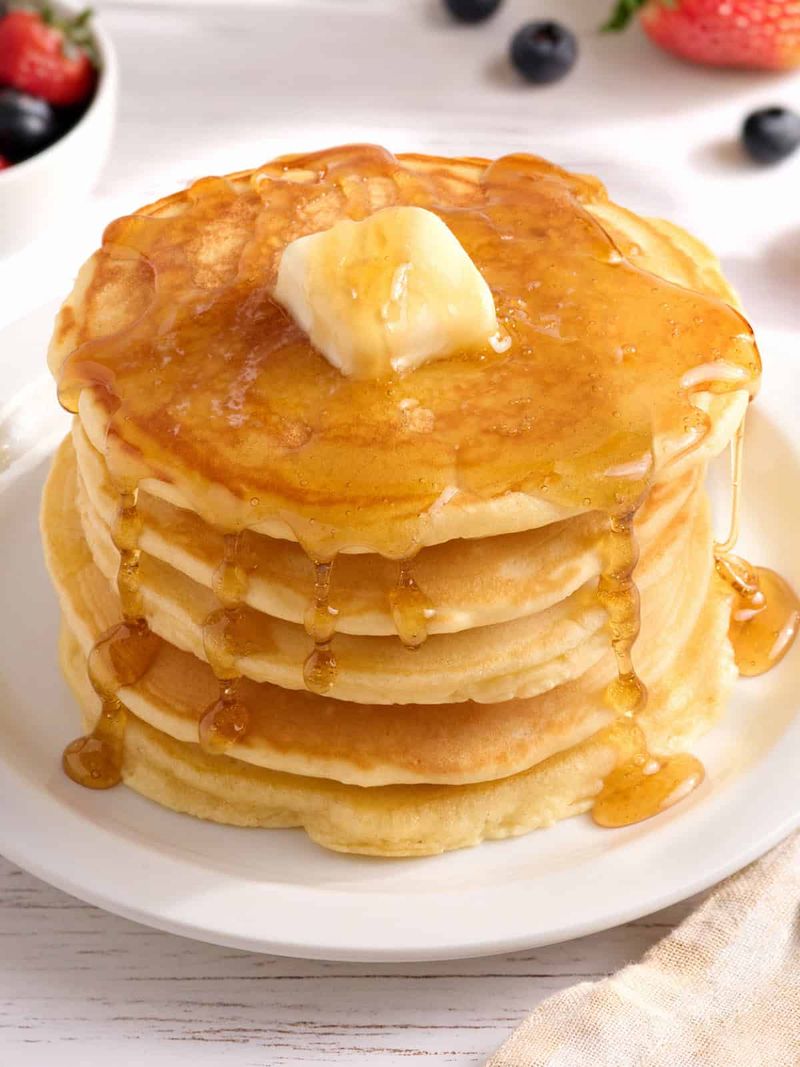
Nothing says lazy weekend like a tall stack of pancakes. The trouble starts when that stack gets soaked in sugary syrup.
Most pancakes use white flour, and pancake syrup is often just flavored corn syrup. Together, they spike your blood sugar quickly.
You do not have to give them up. Try whole wheat batter, top with fresh fruit, and use a small splash of real maple syrup instead.
7. Bacon
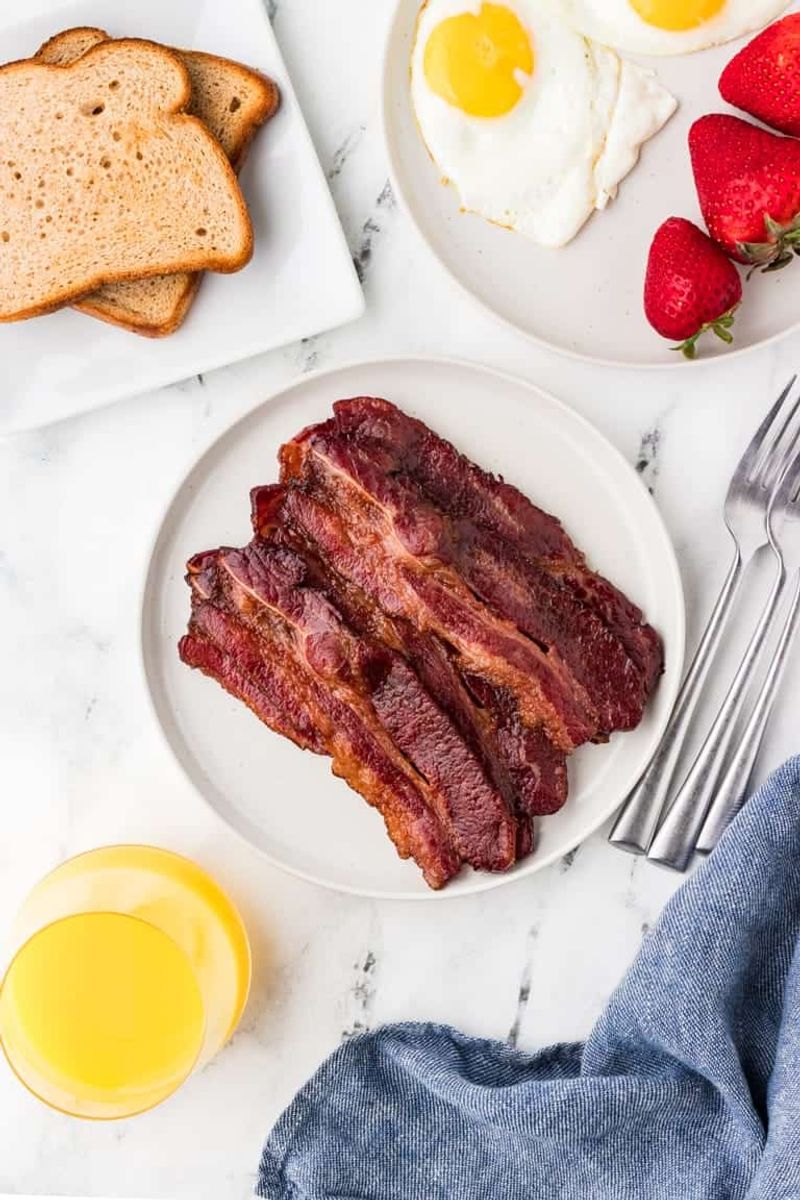
That sizzling sound and smoky smell can pull anyone out of bed. Bacon is a breakfast legend for good reason.
Still, it is a processed meat high in salt and saturated fat. Health experts link eating lots of processed meat to heart problems.
Save bacon for once in a while. On other days, eggs, beans, or a slice of turkey can give you protein without as much salt.
8. Breakfast Sausage

Plump and juicy, sausage links feel like the perfect partner for eggs. Unfortunately, they share many of the same problems as bacon.
Most sausages are heavy in sodium, fat, and preservatives called nitrates. Eating them every day adds up fast.
Look for chicken or turkey sausage with shorter ingredient lists. Better yet, try making simple patties at home with lean ground meat and your favorite spices.
9. Fruit Juice
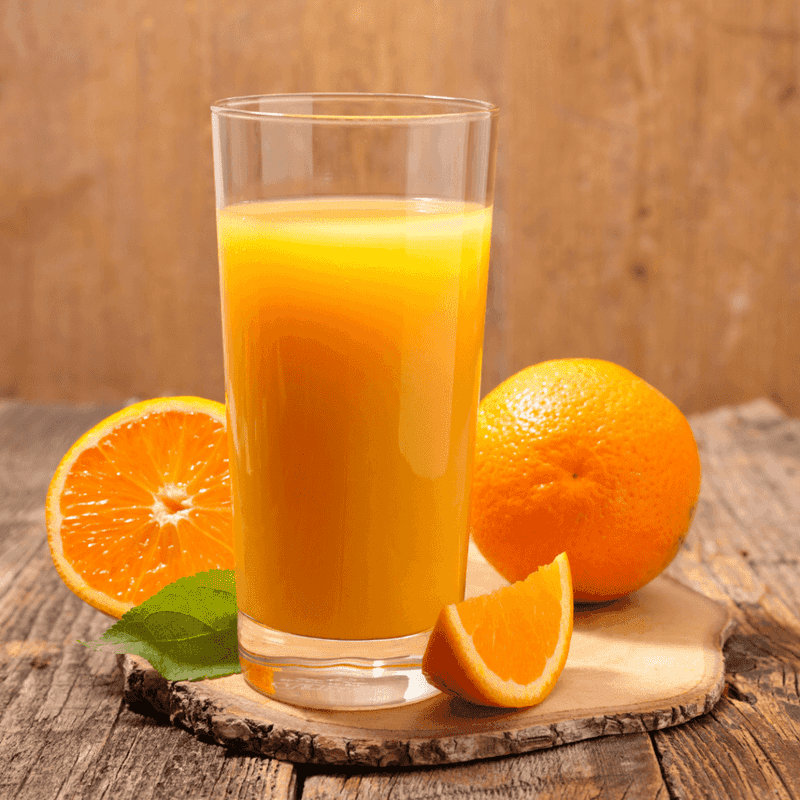
A glass of orange juice seems like the healthiest thing on the table. Surprise!
It can be almost as sugary as soda.
Juicing removes most of the fiber that makes whole fruit so filling. Without it, sugar hits your body quickly.
Eating a whole orange gives you vitamins plus fiber that keeps you satisfied. If you love juice, pour a small glass and drink water alongside it.
10. Fancy Coffee Drinks
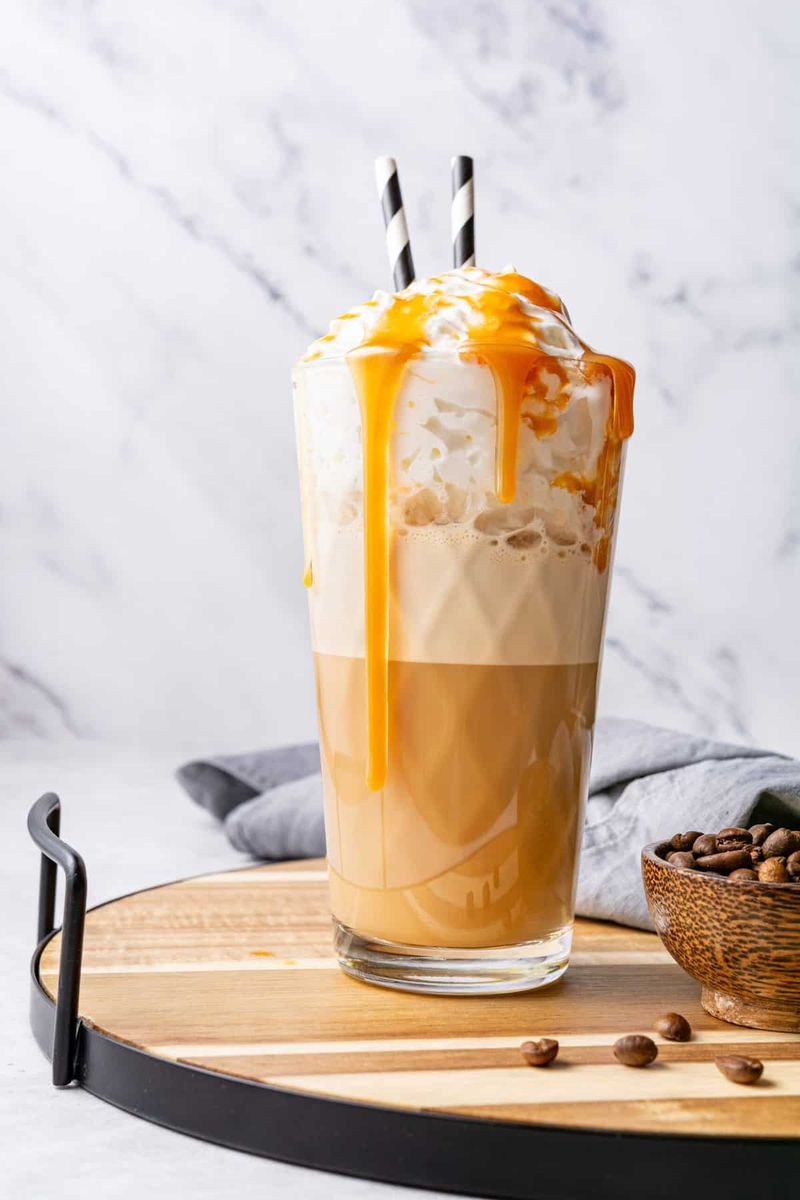
Caramel swirls, whipped cream, and chocolate drizzle make coffee shop drinks look like art. They also come with a hidden sugar bill.
Some large blended drinks contain over 60 grams of sugar. That is more than double what many people should have in a whole day.
Ordering a smaller size, skipping the whipped cream, or asking for fewer syrup pumps makes a big difference. Your wallet will thank you too.
11. Breakfast Sandwiches From Drive-Thrus
Rolling up to a drive-thru window at 7 a.m. is a common morning ritual. Those warm sandwiches are tasty but sneaky.
Many contain processed meat, greasy biscuits, and over half a day of salt. Hash browns on the side only add more.
Making a sandwich at home with an English muffin, an egg, and some spinach takes about five minutes. Wrap it in foil to eat on the go.
12. Granola
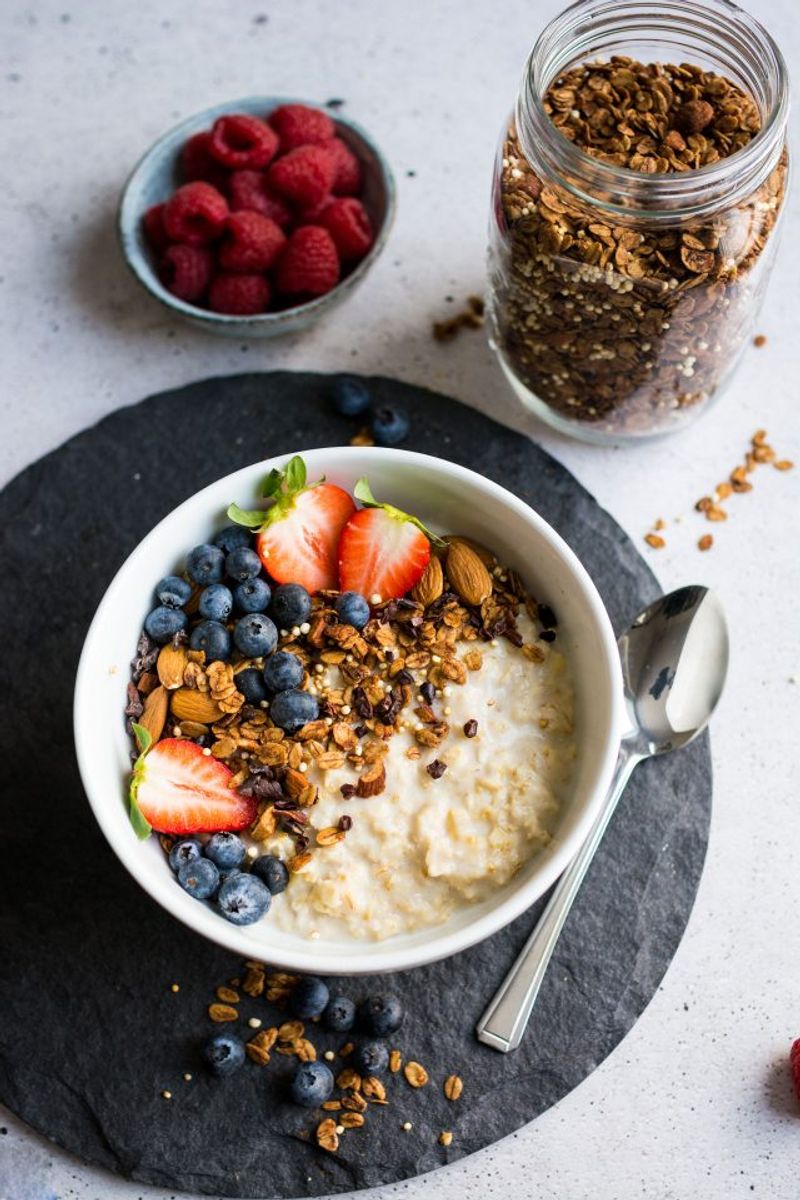
Granola has a wholesome reputation, thanks to oats, nuts, and that rustic look. Read the bag closely, though.
Many brands bind those crunchy clusters with plenty of sugar and oil. A small half-cup can carry lots of calories.
Fun fact: granola was invented in the 1890s as a health food. To keep it that way, sprinkle a little on plain yogurt instead of filling a whole bowl.
13. Cereal Bars
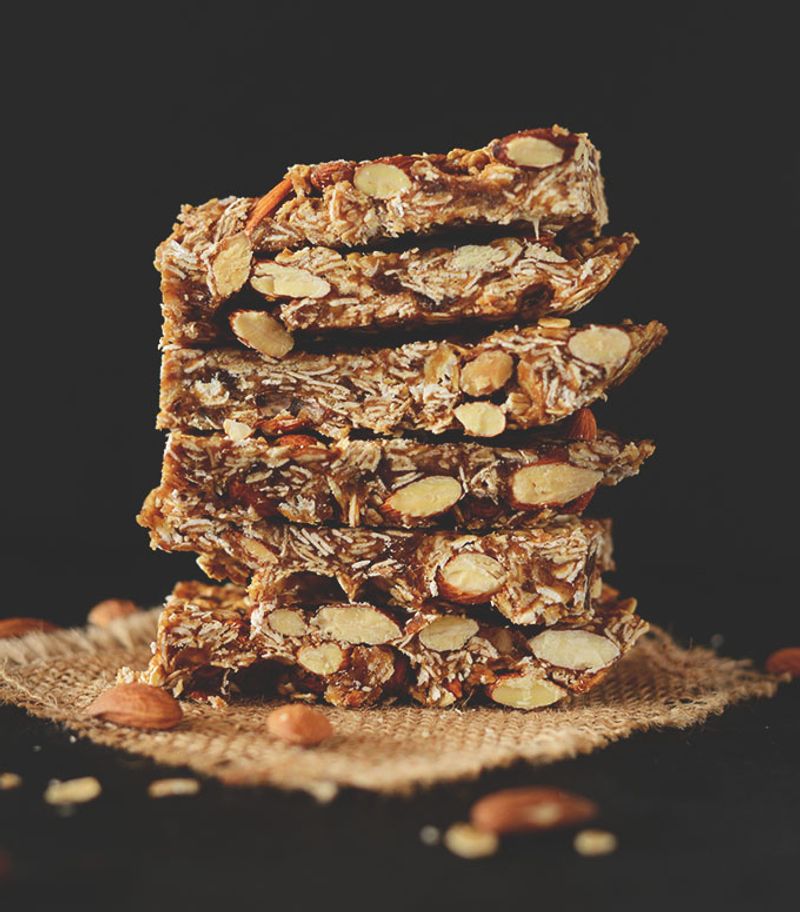
Tossing a cereal bar into a backpack feels smart and simple. Many of these bars, however, are closer to candy than breakfast.
They often list sugar or corn syrup near the top of the ingredients. Protein and fiber tend to be pretty low.
When shopping, pick bars with nuts, seeds, and at least 3 grams of fiber. Pair one with a piece of fruit for a more balanced start.
14. Bagels With Cream Cheese
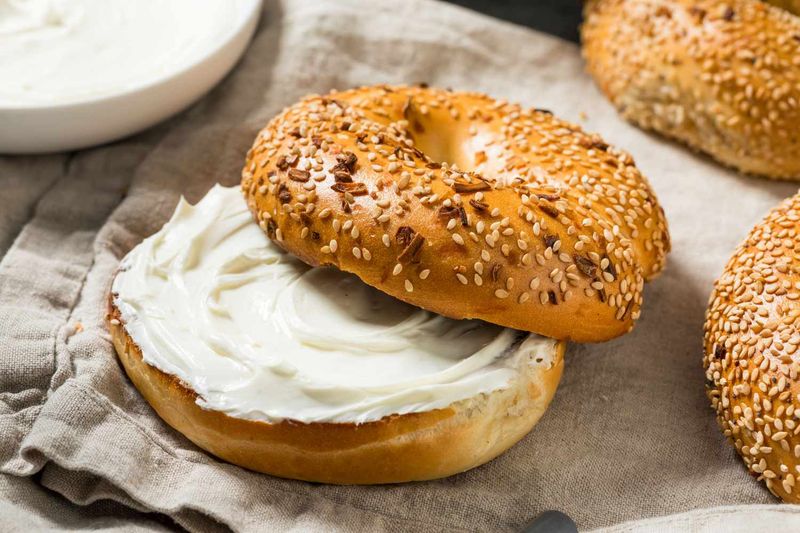
New York made the bagel famous, and cream cheese made it irresistible. But one big bagel can equal four or five slices of bread.
Most are made from refined white flour, so they digest fast. A thick layer of cream cheese adds saturated fat.
Choose a whole grain bagel, eat half, and top it with avocado, egg, or a thin spread instead. You will stay full much longer.
15. Instant Flavored Oatmeal
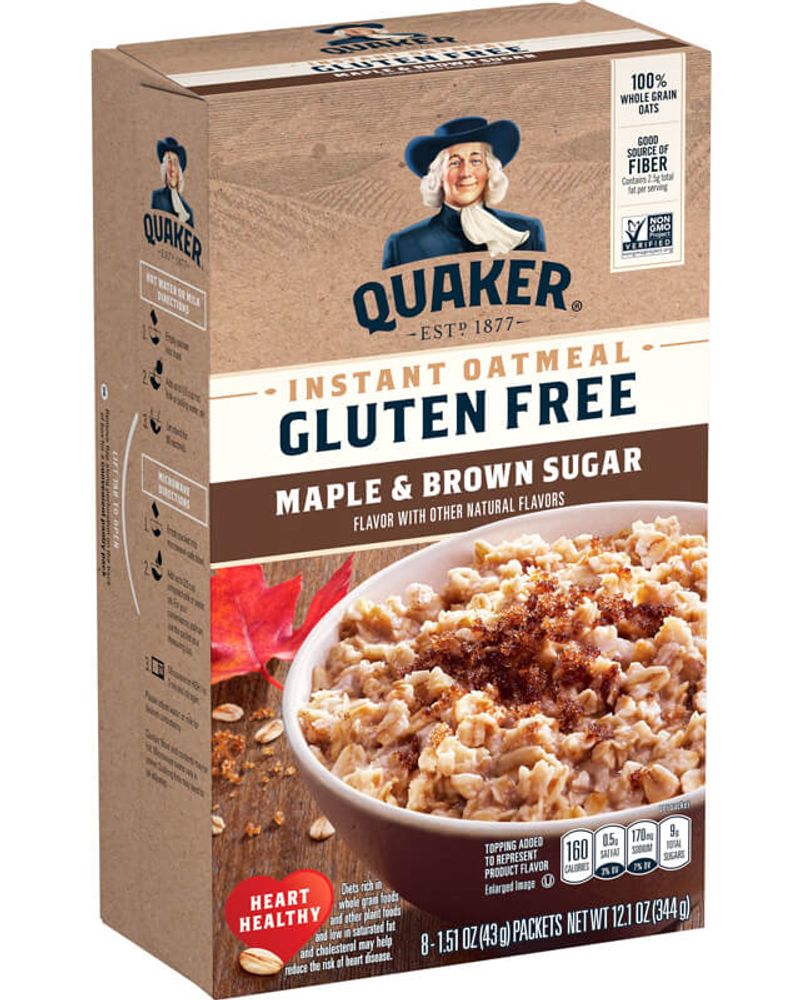
Oatmeal is a superstar breakfast, so how could it be on this list? Blame those little flavored packets.
Varieties like maple brown sugar or peaches and cream can contain 12 grams of sugar or more. Some also include artificial flavors.
Plain quick oats cook almost as fast. Add cinnamon, sliced banana, or a spoonful of peanut butter, and you get great flavor with much less added sugar.
16. Frozen Waffles
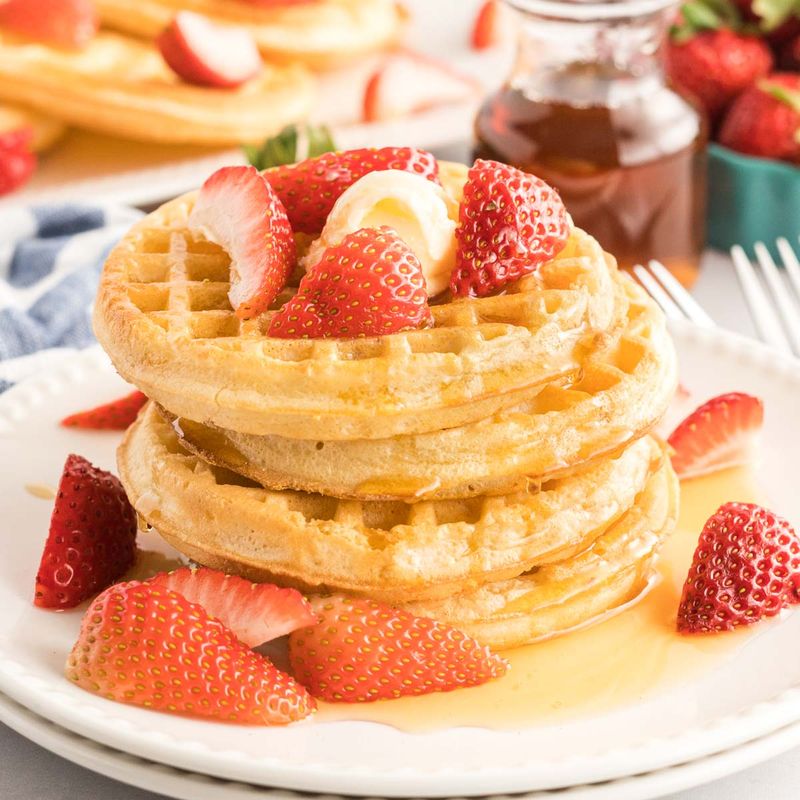
Pop, toast, done. Frozen waffles are a lifesaver on hectic mornings when the bus is almost at the corner.
Most brands use white flour and little protein, so hunger returns quickly. Then comes the syrup, which piles on even more sugar.
Look for whole grain or protein-packed versions. Topping them with nut butter and strawberries turns a quick snack into a breakfast that actually carries you to lunch.
17. Smoothies From Shops
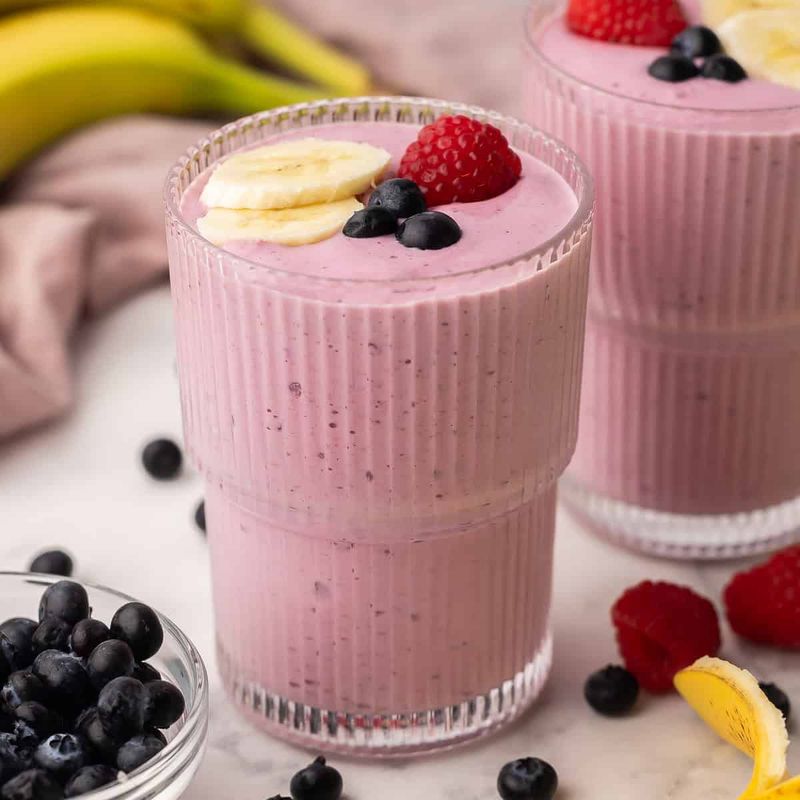
Blending fruit sounds like a healthy idea, and homemade smoothies can be great. Shop smoothies are a different story.
Many use sherbet, juice, or sweetened yogurt, pushing sugar past 70 grams in large sizes. That is a dessert in a cup.
Ask for no added sugar and choose a small size. At home, blend spinach, frozen berries, milk, and a scoop of yogurt for a smarter version.
18. Cinnamon Rolls

Warm, gooey, and dripping with icing, cinnamon rolls smell like a holiday morning. They are also one of the sweetest breakfasts around.
A single bakery roll can top 800 calories. That is a big chunk of what most kids need in a whole day.
Keep them as a fun treat for birthdays or special mornings. Cinnamon sprinkled on toast or oatmeal gives you that cozy flavor any day.
19. Skipping Breakfast For Just Coffee
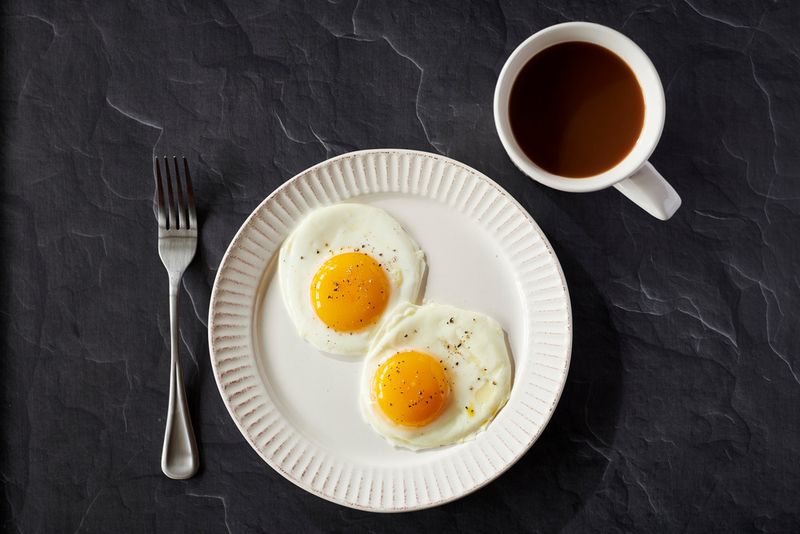
Plenty of busy adults swear a cup of coffee is all they need. Running on caffeine alone, though, often backfires.
Without food, energy can crash by mid-morning, and you might overeat later. Coffee on an empty stomach also bothers some people.
Even something small helps. A hard-boiled egg, a handful of almonds, or an apple next to your mug gives your body real fuel to start the day strong.