
Most kitchens have ketchup and mustard, but Asia offers a whole world of sauces, pastes, and toppings that can wake up any meal. Many of these flavors have been made by families for hundreds of years.
Learning about them can turn plain rice, eggs, or noodles into something exciting. Grab a notebook, because your shopping list is about to get a lot more interesting.
1. Gochujang: Korea’s Sweet and Spicy Red Paste
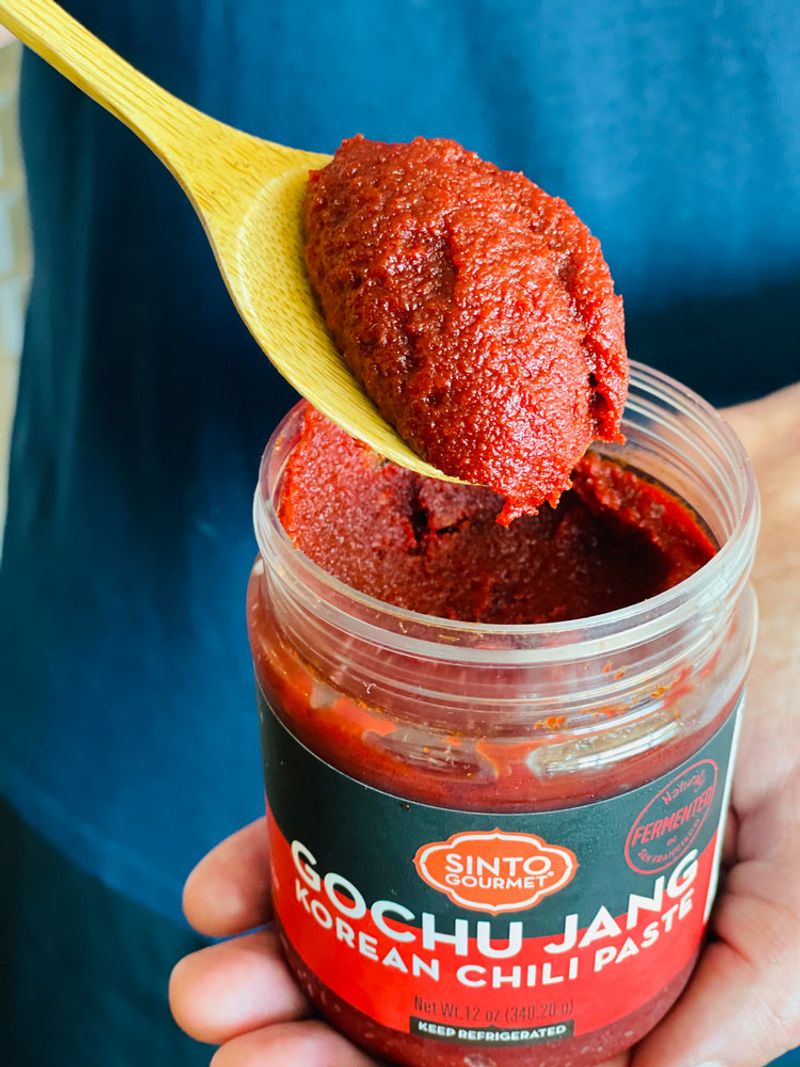
Picture a paste that is sweet, salty, smoky, and spicy all at once. Korean cooks have fermented red chili, rice, and soybeans together for centuries to make gochujang.
You can stir a spoonful into mayo for a zippy sandwich spread. It also makes a sticky glaze for chicken wings or roasted veggies.
Start small, since the heat builds slowly. Once opened, keep the tub in the fridge, where it lasts for months.
2. Chili Crisp: The Crunchy Jar Everyone Talks About
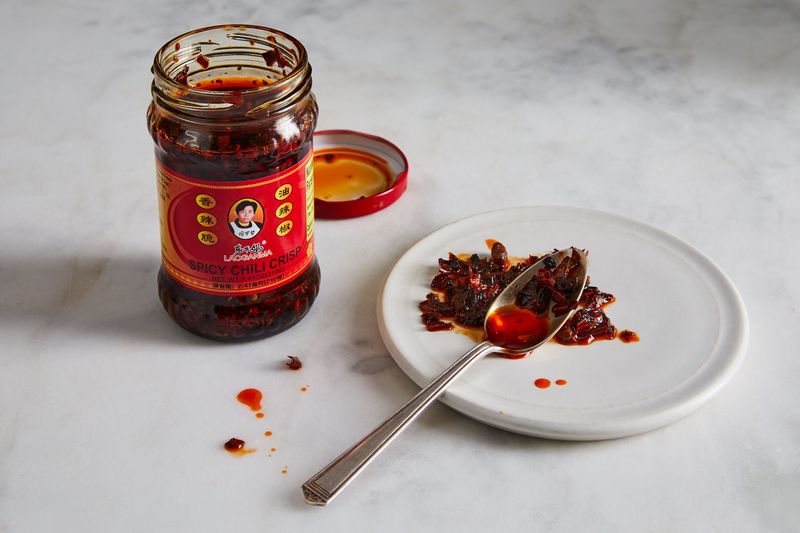
Fans say chili crisp makes almost anything better, and they might be right. The jar holds crunchy fried garlic, shallots, and chili flakes floating in red oil.
Spoon it over fried eggs, popcorn, or even vanilla ice cream if you feel brave. The crunch is the magic part.
Fun fact: the famous Lao Gan Ma brand started from a small noodle stand in Guizhou, China, back in the 1990s.
3. Fish Sauce: Smelly Bottle, Amazing Results
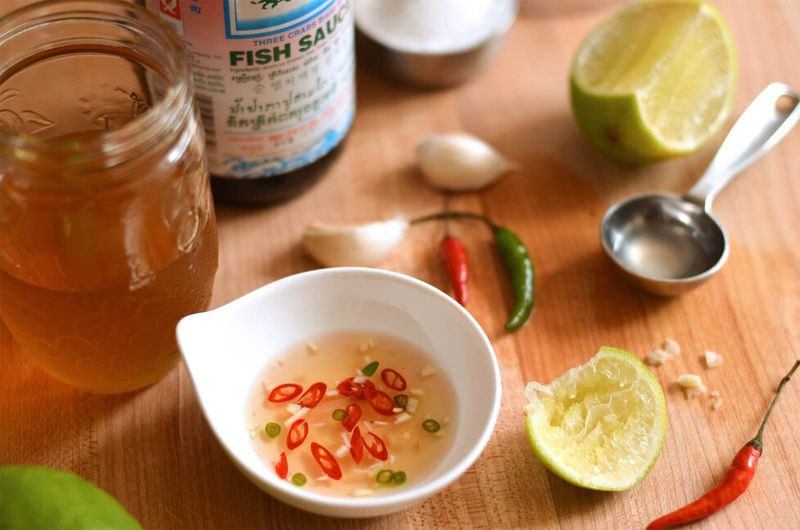
Okay, the smell might make you wrinkle your nose at first. Stay with it, though, because fish sauce adds deep, savory flavor that nothing else can copy.
Made from anchovies and salt aged for months, it is a key part of Thai and Vietnamese cooking. Just a few drops can brighten soups, salad dressings, and stir-fries.
Mix it with lime juice, sugar, water, and garlic for a classic dipping sauce.
4. Furikake: Magic Sprinkles for Rice
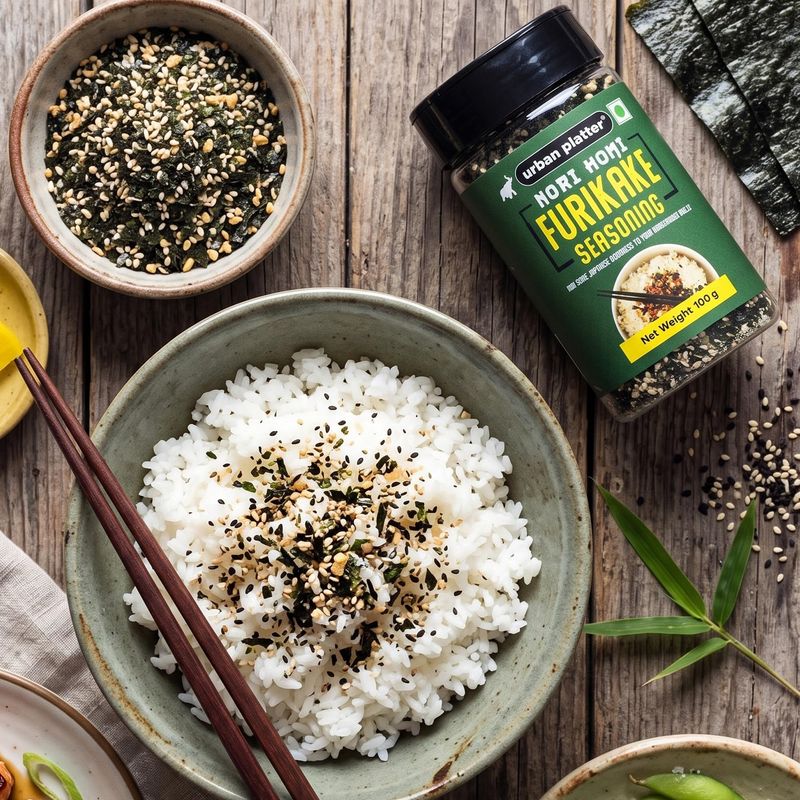
Japanese kids grow up shaking this colorful mix over their rice bowls. Furikake usually blends toasted sesame seeds, dried seaweed, salt, and sometimes bonito flakes.
Beyond rice, try it on buttered popcorn, avocado toast, or salmon before baking. It adds crunch and a gentle ocean taste.
It was first created about 100 years ago by a pharmacist who wanted to help people get more calcium. Tasty medicine, right?
5. Hoisin Sauce: Sweet, Dark, and Sticky
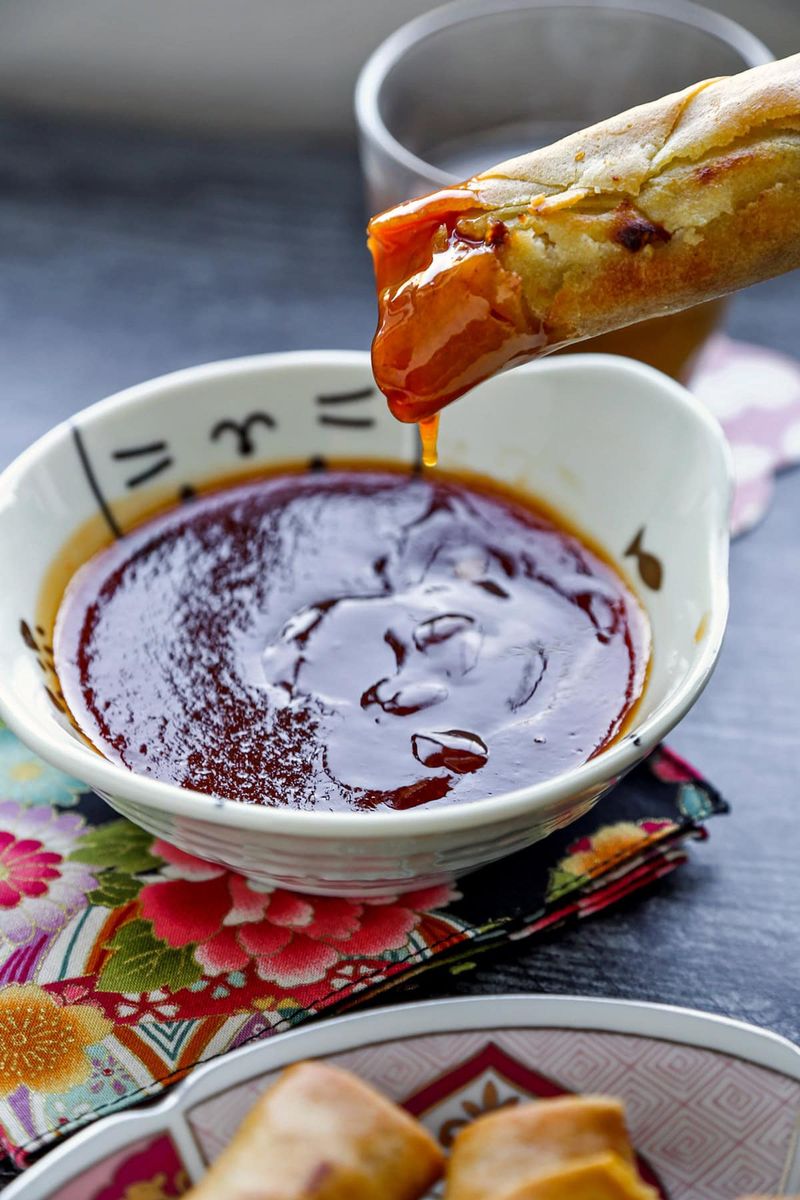
Ever had Peking duck wrapped in a thin pancake? That dark, sweet sauce inside was probably hoisin.
It is made from fermented soybeans, garlic, sugar, and warm spices like five-spice. The flavor is a bit like a Chinese barbecue sauce.
Brush it on pork ribs, mix it into a stir-fry, or use it as a dip for spring rolls. Kids who usually dislike spicy food often love its friendly sweetness.
6. Kewpie Mayo: Richer Than Regular
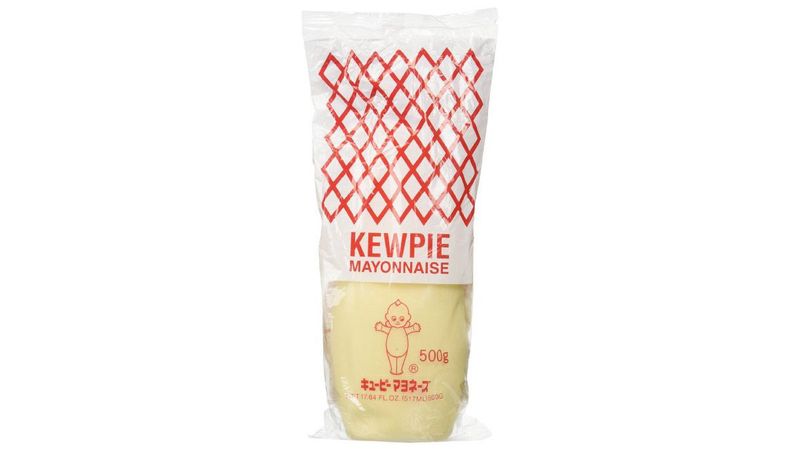
Chefs around the world keep a squeeze bottle of Kewpie in their kitchens, and one taste explains why. This Japanese mayo uses only egg yolks plus rice vinegar, making it creamier and tangier than American versions.
Drizzle it over sushi bowls, fries, or okonomiyaki pancakes. It also makes egg salad extra silky.
Look for the cute baby doll logo on the soft plastic bottle. You cannot miss it.
7. Sambal Oelek: Pure Chili Power
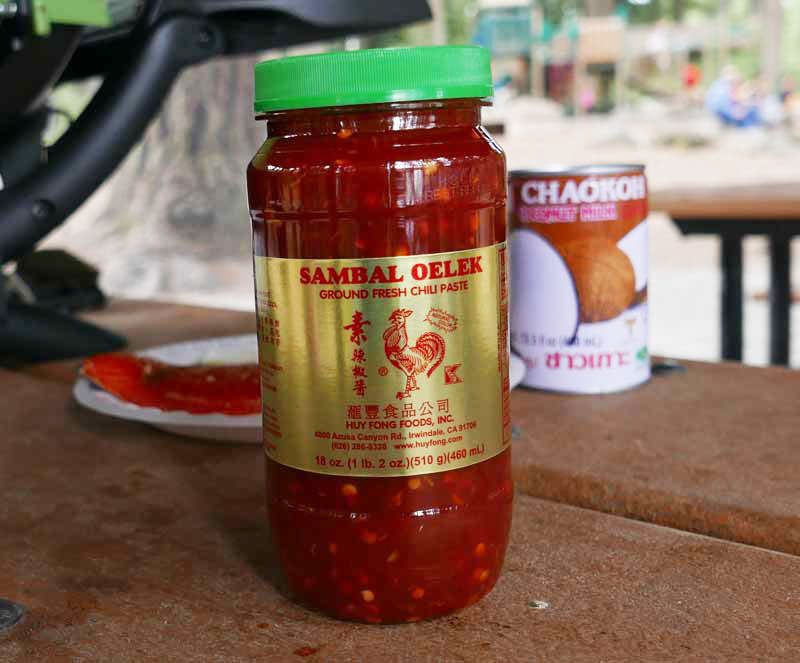
Simple things can be the boldest. Sambal oelek, from Indonesia and Malaysia, is mostly just ground fresh chilies, salt, and vinegar.
Without sugar or garlic getting in the way, you taste bright, clean heat. Stir it into soups, noodles, or scrambled eggs when you want a kick.
The word ulek refers to the stone tool people once used to crush chilies by hand. Today a blender does the hard work.
8. Ponzu: A Citrus Twist on Soy Sauce
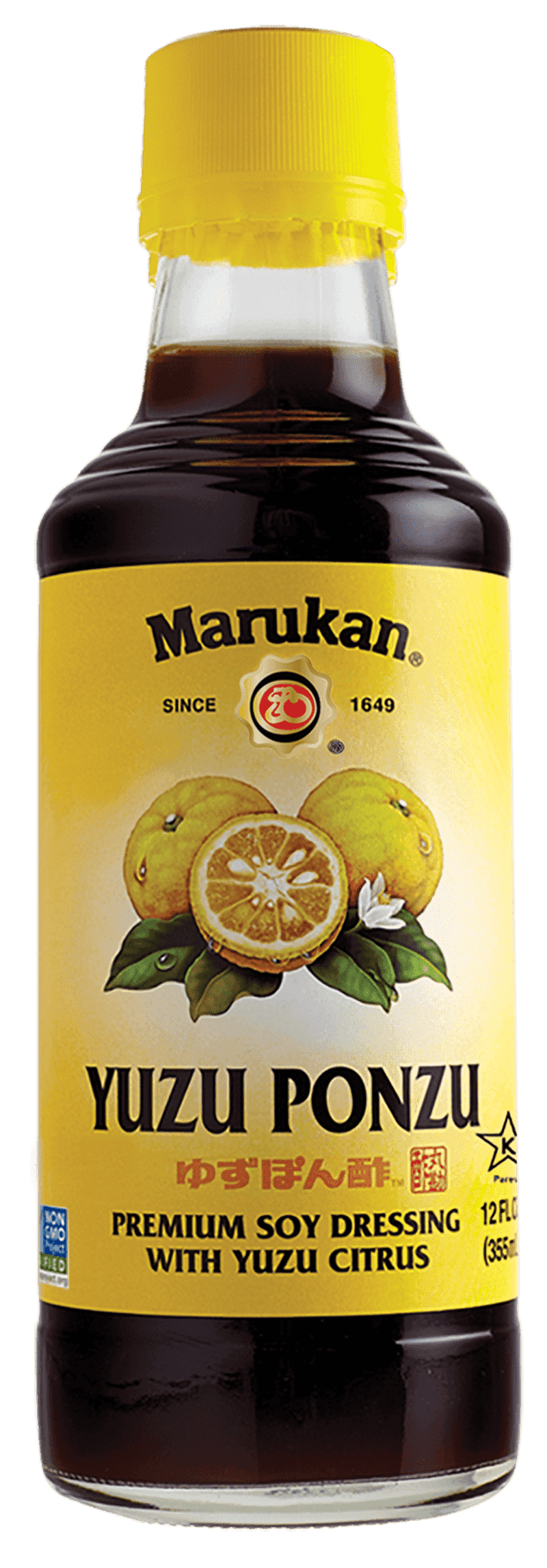
Imagine soy sauce went on a sunny vacation and came back tangy. That is ponzu, a Japanese sauce mixing soy with citrus juice like yuzu or lemon.
It is lighter than plain soy sauce, so it works great for dipping dumplings or dressing a crisp salad. Grilled fish loves it too.
Try using it as a quick marinade for chicken. Twenty minutes is plenty, since citrus works fast.
9. Doubanjiang: Sichuan’s Secret Weapon
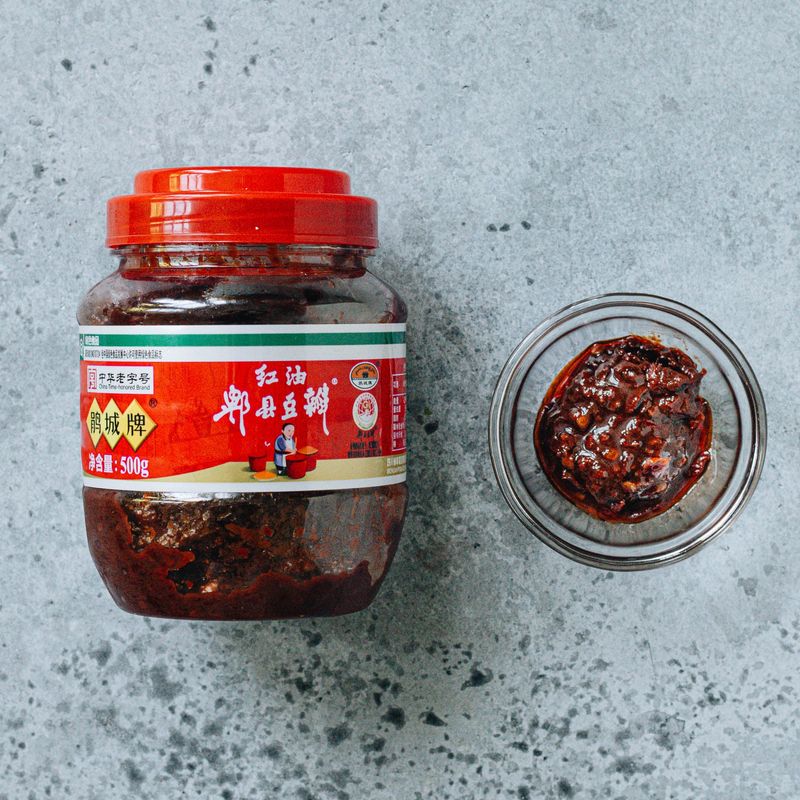
If you have ever loved mapo tofu, you already know doubanjiang. This reddish paste of fermented broad beans and chilies is called the soul of Sichuan cooking.
The best versions come from Pixian, a town in China where it ages in big clay jars under the sun for years.
Fry a spoonful in oil first to wake up its flavor. Then add meat, tofu, or eggplant for a rich, spicy dinner.
10. Kecap Manis: Indonesia’s Syrupy Soy
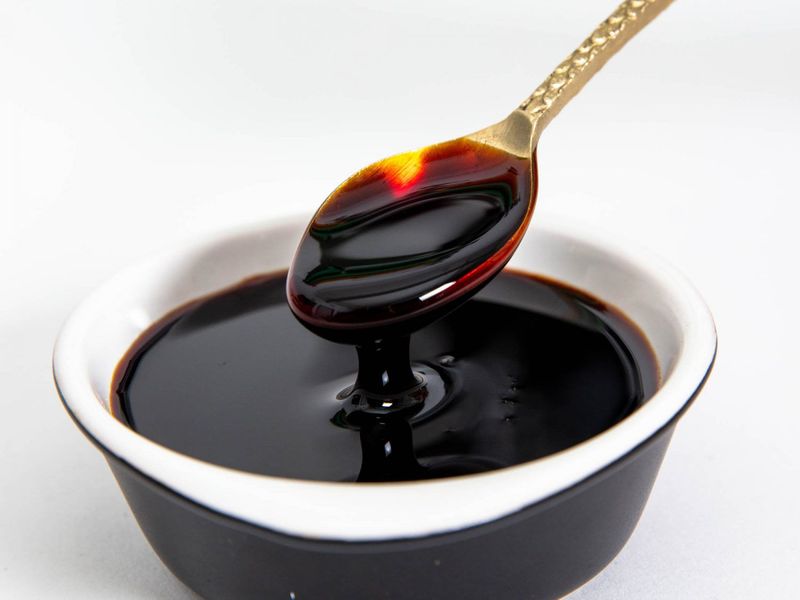
Thick as syrup and sweet like molasses, kecap manis is Indonesia’s favorite soy sauce. Palm sugar gives it that deep, caramel taste.
It is the must-have ingredient in nasi goreng, a fried rice topped with an egg. You can also brush it on satay skewers before grilling.
Here is a fun bit of history: some experts think the English word ketchup may trace back to the Indonesian word kecap.
11. Black Vinegar: Malty and Mellow
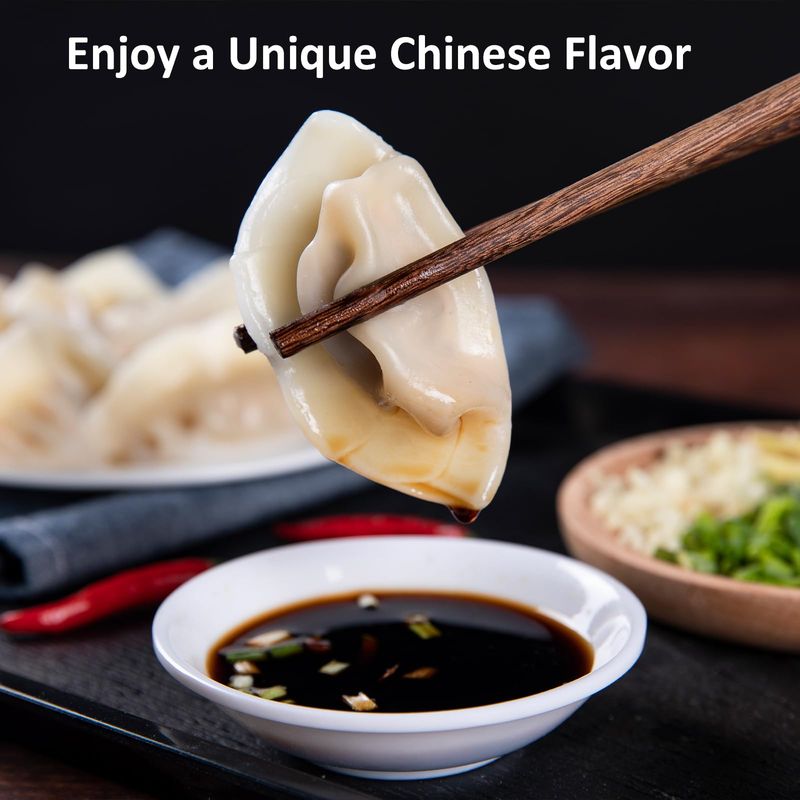
Dumplings just taste better with a splash of Chinkiang black vinegar. Made from rice and grains, it has a smoky, malty flavor that is softer than white vinegar.
Mix it with a little soy sauce and thin ginger strips for the perfect dumpling dip.
It also adds a nice tang to noodle dishes and braised meats. Some people in China even sip it in small amounts, believing it helps digestion.
12. White Miso: Fermented Comfort in a Tub
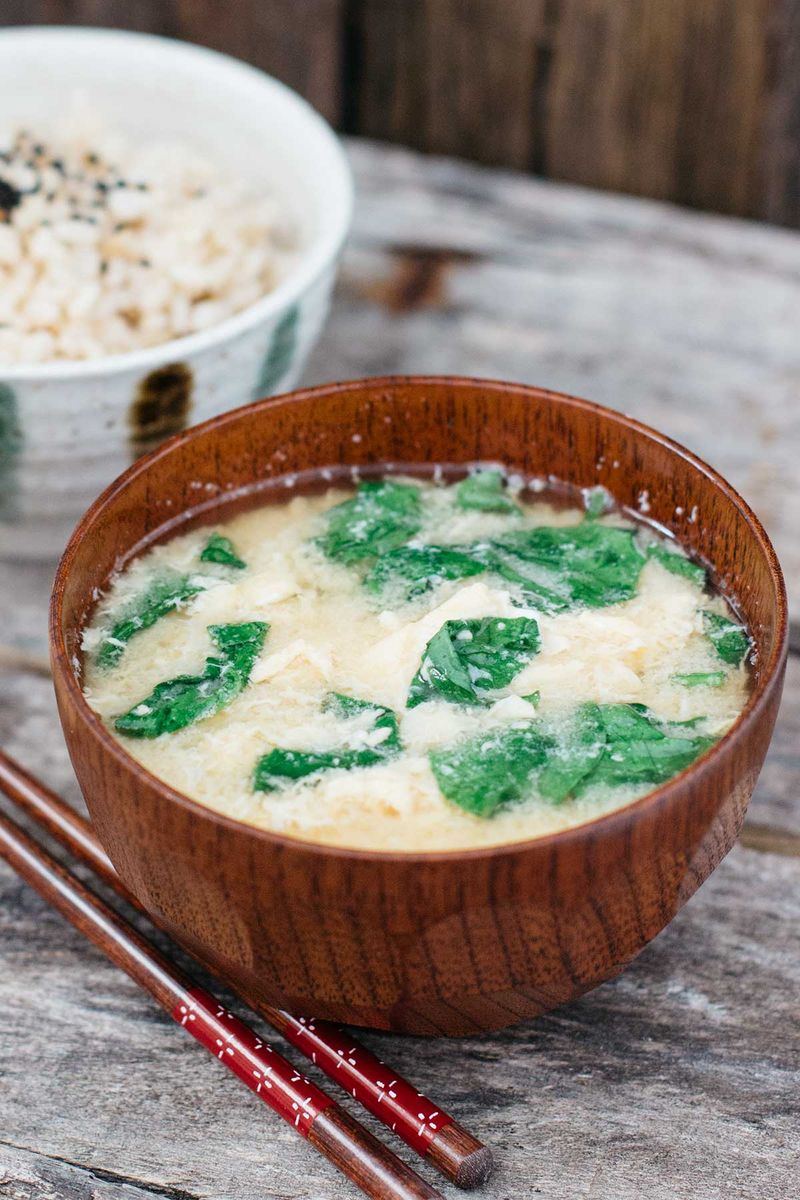
Warm miso soup on a chilly day feels like a hug in a bowl. White miso, made from soybeans and rice, is the mildest and slightly sweet type.
Beyond soup, whisk it into salad dressing or mix it with butter to spread on corn. It even works in cookies for a salty-sweet surprise.
One tip: add miso at the end of cooking. Boiling it hard can dull the flavor.
13. Oyster Sauce: The Stir-Fry Hero
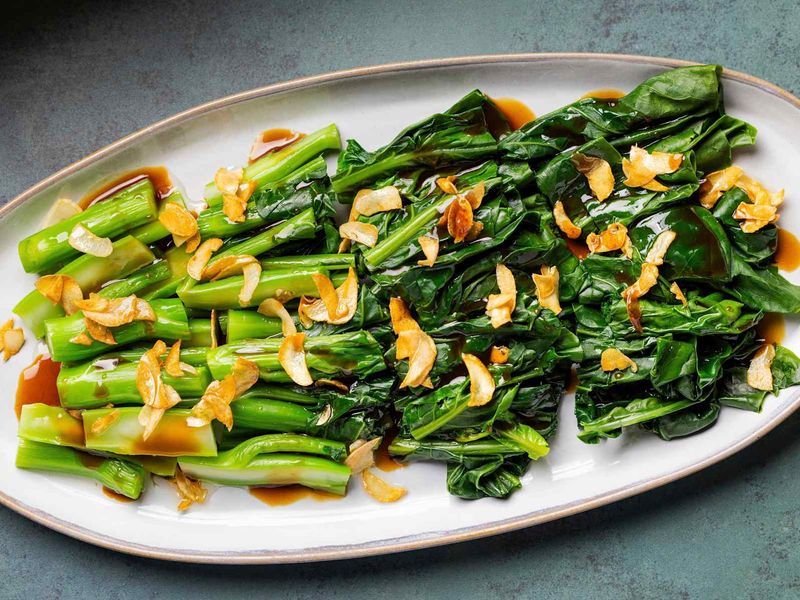
Back in 1888, a Chinese cook named Lee Kum Sheung accidentally left oysters simmering too long. The thick, tasty sauce he found became oyster sauce.
Despite the name, it does not taste fishy. Instead, it is savory and slightly sweet, with a glossy shine.
Toss it with steamed Chinese broccoli, beef stir-fry, or noodles. A tablespoon or two can make a simple dish taste like restaurant takeout.
14. Tamarind Paste: Sour Fruit Goodness
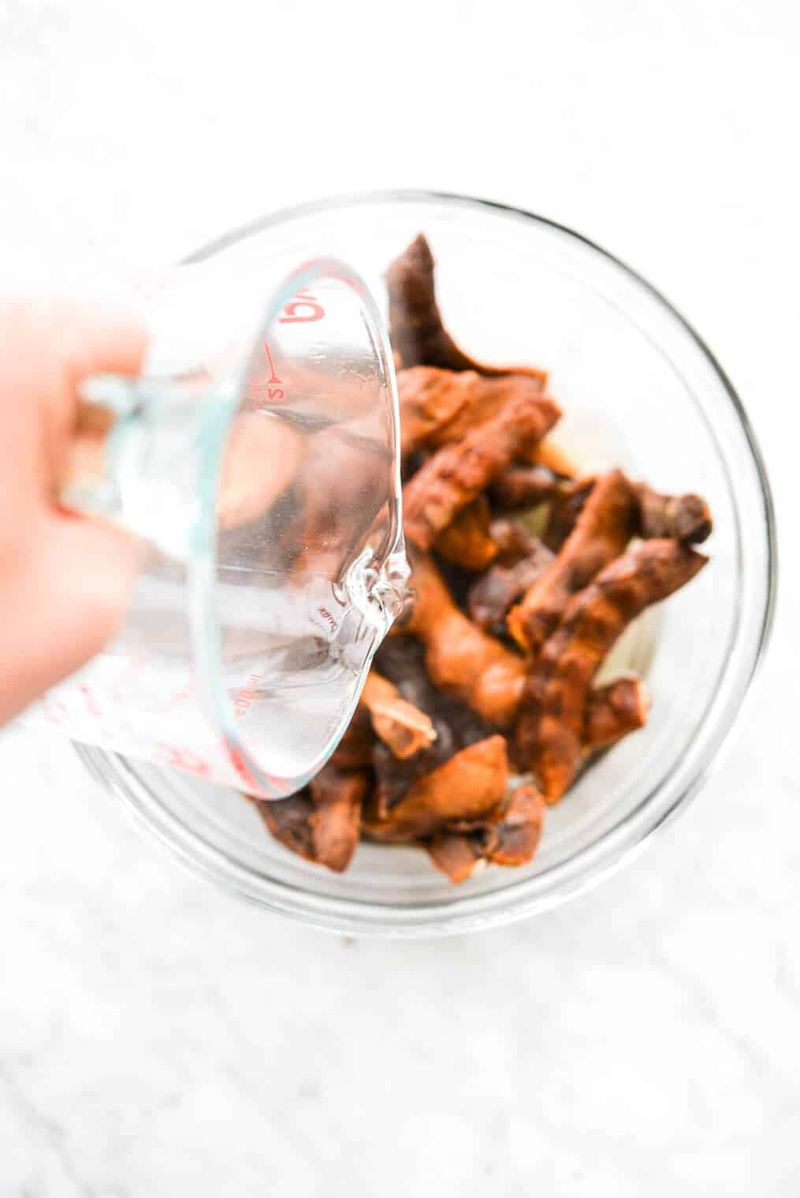
Tamarind grows in brown pods that look a bit like giant beans. Inside is a sticky pulp that tastes sour and fruity, sort of like a tangy date.
Across India and Thailand, cooks use tamarind paste in pad thai, chutneys, and curries. It balances sweet and spicy flavors beautifully.
Buying the paste in a jar saves time. Stir a little into lemonade for a fun, tart drink.
15. Yuzu Kosho: Tiny Jar, Huge Flavor
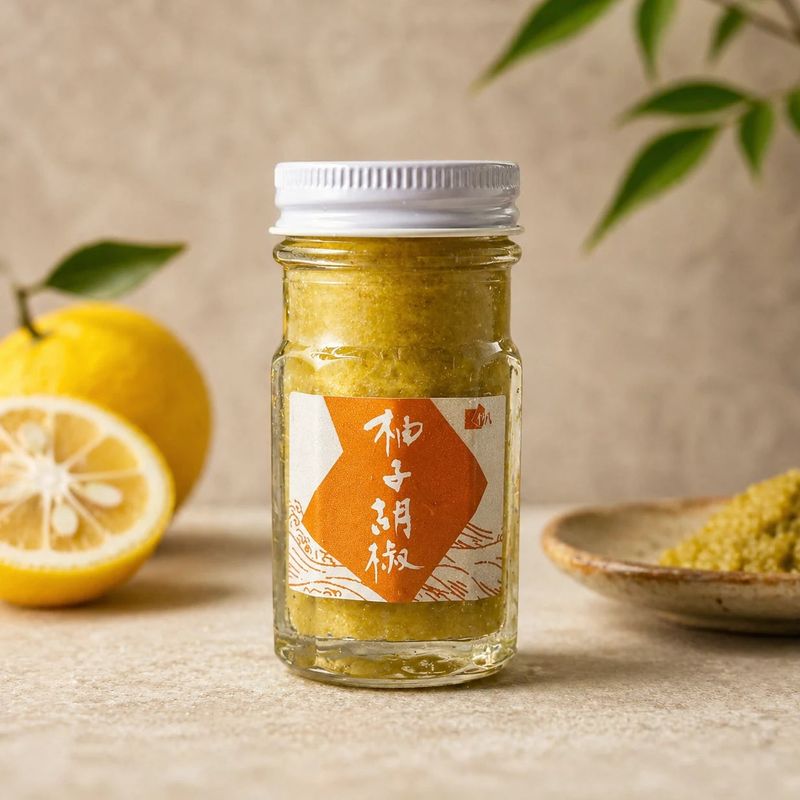
Just a dab of yuzu kosho can light up your whole plate. This Japanese paste from the island of Kyushu mixes yuzu citrus peel, green chilies, and salt.
It tastes zesty, spicy, and bright all at once. Swirl it into soup, spread it on grilled steak, or add it to a salad dressing.
Be careful, because it is strong. A tiny jar usually lasts a long time.
16. XO Sauce: Hong Kong’s Fancy Treat
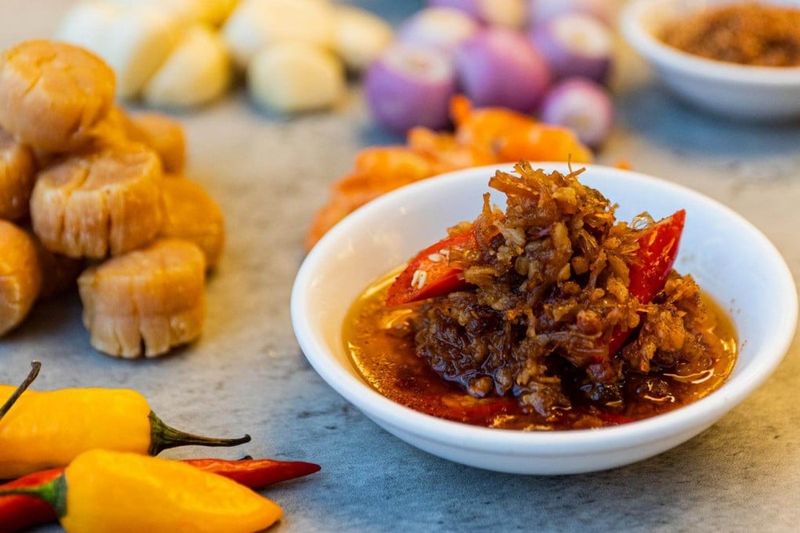
Created in 1980s Hong Kong hotels, XO sauce was meant to feel luxurious. The name borrows from XO cognac, a fancy drink, though there is no alcohol in the sauce.
It is packed with dried scallops, dried shrimp, ham, and chilies cooked in oil. The flavor is rich and savory.
Stir a spoonful into fried rice or green beans. It costs a bit more, but a little goes far.
17. Mango Chutney: Sweet Indian Sidekick
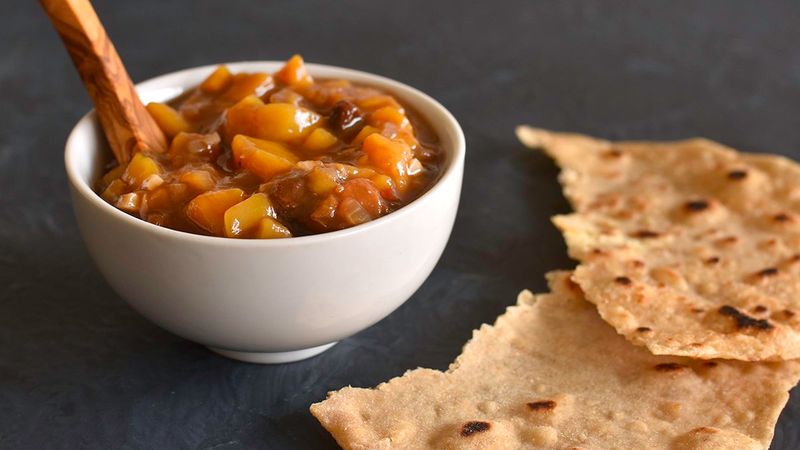
Sweet, a little tangy, and sometimes gently spicy, mango chutney is the perfect friend for Indian food. Cooks simmer mangoes with sugar, vinegar, and spices until thick and jammy.
Serve it with samosas, curry, or crispy papadums. It also makes an amazing grilled cheese sandwich spread.
Try swirling some into plain yogurt for a quick dip. Your friends will ask where you learned the trick.
18. Toasted Sesame Oil: A Nutty Finishing Touch
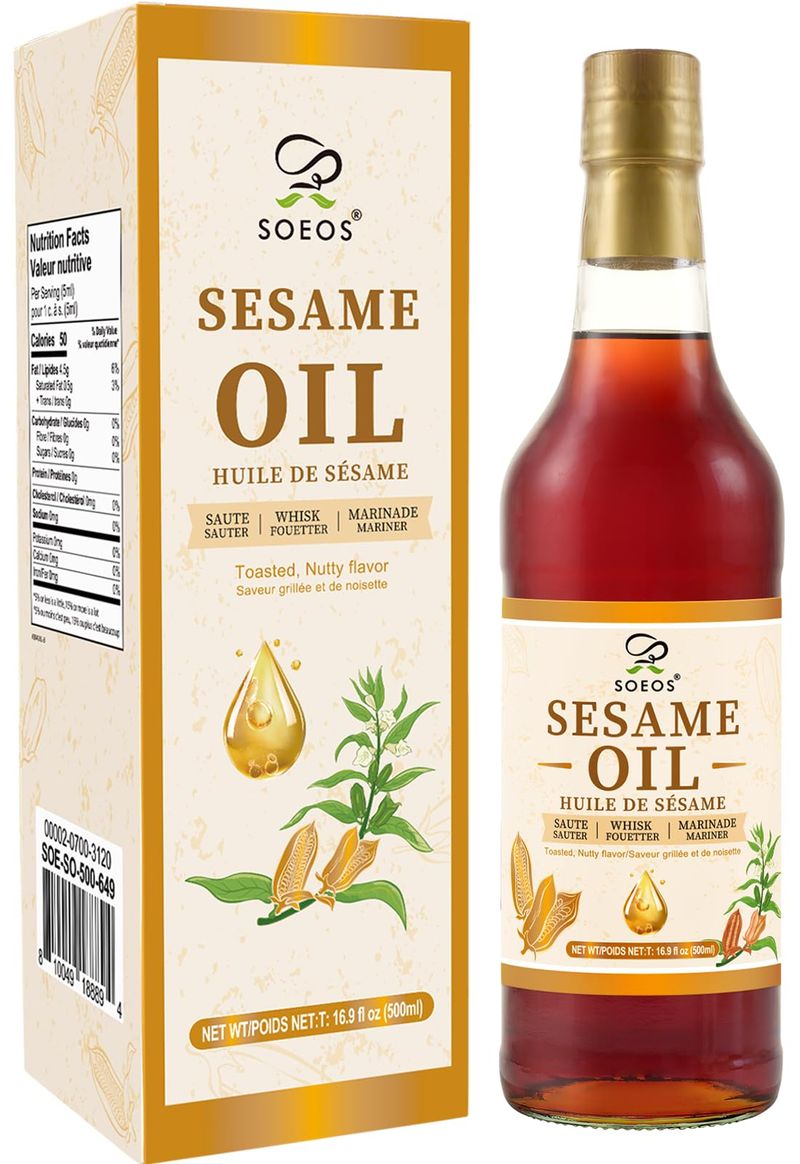
Open a bottle and the toasty, nutty smell fills the whole room. Toasted sesame oil is made from roasted seeds, which gives it a dark color and bold aroma.
Unlike cooking oil, it works best added at the end. Drizzle a few drops over noodles, soup, or steamed spinach.
Store it somewhere cool and dark. Heat and sunlight can make it taste stale much faster.
19. Nam Prik Pao: Thai Chili Jam
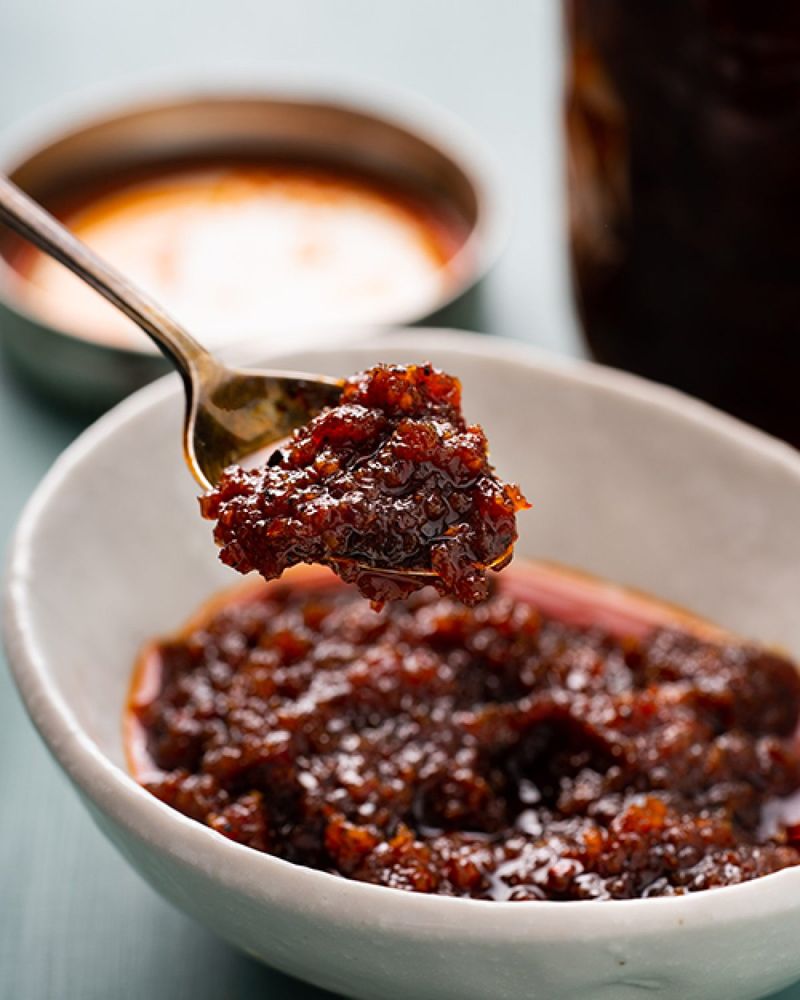
Smoky, sweet, and just spicy enough, nam prik pao is often called Thai chili jam. Roasted chilies, shallots, garlic, and palm sugar cook down into a dark, thick paste.
It gives tom yum soup its rich color and flavor. It is also delicious spread on toast or crackers.
For an easy dinner, stir-fry shrimp with a spoonful of it. Dinner will be ready in ten minutes.
20. Tonkatsu Sauce: The Crispy Cutlet’s Best Friend
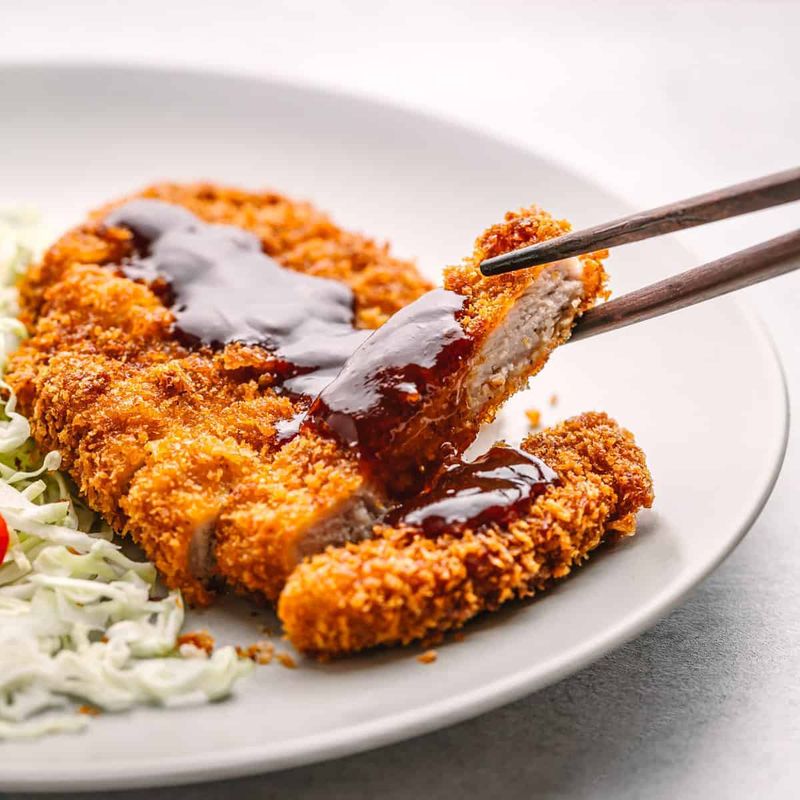
Crunchy fried pork cutlets in Japan almost always come with a side of tonkatsu sauce. Think of it as a fruity cross between ketchup and Worcestershire sauce.
Made with apples, tomatoes, and spices, it is thick and tangy. It clings perfectly to breaded chicken, fish sticks, or croquettes.
Many Japanese families also pour it on shredded cabbage. It might just become your new favorite dipping sauce.
21. Fried Shallots: Crunch in Every Bite
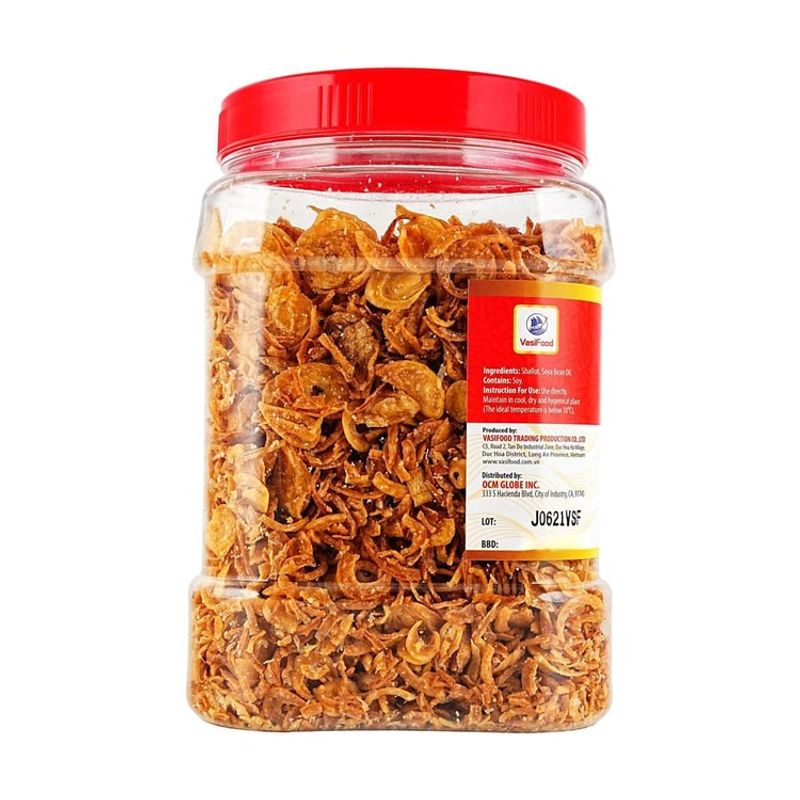
Sometimes the best condiment is not a sauce at all. Across Southeast Asia, crispy fried shallots get sprinkled on soups, noodles, rice, and salads.
They taste sweet, savory, and super crunchy, kind of like a fancy onion topping. You can buy them in big tubs at Asian markets for a low price.
Try them on mac and cheese or green bean casserole. They make comfort food feel brand new.