
Baking your own bread at home is one of the most rewarding things you can do in the kitchen. But not all grains are created equal, and choosing the right one can make your loaves healthier, tastier, and more nutritious.
From ancient wheat varieties to lesser-known seeds and grasses, there is a whole world of grains waiting to transform your baking. Read on to discover 17 of the best grains you can use to bake bread that is good for your body and great for your taste buds.
1. Whole Wheat
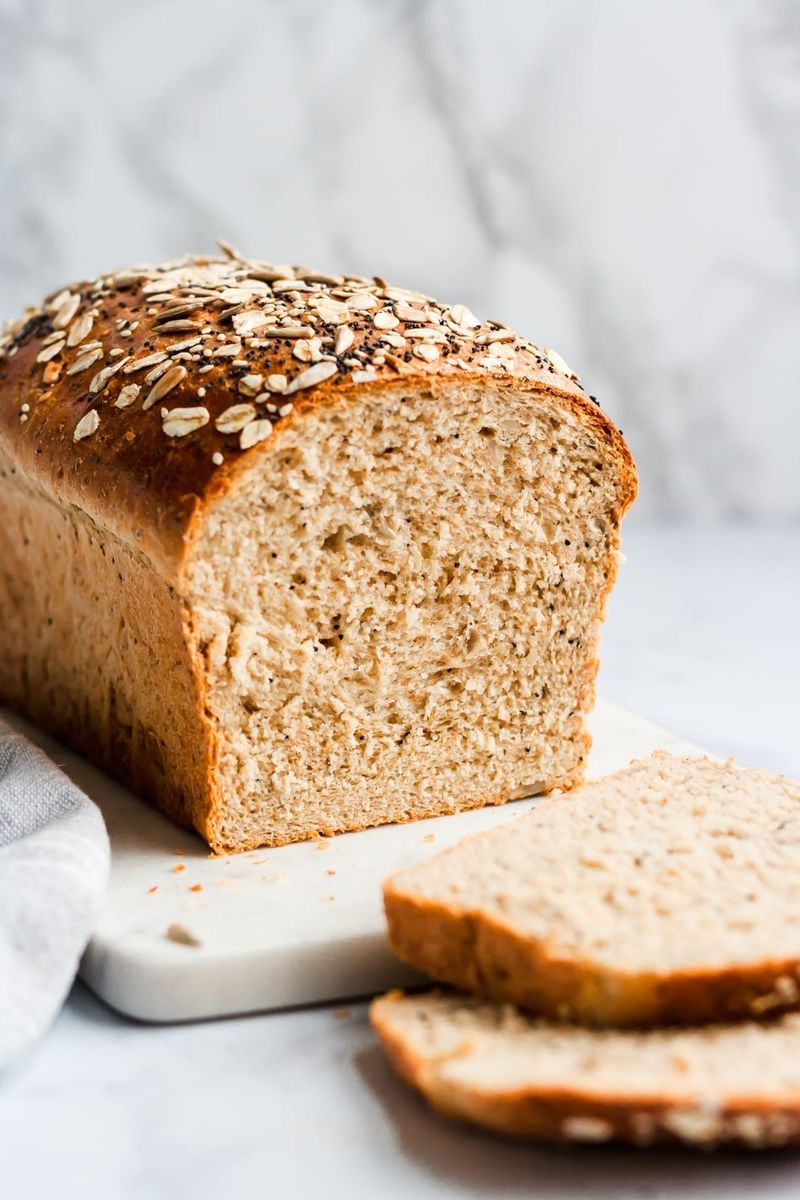
Whole wheat is the classic starting point for anyone who wants to bake healthier bread at home. Unlike white flour, whole wheat keeps the bran and germ intact, meaning you get more fiber, vitamins, and minerals in every slice.
It has a rich, slightly nutty flavor that pairs well with butter, honey, or avocado. Try replacing half the all-purpose flour in your favorite recipe with whole wheat flour to ease into the taste.
2. Spelt
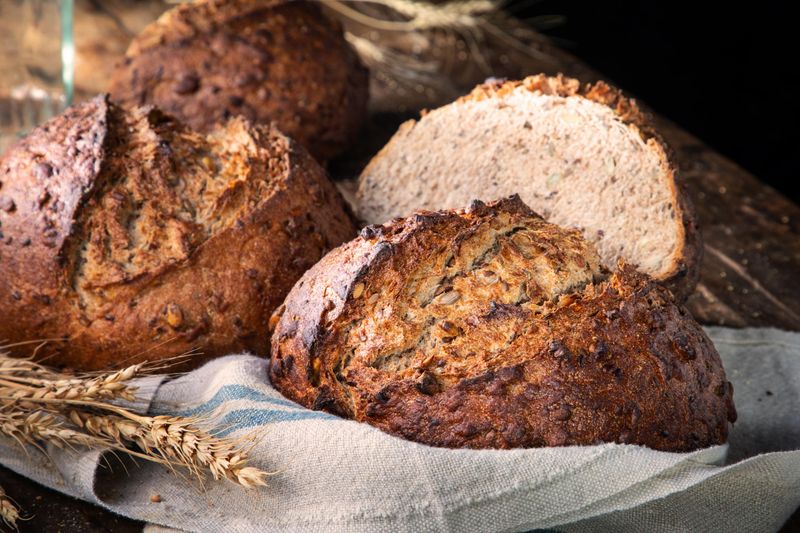
Spelt has been around for thousands of years, and bakers are rediscovering it for good reason. This ancient grain has a mild, slightly sweet flavor that makes bread taste almost buttery without adding any fat.
It contains more protein than regular wheat and is easier for some people to digest. Because spelt gluten is more fragile, avoid over-mixing your dough to keep the bread light and airy rather than dense and heavy.
3. Einkorn
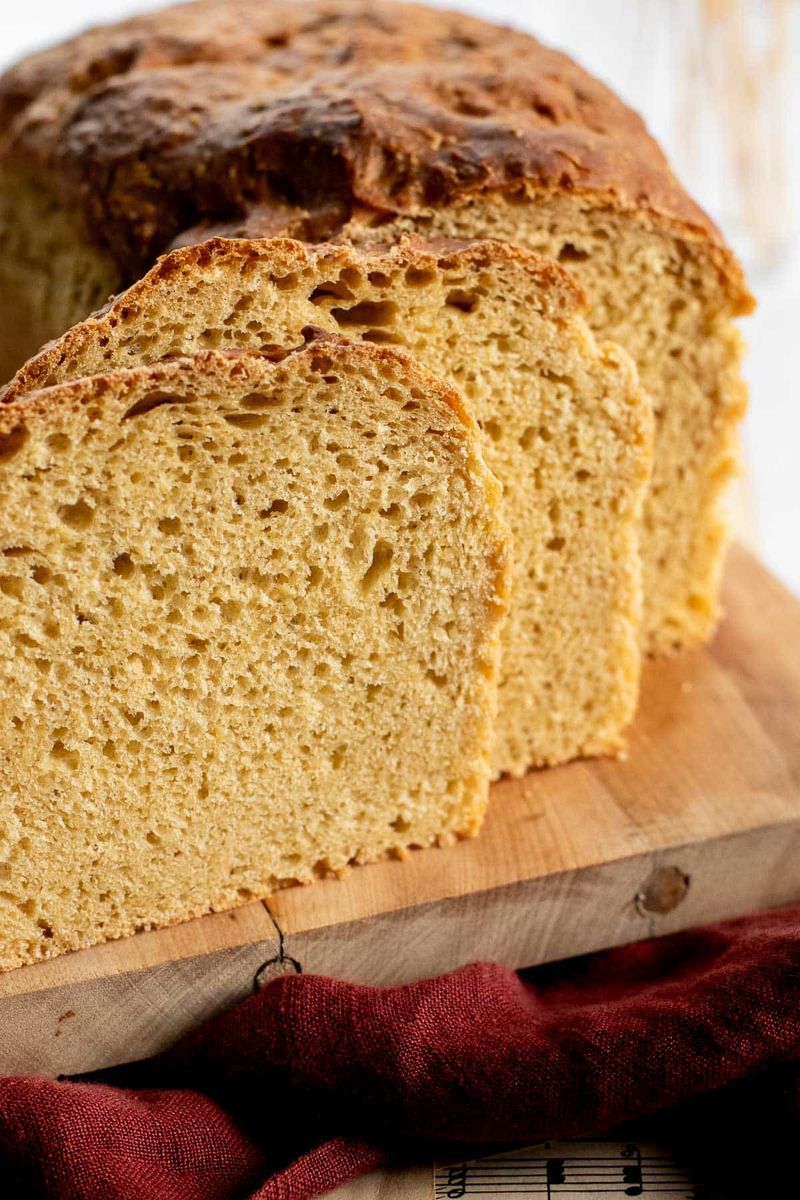
Meet einkorn, possibly the oldest cultivated wheat on earth. Farmers grew it over 10,000 years ago, and modern bakers love it for its golden color and rich, nutty taste that regular wheat simply cannot match.
Einkorn flour absorbs less water than modern wheat, so reduce the liquid in your recipe slightly when using it. The result is a tender, flavorful loaf packed with lutein, an antioxidant that supports healthy eyesight.
4. Rye
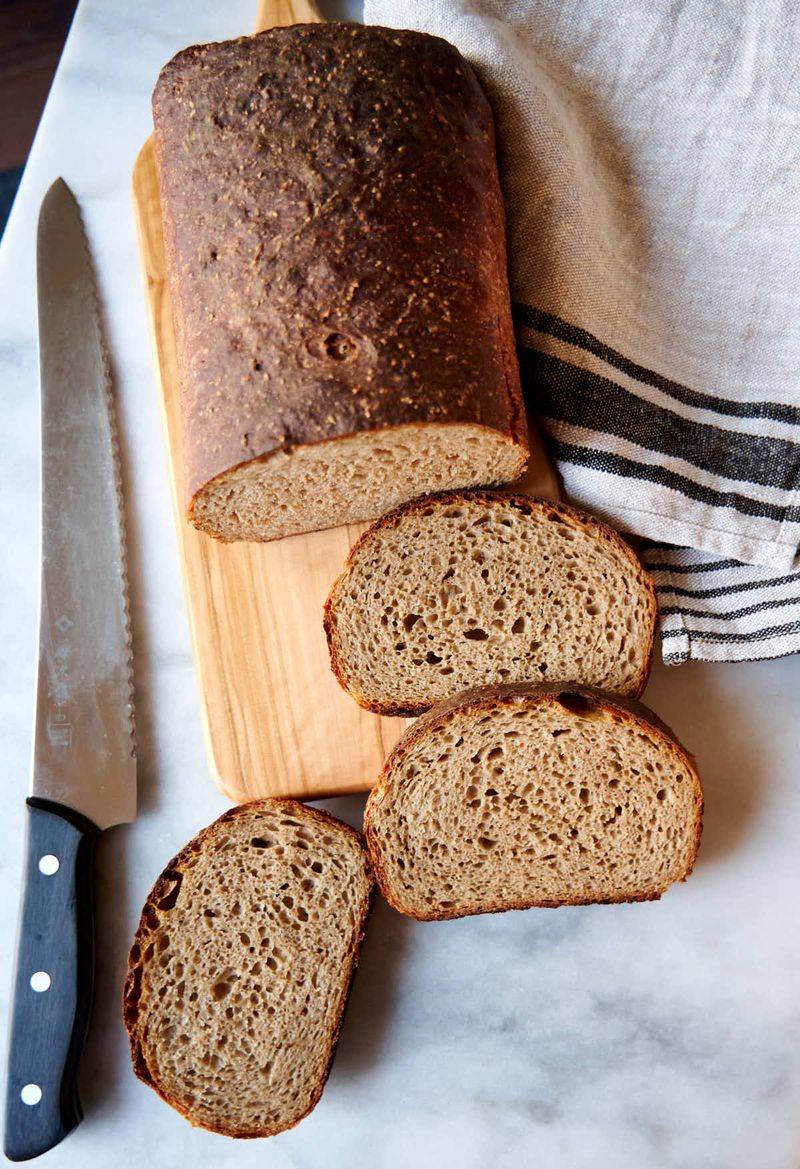
Rye bread has a bold, earthy flavor that stands out from lighter wheat loaves. Scandinavian countries have relied on rye for centuries, and their dense, long-lasting loaves are a testament to how satisfying this grain can be.
Rye is high in fiber and keeps you feeling full longer than white bread. Because rye flour is low in gluten, mixing it with some wheat flour helps the dough rise properly and gives the bread a better texture overall.
5. Oats
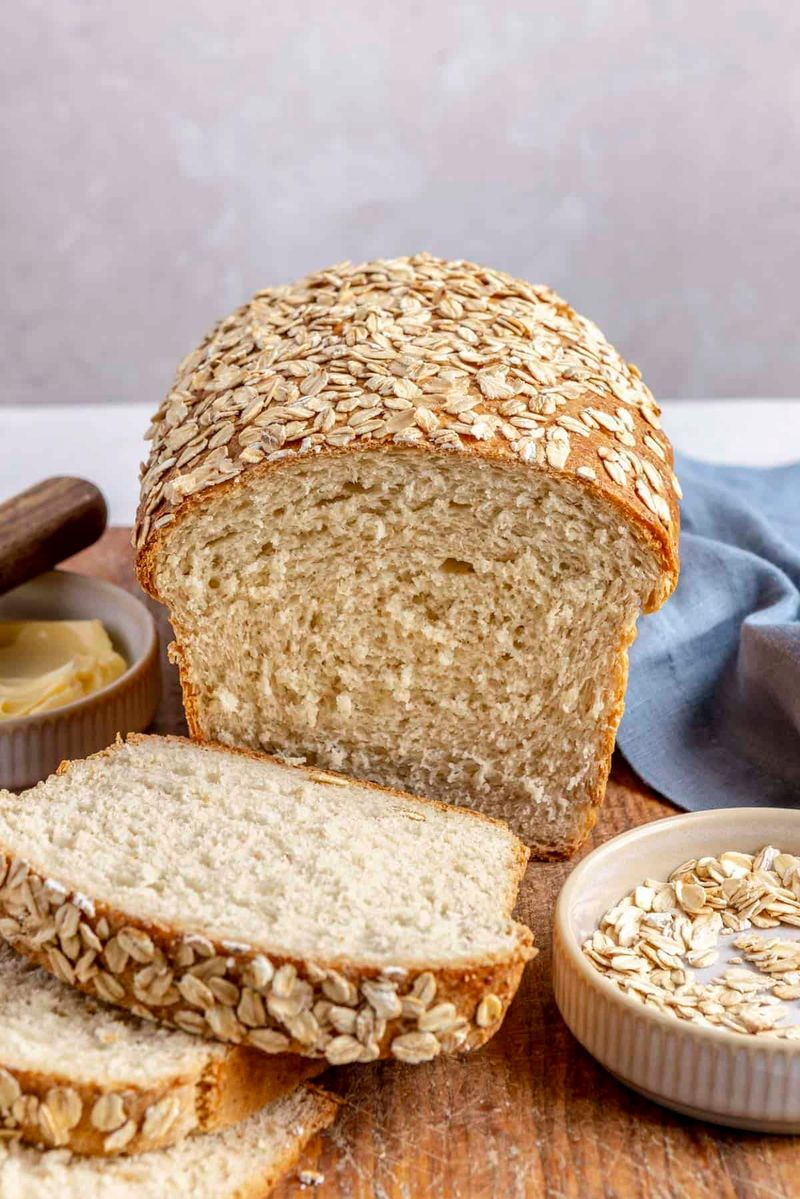
Oats bring a warm, comforting quality to homemade bread that feels like a hug in every bite. They are loaded with a special fiber called beta-glucan, which has been shown to help lower cholesterol and support heart health.
You can use rolled oats or oat flour in bread recipes, and even sprinkle oats on top before baking for a beautiful finish. Oat bread tends to be moist and stays fresh a little longer than plain wheat loaves.
6. Barley
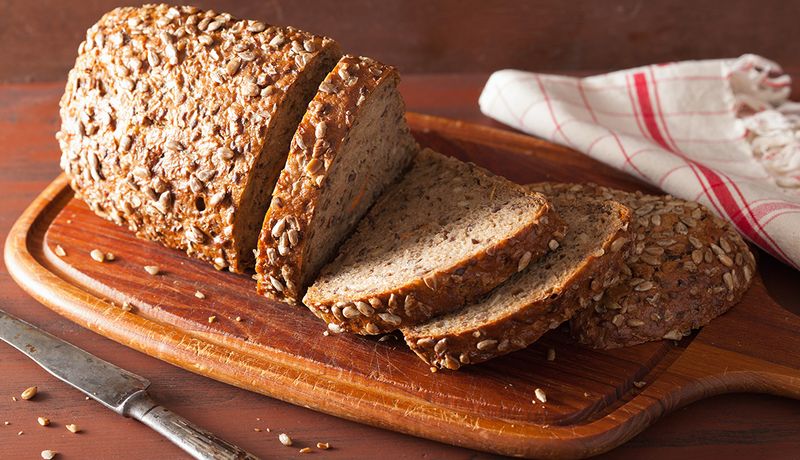
Barley is one of the most underrated grains for baking, and it deserves a spot in your pantry. It has a mild, slightly sweet flavor and adds a chewy, satisfying texture to bread that wheat alone cannot replicate.
Rich in soluble fiber, barley can help regulate blood sugar levels, making it a smart choice for health-conscious bakers. Use barley flour as a partial substitute, about one-quarter of your total flour, to enjoy the benefits without making the loaf too heavy.
7. Kamut (Khorasan Wheat)
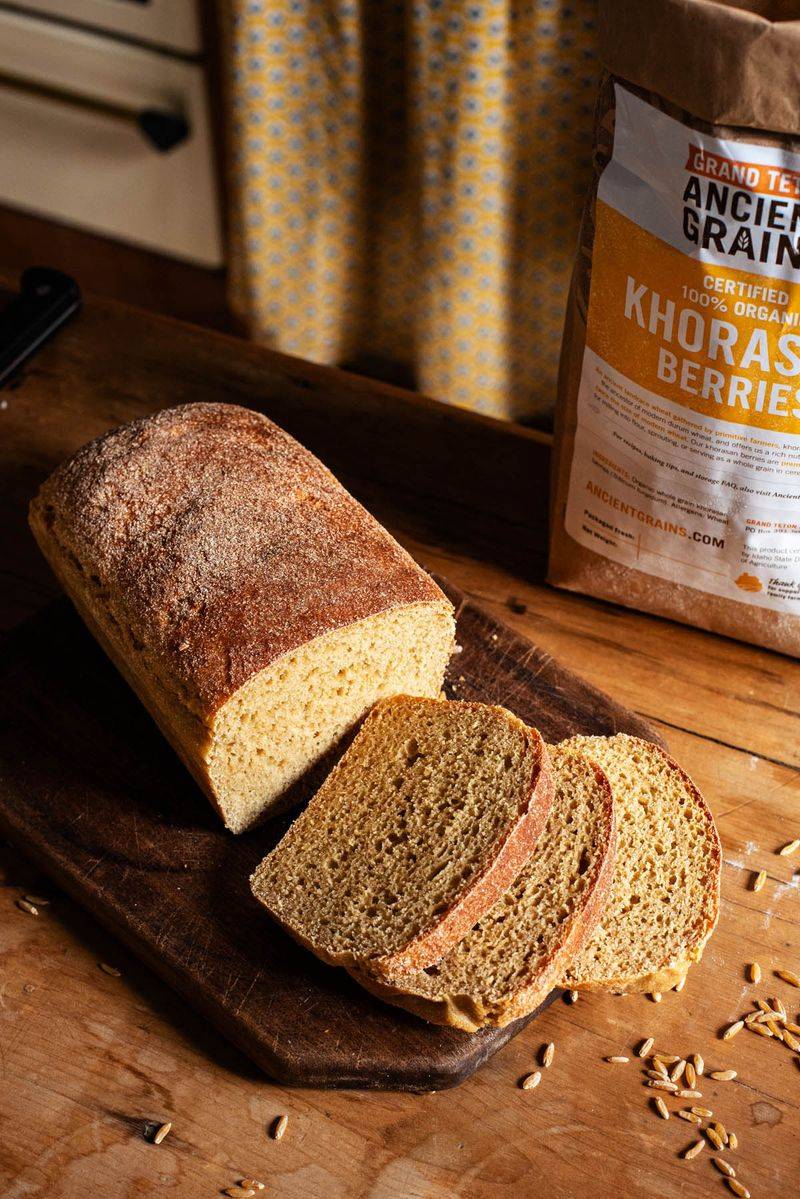
Kamut, also known as Khorasan wheat, is a large, amber-colored grain with a buttery, rich flavor that makes bread taste almost indulgent. It is an ancient relative of modern durum wheat and has never been heavily hybridized, which means it retains a strong nutritional profile.
Kamut flour produces a soft, slightly dense loaf with excellent flavor. Many people who are sensitive to modern wheat find Kamut easier to tolerate, though it does still contain gluten.
8. Amaranth
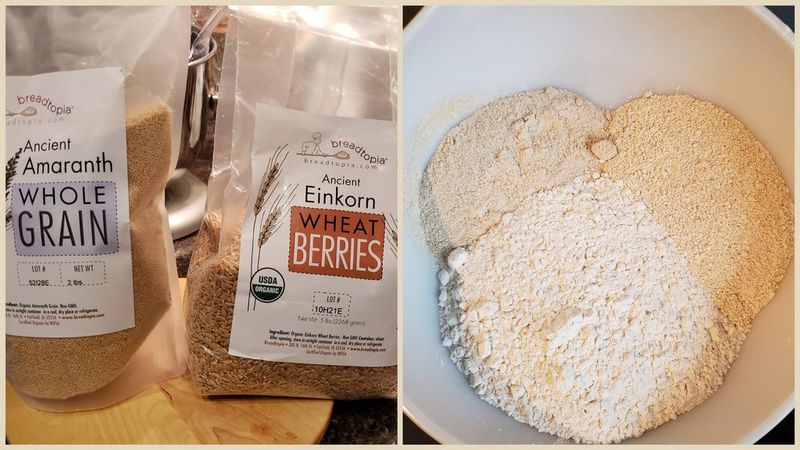
Technically a seed rather than a true grass grain, amaranth has been a staple food in Central and South America for thousands of years. It is packed with protein, iron, and calcium, making it one of the most nutrient-dense additions you can make to homemade bread.
Amaranth flour has a slightly earthy, peppery taste, so blending it with wheat flour works best. Try using about 25 percent amaranth flour in your recipe for a nutritious boost without overpowering the flavor.
9. Quinoa
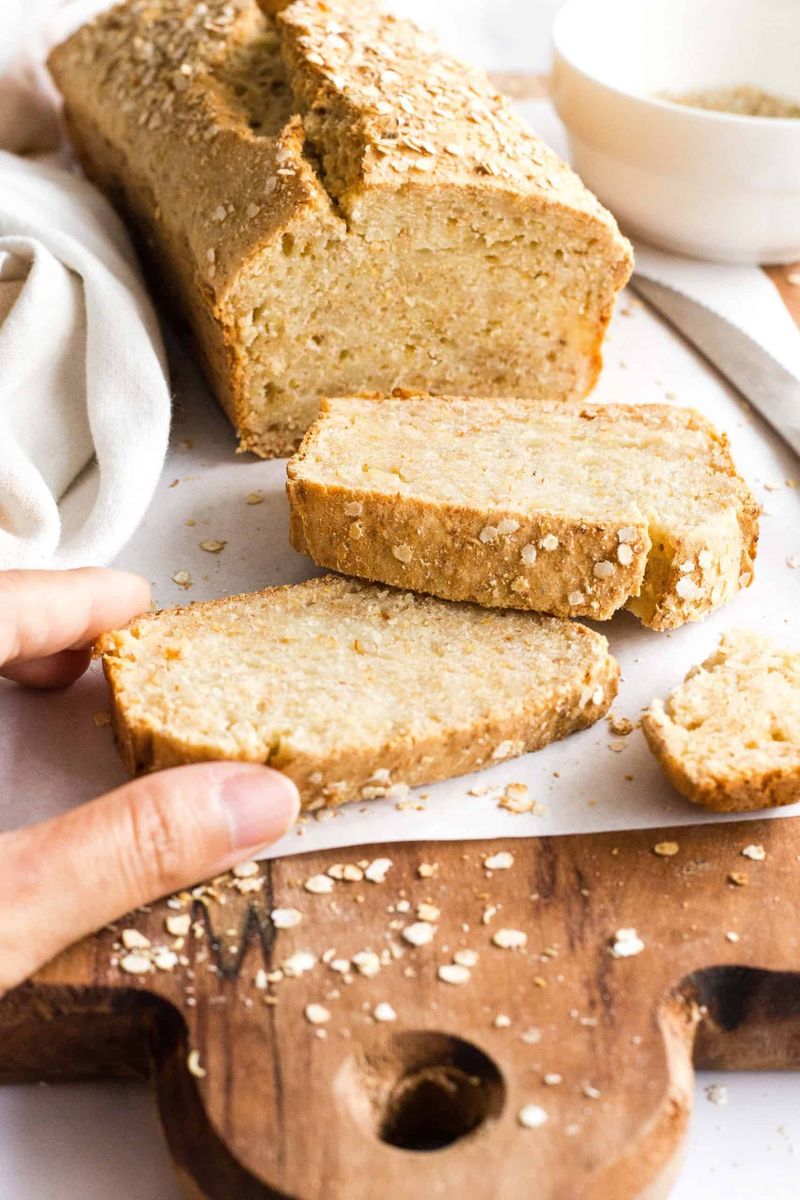
Quinoa has earned its reputation as a superfood, and it can do wonders for homemade bread too. This South American grain is a complete protein, meaning it contains all nine essential amino acids your body needs, which is rare for a plant food.
You can grind quinoa into flour or add cooked quinoa directly to your dough for extra texture. The flavor is slightly nutty and mild, making it easy to pair with both sweet and savory bread recipes.
10. Buckwheat
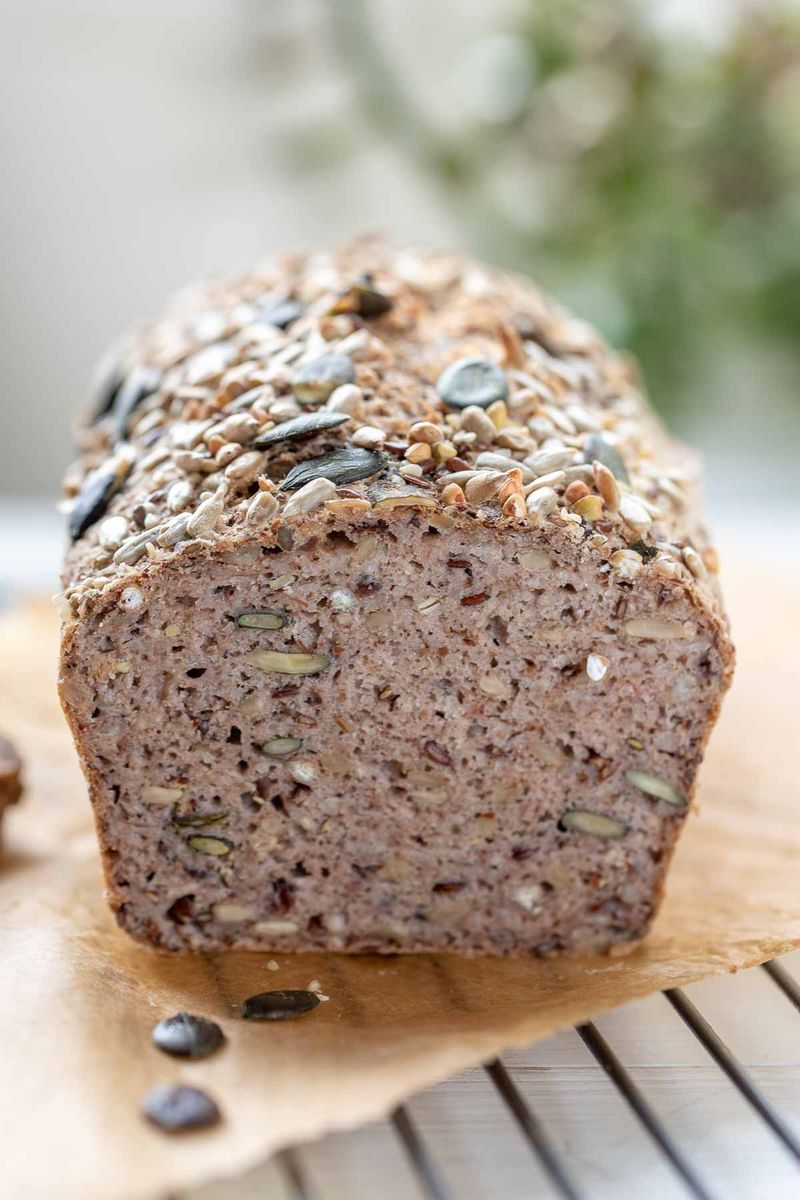
Despite its name, buckwheat has absolutely nothing to do with wheat. It is actually related to rhubarb and sorrel, and it is naturally gluten-free, making it a wonderful option for those with gluten sensitivities.
Buckwheat flour gives bread a deep, earthy, almost chocolatey flavor that is surprisingly complex. It pairs beautifully with honey or walnuts in a loaf.
Because it lacks gluten, combine it with a gluten-containing flour or a binder like psyllium husk to help the bread hold together.
11. Millet
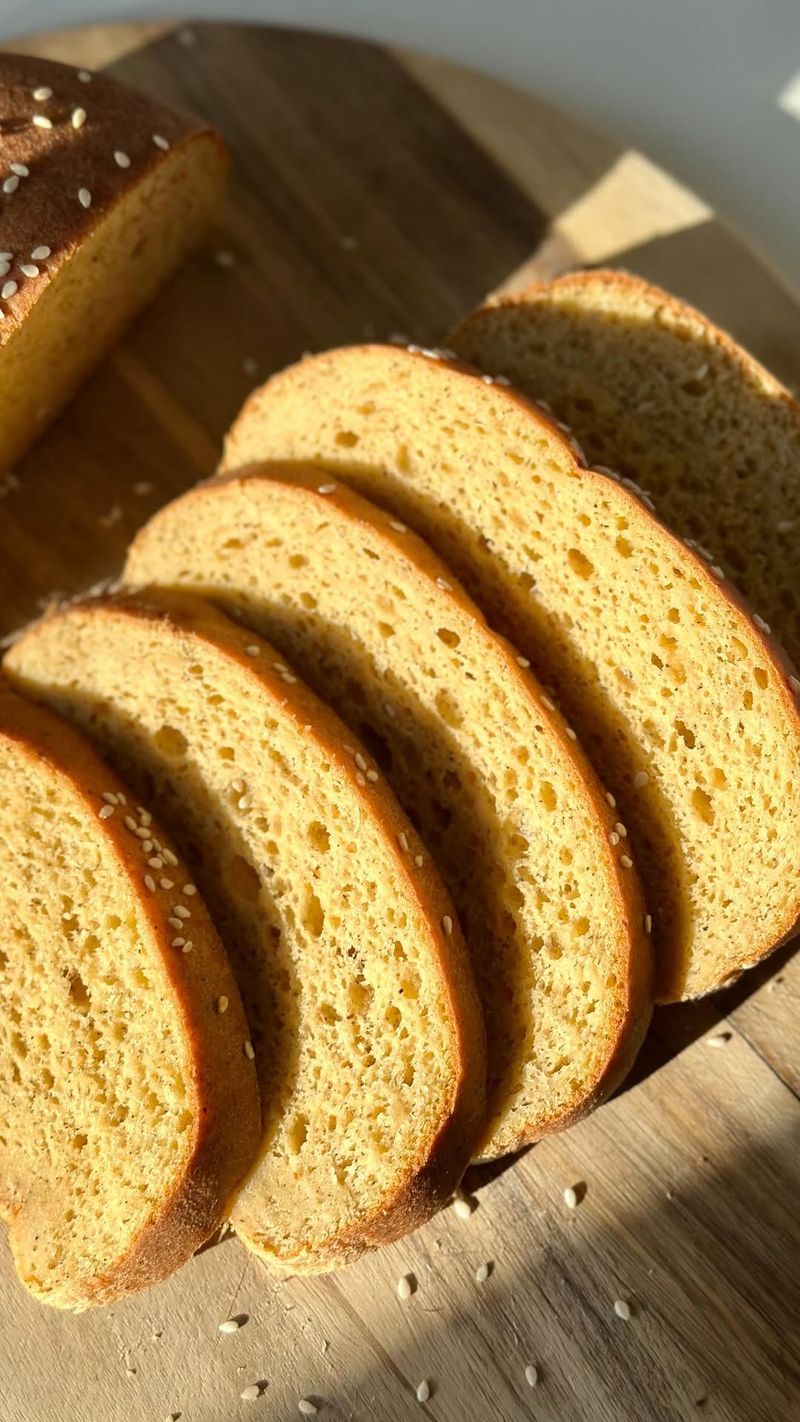
Millet is a tiny, round grain that has fed communities across Africa and Asia for millennia. It has a mild, slightly sweet flavor and a light color that produces a beautiful golden loaf when baked.
Naturally gluten-free, millet flour works well when combined with other flours in a bread recipe. It is a good source of magnesium, which supports muscle and nerve function.
Adding millet to bread also gives it a pleasant, slightly crunchy texture that many bakers and bread lovers enjoy.
12. Teff
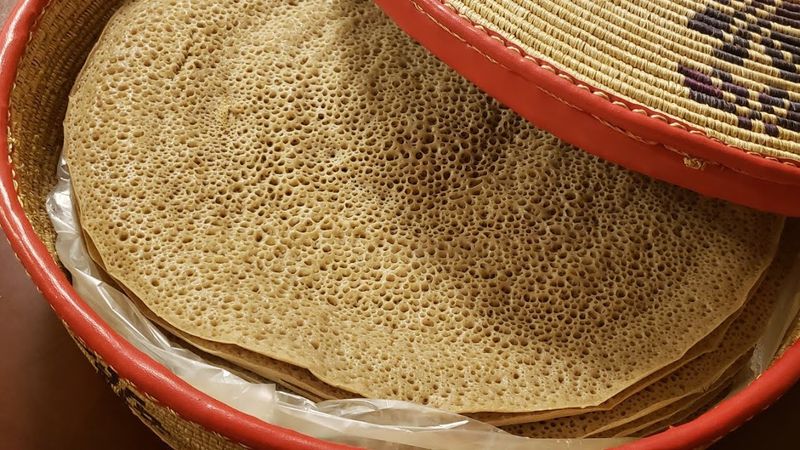
Teff is the world’s smallest grain, but what it lacks in size it more than makes up for in nutrition. Originating in Ethiopia, teff is the main ingredient in injera, the traditional flatbread that is central to Ethiopian cuisine.
It is packed with iron, calcium, and resistant starch, which feeds healthy gut bacteria. Teff flour has a mild, molasses-like sweetness that adds depth to bread.
Use it as 20 to 30 percent of your flour blend for the best results.
13. Sorghum
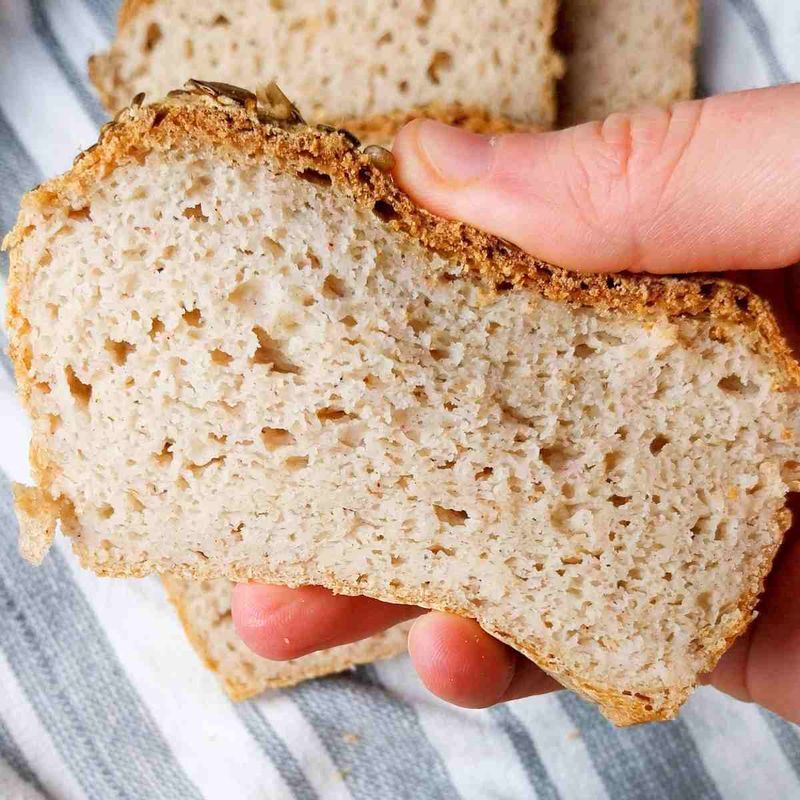
Sorghum is the fifth most important cereal crop in the world, yet most home bakers have never tried it. This gluten-free grain has a mild, slightly sweet flavor and a light texture that makes it one of the best wheat flour substitutes for bread baking.
It is high in antioxidants and has a lower glycemic index than white flour, which means it causes a slower rise in blood sugar. Sorghum flour blends especially well with tapioca starch and rice flour in gluten-free bread recipes.
14. Emmer (Farro)
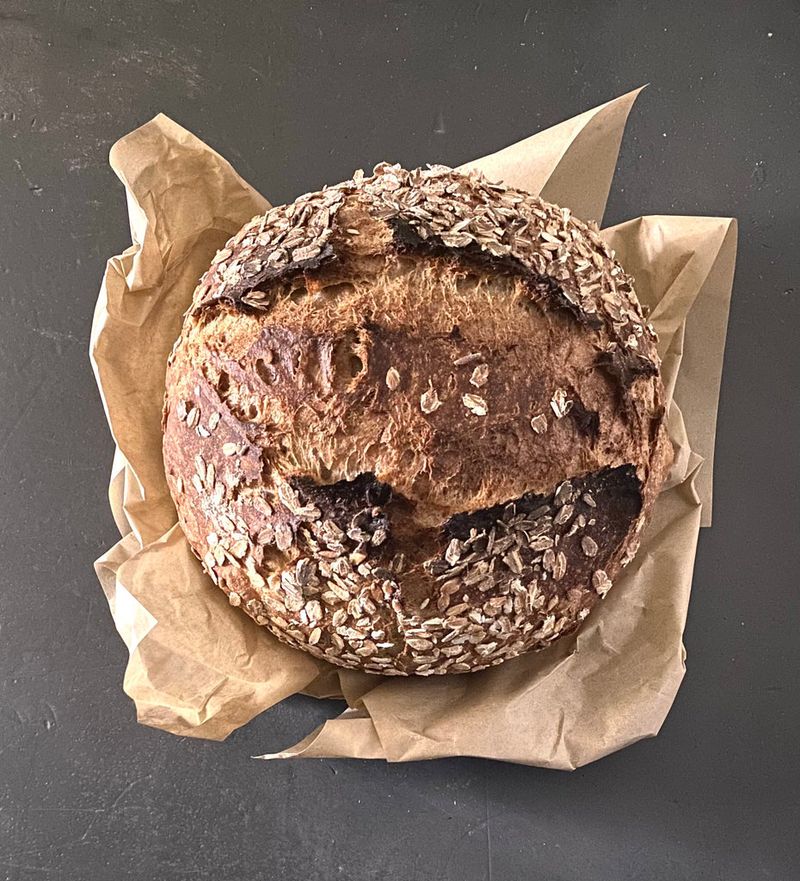
Emmer, often sold under the Italian name farro, is a hearty ancient grain with a chewy bite and a warm, nutty flavor. It was a dietary staple in ancient Rome and Egypt, fueling soldiers and builders for centuries.
Emmer flour creates a dense, satisfying loaf that holds up well to strong toppings like aged cheese or cured meats. It contains more fiber and protein than modern wheat, making every slice a more nourishing choice for your family.
15. Corn (Cornmeal)
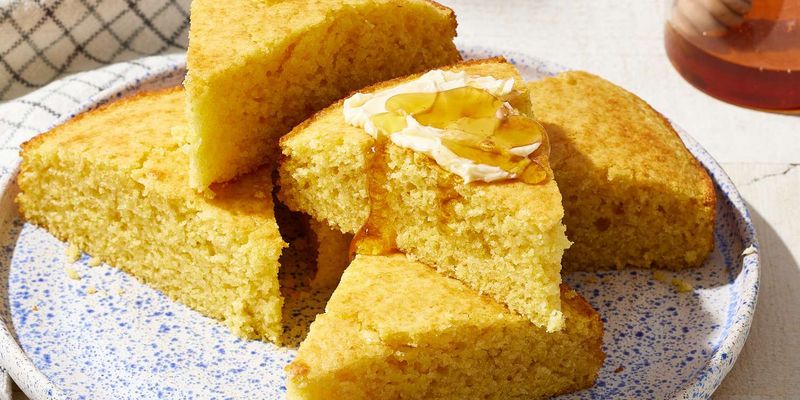
Cornmeal brings a sunny, slightly sweet flavor and a satisfying crunch to homemade bread that is hard to resist. Cornbread has deep roots in Southern American and Native American cooking traditions, where it has been a beloved staple for hundreds of years.
Stone-ground cornmeal retains more nutrients than degerminated versions, so look for that on the label. Combine cornmeal with whole wheat flour for a loaf that has both the familiar sweetness of corn and the added nutrition of whole grains.
16. Brown Rice Flour
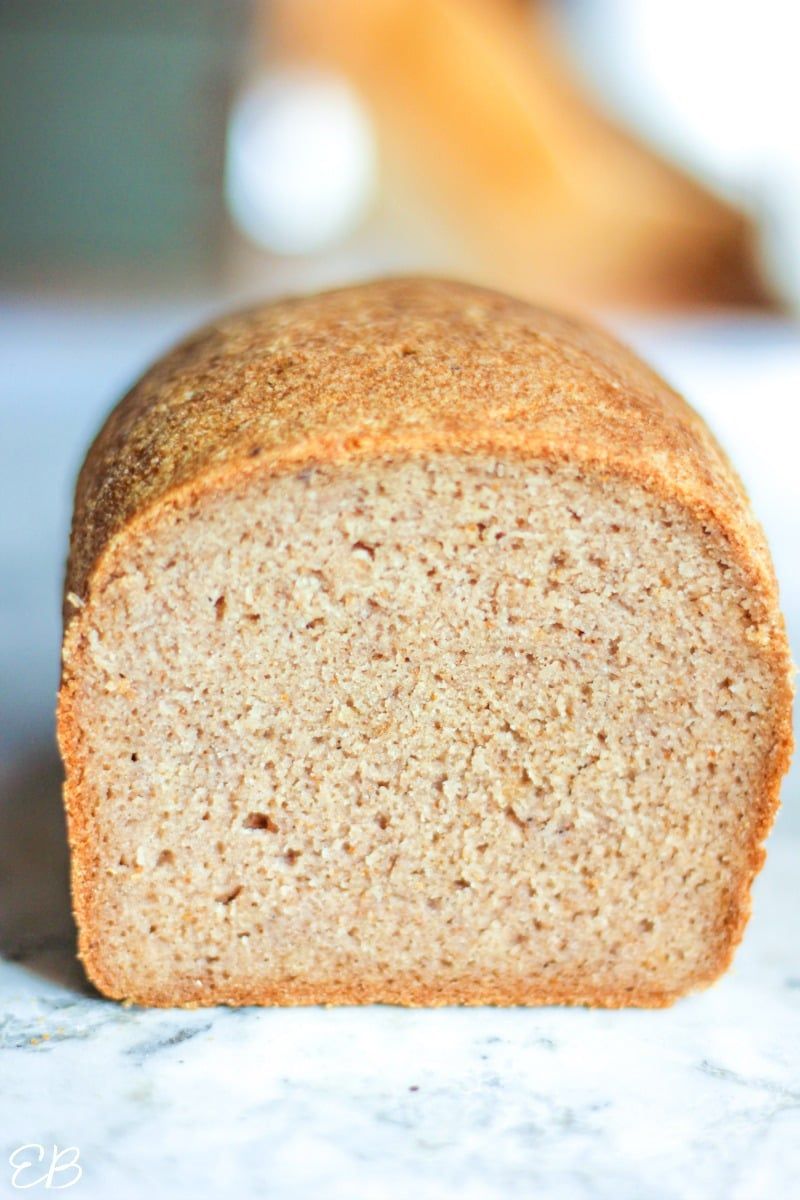
Brown rice flour is a pantry staple for gluten-free bakers and a genuinely versatile ingredient for healthier bread. Made from whole grain brown rice, it retains the bran layer, giving it more fiber and nutrients than white rice flour.
The flavor is mild and slightly nutty, and it produces a bread with a tender, soft crumb. For the best texture, combine brown rice flour with a starchy flour like tapioca and add xanthan gum or psyllium husk to improve the structure.
17. Flaxseed
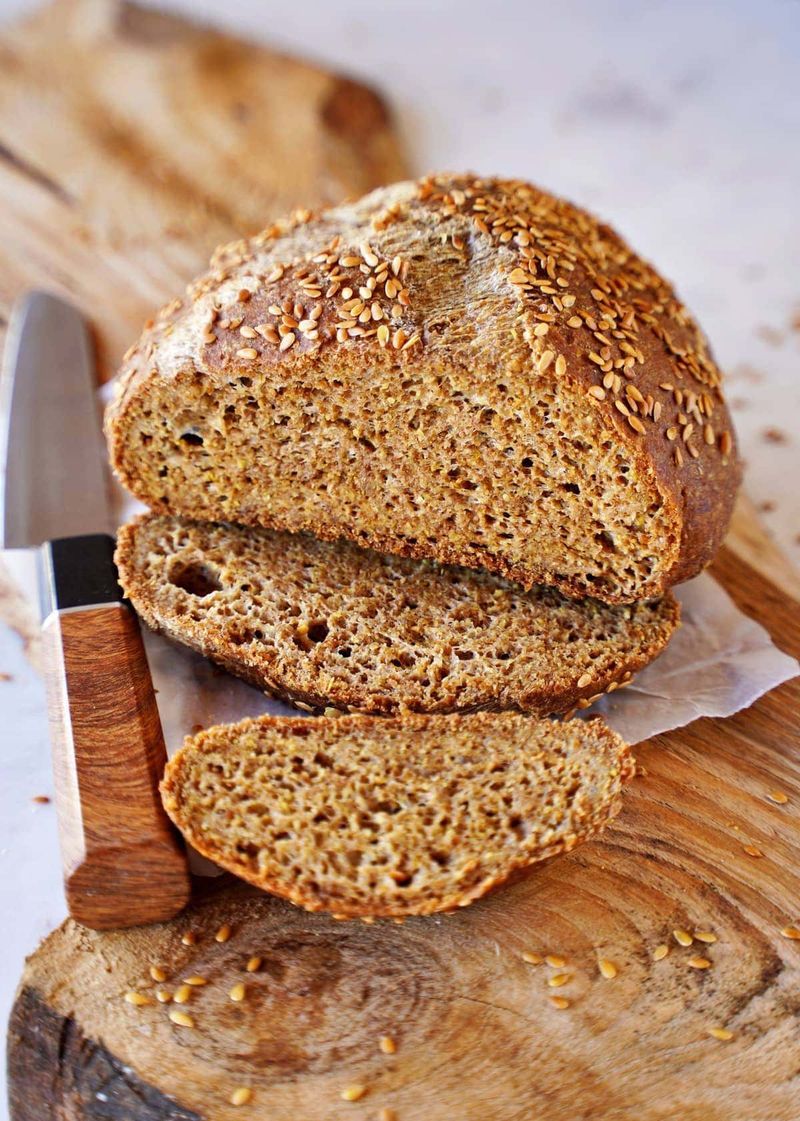
Flaxseeds may be tiny, but they are nutritional powerhouses packed with omega-3 fatty acids, lignans, and fiber. Adding ground flaxseed to your bread dough is one of the easiest ways to boost its health value without changing the flavor too dramatically.
Ground flax also acts as a natural binder, which is especially helpful in gluten-free bread recipes. The seeds add a pleasant, slightly nutty taste and a subtle crunch to every bite.
Start with two to three tablespoons per loaf and adjust from there.