
Getting older does not mean slowing down, especially when you fuel your body with the right foods. After 50, your body goes through changes that make nutrition more important than ever, from bone density shifts to slower metabolism and heart health concerns.
The good news is that certain foods can help you feel stronger, sharper, and more energetic every single day. Stock your kitchen with these power foods and give your body the support it truly deserves.
1. Salmon
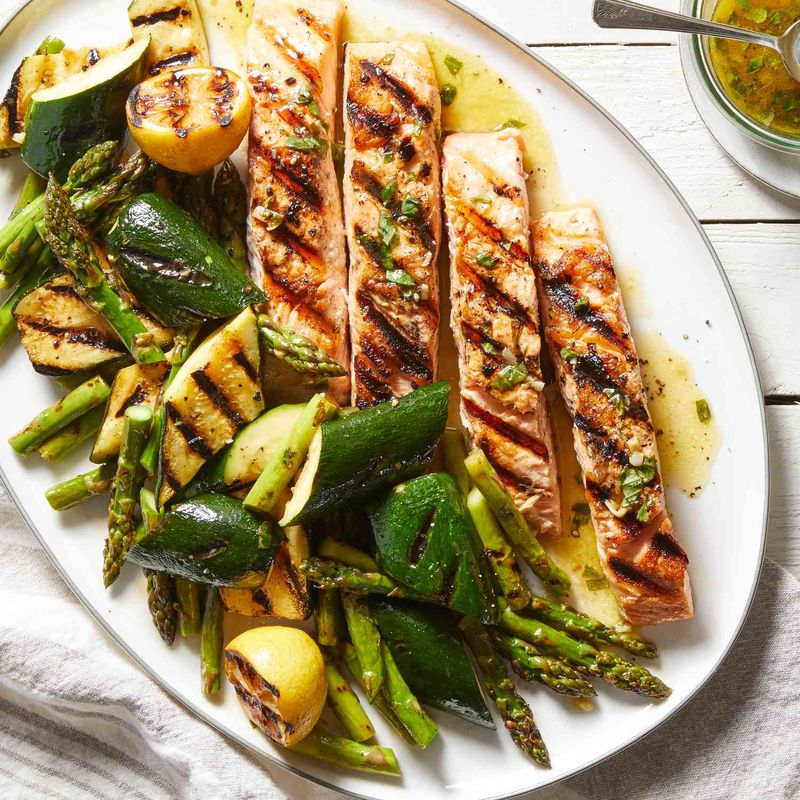
Few foods pack as much punch per bite as salmon. Rich in omega-3 fatty acids, this fish actively fights inflammation, which tends to rise as we age.
Omega-3s also support brain health, helping you stay sharp and focused well into your later years.
Eating salmon two to three times a week can also help protect your heart. It is loaded with protein, which becomes especially critical after 50 when muscle loss speeds up noticeably.
2. Blueberries
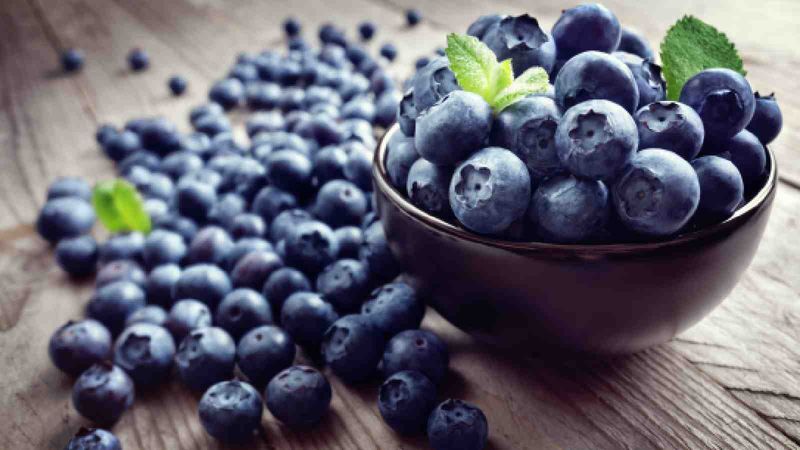
Blueberries may be small, but they are nutritional powerhouses hiding in plain sight. Packed with antioxidants called anthocyanins, they help protect your cells from the kind of damage that builds up over decades of living.
Studies suggest that eating blueberries regularly can support memory and slow age-related cognitive decline. Toss them into oatmeal, yogurt, or smoothies for an easy daily boost that your brain and body will genuinely thank you for.
3. Leafy Greens
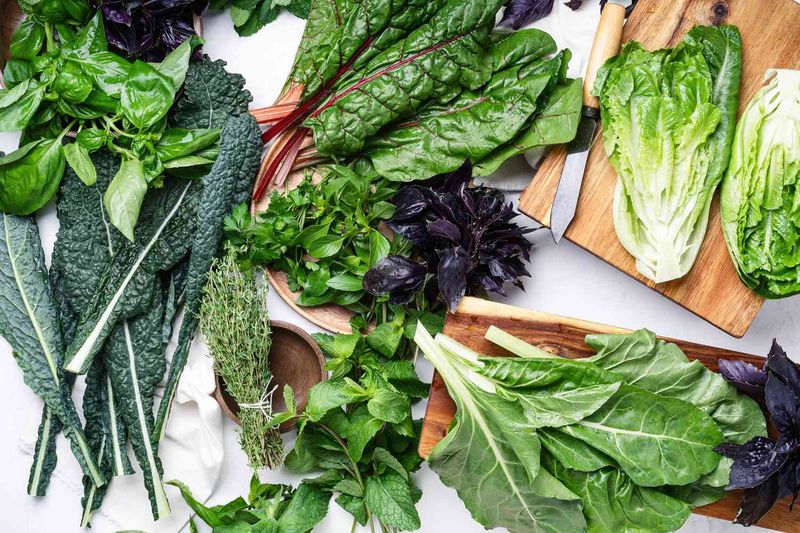
Spinach, kale, collard greens, and Swiss chard are some of the most nutrient-dense foods you can eat. They deliver calcium, magnesium, and vitamin K, all of which are critical for keeping bones strong as you age.
Leafy greens are also rich in folate and lutein, nutrients linked to heart health and sharper eyesight. A simple daily salad or a handful tossed into a stir-fry can make a meaningful difference in how you feel week after week.
4. Greek Yogurt
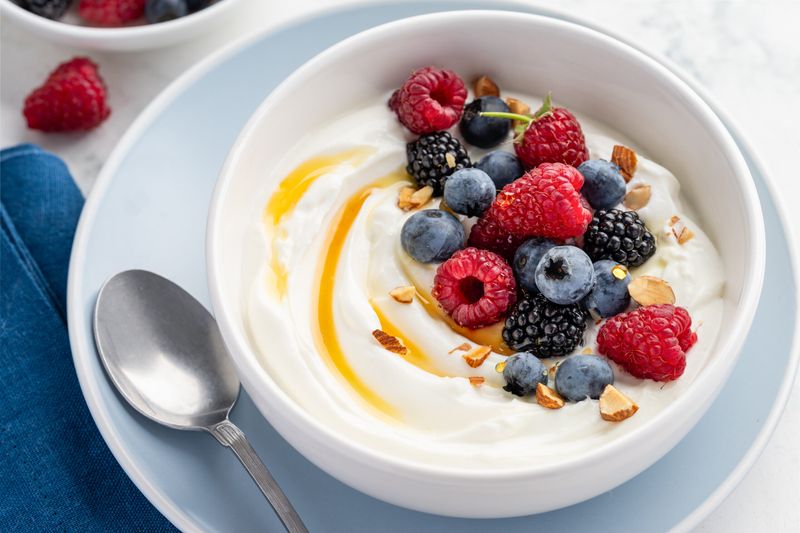
Greek yogurt brings a satisfying combination of high protein and gut-friendly probiotics to the table. After 50, your digestive system can become more sensitive, and probiotics help keep healthy gut bacteria balanced and thriving.
The protein content in Greek yogurt is nearly double that of regular yogurt, making it a smart choice for preserving muscle mass. Choose plain, unsweetened versions and add your own fruit to keep sugar intake in a healthy range.
5. Walnuts
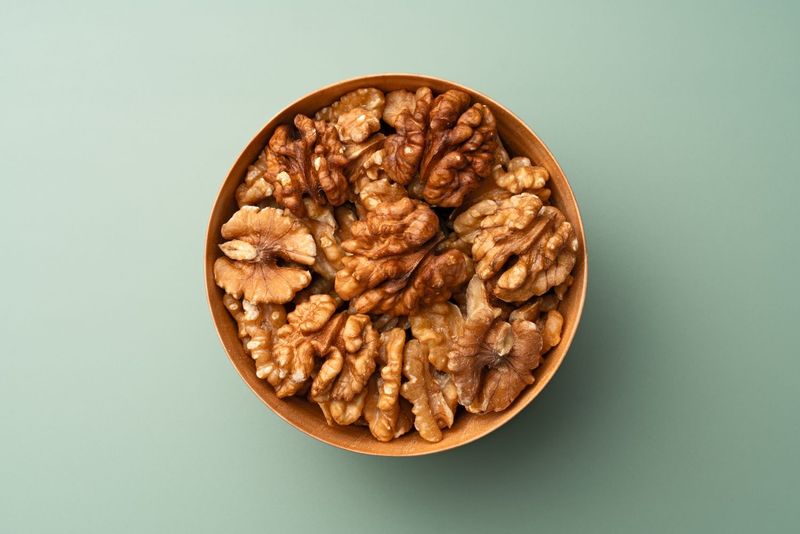
Walnuts look a little like tiny brains, and it turns out they are fantastic for the actual brain you carry around. They are one of the best plant-based sources of omega-3 fatty acids, supporting memory and reducing inflammation throughout the body.
A small handful of walnuts each day has been linked to lower LDL cholesterol and better heart health. They also contain melatonin, which may help support more restful sleep, something many adults over 50 genuinely need more of.
6. Avocado
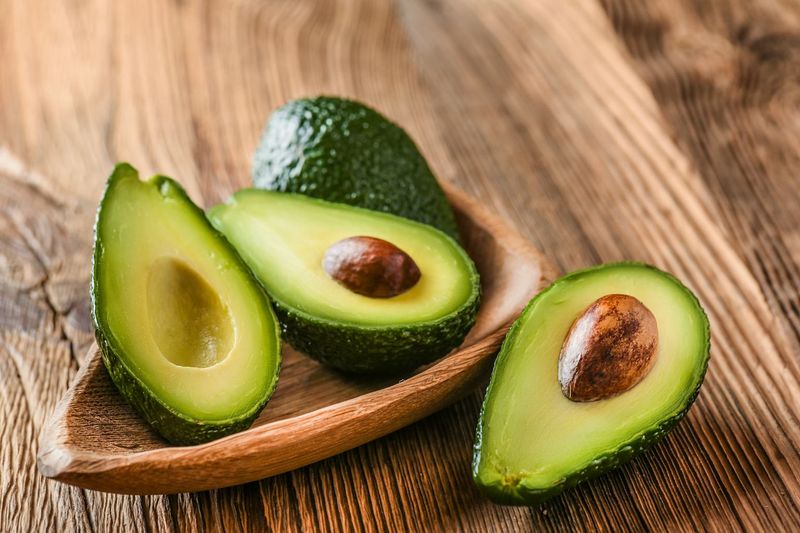
Avocados are loaded with heart-healthy monounsaturated fats that help lower bad cholesterol without touching the good kind. They are also rich in potassium, which supports healthy blood pressure, a major concern for many people after 50.
Beyond heart health, avocados provide fiber and vitamin E, both of which support skin health and digestive regularity. Spread it on toast, blend it into a smoothie, or enjoy it in guacamole for a delicious daily dose of healthy fat.
7. Beans and Lentils
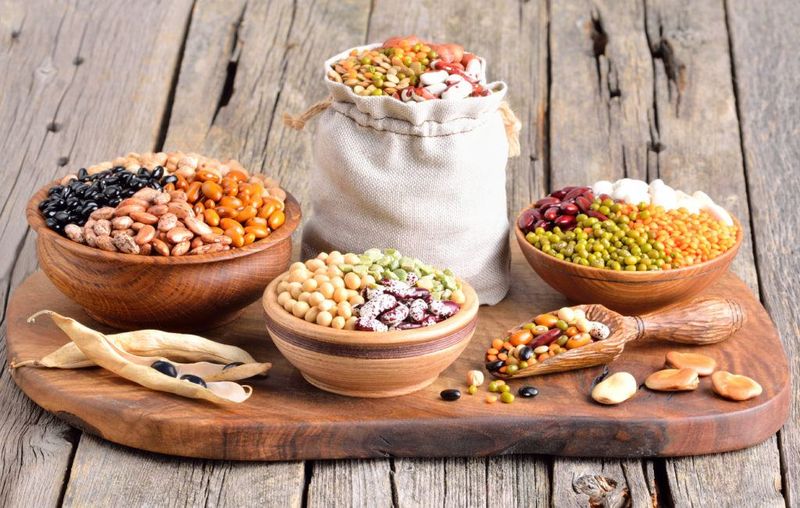
Beans and lentils are among the most affordable and underrated superfoods available. They offer a powerful combination of plant-based protein, fiber, and complex carbohydrates that keep blood sugar levels stable throughout the day.
For adults over 50, fiber is especially important for heart health, digestive comfort, and maintaining a healthy weight. Black beans, chickpeas, kidney beans, and lentils are all excellent choices that work well in soups, salads, and stews with very little effort.
8. Sweet Potatoes
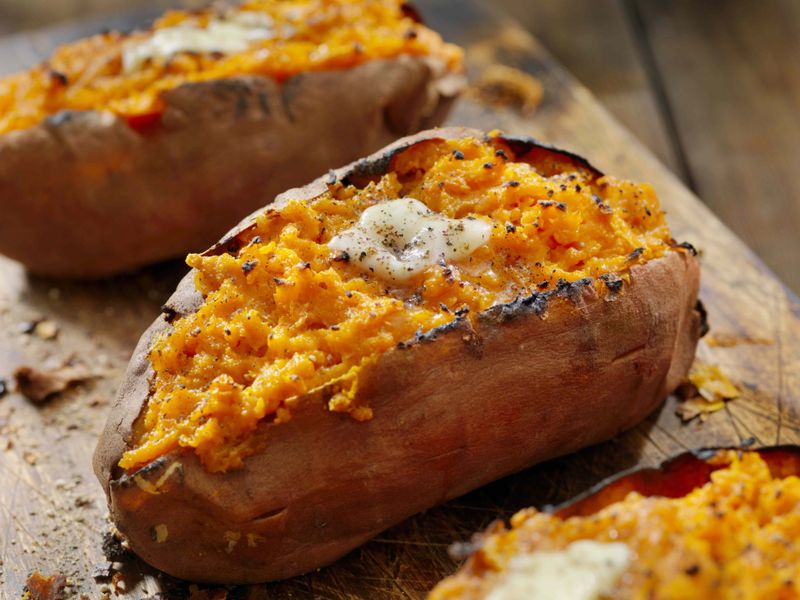
Sweet potatoes are nature’s answer to the craving for something warm, filling, and genuinely good for you. They are bursting with beta-carotene, which the body converts to vitamin A, a nutrient that supports immune function and eye health.
They also provide potassium and vitamin C, both of which support cardiovascular health. Unlike regular potatoes, sweet potatoes have a lower glycemic impact, meaning they cause a slower, steadier rise in blood sugar, which matters more and more after 50.
9. Oats
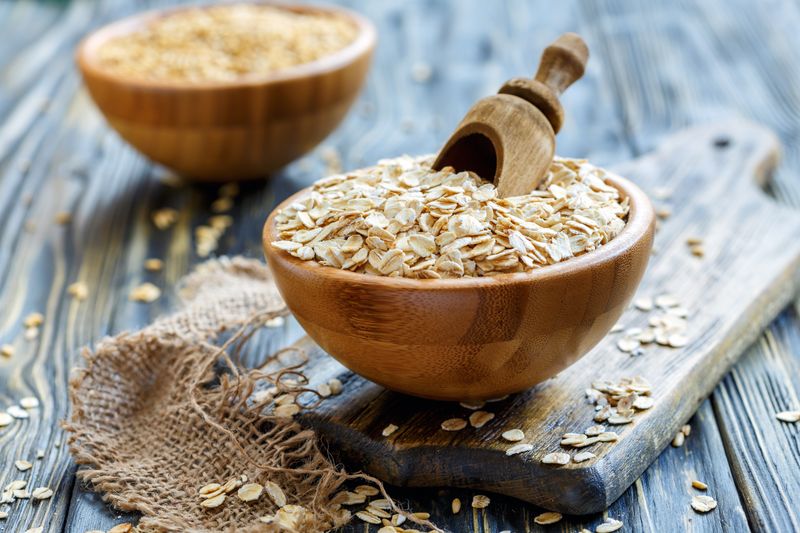
Starting your morning with oats is one of the simplest and most effective habits you can build after 50. Oats are rich in a special soluble fiber called beta-glucan, which has been shown to significantly reduce LDL cholesterol levels over time.
They also provide steady, lasting energy without the blood sugar spikes that come from processed cereals. Oats are incredibly versatile, working equally well as overnight oats, baked goods, or a hot morning bowl topped with fruit and nuts.
10. Eggs
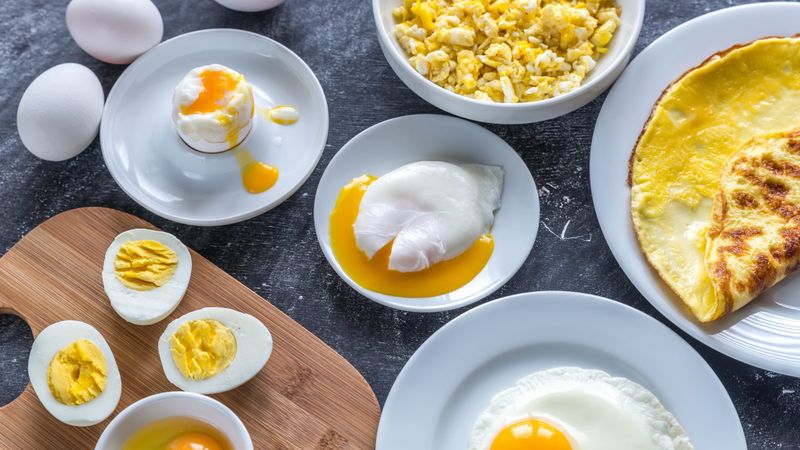
Eggs got a bad reputation for years, but science has largely cleared their name. For adults over 50, eggs are a nutritional gem, delivering high-quality protein, B vitamins, and choline, a nutrient essential for brain function and nerve health.
The yolk contains lutein and zeaxanthin, antioxidants that protect your eyes from age-related macular degeneration. Eating one to two eggs a day is a practical, inexpensive way to support muscle maintenance and keep energy levels steady throughout the morning.
11. Sardines
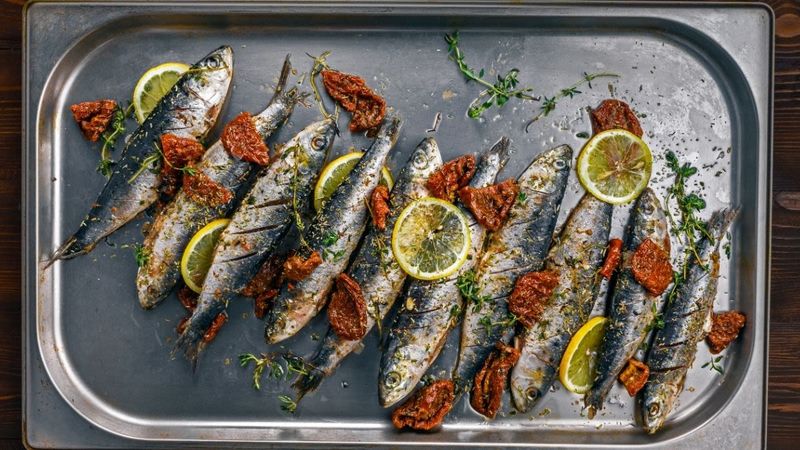
Sardines might not be the flashiest food on this list, but they deserve serious attention. They are one of the richest sources of calcium available, especially important for those who do not consume much dairy, and they are loaded with omega-3s and vitamin D.
Because sardines are eaten whole, including the soft bones, they deliver more calcium per serving than most people expect. They are also low in mercury compared to larger fish, making them a safe and smart choice to eat regularly after 50.
12. Broccoli
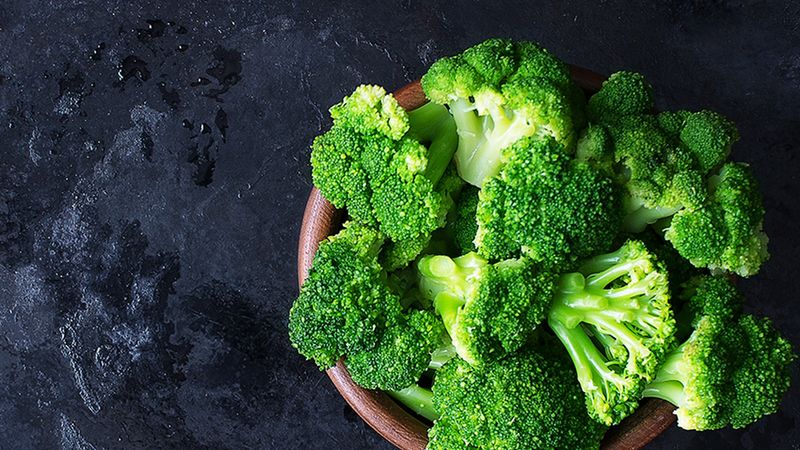
Broccoli has earned its status as a superfood fair and square. It contains sulforaphane, a powerful compound that research suggests may help reduce the risk of certain cancers, which become more common as we age past 50.
Beyond cancer-fighting potential, broccoli delivers vitamin K for bone strength, vitamin C for immune defense, and fiber for digestive health. Steam it lightly to preserve the most nutrients, or roast it with olive oil and garlic for a side dish that feels indulgent but is anything but.
13. Flaxseeds
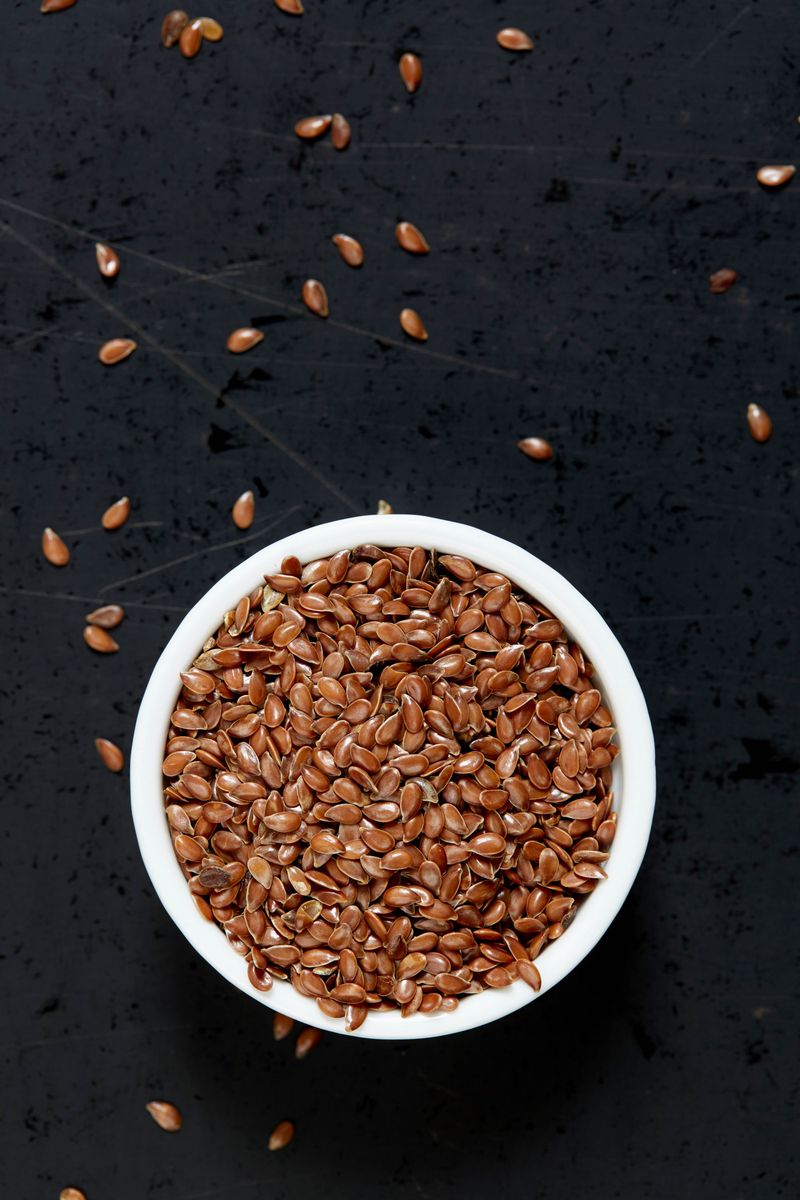
Tiny but mighty, flaxseeds are one of the best plant-based sources of omega-3 fatty acids and lignans, natural compounds that have been linked to reduced risk of hormone-related cancers. That makes them especially worth adding to your routine after 50.
Ground flaxseeds are easier for the body to absorb than whole ones. Stir a tablespoon into smoothies, yogurt, or oatmeal each morning for a quick and nearly tasteless upgrade that quietly supports your heart, hormones, and digestive system all at once.
14. Turmeric
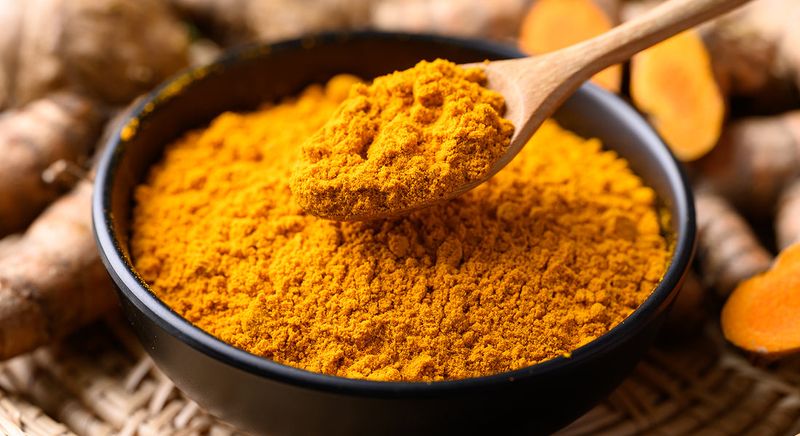
Turmeric has been used in traditional medicine for thousands of years, and modern science is starting to back up the hype. Its active compound, curcumin, is a potent anti-inflammatory agent that may help ease joint pain, a common complaint after 50.
Curcumin is better absorbed when paired with black pepper, so add both to soups, curries, or warm golden milk. Consistent use over time, rather than occasional large doses, seems to provide the most meaningful benefits for aging bodies dealing with chronic low-grade inflammation.
15. Dark Chocolate

Good news for anyone with a sweet tooth: dark chocolate with at least 70 percent cocoa content is genuinely good for you in moderation. It is rich in flavonoids, antioxidants that help lower blood pressure and improve blood flow to the brain and heart.
Research has linked regular consumption of dark chocolate to better mood and reduced stress hormones, both of which matter more as life gets more complex after 50. A small square or two per day is all it takes to enjoy the benefits without going overboard on sugar.
16. Pomegranate
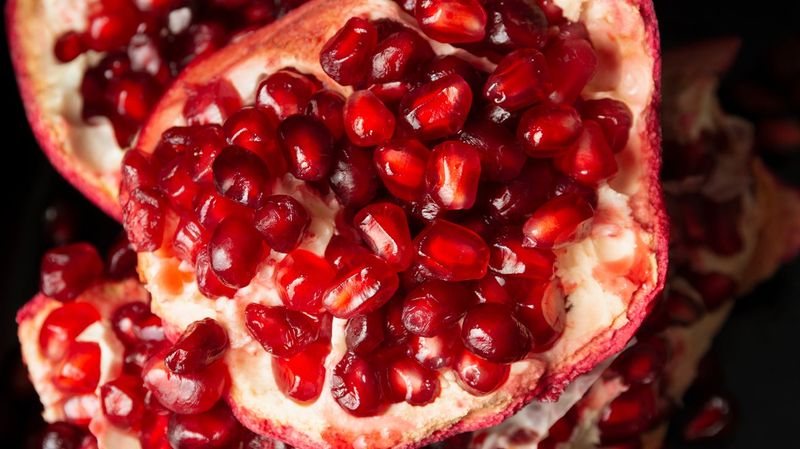
Pomegranate seeds look like little jewels and act like them too, delivering one of the highest antioxidant levels of any fruit. They contain punicalagins and anthocyanins, compounds that actively fight oxidative stress and inflammation in the body.
For adults over 50, pomegranate has shown promise in supporting prostate health in men and reducing blood pressure in both sexes. Enjoy the seeds on salads or blend them into juice.
A little goes a long way with this deeply flavorful, ruby-red powerhouse.
17. Almonds
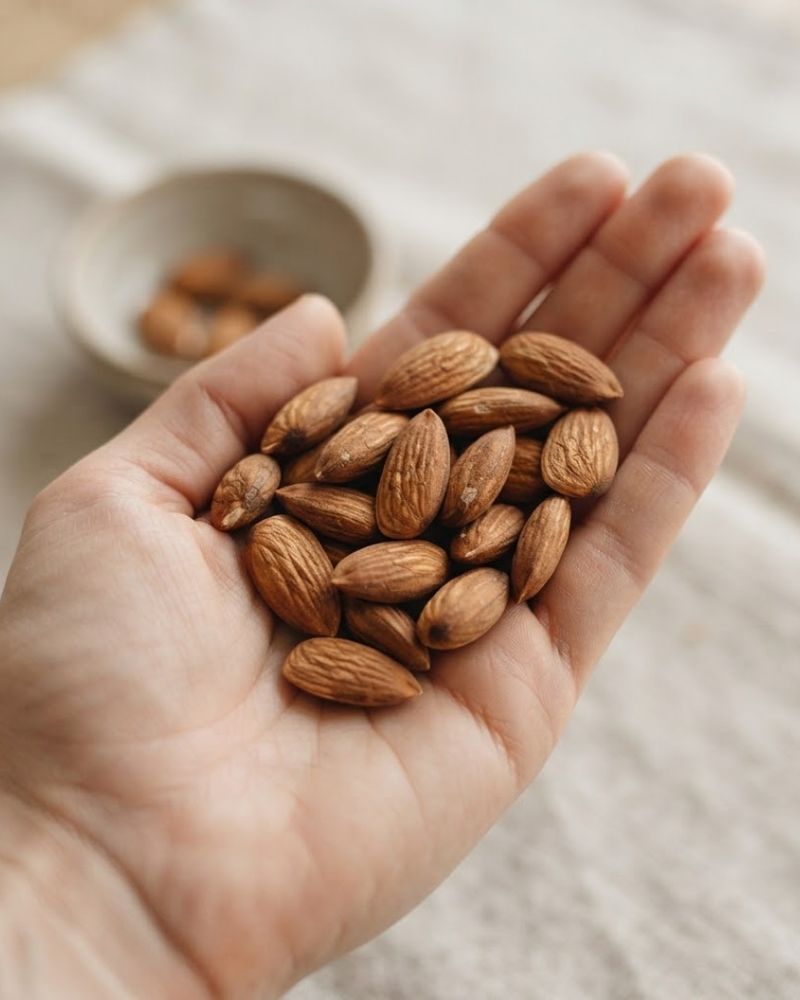
Almonds are the kind of snack that actually does what it promises. A small handful provides a satisfying mix of protein, healthy fat, fiber, and magnesium, a mineral that many adults over 50 do not get nearly enough of from their daily diet.
Magnesium supports muscle function, sleep quality, and blood sugar regulation, making almonds a triple-threat snack. They are also rich in vitamin E, an antioxidant that helps protect skin cells and supports immune health as the body becomes more vulnerable to oxidative damage over time.
18. Olive Oil
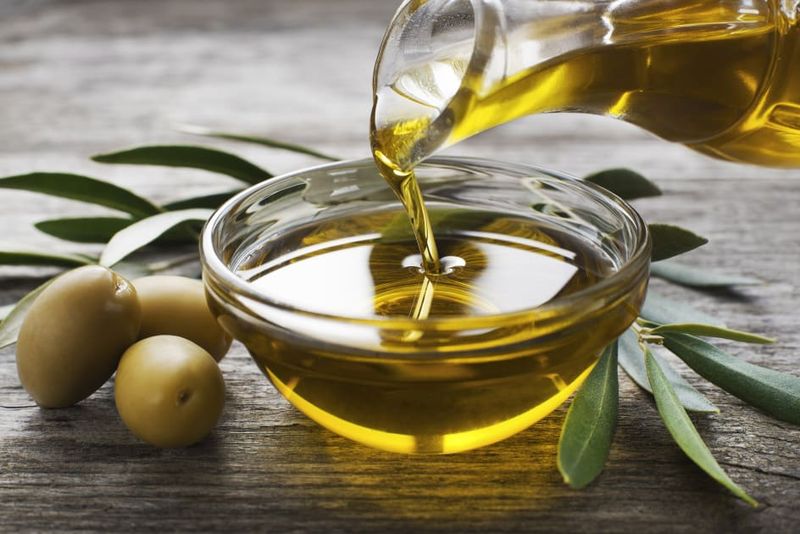
Extra virgin olive oil is the cornerstone of the Mediterranean diet, which is consistently ranked as one of the healthiest eating patterns in the world. Its high content of oleocanthal gives it natural anti-inflammatory properties similar in effect to low-dose ibuprofen.
Using olive oil as your primary cooking fat after 50 can help lower LDL cholesterol, reduce arterial inflammation, and support cognitive health. Drizzle it over vegetables, use it in dressings, or finish soups with a swirl for maximum flavor and nutritional impact.
19. Fermented Foods
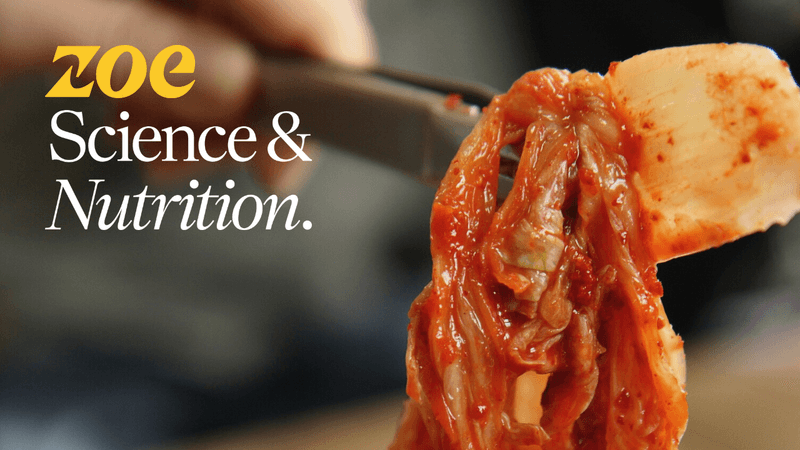
Kimchi, sauerkraut, kefir, and miso all belong to the fermented food family, and they share one powerful trait: they feed and support your gut microbiome. A healthy gut has been linked to better immunity, mood stability, and even sharper cognition.
After 50, gut bacteria diversity tends to decline naturally. Eating a variety of fermented foods regularly helps counteract that shift.
Start small if you are new to them, since adding too much too fast can cause temporary bloating while your digestive system adjusts and adapts.
20. Beets
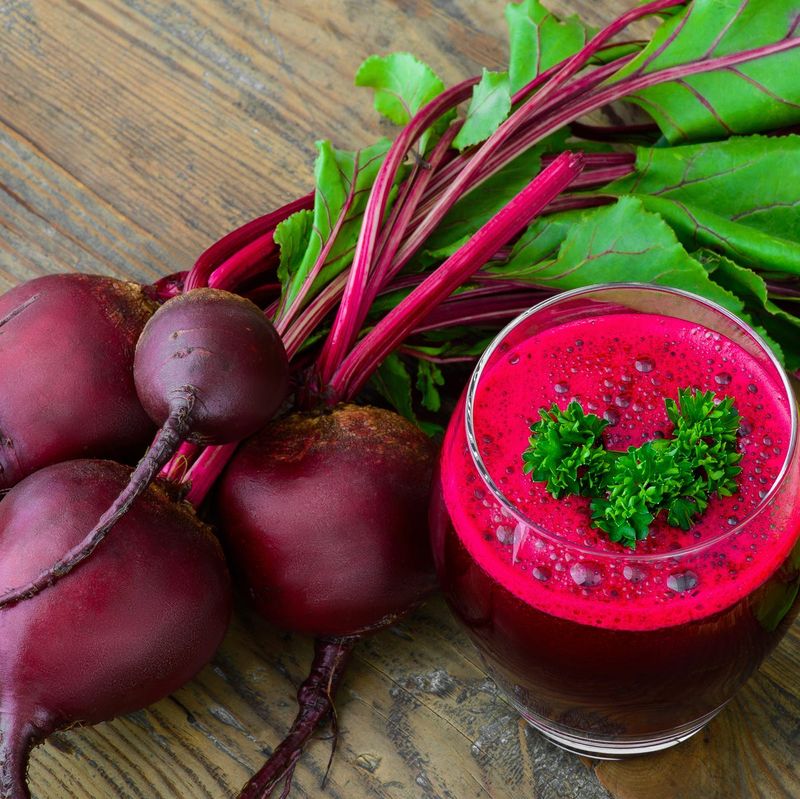
Beets are one of the most underappreciated vegetables in the grocery store. They contain nitrates that the body converts into nitric oxide, a compound that relaxes blood vessels and improves circulation, which is especially beneficial for cardiovascular health after 50.
Some athletes even use beet juice to boost endurance, but for everyday adults, the benefit is simpler: better blood flow to the brain and muscles. Roasted, pickled, or blended into a smoothie, beets offer a uniquely earthy sweetness that pairs well with many flavors.
21. Edamame
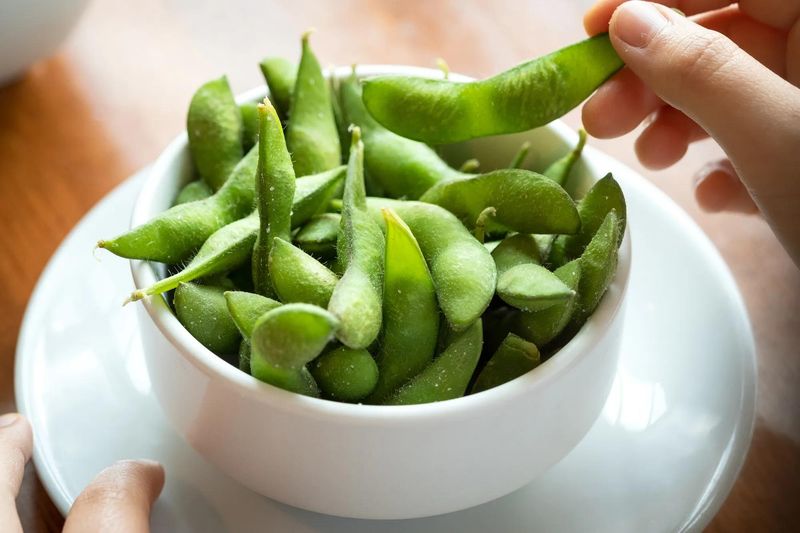
Edamame, or young soybeans, are a protein-packed snack that also happens to be rich in isoflavones, plant compounds that mimic estrogen in the body. For women going through or past menopause, isoflavones may help ease hot flashes and support bone density.
Men benefit too, since edamame provides heart-healthy fiber and plant protein without saturated fat. A cup of edamame delivers around 17 grams of protein, making it one of the most complete plant-based protein sources you can snack on without any cooking complexity.
22. Green Tea

Green tea has been sipped for centuries across Asia, and modern research keeps finding new reasons to appreciate it. It contains EGCG, a powerful antioxidant that has been studied for its potential to reduce cancer risk, support metabolism, and protect brain cells from aging.
Unlike coffee, green tea provides a gentler caffeine boost paired with an amino acid called L-theanine, which promotes calm, focused energy without the jitters. Swapping one daily coffee for green tea is a small habit shift that adds up to big benefits over time.
23. Chia Seeds
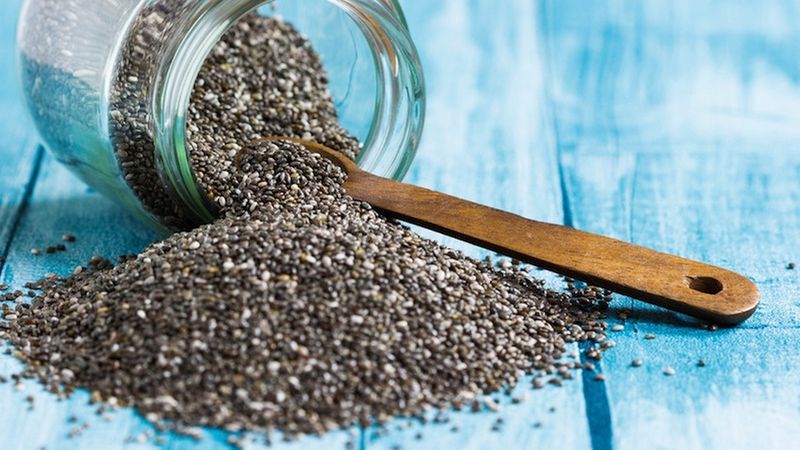
Chia seeds are one of the most nutrient-dense foods you can add to your diet with almost zero effort. Just two tablespoons deliver fiber, omega-3 fatty acids, calcium, and magnesium, covering several nutritional gaps that tend to widen after 50.
When soaked in liquid, chia seeds expand into a gel-like texture that slows digestion and helps you feel full longer. This makes them a smart tool for managing appetite and blood sugar.
Stir them into yogurt, oatmeal, or juice and let them work their quiet magic overnight.