
The Oscars are one of the most glamorous nights in Hollywood, but not everyone gets to enjoy the spotlight forever. Over the years, the Academy of Motion Picture Arts and Sciences has taken bold steps to remove or ban certain members whose behavior crossed serious lines.
From shocking on-stage incidents to criminal convictions, these bans sent a clear message that even the biggest stars are not above the rules. Here is a look at 16 stars who were banned from the Oscars and the stories behind each decision.
1. Will Smith
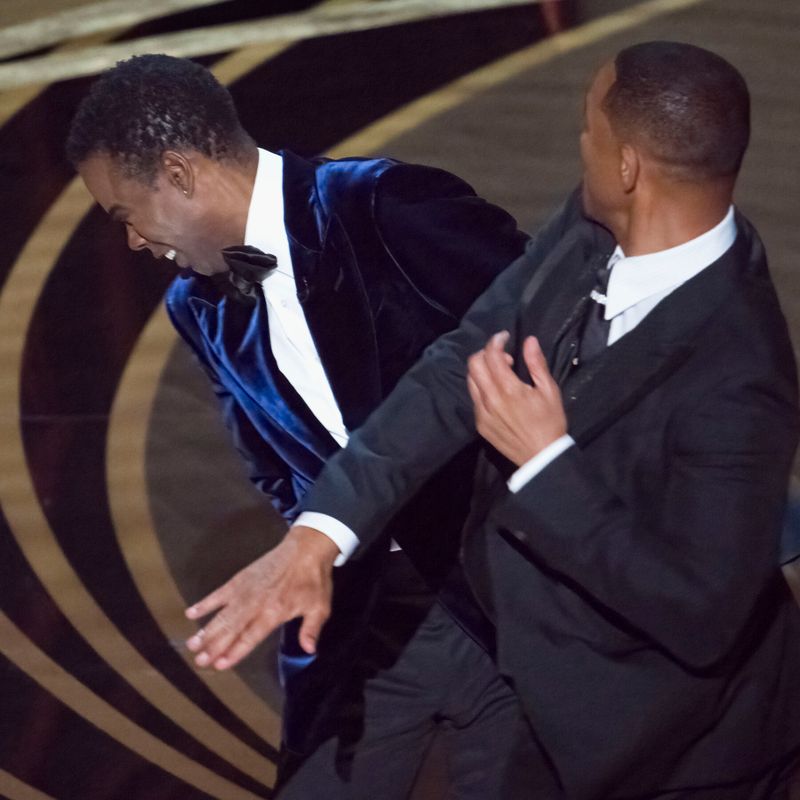
Few moments in Oscar history shocked the world quite like March 2022, when Will Smith walked on stage and slapped comedian Chris Rock. The Academy responded swiftly, handing Smith a 10-year ban from all Academy events, including the Oscars ceremony itself.
Smith had already won Best Actor that same night, making the situation even more surreal. The ban was a clear signal that no amount of talent shields anyone from accountability when conduct standards are broken.
2. Harvey Weinstein
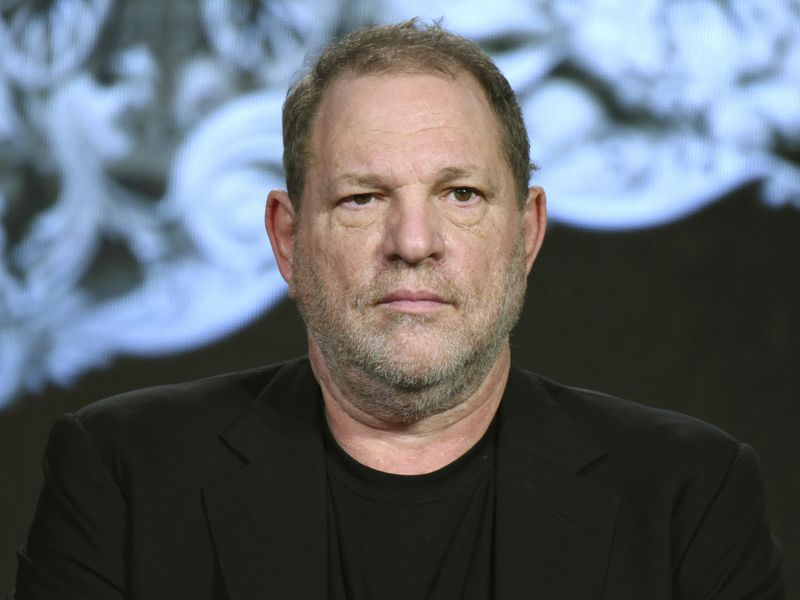
Harvey Weinstein’s expulsion from the Academy in October 2017 became one of the most defining moments of the MeToo era. Dozens of women came forward with allegations of sexual assault and misconduct against the powerful producer, triggering a global reckoning in Hollywood.
The Academy expelled him within days of the scandal breaking, calling his behavior an “unambiguous” violation of their standards. His later criminal conviction for rape cemented his status as one of Hollywood’s most disgraced figures.
3. Bill Cosby
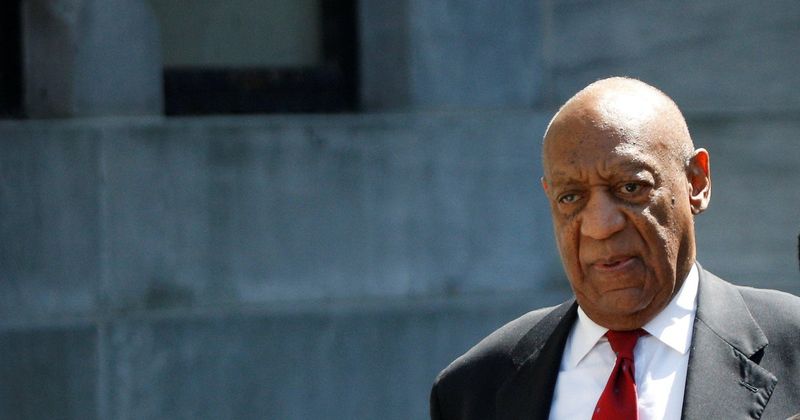
For decades, Bill Cosby was known as “America’s Dad,” beloved for his family-friendly television persona. That image shattered completely when dozens of women accused him of sexual assault spanning several decades, and he was ultimately convicted in 2018.
The Academy expelled him that same year, citing the need to uphold ethical conduct standards. His case remains one of the most dramatic falls from grace in entertainment history, showing how far the mighty can fall.
4. Roman Polanski
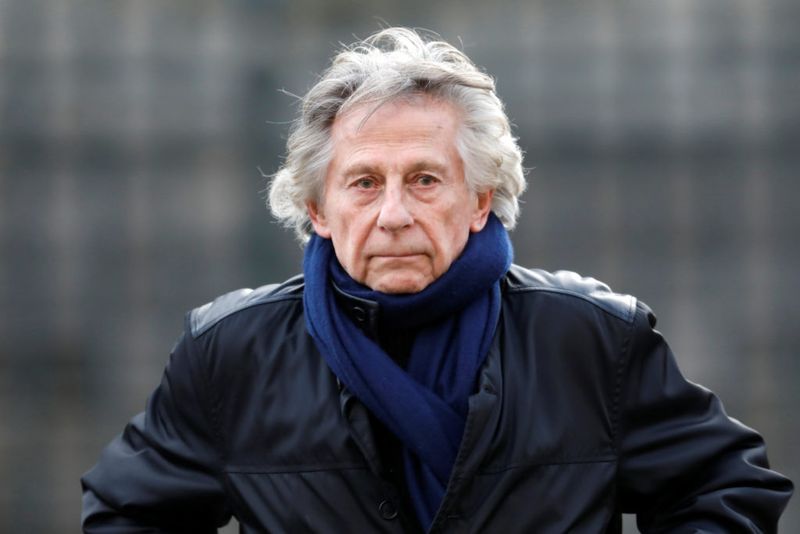
Roman Polanski has been living as a fugitive from U.S. justice since 1978, after pleading guilty to the unlawful sexual intercourse with a 13-year-old girl in 1977. For years, the Academy allowed him to remain a member despite the ongoing legal situation.
That changed in 2018 when the Academy formally expelled him. The decision came during heightened awareness around sexual misconduct in Hollywood, and many felt it was long overdue given the seriousness of his original crime.
5. Carmine Caridi
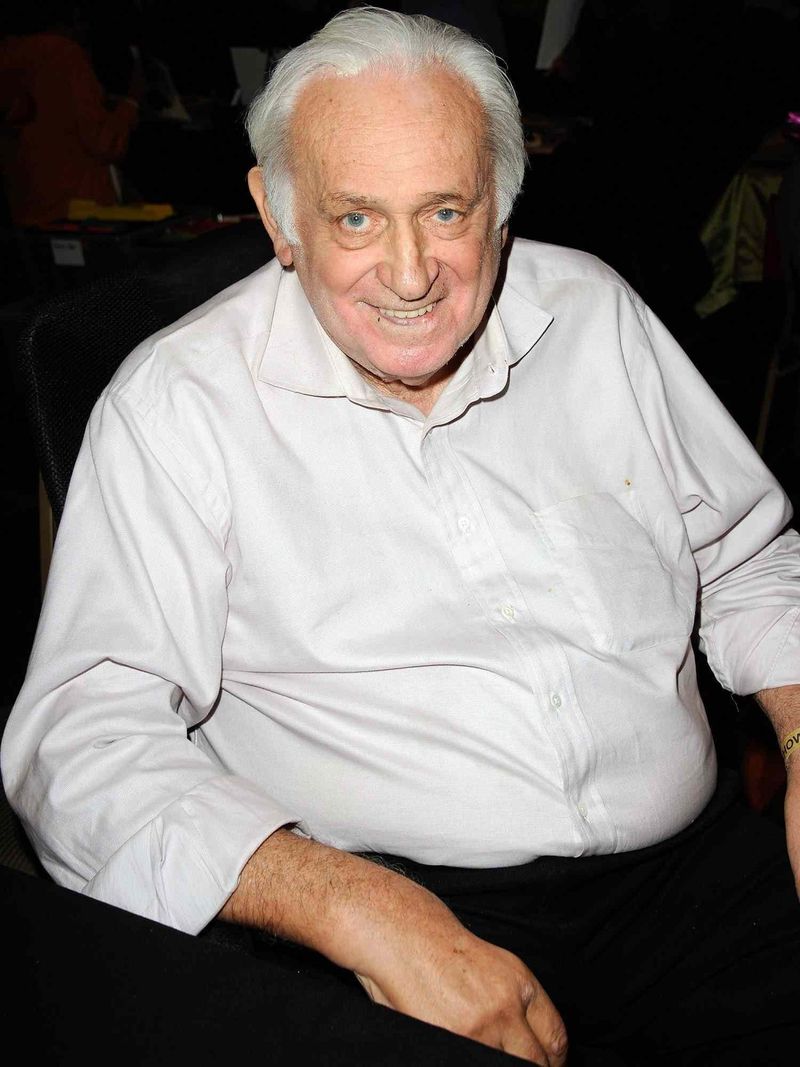
Carmine Caridi holds a rather unfortunate distinction: he was the very first actor ever permanently expelled from the Academy, back in 2004. His offense was sharing DVD screeners sent to him as a voting member, which ended up being leaked and pirated online.
The Academy takes copyright violations seriously, and Caridi’s actions cost him his membership for life. It was a cautionary tale for all members about the strict responsibilities that come with being part of such an exclusive organization.
6. Adam Kimmel
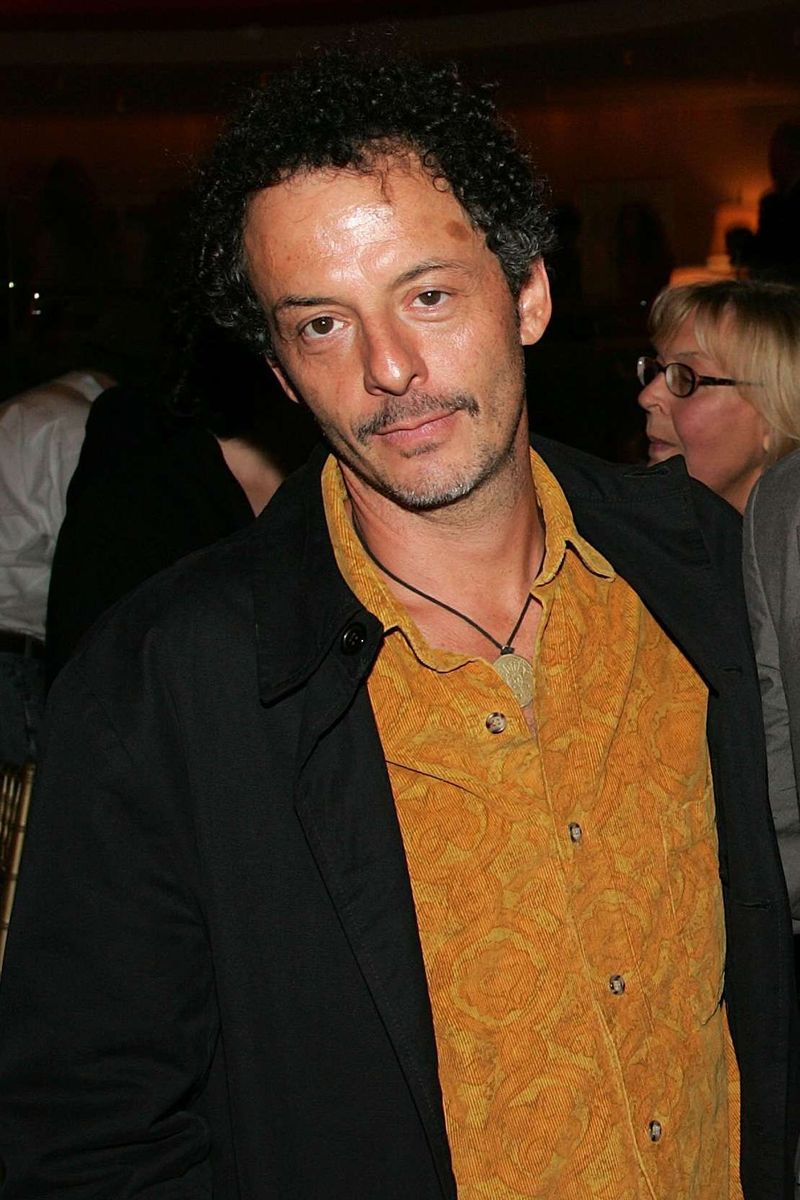
Adam Kimmel is a cinematographer who worked on well-regarded films, but his career reputation took a severe hit in 2021. The Academy expelled him after it became public knowledge that he was a registered sex offender, having been convicted for rape and assault involving minors.
His expulsion reflected the Academy’s continued commitment to removing members whose personal conduct is incompatible with the values the organization wants to represent. The decision received wide public support given the gravity of his crimes.
7. Richard Gere
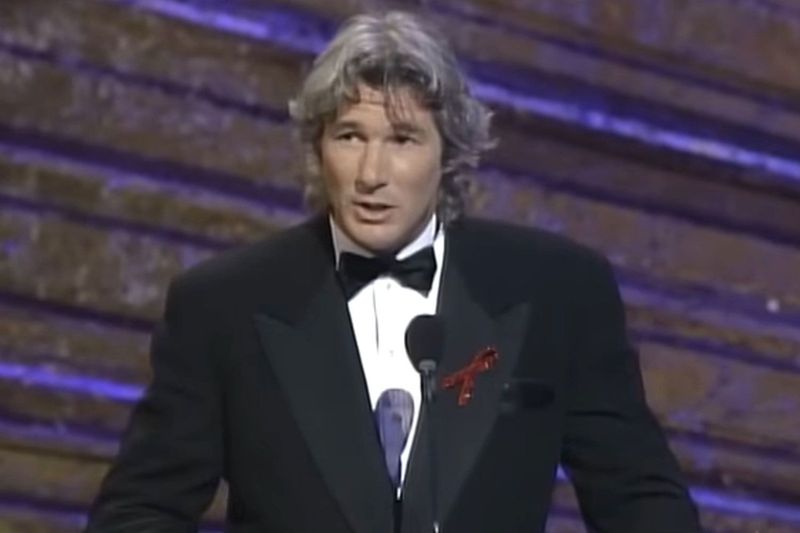
Back in 1993, Richard Gere did something almost unheard of at the Oscars: he used his presenting slot to deliver an unscripted political speech criticizing China’s occupation of Tibet. The Academy and show producers were furious, and Gere reportedly found himself quietly blacklisted from the ceremony for nearly two decades.
His ban was eventually lifted around 2003. The incident is still remembered as one of the boldest political moments in Oscars history, proving that speaking your mind can come with real professional consequences.
8. Ismail Merchant

Ismail Merchant was a celebrated producer known for his long creative partnership with director James Ivory on classic films like “A Room with a View” and “Howards End.” Despite his prestigious reputation, he ran into trouble with the Academy over a surprisingly simple issue.
Merchant was reportedly banned after selling his Oscar tickets, which is a direct violation of Academy policy. The tickets are non-transferable and non-commercial by rule, and even respected veterans are expected to follow that guideline without exception.
9. The Godfather Producer
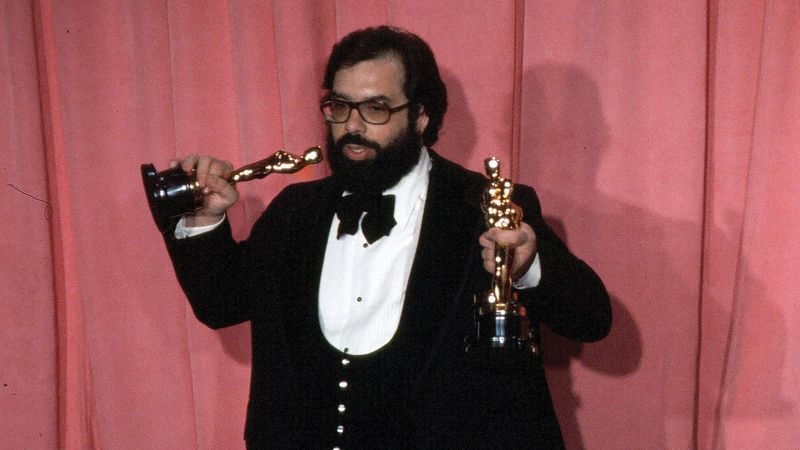
One of the more quietly scandalous stories from Oscar history involves a producer connected to the legendary film “The Godfather.” This individual was reportedly banned after being caught selling Oscar voting rights, which is considered one of the most serious ethical breaches possible within the Academy.
Selling votes undermines the entire integrity of the awards process. The Academy has strict rules about vote confidentiality and independence, and anyone found trading votes for money or favors faces permanent removal from the organization.
10. Miramax Co-Founder Bob Weinstein
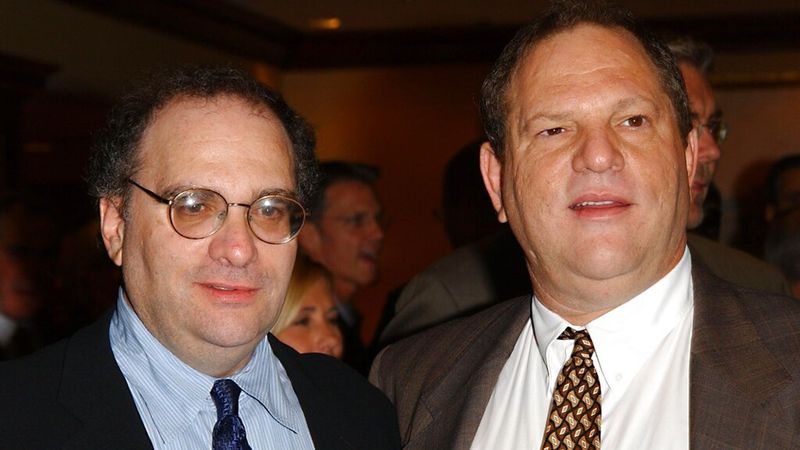
While Harvey Weinstein grabbed most of the headlines, the broader Weinstein Company scandal also cast a shadow over his brother Bob Weinstein. Though Bob was not expelled from the Academy in the same manner, he faced intense scrutiny over what he knew about his brother’s behavior and when he knew it.
The fallout highlighted how deeply misconduct can ripple through an entire organization. It raised important questions about bystander responsibility in powerful industries where silence can sometimes be just as damaging as the act itself.
11. Unnamed Screener Leaker Cinematographer
Beyond the Carmine Caridi case, at least one other Academy member, a cinematographer, was reportedly banned for leaking pirated film screeners. Screeners are advance copies of films sent to voting members so they can watch and evaluate movies before casting their ballots.
Leaking these copies online is both a copyright violation and a serious breach of Academy trust. The organization has repeatedly cracked down on screener theft, viewing it as a threat to the entire awards ecosystem and to filmmakers who depend on fair viewing conditions.
12. Sound Editor Voting Violation
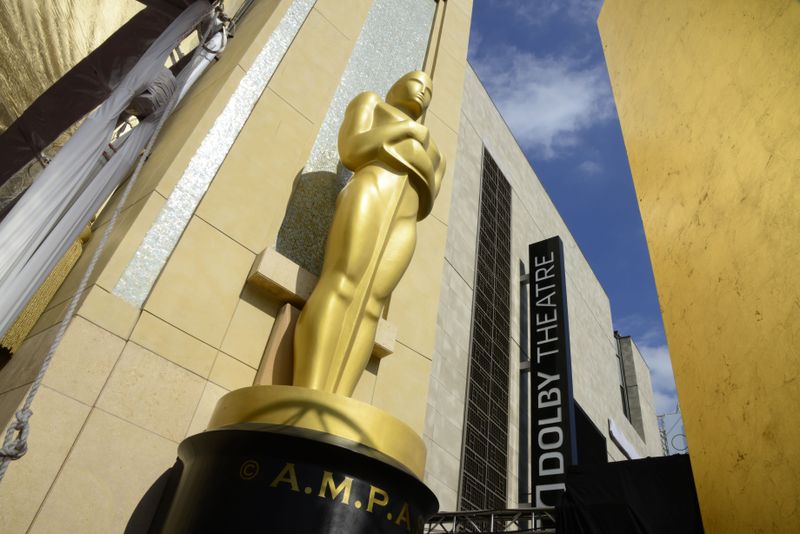
One lesser-known expulsion from the Academy involved a sound editor who was found to have violated the organization’s strict voting rules. The exact details were kept relatively private, but the Academy made clear that improper voting conduct would not be tolerated at any level.
Voting integrity is central to what makes the Oscars meaningful. When members abuse the system, whether by voting incorrectly, selling votes, or ignoring guidelines, they damage the credibility of every award handed out on that famous stage.
13. Mel Gibson
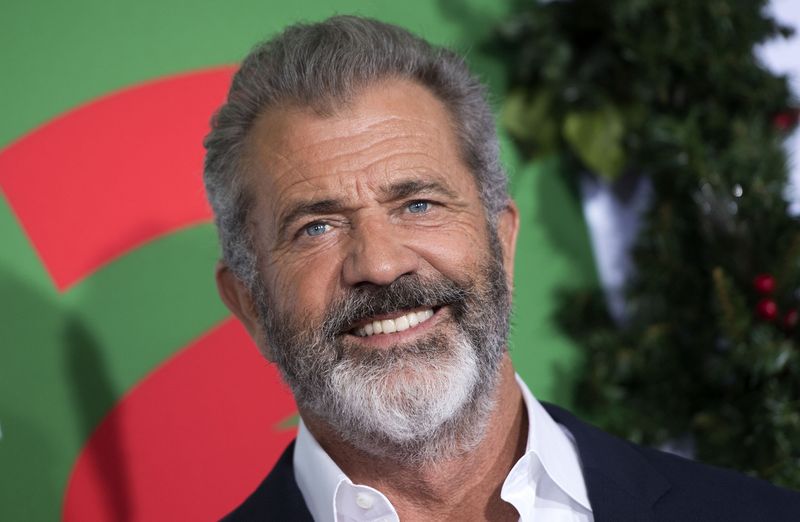
Mel Gibson was not formally expelled from the Academy, but he experienced a long, painful period of being unwelcome in Hollywood circles after a series of explosive incidents. In 2006, he was arrested for drunk driving and made deeply offensive antisemitic remarks to police officers, which triggered widespread outrage.
Additional recordings of racist and abusive language toward his former partner further damaged his standing. His gradual Hollywood comeback took well over a decade, and many in the industry still view his rehabilitation with cautious skepticism.
14. Lars von Trier
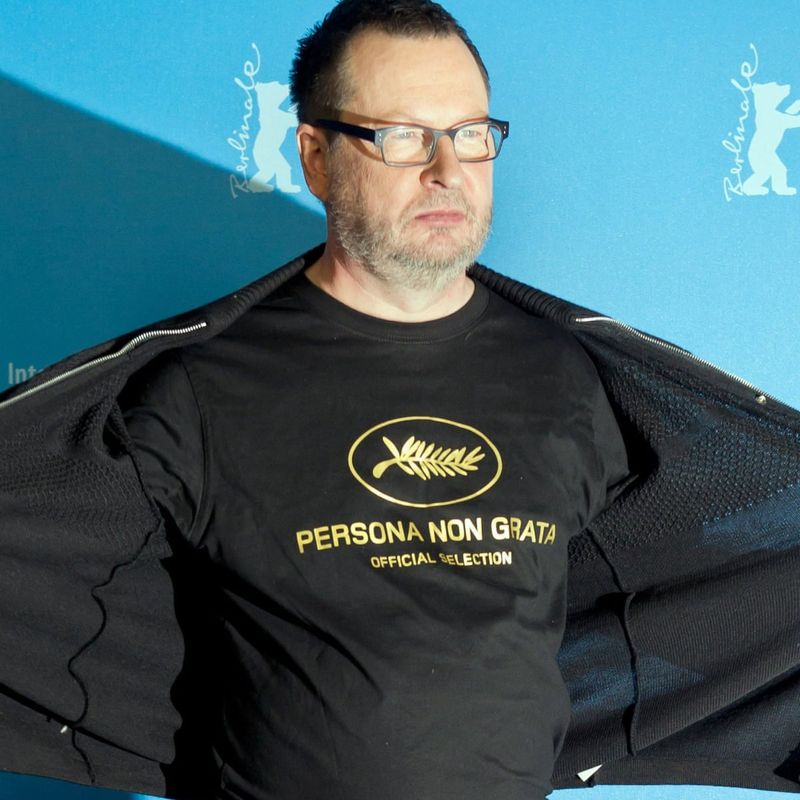
Danish director Lars von Trier was banned from the Cannes Film Festival in 2011 after making deeply offensive remarks at a press conference, where he joked about sympathizing with Hitler and called himself a Nazi. The comments were widely condemned, and Cannes declared him “persona non grata.”
While Cannes and the Oscars are separate institutions, the incident severely damaged his international reputation and limited his access to major award circuits. It stands as a stark reminder that thoughtless words in public spaces carry lasting professional consequences.
15. Jill Messick
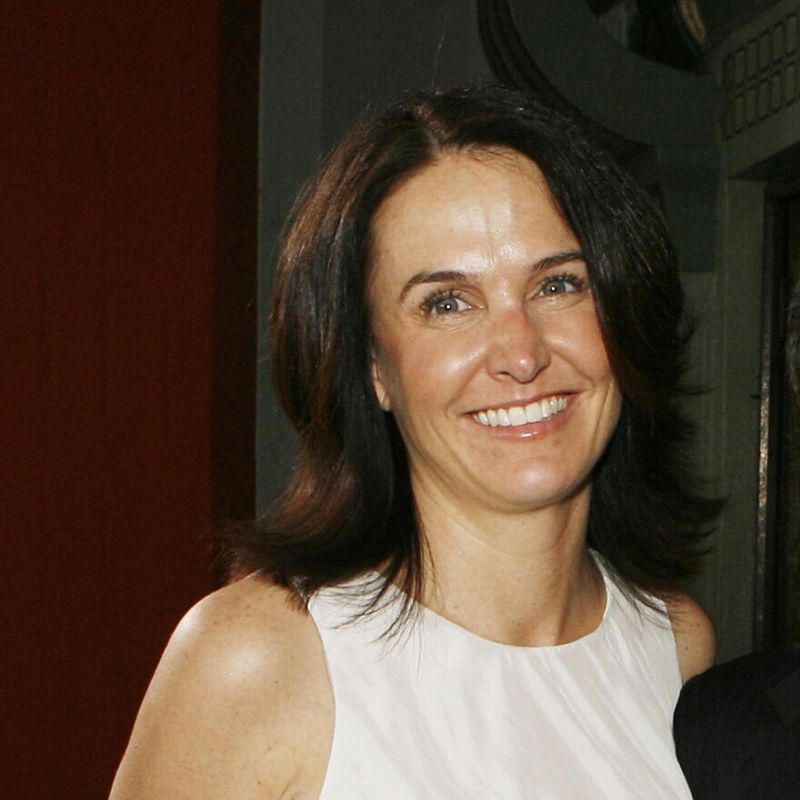
Jill Messick’s story is a deeply tragic footnote in the Harvey Weinstein scandal. She was a film producer who became entangled in the controversy when Rose McGowan named her as someone who had been present during an alleged encounter with Weinstein years earlier.
Messick took her own life in 2018, and her family blamed the intense public pressure and online harassment she faced during the scandal. Her case became a sobering reminder of the very human cost behind Hollywood’s most explosive controversies.
16. Clayne Crawford
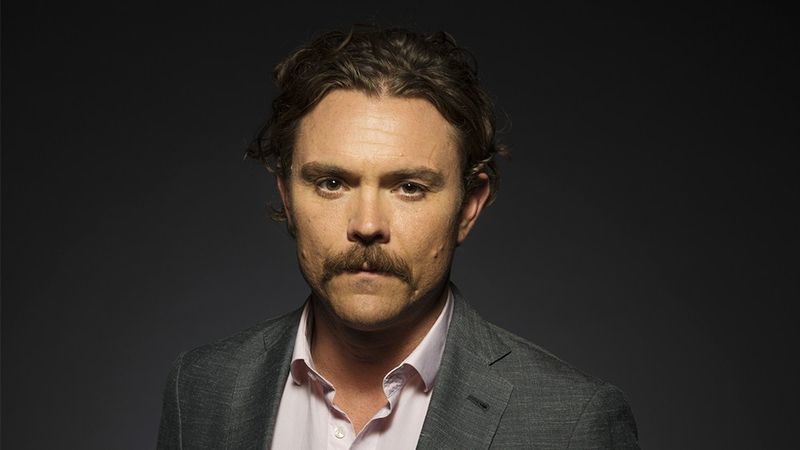
Clayne Crawford may not be an Oscar regular, but his story is a compelling example of how on-set behavior can derail an entire career. He was fired from the television series “Lethal Weapon” in 2018 after reports of erratic behavior, alleged verbal abuse of crew members, and creating a hostile work environment.
Though not formally banned by the Academy, the fallout effectively froze his Hollywood opportunities. His case became a widely discussed example of how workplace conduct, even off the Oscar radar, matters deeply in the modern entertainment industry.