
Most people assume that eating a balanced diet means getting enough protein from obvious sources like meat and eggs. But some foods that seem hearty and filling actually contain very little protein at all.
Knowing which foods are low in protein can help you plan smarter meals and avoid nutritional gaps. You might be surprised by some of the everyday foods on this list.
1. Cucumbers
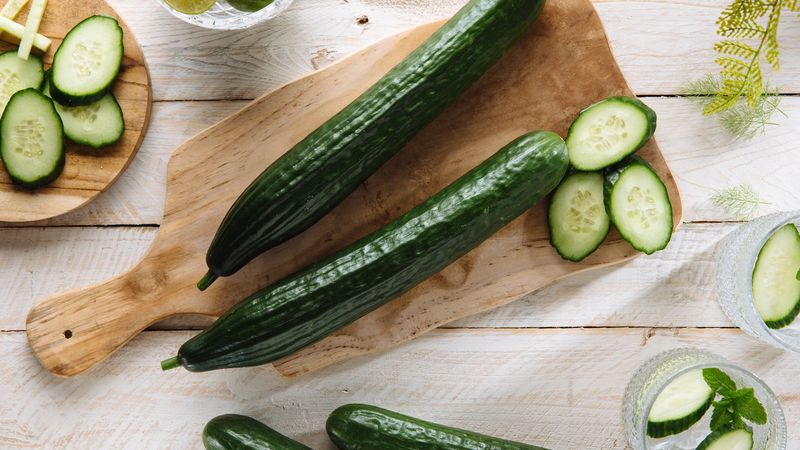
Cucumbers are cool, crisp, and refreshing, but they are mostly water. About 96% of a cucumber is water, which means there is barely any room left for protein.
A full cup of sliced cucumber has less than 1 gram of protein total.
They are great for hydration and make a crunchy snack, but if you are trying to build muscle or meet your daily protein goals, cucumbers alone will not cut it. Pair them with hummus or Greek yogurt dip for a protein boost.
2. White Rice
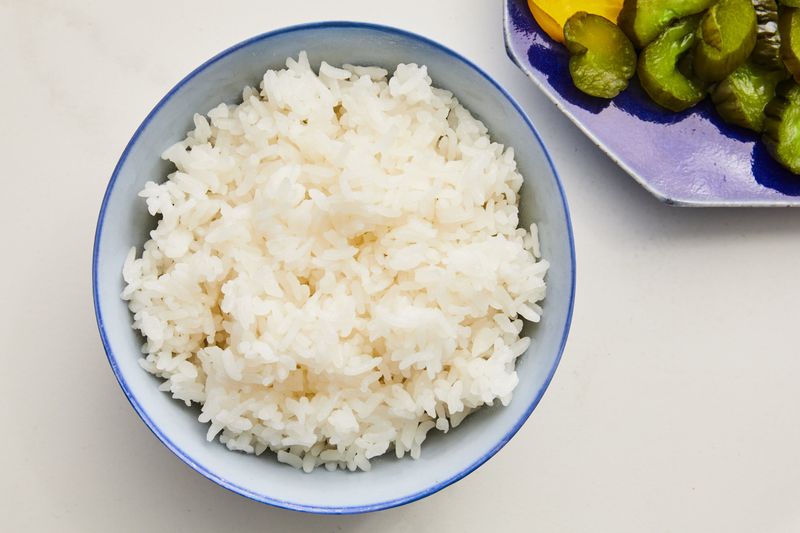
White rice is one of the most eaten foods in the world, and many people assume it is a solid source of nutrients. Surprisingly, a cup of cooked white rice has only about 4 grams of protein, which is quite low for such a filling food.
Most of the nutrition in rice comes from carbohydrates, not protein. If rice is a staple in your meals, try adding beans, tofu, or grilled chicken on the side to round out your protein intake nicely.
3. Apples
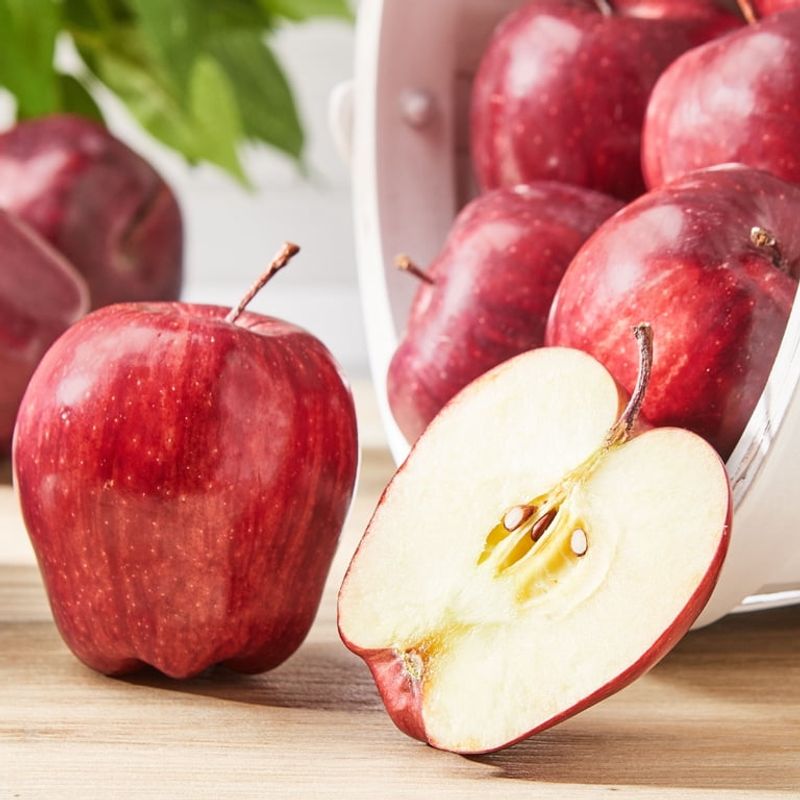
An apple a day keeps the doctor away, but it will not keep your protein levels up. A medium apple contains less than half a gram of protein, making it one of the lowest-protein fruits you can eat.
Apples are packed with fiber, vitamins, and natural sugars that give you quick energy. They are a fantastic snack on their own, but for a more balanced bite, try spreading some almond or peanut butter on apple slices to add meaningful protein to your snack.
4. Lettuce
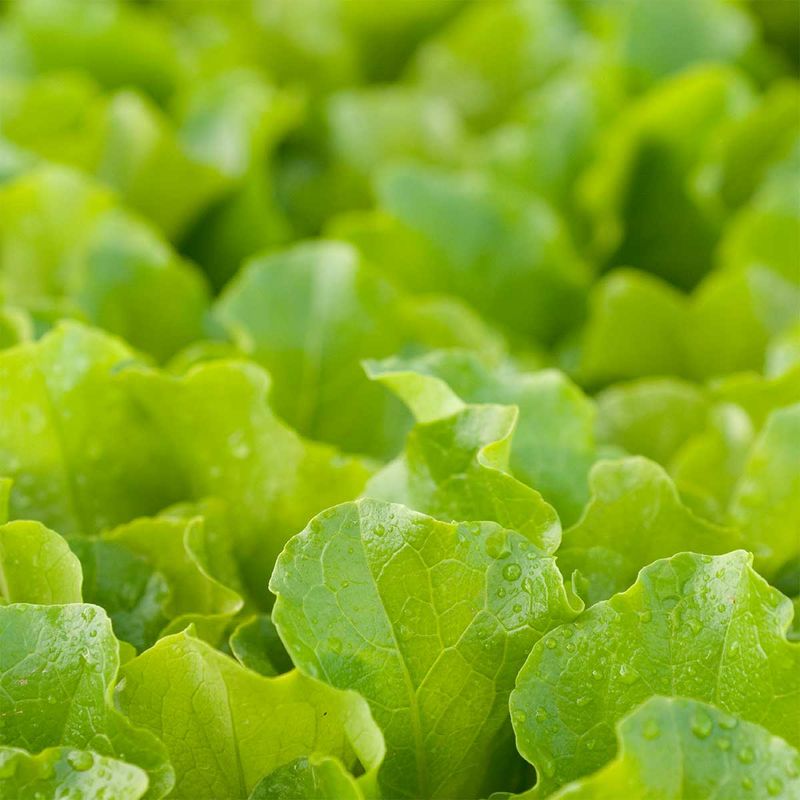
Leafy and light, lettuce might seem like a health powerhouse, but protein is not its strong suit. A full cup of shredded iceberg lettuce contains less than 0.5 grams of protein, which is almost nothing.
Lettuce is wonderful for adding volume and crunch to meals without adding many calories. However, building a salad on lettuce alone leaves a big protein gap.
Toss in chickpeas, grilled shrimp, or hard-boiled eggs to turn a simple salad into a truly satisfying meal.
5. Watermelon
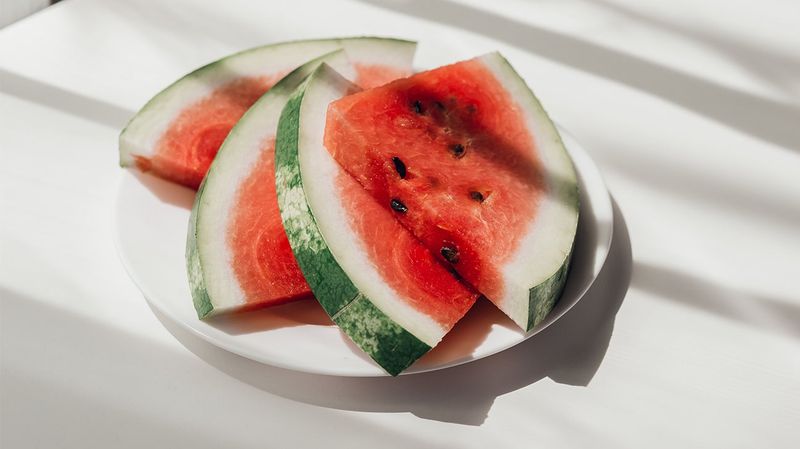
Nothing says summer like a cold slice of watermelon, but this beloved fruit is almost entirely water and sugar. A two-cup serving of watermelon contains only about 1.7 grams of protein, which barely makes a dent in your daily needs.
Watermelon is excellent for staying hydrated on hot days and delivers vitamins A and C. For a fun protein-friendly twist, try serving watermelon alongside cottage cheese or a handful of mixed nuts to balance out the sweetness.
6. Olive Oil
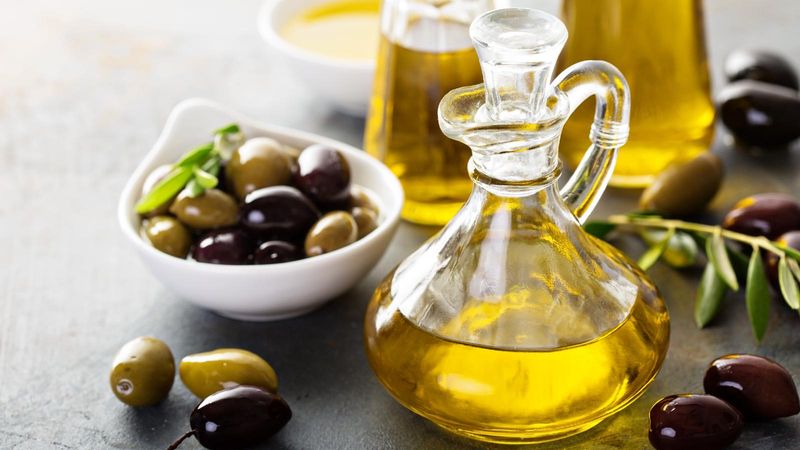
Olive oil is celebrated as one of the healthiest fats you can use in cooking, but it contains absolutely zero protein. Because it is pure fat, there are no amino acids or protein molecules present whatsoever.
That does not make it a bad choice. Healthy fats from olive oil support heart health and help your body absorb fat-soluble vitamins.
Just remember that drizzling olive oil over your salad will not help you hit your protein goals, so plan your meals with that in mind.
7. Celery
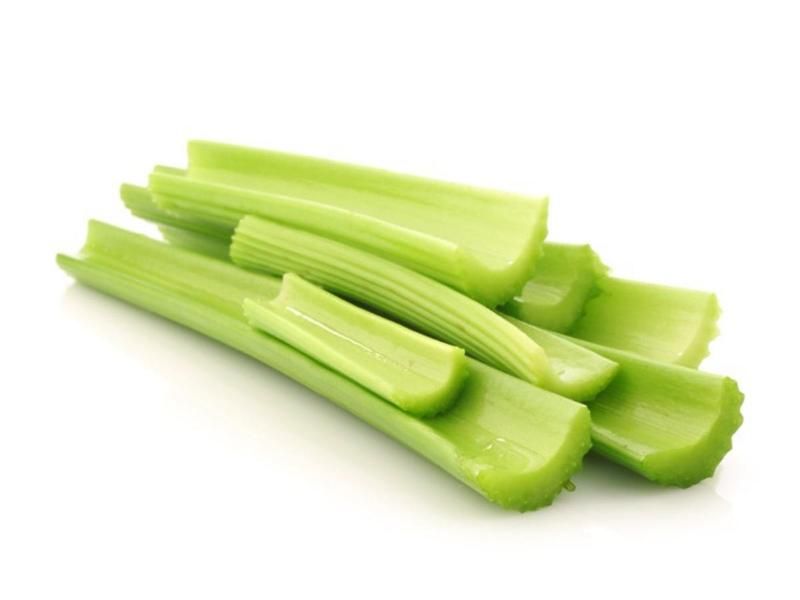
Celery has a reputation as the ultimate diet food, and it is true that it is extremely low in calories. It is also extremely low in protein, with a full cup of chopped celery offering less than 1 gram.
Still, celery brings a satisfying crunch and is loaded with water and fiber, making it great for digestion. Smear some peanut butter or cream cheese into the hollow of a celery stalk, and you have got a classic snack that actually delivers some protein alongside the crunch.
8. Fruit Juice
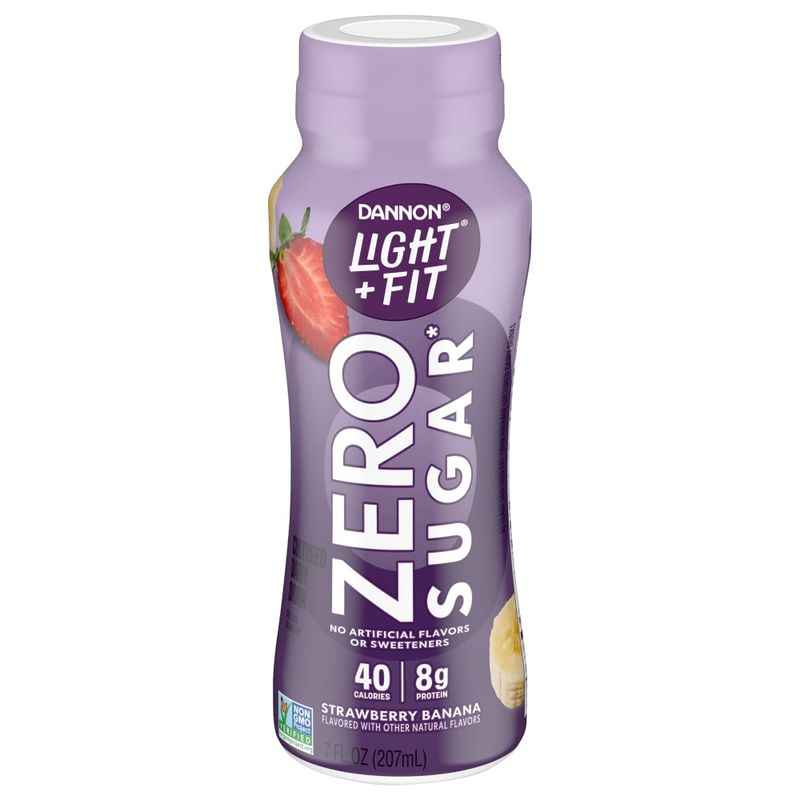
Fruit juice feels healthy and energizing, but it is mostly sugar and water with very little else. A full cup of orange juice, for example, contains only about 1.7 grams of protein, and many other juices have even less.
The juicing process removes fiber and concentrates natural sugars, leaving behind minimal protein. If you enjoy a morning glass of juice, consider pairing it with a protein-rich food like eggs or Greek yogurt to make your breakfast more nutritionally complete and satisfying.
9. Blueberries
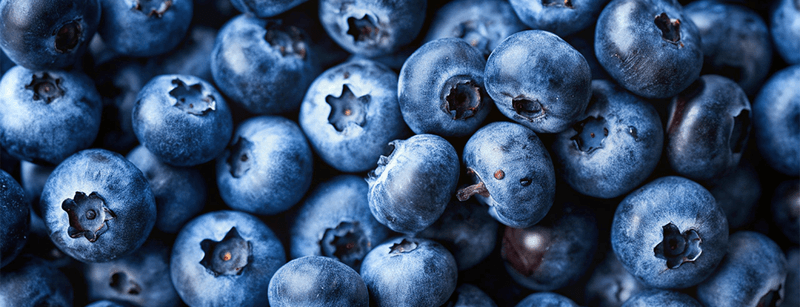
Blueberries are often called a superfood because of their impressive antioxidant content. But when it comes to protein, they fall very short.
One cup of fresh blueberries has only about 1.1 grams of protein.
They are still a fantastic food to include in your diet for brain health and immune support. Mixing blueberries into Greek yogurt or a protein smoothie is a smart way to enjoy their flavor and benefits while actually meeting your body’s protein needs at the same time.
10. Coconut Water
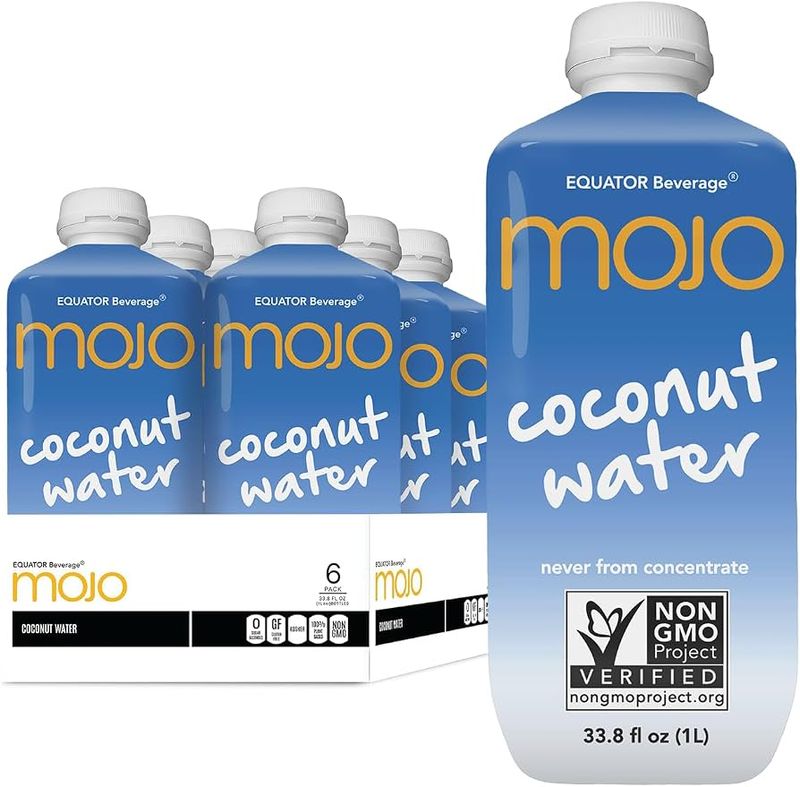
Coconut water has become wildly popular as a natural sports drink, praised for its electrolytes and refreshing taste. However, a cup of coconut water contains only about 1.7 grams of protein, making it a poor choice if recovery nutrition is your goal.
It is a much better option for hydration than sugary sodas, and it does offer potassium and magnesium. For post-workout recovery that actually supports muscle repair, pair coconut water with a protein-rich snack like a hard-boiled egg or protein bar.
11. Honey
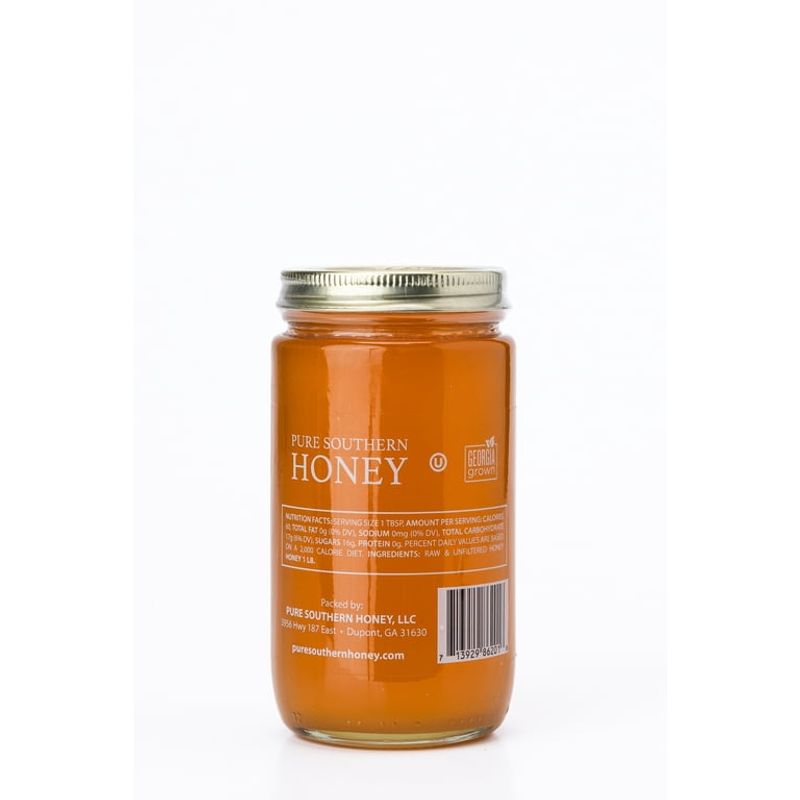
Honey has been treasured for thousands of years as a natural sweetener and home remedy. Ancient Egyptians used it in medicine, food, and even religious offerings.
But for all its golden goodness, honey contains essentially zero protein per tablespoon.
It is pure sugar in a natural form, which makes it a quick energy source but not a building block for muscle. Use honey to sweeten oatmeal or smoothies that already contain protein-rich ingredients, and you will get the best of both worlds.
12. Butter
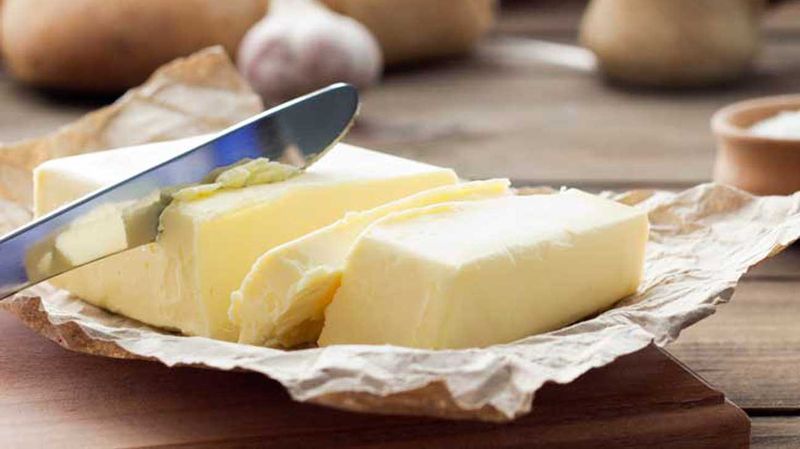
Butter makes everything taste richer, but it contributes almost nothing in terms of protein. A full tablespoon of butter has less than 0.1 grams of protein because it is essentially pure fat with trace amounts of anything else.
That is not a reason to avoid it entirely. Butter adds flavor and helps with cooking, and small amounts can fit into a balanced diet.
Just know that buttering your toast will not help you hit your protein targets, so choose your other foods wisely.
13. Grapes
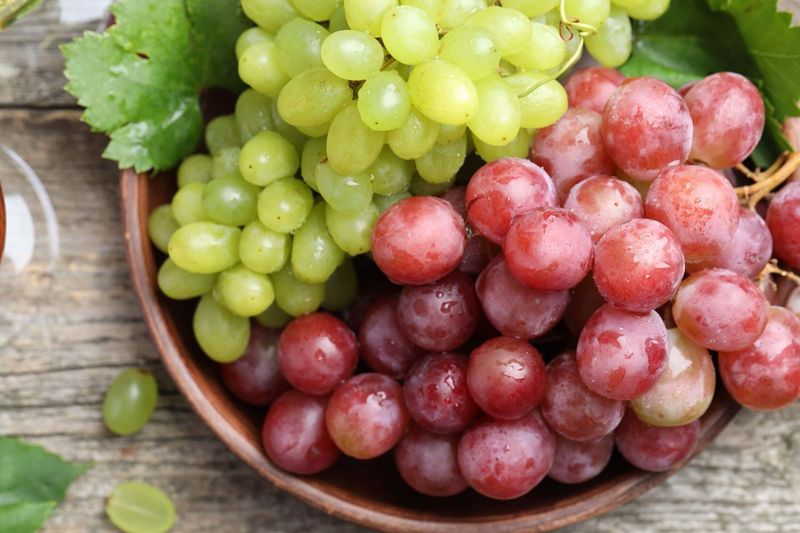
Grapes are sweet, portable, and easy to snack on, but they are not doing much for your protein intake. A cup of grapes contains only about 1.1 grams of protein, which is about the same as a small bite of chicken breast.
They do offer antioxidants like resveratrol, which may support heart health. Grapes pair beautifully with cheese or nuts, which happen to be much better protein sources.
That classic combination is actually a smart nutritional match, not just a fancy snack board trend.
14. Soda
Soda is one of the most consumed drinks in the world, and it is loaded with sugar and artificial ingredients. It also has absolutely zero protein, zero fiber, and zero vitamins worth mentioning.
Basically, it offers empty calories and nothing more.
Drinking soda regularly can make it harder to meet your nutritional needs because it fills you up without providing any real nourishment. Swapping soda for milk, a protein shake, or even sparkling water with a protein-rich snack is a much smarter move for your overall health.
15. Potatoes (Plain Boiled)
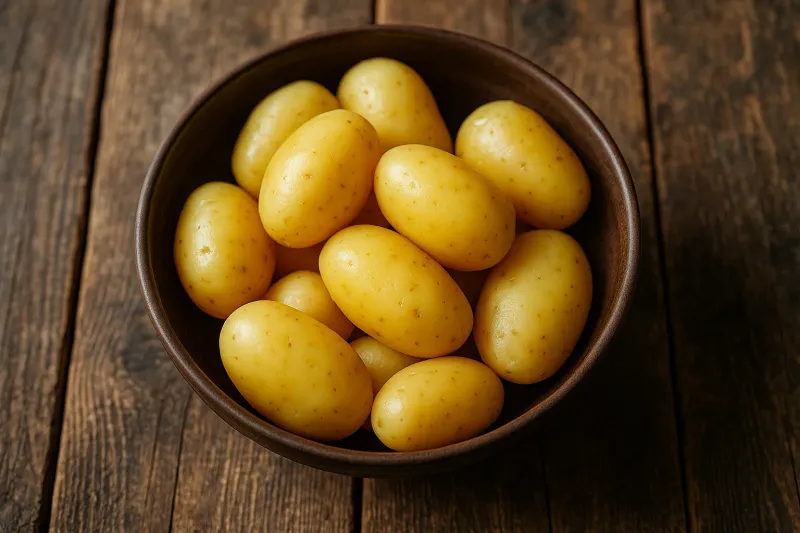
Potatoes get a bad reputation sometimes, but they are actually a good source of potassium and vitamin C. What they are not, however, is a strong protein source.
A medium boiled potato has only around 3 grams of protein.
For a starchy food that fills you up so well, that protein count is surprisingly low. Loading your potato with toppings like Greek yogurt instead of sour cream, or adding broccoli and cheese, can help improve the overall nutritional profile of this classic comfort food.
16. Candy
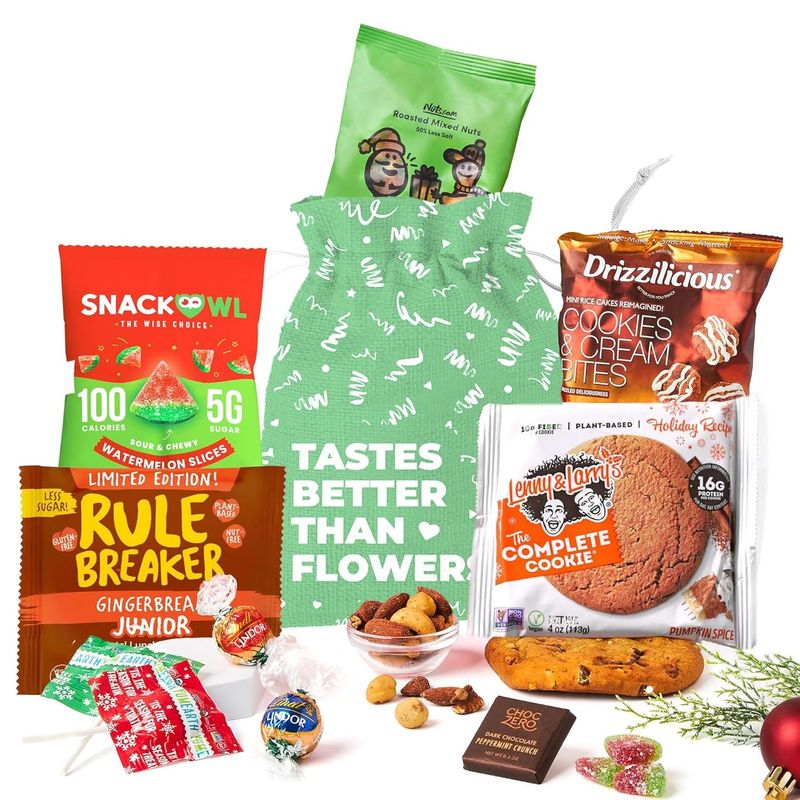
No big surprise here – candy is basically sugar shaped into fun forms, and it contains virtually no protein at all. Whether it is gummy bears, hard candies, or lollipops, you are getting pure sugar with almost zero nutritional value beyond a quick energy spike.
Eating candy occasionally is fine for most people, but relying on it for energy without balancing it with protein-rich foods can lead to crashes and cravings. Keep portions small and always pair sweets with a more nourishing food to stay balanced.
17. Iceberg Lettuce Salad Dressing
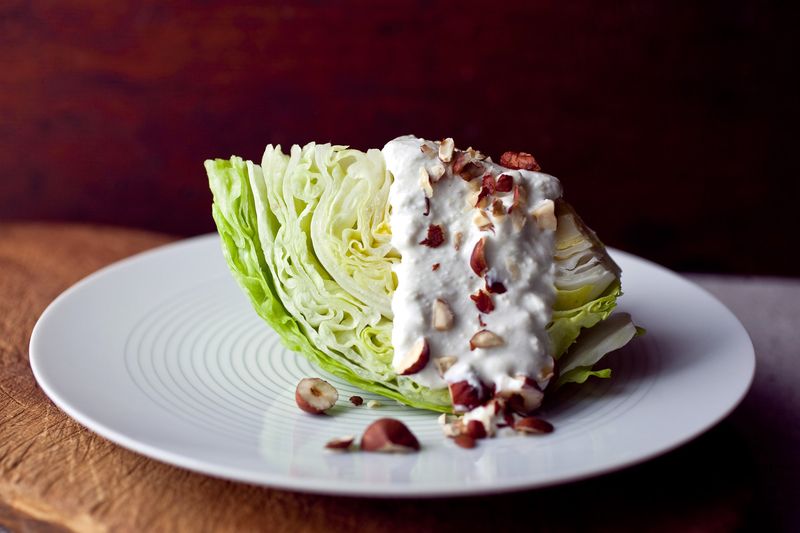
Salad dressing might feel like a healthy finishing touch, but most store-bought dressings are made from oils, vinegar, sugar, and spices with virtually no protein at all. Even creamy dressings like ranch or Caesar clock in at less than 0.5 grams of protein per serving.
People often assume a dressed salad is a complete meal, but the dressing is not doing any nutritional heavy lifting. Choose dressings made with tahini or add protein toppings like grilled chicken, sunflower seeds, or crumbled feta to make your salad genuinely filling and nutritious.