
Cooking at home can feel like a lot of work, especially on busy days. The good news is that a few smart tricks can save you time, money, and plenty of mess.
Many of these hacks use things you already have in your kitchen right now. Once you try them, you might wonder how you ever cooked without them.
1. Peel Garlic by Shaking It in a Jar
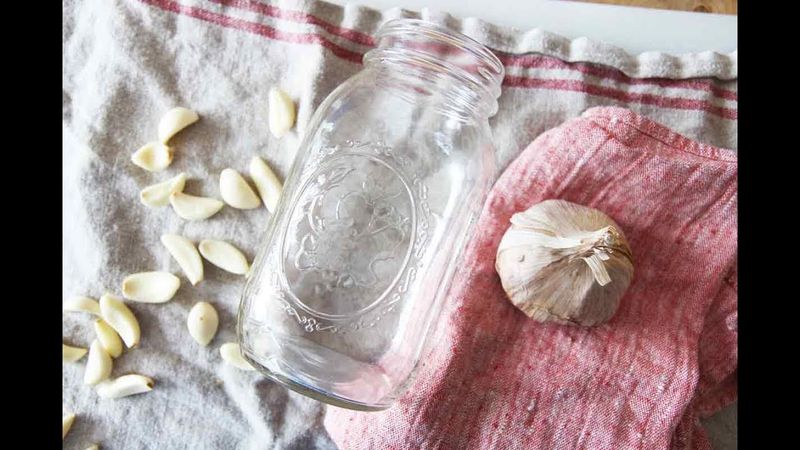
Sticky fingers and stubborn garlic skins are nobody’s idea of fun. Here is a fix that feels almost like a magic trick.
Drop the cloves into a jar with a lid and shake hard for about twenty seconds.
The cloves bang against the glass, and the skins slip right off. You can peel a whole head at once this way.
Bonus: your hands won’t smell like garlic for the rest of the day.
2. Freeze Fresh Herbs in Olive Oil Cubes
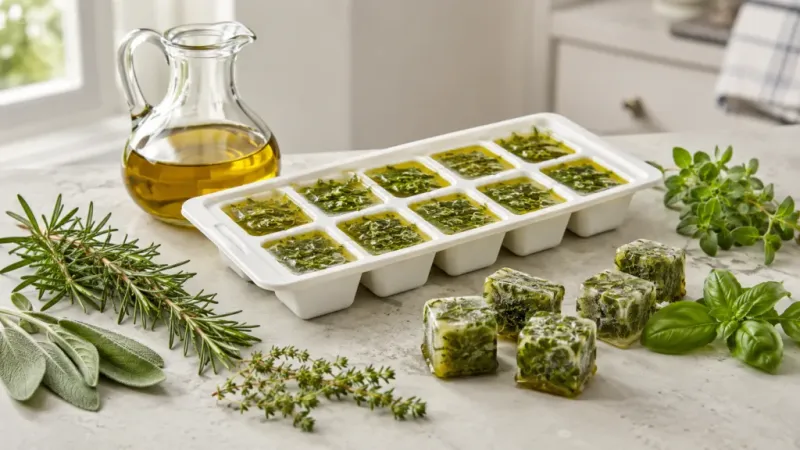
Ever bought a bunch of parsley, used two sprigs, and watched the rest wilt? Plenty of home cooks have been there.
Chop leftover herbs, pack them into an ice cube tray, and cover them with olive oil.
Freeze the tray overnight. Later, toss a cube straight into a hot pan for soups, sauces, or stir-fries.
The oil protects the herbs from freezer burn, so their flavor stays bright for months.
3. Cut Cherry Tomatoes Between Two Lids
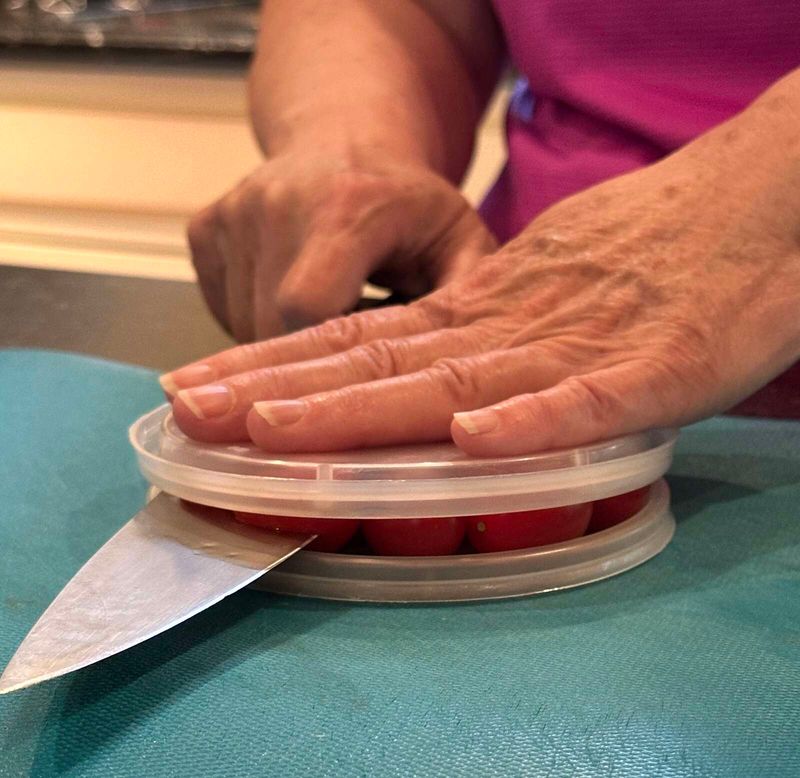
Slicing twenty tiny tomatoes one by one can test anyone’s patience. Luckily, two plastic lids can do the job in seconds.
Place the tomatoes on one upside-down lid. Set another lid on top and press down gently.
Then run a long, sharp knife through the gap between the lids. Every tomato gets cut in half at once.
Grapes and olives work the same way, which makes salads and snack plates come together super fast.
4. Keep Brown Sugar Soft With Bread
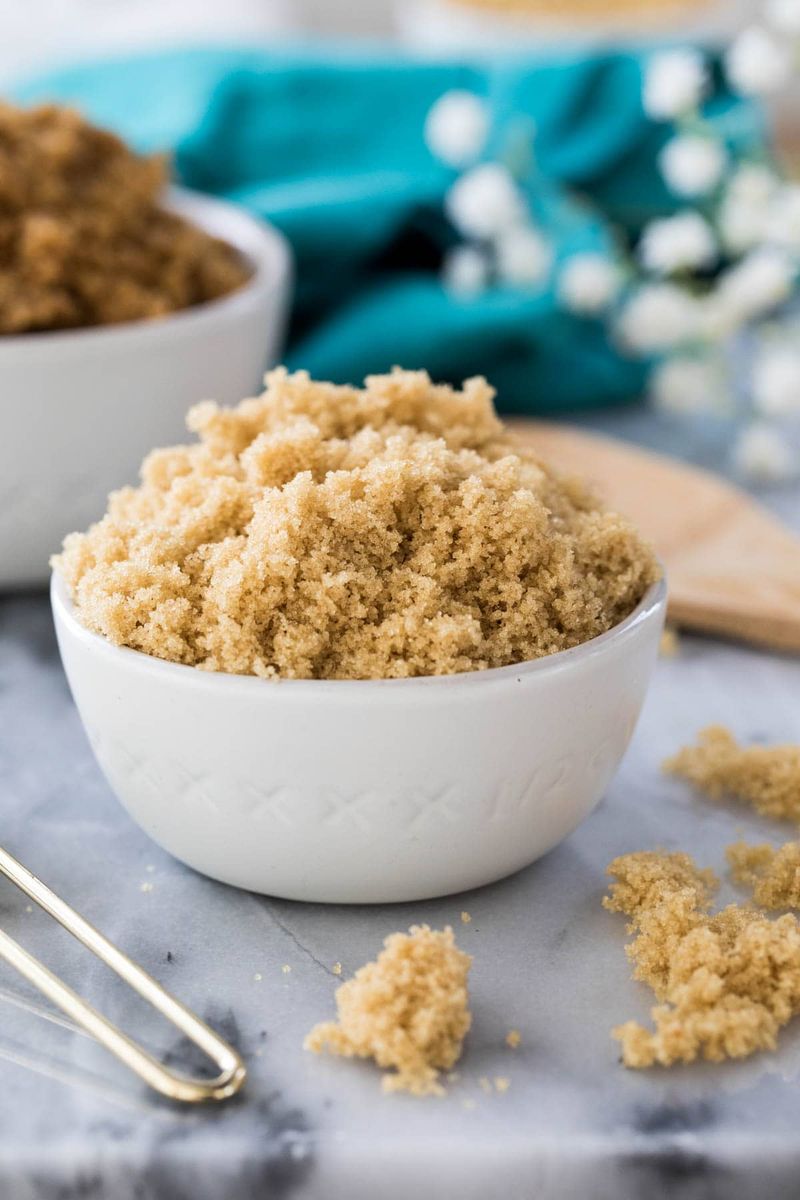
Brown sugar has a sneaky habit of turning into a rock overnight. Grandmas have known the cure for years, and it lives in your bread box.
Just drop a slice of bread into the sugar container and close the lid. The sugar pulls moisture from the bread and softens up within a day.
Swap the slice when it gets hard. A piece of apple or a damp paper towel works too in a pinch.
5. Stop Pots From Boiling Over With a Wooden Spoon
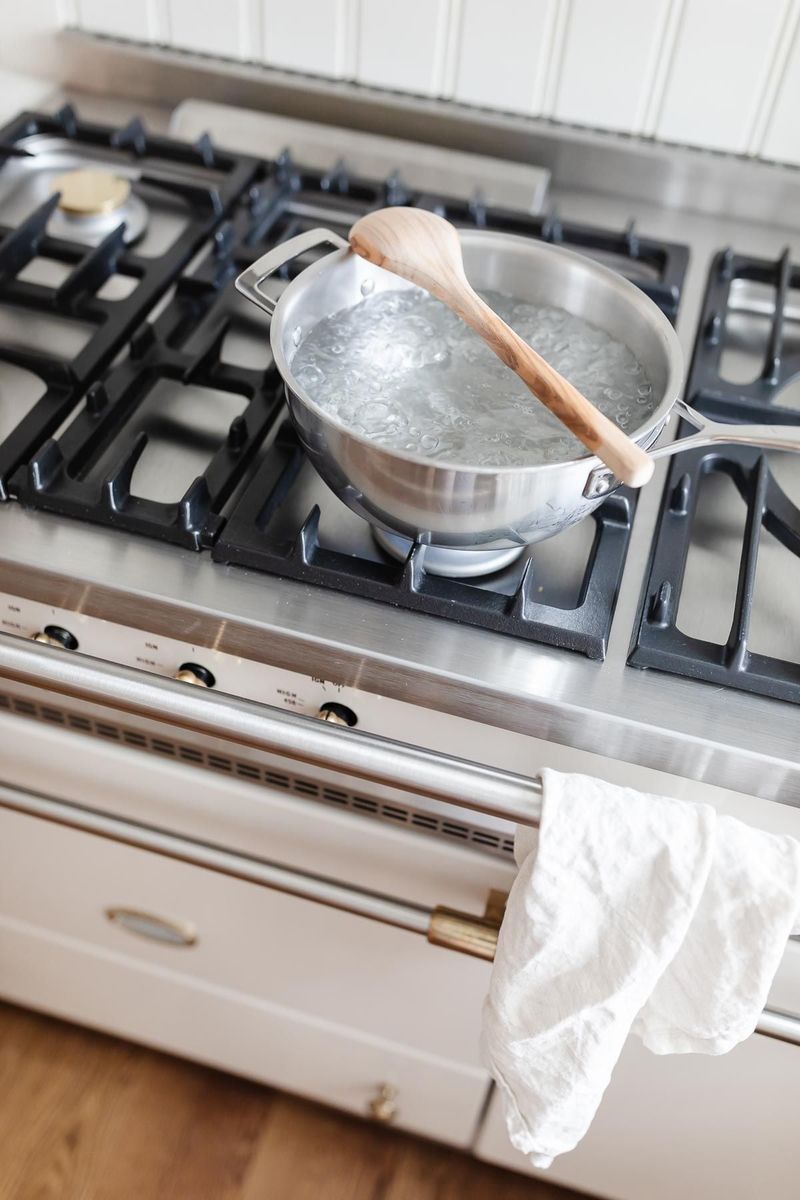
Picture this: you turn around for one second, and starchy water spills all over the stove. Messy, right?
Lay a wooden spoon across the top of the pot. When bubbles rise and touch the dry wood, they pop and calm down.
Scientists say the spoon breaks the surface of the bubbles. Keep an eye on things anyway, since it slows the problem rather than stopping it forever.
Still, your cleanup time drops a lot.
6. Squeeze More Juice From Lemons
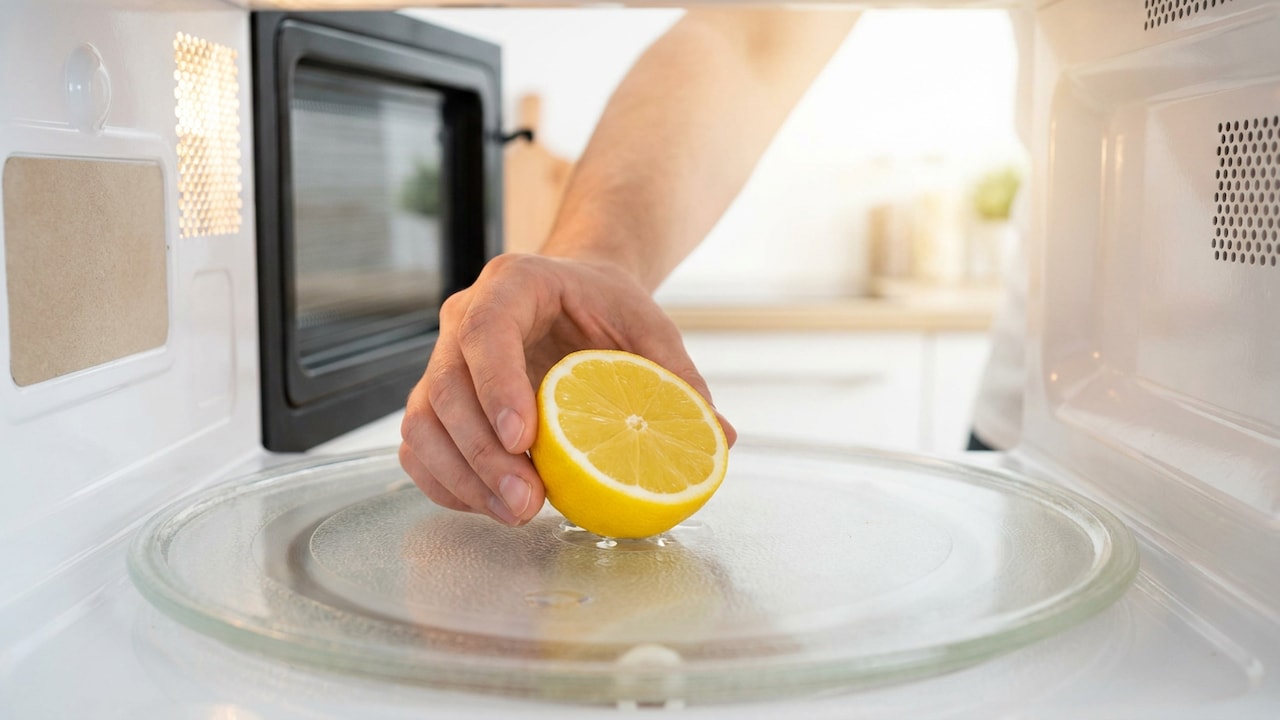
A cold lemon straight from the fridge holds onto its juice like a stubborn toddler with a toy. Warm it up and roll it, and it gives in.
Microwave the lemon for ten to fifteen seconds. Then press it firmly and roll it across the counter with your palm.
This breaks the little juice pockets inside. When you finally cut and squeeze it, you’ll notice much more liquid flowing into your bowl.
7. Separate Egg Yolks With a Water Bottle
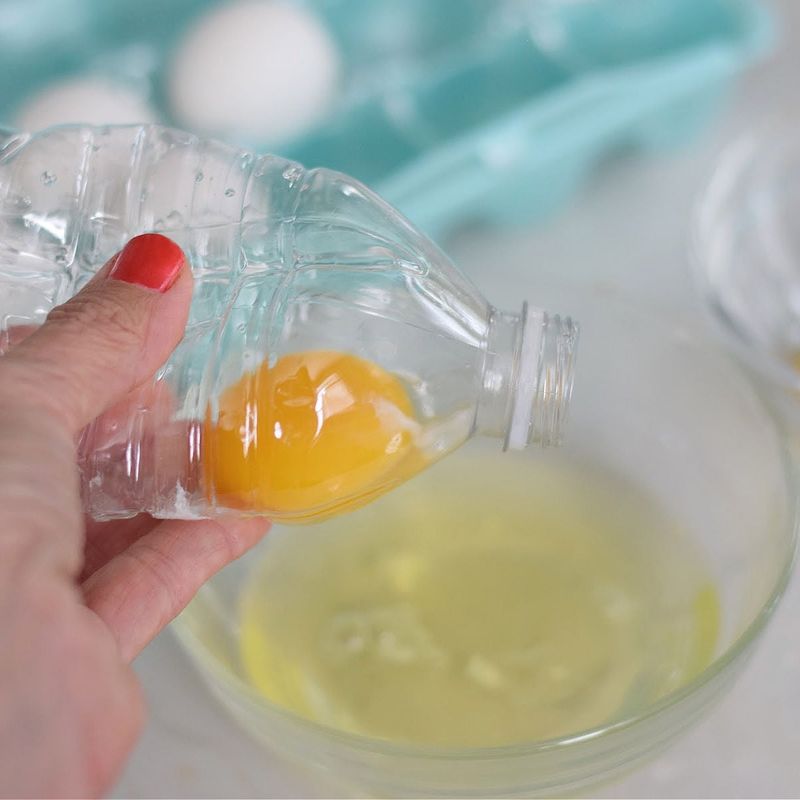
Here’s a trick that looks silly but works surprisingly well. Grab a clean, empty plastic water bottle.
Crack your eggs onto a plate. Squeeze the bottle a little, touch its opening to a yolk, and slowly release.
The yolk gets sucked right up while the white stays behind. Squeeze it out into another bowl.
Bakers love this method for meringues and cakes because it keeps every last bit of yolk out of the whites.
8. Soften Butter Fast With a Warm Glass
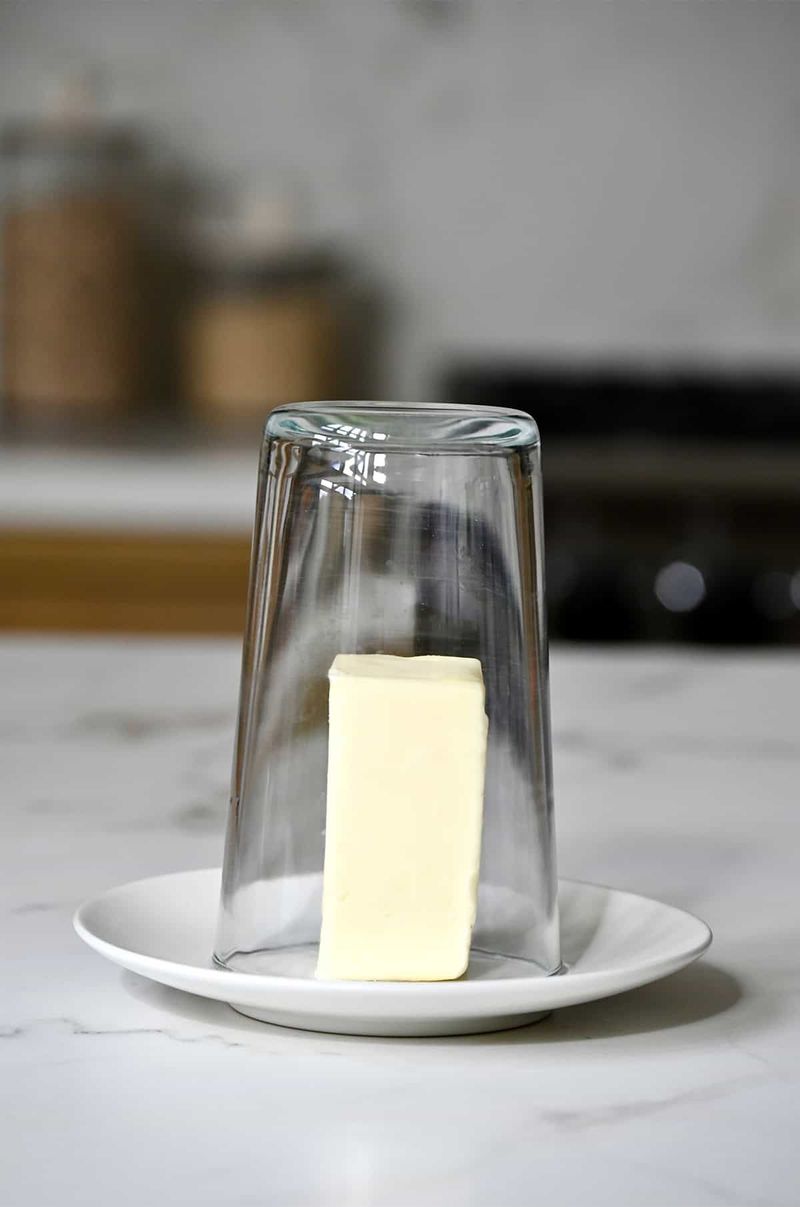
Forgot to take butter out for your cookie recipe? Don’t panic, and definitely don’t microwave it into a puddle.
Fill a glass with very hot water and let it sit for a minute. Pour out the water and dry the glass.
Then flip it over the butter like a tiny dome. In about five minutes, the trapped heat will soften the butter evenly.
It stays creamy and spreadable, which is exactly what baking needs.
9. Reheat Pizza in a Skillet

Soggy microwave pizza is a sad way to enjoy leftovers. Your frying pan can bring that slice back to life.
Heat a skillet over medium heat and add the pizza. After two minutes, add a few drops of water beside the slice, not on it.
Cover the pan right away. The steam melts the cheese while the hot pan crisps the crust.
Many people say it tastes even better than the first night.
10. Chill Drinks Fast With Wet Paper Towels
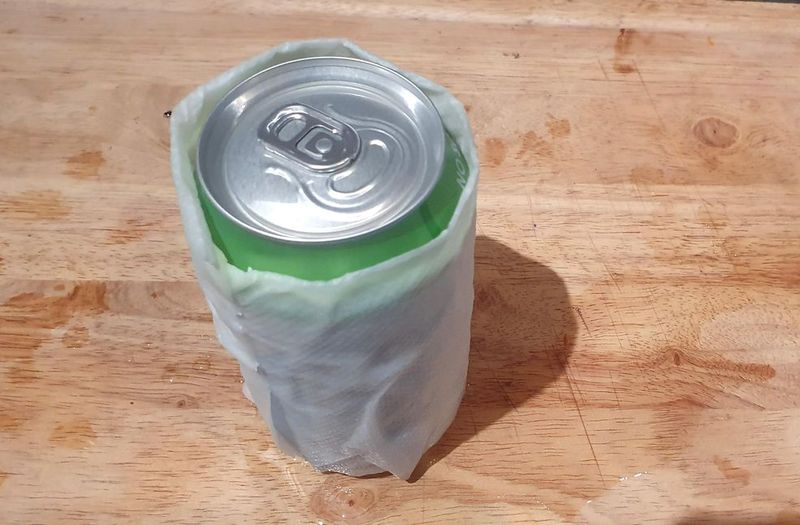
Guests arriving in ten minutes and the soda is warm? Wet paper towels can save the party.
Wrap a damp paper towel around each can or bottle and pop it into the freezer. As the water evaporates and chills, it pulls heat away from the drink quickly.
In about fifteen minutes, you’ll have a cold beverage. Just set a timer so you don’t end up with a frozen, exploding can later on.
11. Use Dental Floss to Slice Soft Foods
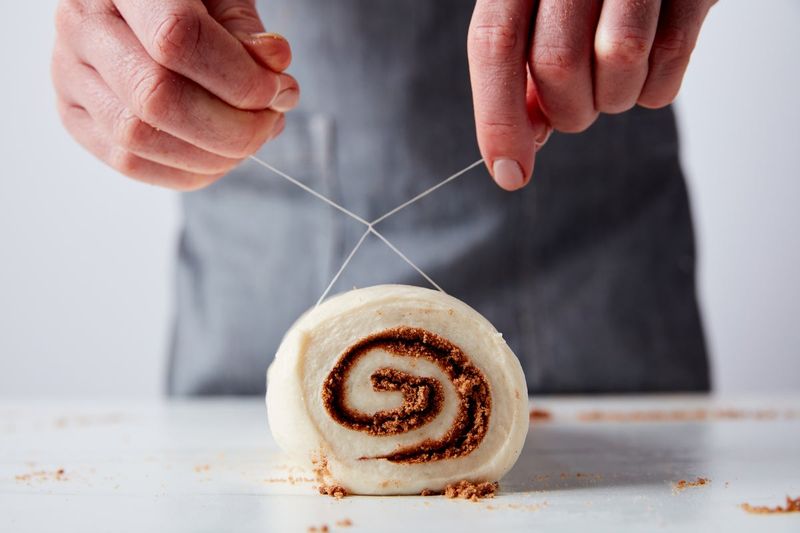
Knives can squish and smear soft treats, but plain dental floss glides through like a pro. Make sure it’s unflavored, though, unless you want minty cake.
Hold a long piece tight between your hands and press straight down through cheesecake, soft cheese, or a log of cookie dough. Then pull it out sideways.
The cuts come out neat and clean. Some bakers even use floss to split cake layers perfectly in half.
12. Make Meat Easier to Slice by Freezing Briefly
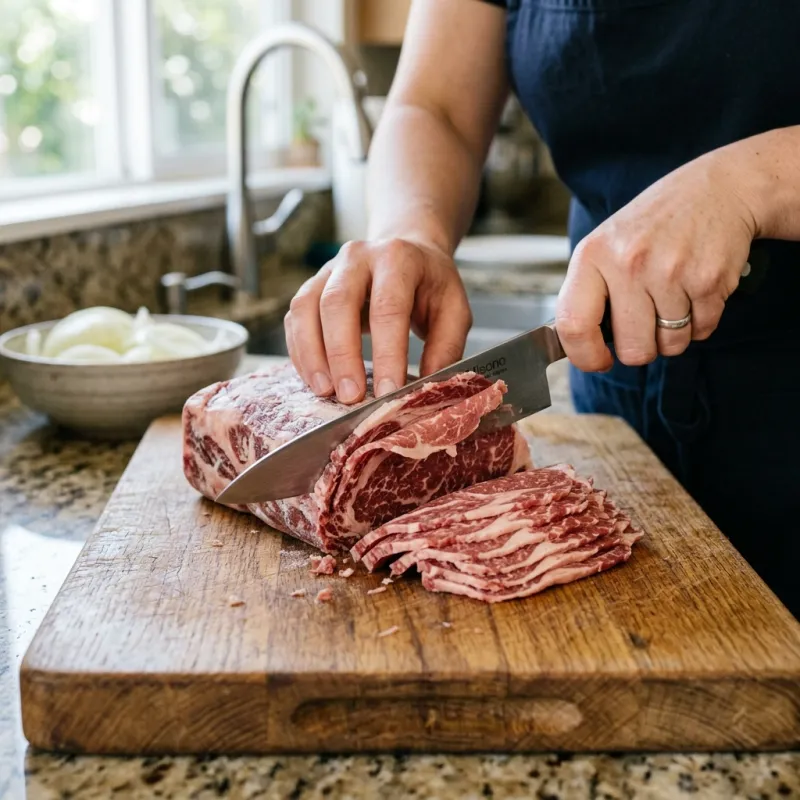
Restaurant stir-fries always seem to have paper-thin beef strips. Their secret is simpler than you might guess.
Place raw meat in the freezer for about twenty to thirty minutes before cutting. It firms up just enough to hold its shape under the knife, but not so much that it’s rock solid.
You’ll get thin, even slices for fajitas, stir-fries, or cheesesteaks. Plus, thinner pieces cook faster, so dinner hits the table sooner.
13. Prevent Avocados From Browning
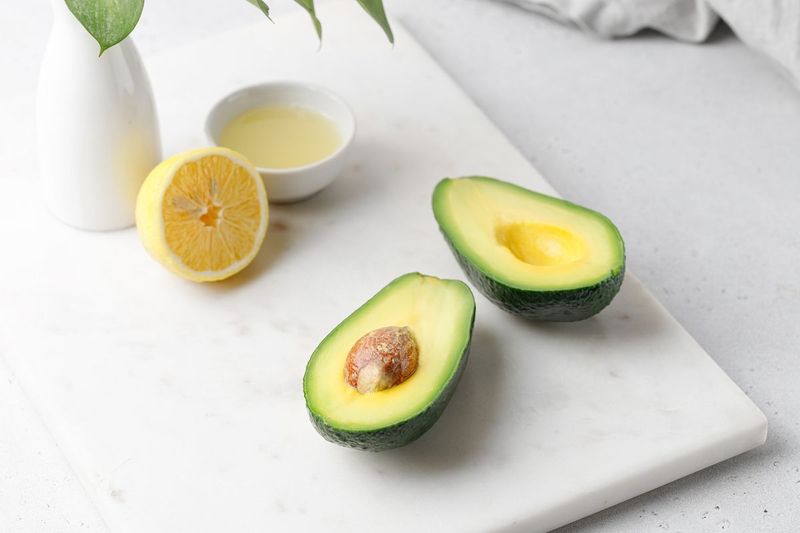
Nothing ruins a snack faster than opening your fridge to brown, mushy avocado. Air is the villain here.
Leave the pit in the unused half and brush the green flesh with lemon or lime juice. Wrap it tightly in plastic.
For guacamole, press plastic wrap right onto the surface so no air sneaks in. Fun fact: avocados are actually a fruit, and some people even call them alligator pears because of their bumpy skin.
14. Tear Kale and Greens Off the Stem Easily
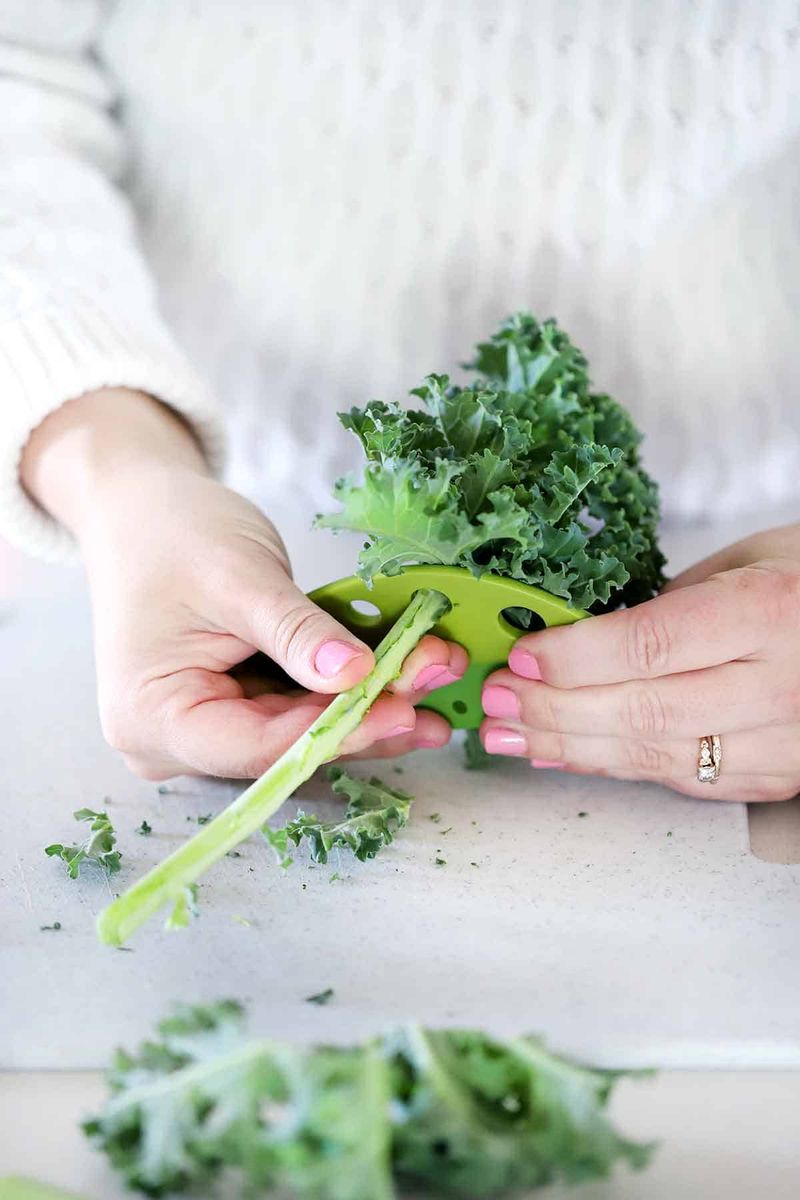
Kale stems are tough and chewy, so most recipes ask you to remove them. Doing it leaf by leaf with a knife takes forever.
Instead, pinch the bottom of the stem and pull it through one of the holes in a colander or cheese grater. The leaves strip away in one smooth motion.
Kids enjoy helping with this step, and it works for collard greens and chard too. Prep time gets cut way down.
15. Line Pans With Parchment for No-Scrub Cleanup
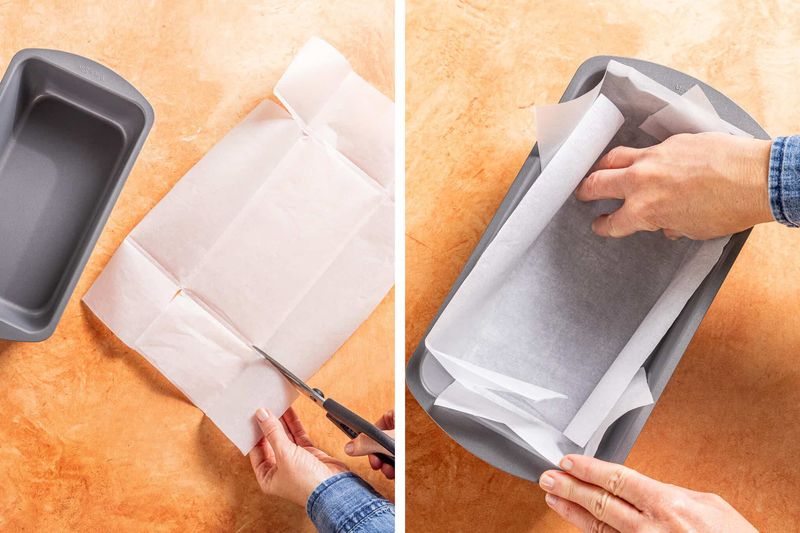
Nobody dreams about scrubbing burnt cheese off a baking sheet. Parchment paper is your shortcut to a cleaner sink.
Before roasting veggies, baking cookies, or cooking chicken, lay a sheet of parchment across the pan. Food slides right off, and most of the grease stays on the paper.
When you finish, simply toss it away. Many times, the pan only needs a quick rinse.
Crumple the parchment first if it won’t lie flat.
16. Revive Stale Bread With Water and Heat
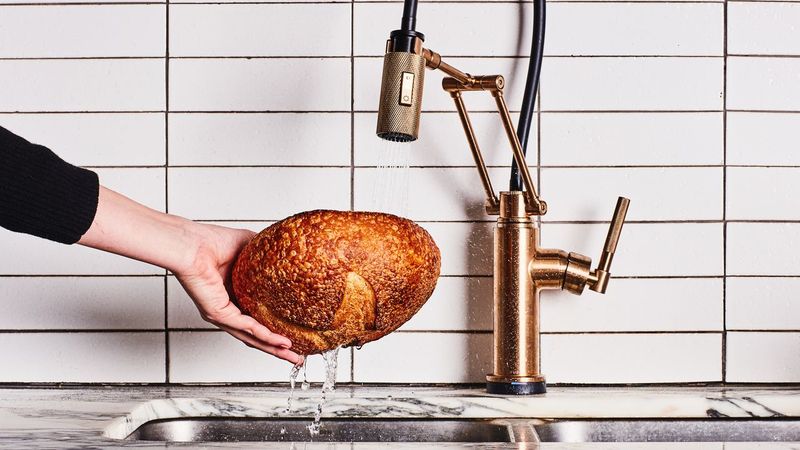
Yesterday’s baguette might feel hard enough to knock on a door. Don’t throw it out yet.
Run the loaf quickly under the tap so the crust gets wet, but not soaked. Bake it at 350 degrees for about eight to ten minutes.
The water turns to steam and softens the inside, while the heat crisps the outside again. It’s best eaten right away, since the trick only works for a short time.
17. Measure Sticky Ingredients With Oiled Spoons
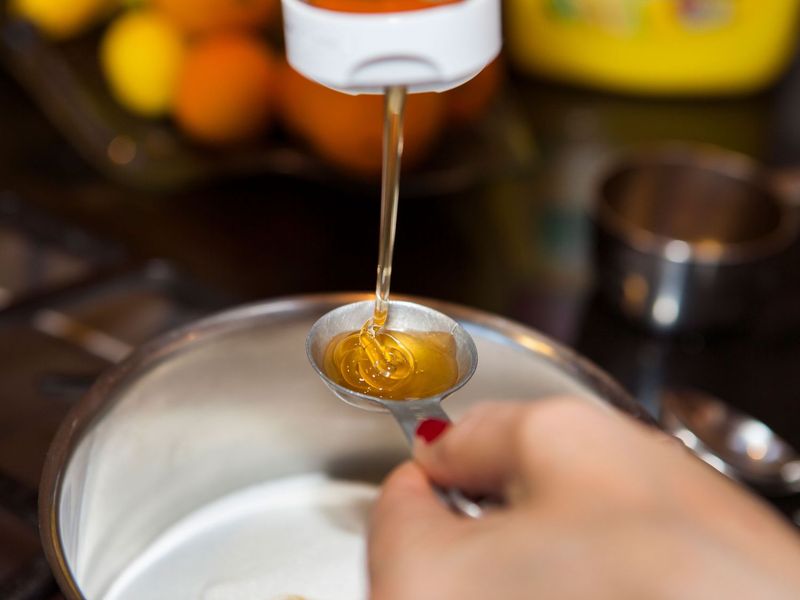
Honey, syrup, and peanut butter love clinging to measuring cups. That leftover goo means your recipe gets less than it needs.
Lightly coat your spoon or cup with cooking spray or a bit of oil first. Now the sticky stuff slides out cleanly with almost no scraping.
Your measurements become more accurate, and washing up is way easier. Try it next time you make granola bars or pancakes and watch the honey glide.
18. Cook Bacon in the Oven
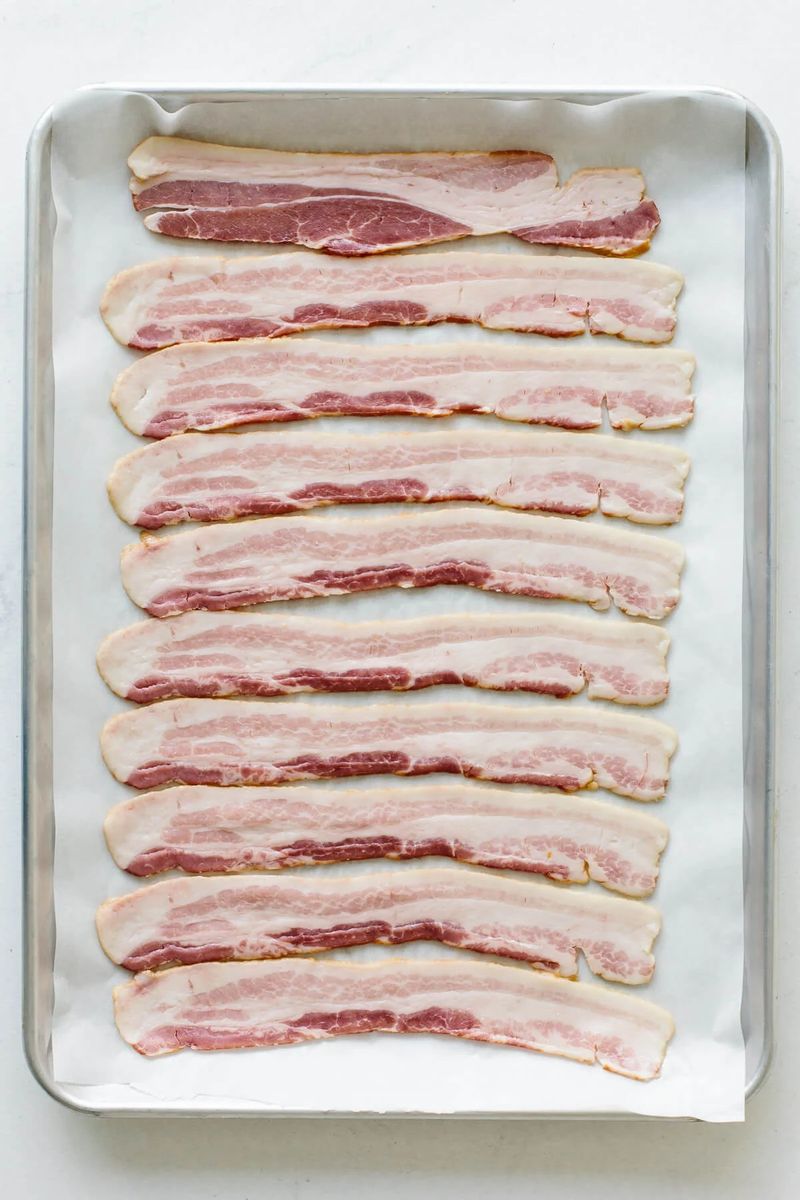
Splattering grease and uneven strips make stovetop bacon a bit of a battle. The oven offers a calmer way.
Line a baking sheet with foil and lay the strips side by side. Put the pan into a cold oven, set it to 400 degrees, and cook for about eighteen to twenty minutes.
You’ll get evenly crispy bacon without standing guard. Let the grease cool, then fold up the foil for a nearly mess-free kitchen.
19. Plan Leftovers With Double Batches
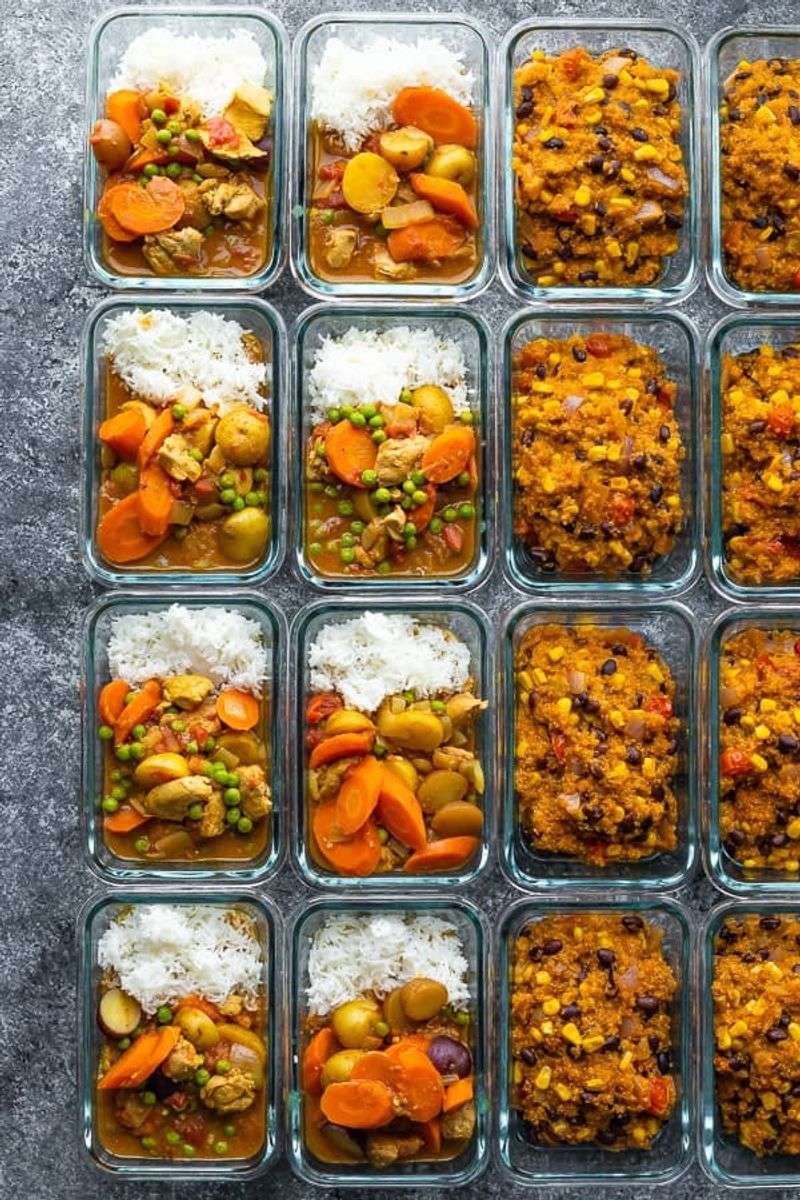
Smart cooks know one simple truth: making twice the food barely takes twice the effort. Chopping one onion or two feels about the same.
When you cook chili, soup, or pasta sauce, double the recipe. Eat some tonight and freeze the rest in labeled containers.
On a hectic evening later, dinner just needs reheating. Your wallet benefits too, since buying ingredients in bigger amounts often costs less per serving.