
Some people just have a way of making everyone around them feel seen, valued, and cared for. Genuinely kind people are not simply nice on the surface; they carry deep habits and qualities that quietly shape their character every single day.
What makes them truly remarkable is that their kindness is also a source of real strength, not weakness. Read on to discover the qualities and hidden habits that set these remarkable individuals apart.
1. They Lead With Empathy, Not Assumption
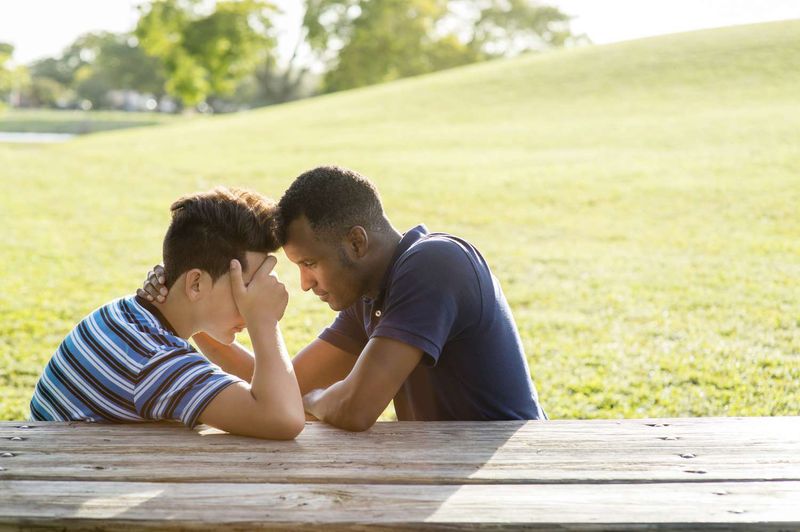
Empathy is the engine that drives genuine kindness. Rather than jumping to conclusions, truly kind people take a moment to understand what someone else might be feeling or going through before reacting.
This habit of stepping into another person’s shoes builds trust faster than almost anything else. Research shows that empathetic people are often more influential because others feel safe around them.
Over time, leading with empathy becomes second nature, quietly shaping every interaction in a positive way.
2. Patience Is Their Quiet Superpower

Most people rush through conversations, but genuinely kind individuals slow down. They give others the time and space needed to express themselves without feeling judged or hurried.
Patience is far from passive; it takes real emotional discipline to hold back frustration and stay present. Kind people practice this daily, especially with those who are struggling or learning something new.
That steady patience builds lasting bonds and earns a level of respect that no shortcut can replicate.
3. Generosity That Goes Beyond Giving Stuff
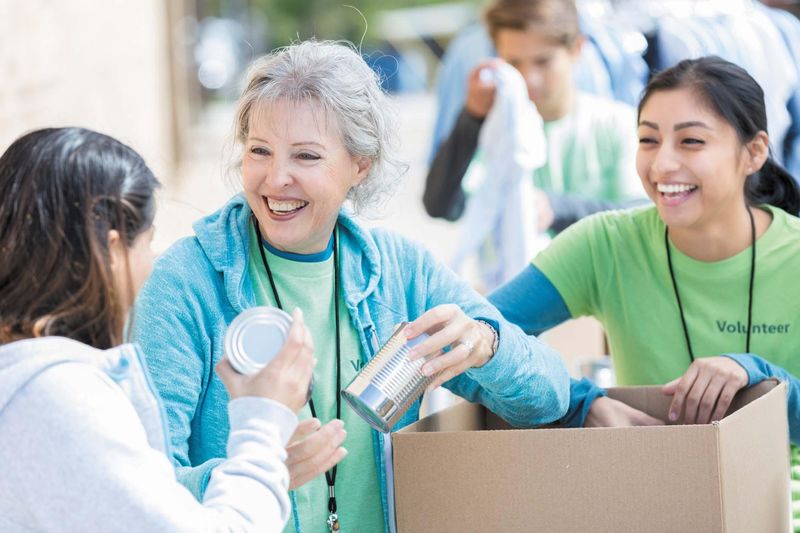
Genuinely kind people see everything they have as something worth sharing, whether that is time, talent, or a simple meal. Their generosity is not about grand gestures; it shows up in small, consistent acts that add up over time.
Sharing freely, without expecting anything back, actually benefits the giver too. Studies suggest that acts of giving trigger feel-good chemicals in the brain, boosting mood and overall well-being.
Generosity, practiced daily, becomes a deeply rooted habit that feeds both the heart and the community.
4. Active Listening That Makes People Feel Heard

Ever talked to someone who truly listened, not just waited for their turn to speak? That rare experience is a hallmark of genuinely kind people.
They ask follow-up questions, remember details, and make eye contact.
Active listening builds trust at a deep level and makes the other person feel genuinely valued. It also helps kind people understand needs without being told outright.
Far from being a passive skill, real listening takes focus, intention, and emotional generosity every single time.
5. They Speak Truth With Tact and Compassion

Honesty without compassion can feel like a punch. Kind people know this well, so they choose words that are truthful but delivered with care.
They never use honesty as an excuse to be harsh.
Speaking the truth tactfully creates a safe environment where people feel respected, even when the message is difficult. This builds a reputation for integrity that others deeply admire and rely on.
Balancing honesty and kindness is a skill that takes practice, but it is one of the most powerful habits a person can develop.
6. Authenticity That Puts Everyone at Ease

There is something magnetic about a person who is completely comfortable being themselves. Genuinely kind individuals do not perform niceness; they live it, which makes every interaction feel natural and refreshing.
Authenticity encourages others to drop their guard and show up as they truly are too. That ripple effect creates spaces where people feel accepted rather than judged.
When kindness comes from a real place, it resonates far more deeply than any polished or rehearsed version of friendliness ever could.
7. Vulnerability as a Form of Courage

Sharing feelings and personal struggles takes real guts, and kind people understand that. Rather than hiding behind a polished image, they open up honestly, which invites others to do the same.
Vulnerability is often mistaken for weakness, but psychologists point out that it is actually one of the clearest signs of emotional strength and maturity. It takes confidence to be open about imperfection.
Kind people use vulnerability to build genuine connections, making those around them feel less alone in their own challenges and experiences.
8. Consistency When No One Is Watching

True character shows up in private moments. Kind people treat the janitor the same way they treat the CEO, and they hold the door open even when no one will notice or say thank you.
This consistency is not accidental; it reflects a deeply held value system that does not require an audience. Research links consistent values-based behavior to higher life satisfaction and stronger self-respect.
Acting with integrity in quiet moments is one of the most telling signs that a person’s kindness is genuinely rooted, not just performed for approval.
9. Celebrating Others Without Stealing the Spotlight

Jealousy is easy. Celebrating someone else’s win with genuine joy takes real character.
Kind people are the first to cheer, share good news, and lift others up without making it about themselves.
This habit signals emotional maturity and a secure sense of self. When you are not threatened by someone else’s success, you become a person others naturally want around them.
Celebrating others freely creates a culture of encouragement, and that positive energy has a way of circling back to the person who started it.
10. Apologizing Sincerely and Making Things Right

Saying sorry and meaning it is harder than it sounds. Genuinely kind people admit when they are wrong without deflecting blame or making excuses.
They follow up words with actions to make things right.
A sincere apology requires humility, and that humility is actually a strength. It signals that the relationship matters more than protecting one’s own ego.
People who apologize genuinely earn deeper trust than those who never admit fault, because honesty in difficult moments is the foundation of lasting respect.
11. Helping Others Without Keeping Score
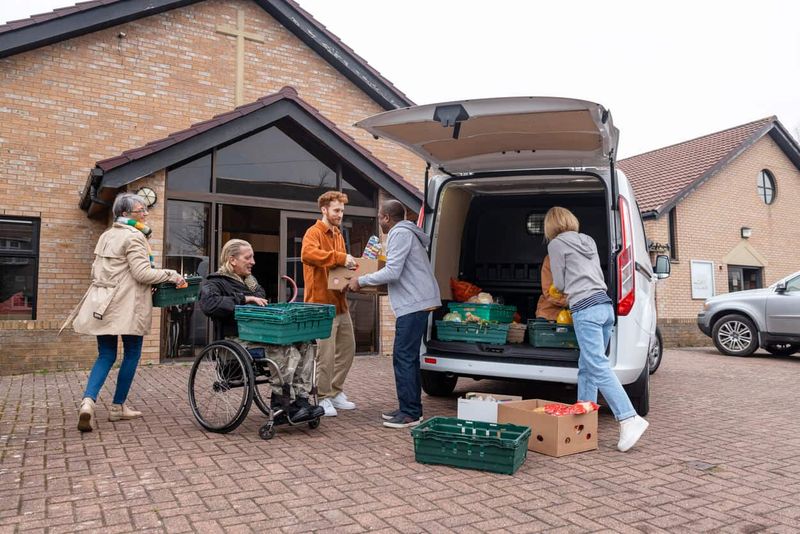
Some people help and then quietly wait for recognition or a favor in return. Kind people help because it feels right, plain and simple.
There is no mental scoreboard, no expectation of payback.
Helping freely, without strings attached, is one of the purest expressions of genuine care. It also creates a cycle of generosity in communities, where one act of kindness inspires another.
Over time, this selfless habit shapes a person’s identity in a meaningful way, making giving as natural as breathing.
12. Noticing What Others Need Without Being Asked

Kind people have a radar for unspoken needs. They notice when someone looks overwhelmed, when a coworker skipped lunch, or when a friend has gone quiet.
And they act on it without waiting to be prompted.
This attentiveness is a form of emotional intelligence that takes practice and genuine care to develop. It communicates to others that they are truly seen, not just tolerated.
Small, unasked-for acts of consideration often leave the biggest impressions, reminding people that someone out there genuinely cares about their well-being.
13. Practicing Gratitude to Protect What Matters

Gratitude is not just a feel-good habit; it is a strategy. Kind people regularly reflect on what and who they are thankful for, which helps them stay grounded and prioritize meaningful relationships over trivial concerns.
Writing down or simply acknowledging daily blessings shifts focus from what is lacking to what is already good. That mental shift influences how a person treats others throughout the day.
Gratitude practiced consistently sharpens appreciation, deepens empathy, and quietly fuels the kind of generosity that others cannot help but notice and admire.
14. Keeping Small Promises With Big Reliability
Forgot to follow through on that small thing you promised? Kind people rarely let that slide.
They return calls, remember favors, and show up when they said they would, even for the little things.
Small promises kept consistently build a reputation for reliability that money cannot buy. People who follow through earn a kind of trust that transforms casual connections into lasting friendships.
Being dependable in minor moments signals that a person will also show up when things get hard, and that is an incredibly rare and valuable quality.
15. Offering Second Chances While Respecting Themselves

Forgiveness is not the same as forgetting, and kind people understand the difference. They give others room to grow and try again, but they also maintain healthy boundaries that protect their own well-being.
Balancing forgiveness with self-respect is one of the trickier acts in human relationships. It takes emotional maturity to extend grace without becoming a doormat.
Kind people who master this balance tend to experience richer relationships and greater inner peace, because they choose to heal rather than hold grudges that drain their energy and joy.
16. Being Kind to Themselves First

You cannot pour from an empty cup. Kind people know this, which is why self-compassion is not a luxury for them but a genuine priority.
They rest, recharge, and speak to themselves with the same care they offer others.
Self-kindness reduces burnout and keeps generosity sustainable over the long run. Research confirms that people who practice self-compassion are better equipped to support those around them without resentment.
Taking care of yourself first is not selfish; it is the foundation that makes every other act of kindness possible, meaningful, and lasting.