
Most of us try to save money at the grocery store, but sometimes spending a little more is actually the smarter move. Cheap versions of certain foods and drinks can taste flat, feel low-quality, or even leave you feeling worse after eating them.
Knowing which items are worth the upgrade can help you eat better, enjoy your meals more, and get real value for your money. Here are 17 foods and drinks where that extra dollar or two makes a genuine difference.
1. Extra Virgin Olive Oil
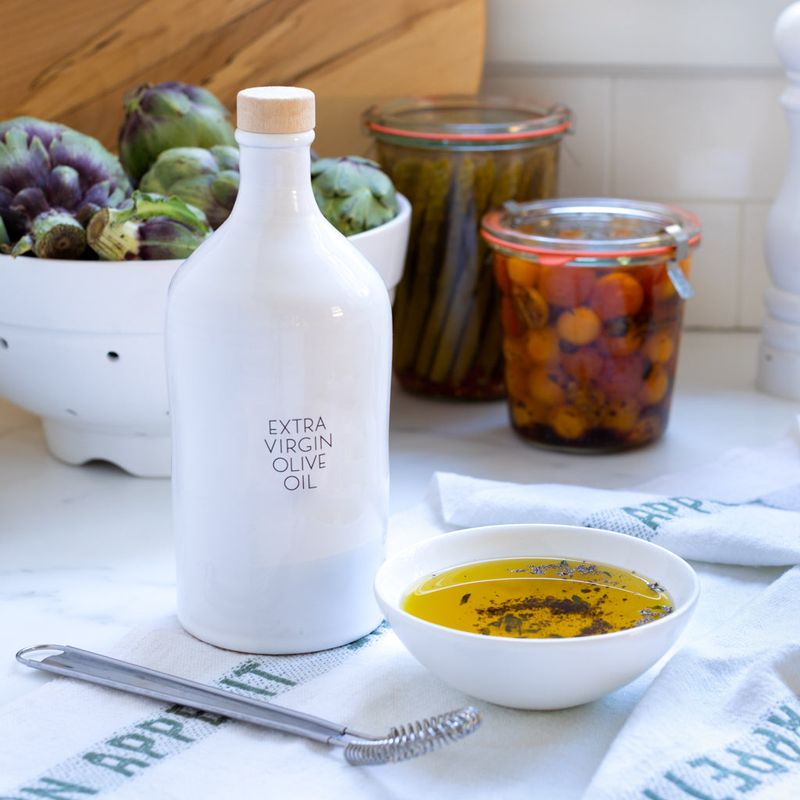
That cheap bottle of olive oil at the back of the shelf might seem like a smart buy, but it often lacks the rich, fruity flavor that makes good olive oil special. Real extra virgin olive oil is cold-pressed and full of healthy antioxidants that lower-grade oils lose during processing.
A quality bottle tastes noticeably better on salads, bread, and pasta. It also has real health benefits backed by research.
One good bottle goes a long way.
2. Dark Chocolate
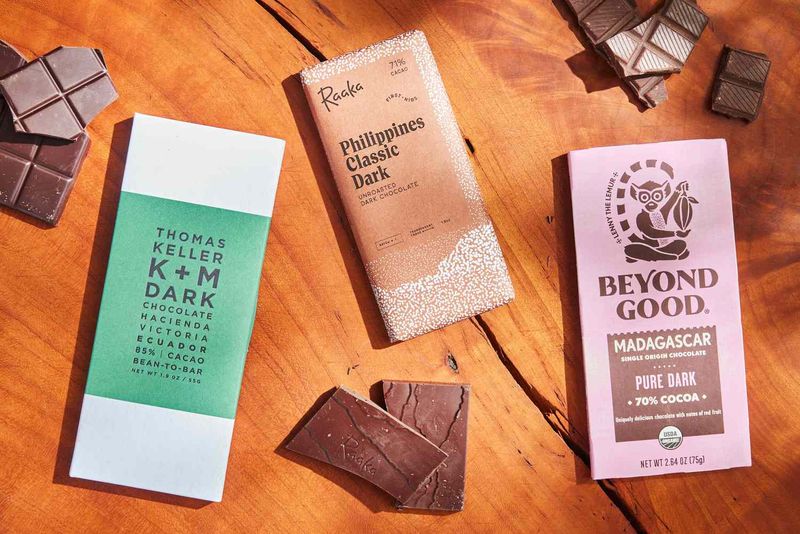
Cheap chocolate is mostly sugar with very little actual cocoa. Splurging on a high-quality dark chocolate bar, ideally 70% cocoa or higher, gives you a much deeper, more complex flavor that cheap candy simply cannot match.
Beyond taste, good dark chocolate contains flavonoids that support heart health. Even a small piece feels more satisfying, which means you actually eat less.
Treat it like a little luxury that also happens to be good for you.
3. Parmesan Cheese
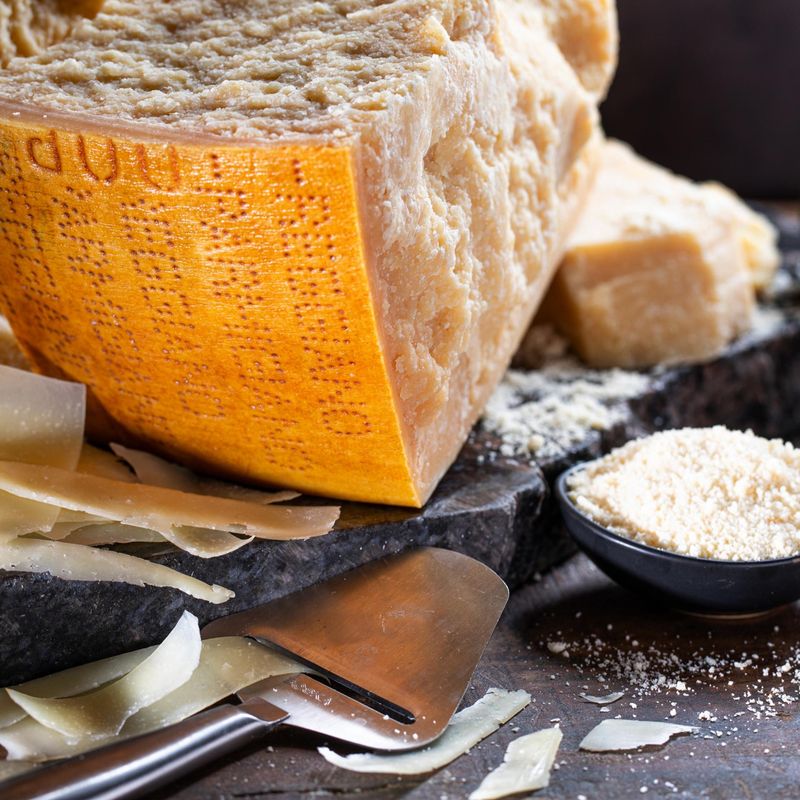
Pre-shredded parmesan from a green can and real Parmigiano-Reggiano are barely the same food. Authentic Parmesan is aged for at least 12 months, creating a sharp, nutty, crumbly cheese that melts beautifully over pasta or risotto.
The cheap stuff often contains cellulose filler and tastes powdery by comparison. Buying a small wedge and grating it yourself makes a huge difference in your cooking.
A little goes a long way, so the cost evens out.
4. Specialty Coffee Beans
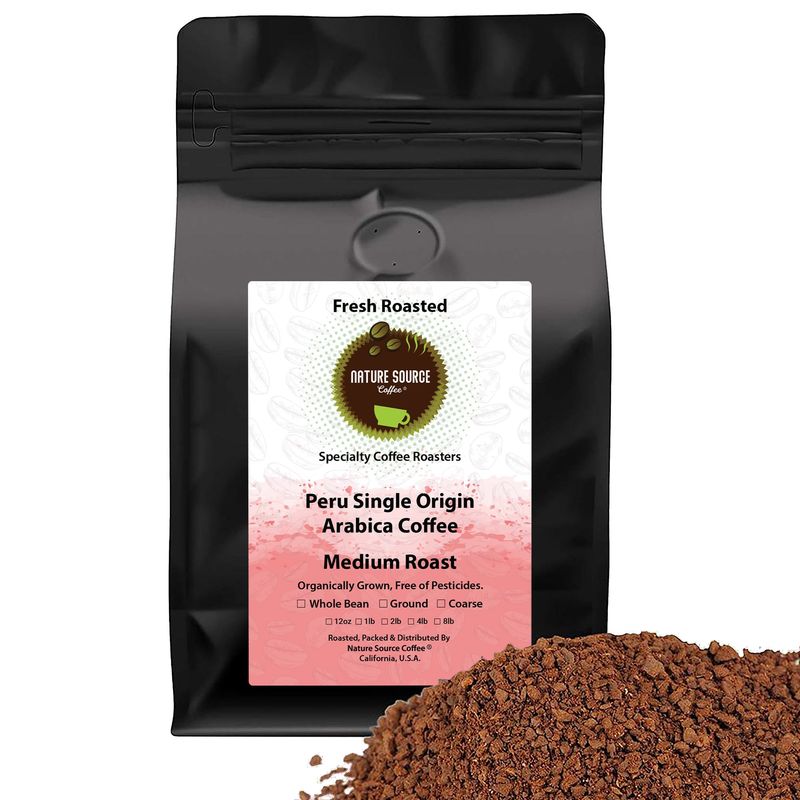
If coffee is part of your daily routine, the beans you choose matter more than any fancy brewing gadget. Specialty-grade coffee beans are carefully grown, harvested, and roasted to bring out distinct flavors like chocolate, citrus, or caramel that generic store brands never achieve.
Buying quality beans and grinding them fresh at home also saves money compared to daily coffee shop visits. One good bag can last a week or two and completely transform your mornings.
5. Real Maple Syrup
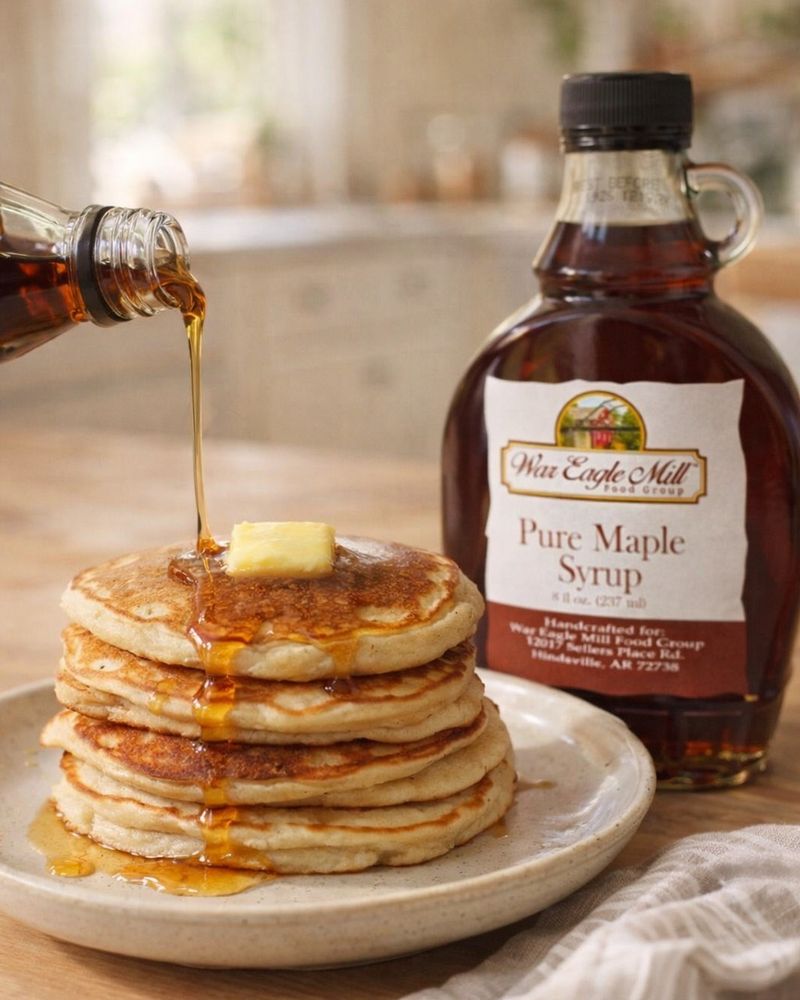
Pancake syrup from the grocery store is mostly high-fructose corn syrup with maple flavoring added. Real maple syrup, tapped directly from maple trees, has a warm, layered sweetness that fake syrup just cannot replicate.
It also contains minerals like manganese and zinc. Because real maple syrup has a stronger flavor, you actually use less of it.
The higher price tag makes more sense when you realize a bottle lasts much longer than you might expect.
6. Grass-Fed Butter
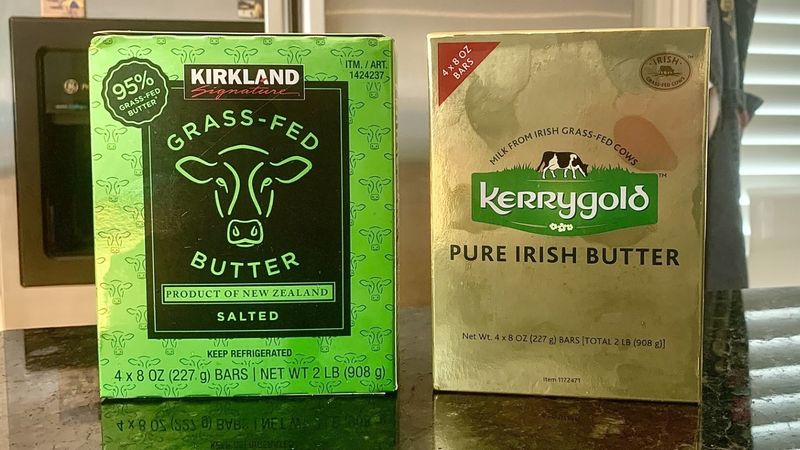
Regular butter is fine, but grass-fed butter has a noticeably richer, creamier flavor that makes everything from toast to sauteed vegetables taste better. Cows that eat grass produce milk with higher levels of omega-3 fatty acids and vitamin K2, which carry real nutritional benefits.
Brands like Kerrygold have built loyal followings for good reason. The difference is especially obvious when butter is the star of a dish, like in a simple pasta or a flaky croissant.
7. Aged Balsamic Vinegar

Grocery store balsamic vinegar is usually just wine vinegar with caramel coloring. Authentic aged balsamic from Modena, Italy is made from grape must and aged for years in wooden barrels, creating a thick, syrupy, naturally sweet condiment unlike anything else.
A few drops transform strawberries, roasted vegetables, or grilled meat into something restaurant-worthy. A small bottle lasts a long time since you use it sparingly.
Once you try the real thing, going back feels impossible.
8. Free-Range Eggs
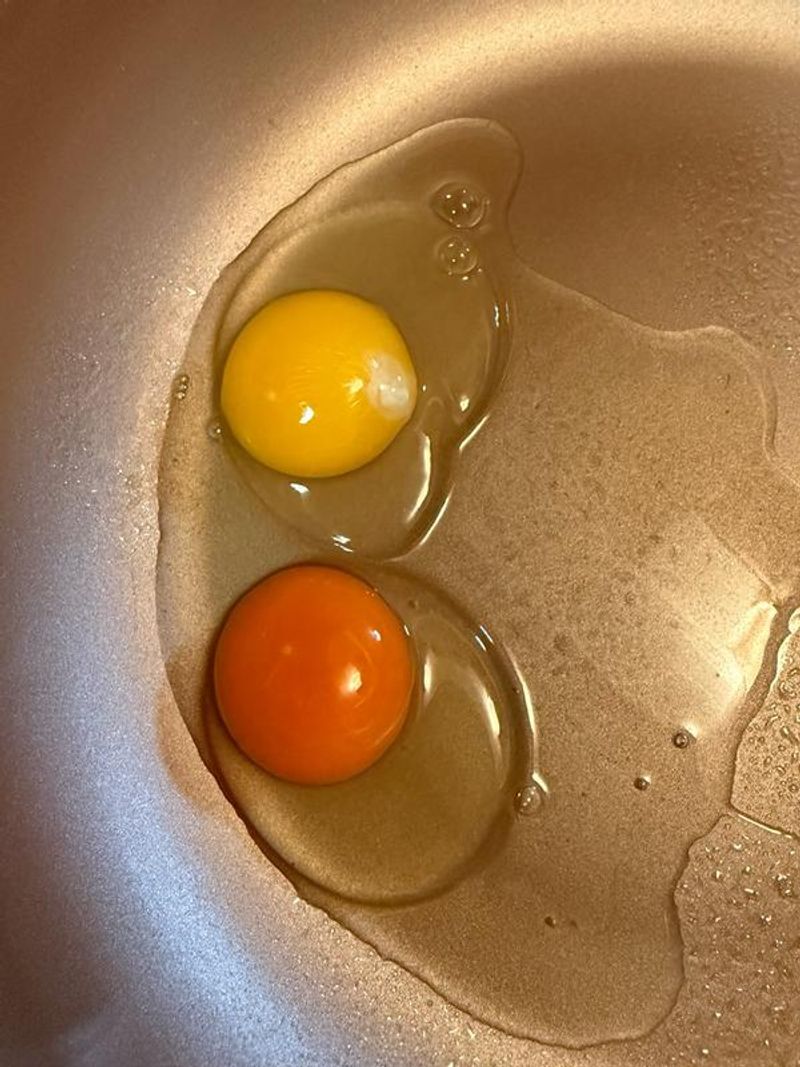
Cracking open a free-range egg next to a standard factory egg is eye-opening. Free-range yolks are noticeably deeper orange, richer in flavor, and higher in omega-3s and vitamins D and E compared to conventional eggs.
Chickens that roam outdoors and eat varied diets simply produce better eggs. The taste difference is most obvious in simple preparations like scrambled eggs or omelets.
Spending a dollar or two more per dozen is one of the easiest upgrades in your kitchen.
9. Sourdough Bread
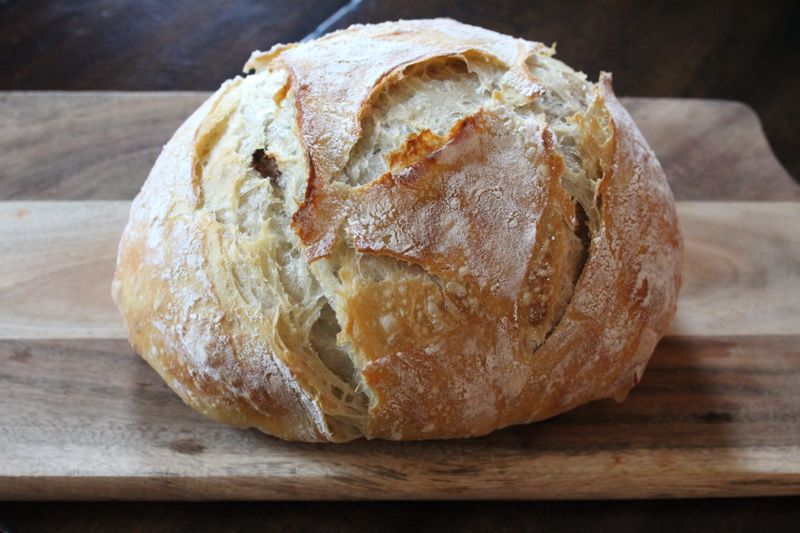
There is something almost magical about a real sourdough loaf. Made through a slow fermentation process using wild yeast, authentic sourdough has a chewy crumb, crackling crust, and tangy depth that mass-produced bread cannot come close to matching.
The fermentation also breaks down gluten and phytic acid, making it easier to digest than regular bread. Buying a real loaf from a local bakery costs more, but a few thick slices with good butter feels like a complete meal.
10. Whole Bean Spices
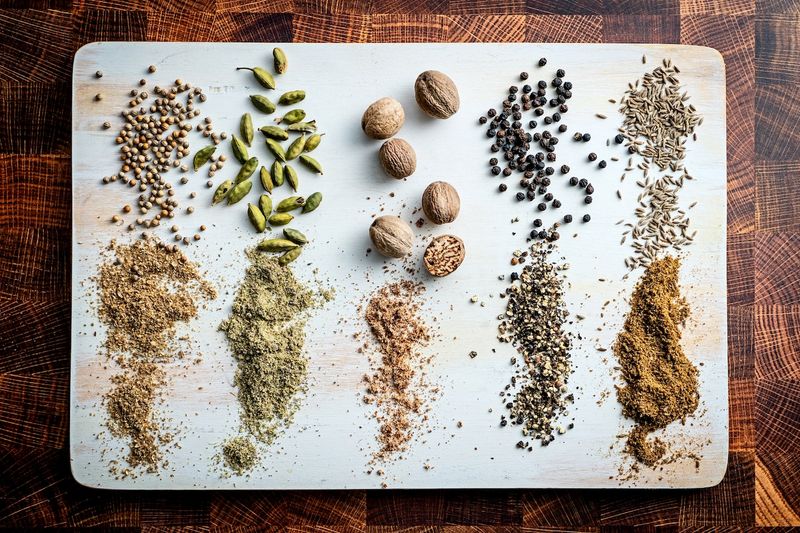
Pre-ground spices sitting in your cabinet for over a year have likely lost most of their flavor. Buying whole spices and grinding them fresh right before cooking releases aromatic oils that make food taste dramatically more vibrant and complex.
Whole peppercorns, cumin seeds, and coriander are great starting points. A small hand grinder or mortar and pestle is all you need.
The difference in your cooking will surprise you, and whole spices actually stay fresh far longer than ground versions.
11. Craft Beer
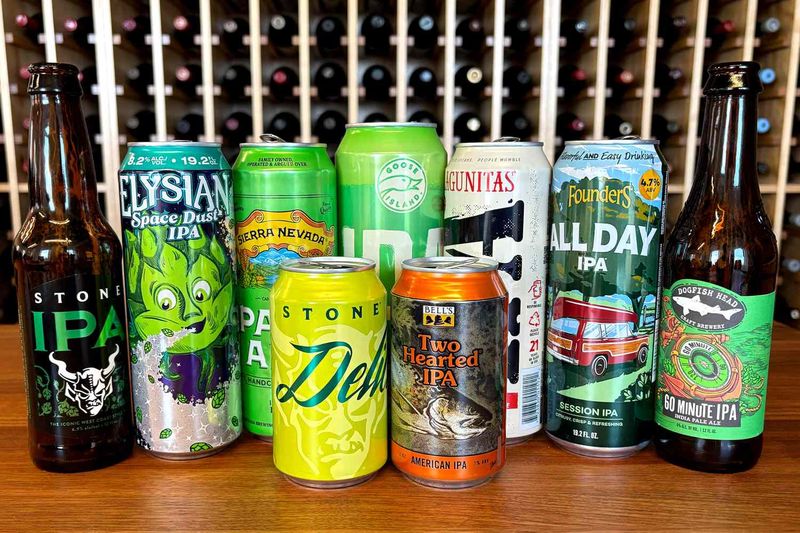
Mass-market beers are engineered to be inoffensive and easy to drink, which also means they are not particularly interesting. Craft beers, brewed in smaller batches by independent breweries, offer a wild range of flavors from citrusy IPAs to rich chocolate stouts.
Paying a bit more per bottle supports small businesses and gives you a genuinely enjoyable drinking experience. Many craft breweries also experiment with local ingredients, making each beer unique.
It is a hobby and a drink rolled into one.
12. Wild-Caught Salmon
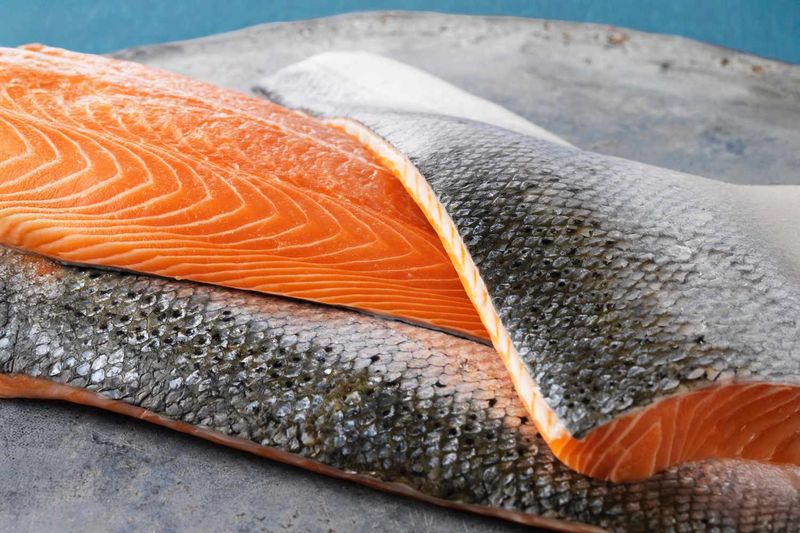
Farmed salmon and wild-caught salmon look similar in the store, but the differences go deeper than color. Wild salmon feed naturally in the ocean, resulting in leaner, firmer flesh with higher omega-3 fatty acid content and a cleaner, more pronounced flavor.
Farmed salmon is often fed artificial coloring and antibiotics to compensate for poor conditions. Wild-caught costs more, but for a food you eat regularly for heart and brain health, the upgrade genuinely pays off in both taste and nutrition.
13. Loose-Leaf Tea
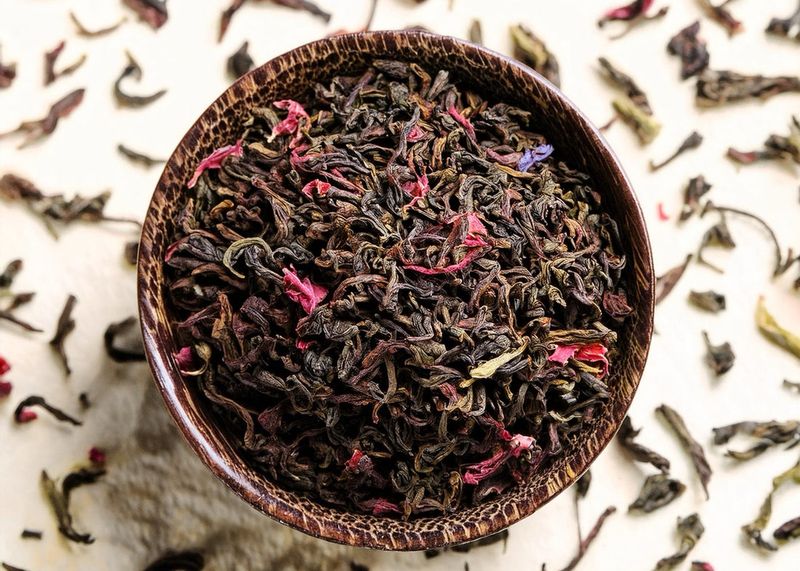
Most standard tea bags are filled with low-grade tea dust and fannings, the leftover bits after better tea is sorted out. Loose-leaf tea uses whole or large-cut leaves that steep more evenly and deliver a far more complex, aromatic cup.
Once you taste a properly brewed loose-leaf green or oolong tea, bagged tea tastes flat by comparison. A small infuser or strainer is all you need to get started.
The ritual of brewing it properly also adds a calming, mindful moment to your day.
14. Aged Cheddar Cheese
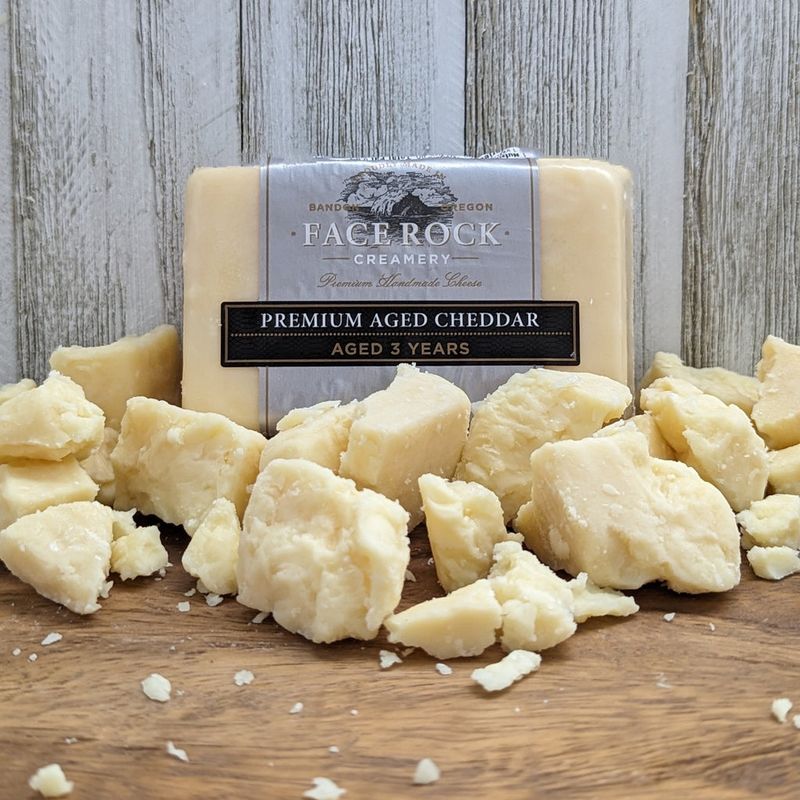
Young cheddar is mild and rubbery, which is perfectly fine for melting on a burger. But aged cheddar, matured for one to three years or more, develops a crumbly texture and bold, sharp flavor with tiny crunchy crystals formed from natural amino acids.
A small amount of really good aged cheddar satisfies cravings more effectively than a large slice of the mild stuff. It pairs beautifully with apples, nuts, and crackers for a snack that feels genuinely special without much effort.
15. Cold-Pressed Juice
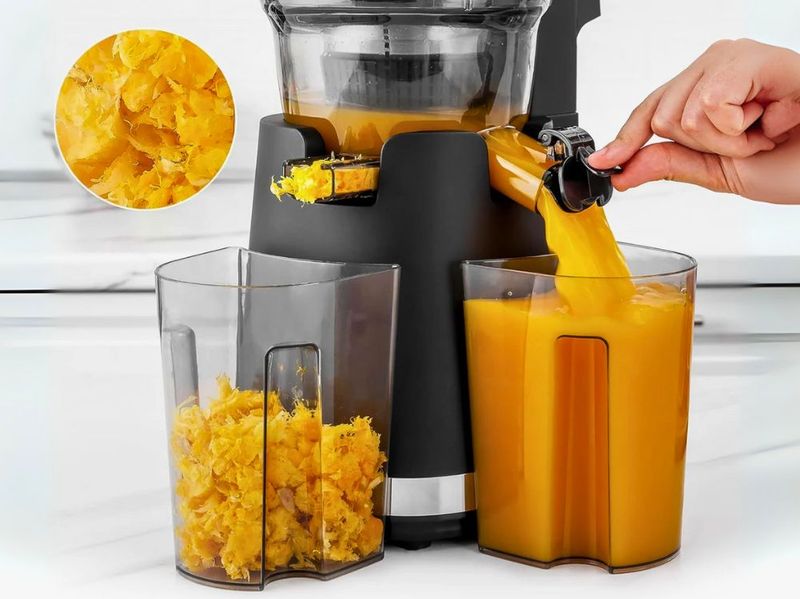
Regular pasteurized juice is heated to extend shelf life, which kills off many of the vitamins and enzymes that make fresh juice nutritious. Cold-pressed juice is made by pressing fruits and vegetables without heat, preserving far more nutrients in every bottle.
The flavor is also noticeably brighter and fresher. Yes, a bottle costs several dollars more, but treating it as a nutritional supplement rather than just a drink changes the math.
One bottle can replace a multivitamin on a busy morning.
16. Artisan Pasta
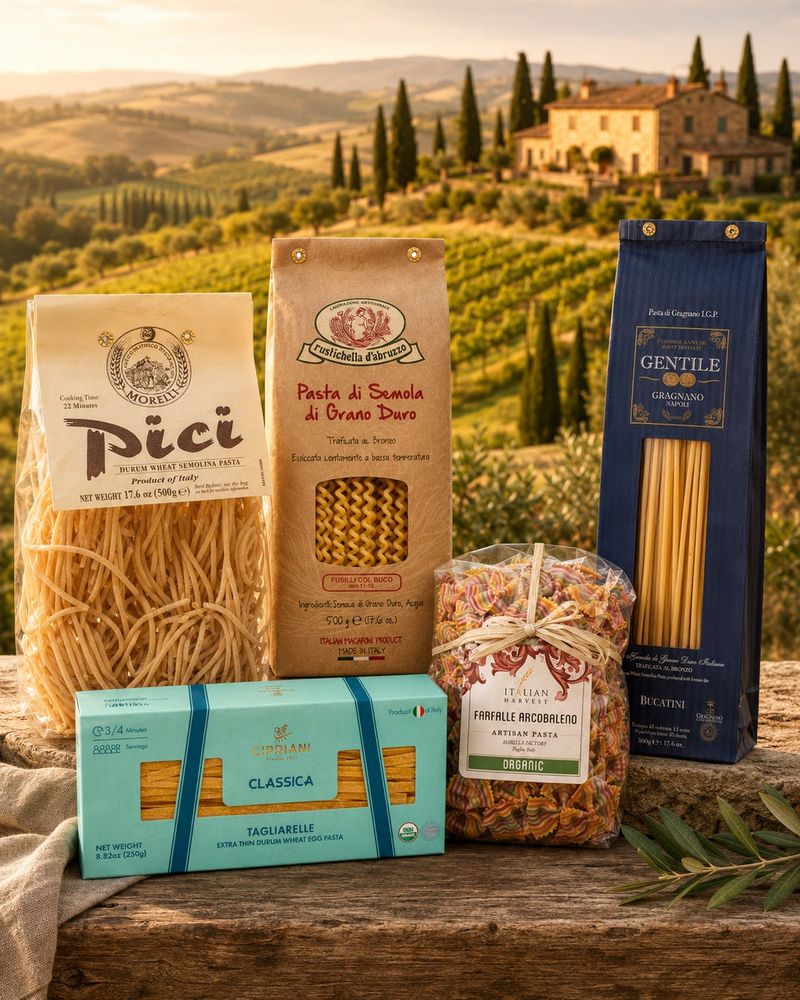
Standard supermarket pasta is smooth and uniform, which actually causes sauce to slide right off. Artisan pasta made through bronze dies has a rough, porous surface that grabs sauce and holds it in every bite, making each forkful taste more flavorful and satisfying.
Many artisan brands also use higher-quality durum wheat and dry the pasta slowly at low temperatures to preserve flavor. A bag costs only a dollar or two more and turns a simple weeknight dinner into something that feels genuinely impressive.
17. Natural Peanut Butter
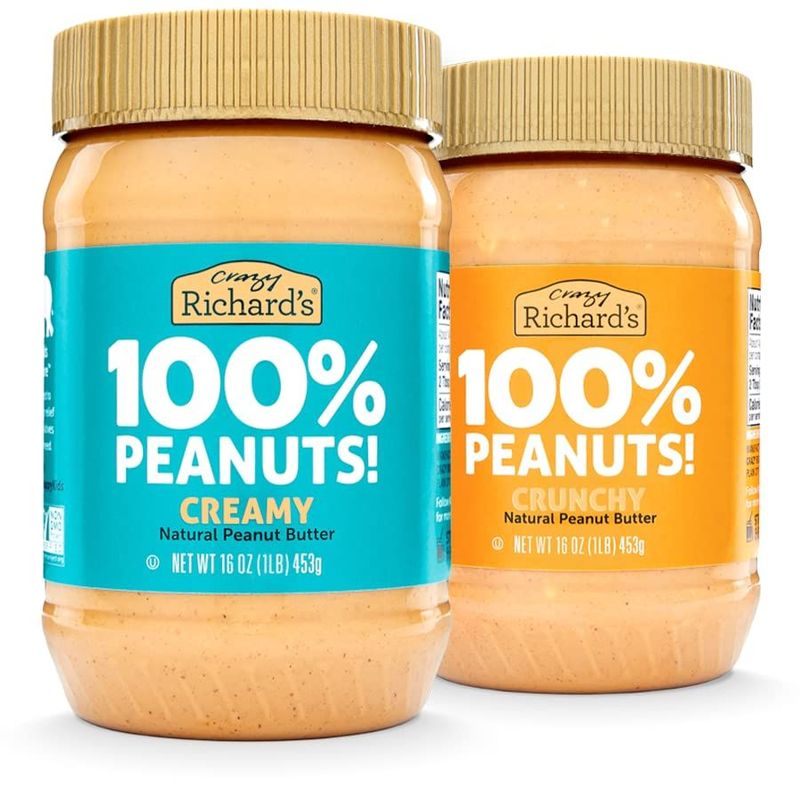
Conventional peanut butter is loaded with added sugar, hydrogenated oils, and stabilizers to give it that perfectly smooth, shelf-stable texture. Natural peanut butter contains just peanuts and maybe a little salt, delivering a genuine roasted peanut flavor that the processed kind covers up.
Yes, you have to stir it, but that two-minute task is worth the payoff. Your sandwiches, smoothies, and sauces taste noticeably more authentic.
Once you adjust to the real flavor, sweetened versions start tasting almost like candy.