
Even the most powerful fast food chains in the world have launched products that completely missed the mark. From bizarre flavor combinations to foods that fell apart before they reached your hands, these flops remind us that no brand is immune to a bad idea.
Some of these failures were so strange that people still talk about them today. Get ready to look back at some of the most unforgettable fast food mistakes ever made.
1. McDonald’s Arch Deluxe
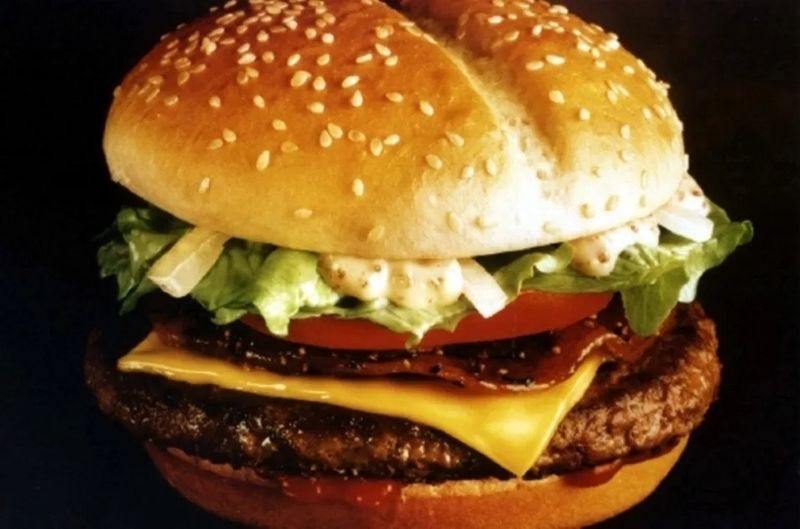
McDonald’s spent around $300 million marketing the Arch Deluxe in 1996, billing it as a burger made for adults with sophisticated tastes. The idea sounded bold, but customers were not impressed.
People went to McDonald’s for familiar comfort food, not a gourmet upgrade.
The fancy positioning felt out of place for a chain known for Happy Meals. Sales flopped hard, and the burger quietly disappeared from menus.
It remains one of the most expensive product failures in fast food history.
2. Pizza Hut’s Hot Dog Stuffed Crust
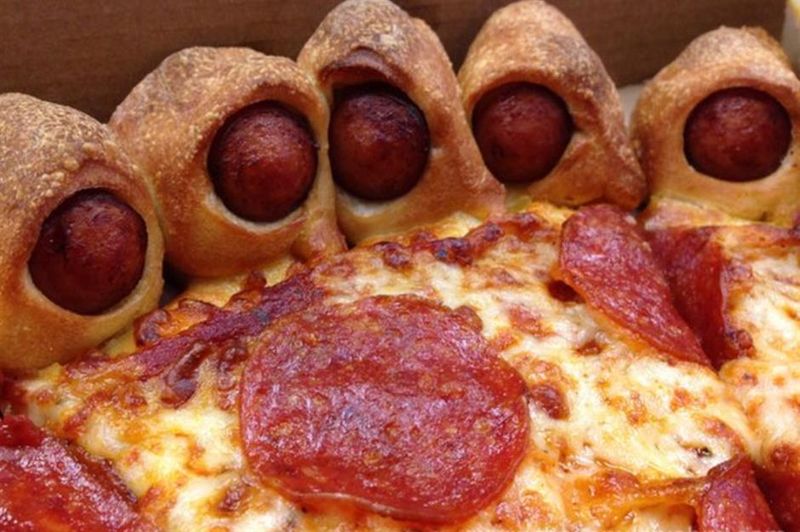
When Pizza Hut introduced a crust stuffed with actual hot dogs, people genuinely were not sure how to feel. The combination of pizza and hot dogs sounds like something a kid might dream up on a sugar rush.
Available in the UK and a few other markets, it never made a permanent global splash. The flavor pairing confused more customers than it excited.
Sometimes a wild idea is better left as a late-night thought than an actual menu item.
3. Burger King’s Halloween Whopper
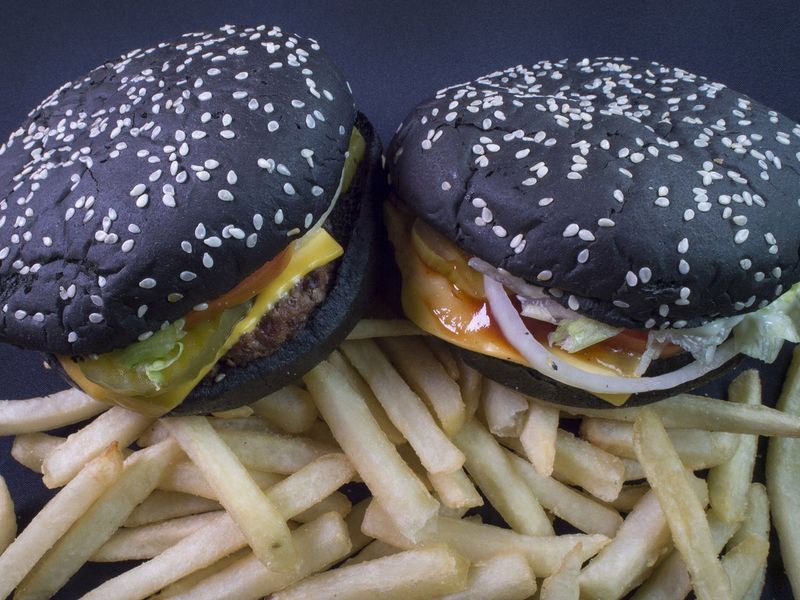
Black buns sounded edgy and fun when Burger King launched the Halloween Whopper in 2015. The bun got its dark color from A.1.
Steak Sauce mixed into the dough, which was actually a clever flavor twist.
The real horror came the next morning. Customers reported that the burger turned their digestive output a bright, alarming shade of green.
Social media exploded with shocked reactions, and the burger became famous for entirely the wrong reasons.
4. Wendy’s Superbar
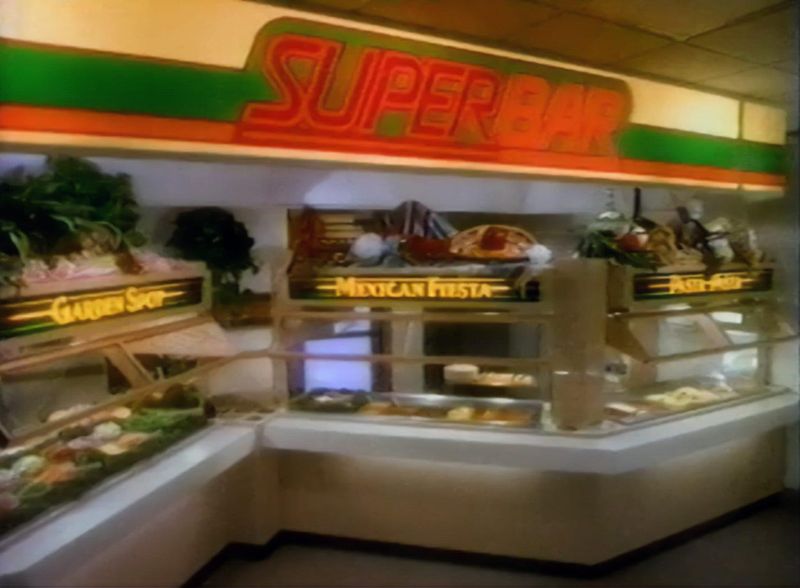
Back in the late 1980s, Wendy’s tried something ambitious: a full buffet bar inside their restaurants. Called the Superbar, it offered salad, pasta, and Mexican food all in one long self-serve station.
For a fast food chain, this was a seriously bold move.
Keeping the bar fresh, stocked, and sanitary proved to be a constant headache. Costs piled up faster than customers could eat.
Wendy’s pulled the plug on the Superbar by 1998, ending one of fast food’s most ambitious experiments.
5. KFC’s Double Down Dog
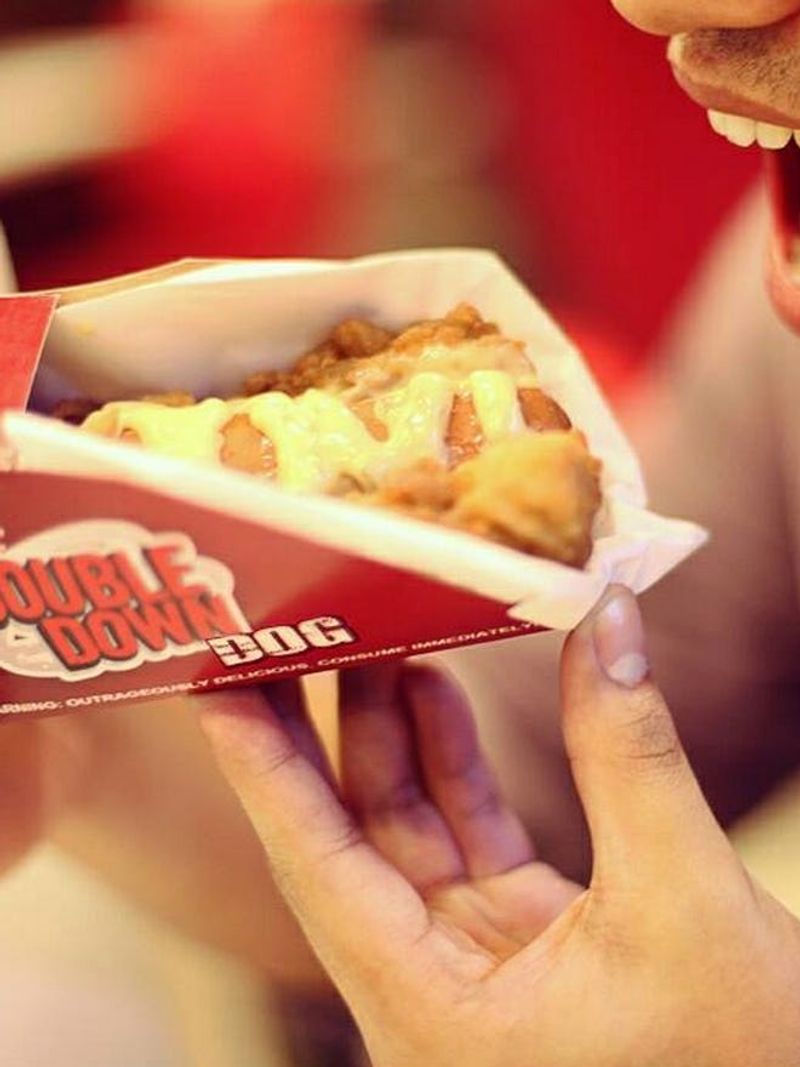
KFC already stunned the world with the Double Down sandwich, which replaced bread with fried chicken. Then they decided to take things further with the Double Down Dog, using a chicken fillet as a hot dog bun.
Released in the Philippines in 2016, it sold out almost immediately, but reactions were wildly mixed. Some people loved the over-the-top concept, while others found it more absurd than appetizing.
It never became a permanent fixture, proving novelty alone cannot sustain a menu item.
6. Taco Bell’s Waffle Taco
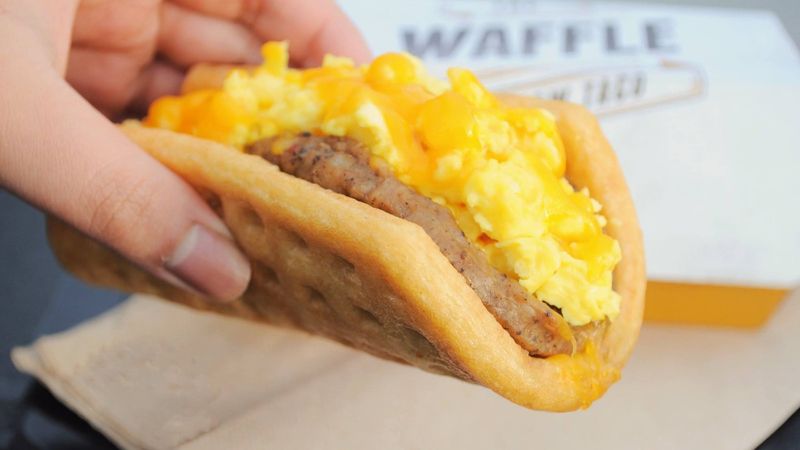
Taco Bell has always been willing to push boundaries, and the Waffle Taco was proof of that breakfast-time ambition. Launched as part of their breakfast menu in 2014, it featured a waffle folded around eggs, sausage, and cheese.
The idea was quirky enough to grab headlines, but customers were not lining up for long. It was eventually replaced by the Biscuit Taco, which performed better.
The Waffle Taco lives on mostly as a symbol of fast food’s endless search for the next big breakfast gimmick.
7. McDonald’s McLobster
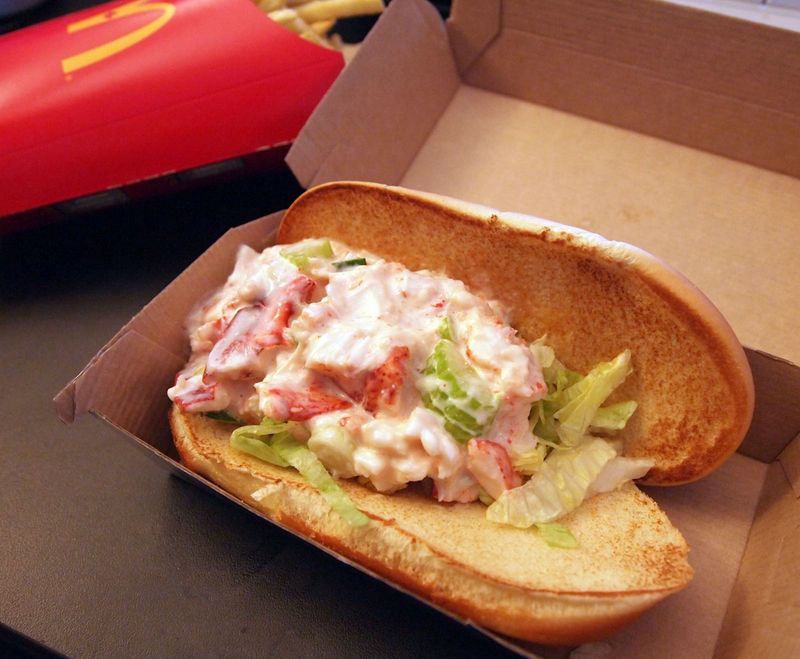
Lobster at McDonald’s sounds like a joke, but the McLobster was very real. Offered seasonally in parts of Canada and New England, it featured lobster salad in a hot dog roll.
The idea was to bring seafood to the masses at a reasonable price.
Critics pointed out that the lobster content was minimal and the flavor was underwhelming. Loyal McDonald’s fans were confused, and seafood lovers were unimpressed.
The McLobster pops up occasionally in limited markets but has never earned a permanent spot on the menu.
8. Subway’s Flatizza
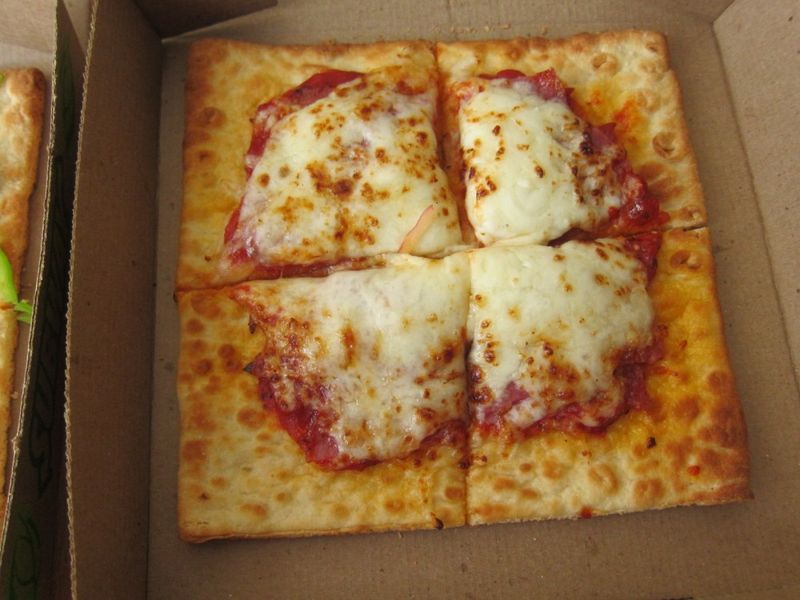
Subway decided to take on the pizza world with the Flatizza, a flatbread pizza sold at their sandwich shops. Launched around 2014, it came with classic pizza toppings like pepperoni and cheese baked onto flatbread.
The problem was that Subway is built around made-to-order sandwiches, not baked pizza. Customers found the Flatizza to be a mediocre version of something they could get better elsewhere.
It quietly left the menu, reminding everyone that not every brand can successfully stretch into a new food category.
9. Burger King’s Satisfries
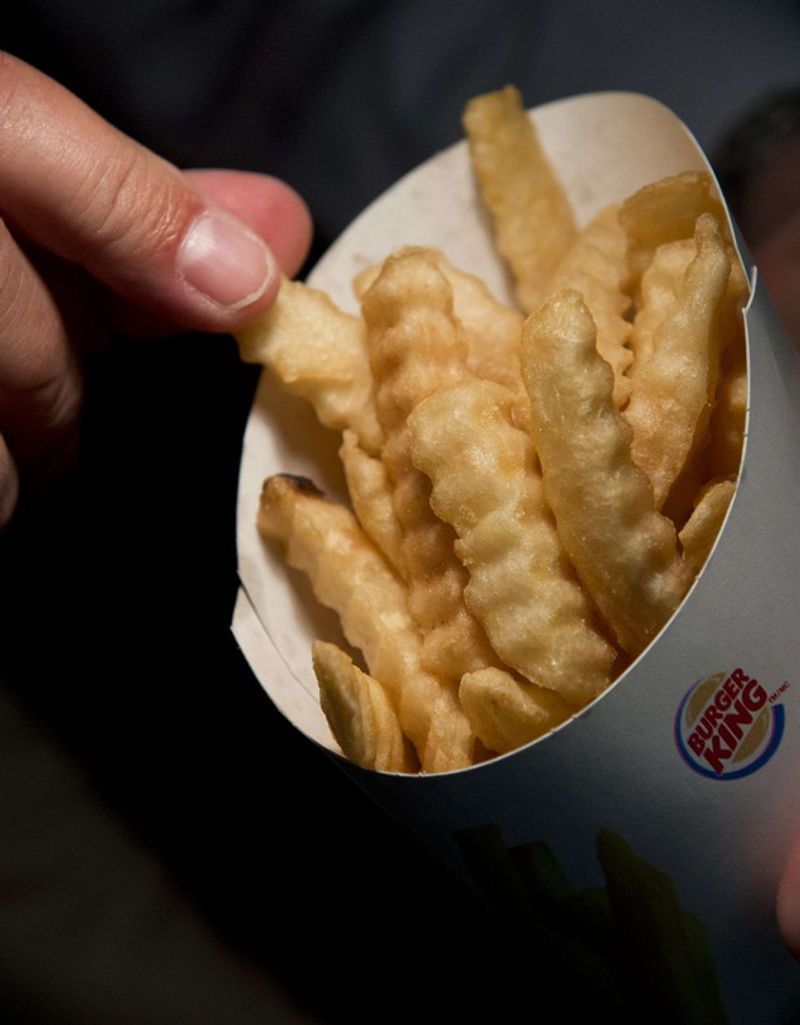
Burger King tried to win over health-conscious customers in 2013 with Satisfries, a crinkle-cut fry that supposedly absorbed less oil during frying. The marketing leaned heavily into the idea of a guilt-free fast food treat.
Customers were skeptical from the start. The fries cost more than regular fries but did not taste noticeably different or better.
Within a year, most locations had dropped them entirely. Satisfries turned out to be a reminder that health claims alone cannot rescue a product that fails to excite people.
10. Domino’s Oreo Dessert Pizza
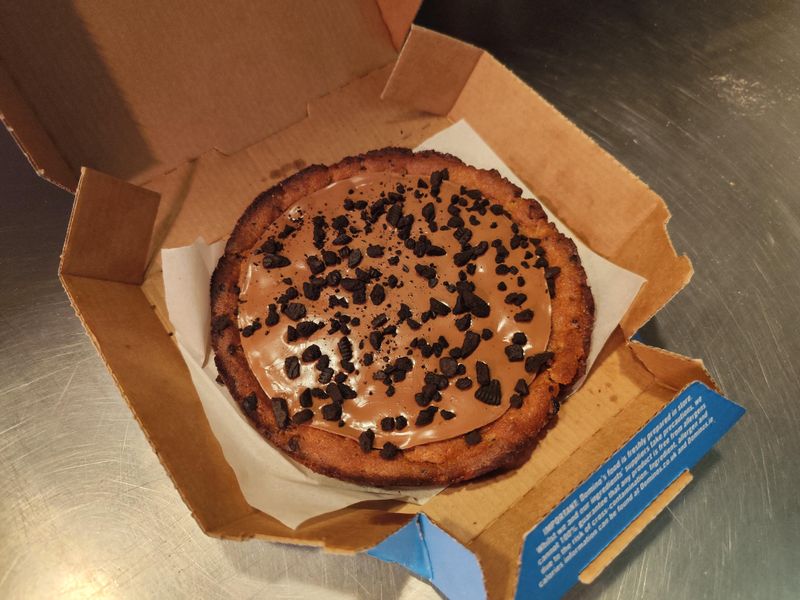
Domino’s has experimented with dessert pizzas over the years, and the Oreo version raised plenty of eyebrows. Featuring a pizza crust topped with cream sauce and crushed Oreo cookies, it blurred the line between snack and dessert in a bold way.
While some customers enjoyed the novelty, many felt it was a strange use of pizza dough. The combination never found a loyal fan base large enough to justify keeping it around permanently.
It serves as a quirky reminder that not every dessert needs to be shaped like a pizza.
11. McDonald’s McSpaghetti
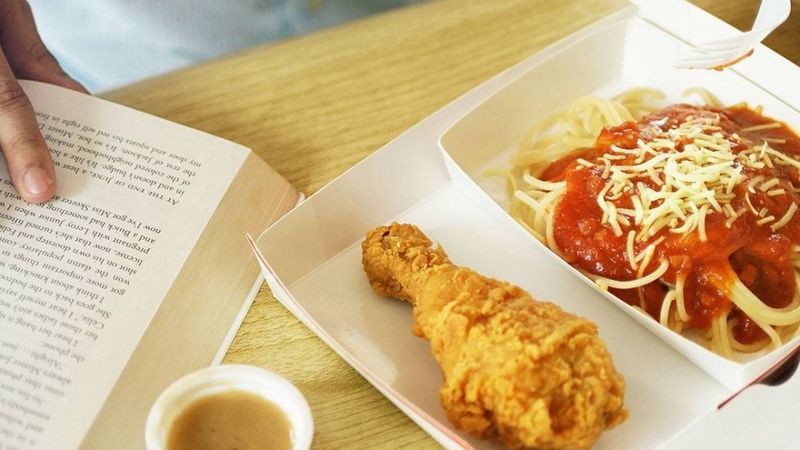
Ask anyone outside the Philippines about McDonald’s McSpaghetti, and you will probably get a confused look. This dish has been a beloved local staple there for decades, featuring sweet-style spaghetti with a unique tomato sauce and hotdog slices.
When McDonald’s tested it in the United States, American customers were baffled. Spaghetti at a burger chain felt completely out of place to stateside diners.
It flopped in American test markets, proving that a beloved regional dish does not always travel well across cultures.
12. Starbucks Unicorn Frappuccino
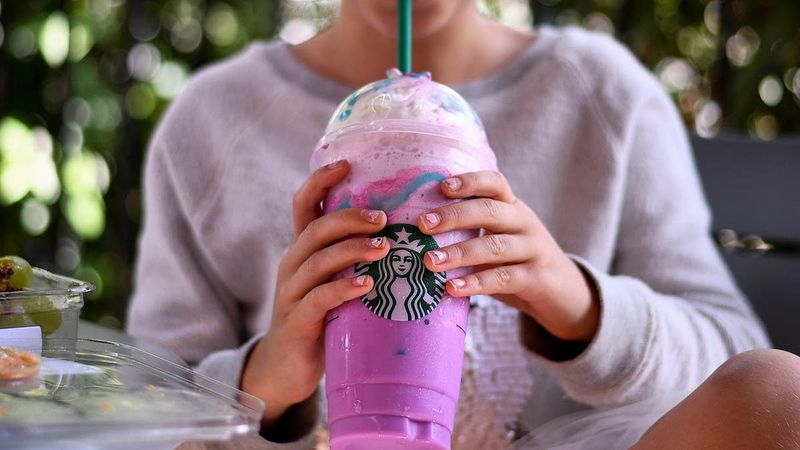
Few drinks have caused as much chaos as the Starbucks Unicorn Frappuccino. Released for just five days in April 2017, it was a color-changing, sweet and sour drink that broke the internet before it even reached most people’s hands.
Baristas across the country were overwhelmed and frustrated by the complicated preparation. Customers who finally tasted it often found the flavor underwhelming compared to the hype.
The Unicorn Frappuccino was a social media masterpiece that turned out to be a very short-lived beverage experiment.
13. Wendy’s Frescata Sandwiches
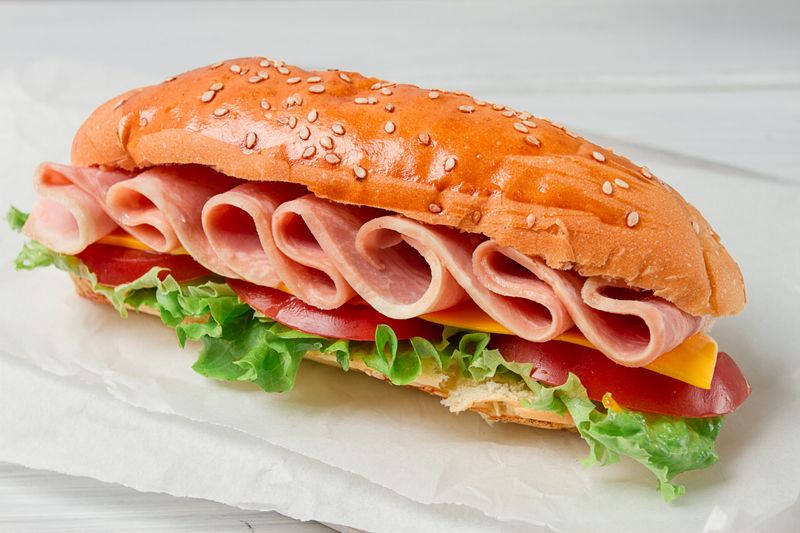
Wendy’s wanted a piece of the deli sandwich market in the mid-2000s, so they rolled out the Frescata line. These were supposed to be upscale, artisan-style cold sandwiches that competed with places like Subway and Quiznos.
The sandwiches took longer to prepare than typical fast food, which frustrated customers and slowed down service. Wendy’s built its reputation on hot, freshly made burgers, not cold deli cuts.
The Frescata line was discontinued after failing to find its audience among fast food regulars.
14. Cheetos Chicken Fries at Burger King
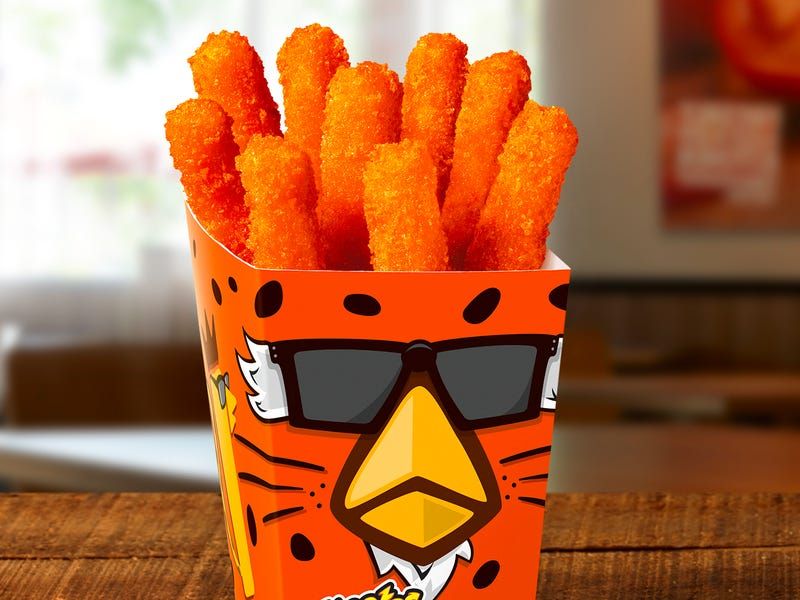
Cheetos-flavored anything tends to grab attention, and Burger King capitalized on that in 2016 with Cheetos Chicken Fries. The strips were coated in a Cheetos-seasoned breading, giving them a bright orange color and a cheesy crunch.
Initial curiosity drove decent sales, but the novelty wore off quickly. The flavor was more gimmick than genuinely satisfying, and customers did not rush back for a second order.
Limited-time items like this thrive on buzz, but buzz alone rarely builds a lasting fan base.
15. McDonald’s Hula Burger
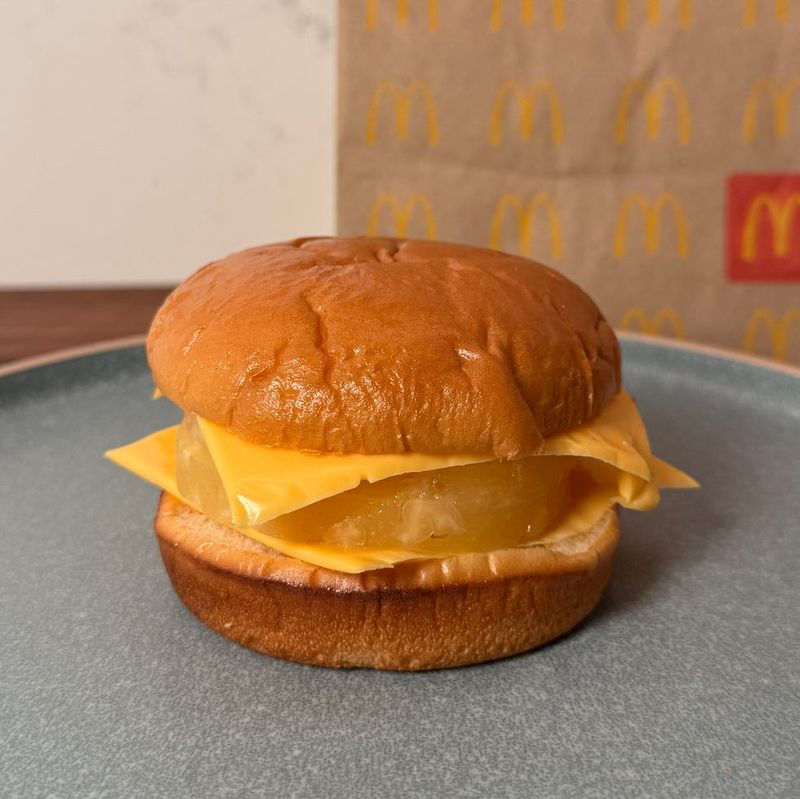
Ray Kroc himself came up with the Hula Burger in the early 1960s, hoping to offer a meatless option on Fridays for Catholic customers. The burger replaced the beef patty with a grilled pineapple slice topped with cheese.
Customers were not ready for a pineapple sandwich from a burger chain. The Filet-O-Fish, launched at the same time, won the battle easily and became a permanent menu staple.
The Hula Burger faded fast, but it gave us one of fast food’s earliest recorded product face-offs.
16. Sonic’s PB&J Milkshake
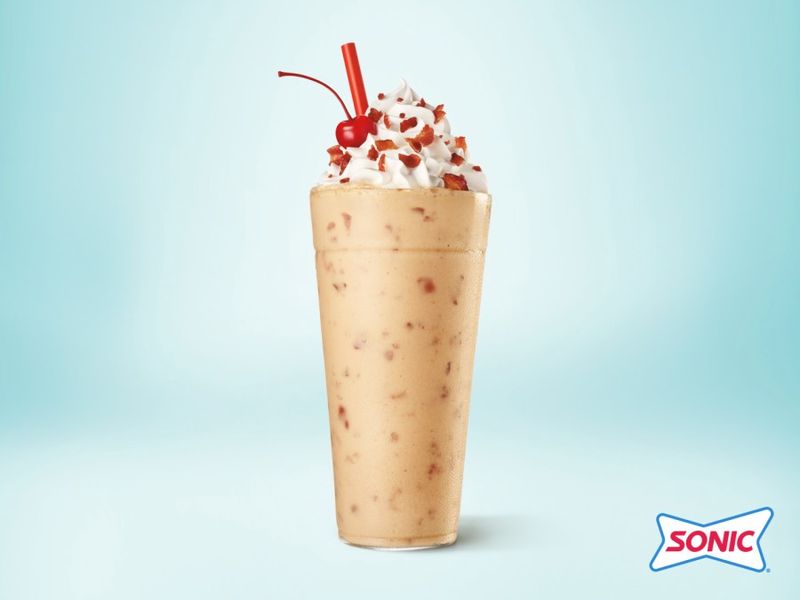
Sonic is famous for creative drink combinations, but the peanut butter and jelly milkshake raised some real questions. The idea was to recreate the classic childhood sandwich as a drinkable dessert, which sounds fun in theory.
In practice, the flavor was polarizing. Peanut butter in a shake works for some people, but adding jelly-style sweetness made it feel more like a science experiment than a treat.
It came and went without leaving much of a mark, except in the memories of brave taste-testers.
17. Taco Bell’s Beefy Crunch Burrito Riot
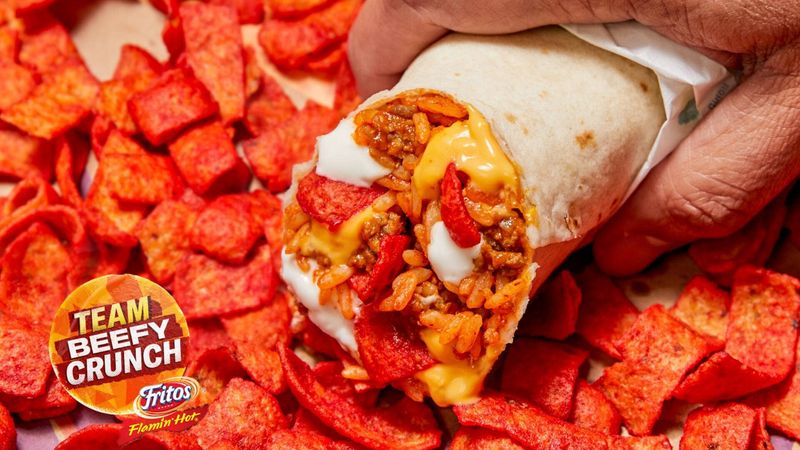
The Beefy Crunch Burrito itself was not the flop here. The real story is what happened when Taco Bell discontinued it.
In 2012, a Texas man called 911 multiple times after his local Taco Bell stopped selling the burrito and then raised prices on a similar item.
The incident went viral and highlighted just how emotionally attached people get to fast food favorites. Taco Bell eventually brought the burrito back due to fan demand.
This bizarre chapter proved that discontinuing a beloved item can have wildly unpredictable consequences.
18. Jack in the Box Frings
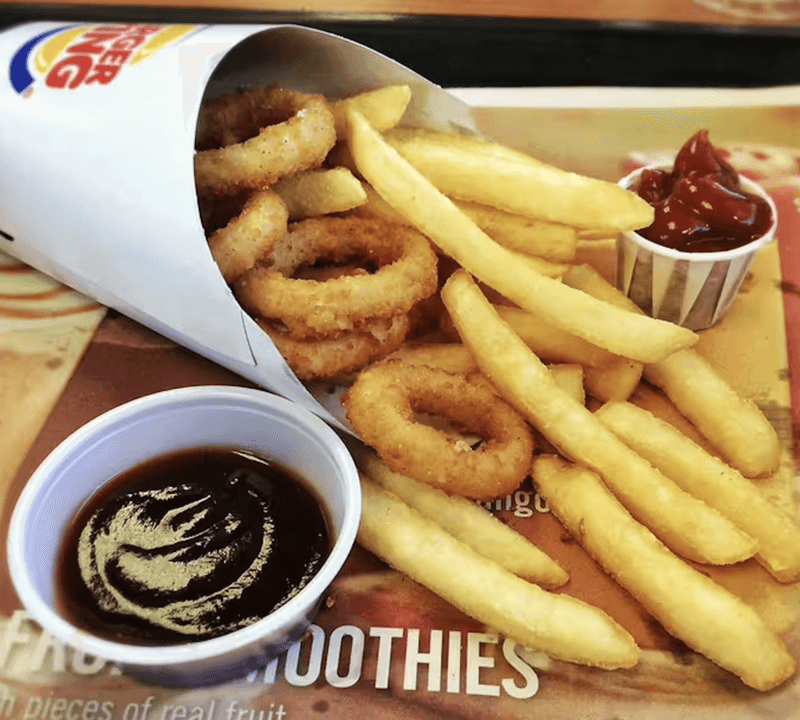
Jack in the Box once offered a product called Frings, which was exactly what it sounds like: a mix of french fries and onion rings in the same order. For people who could never choose between the two, it seemed like a dream come true.
The concept was simple, but it never caught on as a long-term menu item. Customers either wanted one or the other, not a forced combo.
Frings became a small but memorable footnote in the long history of fast food experiments that sounded better on paper.
19. McDonald’s McPizza
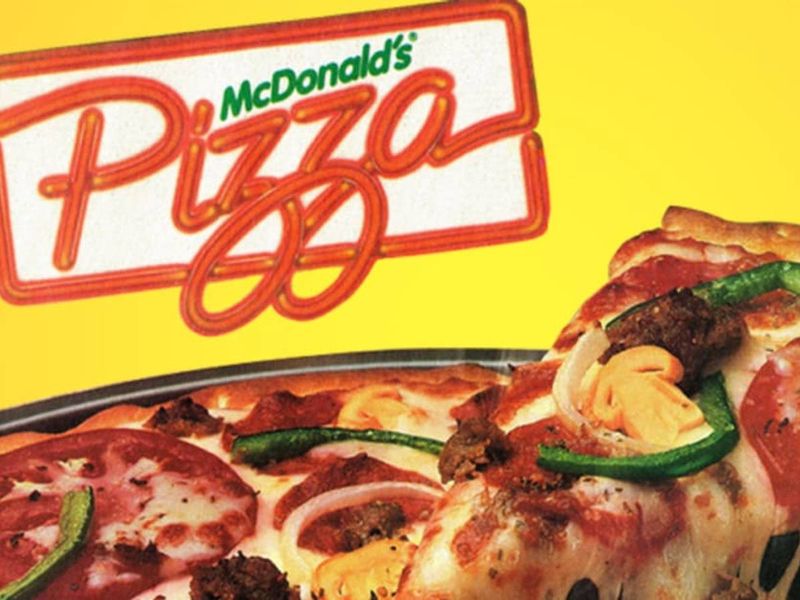
McDonald’s once tried to conquer the pizza world with the McPizza, offered at select locations in the late 1980s and early 1990s. The idea was to give families a pizza option without leaving the golden arches behind.
The problem was time. Pizza takes longer to make than burgers, and fast food customers expect their food quickly.
Long wait times clashed with McDonald’s speedy reputation. A small handful of locations kept the McPizza on the menu for years, but it never went nationwide, making it one of the chain’s most curious could-have-beens.