
Few TV shows have left a mark on pop culture quite like The Twilight Zone. Created by Rod Serling and first aired in 1959, the series blended science fiction, fantasy, and horror to tell stories that made viewers think twice about the world around them.
Decades later, fans still return to certain episodes again and again, calling them true masterpieces. Here are 17 episodes that fans everywhere agree belong at the very top of the list.
1. Time Enough at Last (Season 1, Episode 8)
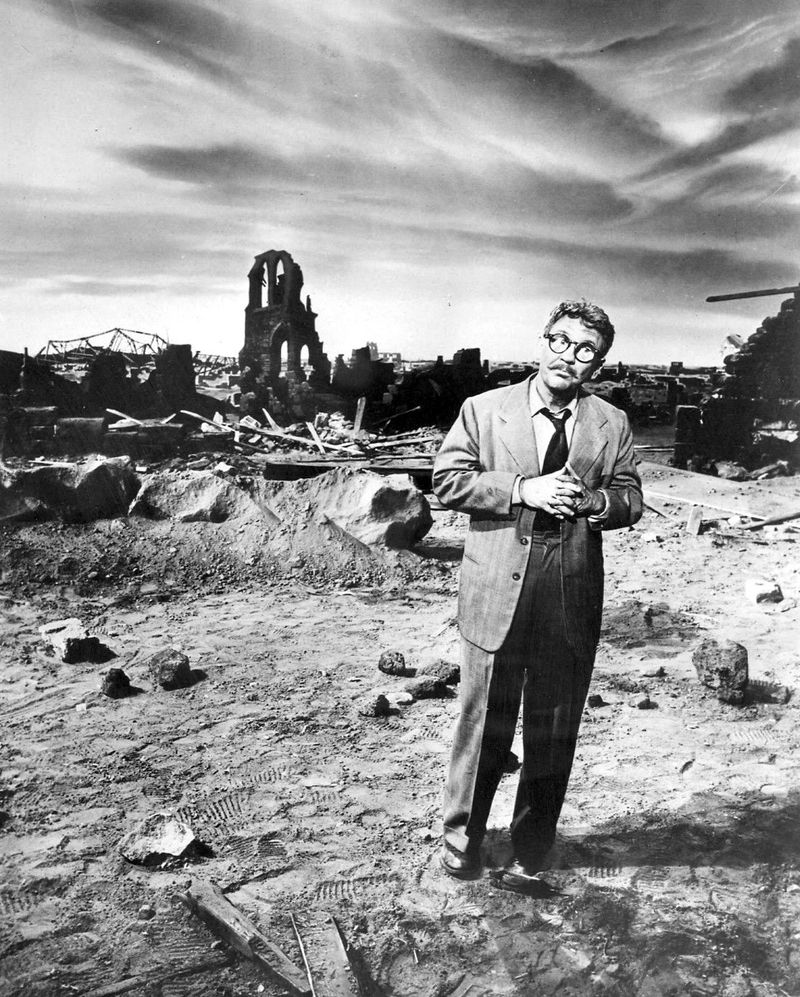
Burgess Meredith plays Henry Bemis, a bookworm who just wants peace and quiet to read. When a nuclear blast wipes out humanity, he thinks he finally has all the time in the world.
Then his glasses shatter. This episode hits hard because it captures something deeply human: the fear of losing the one thing that brings you joy.
Fans still talk about that ending as one of the cruelest twists in television history.
2. The Monsters Are Due on Maple Street (Season 1, Episode 22)
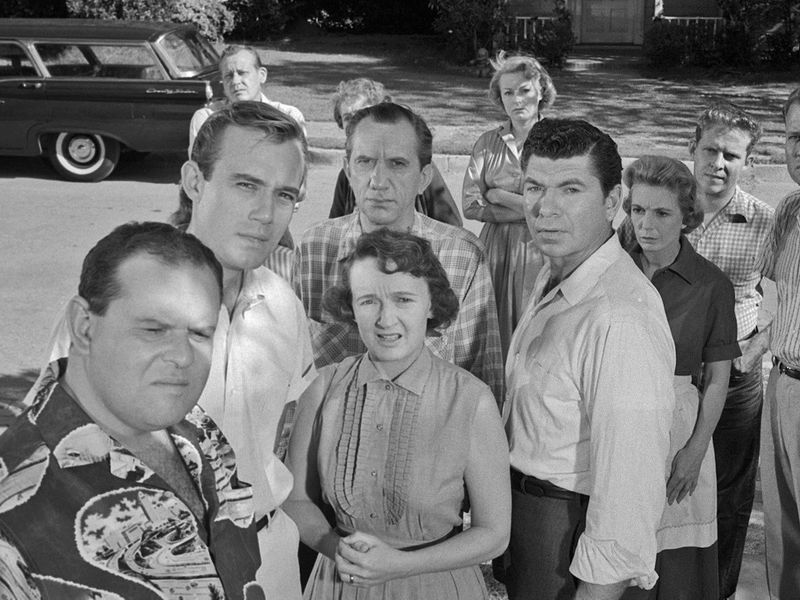
A power outage on a peaceful suburban street sends neighbors into full panic mode. Suspicion spreads fast, and ordinary people quickly turn on each other, convinced an alien spy is hiding among them.
Rod Serling wrote this episode as a warning about paranoia and mob mentality. It aired in 1960, but the message feels just as sharp today.
Fans rate it among the most socially relevant episodes the show ever produced.
3. Eye of the Beholder (Season 2, Episode 6)
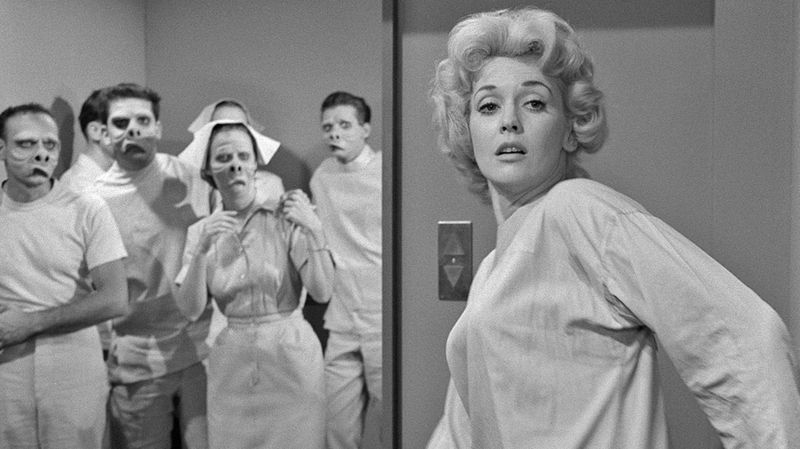
A woman lies in a hospital bed, her face hidden beneath layers of bandages after yet another treatment to make her look “normal.” When the wrappings come off, the shocking reveal flips everything the viewer assumed. Beauty, this episode argues, is entirely in the eye of the beholder.
The clever camera work kept audiences guessing right up to the final moment. It remains one of the most visually inventive episodes Serling ever crafted.
4. It’s a Good Life (Season 3, Episode 8)
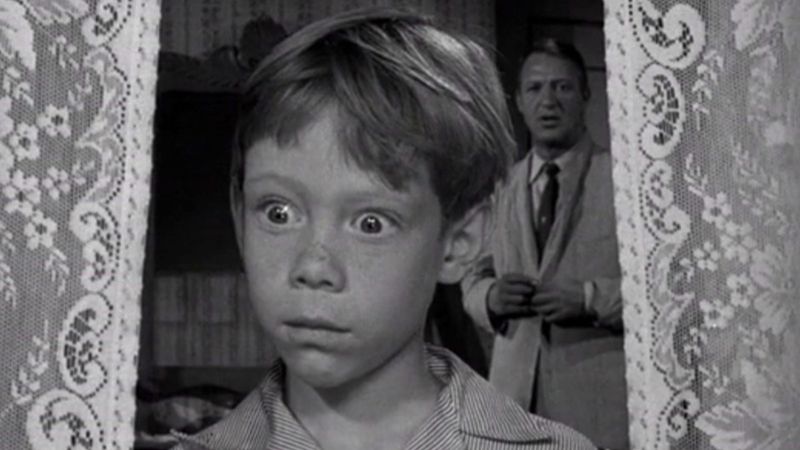
Imagine a six-year-old with the power to think anything he wants into reality, and no one dares make him unhappy. Bill Mumy plays Anthony Fremont, a child who is equal parts adorable and absolutely terrifying.
Every adult around him lives in constant fear of saying the wrong thing. This episode works because it taps into real anxieties about powerlessness.
Fans call it one of the most unsettling half-hours in all of classic television.
5. To Serve Man (Season 3, Episode 24)
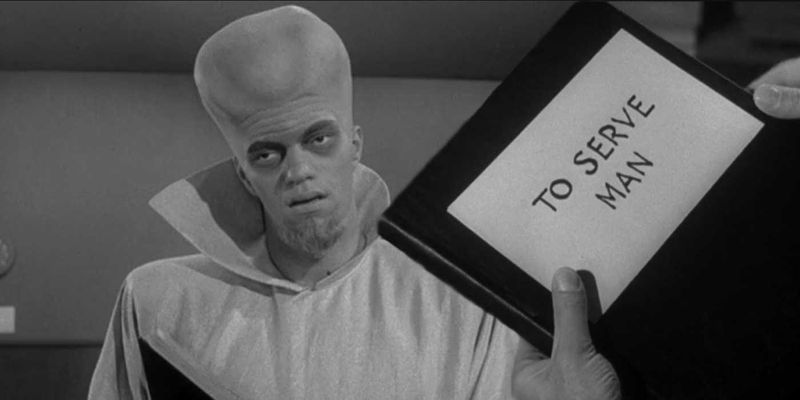
Aliens arrive on Earth promising peace, prosperity, and friendship. They even leave behind a book titled “To Serve Man,” which scientists rush to decode.
The punchline is one of the most famous in TV history, and it involves a cookbook. Rod Serling adapted this one from a short story by Damon Knight.
Fans love it for the way it plays on human gullibility and the dark humor tucked behind its science fiction premise.
6. Nightmare at 20,000 Feet (Season 5, Episode 3)
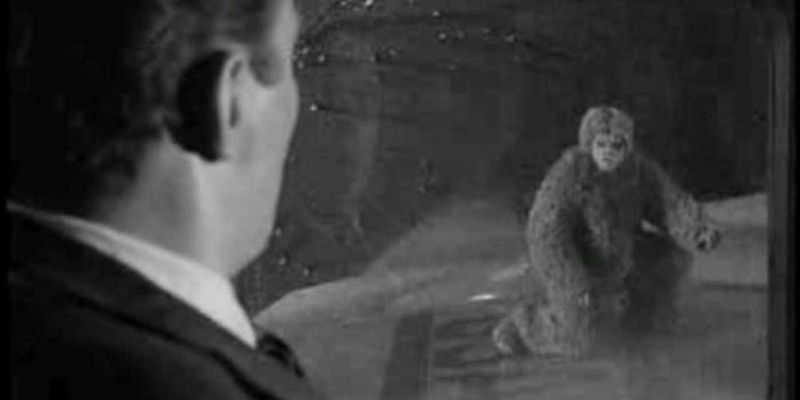
William Shatner plays a man recovering from a nervous breakdown who spots a gremlin tearing apart the wing of his airplane mid-flight. Nobody else sees it.
The tension in this episode comes from not knowing whether to trust the character or write him off as unstable. Richard Matheson wrote the original story, and the suspense holds up beautifully.
A later remake with John Lithgow in the 1983 film version only added to the legend.
7. The Invaders (Season 2, Episode 15)
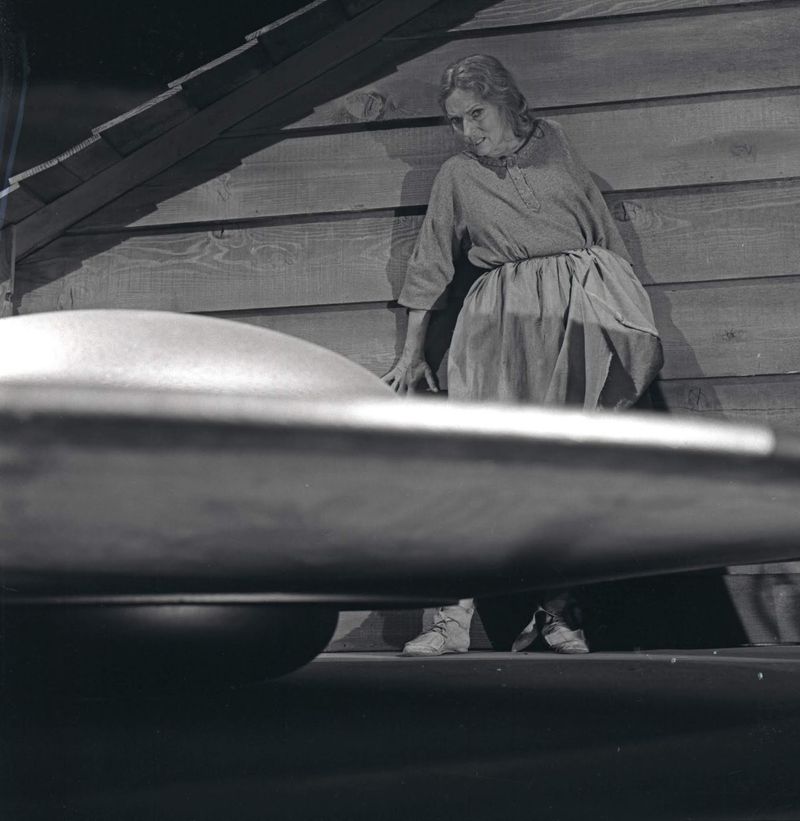
Almost entirely without dialogue, this episode follows a lone woman terrorized by tiny creatures that have landed on her roof. Agnes Moorehead delivers a masterclass in physical acting, carrying the entire episode on her own.
The twist at the end reframes everything beautifully. Writers and film students still study this episode for its bold storytelling choices.
Stripping away speech forced the audience to feel every moment of confusion and fear right alongside the character.
8. Walking Distance (Season 1, Episode 5)
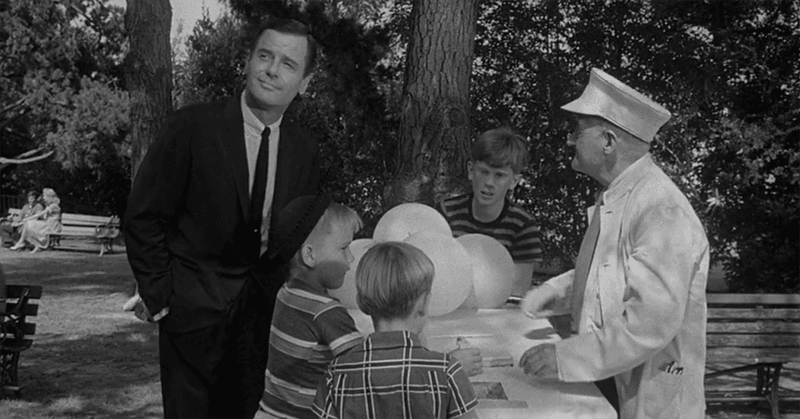
A burned-out advertising executive stumbles back into his own childhood hometown, somehow transported decades into the past. He watches his younger self play and longs to warn him to slow down and enjoy life.
This episode is quieter and more emotional than most Twilight Zone entries. Rod Serling reportedly poured a lot of his own feelings into it.
Fans who catch it as adults often say it hits differently every single time they revisit it.
9. The Hitch-Hiker (Season 1, Episode 16)
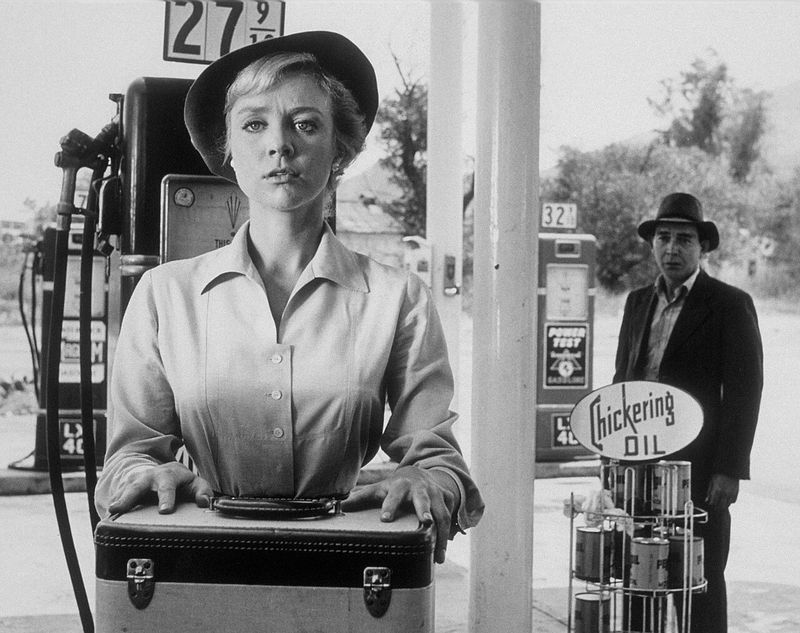
Nan Adams is driving cross-country when she keeps spotting the same hitchhiker on the road, no matter how far she drives. The figure just stands there, waiting.
Inger Stevens plays the lead with raw, believable panic that keeps you completely hooked. Based on a radio play by Lucille Fletcher, the story builds dread slowly and steadily.
The final phone call delivers a chill that fans describe as one of the most quietly devastating moments in the series.
10. Five Characters in Search of an Exit (Season 3, Episode 14)
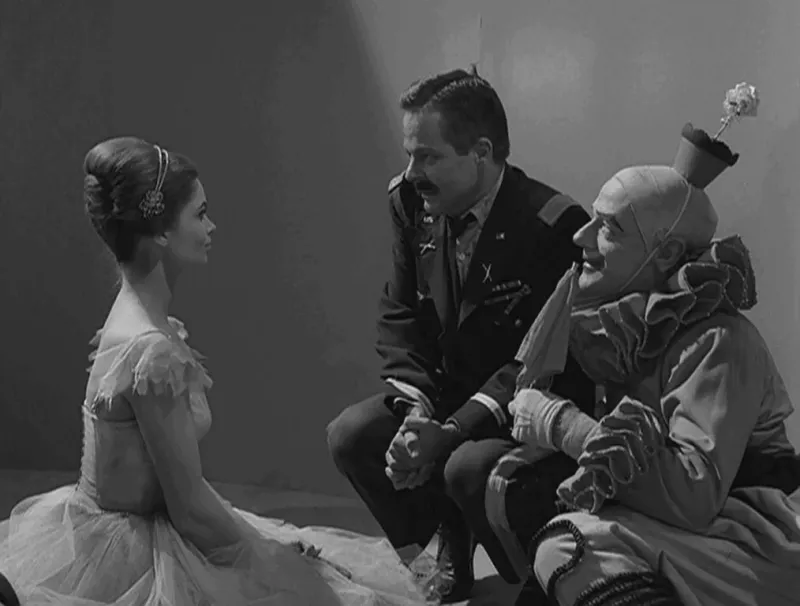
Five strangers with no memories find themselves trapped in a featureless cylinder with no way out. A soldier tries to lead an escape while the others argue, despair, or simply give up.
The philosophical undertones run deep, touching on questions of identity and purpose. Then the final reveal reframes the entire episode in seconds.
Fans who enjoy stories that make them think long after the credits roll consistently rank this one among their personal favorites.
11. The Obsolete Man (Season 2, Episode 29)
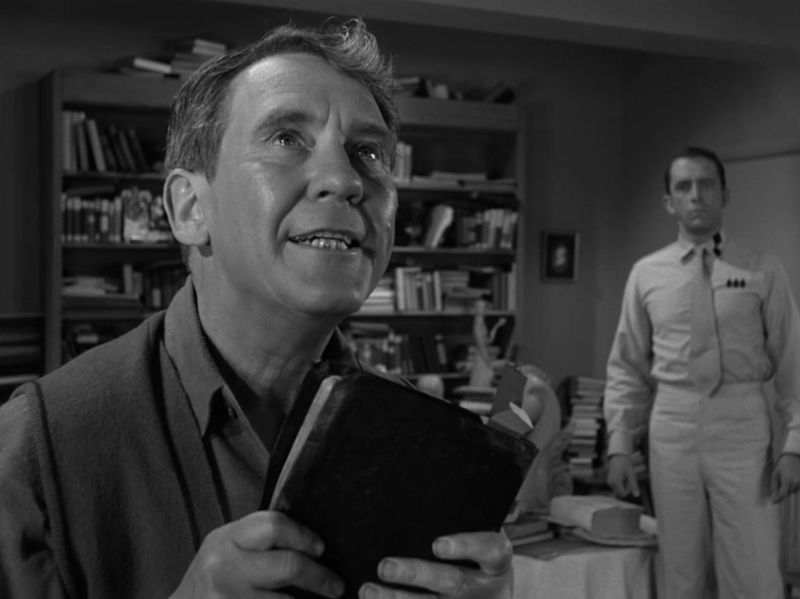
In a totalitarian future, a librarian named Romney Wordsworth is declared obsolete by the state and sentenced to death. Burgess Meredith appears again here, turning in another career-defining performance opposite Fritz Weaver.
The episode is a fierce defense of individual worth and the value of books and faith. Rod Serling wrote it as a direct challenge to authoritarianism.
Fans studying political philosophy or dystopian fiction frequently point to this episode as required viewing.
12. A Stop at Willoughby (Season 1, Episode 30)
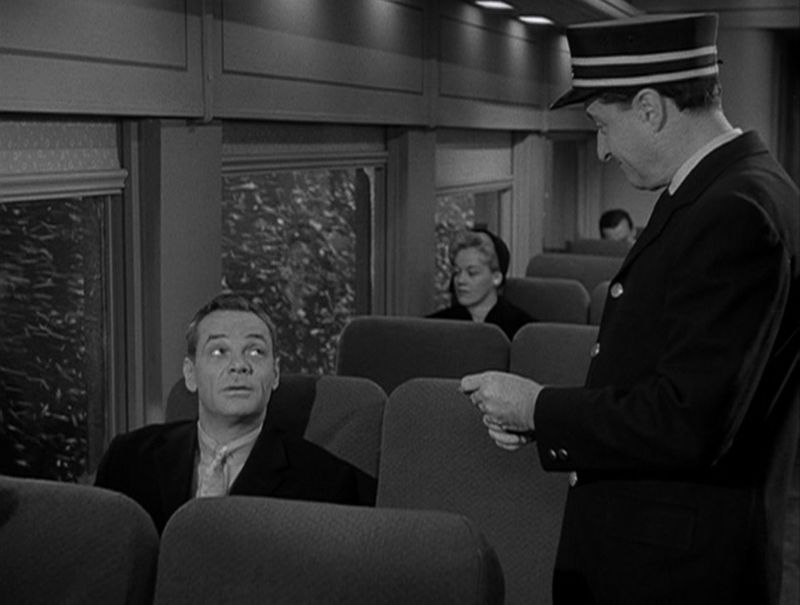
Every evening on his commute home, a stressed executive falls asleep and wakes up in Willoughby, a peaceful 1880s town where life is slow and sweet. He becomes obsessed with staying there forever.
James Daly plays the lead with quiet exhaustion that many modern viewers find relatable. The ending is genuinely heartbreaking and open to interpretation.
Fans often debate whether the conclusion is tragic or a kind of mercy, and that ambiguity keeps them coming back.
13. Long Live Walter Jameson (Season 1, Episode 24)
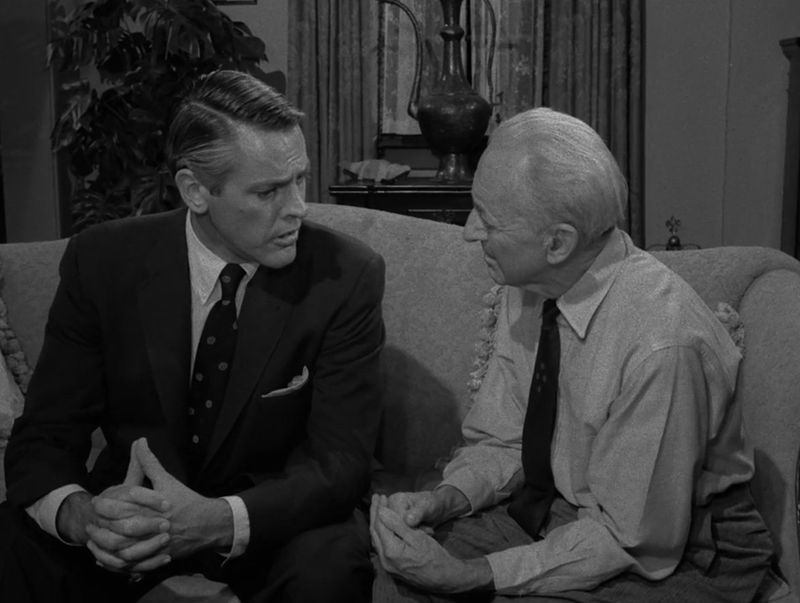
A history professor seems to know ancient events a little too well, almost like he was there. His colleague soon discovers the truth: Walter Jameson has been alive for thousands of years, unable to die.
The episode asks a haunting question about whether immortality is truly a gift. Kevin McCarthy delivers a quietly magnetic performance.
Fans who love character-driven stories without flashy special effects say this one lingers in the mind long after watching.
14. The After Hours (Season 1, Episode 34)
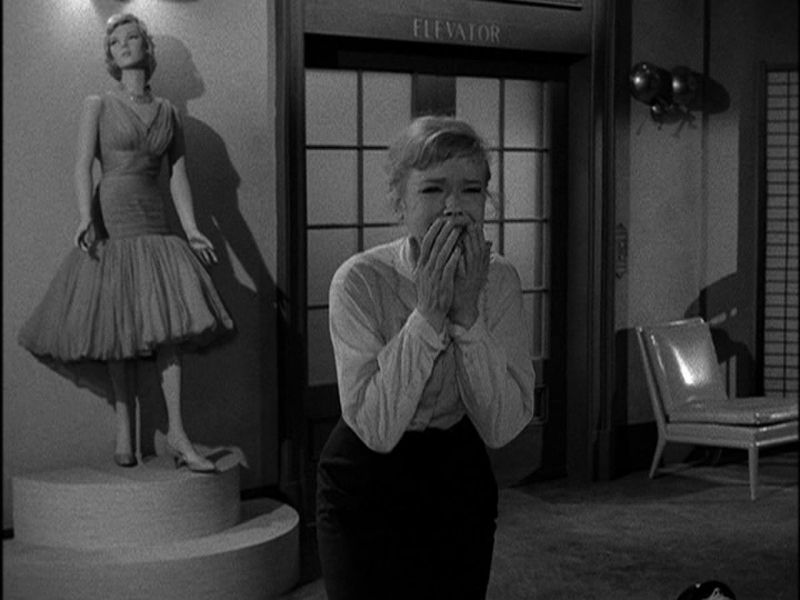
Marsha White buys a thimble on a floor of a department store that nobody can seem to find afterward. Then the mannequins start looking familiar.
Anne Francis brings warmth and vulnerability to a role that could easily have felt silly. The episode plays on a very ordinary fear: being alone somewhere after hours when everything feels slightly off.
Its quiet, creeping atmosphere is what fans remember most, not jump scares or loud effects.
15. Nick of Time (Season 2, Episode 7)
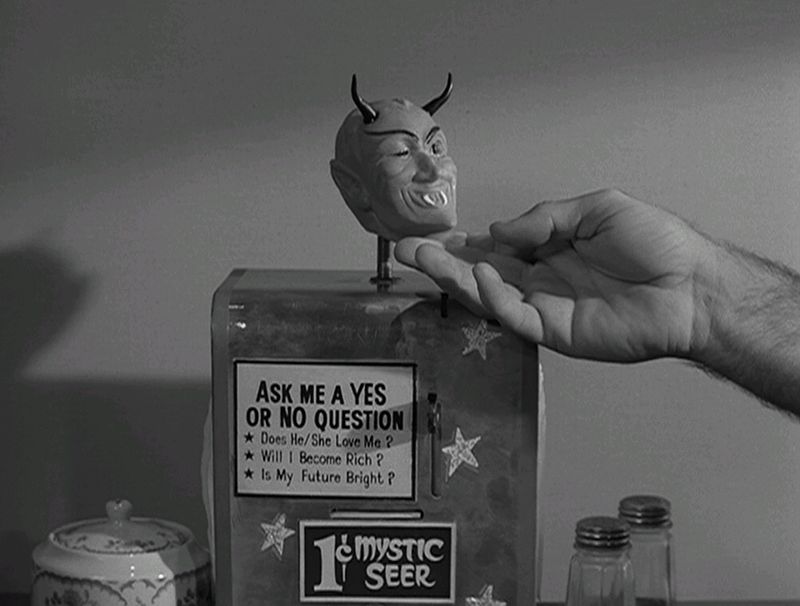
William Shatner appears again, this time as a newlywed who becomes dangerously obsessed with a penny fortune-telling machine at a roadside diner. The machine seems to answer every question correctly.
What makes this episode brilliant is that it never confirms whether the machine is actually supernatural. The real horror is watching a rational person surrender their free will to a gimmick.
Fans call it one of the smartest psychological episodes the original series ever delivered.
16. The Lonely (Season 1, Episode 7)
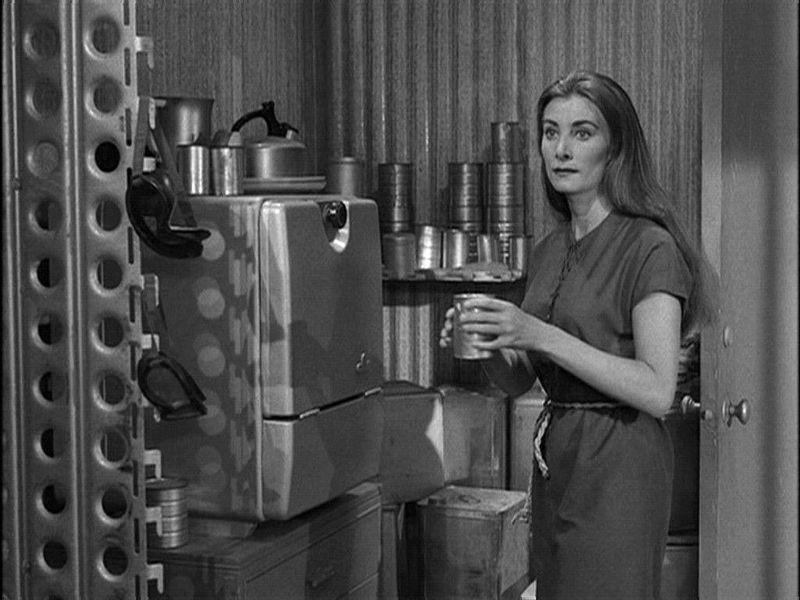
James Corry is serving a 50-year sentence in isolation on an asteroid, with only rocks and silence for company. A supply ship captain takes pity on him and leaves behind Alicia, a robot built to look and feel human.
Corry falls in love. The episode raises genuine questions about loneliness, connection, and what makes someone real.
Fans with a soft spot for emotionally rich science fiction consistently place this one high on their personal Twilight Zone rankings.
17. Mirror Image (Season 1, Episode 21)
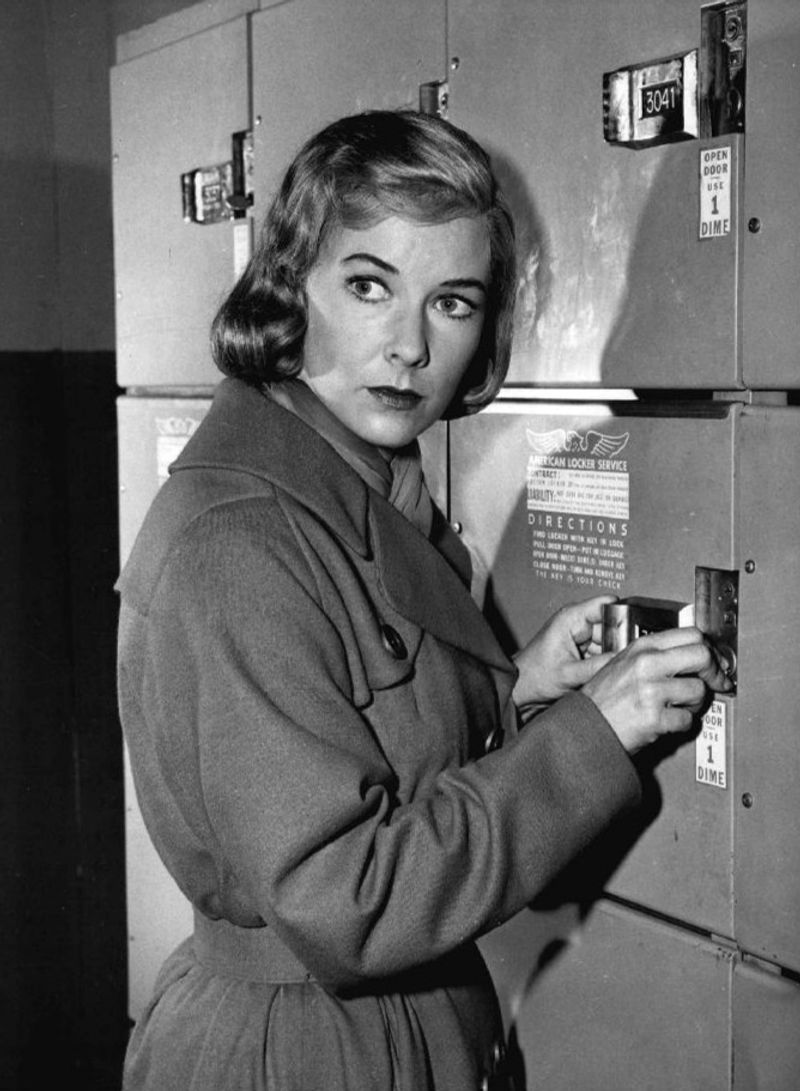
Vera Miles plays a woman waiting at a bus depot who starts noticing that her luggage has been moved and that strangers claim to have seen her somewhere she has never been. Then she sees her exact double.
The episode taps into the primal unease of doppelgangers and the fear of losing your own identity. Rod Serling based it on folklore about shadow selves.
Fans say the open ending is what makes it genuinely haunting rather than just spooky.