
Years of blame, control, or put-downs can make you question your own worth. Whether you are still married or have left, you can begin rebuilding trust in yourself.
Only a qualified professional can diagnose narcissistic personality disorder, but harmful behavior deserves attention with or without a diagnosis. The steps below offer practical ways to protect your peace and feel more like yourself again.
1. Name What Happened Without Blaming Yourself

Constant criticism can become so familiar that you stop noticing how much it hurts. Write down patterns you remember, such as insults, threats, or repeated denial of events.
Focus on behavior rather than proving a label.
If keeping notes could put you at risk, skip that step or ask an advocate about safer options. Being mistreated was not your fault.
Understanding what happened can help separate someone else’s choices from your worth as a person.
2. Find Professional Support That Feels Safe

You do not have to untangle years of hurt alone. Look for a licensed therapist who understands trauma and emotional abuse.
Ask how they help people rebuild confidence and whether they respect your pace.
A good fit should leave room for questions, choices, and honest feedback. Discuss treatment options together instead of chasing a promised cure.
If cost is a barrier, ask community clinics about reduced fees, support programs, or referrals to affordable local services.
3. Put Safety Before Boundary Setting

A boundary is not a magic phrase that makes someone respectful. It describes what you will do to protect yourself, such as ending a call when insults begin.
Choose limits that fit your situation.
If your spouse threatens, monitors, or frightens you, seek a private safety plan from a domestic violence advocate before changing contact. Shared children or legal orders may require communication.
Keep necessary exchanges brief and practical when safe, with professional guidance available.
4. Let Trustworthy People Back In

One steady listener can make a lonely week feel less heavy. Reach out to someone who respects your privacy and listens without pushing you toward a decision.
You can share a little before sharing more.
Consider a support group with clear rules about respect and privacy. Notice how you feel after each meeting or conversation.
Healthy support makes space for your choices, not demands for quick answers. Trust can return through many small, respectful moments.
5. Rediscover the Things You Enjoy

Remember the music you loved before someone mocked your taste? Small favorites can help you reconnect with yourself.
Make a list of hobbies, foods, places, and ideas that interest you, even if they seem ordinary.
Choose one thing to try without needing to be good at it. Borrow a library book, sketch for ten minutes, or revisit a favorite walking route.
Enjoyment does not need approval. Your preferences deserve room, even when they change later.
6. Care for Yourself Without Earning It

Rest is not a prize for handling everything perfectly. Long periods of stress can disrupt sleep, appetite, and focus.
Start with basic care that fits your resources, such as regular meals, water, and a steady bedtime.
On difficult days, lower the bar instead of turning care into another test. A short stretch or quiet break still counts.
Speak to yourself as you would to a tired friend. Persistent sleep or health problems deserve medical attention.
7. Question the Critic in Your Head

Whose voice do you hear when you call yourself useless? Harsh messages can linger after repeated put-downs.
When one appears, pause and ask what evidence supports it and what evidence tells a fuller story.
Replace sweeping insults with fair statements. Forgetting an appointment means you missed an appointment, not that you fail at life.
Keep a few real examples of your effort nearby. Believable kindness often helps more than praise that feels impossible to accept.
8. Practice Making Your Own Choices

Choosing lunch can feel surprisingly hard when your choices were often questioned. Begin with decisions that carry little risk, like picking a book or planning your afternoon.
Give yourself permission to have a preference.
Notice your feelings and body signals, but remember that fear after abuse does not always mean present danger. Check the facts and seek trusted input when needed.
Confidence grows as you learn that a choice can be imperfect and still manageable.
9. Keep One Small Promise Today

Big plans can wait; a five-minute walk is a real beginning. Pick one goal small enough to complete on an average day.
Make it specific, such as opening your mail or calling one supportive friend.
Mark the action when you finish and notice what helped. If you miss it, adjust the goal instead of attacking yourself.
Repeated follow-through gives you evidence that your efforts matter. Progress comes from returning, not from maintaining a perfect streak.
10. Make Room for Grief
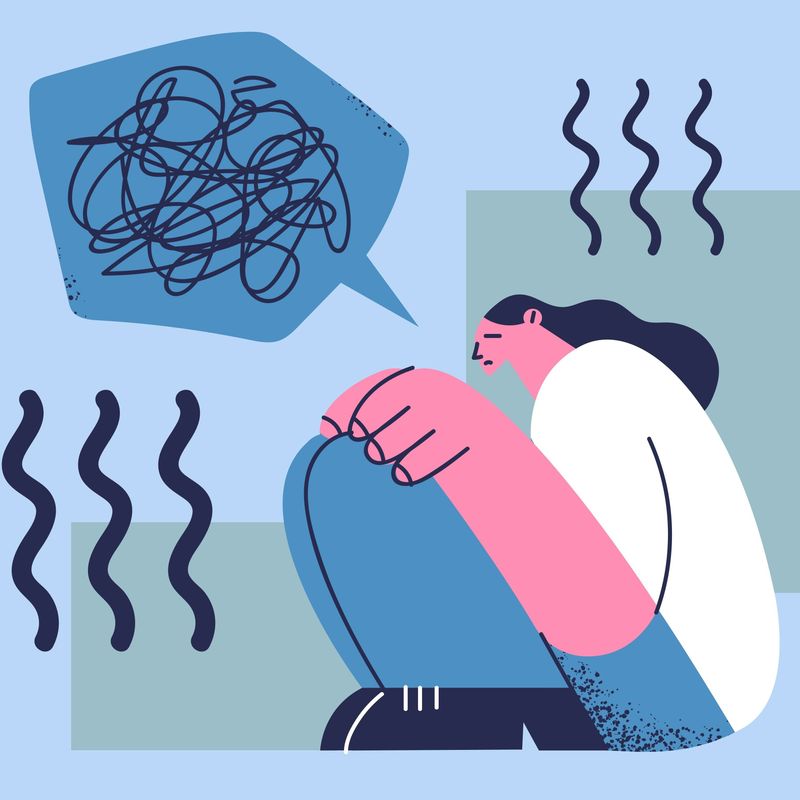
You may miss the future you hoped for, even while knowing the relationship caused harm. Grief can include lost time, broken trust, and happy memories that now feel confusing.
Mixed feelings do not cancel your experience.
Allow space to cry, write, talk, or simply rest. There is no deadline for feeling better, and relief can exist beside sadness.
If grief makes daily life feel unmanageable, reach out for professional support rather than carrying it alone.
11. Collect Evidence of Your Strengths

Your strengths may be easier to spot in actions than in a mirror. Think about a problem you solved, a kindness you offered, or a hard day you got through.
Write down what each example shows.
Perhaps you were patient, resourceful, brave, or willing to learn. Ask a trusted person for examples if your mind goes blank.
Celebrate effort with something simple and pleasant. Recognizing strengths is not bragging; it helps correct an unfair picture.
12. Build a Life Around Your Values

A fuller life does not have to revolve around proving someone wrong. Choose three values that matter to you, such as honesty, peace, learning, or friendship.
Then connect each value to one realistic action.
You might protect an evening for rest, take a class, or spend time with respectful people. Review your choices as your needs change.
Recovery is not becoming your old self on command. It is gaining freedom to shape what comes next.
13. Get Familiar With Your Money

A bank statement can feel like a foreign language when someone else controlled the money. Start with one task, such as learning your monthly income or finding out which bills carry your name.
You do not need to solve everything today. A trusted financial counselor or abuse advocate can explain options without making choices for you.
If your spouse monitors accounts or devices, get safety advice before changing passwords, moving money, or opening accounts. Small steps toward understanding your finances can reduce uncertainty.
The goal is not instant wealth, but knowing what you have and where to turn for help safely.
14. Give Your Voice Some Space

Your voice may sound unfamiliar when you are no longer choosing every word to avoid criticism. Try reading a page aloud, singing in the car, or ordering a meal without apologizing for your preference.
Choose a private setting if being overheard could cause trouble. There is no need to sound bold, cheerful, or perfectly calm.
Notice how it feels to finish a sentence without explaining yourself afterward. You might record a short message for yourself, if storing it is safe.
Hearing your own words can help you remember that your thoughts deserve room, even when your voice shakes a little today.
15. Try Being Delightfully Bad at Something

A crooked clay bowl can teach a useful lesson: mistakes do not make you less worthy. Pick a beginner activity with low stakes, such as juggling scarves, drawing cartoons, or taking a friendly improv class.
Look for a teacher who welcomes questions and never uses shame as motivation. Watching others stumble and laugh kindly can make learning feel safer.
Skip anything that feels overwhelming, and leave if the group becomes unkind. The point is not to become impressive.
It is to experience being new at something without punishment, then discover that an awkward moment does not have to define your day.
16. Listen to Anger Without Letting It Drive
That flash of anger may be telling you something mattered. After years of swallowing unfair treatment, feeling upset does not mean you are becoming like the person who hurt you.
Pause before sending messages or confronting anyone. Name what happened, notice where tension sits in your body, and try a safe outlet, such as walking or pressing your feet against the floor.
A counselor can help if anger feels frightening or hard to manage. You can respect the feeling without acting on every urge.
Over time, anger may help you spot unfair treatment sooner and choose a response that protects you.
17. Make One Corner Feel Like Yours

Maybe you always wanted a yellow chair, but someone called your taste silly. If your living situation allows it, claim a small corner with a color, photo, or object you genuinely like.
A library book beside your bed counts. So does arranging your desk for your comfort rather than someone else’s approval.
Keep changes modest if money is tight, and avoid changes that could increase danger in a shared home. You are not decorating your way out of harm.
You are giving yourself a daily reminder that your comfort belongs in the picture, alongside everyone else’s needs and wishes, including yours.
18. Curate a Kinder Digital World

A quick scroll can leave you feeling smaller when every post seems to judge your body, choices, or progress. Notice which accounts bring useful information and which leave you tense.
When safe, mute upsetting content and follow people who discuss recovery without promising instant healing. Be cautious with strangers who diagnose your spouse or sell expensive cures.
If device monitoring is possible, ask an abuse advocate about safer browsing before making visible changes. You can also take breaks without announcing them.
Your feed is not a report card, and another person’s happy photo cannot measure how far you have already come.
19. Let Your Body Experience Safe Strength

Feeling strong does not require a gym membership or a dramatic makeover. Carrying groceries, stretching beside a chair, or learning a simple dance can remind you that your body does more than absorb stress.
Choose movement that fits your health, energy, and access needs. A supportive instructor should welcome limits and ask permission before touching you.
Some people enjoy beginner martial arts, while others prefer a slow walk with frequent rests. Stop if an activity causes pain or brings up overwhelming memories.
Aim for moments of comfort and ability, not punishment, weight loss, or proving that you are finally tough enough.
20. Plan a Tiny Adventure for Your Future

The future can feel blank when most of your energy has gone toward getting through today. Give yourself something small to look forward to, like visiting a local museum or watching a meteor shower.
Pick an outing that suits your budget and feels safe. Check transport, accessibility, and whether you would prefer company or quiet time alone.
You can change the plan without calling it failure. Anticipation itself may offer a little hope, even before you go anywhere.
Confidence often grows through ordinary experiences that show life can include curiosity, pleasure, and possibilities beyond managing another person’s moods all the time.