
A great movie can take you somewhere new without asking you to leave your seat. Spanish language films offer haunting fairy tales, sharp comedies, moving family stories, and adventures drawn from real life.
Made in Spain and across Latin America, these films share different cultures while exploring feelings we all understand. Turn on the subtitles and find a story that stays with you.
1. Pan’s Labyrinth (2006): A Fairy Tale with Teeth

Fairy tales rarely feel as beautiful or as dangerous as Guillermo del Toro’s vision of Spain in 1944. Young Ofelia discovers a strange hidden world while living under the rule of her cruel military stepfather.
Watch how the magical creatures reflect the human threats around her. Despite its young heroine, the film contains brutal violence and frightening scenes.
Save it for a mature viewing night, and leave time afterward to discuss its haunting, open ending.
2. All About My Mother (1999): Family Beyond Blood

Grief sends a mother to Barcelona, but unexpected friendships give her reasons to keep going. Pedro Almodóvar’s Oscar winner follows Manuela as she searches for her late son’s other parent and meets people carrying their own painful secrets.
Bright colors and lively humor soften the sadness without brushing it aside. Notice how theater shapes the story’s ideas about identity and care.
Expect mature themes, including sexuality and drug use, alongside remarkable warmth and generous human feeling.
3. Y tu mamá también (2001): The Road Changes Everything

A beach trip sounds simple until jealousy, desire, and hidden truths climb into the car. Alfonso Cuarón follows two teenage friends and an older woman across Mexico in a story that mixes wild humor with growing unease.
Listen closely to the narrator, who reveals lives and struggles the travelers barely notice. Those details turn a personal adventure into a wider portrait of class.
Explicit sexual content makes this an adult choice, not a casual family selection.
4. Amores Perros (2000): Lives on a Collision Course
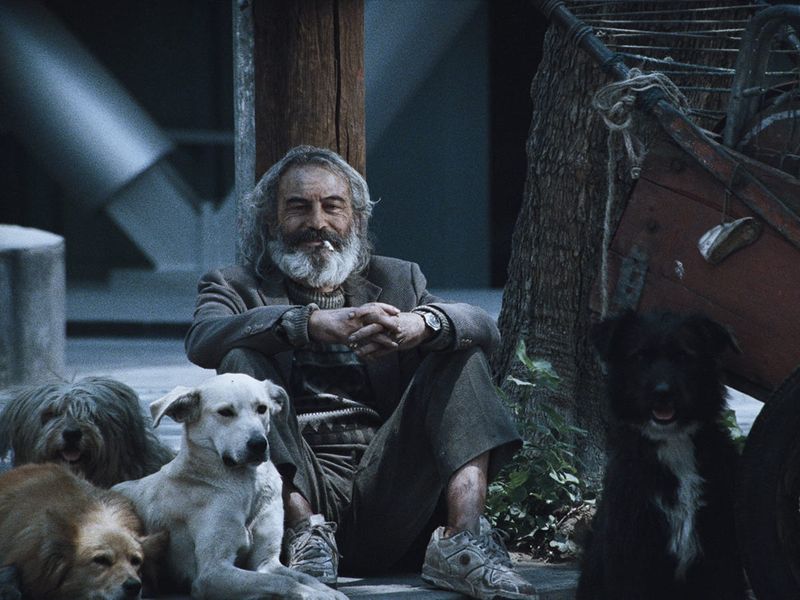
One car crash tears through three very different lives in Mexico City. Alejandro González Iñárritu’s debut moves between a troubled young man, a model, and a former guerrilla, using their stories to examine love, loyalty, and loss.
Dogs connect these worlds, sometimes in deeply upsetting ways. Be prepared for animal cruelty, dogfighting, and strong violence.
Follow the changing viewpoints rather than expecting a straight timeline; the connections become clearer as each section adds another emotional piece.
5. The Spirit of the Beehive (1973): Childhood in the Shadows
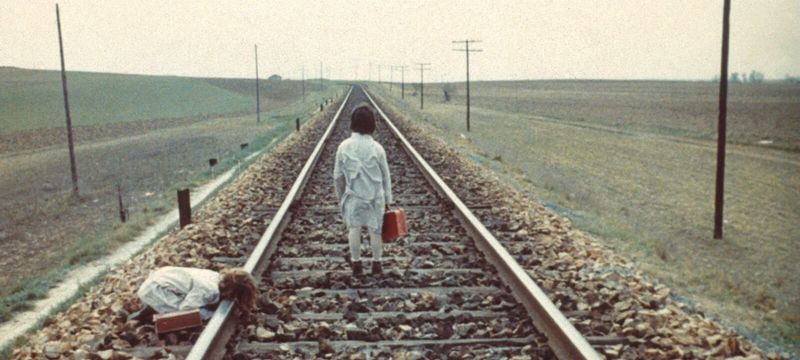
After seeing Frankenstein, a little girl begins searching for a monster beyond the movie screen. Víctor Erice sets her quiet journey in a Spanish village in 1940, where adults seem distant and difficult truths remain mostly unspoken.
Give the film your full attention rather than waiting for big plot turns. Its honey colored light, empty rooms, and long pauses reveal a child’s confusion.
Knowing a little about Spain’s Civil War helps, but the feelings need no translation.
6. Talk to Her (2002): Care and Its Troubling Limits

Quiet hospital rooms become the setting for a deeply unsettling story about loneliness and human connection. Two men form a bond while caring about women who are in comas, but their situations raise very different moral questions.
Pedro Almodóvar uses dance, music, and conversation to explore what people cannot say. Approach the characters with curiosity, not automatic trust.
Sexual assault is central to the story, making consent and responsibility essential subjects for any discussion that follows.
7. Volver (2006): Secrets at the Kitchen Table
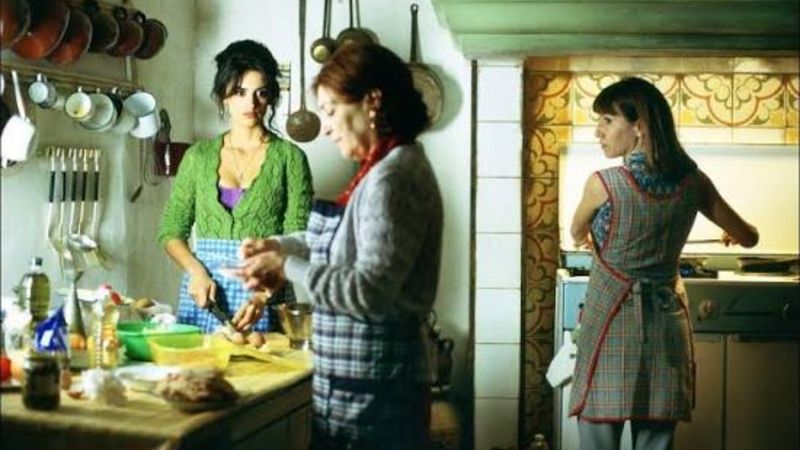
Family secrets arrive with enough force to interrupt dinner, work, and even death itself. Penélope Cruz leads Pedro Almodóvar’s lively drama about women managing grief, danger, and old wounds while keeping everyday life moving.
Set between Madrid and La Mancha, the film balances ghostly mystery with practical acts of survival. Pay attention to cooking, cleaning, and shared work: they show how care operates.
Beneath the jokes are abuse and trauma, so expect more than a reunion.
8. The Devil’s Backbone (2001): A Ghost with a Warning
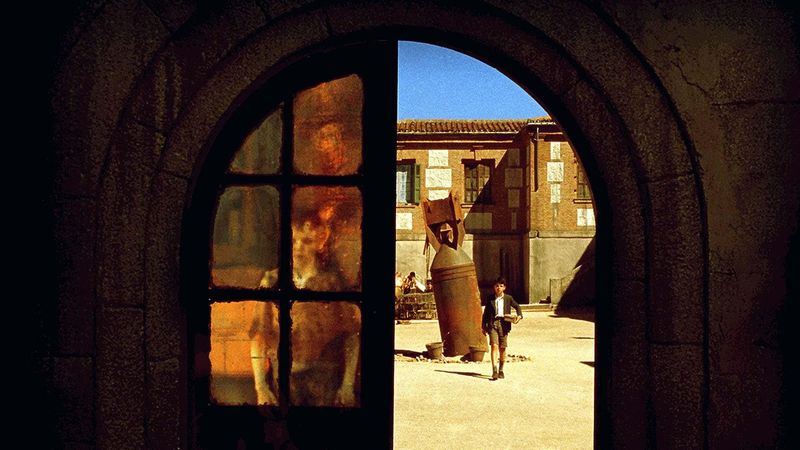
An unexploded bomb stands in an orphanage courtyard, a warning that danger has already arrived. Near the end of Spain’s Civil War, a newly arrived boy encounters a ghost and begins uncovering secrets the adults would rather hide.
Guillermo del Toro makes the haunting both frightening and sorrowful. Look beyond the scares to the children’s friendships and the damage caused by greed.
Violence and disturbing images make this unsuitable for younger viewers, despite its school age characters.
9. The Sea Inside (2004): Freedom, Love, and a Difficult Choice

Few films ask such difficult questions from such a small physical space. Javier Bardem plays Ramón Sampedro, a Spanish man with quadriplegia who fought for legal permission to end his life after decades of living with paralysis.
Alejandro Amenábar gives room to love, humor, and disagreement rather than making everyone think alike. Watch for the contrast between Ramón’s limited movement and his soaring imagination.
The subject can be emotionally challenging, especially for viewers facing illness or grief.
10. Thesis (1996): When Looking Becomes Dangerous
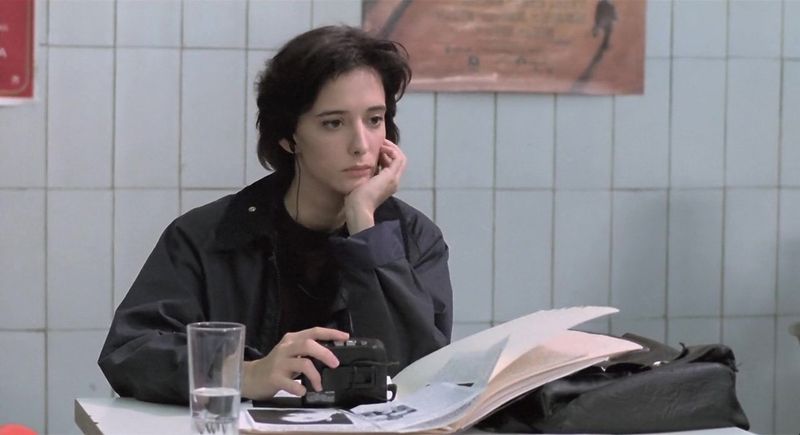
A research project turns into a nightmare when a film student finds evidence of a recorded murder. Alejandro Amenábar’s first feature follows Ángela through university corridors and video collections where curiosity quickly becomes a serious risk.
The thriller also asks why audiences seek violent images in the first place. Notice how often you want to see exactly what frightens her.
Expect disturbing material and mounting suspicion, then resist reading plot summaries that could spoil its carefully guarded surprises.
11. Open Your Eyes (1997): Trust Nothing You See
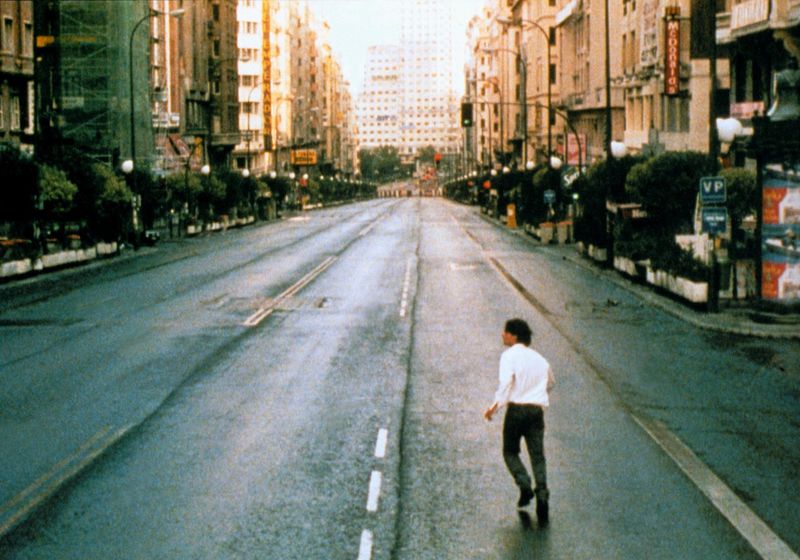
Imagine waking up unable to trust your face, your memories, or the person beside you. That uneasy feeling drives Alejandro Amenábar’s mystery about a young man whose comfortable life collapses after a devastating car crash.
Reality and fantasy keep trading places, so small visual details matter. Go in knowing as little as possible, especially if you have not seen its American remake, Vanilla Sky.
Afterward, compare interpretations with a friend rather than rushing toward one simple answer.
12. Even the Rain (2010): History Repeats Outside the Set
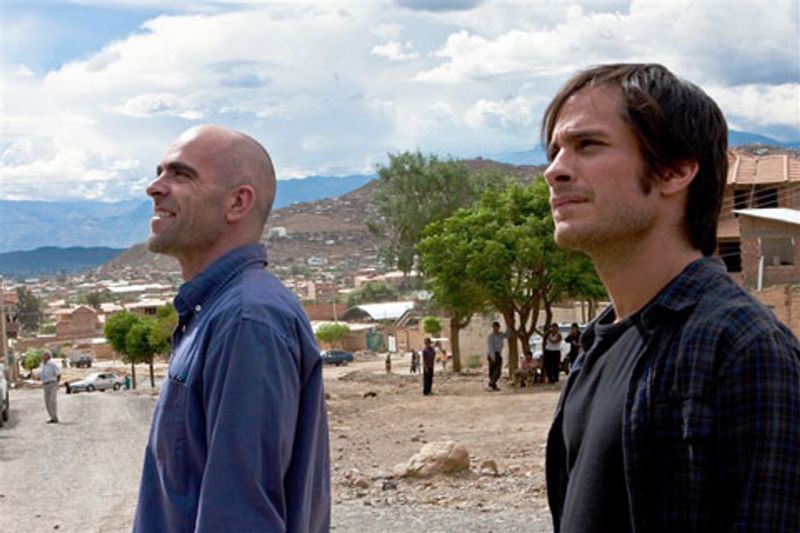
Making a movie about injustice means little if you ignore it outside your own set. Icíar Bollaín follows a Spanish crew filming a story about Columbus in Bolivia as protests erupt over control of the local water supply.
The setting draws on Cochabamba’s real water conflict in 2000. Watch how the crew’s choices echo the exploitation their movie condemns.
Some dialogue is in Quechua, adding another voice to a sharp story about power, fairness, and taking action.
13. The Executioner (1963): A Job Nobody Should Want
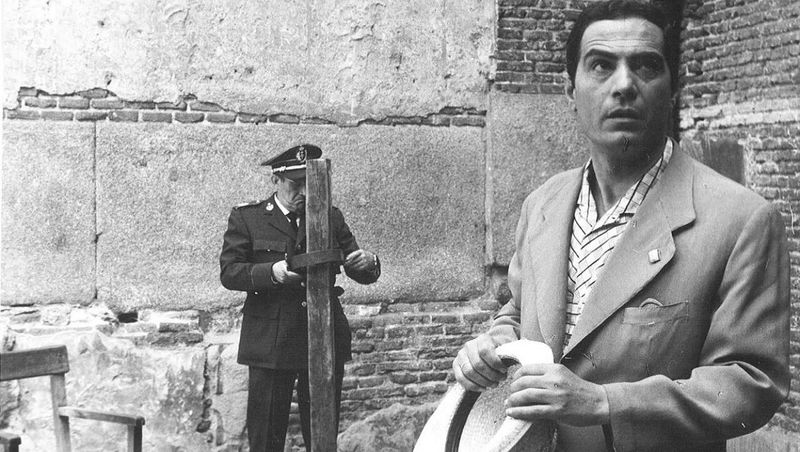
A steady job and a decent apartment sound appealing until the job involves executing prisoners. Luis García Berlanga builds a bitter comedy around an undertaker who gets pulled toward his father-in-law’s profession despite his obvious horror.
Instead of loud speeches, the film shows pressure arriving through paperwork, family needs, and ordinary conversation. Remember that it was made under Franco’s dictatorship, when criticism faced censorship.
Its humor is dry, its subject grim, and its final stretch deeply unsettling.
14. Welcome Mr. Marshall! (1953): Big Dreams in a Small Village
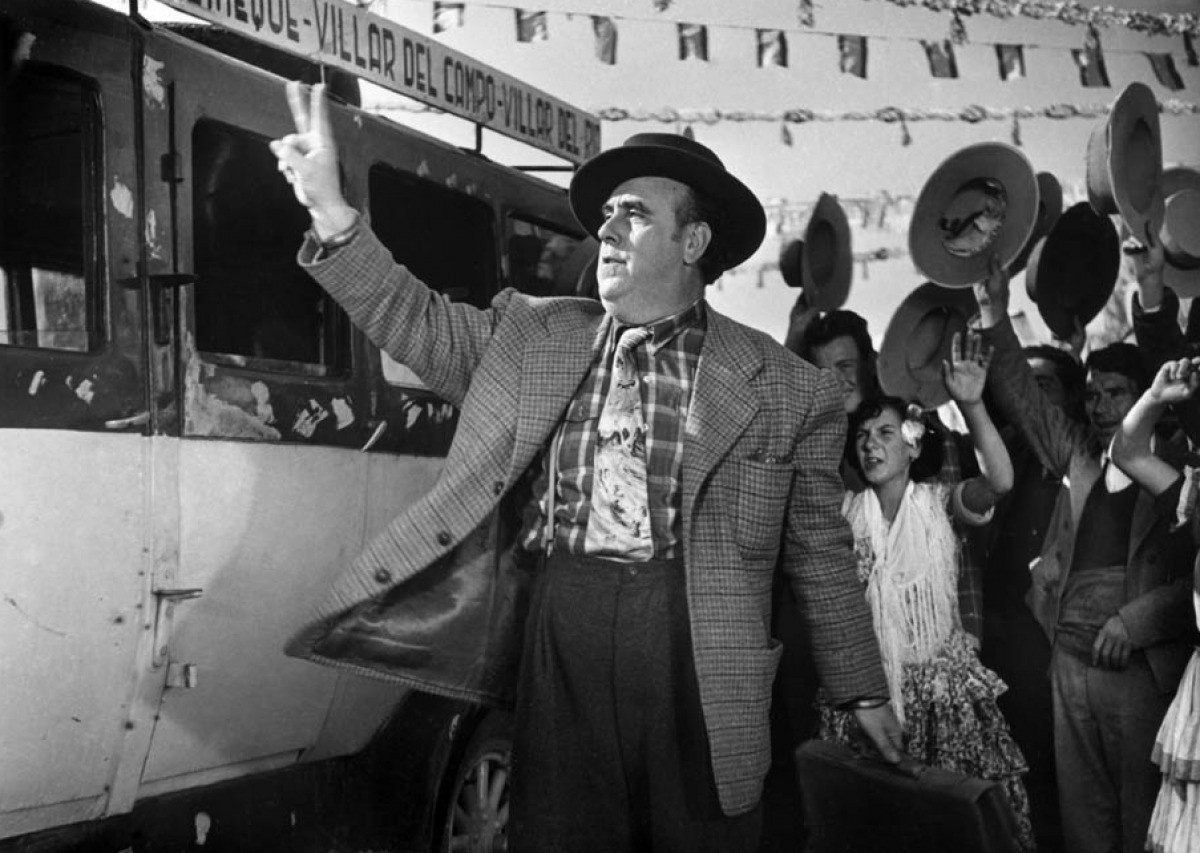
An entire village gets dressed up for visitors who might change everyone’s fortunes. In Luis García Berlanga’s playful satire, residents prepare to welcome American officials, hoping foreign aid will finally deliver the things their community lacks.
The joke grows sharper as local identity becomes a show designed to please outsiders. A little background on the Marshall Plan helps explain the hopes involved.
Enjoy the lively preparations, but notice whose dreams depend on promises nobody has actually made.
15. Like Water for Chocolate (1992): Feelings on the Menu
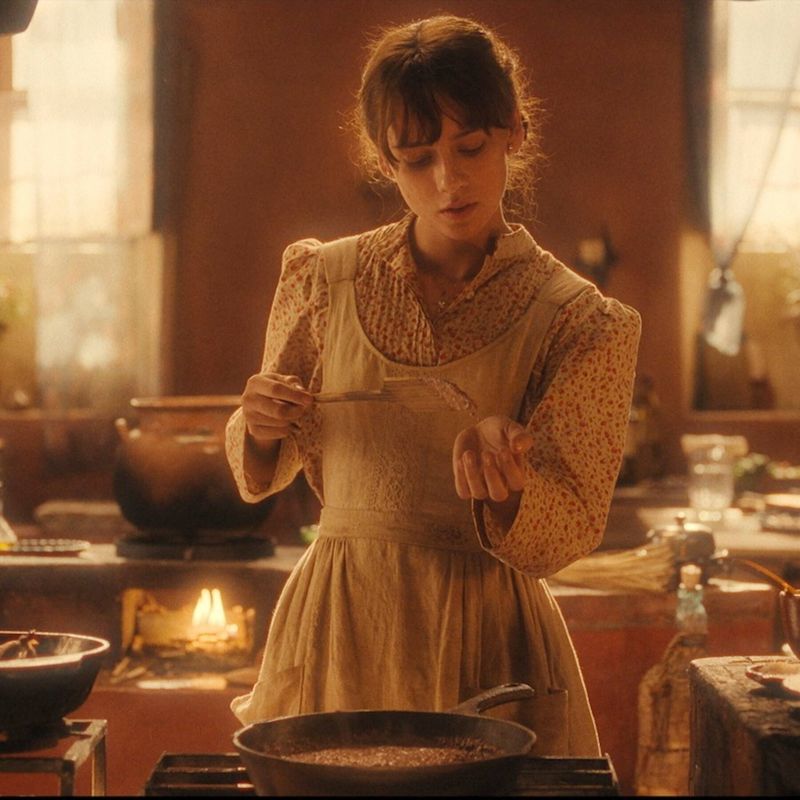
Love finds an unusual route when a young woman’s feelings pass directly into her cooking. Based on Laura Esquivel’s novel, Alfonso Arau’s film follows Tita, whose family tradition forbids her from marrying because she must care for her mother.
Meals become messages, turning longing and anger into magical events. Savor the kitchen details and the way recipes mark important changes.
Sexual content and painful family conflict sit alongside the romance, so do not mistake it for gentle comfort.
16. Society of the Snow (2023): Survival Through Shared Strength

Snow stretches in every direction, and rescue feels impossibly far away. J.
A. Bayona recreates the 1972 Andes plane crash involving a Uruguayan rugby team and others, focusing on the group rather than a single heroic survivor.
The physical hardship is intense, but cooperation gives the story its heart. Prepare for graphic injuries, death, and survival cannibalism.
Learning the basic history beforehand will not weaken the impact; the film’s deepest question concerns how people care for one another.