
America is famous for its bold, creative, and sometimes over-the-top food culture. From fancy restaurant menus to state fair novelties, some dishes get a whole lot of hype that they just can’t quite back up.
Whether it’s a sky-high price tag on something simple or a trendy twist on a classic that falls flat, these foods often leave people feeling a little underwhelmed. Here’s a look at 20 American foods that sound a lot more exciting than they actually are.
1. Molten Chocolate Cake
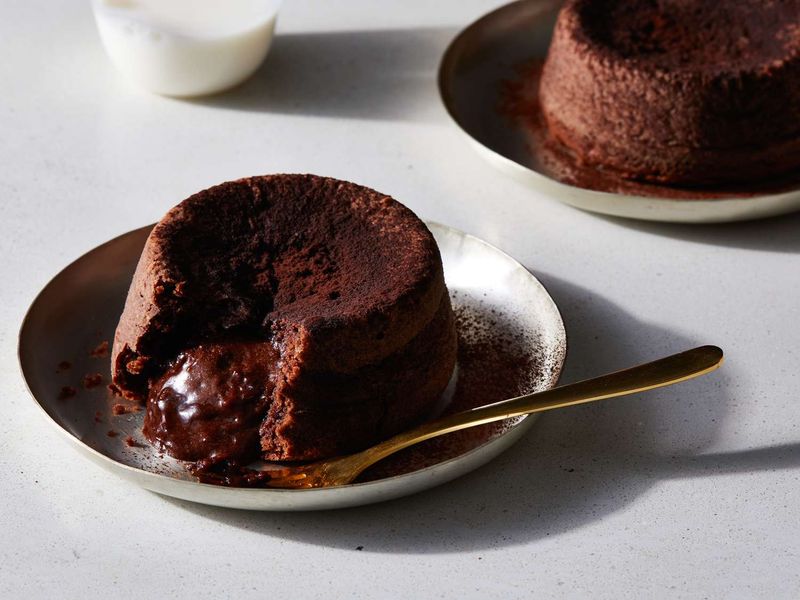
Restaurants have been charging top dollar for molten chocolate cake for decades, and honestly, the secret is a little embarrassing. It’s basically just an undercooked chocolate cake.
Pastry chefs figured out that pulling it from the oven early creates that dramatic, gooey center that wows customers.
At home, you can make one for less than two dollars. The fancy presentation does most of the heavy lifting here, and once you know the trick, the magic kind of disappears.
2. Wagyu Beef Burgers
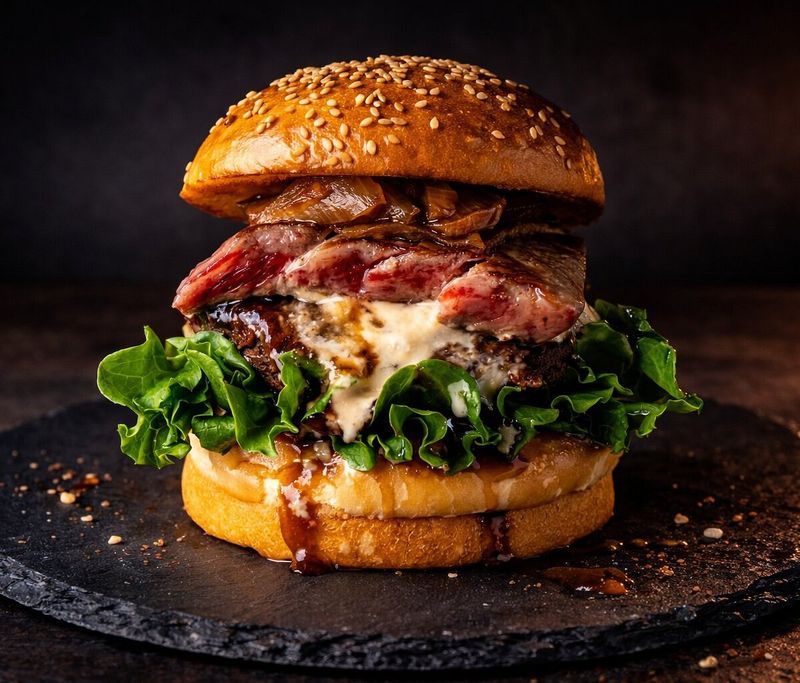
Wagyu beef has a legendary reputation, and for good reason when you eat it as a proper steak. However, grinding that same premium meat into burger patties is where things go sideways.
The grinding process destroys the delicate marbling that makes Wagyu so special in the first place.
You end up paying three or four times more for a burger that tastes like a slightly richer version of a regular patty. Fattier, cheaper cuts can honestly do the same job.
3. Barbecue Brisket
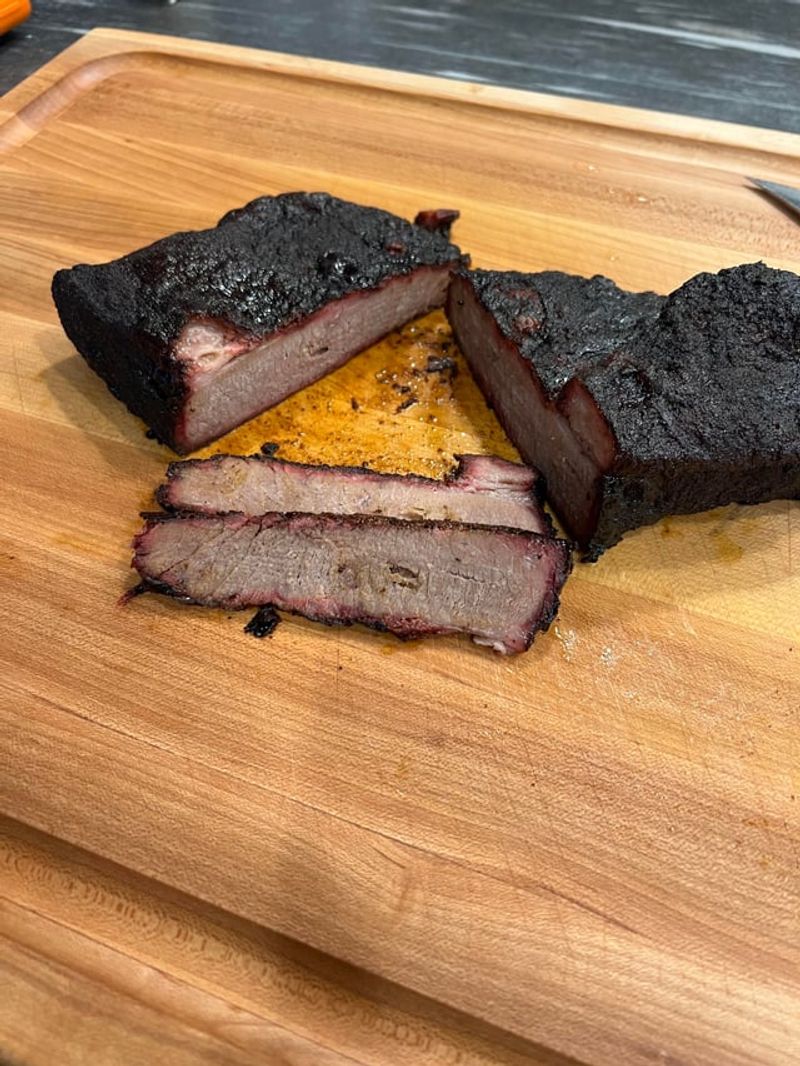
Barbecue is practically a religion in states like Texas and Tennessee, and the best versions are genuinely life-changing. But poorly executed barbecue is surprisingly common, and it gets away with its reputation because the good stuff is so legendary.
Dried-out, overcooked brisket drowning in bottled sauce shows up far too often, especially at tourist-heavy spots. Knowing where to go matters enormously with barbecue, and first-timers frequently leave confused about all the fuss.
4. Chicago Deep Dish Pizza
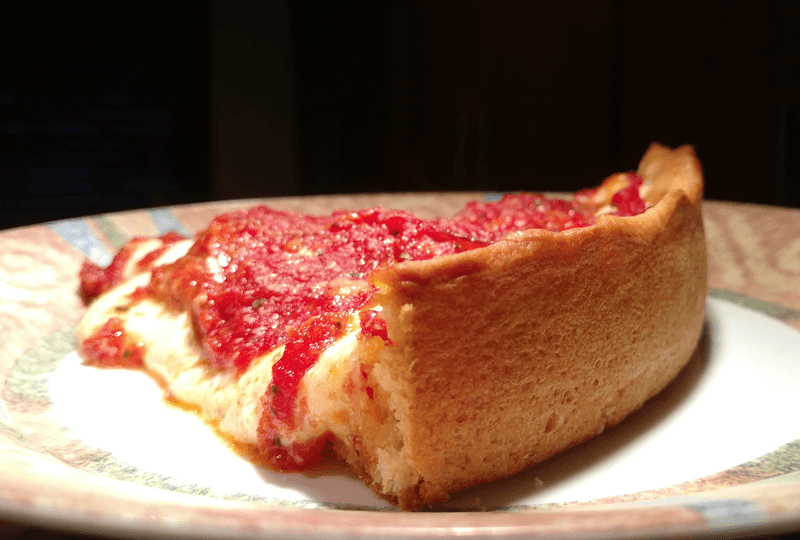
Chicago residents will fight you on this one, but deep dish pizza has a real consistency problem. The thick crust requires a long baking time, and getting it perfectly cooked all the way through is genuinely tricky.
Many versions come out with a gooey, undercooked middle hiding beneath that crispy top layer.
Visitors who travel specifically to try it sometimes walk away scratching their heads. It’s more of a casserole than a pizza, and that’s not always what people want.
5. Lobster Rolls
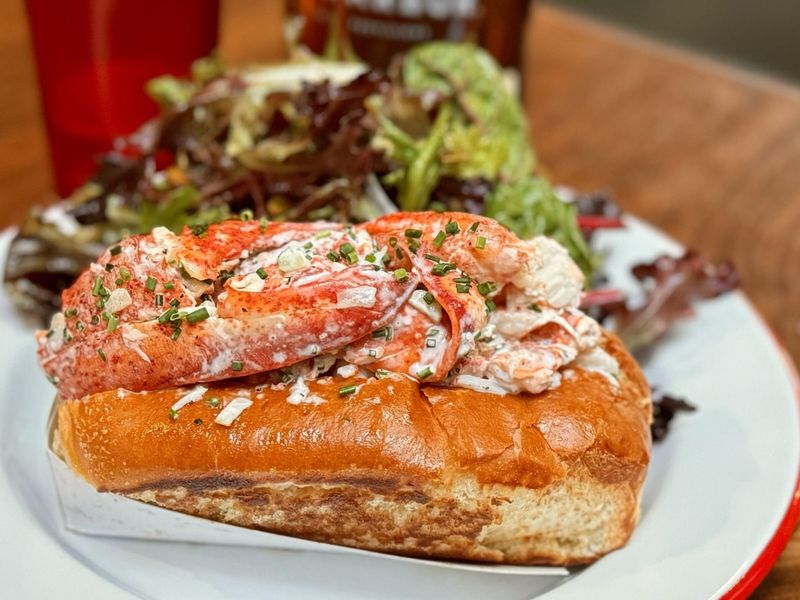
Lobster rolls used to be humble, affordable food that fishermen and beachgoers enjoyed along the New England coast. Somewhere along the way, they transformed into a luxury item that can cost upward of thirty or forty dollars for what is essentially a hot dog bun with seafood salad inside.
The markup is jaw-dropping when you consider the actual ingredients. Lobster is delicious, no argument there, but the roll format has become a vehicle for restaurants to charge fine dining prices for casual food.
6. Gourmet Hot Dogs
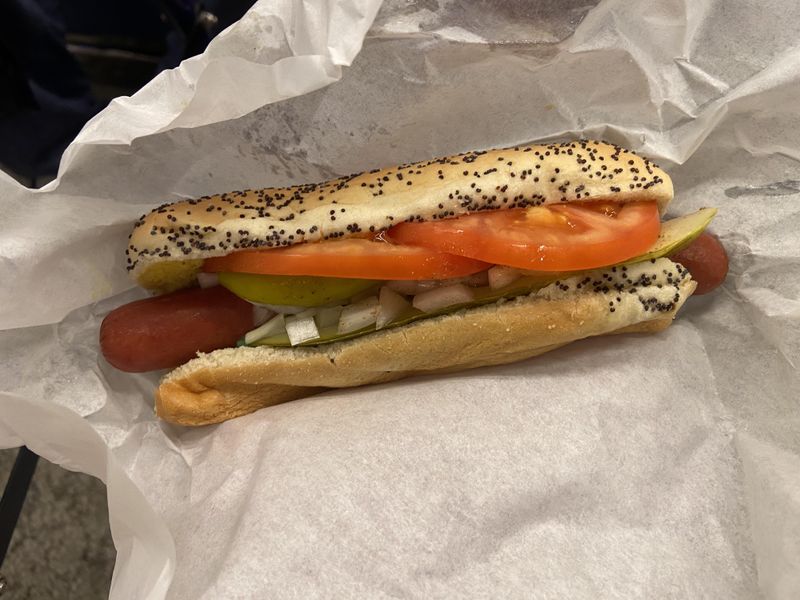
Hot dogs have a devoted fan base, and Chicago-style versions with their elaborate topping rules have become almost mythological in American food culture. However, at the end of the day, a hot dog is still a hot dog.
The base product is made from processed meat scraps, and no amount of celery salt or sport peppers fully disguises that reality.
The cultural ceremony around them is genuinely fun, but the actual eating experience rarely justifies the legendary status people assign to these humble sausages.
7. Gourmet Cheeseburgers
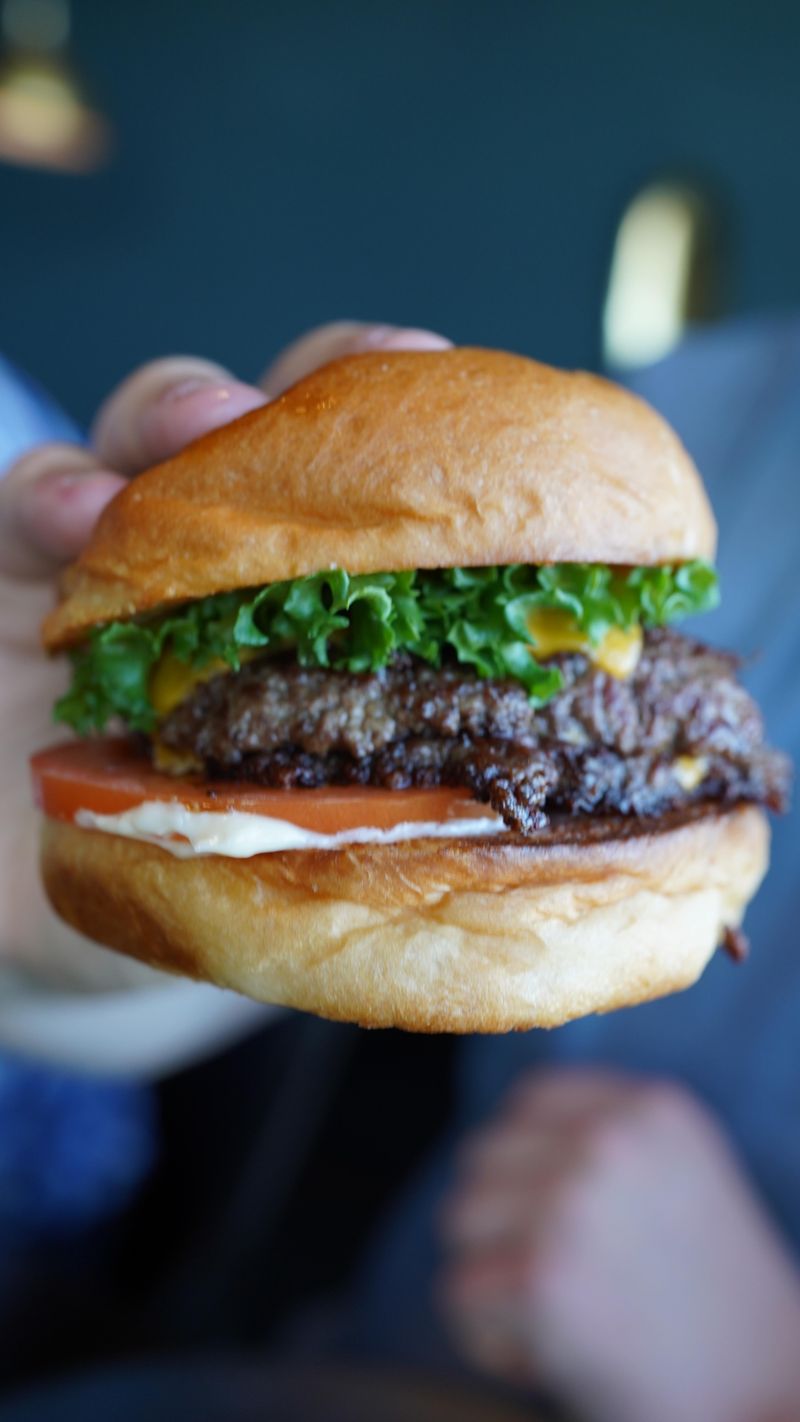
Somewhere between the classic diner burger and today’s towering restaurant creations, something went seriously wrong. Restaurants started stacking brioche buns, truffle aioli, fried eggs, and multiple patties so high that the burger becomes completely impossible to eat without disassembling it first.
All those fancy additions often compete with each other rather than complement the beef. A great cheeseburger is really about balance, and overcomplicating it with premium toppings frequently makes it worse, not better.
Simple almost always wins.
8. Gourmet Fried Chicken
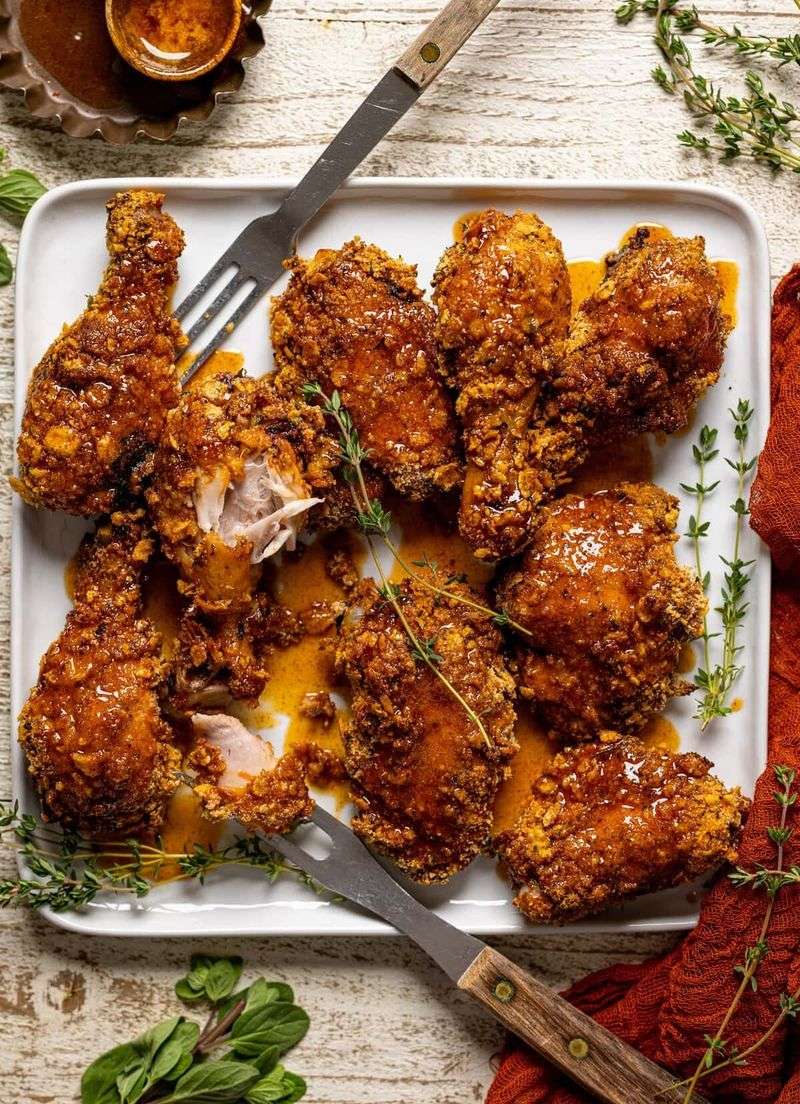
Fried chicken done right is one of the greatest foods on earth, full stop. But restaurant versions that charge twenty-five dollars for a few pieces often disappoint in ways that a humble fast food version never would.
Over-brining makes the meat mushy, and frying at the wrong temperature produces a burned crust with raw meat underneath.
Home cooks and small family-owned spots frequently outperform fancy restaurants here. When the basics go wrong, no amount of hot honey drizzle can save the dish.
9. Processed American Cheese Products
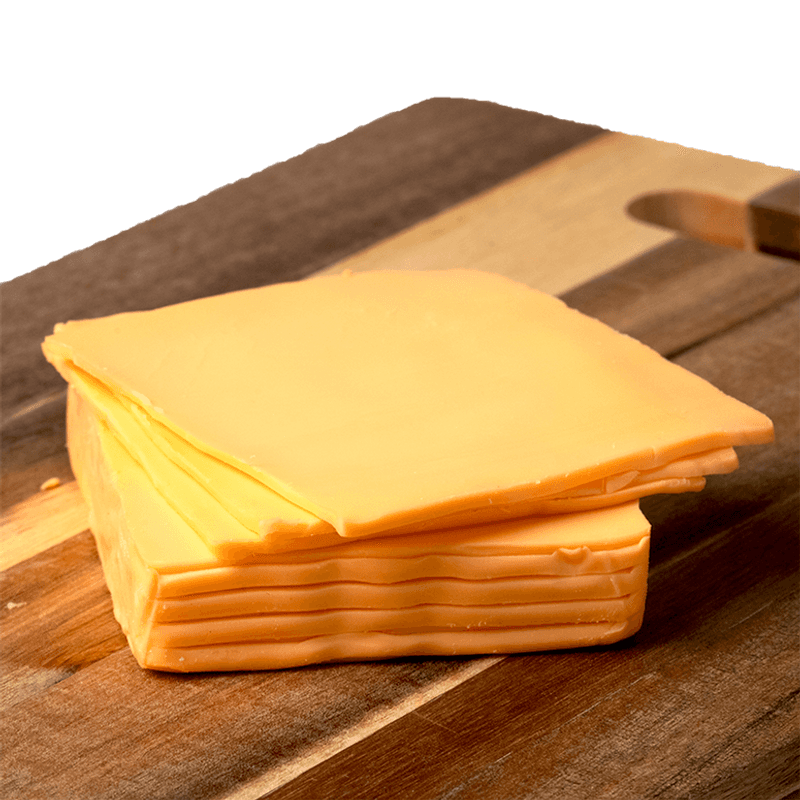
Velveeta, Cheez Whiz, and spray cheese in a can have a uniquely American place in food history, and millions of people grew up loving them. To international visitors, though, these products are genuinely baffling.
The texture, the color, and the shelf-stable nature of these items raise immediate red flags for anyone raised on real cheese.
Even many Americans quietly admit these products taste more like cheese-flavored plastic than actual dairy. The nostalgia factor keeps them around, but the reputation they carry is wildly inflated.
10. Hershey’s Chocolate
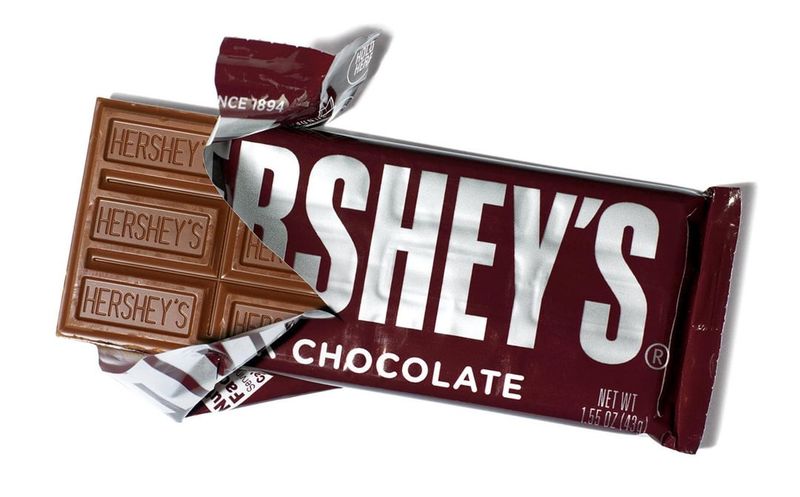
Ask any American about their childhood candy memories and Hershey’s chocolate will almost certainly come up. It’s an iconic brand with more than a century of history behind it.
But the moment you hand a Hershey’s bar to someone who grew up eating European or artisan chocolate, the reaction is usually polite confusion.
The slightly sour, almost dusty flavor comes from the manufacturing process, which differs significantly from most other chocolate makers. Loyal fans love it, but as a global chocolate ambassador, Hershey’s falls noticeably short.
11. Fancy Lobster Preparations
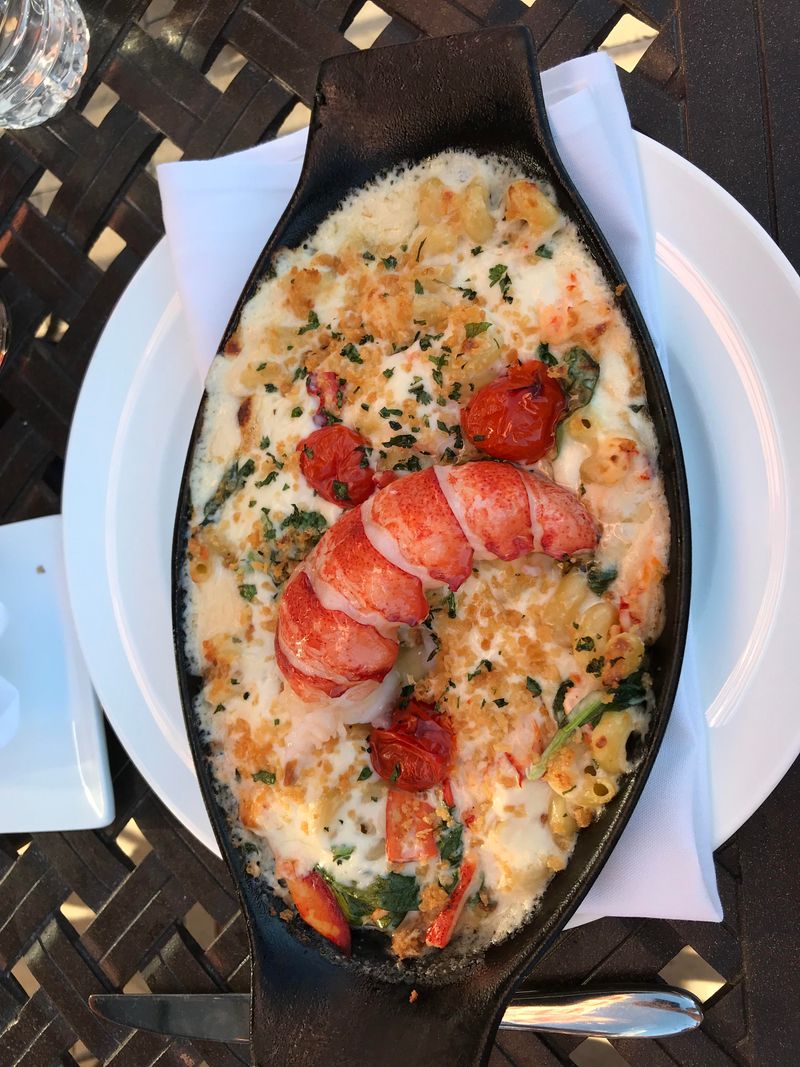
Plain steamed or boiled lobster lets the natural sweetness of the meat shine through without interference. Yet many upscale restaurants feel compelled to transform lobster into something more elaborate, loading it up with heavy sauces, strong spices, or broiling it until the delicate flavor disappears entirely.
Paying sixty or seventy dollars for a lobster dish that tastes mostly like garlic butter and paprika is a genuinely frustrating experience. Sometimes the fancier the preparation, the further you get from what actually makes lobster worth eating.
12. Peanut Butter and Jelly Sandwich
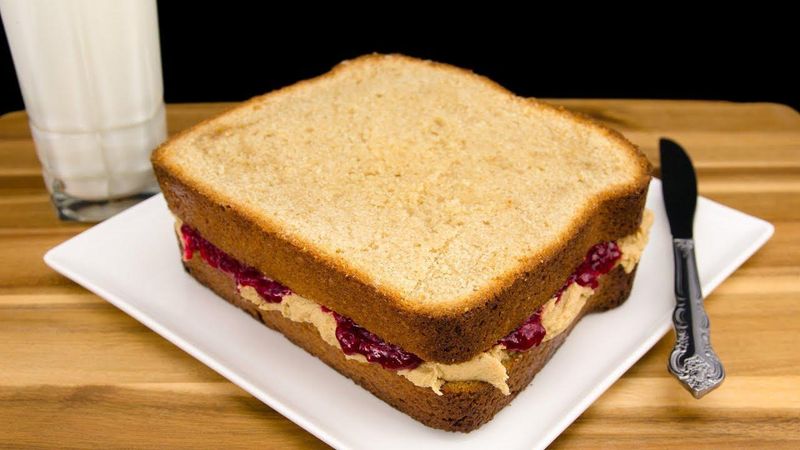
For Americans, the PB&J is practically sacred. It’s the lunch that got millions of kids through elementary school and the snack that feels like a warm hug from childhood.
Introduce it to someone from another country, though, and the reaction is often genuine puzzlement.
The combination of sweet jam and salty, thick nut paste on soft white bread strikes many international visitors as strange and cloying. It’s a deeply personal food tied to nostalgia, which means it rarely lives up to the reverence Americans show it.
13. Deep-Fried Butter
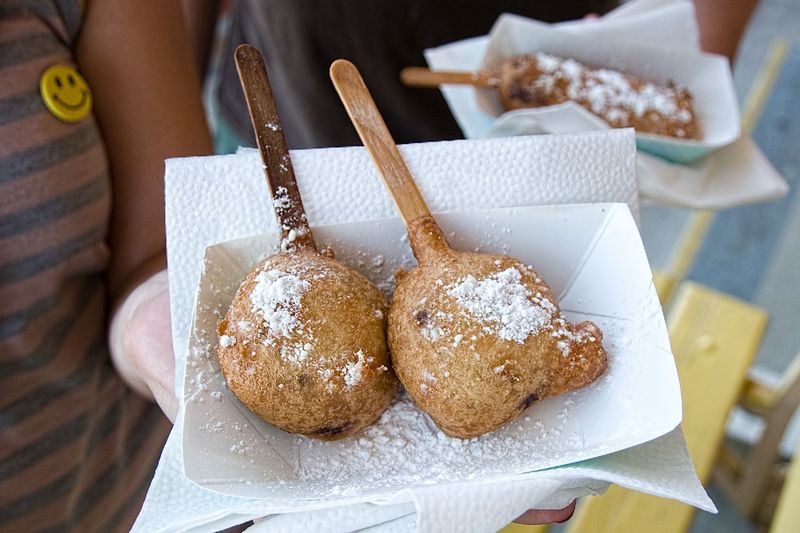
State fairs are wonderful places where creativity and deep fryers collide in spectacular fashion. Deep-fried butter, however, might be the point where novelty completely overtakes any pretense of being actual food.
The concept involves coating a stick of butter in dough and dropping it into hot oil, producing something that is essentially pure fat fried in more fat.
International visitors watching Americans eat this at fairs tend to react with a mixture of fascination and horror. It’s more of a spectator sport than a meal.
14. Jell-O Salad
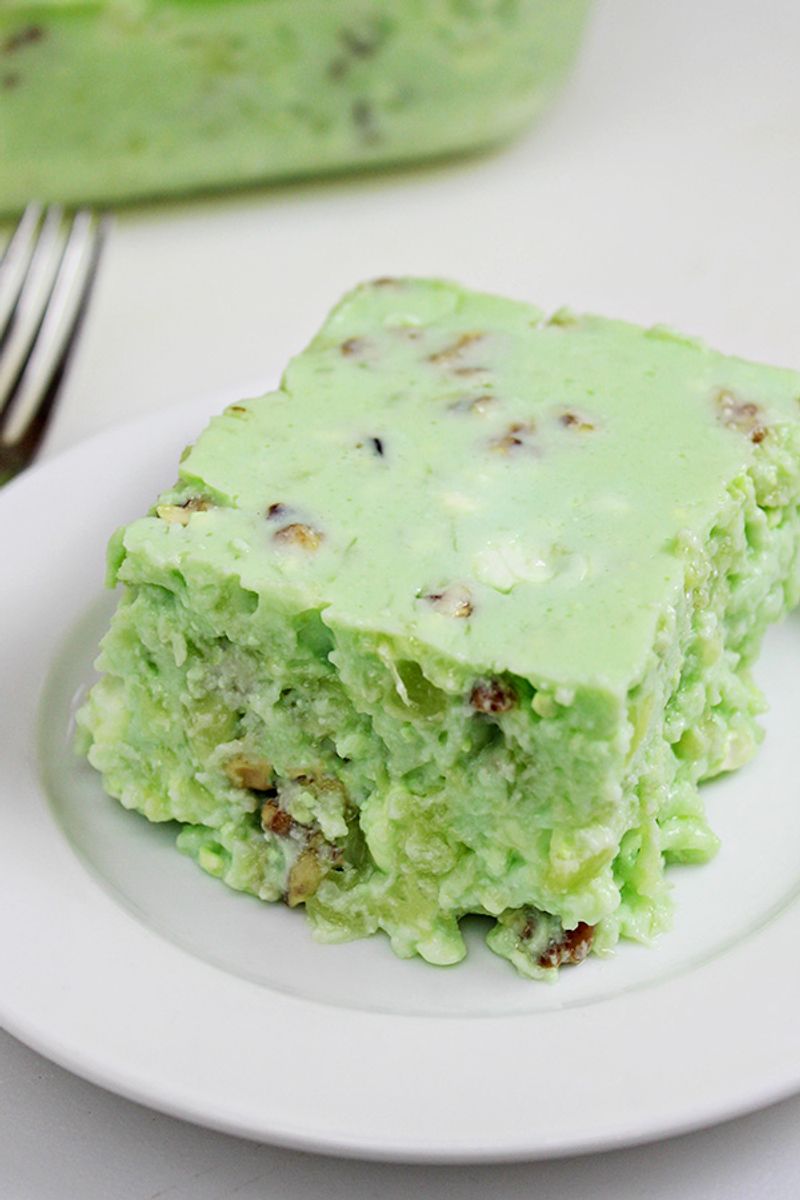
Jell-O salad belongs to a fascinating chapter of American culinary history when gelatin molds were considered the height of sophisticated entertaining. Canned fruit, whipped cream, and sometimes even vegetables or marshmallows suspended in flavored gelatin filled the tables of church potlucks and family reunions for decades.
Today, these retro creations are experiencing a quirky revival, but they remain deeply regional and stubbornly odd to anyone outside that specific Midwestern or Southern context. The name alone, calling it a salad, raises more questions than it answers.
15. S’mores
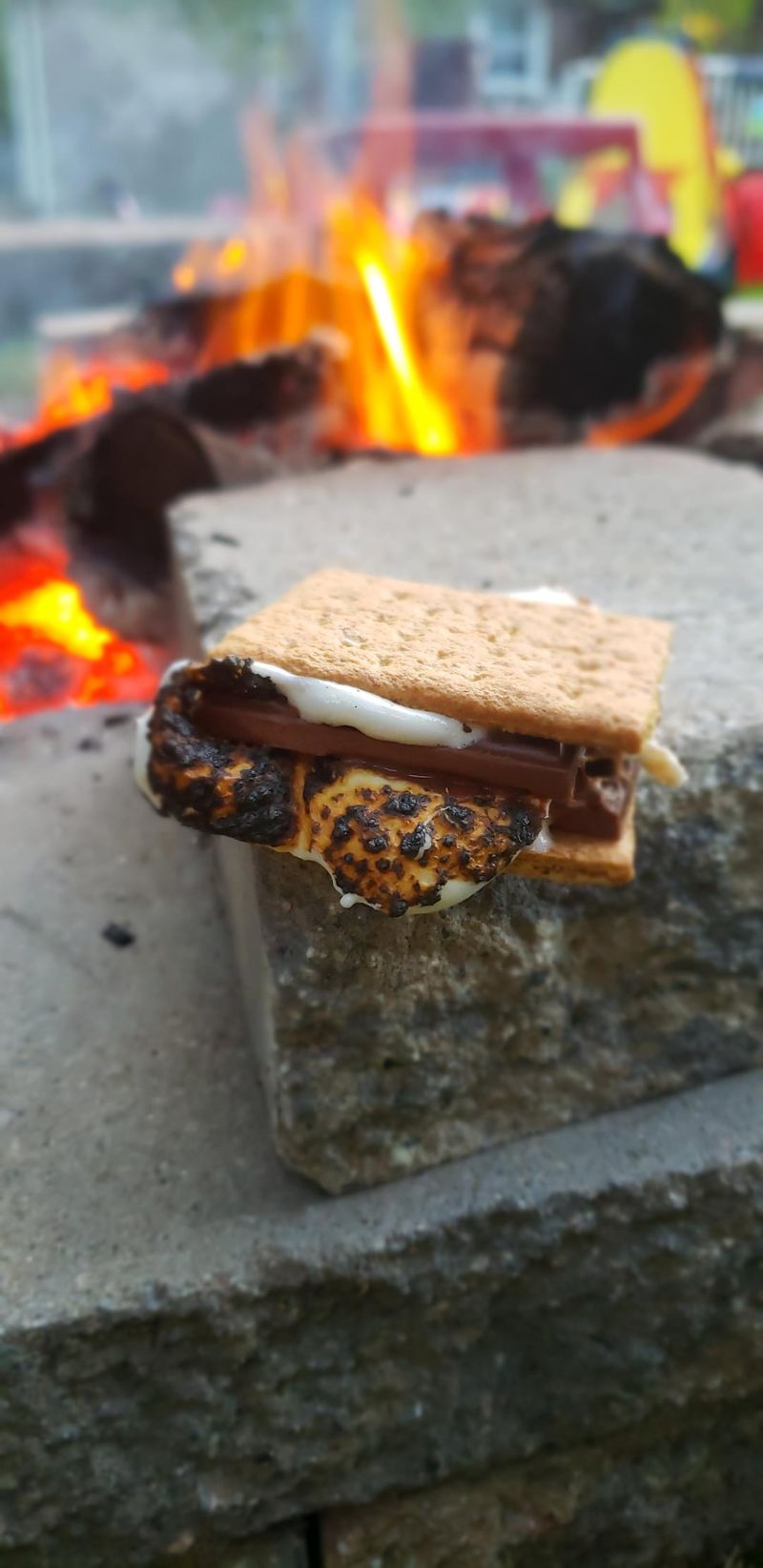
Around a campfire with good friends and a cool summer night, s’mores are genuinely hard to beat. The combination of toasted marshmallow, melting chocolate, and crunchy graham cracker hits all the right nostalgic notes for anyone who grew up making them.
Step outside that specific context, though, and the magic fades quickly. People from other countries often find the flavor combination puzzling and the texture messy without any real payoff.
S’mores are more about the experience than the actual taste, and that’s okay to admit.
16. Grits
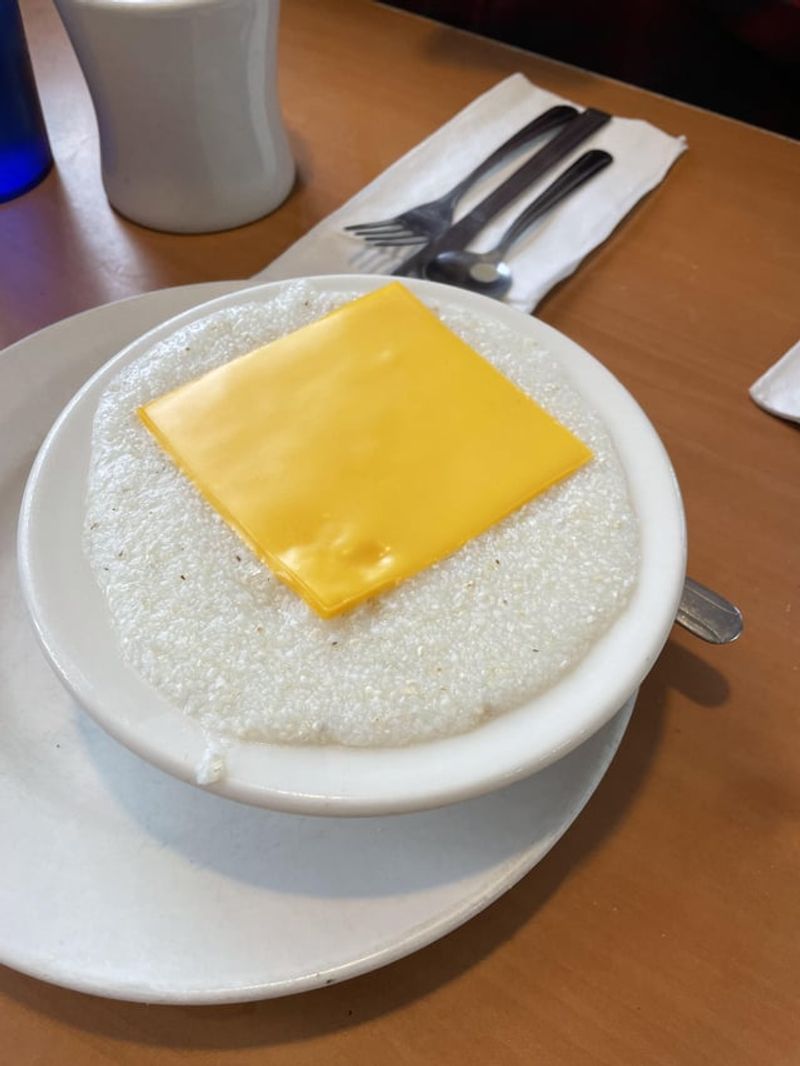
Grits are a cornerstone of Southern cooking, and in the right hands, they can be creamy, comforting, and deeply satisfying. Shrimp and grits done properly is one of the South’s finest contributions to American cuisine.
However, plain grits served without enough seasoning or fat are genuinely bland in a way that’s hard to talk around.
First-timers often encounter the basic version before discovering the good stuff, which shapes their opinion permanently. The texture also takes some getting used to, resembling warm, grainy paste to the uninitiated.
17. Gourmet Donuts
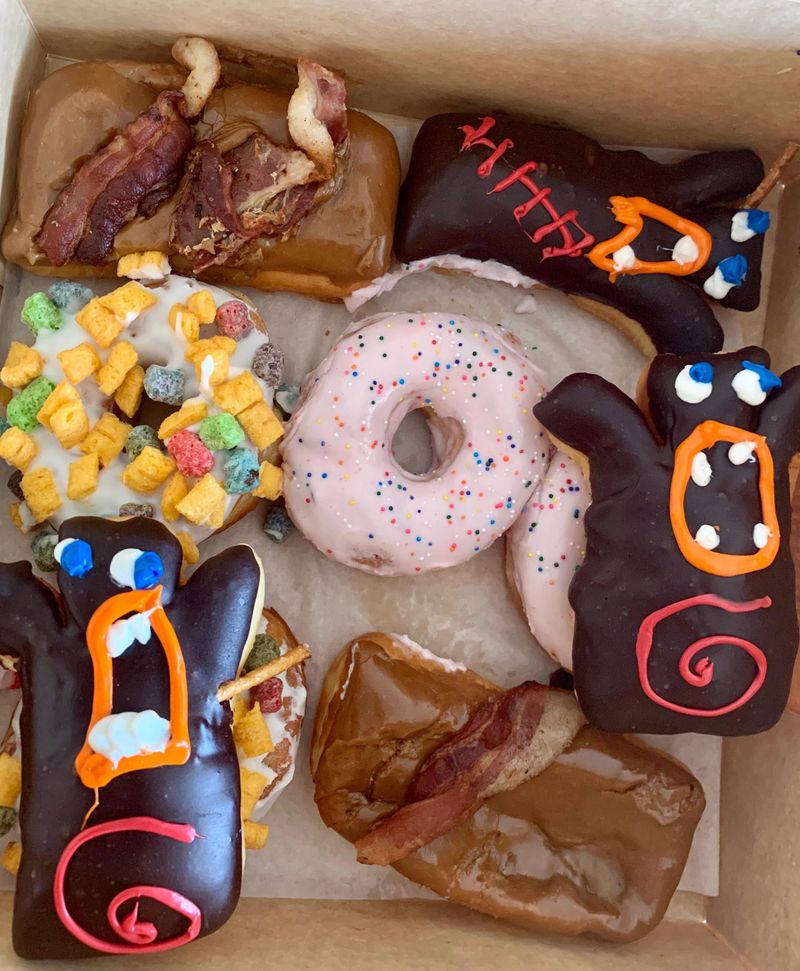
Fancy donut shops have exploded in popularity over the past decade, charging five or six dollars for a single donut decorated with breakfast cereal, maple bacon, or edible glitter. The visual appeal is undeniable, and the social media photos are genuinely impressive.
Eating them, though, is a different story. Gourmet donuts are almost always best in the first few minutes after frying, and by the time you get home, the magic is largely gone.
At that price point, a stale, overly sweet donut feels like a real letdown.
18. Bacon in Gourmet Dishes
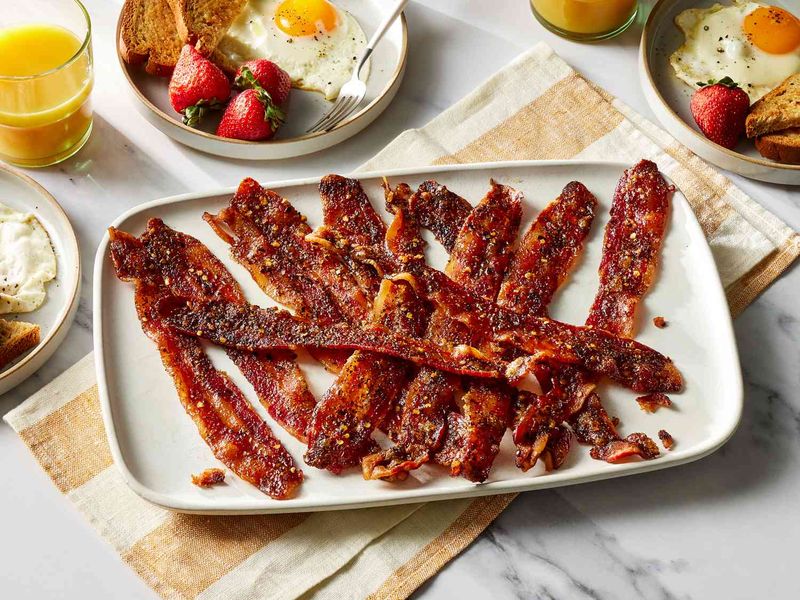
Bacon is genuinely delicious, and nobody is arguing otherwise. The problem is what happened when food culture decided that bacon needed to be added to absolutely everything, from chocolate bars to cocktails to salads to donuts.
The smoky, salty, powerful flavor of bacon tends to bulldoze whatever subtle ingredients share the plate with it.
When every dish on a menu features bacon as the star ingredient, the novelty wears thin fast. Overuse has turned a beloved staple into a food trend that many people now find exhausting rather than exciting.
19. Gourmet Mac and Cheese
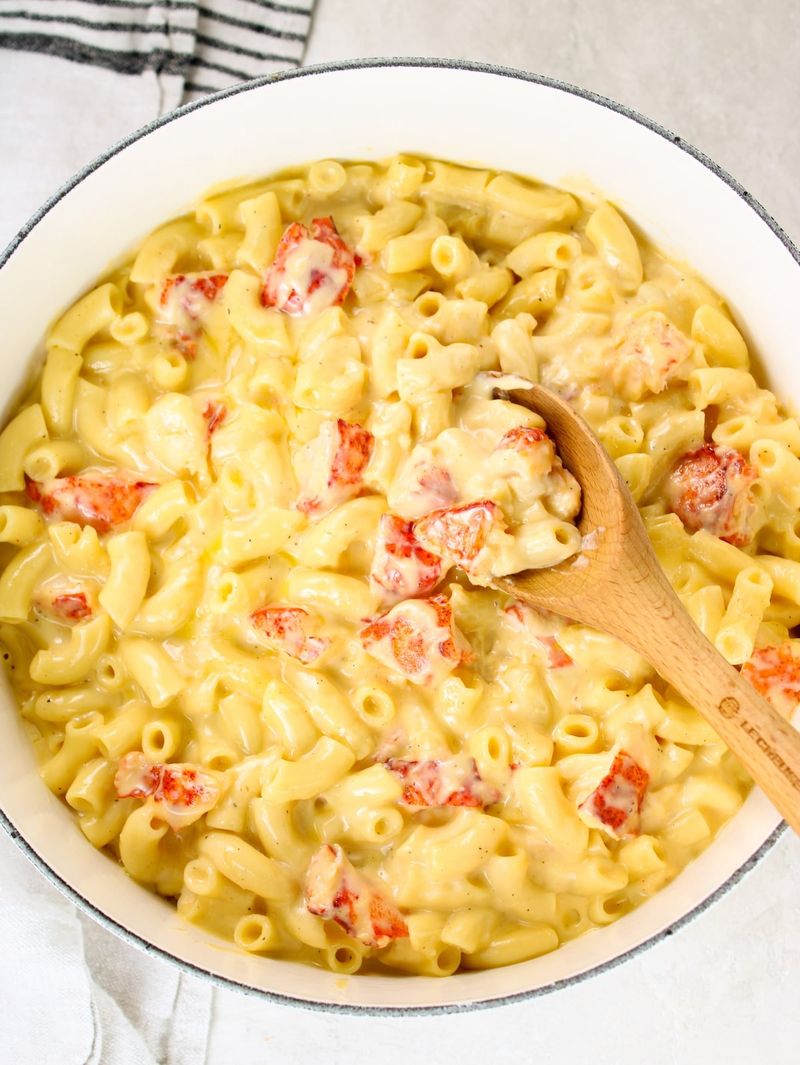
Macaroni and cheese holds a special place in the American comfort food hall of fame, and the boxed version from childhood carries a nostalgia that no restaurant can fully replicate. Gourmet versions with truffle oil, lobster, and artisan cheeses sound impressive on paper but frequently disappoint in practice.
Charging eighteen dollars for a small cast iron skillet of pasta that turns out dry, under-seasoned, or weirdly greasy is a common restaurant experience. The gap between expectation and reality is especially wide with this particular dish.
20. Ramen Burger
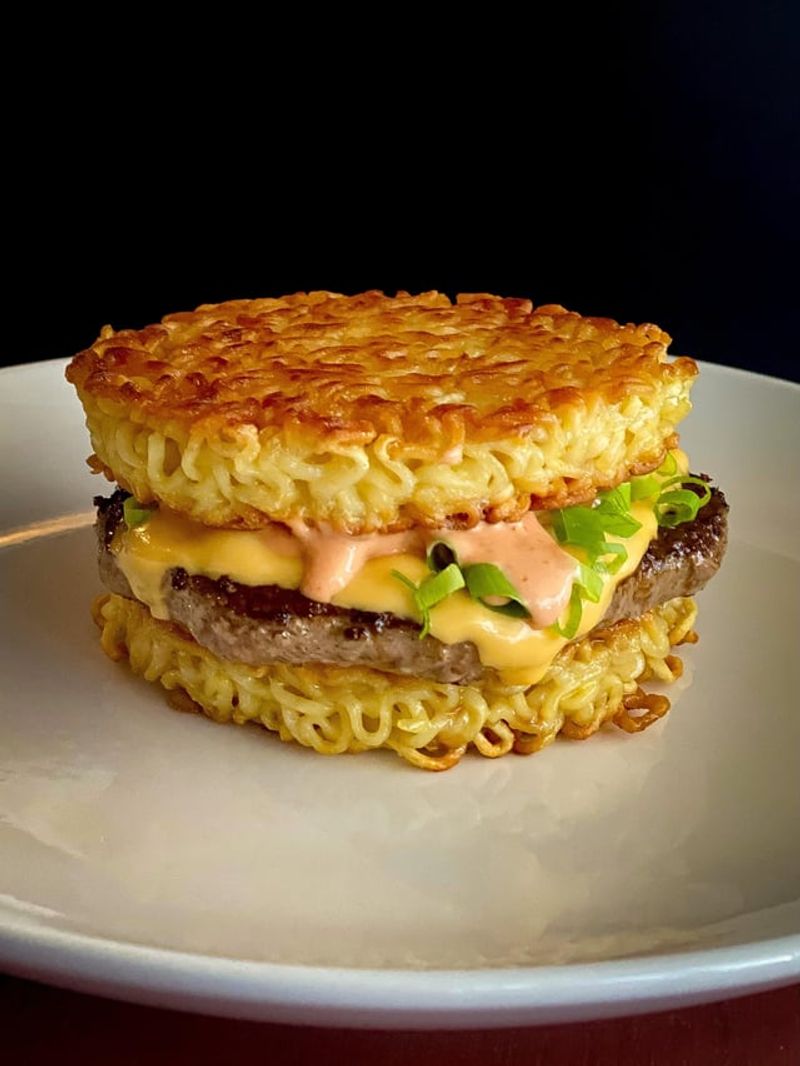
Food trends come and go, but the ramen burger made a particularly loud entrance when it debuted at a Brooklyn food market in 2013. The concept, a beef patty held between two fried ramen noodle buns, generated enormous buzz and long lines almost overnight.
Food media covered it breathlessly, and it spread across the country quickly.
Reality check: the noodle buns fall apart, the texture clash is disorienting, and the flavor combination never quite works. It ended up on multiple worst-rated food lists, which tells you most of what you need to know.