
Some of your favourite snacks, sauces, and cereals have been around since before your great-grandparents were born. Many iconic food brands have quietly been sitting on shelves for well over a century, surviving wars, recessions, and changing tastes.
It is pretty amazing to think that a product you grabbed from the fridge this morning might have roots going back to the 1800s. Get ready to look at your pantry in a whole new way.
1. Heinz
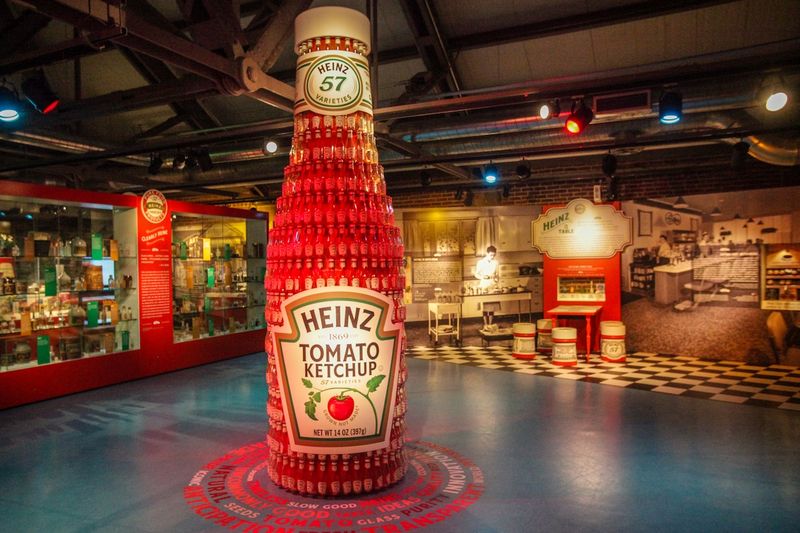
Back in 1869, a young entrepreneur named Henry John Heinz started selling bottled horseradish from his garden in Pennsylvania. What began as a small home operation grew into one of the most recognised food empires on the planet.
Today, Heinz sells products in over 200 countries. That famous red ketchup bottle has barely changed its look in decades, which is a big part of why people trust it so much.
2. Lea and Perrins Worcestershire Sauce
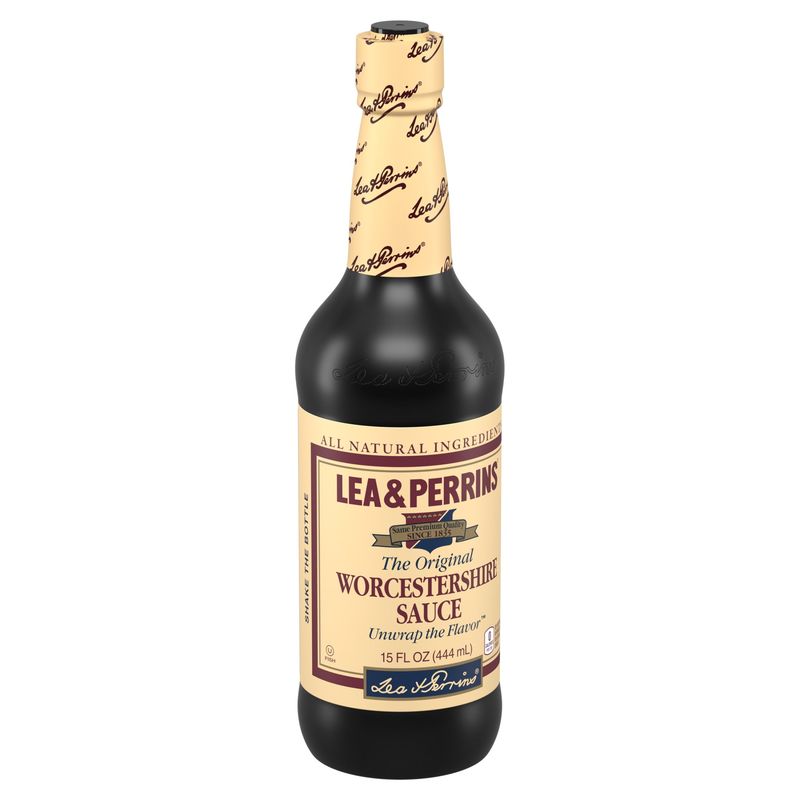
Worcestershire sauce has been adding a bold, tangy kick to meals since 1837. Two English chemists, John Lea and William Perrins, created the recipe in Worcester, England, and it has barely changed since.
Legend has it the sauce was originally considered too pungent and was left in a cellar, only to be rediscovered as perfectly aged. That happy accident gave the world one of its most beloved condiments, still wrapped in that iconic beige paper label.
3. Tabasco
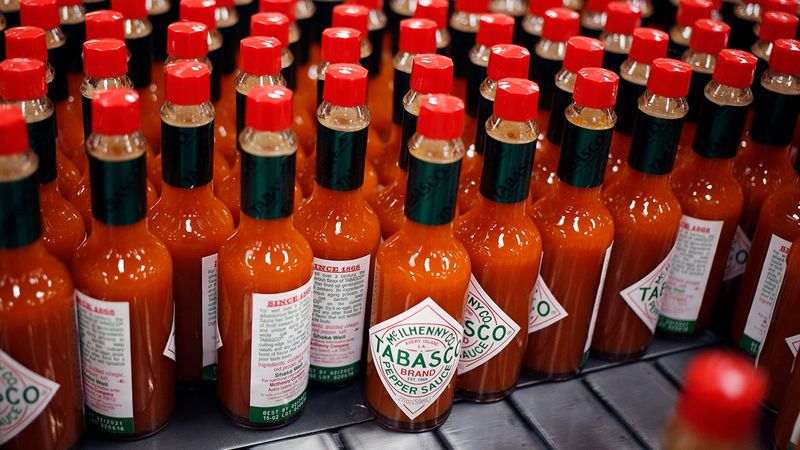
Tabasco sauce has been firing up taste buds since 1868, when Edmund McIlhenny first grew peppers on Avery Island, Louisiana. The small diamond-shaped bottle is one of the most recognised packaging designs in food history.
What makes this brand truly remarkable is that it is still owned and produced by the McIlhenny family on that same Louisiana island. Over 150 years later, the recipe remains largely unchanged, which says everything about how good it really is.
4. Cadbury
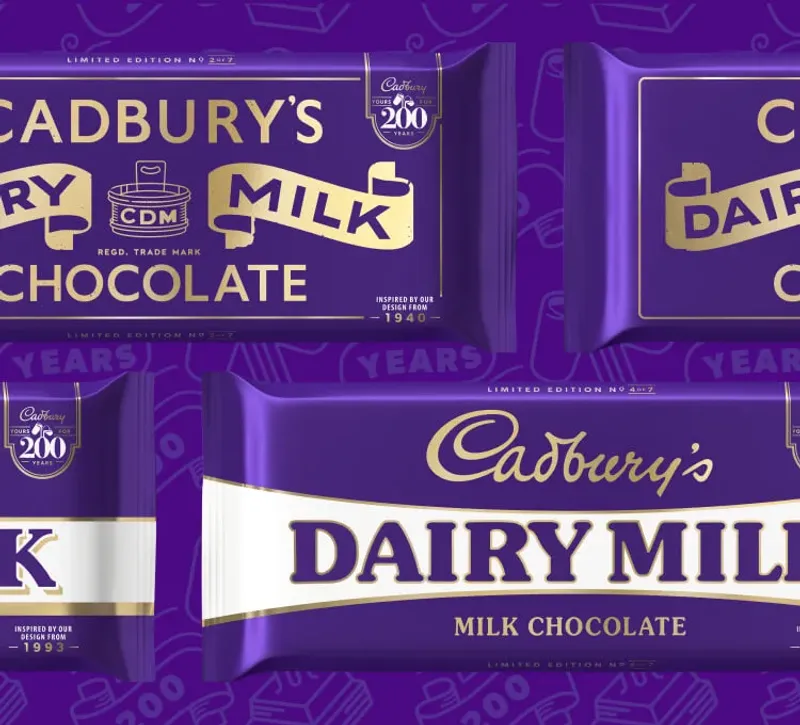
Few things spark as much joy as unwrapping a Cadbury chocolate bar. John Cadbury opened his first shop in Birmingham, England, in 1824, selling cocoa and drinking chocolate as health alternatives to alcohol.
By the 1860s, Cadbury had shifted its focus to solid chocolate, and the rest is delicious history. The brand is now enjoyed in over 50 countries, and that signature purple wrapper has become one of the most trusted colours in the snack world.
5. Kellogg’s
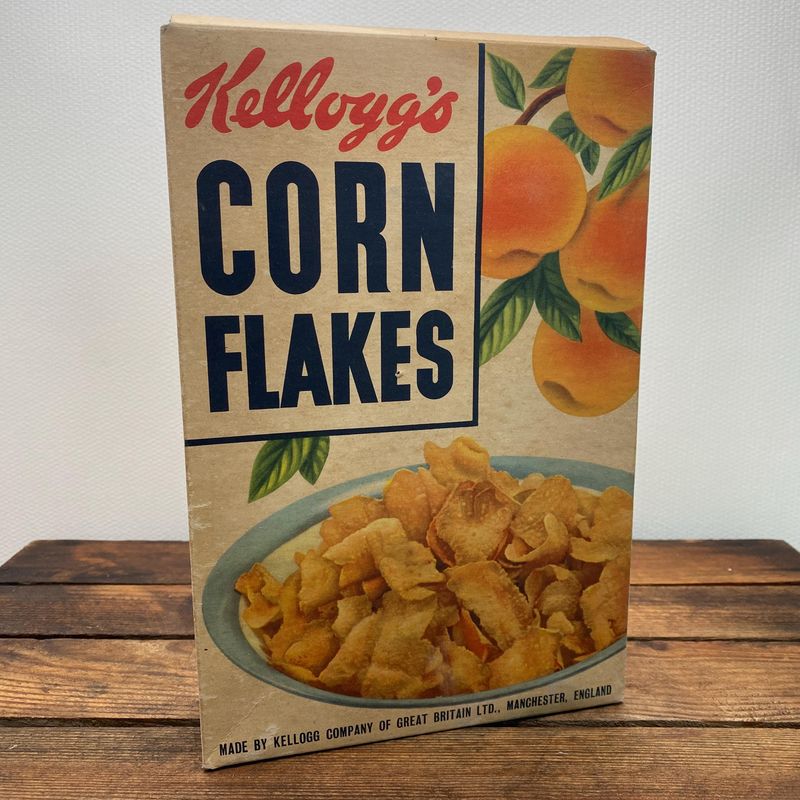
Mornings around the world have started with Kellogg’s cereal since 1906. Will Keith Kellogg accidentally discovered the corn flake process while working at a health sanitarium in Michigan with his brother, Dr. John Harvey Kellogg.
The story goes that they left cooked wheat out overnight and it turned flaky. That kitchen mistake launched a breakfast revolution.
Today, Kellogg’s is one of the largest cereal companies on Earth, proving that some accidents are very much worth making.
6. Campbell’s Soup
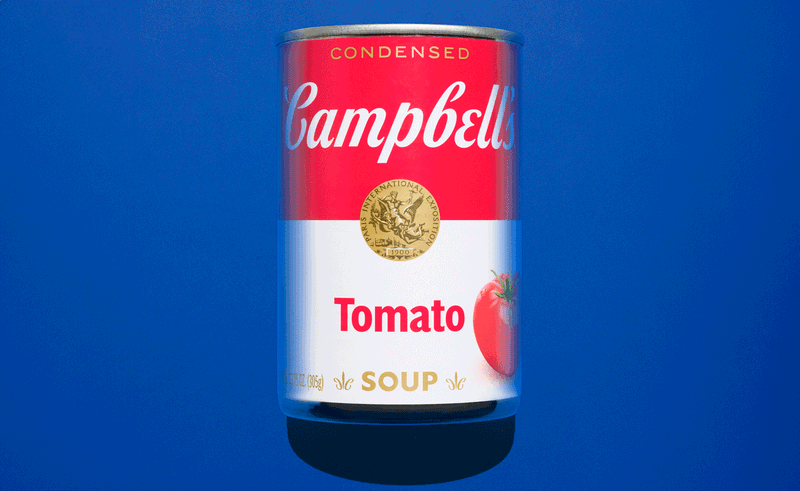
Andy Warhol made Campbell’s soup cans into art, but the brand had already been a kitchen staple for decades before that famous painting. Joseph Campbell and Abraham Anderson founded the company in 1869 in New Jersey.
The signature red and white label came about in 1898, inspired by the colours of Cornell University’s football team. More than 125 years later, that bold red can still signals comfort food to millions of families across the country.
7. Marmite
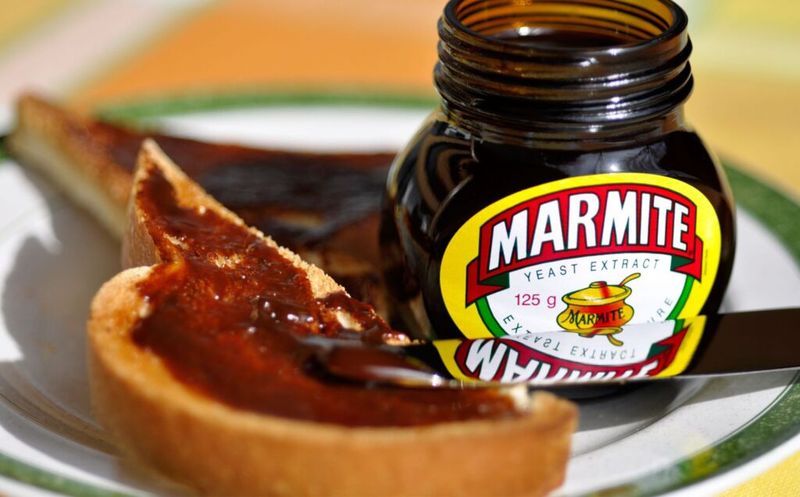
You either love it or you hate it, and Marmite has been dividing households since 1902. The sticky, dark yeast extract spread was first produced in Burton upon Trent, England, after a German scientist discovered that brewer’s yeast could be concentrated and eaten.
During World War One, Marmite was included in soldiers’ ration packs because of its high vitamin B content. That wartime connection helped cement its place as a British pantry essential that has never really gone away.
8. Quaker Oats
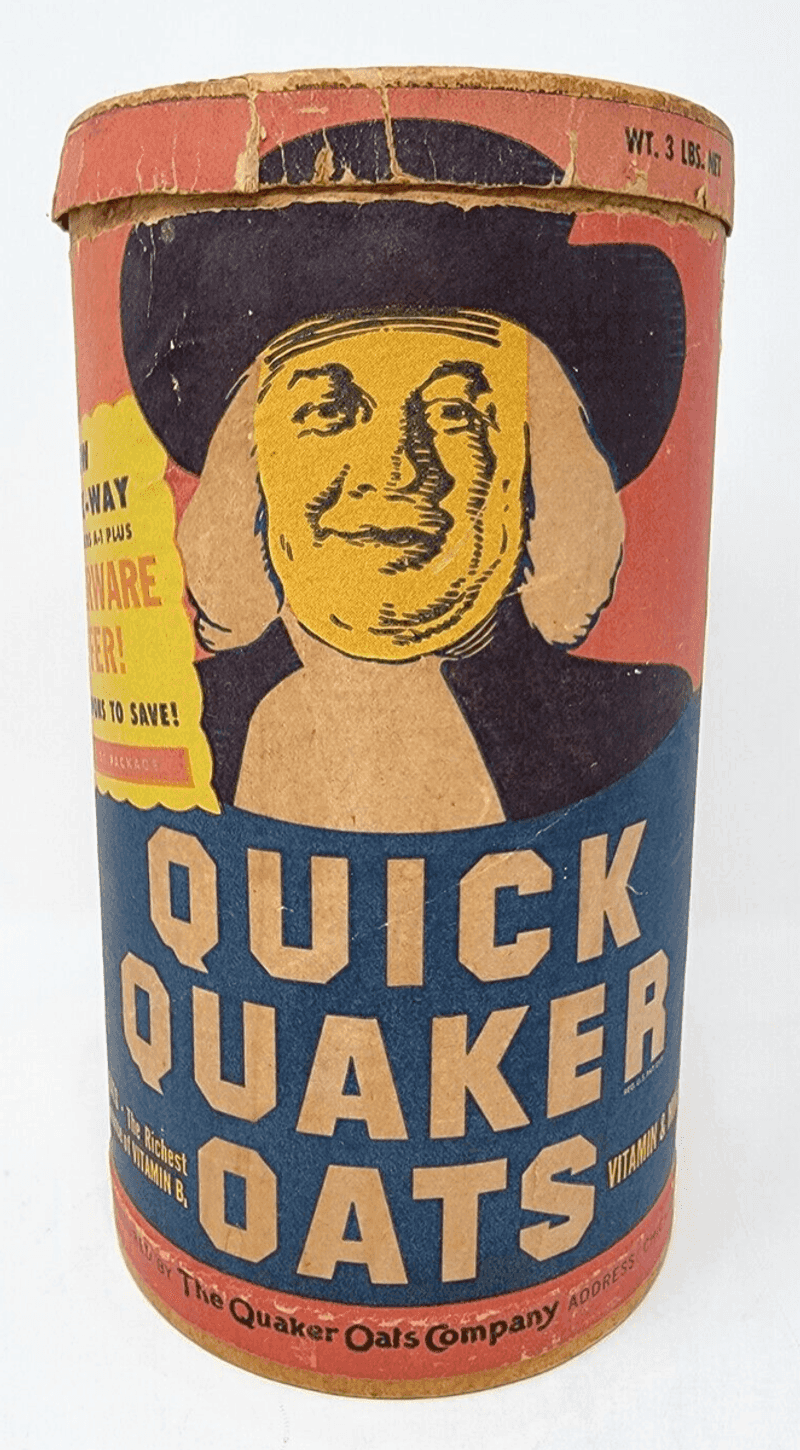
The friendly face on the Quaker Oats canister has greeted breakfast tables since 1877, making it one of the first trademarked breakfast cereal brands in American history. The company chose a Quaker man as its symbol to represent honesty and quality.
Interestingly, the founders were not actually Quakers themselves. They simply wanted consumers to associate their oats with those values.
That clever branding decision paid off, as the brand has endured for nearly 150 years without losing its wholesome reputation.
9. Colman’s Mustard
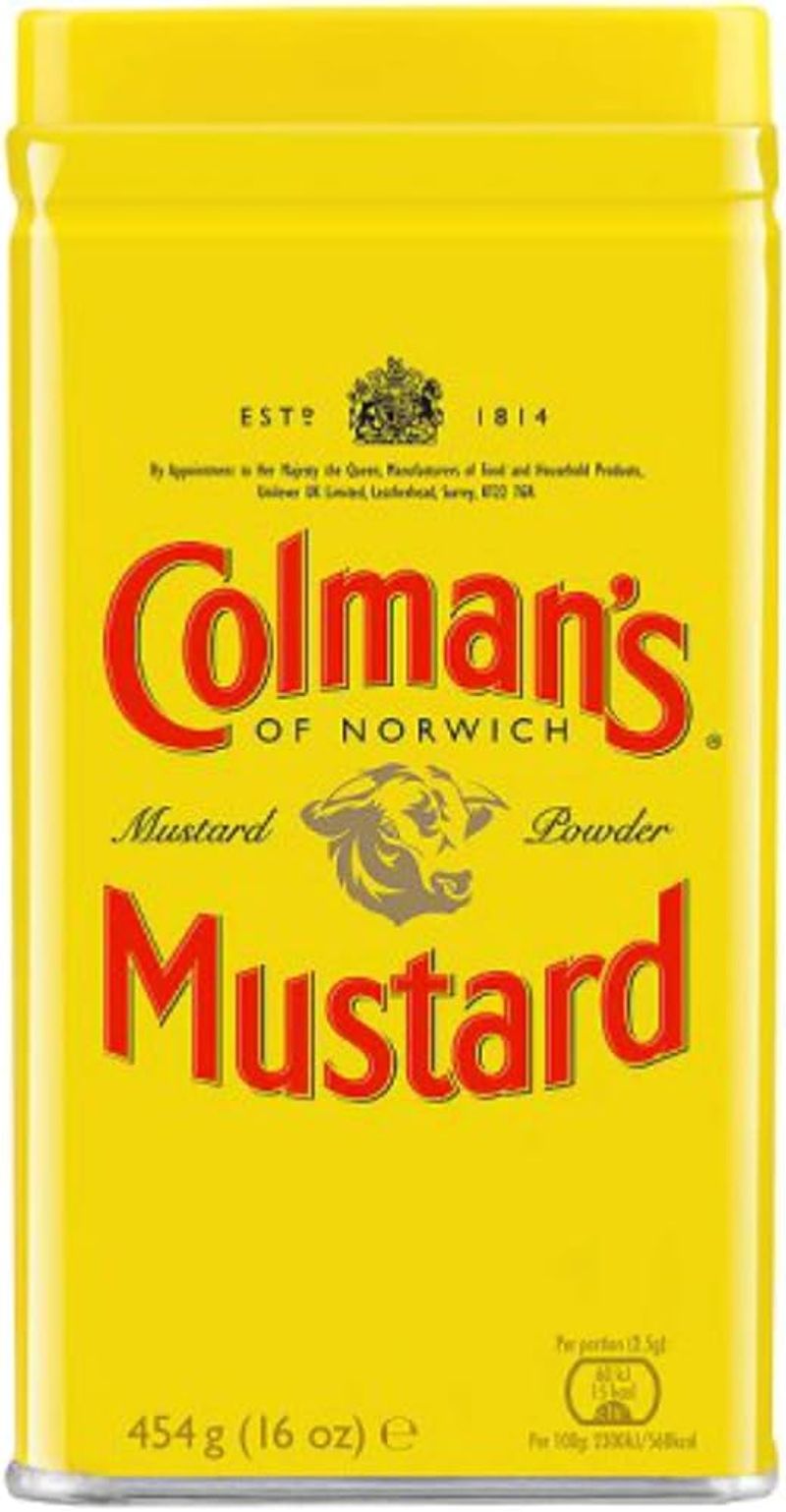
Colman’s has been bringing heat to British dinner tables since 1814. Jeremiah Colman began milling mustard and flour in Norwich, England, and his fiery yellow powder quickly became a household name across the country.
One clever bit of trivia: Colman’s reportedly made most of its profit from the mustard people left on their plates rather than actually ate. That cheeky observation became a famous business anecdote.
The brand is still going strong, now available in over 90 countries worldwide.
10. Nestle
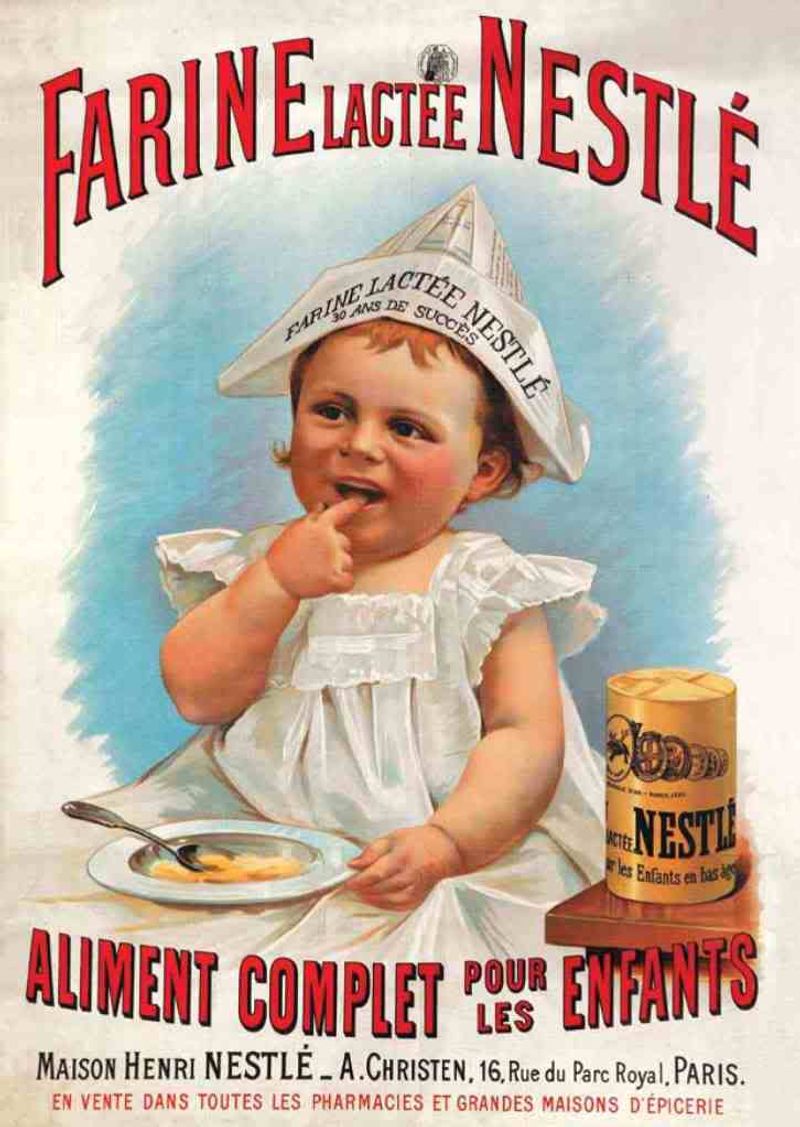
Nestle is so massive today that it is easy to forget it started with one man trying to save babies’ lives. Henri Nestle created an infant cereal formula in 1867 in Switzerland to help mothers who could not breastfeed their newborns.
That humanitarian beginning grew into the largest food company in the world by revenue. Nestle now owns hundreds of brands, from KitKat to Nescafe.
Few companies have touched as many lives, in as many countries, across as many generations.
11. Crosse and Blackwell
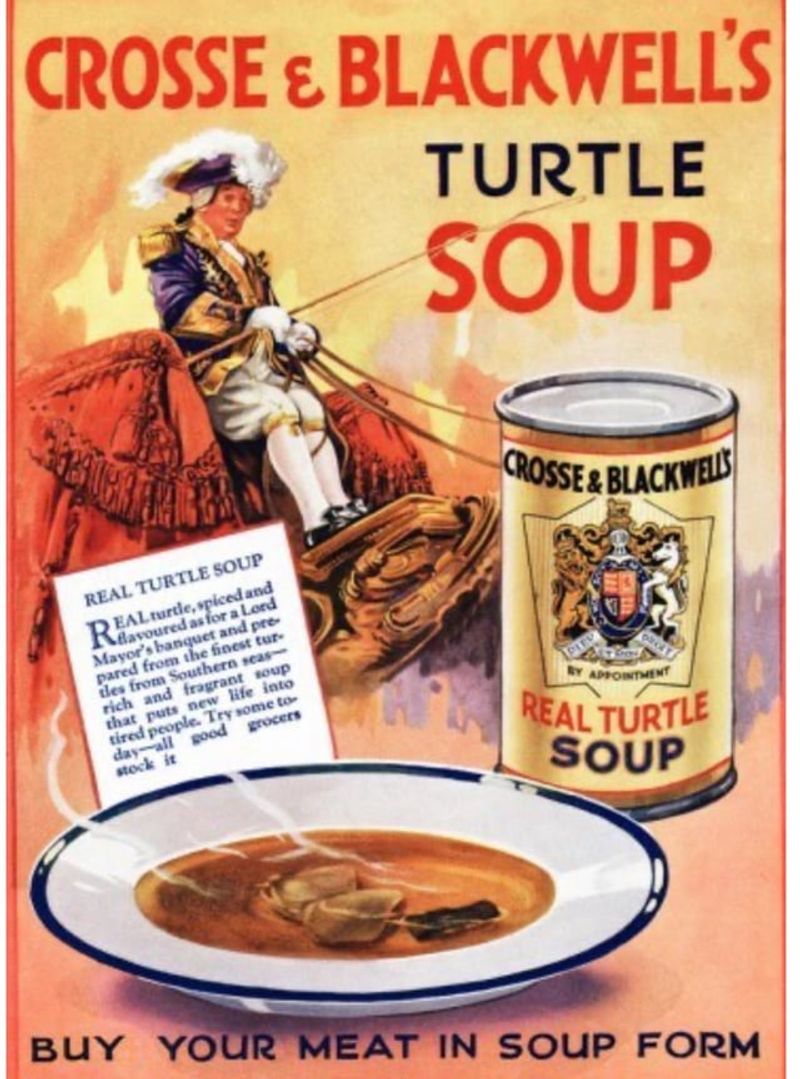
Not every legendary brand gets the recognition it deserves, and Crosse and Blackwell is a perfect example. Founded in London in 1706, it is one of the oldest surviving food brands in the world, predating the United States by 70 years.
The company originally sold pickles, sauces, and preserves from a small shop near Soho. Over the centuries, it expanded its range dramatically.
Though ownership has changed hands many times, the brand name still carries a quiet sense of history that few others can match.
12. Bovril
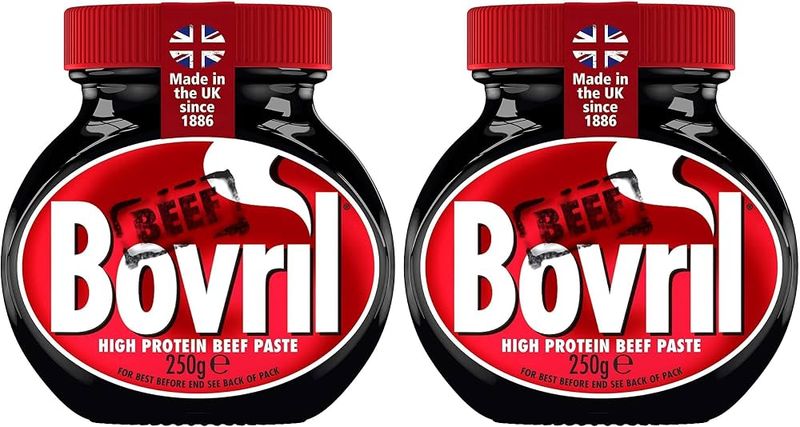
Bovril has warmed hands at football grounds and kitchen tables alike since 1870. John Lawson Johnston created a concentrated beef extract in Canada to help feed French troops during the Franco-Prussian War, and the product quickly caught on with everyday consumers.
The name Bovril comes from the Latin word for ox and a fictional energy substance from a popular novel of the time. That quirky origin story matches the brand perfectly.
Rich, salty, and deeply warming, it remains a cold-weather staple in Britain.
13. Lyle’s Golden Syrup
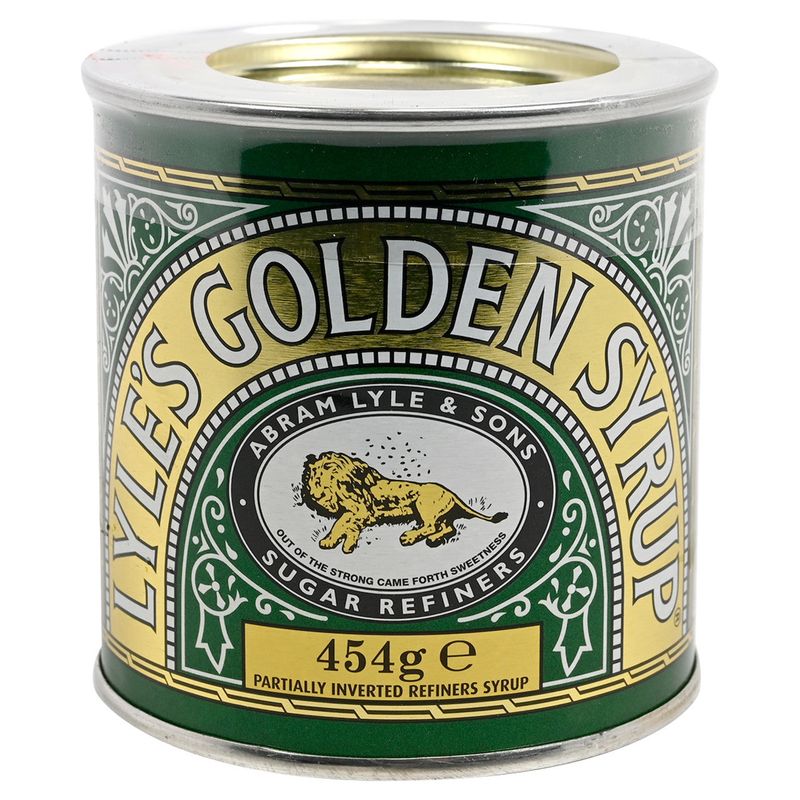
Lyle’s Golden Syrup holds the record for the world’s oldest unchanged brand packaging, recognised by Guinness World Records. The distinctive green and gold tin with its dead lion and bees logo has remained virtually the same since 1885.
The peculiar image on the tin comes from a Bible verse about Samson and a honey-filled lion carcass. It is a surprisingly dark image for a sweet syrup, but somehow it works.
Abram Lyle started selling this thick, amber syrup from his sugar refinery in London.
14. Bird’s Custard
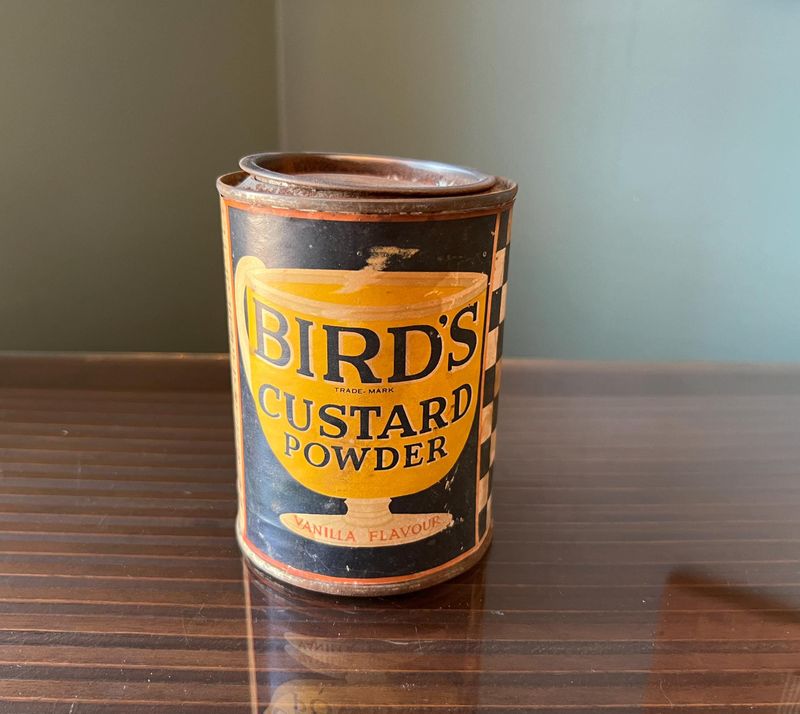
Alfred Bird invented custard powder in 1837 for a very personal reason: his wife loved custard but was allergic to eggs. Unable to use traditional custard recipes, he created an egg-free version using cornflour and vanilla flavouring.
That sweet act of love ended up changing British dessert culture forever. Bird’s Custard became a kitchen essential across the country and remains popular today.
It is a lovely reminder that some of the best inventions come from simply trying to make someone you care about happy.
15. Schweppes
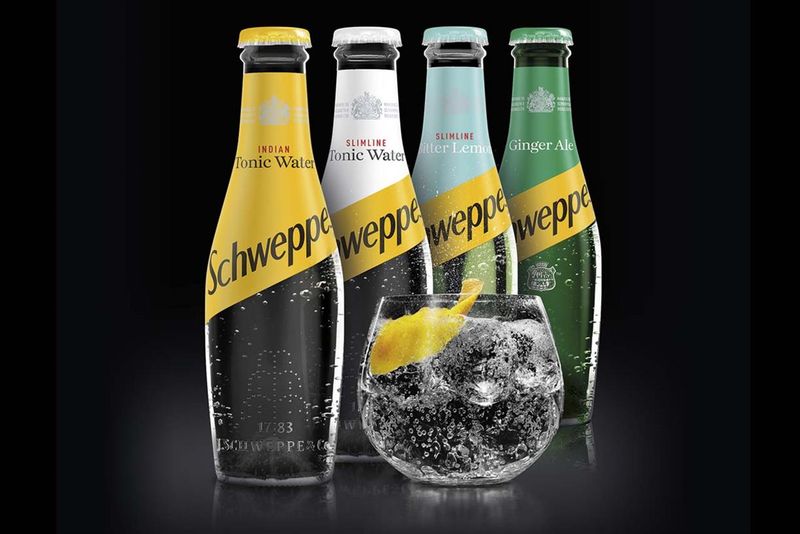
Schweppes has been bubbling away since 1783, making it one of the oldest drinks brands still in active production. Jacob Schweppe, a Swiss-German jeweller turned amateur scientist, developed a method for carbonating water that changed how the world drinks.
He moved to London in 1792 to commercialise his invention, and the brand quickly became fashionable among the British upper class. Today, Schweppes is sold in over 190 countries.
Not bad for a hobby that started in a small Geneva workshop.
16. Rowntree’s
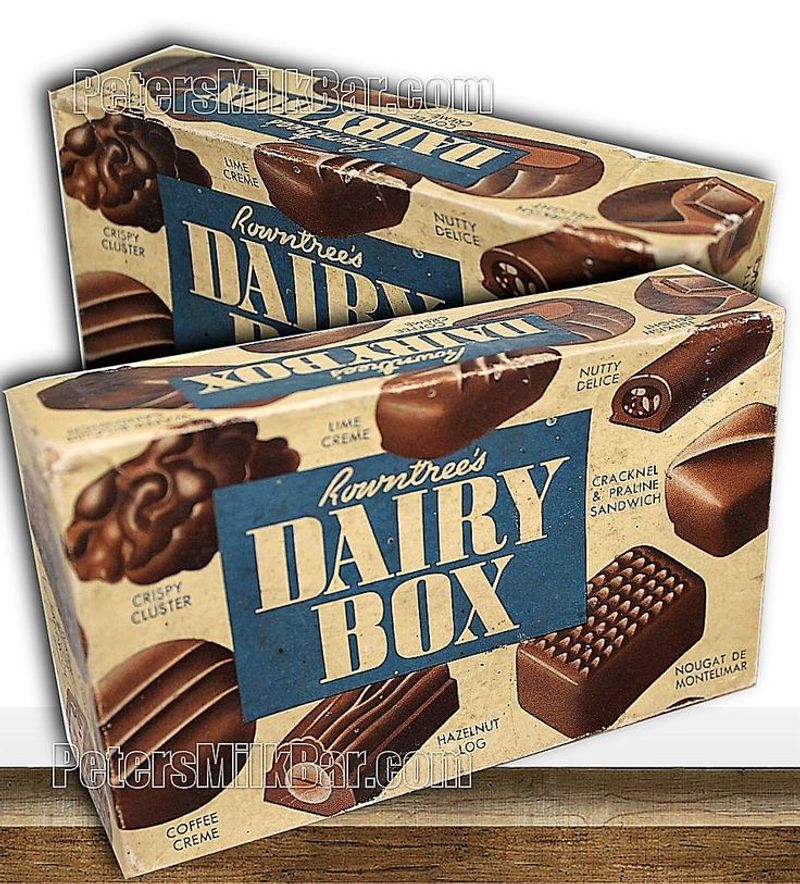
Rowntree’s has been behind some of Britain’s most beloved sweets since 1862. The York-based company, founded by Henry Isaac Rowntree, gave the world Fruit Pastilles, Fruit Gums, and eventually KitKat and Smarties.
The Rowntree family were Quakers, and their values of fairness and community shaped how they ran their business long before corporate social responsibility was a buzzword. Nestle eventually acquired the company in 1988, but many of those original sweet recipes are still enjoyed by kids and adults alike today.
17. HP Sauce
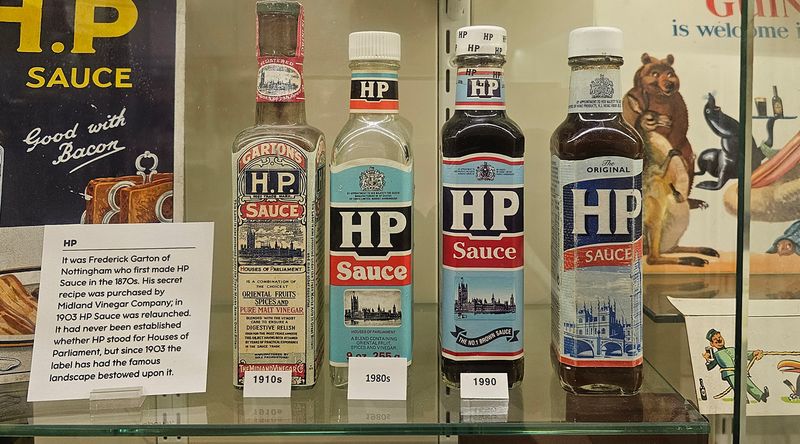
HP Sauce got its name from a rumour that it was being served in the restaurants of the Houses of Parliament in London. Frederick Gibson Garton, a Nottingham grocer, created the recipe in the 1890s and even sold the brand name to pay off a debt.
That might have been the worst financial decision in British food history. HP Sauce became a national institution, appearing on everything from bacon sandwiches to shepherd’s pie.
The iconic label featuring Big Ben has made it one of the most recognisable bottles in British kitchens.
18. Hovis
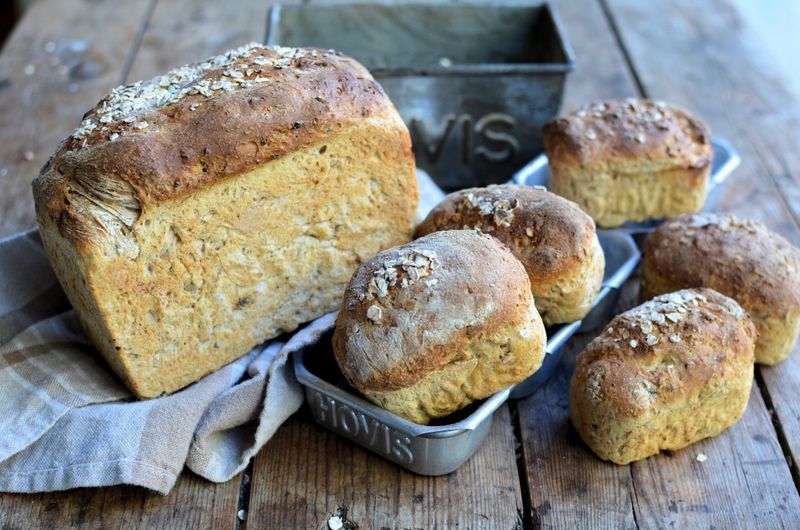
Hovis bread has been on British tables since 1886, and its famous uphill delivery advertisement is still considered one of the greatest TV commercials ever made. The name Hovis comes from the Latin phrase meaning strength of man, which tells you a lot about the brand’s ambitions from day one.
Richard Smith, a Staffordshire miller, developed the recipe using a special wheat germ flour process. That nutty, wholesome loaf quickly became a staple across the country.
Over 135 years later, Hovis is still a go-to choice for families across Britain.