
Most of us have been there: you open the fridge, spot something past its best before date, and wonder if it belongs in the trash. Here is some good news – best before dates are about quality, not safety, and many foods are perfectly fine to eat after that date has passed.
Knowing which foods last longer than their label suggests can save you money and cut down on waste. Read on to find out which everyday foods you can still enjoy past the best before date.
1. Honey
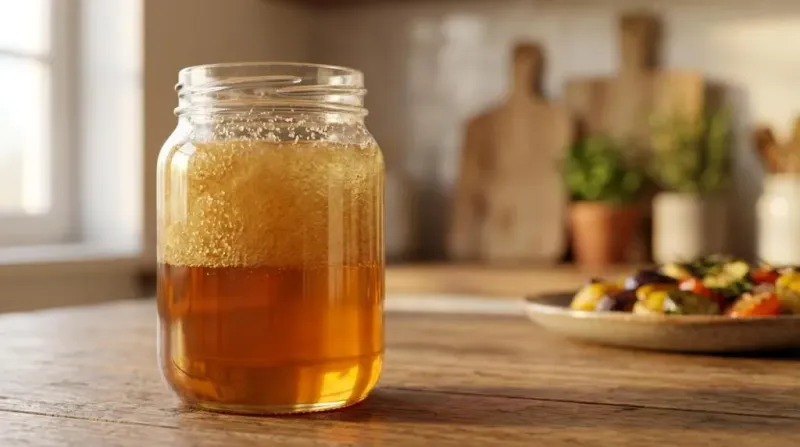
Archaeologists have found honey in Egyptian tombs that is thousands of years old and still perfectly edible. Honey never truly spoils because of its low moisture content and natural acidity.
If your jar has crystallized, just place it in warm water and it will return to its smooth, golden state.
As long as you keep the lid on tight and store it away from moisture, your honey will outlast just about every other food in your kitchen.
2. White Rice
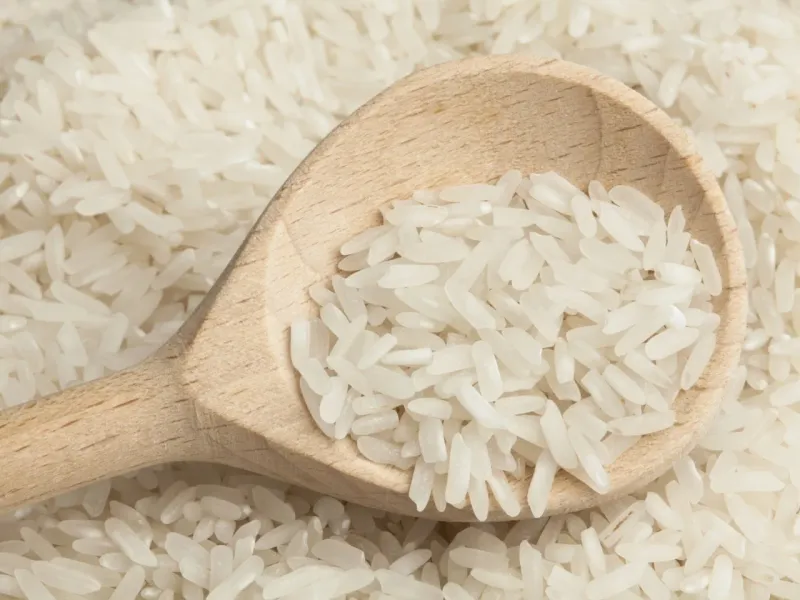
White rice is one of those pantry staples that quietly outlasts nearly everything around it. When stored in an airtight container in a cool, dry place, uncooked white rice can stay fresh for up to 25 to 30 years.
The best before date on the bag is really just a suggestion from the manufacturer.
Brown rice is a different story because of its natural oils, but white rice is a long-term storage winner you can count on.
3. Dried Pasta
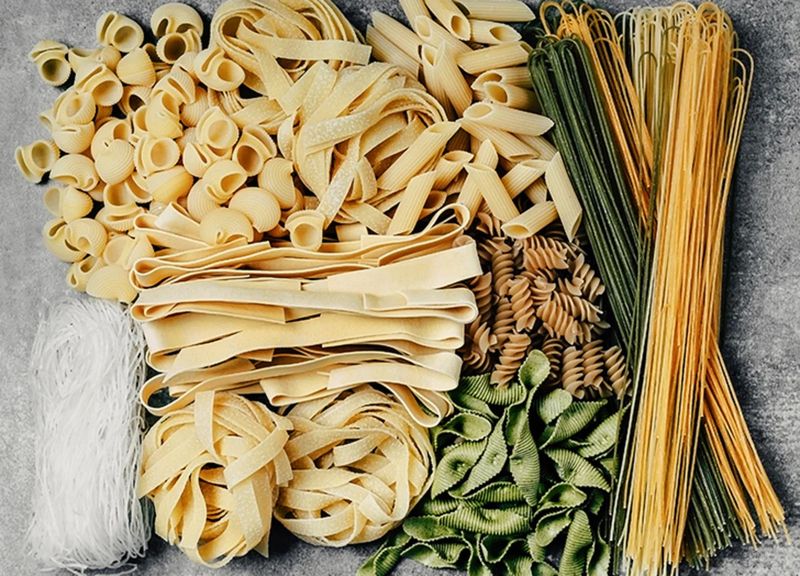
Dried pasta is basically just flour and water pressed into shapes, and that simple combination does not go bad easily. Manufacturers typically stamp a best before date of one to two years on the packaging, but pasta stored in a sealed container can last several years beyond that.
It may lose a tiny bit of texture when cooked, but the taste will still be solid. Check for any signs of bugs or unusual smell before cooking, and you are good to go.
4. Canned Goods
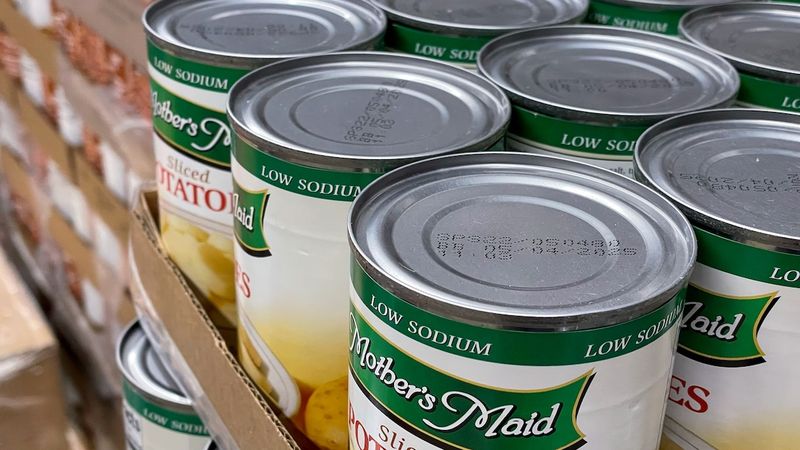
Canned foods are built to last. The canning process removes oxygen and seals out bacteria, which means most canned goods are safe to eat well past their printed date.
High-acid canned foods like tomatoes and fruit tend to last one to two years beyond the date, while low-acid options like beans and vegetables can last much longer.
Always check the can for dents, rust, or bulging before opening. A can in good shape is usually a safe bet.
5. Hard Cheese
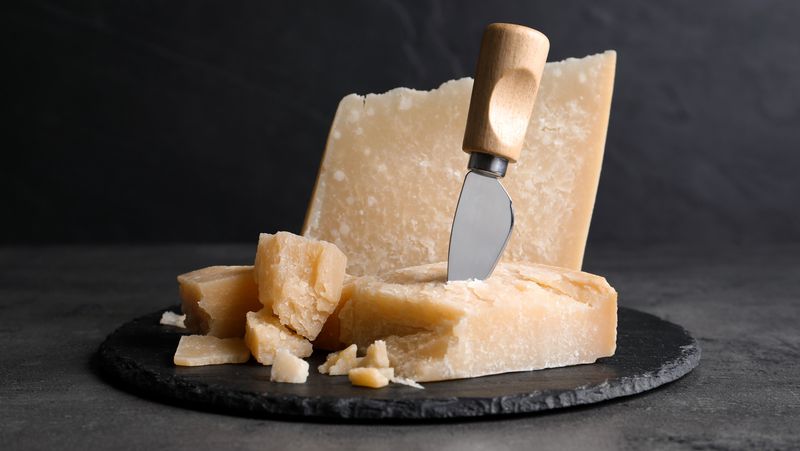
Hard cheeses like cheddar, parmesan, and gouda are cured and aged, which makes them naturally resistant to spoilage. A little surface mold on hard cheese is not a reason to panic.
Simply cut off at least an inch around and below the moldy spot, and the rest is fine to eat.
Soft cheeses are a completely different situation and should be tossed if moldy. But a firm block of aged cheddar?
That can last weeks beyond its label in the fridge.
6. Eggs
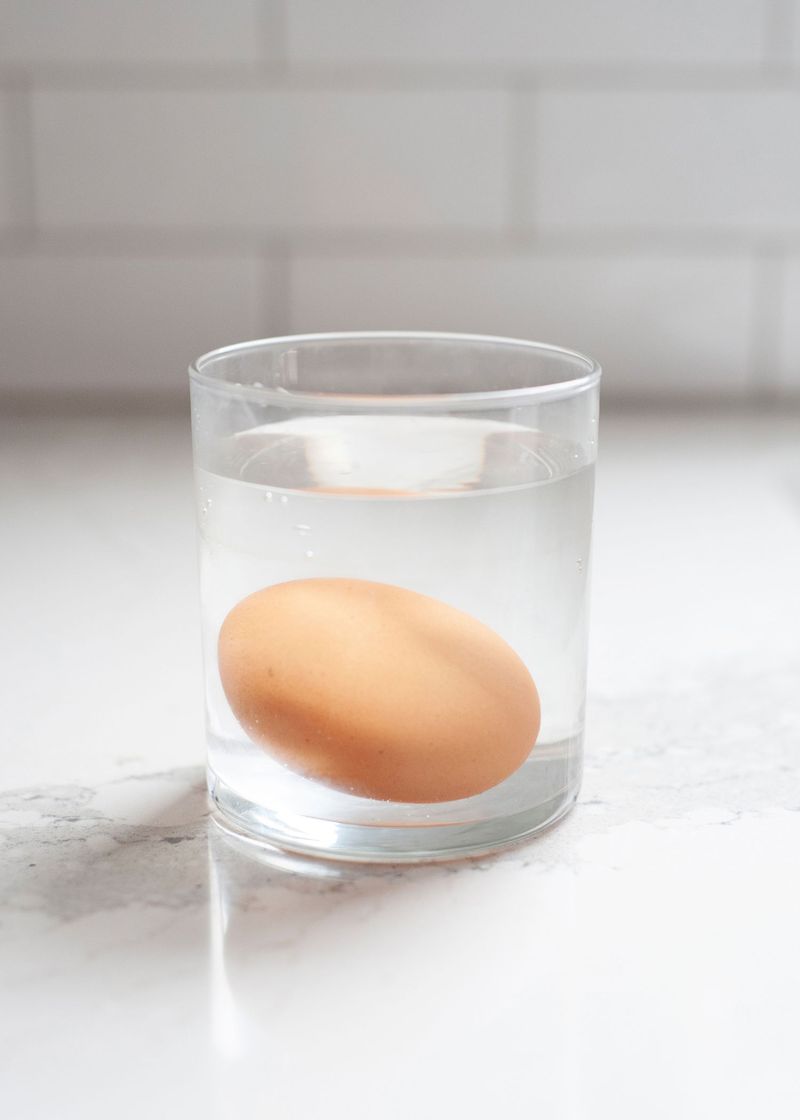
Eggs often get tossed out too soon because people misread the date on the carton. A simple water test can tell you everything you need to know: place an egg in a bowl of cold water.
If it sinks and lays flat, it is very fresh. If it stands upright or floats, skip it.
Refrigerated eggs can stay safe to eat three to five weeks past their best before date. That is a lot of extra omelets you might be throwing away for no reason.
7. Butter
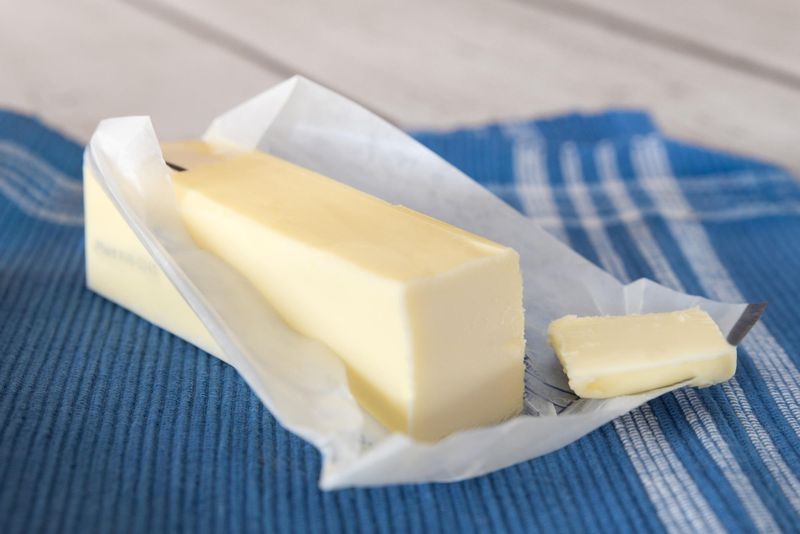
Butter has a surprisingly long life in the fridge. Thanks to its high fat content and low water content, it resists bacterial growth better than most dairy products.
Salted butter lasts even longer than unsalted because salt acts as a natural preservative.
Most butter stays good for one to three months past the best before date when refrigerated. You can also freeze it for up to a year.
If it smells rancid or tastes sour, that is your cue to toss it.
8. Yogurt
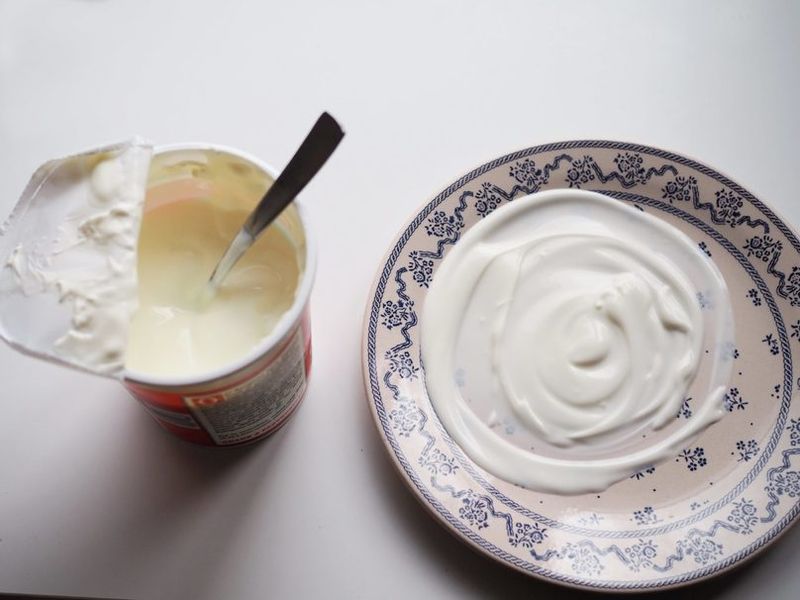
Yogurt is already made through fermentation, which means it has a natural defense against harmful bacteria. Most yogurts are safe to eat one to two weeks past the best before date, especially if the container has never been opened.
You might notice some liquid pooling on top as it ages. That is just whey separating out, and it is completely normal.
Give it a stir and taste a small spoonful. If it smells fine and tastes tangy but not off, enjoy it.
9. Bread
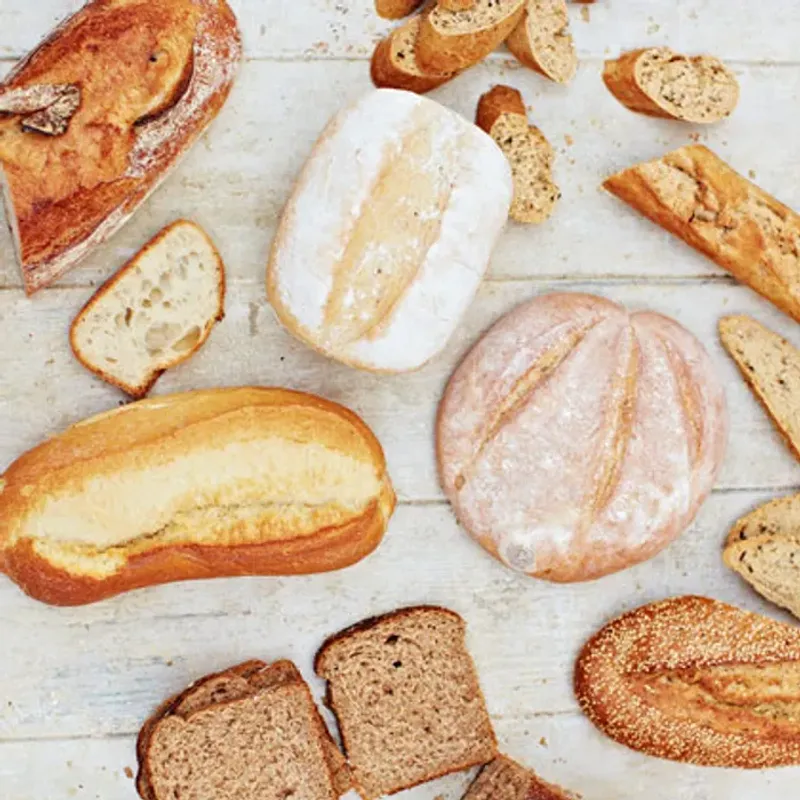
Bread goes stale before it goes bad, and stale bread is still perfectly usable. Slightly past-date bread that shows no mold can be toasted, turned into croutons, used for breadcrumbs, or made into French toast.
Mold, however, is a hard stop since it can spread through soft bread even when you cannot see it.
Storing bread in the freezer dramatically extends its life. You can pull out a slice or two whenever you need it and toast it straight from frozen.
10. Vinegar
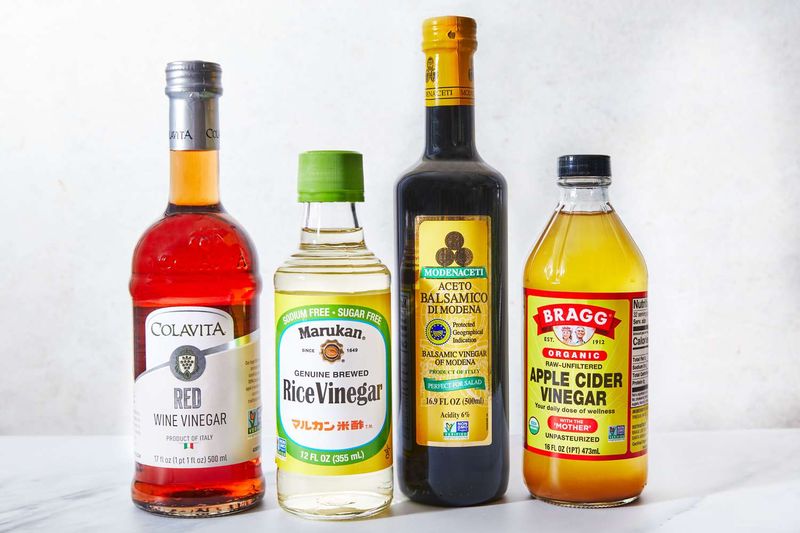
Vinegar is one of the most naturally preserved liquids on the planet. Its acidic nature makes it nearly impossible for bacteria to survive in it.
White vinegar, in particular, has an indefinite shelf life. Apple cider and balsamic vinegars may develop some cloudiness or sediment over time, but they remain safe and flavorful.
The best before date on vinegar is more of a quality guideline than a safety warning. Keep it sealed and stored in a cool, dark place, and it will serve you well for years.
11. Salt
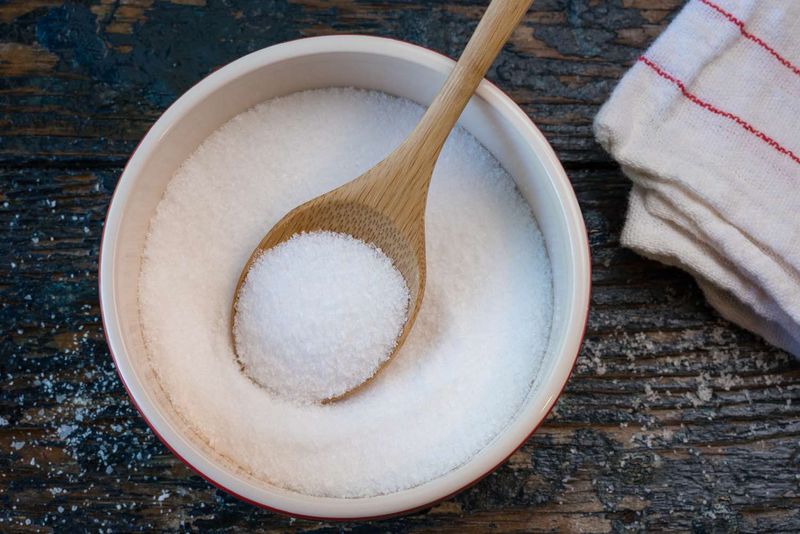
Salt does not expire. Full stop.
Plain salt, whether it is table salt, sea salt, or kosher salt, has no expiration date in terms of safety. It may clump together due to moisture, but that does not affect how it tastes or how well it works in cooking.
Iodized salt is slightly different because the added iodine can break down over time, reducing its nutritional value. But even then, it remains safe to use well past the printed date on the container.
12. Soy Sauce
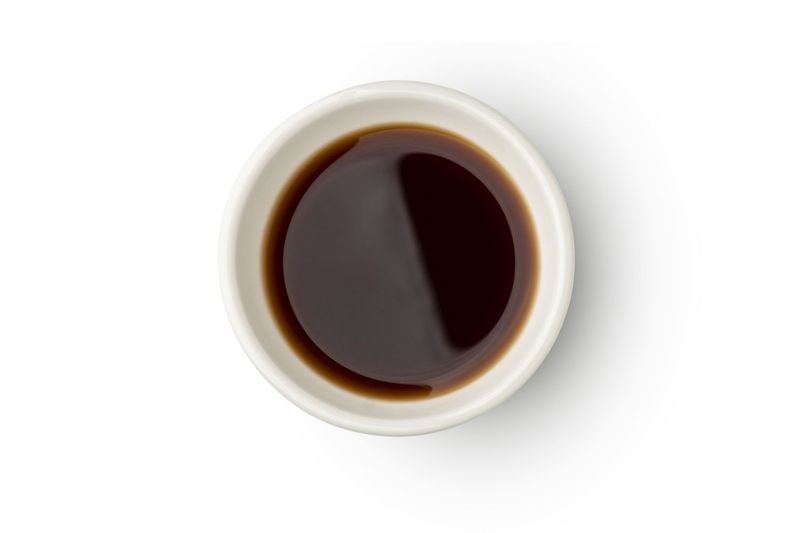
Soy sauce is fermented and has an extremely high salt content, which gives it natural preservative power. An opened bottle of soy sauce kept in the fridge can stay good for up to three years past the best before date.
Unopened bottles can last even longer.
The color may darken and the flavor might mellow slightly over time, but it will not make you sick. Give it a sniff before using it.
A pleasant salty, savory aroma means it is still perfectly fine.
13. Frozen Foods
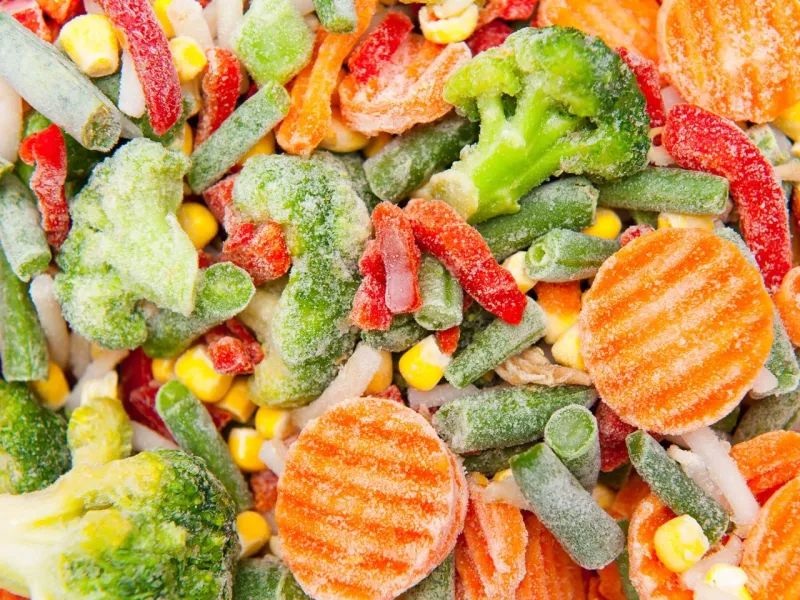
Freezing food essentially puts bacteria on pause, which means frozen foods can often be eaten safely well past their best before dates. The date on frozen food is more about peak quality than actual safety.
Frozen vegetables, meats, and even ice cream remain safe indefinitely if kept at a stable freezing temperature.
Freezer burn is the main issue you will encounter, and while it affects texture and taste, it is not a health risk. Trim away any freezer-burned sections and cook the rest normally.
14. Oats
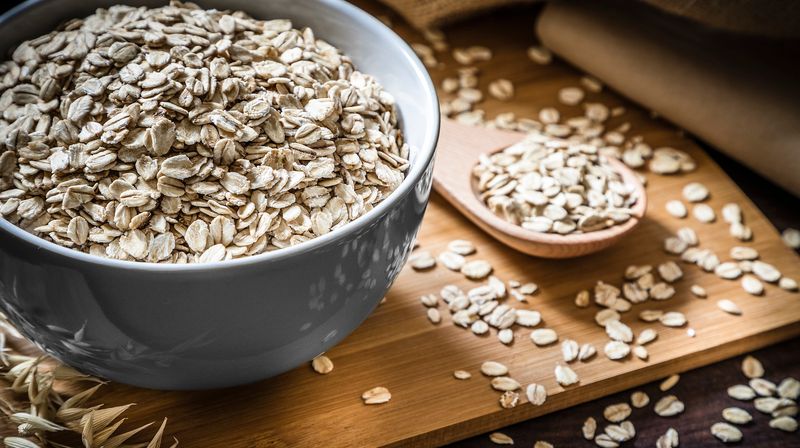
Rolled oats have a best before date, but they tend to last much longer than the package suggests. Stored in an airtight container in a cool, dry place, oats can stay fresh and tasty for up to two years past the printed date.
They may lose a little of their nutty flavor over time, but they will not make you sick. Steel-cut oats last even longer because they are less processed.
Check for any off smells or signs of pests before cooking up your morning bowl.
15. Dark Chocolate
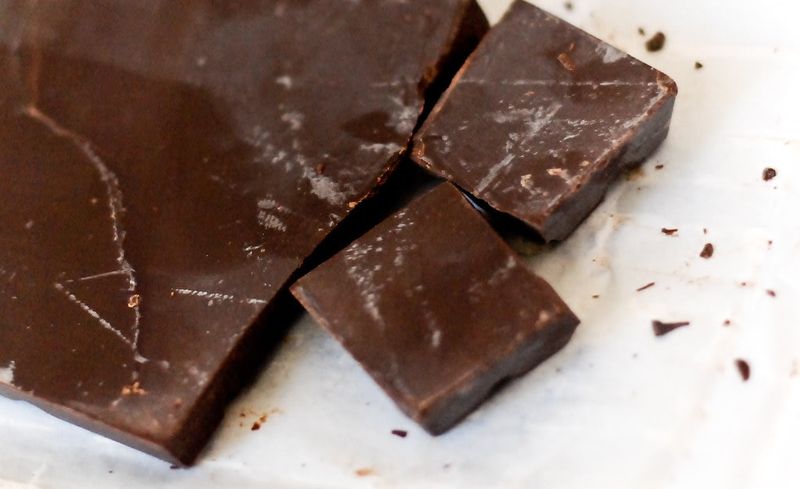
Dark chocolate is a treat that keeps on giving. With its low moisture content and natural antioxidants, dark chocolate can last two to five years past its best before date when stored in a cool, dry place away from strong odors.
You might notice a white or gray coating called bloom on older chocolate. That is just cocoa butter or sugar rising to the surface and is completely harmless.
The chocolate may look a little dull, but it will still taste great and melt just as well in baking.
16. Mustard
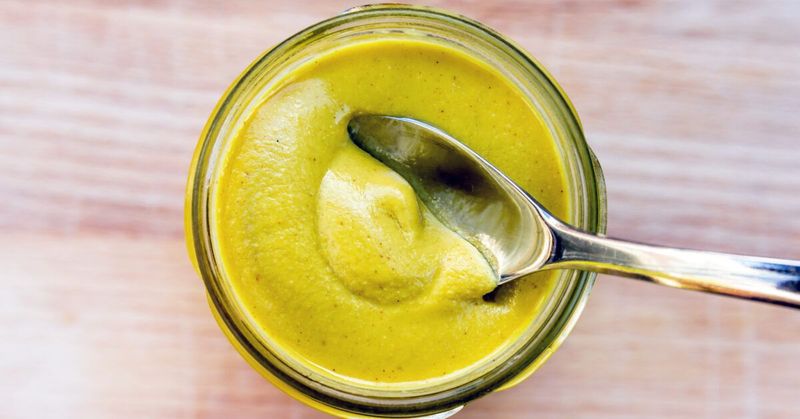
Mustard is a condiment that practically preserves itself. The vinegar and salt in mustard create an environment where harmful bacteria simply cannot thrive.
An opened jar of mustard kept in the fridge can stay safe and flavorful for one to two years past the best before date.
You may notice the color fading or the flavor becoming a bit milder over time, but it will not go bad in any dangerous way. A quick stir before using it is all it usually needs.
17. Sugar
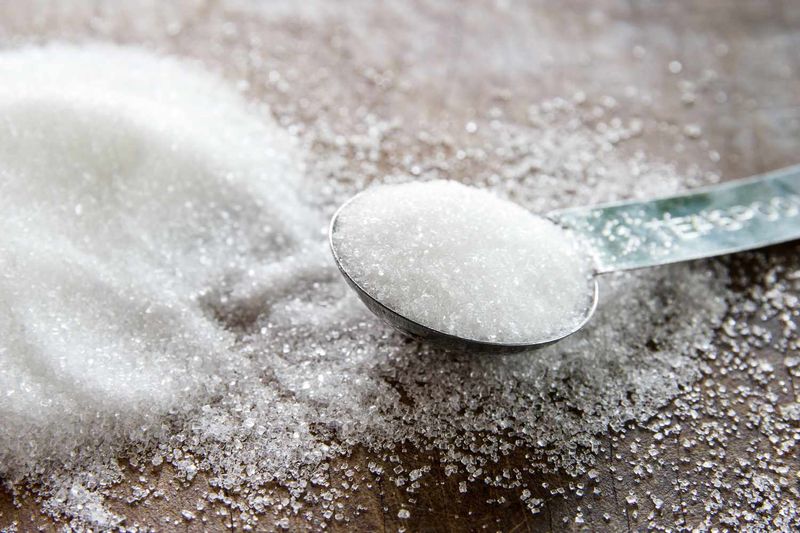
Sugar, much like salt, does not really expire. Granulated white sugar can last indefinitely when stored properly in a sealed container away from moisture and strong odors.
The best before date you see on a bag of sugar is purely about quality, not safety.
Brown sugar can harden over time but is still perfectly usable. Pop a slice of bread or a few marshmallows into the bag to soften it back up overnight.
Powdered sugar behaves similarly and just needs a good sift if it clumps.
18. Pickles
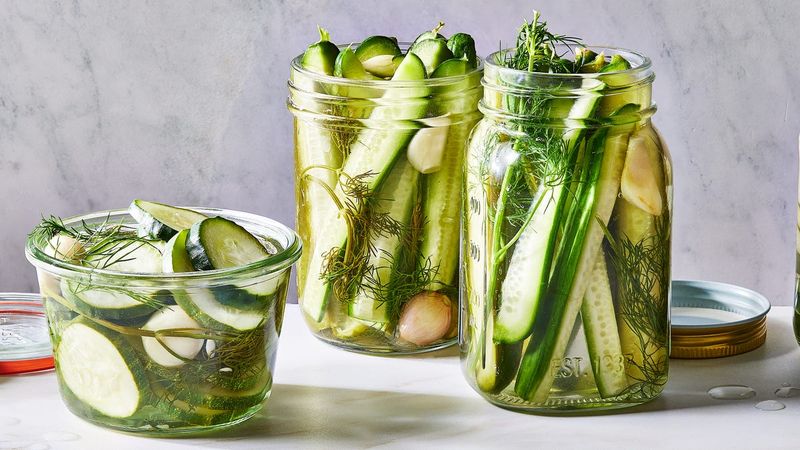
Pickles are preserved in vinegar brine, which is basically nature’s own preservation system. Unopened jars of pickles can last one to two years past the best before date without any problem.
Once opened, they should stay in the fridge and will typically remain good for up to three months or longer.
Always check that the brine looks clear and smells tangy rather than off. If the jar lid pops up when you press it or the brine smells strange, that is when you toss it.
19. Coffee
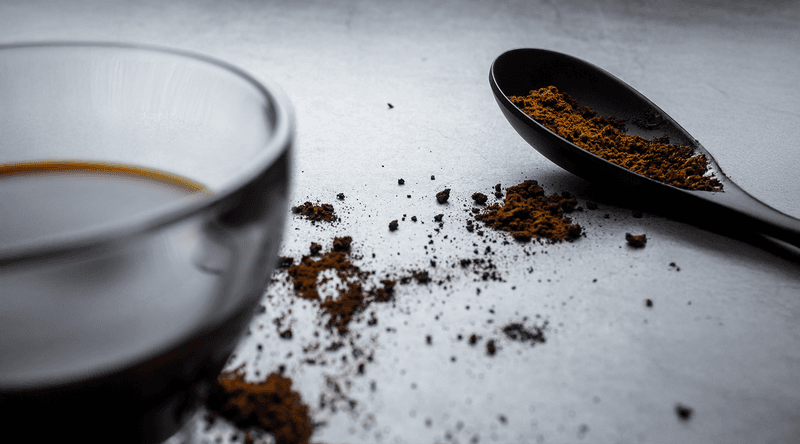
Coffee does not spoil in a way that makes it unsafe to drink, but it does lose its bold flavor and aroma over time. Ground coffee past its best before date might taste flat or stale, but it will not make you ill.
Whole beans hold their flavor longer than pre-ground coffee.
Storing coffee in an airtight container away from light, heat, and moisture is the key to keeping it tasting its best. Freezing whole beans in a sealed bag can also extend their freshness by several months.
20. Hot Sauce
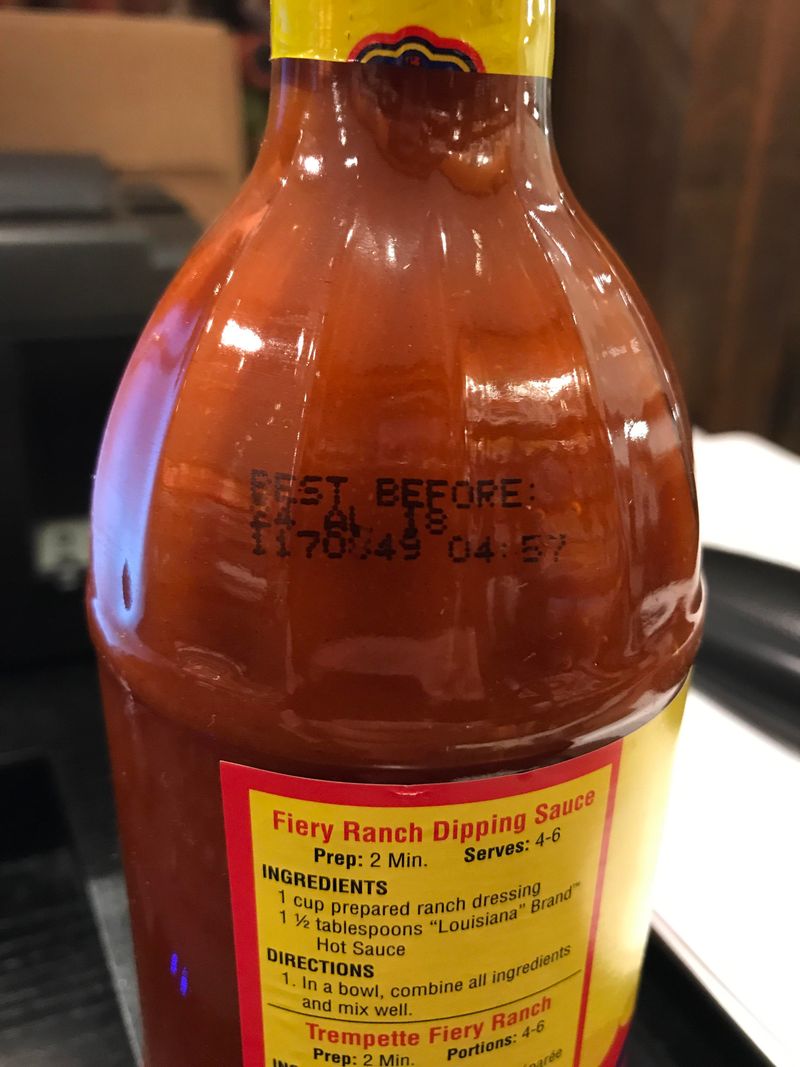
Hot sauce might just be the most low-maintenance condiment in your kitchen. The combination of vinegar, salt, and chili peppers makes it highly resistant to bacterial growth.
An opened bottle of hot sauce can last three to five years past the best before date when stored in the fridge.
The heat level may mellow slightly over time, and the color might darken a little, but the sauce remains safe. If the smell is sharp and spicy rather than off or fermented in a bad way, keep using it confidently.