
Cooking the same meals every week can start to feel a little boring. The good news is that a few simple ingredients can wake up your food without much extra work.
Many of them are already sitting in grocery stores, waiting for someone to notice them. Once you try a few, your everyday dinners might never taste plain again.
1. Smoked Paprika
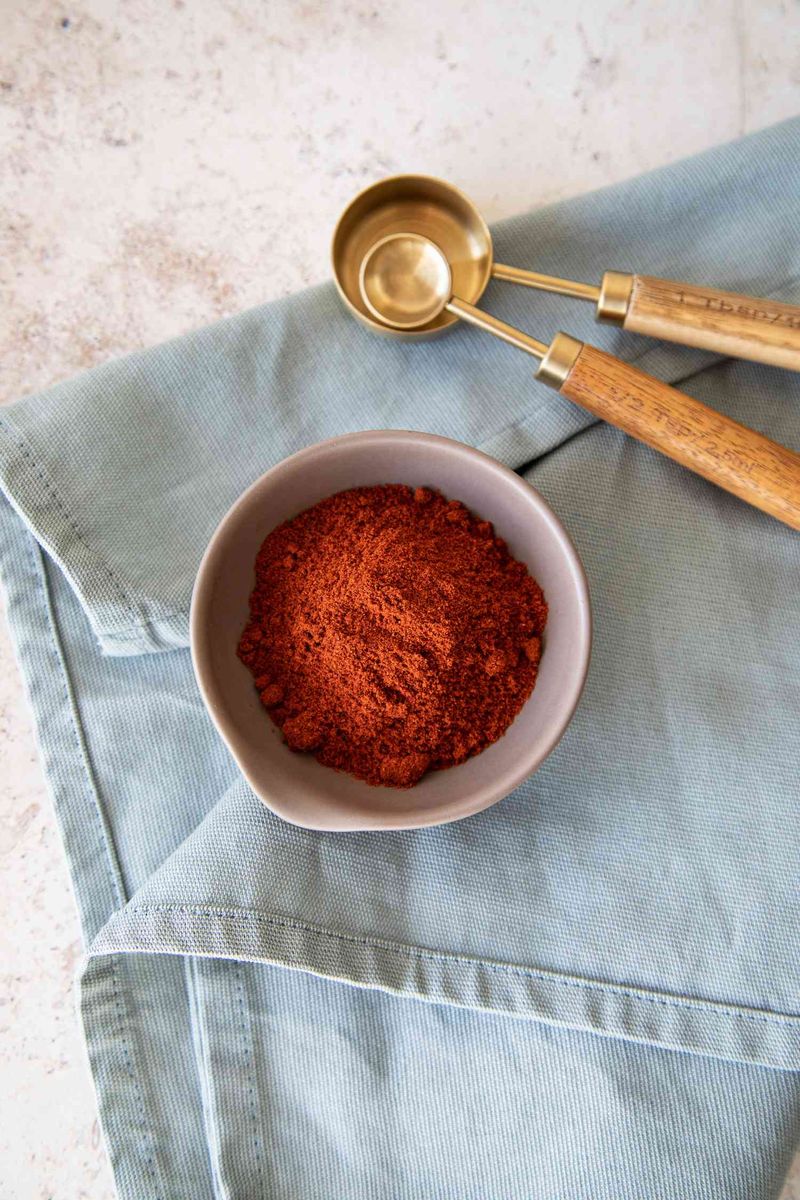
Picture the taste of a campfire, but in a tiny jar. Smoked paprika comes from peppers dried over burning oak wood in Spain, which gives it a rich, smoky flavor.
Sprinkle it on roasted potatoes, scrambled eggs, or popcorn. It also works wonders in chili and bean soups.
You get grilled flavor without ever lighting a grill. Start with half a teaspoon, since a little goes a long way.
2. Miso Paste
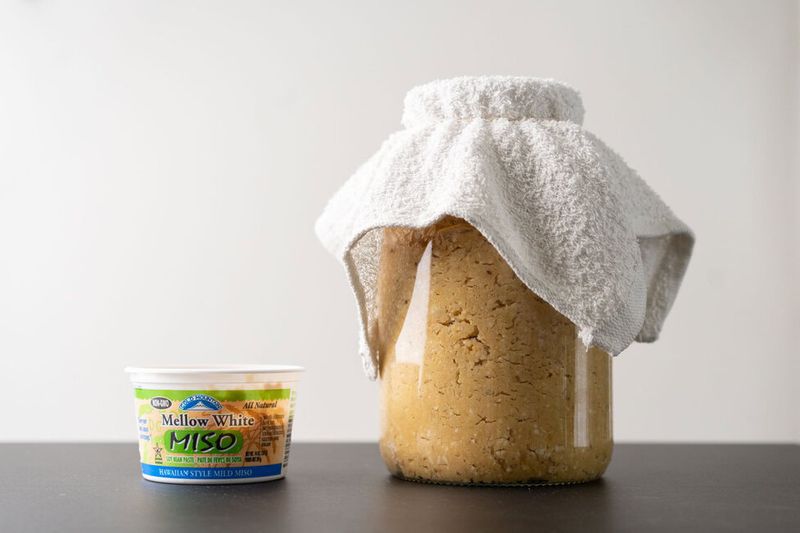
Japanese cooks have relied on miso for over a thousand years. Made from fermented soybeans, it tastes salty, savory, and deep all at once.
Most people only know it from miso soup, but it does much more. Stir a spoonful into butter for corn, mix it into salad dressing, or rub it on salmon before baking.
Keep it in the fridge, and it will last for months.
3. Fish Sauce
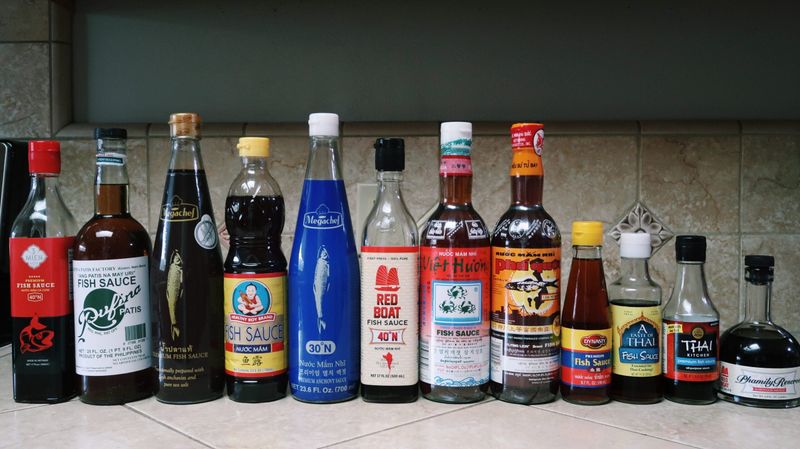
Okay, the smell is strong. Really strong.
But hang in there, because fish sauce is one of the best secret weapons in any kitchen.
Once cooked, that fishy scent disappears and leaves behind a savory boost. Add a few drops to fried rice, soups, or even tomato sauce.
Thai and Vietnamese cooks use it daily. Your family probably will not guess it is there, but they will ask for seconds.
4. Preserved Lemons
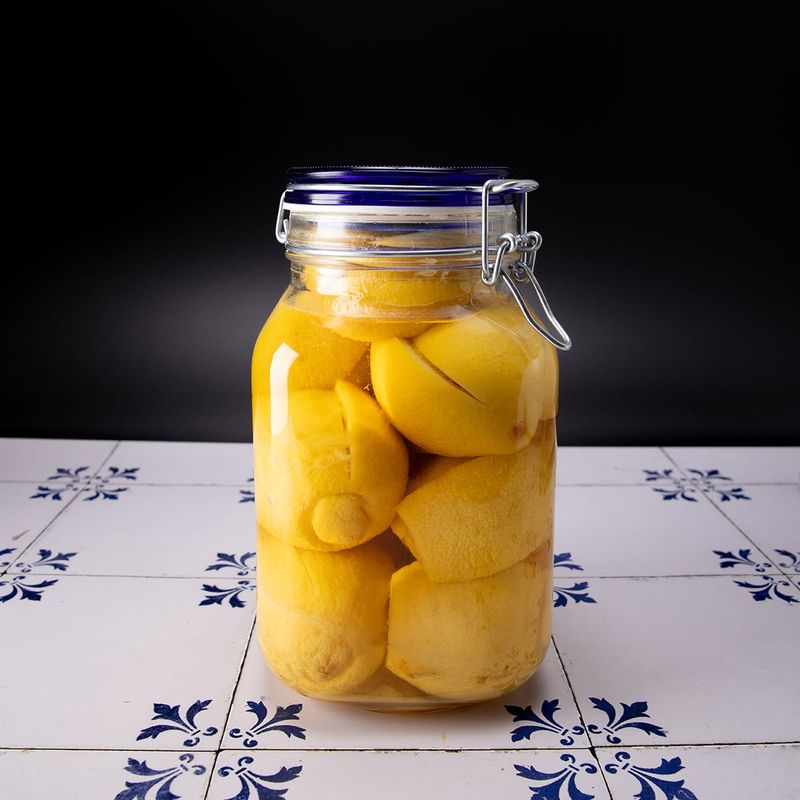
Imagine lemon flavor turned up, mellowed out, and made silky. Preserved lemons are packed in salt for weeks until the peel becomes soft and edible.
They are a big deal in Moroccan cooking, especially in stews called tagines.
Chop a small piece of the rind and toss it into couscous, roasted chicken, or tuna salad. Rinse it first to remove extra salt.
You can even make them at home with just lemons and salt.
5. Nutritional Yeast
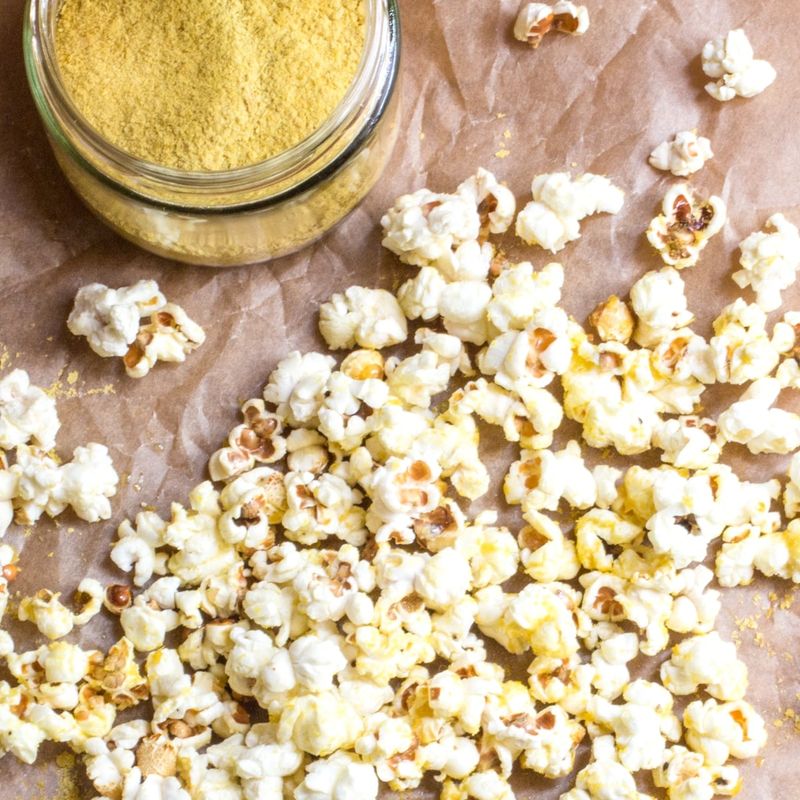
Here is a funny name for a tasty thing. Nutritional yeast comes as golden flakes with a cheesy, nutty taste, even though it contains no dairy at all.
Vegans love it, but anyone can enjoy it. Shake it over popcorn, pasta, or steamed broccoli for a savory kick.
Bonus points: it is often packed with B vitamins. Fans sometimes call it nooch, which is just plain fun to say.
6. Tahini
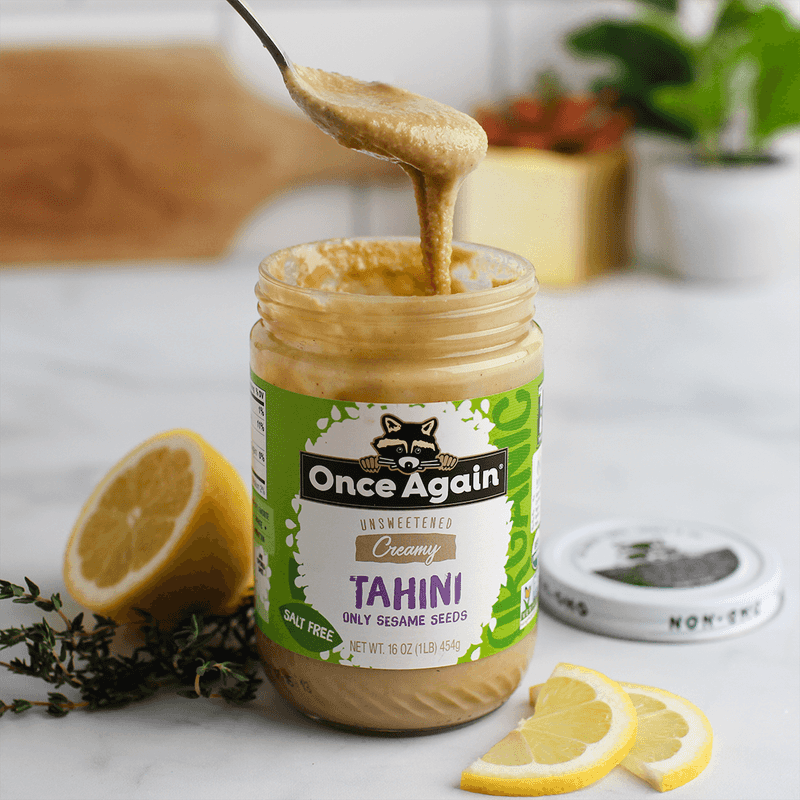
Most folks meet tahini inside hummus and never see it again. That is a shame, because this sesame seed paste can do so much.
Whisk it with lemon juice, garlic, and water for a creamy sauce that is great on veggies and wraps. Swirl it into brownie batter for a nutty twist.
Stir the jar well before using, since the oil likes to separate and float on top.
7. Sumac
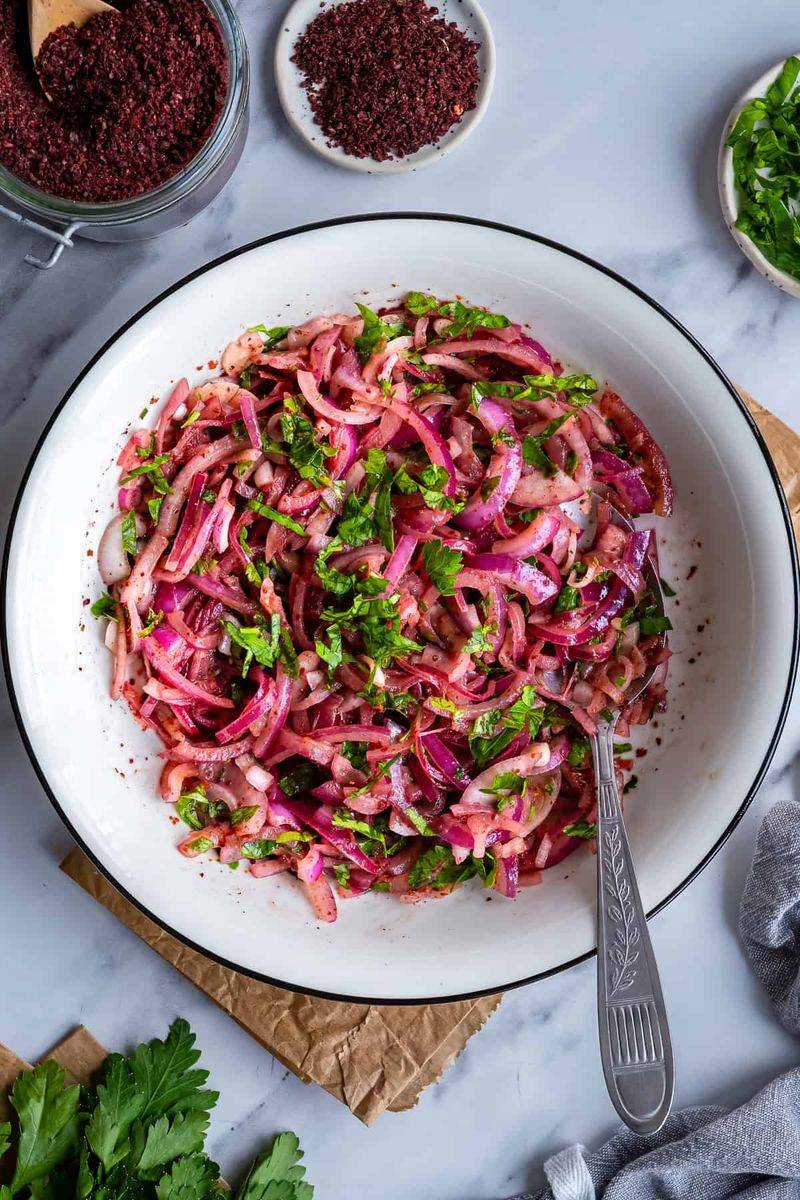
Did you know there is a spice that tastes like lemon? Sumac is made from dried, crushed berries and has a bright, tangy flavor with a pretty purple-red color.
Middle Eastern cooks sprinkle it on salads, grilled meats, and rice.
Try dusting it over avocado toast or hummus. It adds zing without making food wet like lemon juice can.
One jar can brighten dozens of meals.
8. Anchovies

Plenty of people wrinkle their noses at anchovies, picturing salty little fish on pizza. Give them another chance.
When you melt a couple of fillets in warm olive oil, they dissolve completely. What remains is a rich, savory flavor that makes pasta sauces and salad dressings taste fancy.
Caesar dressing actually depends on them. Keep a small tin in the pantry, and you will always have a flavor booster ready.
9. Gochujang
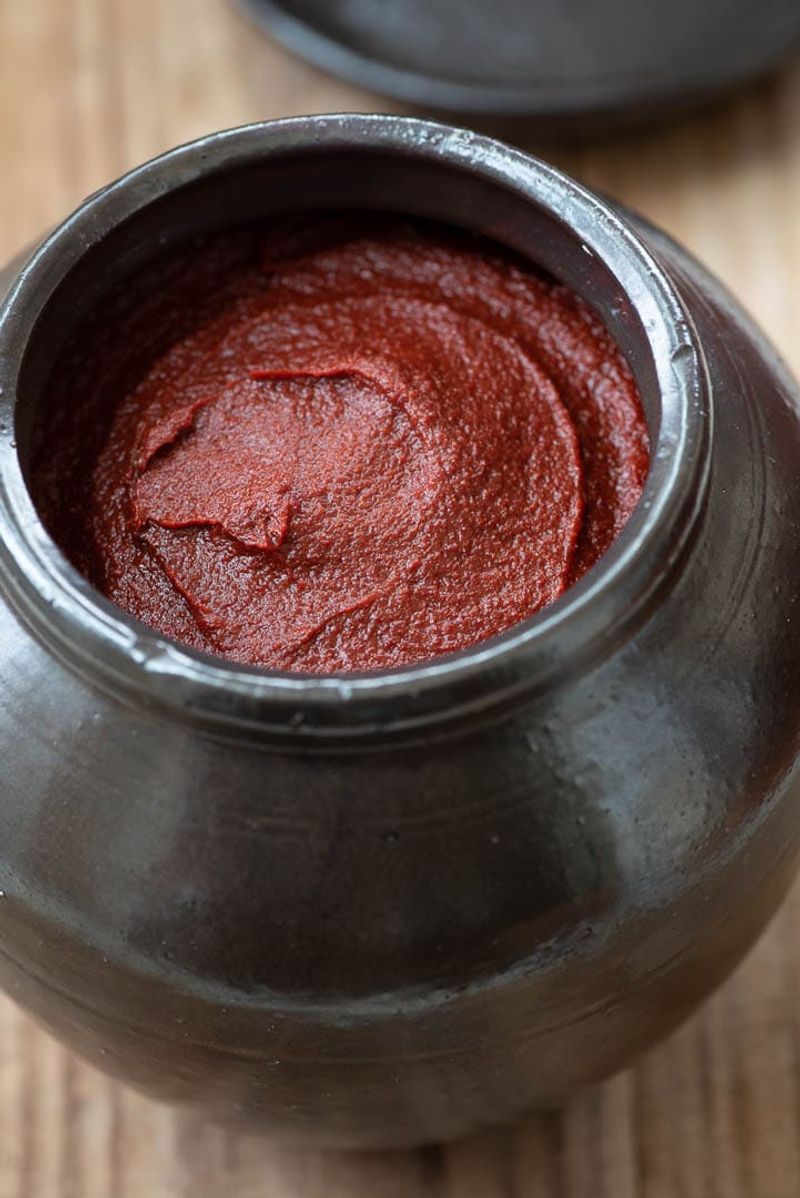
Sweet, spicy, and a little funky, gochujang is Korea’s beloved red chili paste. It is made from chili peppers, rice, and fermented soybeans.
You can stir it into mayo for a zippy sandwich spread or brush it on chicken wings before baking. It also makes a quick noodle sauce with a splash of soy and honey.
Start small if you are spice-shy. The heat builds slowly.
10. Capers
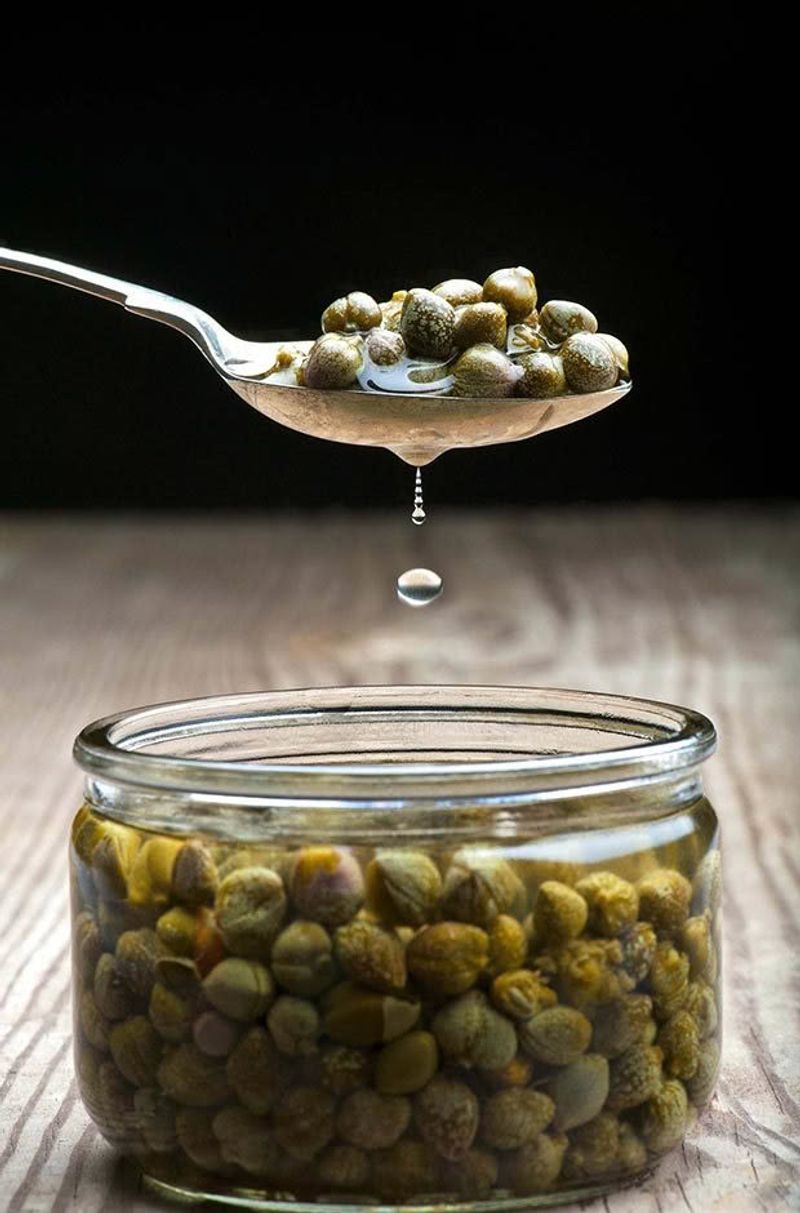
Those tiny green balls in a jar are actually flower buds. Capers grow on a bush around the Mediterranean and are pickled in brine or salt.
They burst with briny, tangy flavor, a bit like olives but zippier.
Toss them into pasta, potato salad, or a butter sauce for fish. For a crunchy treat, fry them in oil until they pop open.
They make a great topping.
11. Black Garlic
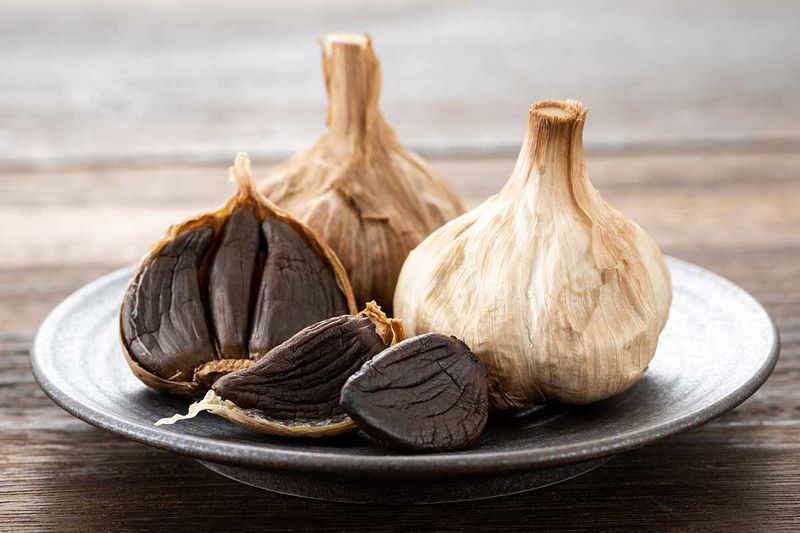
At first glance, black garlic looks burnt. Surprise, it is not!
Regular garlic is warmed slowly for weeks until the cloves turn dark, soft, and sweet.
The flavor reminds people of balsamic vinegar, molasses, and roasted garlic all together.
Spread it on toast, mash it into butter, or blend it into salad dressing. There is no harsh bite, so even garlic skeptics tend to like it.
12. Za’atar
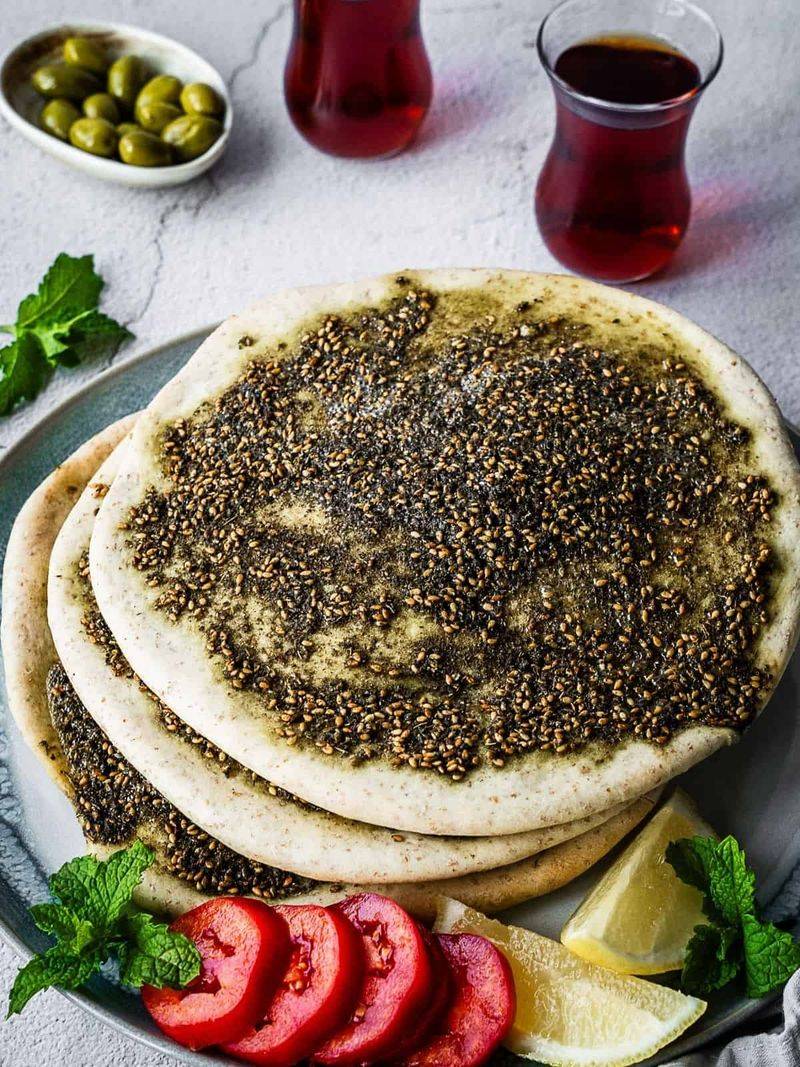
Walk through a bakery in Lebanon, and you will likely smell za’atar. This herb blend mixes thyme, sesame seeds, sumac, and salt.
The classic way to enjoy it is brushed on flatbread with olive oil. Warm and toasty, it is hard to stop eating.
At home, sprinkle it on eggs, roasted carrots, or yogurt dip. It turns ordinary snacks into something that feels special and new.
13. Coconut Milk
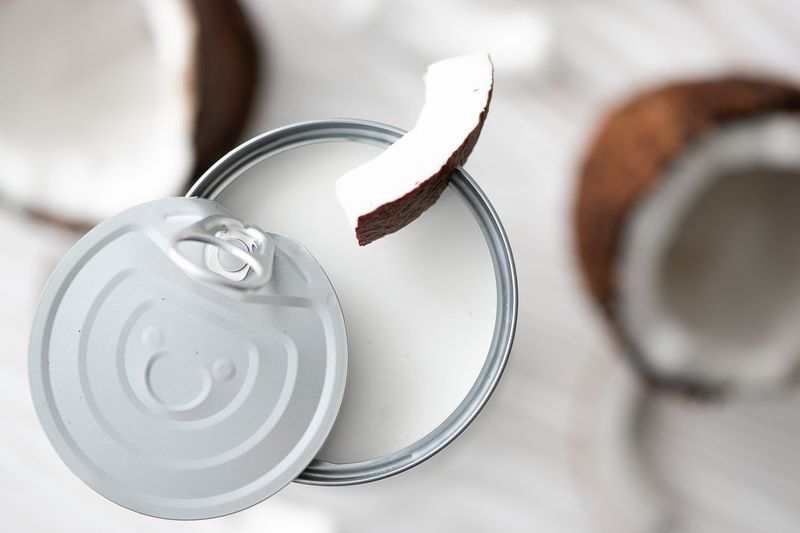
Think coconut milk is only for curry? Think again.
That creamy can in the pantry can make dozens of dishes richer.
Cook rice in it instead of water for a sweet, fluffy side. Blend it into smoothies or use it to make a dairy-free whipped cream after chilling overnight.
Shake the can well before opening. Leftovers freeze nicely in ice cube trays for later use.
14. Pomegranate Molasses
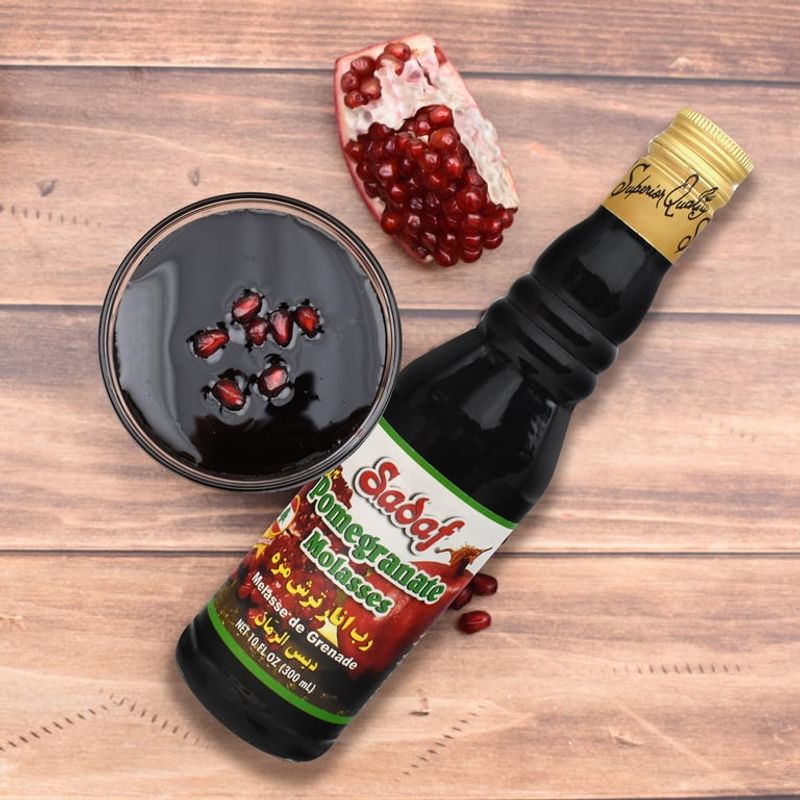
Thick, dark, and tangy, pomegranate molasses is simply pomegranate juice boiled down into syrup. It tastes sweet and sour at the same time.
Drizzle it over roasted vegetables or use it as a glaze for chicken. Mix it with olive oil for a quick salad dressing.
Many Middle Eastern recipes rely on it. Once you open a bottle, you will keep finding new spots to use it.
15. Fresh Ginger
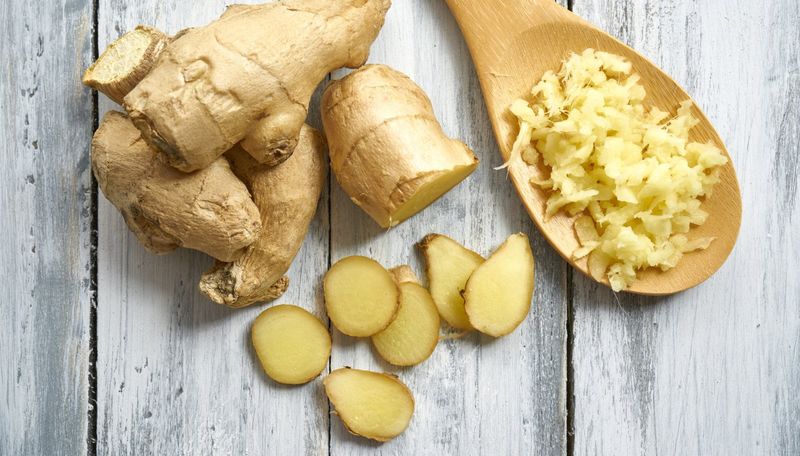
That knobby, odd-looking root at the store deserves a spot in your cart. Fresh ginger adds a warm, peppery zing that powdered ginger just cannot match.
Grate it into stir-fries, soups, or marinades. Steep slices in hot water with honey for a soothing tea.
Here is a handy tip: store ginger in the freezer. Frozen ginger is actually easier to grate, and it lasts for months.
16. Chipotle Peppers in Adobo

Smoky heat in a tiny can, that is the magic of chipotles in adobo. Chipotles are dried, smoked jalapenos soaked in a tangy red sauce.
Chop one into chili, blend it into mayo for burgers, or stir some sauce into barbecue glaze.
Most recipes only need one or two peppers. Freeze the rest in small portions, and your next taco night will thank you.
17. Brown Butter
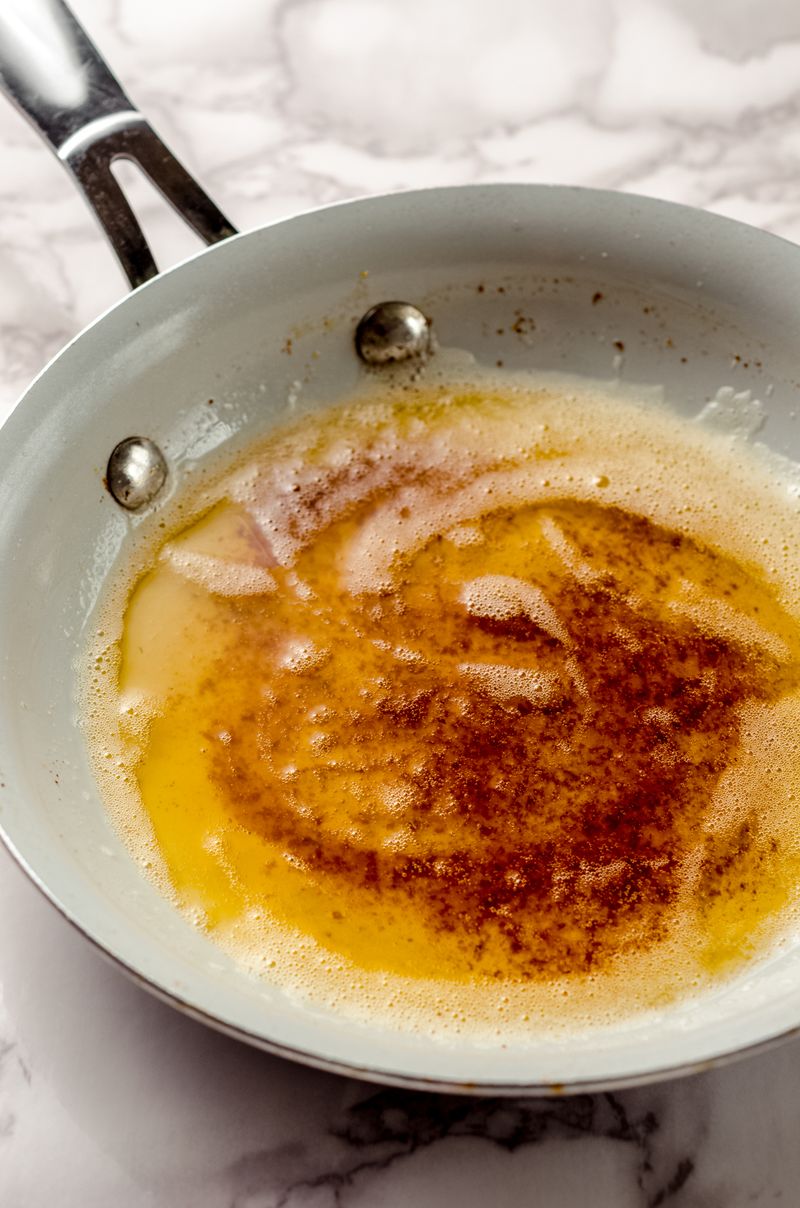
Sometimes the most exciting ingredient is one you already have. Brown butter is regular butter cooked a few extra minutes until it turns golden and smells like toasted nuts.
Watch closely, because it can burn fast. Once those little brown specks appear, take it off the heat.
Pour it over pasta, pancakes, or green beans. Bakers add it to cookies for a deeper, caramel-like taste.
18. Rice Vinegar
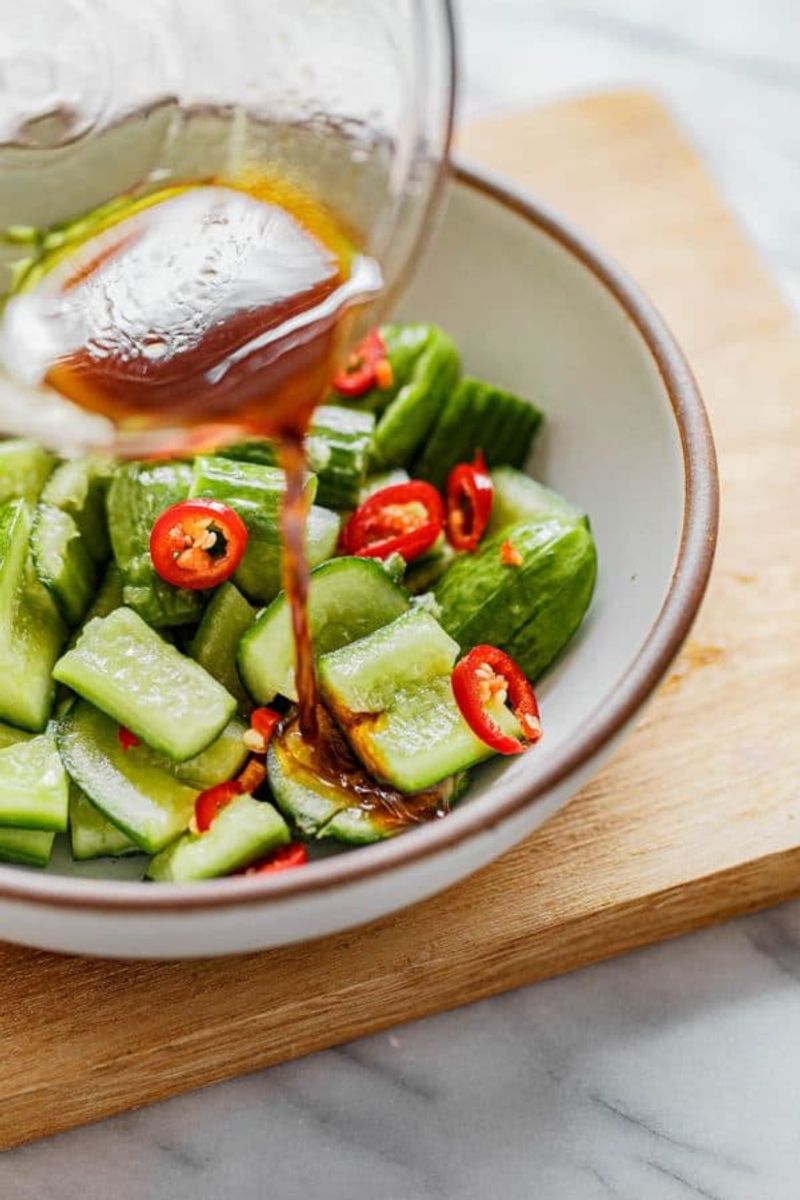
Gentle and slightly sweet, rice vinegar is the mellow cousin of sharp white vinegar. It brings tang without making your mouth pucker.
Sushi rice gets its flavor from it, but you can do much more. Splash it on cucumbers for a quick pickle or whisk it into salad dressing.
A dash at the end of cooking can brighten soups and stir-fries that taste a bit flat.
19. Fennel Seeds
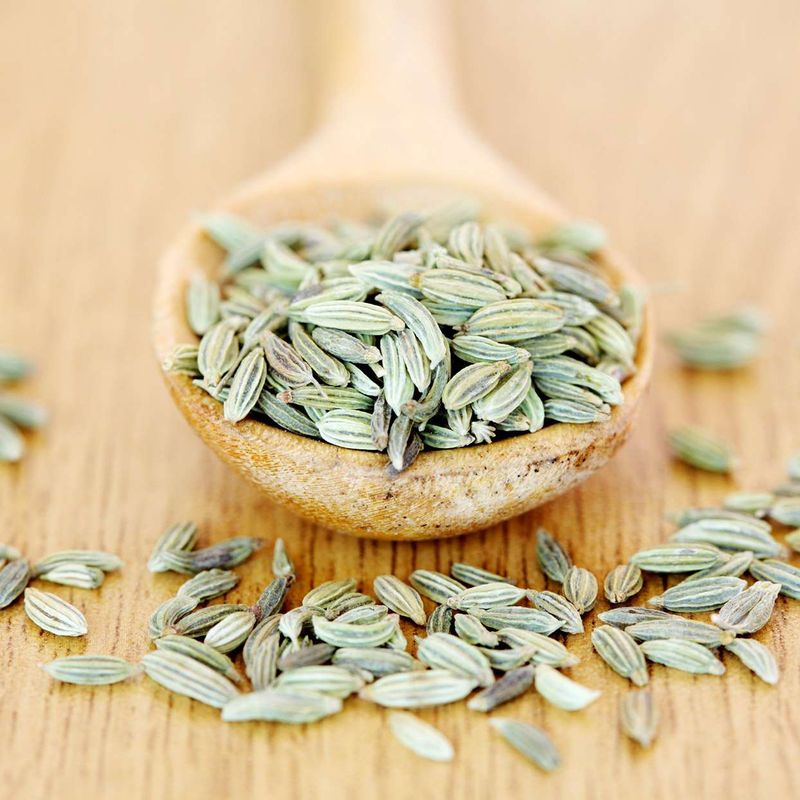
Ever wondered why Italian sausage tastes so good? Much of that flavor comes from fennel seeds, which have a light, sweet licorice note.
Toast them in a dry pan for a minute to wake up their scent. Then crush and add them to tomato sauce, roasted pork, or bread dough.
In India, people chew them after meals to freshen breath. Tasty and useful, too.