
Think about the last snack you grabbed or the meal you heated up in a hurry. Behind almost every bite is a clever idea that someone dreamed up years ago.
Some of these inventions keep food fresh, while others make cooking faster or just more fun. Get ready to meet the smart creations that quietly shaped what lands on your plate every single day.
1. The Refrigerator
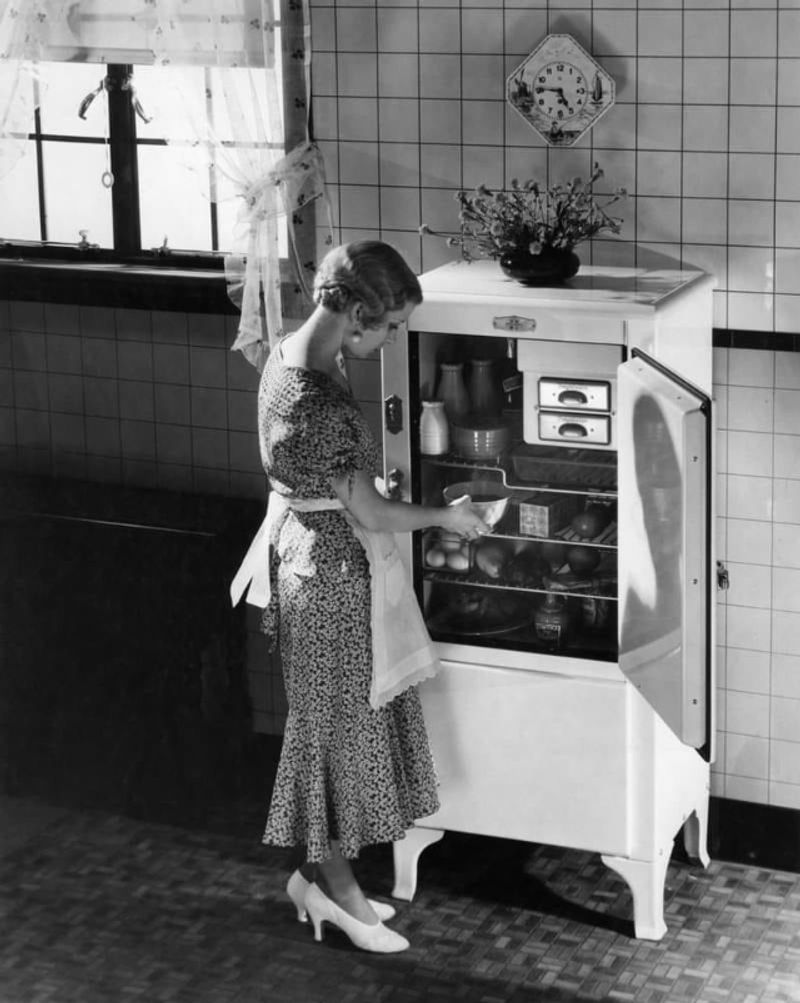
Picture life without cold milk or crisp lettuce. Before electric fridges showed up in the early 1900s, families relied on iceboxes filled with blocks of ice delivered to their doors.
Refrigerators changed everything by keeping food fresh for days instead of hours. People could shop once a week and save leftovers safely.
Quick tip: keep your fridge at or below 40 degrees Fahrenheit to slow down bacteria and help food last longer.
2. The Microwave Oven
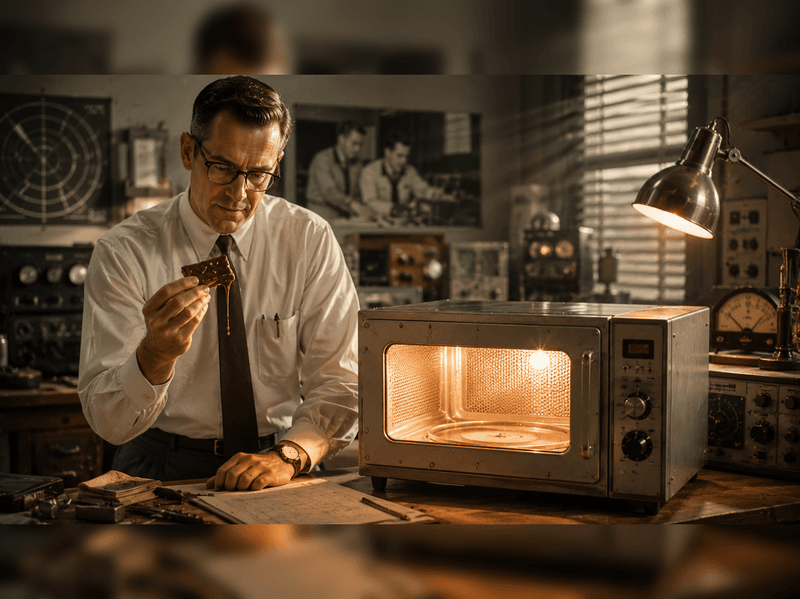
A melted chocolate bar sparked one of the biggest kitchen shortcuts ever. In 1945, engineer Percy Spencer noticed candy in his pocket had softened while he worked near radar equipment.
His discovery became the microwave oven. Suddenly, reheating dinner took two minutes instead of twenty.
Want better results? Stir your food halfway through cooking.
Microwaves heat unevenly, so a quick stir helps get rid of those cold spots hiding in the middle.
3. Canned Food
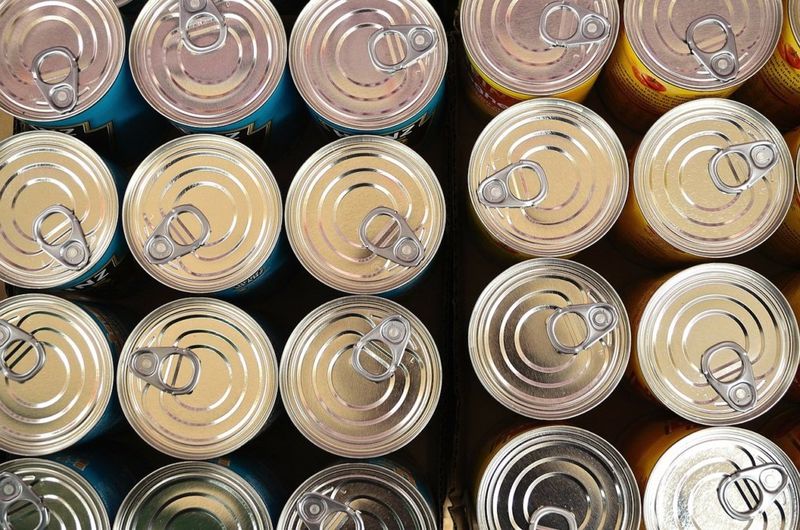
Soldiers needed food that would not spoil on long marches, so in 1795 France offered a prize to anyone who could solve the problem. Nicolas Appert won by sealing food in glass jars and heating them.
Metal cans came soon after. Funny enough, the can opener was not invented until decades later, so people used hammers and chisels!
Today, canned beans, soups, and fruits are pantry heroes that last for years.
4. Sliced Bread
Ever heard someone say an idea is the best thing since sliced bread? There is a reason for that saying.
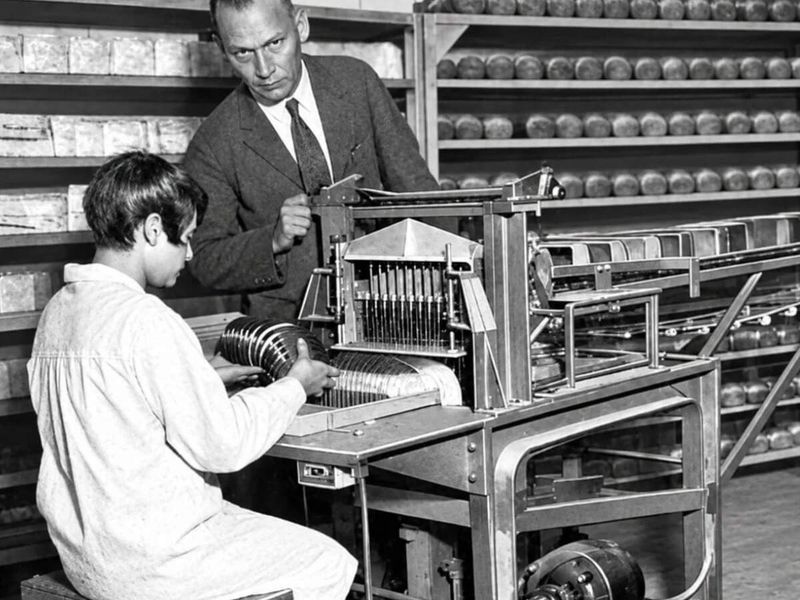
Otto Rohwedder built the first bread slicing machine in 1928, and shoppers went wild for perfectly even slices. Making sandwiches and toast became faster and neater overnight.
Store your sliced bread in a cool, dry spot, or freeze extra slices. You can toast them straight from the freezer without thawing.
5. Instant Noodles
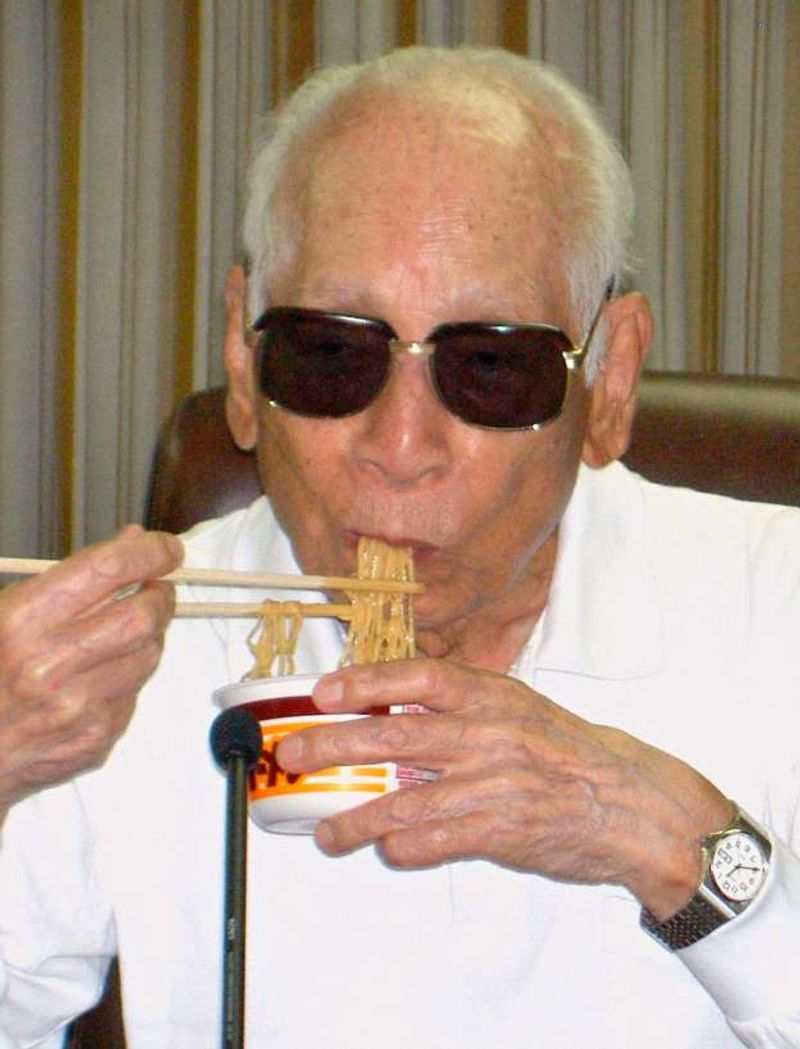
College students everywhere owe a thank you to Momofuku Ando. After World War II, he watched hungry people wait in long lines for noodles in Japan and wanted a faster solution.
In 1958, he created instant ramen by flash-frying noodles so they cooked with just hot water.
Make yours healthier by tossing in frozen veggies, a boiled egg, or leftover chicken. A cheap snack turns into a real meal fast.
6. Frozen Food
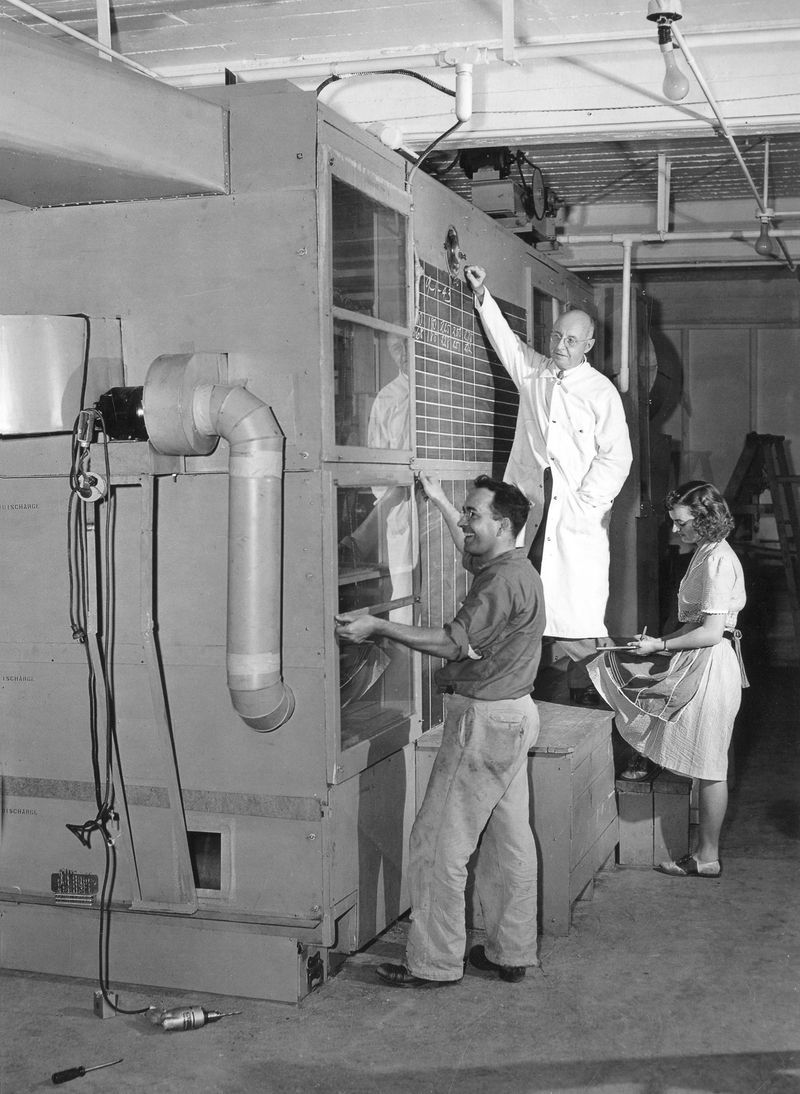
Clarence Birdseye got his big idea while ice fishing in Canada. He noticed fish froze almost instantly in the icy air and still tasted fresh when cooked months later.
Back home, he developed quick freezing in the 1920s. Frozen peas, berries, and fish soon filled grocery stores.
Here is a secret: frozen veggies are often just as nutritious as fresh ones because they are frozen right after picking.
7. The Toaster
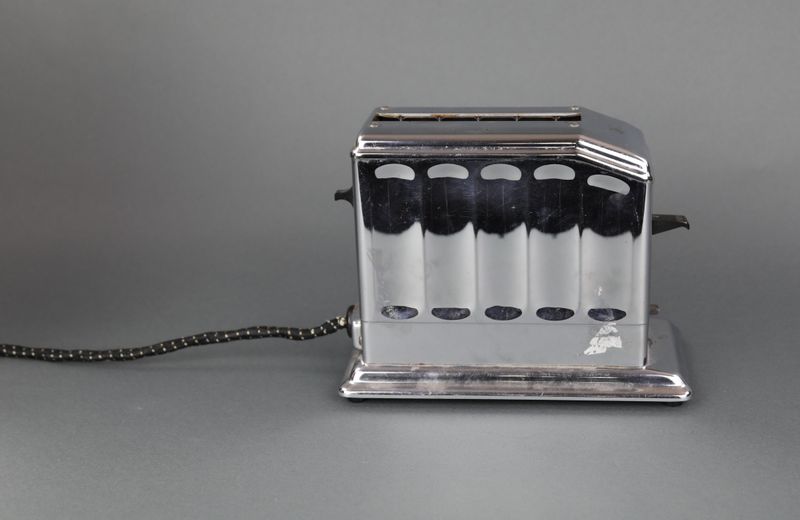
Golden toast used to mean standing over a fire and flipping bread with a fork. Not exactly relaxing at breakfast time.
Electric toasters arrived in the early 1900s, and the pop-up version came along in the 1920s. No more burnt edges from forgetting to watch!
Clean the crumb tray every couple of weeks. Built-up crumbs can smell smoky and even become a fire risk if ignored too long.
8. Pasteurization
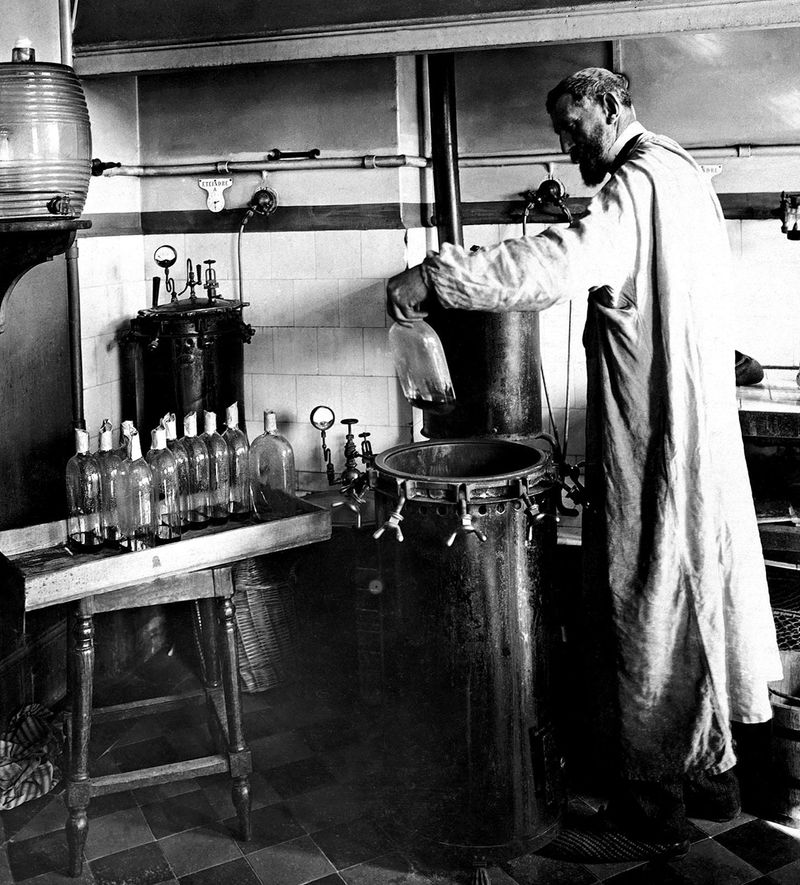
Louis Pasteur was a French scientist, not a chef, yet he made milk safer for millions. In the 1860s, he discovered that gently heating liquids killed harmful germs.
Pasteurization stopped countless illnesses caused by spoiled milk, juice, and wine. It remains one of the greatest food safety wins in history.
Always check labels when buying milk or juice. The word pasteurized means it has been treated to keep you healthy.
9. Potato Chips
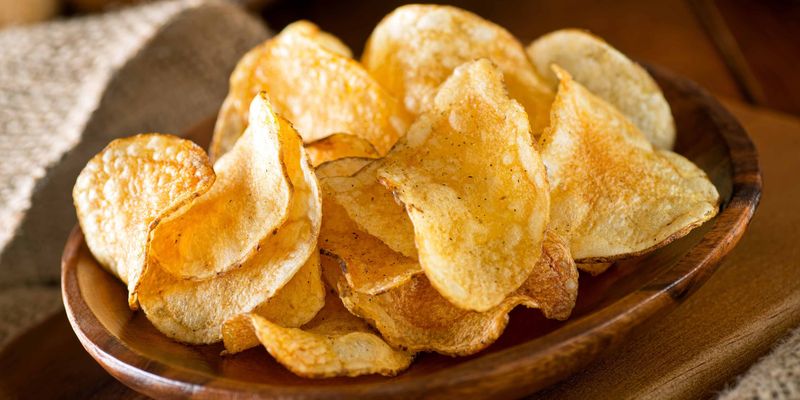
Legend says a grumpy customer kept sending back his fried potatoes for being too thick. Chef George Crum, annoyed, sliced them paper thin and fried them crispy in 1853.
The customer loved them, and potato chips were born. Whether the story is fully true is debated, but it sure is fun.
Craving crunch? Try baking thin potato slices with olive oil at home for a lighter version.
10. Plastic Food Storage Containers
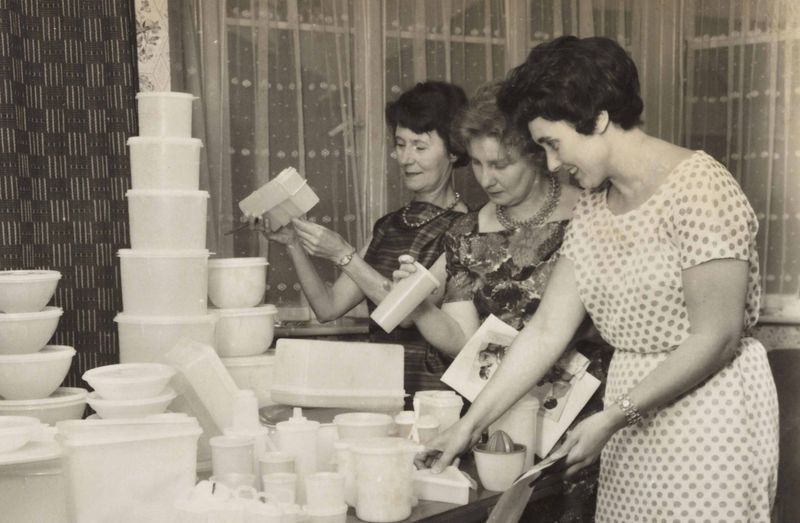
Grandma probably hosted parties just to sell them. Earl Tupper invented his airtight plastic containers in 1946, and home parties made them famous.
The famous burping seal locked air out, keeping leftovers fresh much longer. Packing lunches and saving dinners became easy.
Tip for today: choose BPA-free containers, and avoid microwaving plastic that is not labeled microwave safe. Glass containers are another great option for reheating food.
11. The Slow Cooker
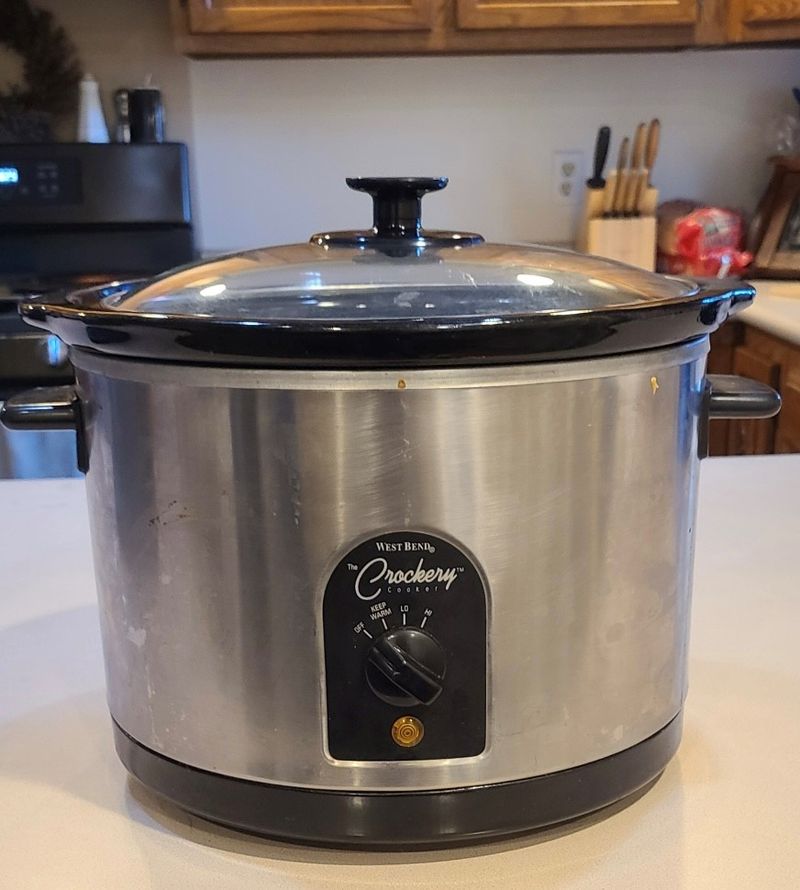
Coming home to a hot, ready dinner feels like magic. Thank the slow cooker, first sold widely in the 1970s.
Busy families loved tossing ingredients in before work and finding tender stew or chili hours later. It made cheap cuts of meat taste amazing.
Want to try it? Add root veggies at the bottom since they cook slowest.
Avoid lifting the lid too often, because each peek adds cooking time.
12. Breakfast Cereal
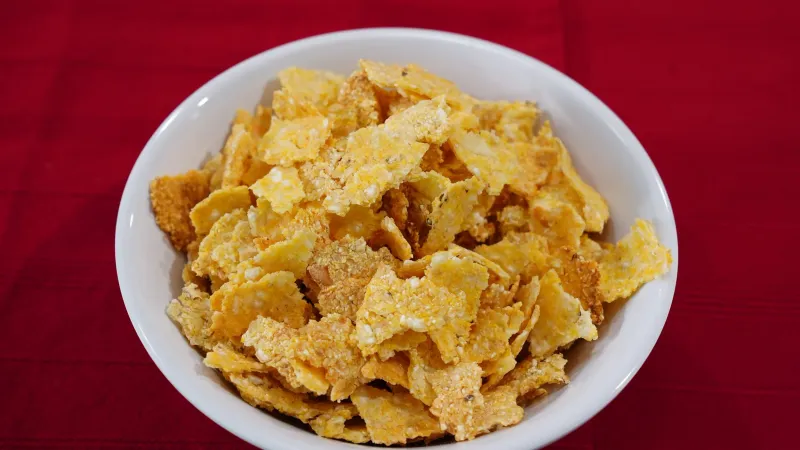
Believe it or not, cereal started as health food. In the late 1800s, the Kellogg brothers created corn flakes as a plain, simple meal for patients at their sanitarium.
Later, sugar and cartoon mascots turned cereal into a breakfast giant. Mornings became quick and easy.
Check nutrition labels when shopping. Look for cereals with more fiber and less added sugar, then top with fruit for natural sweetness.
13. The Ice Cream Cone
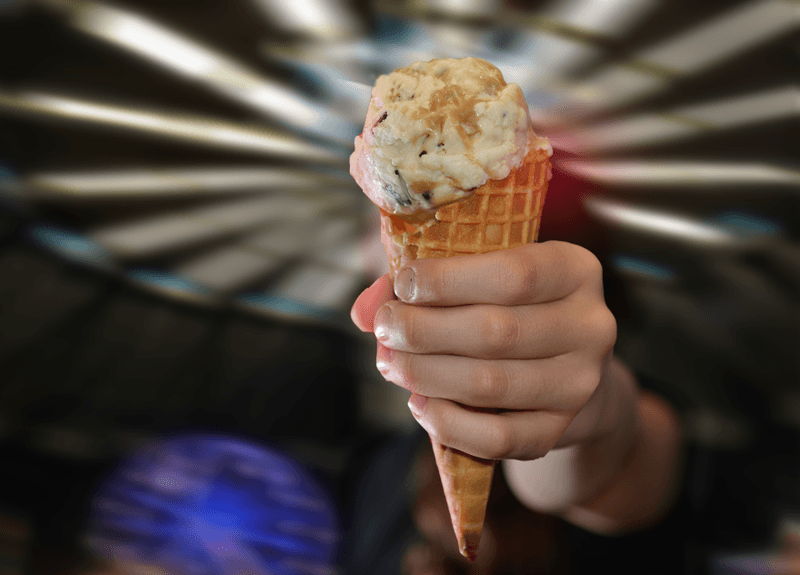
Ran out of bowls? No problem!
At the 1904 World’s Fair in St. Louis, an ice cream seller supposedly ran short of dishes, and a nearby waffle maker rolled up waffles to help.
Edible cones became an instant hit. You could eat the dessert and the container!
Fun fact: Americans eat billions of cones every year. Try dipping yours in melted chocolate for a homemade treat.
14. The Blender
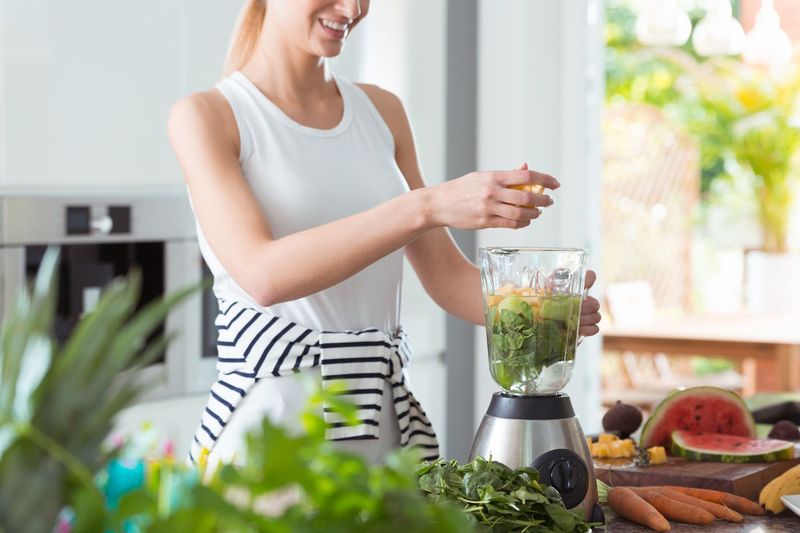
Smoothie lovers, meet Stephen Poplawski. He patented an early blender in 1922 to make malted milkshakes at soda fountains.
Later, the blender helped hospitals prepare soft diets and families whip up soups, sauces, and drinks. Now it powers countless breakfast smoothies.
Blend smarter by adding liquids first, then soft foods, and frozen items last. Your blades will spin easier and your drink will turn out silky smooth.
15. Chocolate Chip Cookies
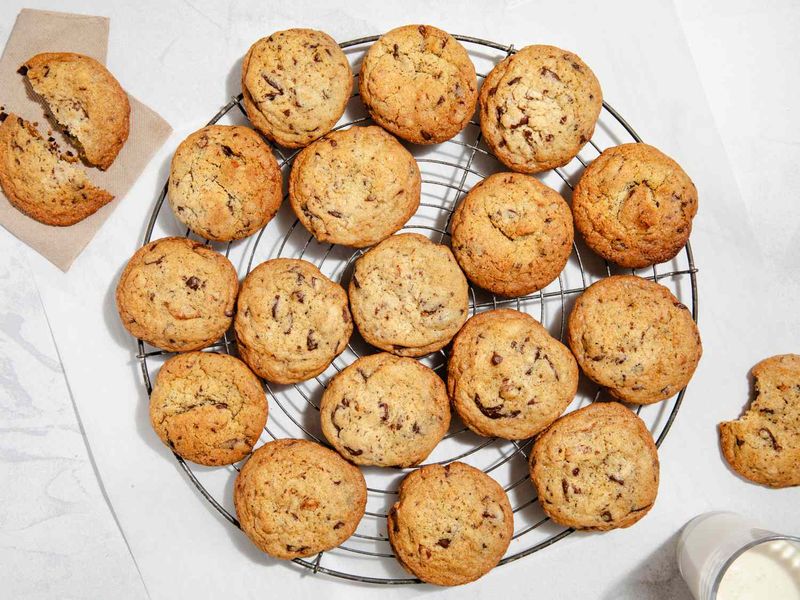
Ruth Wakefield ran the Toll House Inn in Massachusetts during the 1930s. One day, she chopped up a chocolate bar and mixed it into cookie dough.
Instead of melting completely, the chocolate stayed in gooey chunks. America’s favorite cookie was born.
Baking tip: chill your dough for at least an hour before baking. The cookies spread less and taste richer, with a chewier center everyone will love.
16. The Pressure Cooker
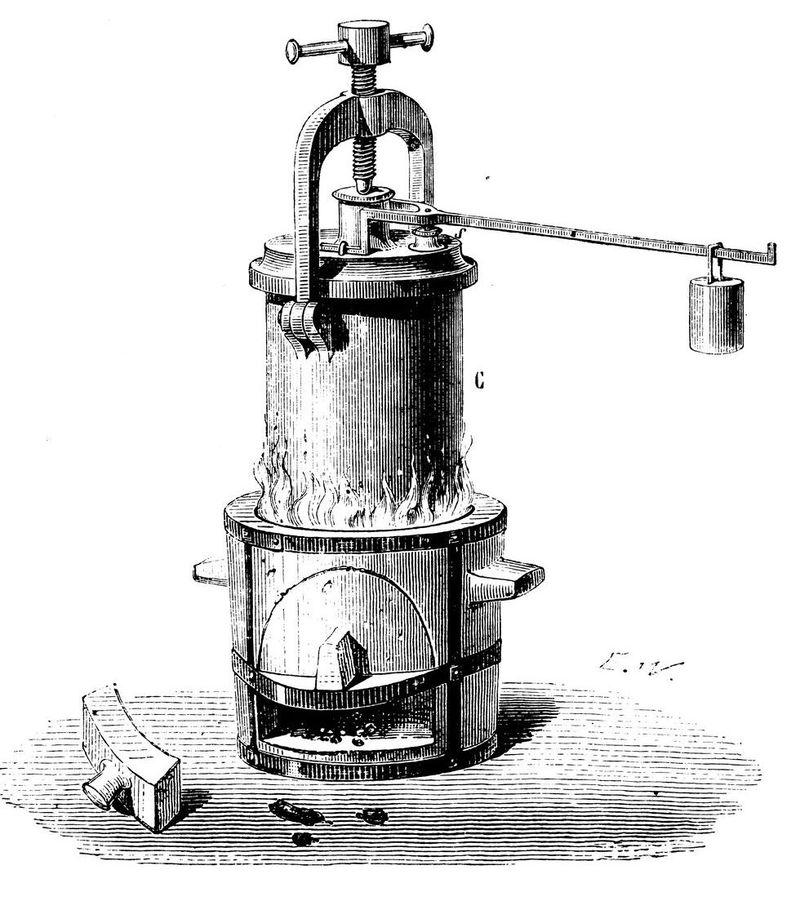
Back in 1679, French scientist Denis Papin built a steam digester that cooked food under pressure. People called it a bone softener!
Trapped steam raises the temperature inside, cutting cooking time dramatically. Beans that need hours can be ready in under forty minutes.
Modern electric versions are safer and simpler than old stovetop models. Always follow the release instructions carefully, since built-up steam can be very hot.
17. Peanut Butter
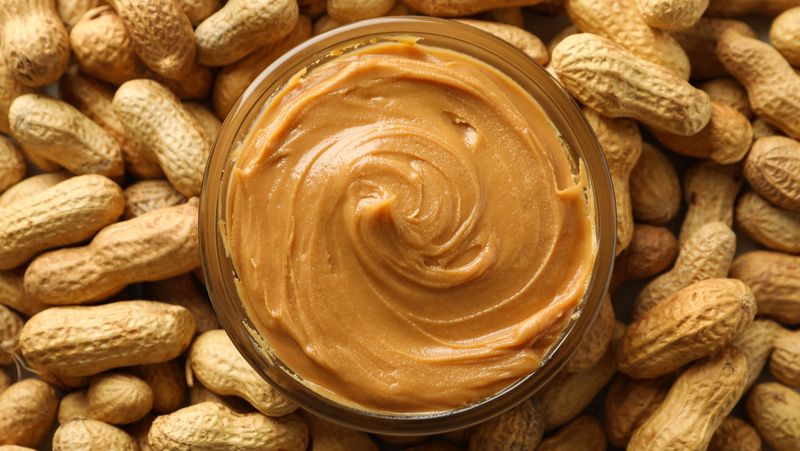
Creamy or crunchy? That debate exists thanks to inventors in the late 1800s, including Marcellus Gilmore Edson, who patented peanut paste in 1884.
George Washington Carver later found hundreds of uses for peanuts, helping farmers thrive. Peanut butter became a lunchbox legend.
Natural peanut butter separates, so store the jar upside down. The oil spreads back through, making stirring much easier when you open it again.
18. Popsicles
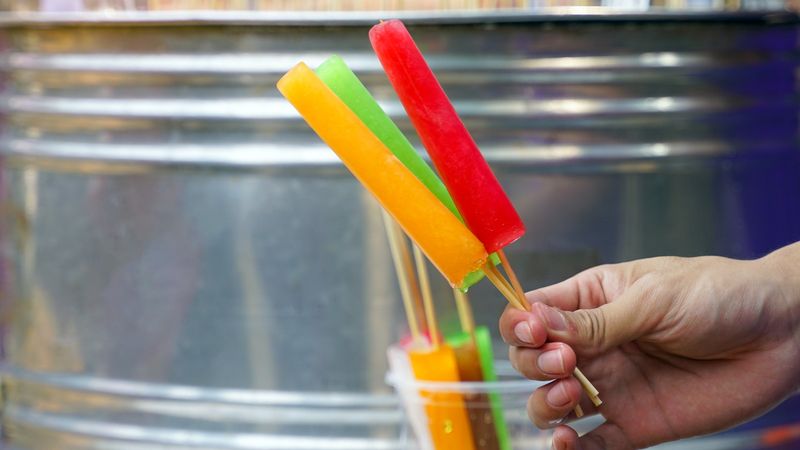
An eleven year old invented the popsicle by accident! In 1905, Frank Epperson left a cup of soda with a stirring stick outside on a freezing night.
By morning, it had frozen solid. Years later, he sold his icy treats and called them Epsicles before his kids renamed them.
Make your own healthy version by freezing blended fruit and yogurt in small cups with craft sticks.
19. Aluminum Foil
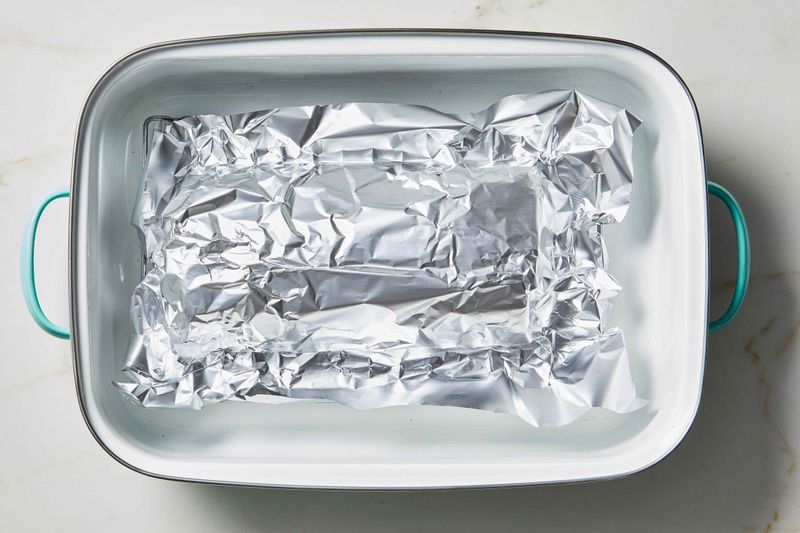
Shiny, crinkly, and endlessly useful, aluminum foil replaced tin foil in kitchens during the early 1900s.
Cooks wrap leftovers, line baking pans, and grill veggies in neat little packets. Cleanup gets way faster too.
Wondering which side to use? Shiny or dull, both work the same for most cooking.
Just never put foil in the microwave, because it can spark and damage your appliance.
20. Pizza Delivery
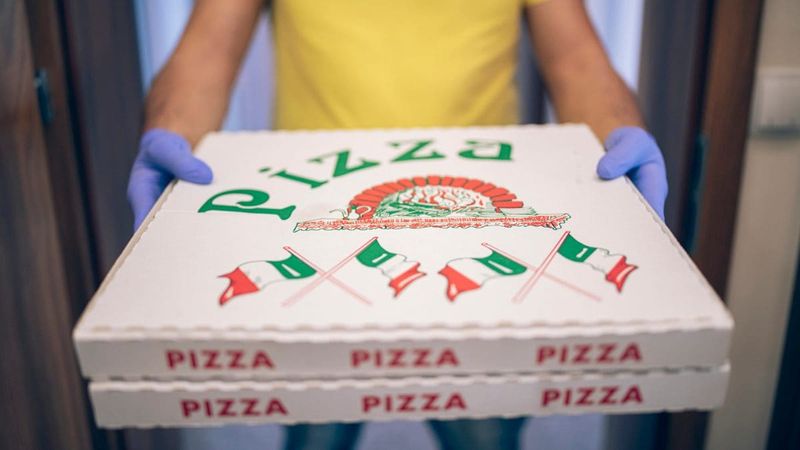
Hungry on a Friday night? Pizza delivery has your back.
Though Italians had delivered pizza long before, the idea exploded in America after World War II.
Insulated bags and phone ordering made hot pizza at home normal. Apps now let you track your order step by step.
Save money by watching for weekday deals, or pick up your order yourself to skip delivery fees entirely.
21. Baby Carrots
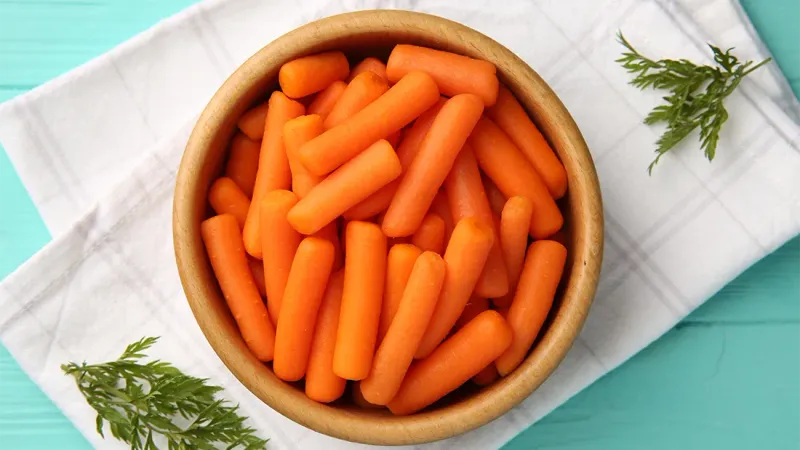
Mike Yurosek hated wasting crooked carrots. In 1986, this California farmer started cutting ugly carrots into small, smooth sticks.
Baby carrots quickly became a top snack, boosting carrot sales across the country. Kids actually wanted veggies!
Keep a bag ready in the fridge for easy snacking. Pair them with hummus or peanut butter for extra protein that keeps you full longer.
22. The Food Processor
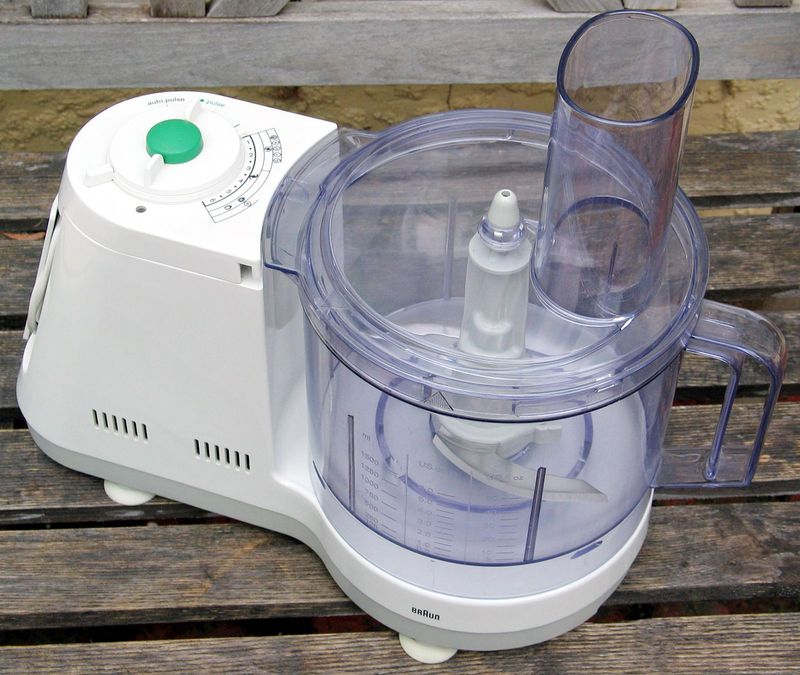
Chopping onions can bring anyone to tears. French inventor Pierre Verdun helped fix that with his Robot-Coupe machine in 1960, and the Cuisinart brought it to American homes in 1973.
Shredding, slicing, and mixing suddenly took seconds. Homemade salsa and pie dough became simple.
Pulse instead of running it nonstop. Short bursts give you better control and stop veggies from turning into mush.
23. Bottled Sauces and Ketchup
Ketchup was once made from fish and mushrooms. Seriously!
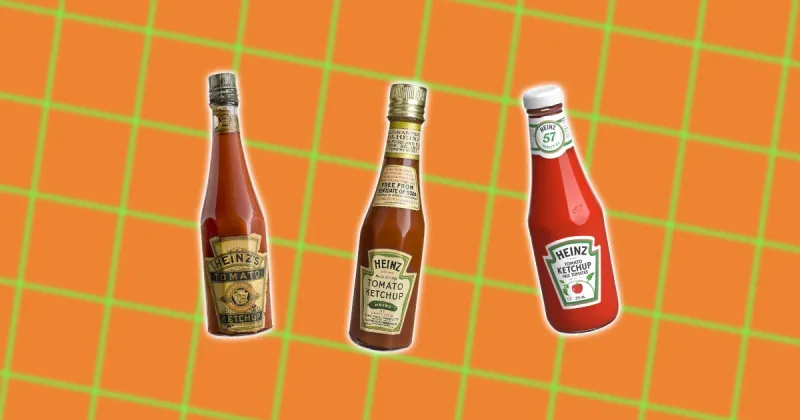
Recipes changed over time, and in 1876 Henry J. Heinz began selling tomato ketchup in clear glass bottles.
Shoppers could see the quality, which built trust. Bottled sauces soon flavored meals worldwide.
Struggling with a stubborn glass bottle? Tap firmly on the neck where the number 57 appears.
That little trick helps the ketchup flow smoothly.