
Zinc is a mineral your body needs every single day, yet many people in the UK are not getting enough of it. It plays a huge role in keeping your immune system strong, healing wounds, and even helping you taste and smell properly.
Without enough zinc, you might feel tired, get sick more often, or notice your hair thinning. The good news is that plenty of tasty, everyday foods are packed with this powerful nutrient.
1. Oysters
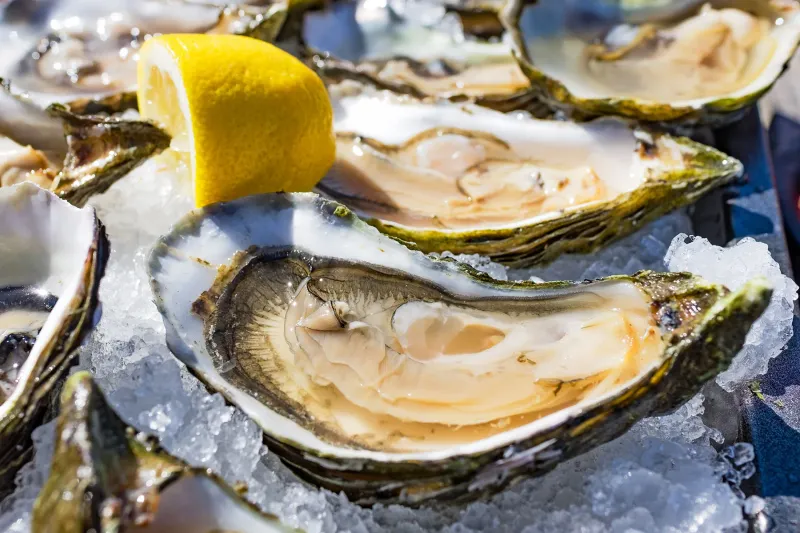
No food on the planet packs more zinc into a single serving than the humble oyster. Just a handful of these shellfish can give you several times your daily recommended amount.
They have been enjoyed as a delicacy for thousands of years, and now science has given us one more reason to love them.
If you can find them at a British fishmonger or supermarket, they are well worth trying. Squeeze a little lemon on top and enjoy.
2. Beef
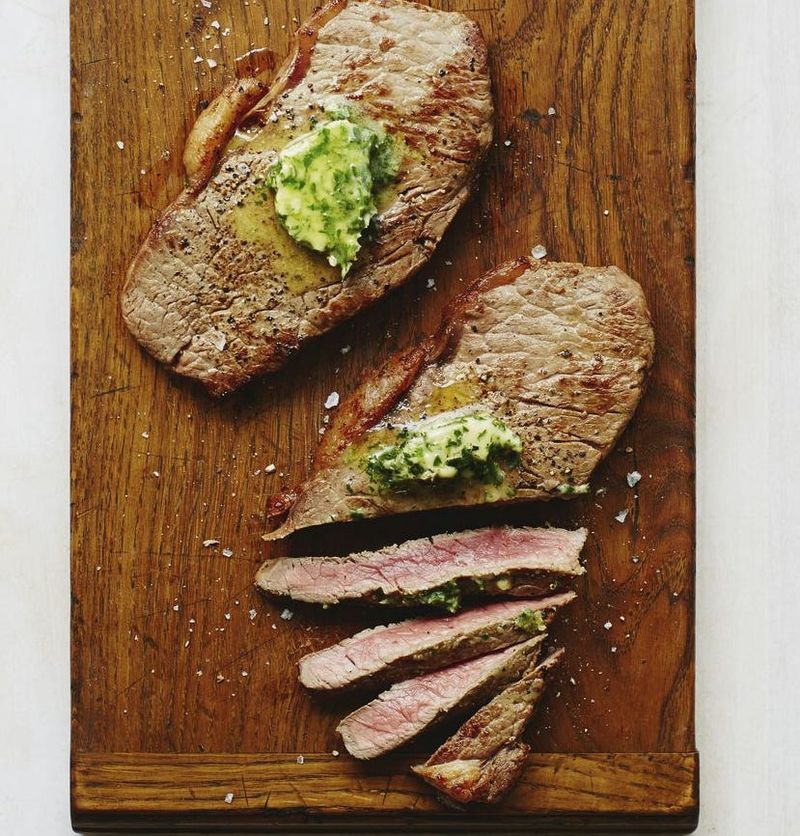
A good beef steak is one of the most satisfying ways to boost your zinc levels. Red meat has long been a staple of British cooking, and for good reason.
Beyond its rich flavour, beef delivers a solid dose of zinc along with iron and protein that your body genuinely needs.
Lean cuts like sirloin or rump are especially good choices. Cooking a proper Sunday roast just got a nutritional upgrade worth celebrating.
3. Pumpkin Seeds
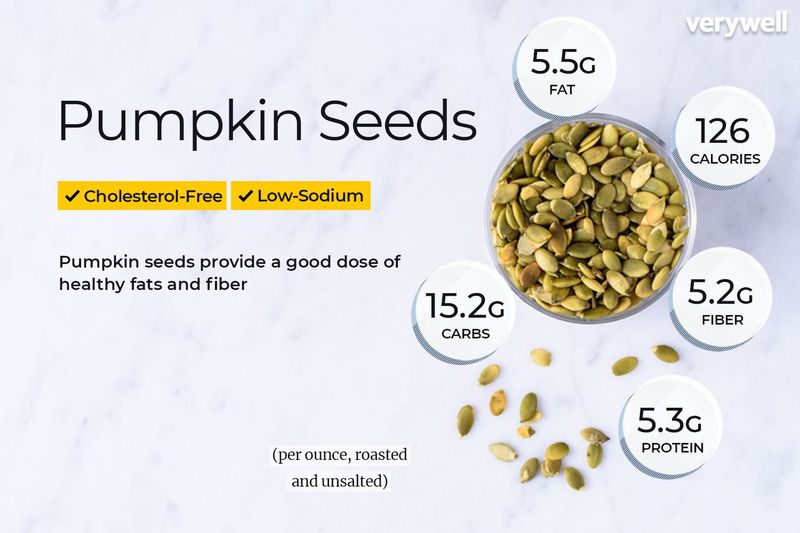
Crunchy, nutty, and surprisingly powerful, pumpkin seeds are one of the best plant-based sources of zinc you can find. A small handful sprinkled over your morning porridge or lunchtime salad makes a noticeable difference to your daily intake.
They are also rich in magnesium and healthy fats, making them a genuinely well-rounded snack. Keep a bag in your kitchen cupboard and reach for them whenever you need a quick, nutritious boost throughout the day.
4. Cheddar Cheese
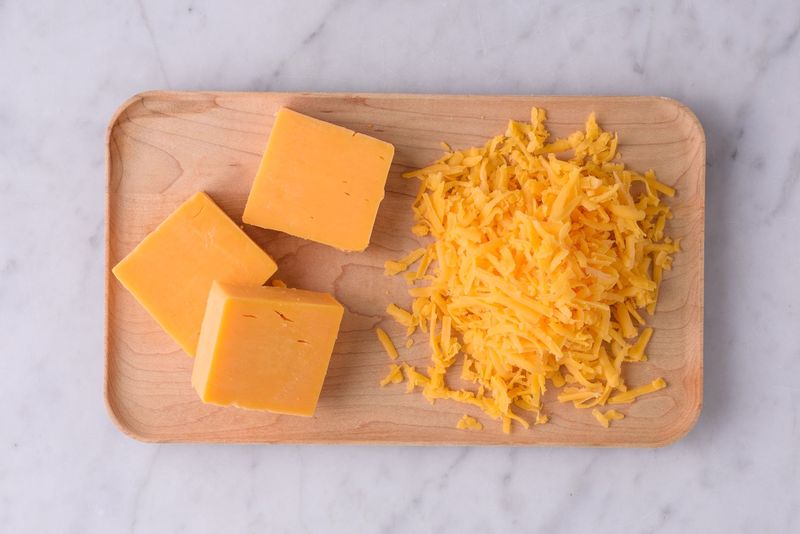
Britain’s most beloved cheese turns out to be more than just delicious. Cheddar contains a respectable amount of zinc, making your favourite cheese toastie or ploughman’s lunch a sneaky nutritional win.
Dairy products in general are solid sources of this important mineral.
Mature cheddar tends to have a stronger flavour, so you can use less of it and still get plenty of taste. It pairs well with wholegrain crackers for an even more nutritious snack.
5. Chickpeas
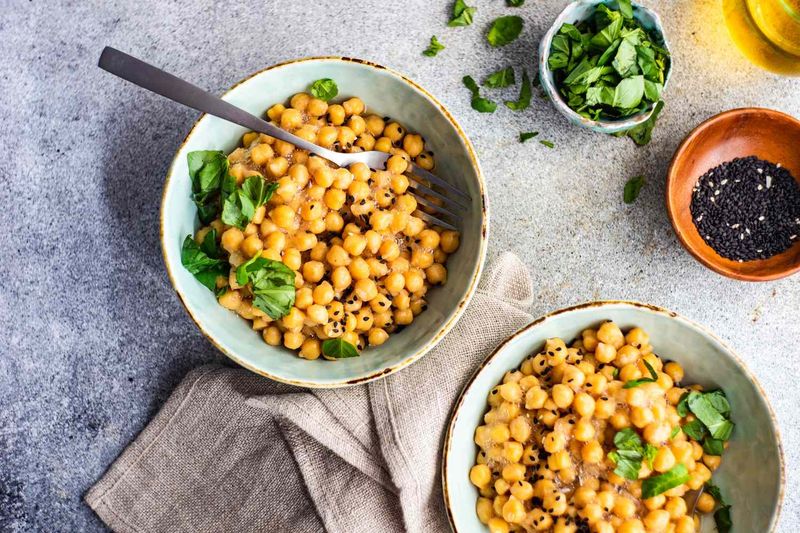
Chickpeas have quietly become one of the UK’s favourite plant-based foods, and they deserve every bit of the attention. Whether you blend them into hummus, toss them into a curry, or roast them until crispy, they deliver a meaningful amount of zinc per serving.
They are also high in fibre and protein, which helps you feel full for longer. Tinned chickpeas are cheap, convenient, and available in virtually every supermarket across the country.
6. Cashew Nuts
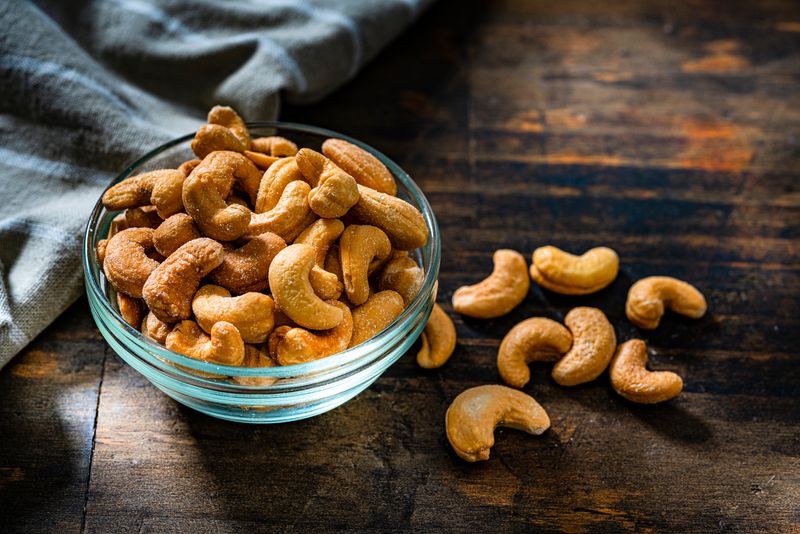
Cashews have a creamy, mild flavour that makes them one of the most snackable nuts around. They also happen to be one of the better nut-based sources of zinc, giving you a useful top-up between meals.
A small handful is all you need to make a real difference.
Try stirring cashew butter into your morning oats or adding whole cashews to a stir-fry. They are versatile enough to fit into almost any meal or snack routine.
7. Lentils
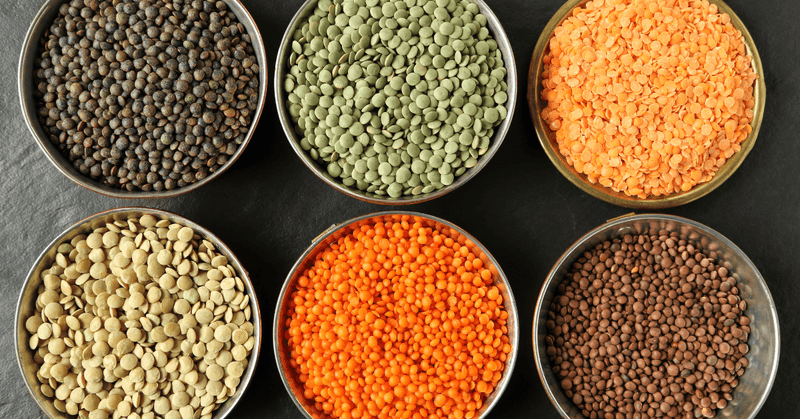
Lentils are one of those underrated kitchen heroes that quietly do a lot of heavy lifting. They are affordable, filling, and contain a solid amount of zinc that vegetarians and vegans especially should take note of.
A warming bowl of lentil soup on a cold British afternoon is both comforting and nutritious.
Red, green, or brown lentils all work well in soups, stews, and salads. They cook quickly and absorb flavours beautifully, making them easy to enjoy regularly.
8. Hemp Seeds
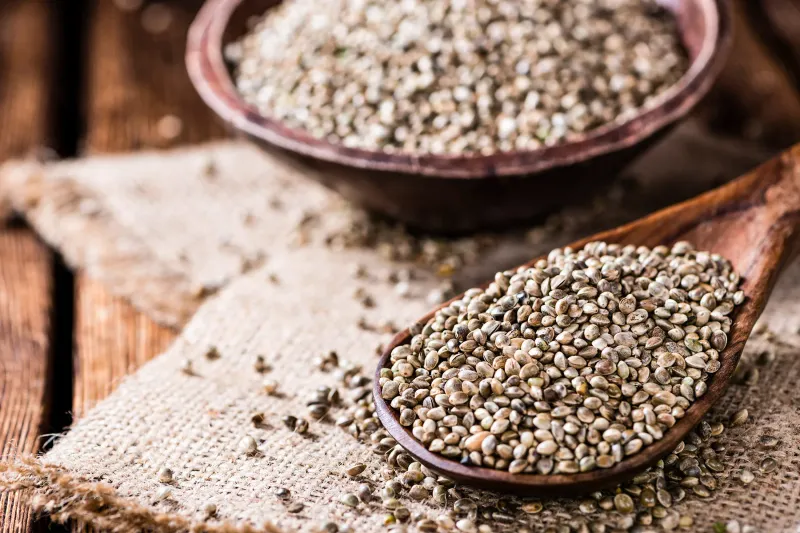
Hemp seeds might sound unusual, but they are becoming increasingly popular in UK health food shops and supermarkets. They have a mild, nutty taste and are surprisingly rich in zinc, along with omega-3 fatty acids and plant-based protein.
Adding them to your diet is genuinely easy.
Sprinkle them over yoghurt, blend them into smoothies, or mix them into homemade energy balls. Just two to three tablespoons a day can make a real contribution to your zinc intake.
9. Eggs

Eggs are one of Britain’s most popular breakfast foods, and it turns out they are also a handy source of zinc. While they do not contain as much as meat or shellfish, they still contribute meaningfully to your daily intake, especially if you eat them regularly.
Scrambled, poached, boiled, or baked, eggs are endlessly versatile and pair well with other zinc-rich foods like cheese or wholegrain bread. A classic British fry-up suddenly looks even more appealing with this in mind.
10. Sardines
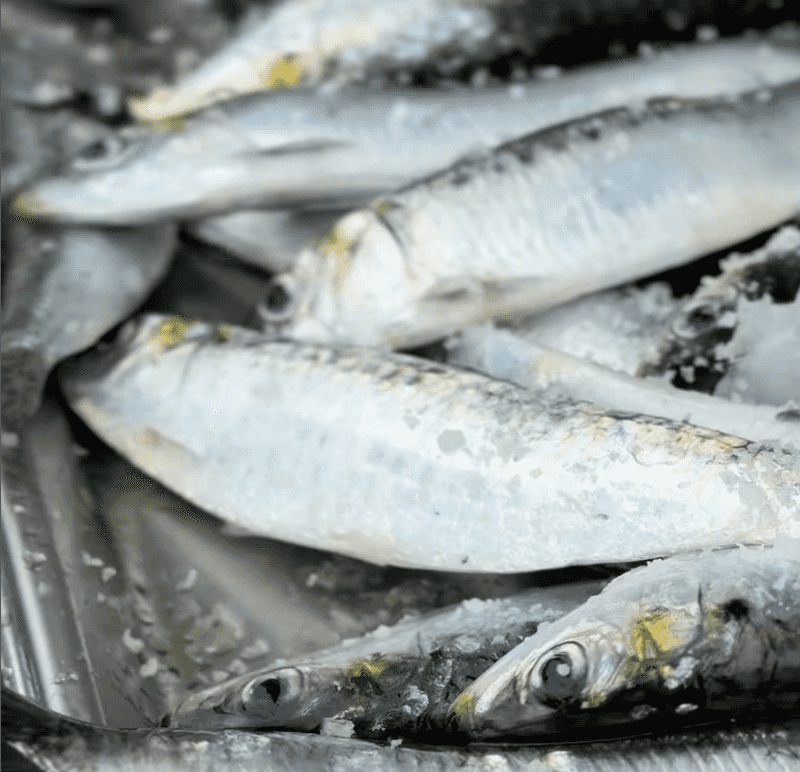
Sardines have been part of British coastal food culture for generations, and they remain one of the most nutritious tinned foods you can buy. They contain zinc alongside omega-3 fatty acids, calcium, and vitamin D, making them a seriously impressive little fish.
Tinned sardines on wholegrain toast is a quick, cheap, and genuinely healthy meal.
Fresh sardines are also available at many fishmongers during summer months. Either way, they are worth adding to your weekly shopping list.
11. Wholegrain Bread
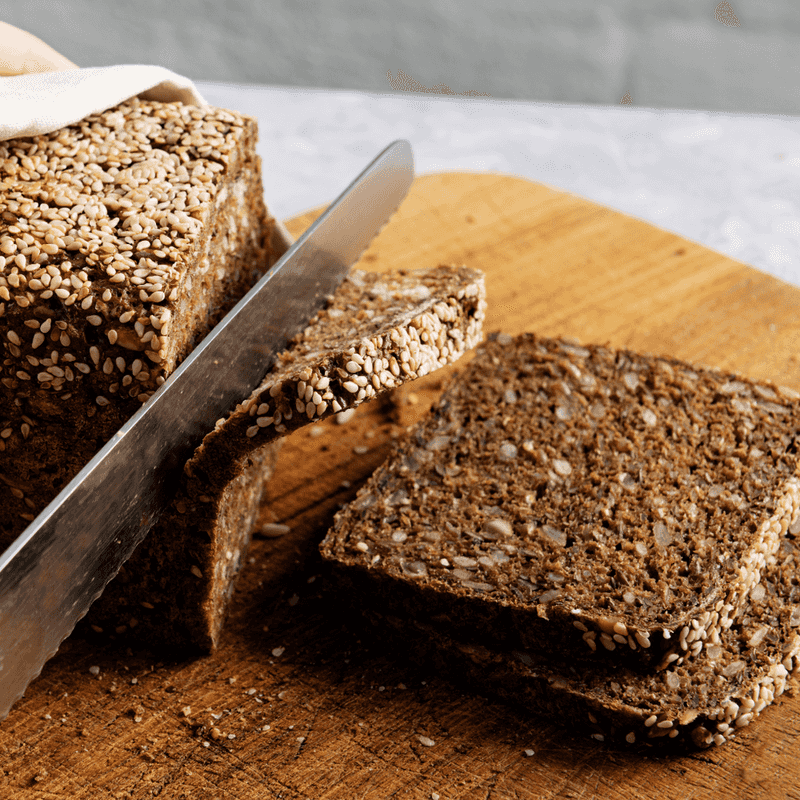
Switching from white bread to wholegrain is one of the simplest dietary changes you can make for better zinc intake. Wholegrains retain the outer layers of the grain, where much of the zinc and other nutrients are stored.
It is an easy swap that most people barely notice after a few days.
Wholegrain bread also contains more fibre, which supports gut health alongside immune function. Look for loaves with visible seeds and grains for an extra nutritional boost.
12. Tofu
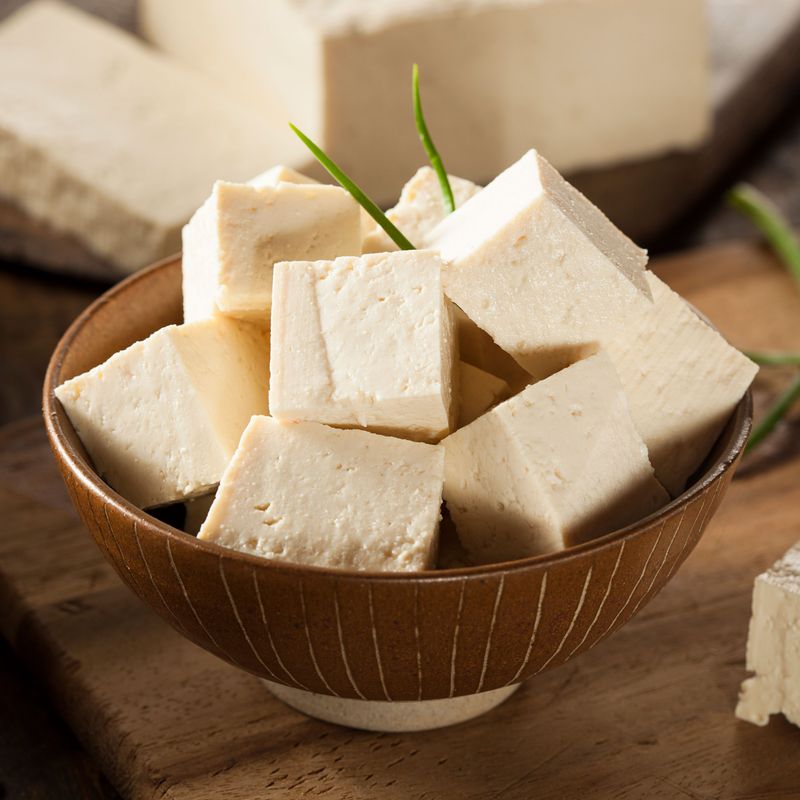
Tofu has gone from niche health food to mainstream supermarket staple in the UK, and zinc is one more reason to embrace it. Made from soya beans, tofu contains a decent amount of zinc and is a brilliant protein source for those following plant-based diets.
It soaks up marinades and sauces like a sponge.
Pan-fry it until golden and crispy, add it to noodle soups, or crumble it into scrambles. The options are genuinely endless and very satisfying.
13. Lamb
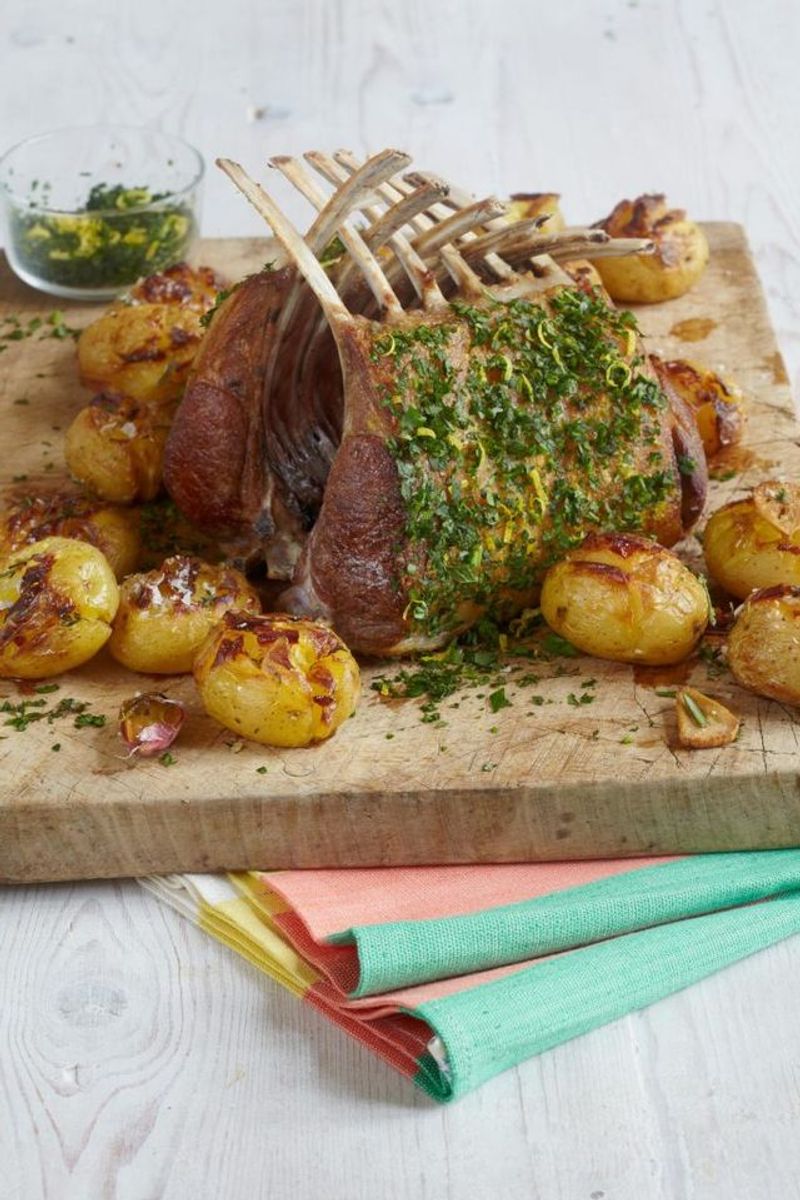
Lamb is a proud staple of British and Welsh cuisine, and it also happens to be one of the richest meat-based sources of zinc available. A single serving of roasted lamb can cover a significant portion of your recommended daily intake in one satisfying meal.
Welsh lamb in particular is celebrated for its quality and flavour. Whether you enjoy it as a Sunday roast, in a slow-cooked stew, or as chops on the grill, it is a nutrient-dense choice worth making more often.
14. Quinoa
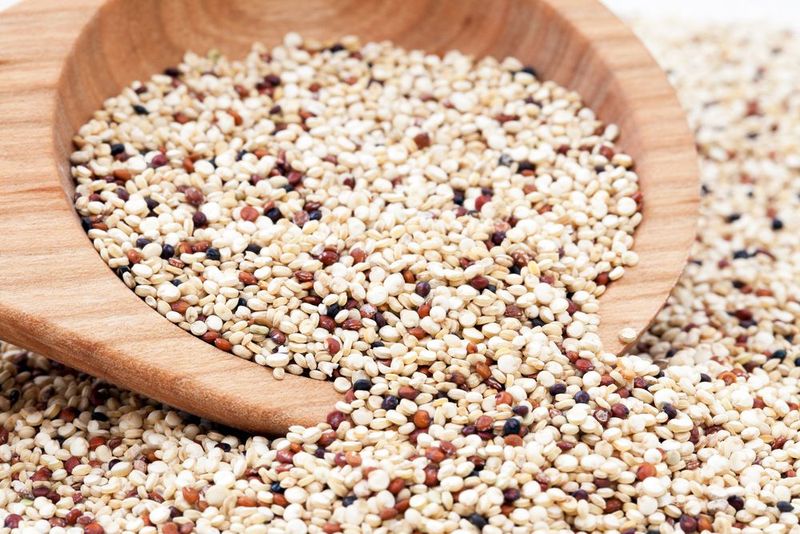
Quinoa has earned its reputation as a nutritional powerhouse, and its zinc content is a big part of that story. Unlike many grains, quinoa is a complete protein, meaning it contains all the essential amino acids your body cannot make on its own.
It also delivers a solid hit of zinc per serving.
It cooks in about fifteen minutes and works brilliantly as a base for salads, grain bowls, or as a side dish instead of rice. Truly one of the most useful foods in any kitchen.
15. Dark Chocolate

Here is a piece of genuinely good news: dark chocolate contains zinc. The higher the cocoa percentage, the more zinc you are likely to get per square.
A 70 percent or above bar is your best bet for nutritional benefit alongside that rich, intense flavour.
Of course, chocolate is still a treat and should be enjoyed in moderation. But knowing that a couple of squares after dinner is doing your zinc levels a small favour makes it taste even better than before.
16. Spinach
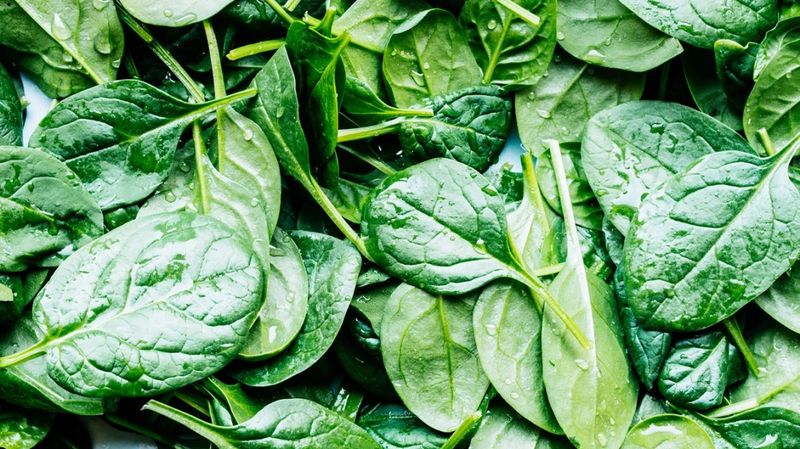
Popeye was onto something. Spinach is not just rich in iron – it also provides a useful amount of zinc, especially when eaten in generous portions.
Adding a big handful to smoothies, pasta, omelettes, or curries is one of the easiest ways to sneak more nutrients into your day without much effort.
Baby spinach leaves are mild enough to eat raw in salads, while mature leaves wilt down beautifully when cooked. Either way, your body will thank you for including it regularly.
17. Mushrooms
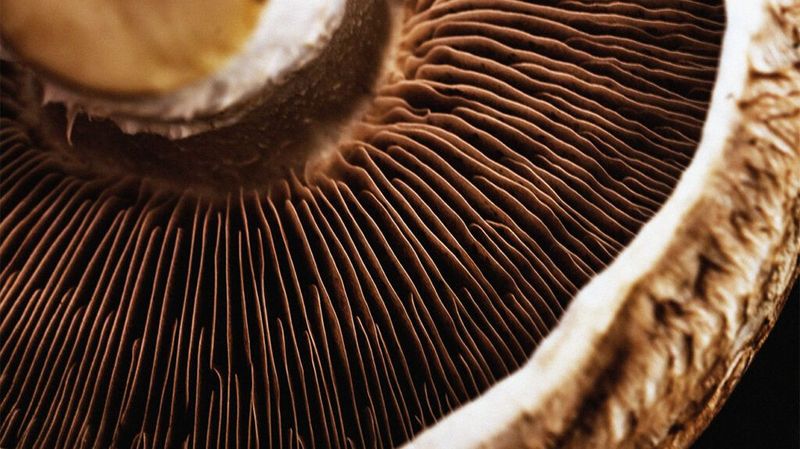
Mushrooms are one of those wonderfully modest foods that consistently punch above their weight nutritionally. They contain zinc alongside B vitamins, selenium, and even some vitamin D when exposed to sunlight.
British supermarkets stock a wide variety, from everyday button mushrooms to meatier portobello and chestnut varieties.
Saute them with garlic and serve on wholegrain toast for a zinc-boosting breakfast or light dinner. Simple, affordable, and genuinely good for you in more ways than one.