
There is something magical about a biscuit that takes you straight back to childhood. Whether it was dunking one into a hot cup of tea or sneaking a few from the tin when nobody was looking, British biscuits hold a very special place in the nation’s heart.
From buttery shortbreads to chocolatey treats, these classic biscuits are more than just snacks – they are little edible memories. If any of these 15 favourites make you feel warm inside, you almost certainly grew up in Britain.
1. Digestive Biscuit
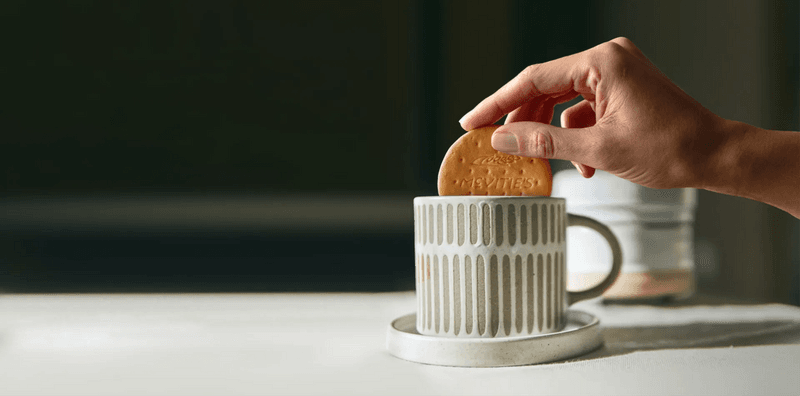
Ask any British person to name their favourite biscuit and the humble Digestive will almost always come up. First made in 1839, this wholemeal classic has been a teatime staple for generations.
Its slightly nutty, wheaty flavour is completely unique.
Half the fun is dunking it into a hot mug of tea, timing it perfectly so it does not fall apart. McVitie’s even created a chocolate-covered version that became just as iconic.
Pure, simple, and wonderfully British.
2. Bourbon Biscuit
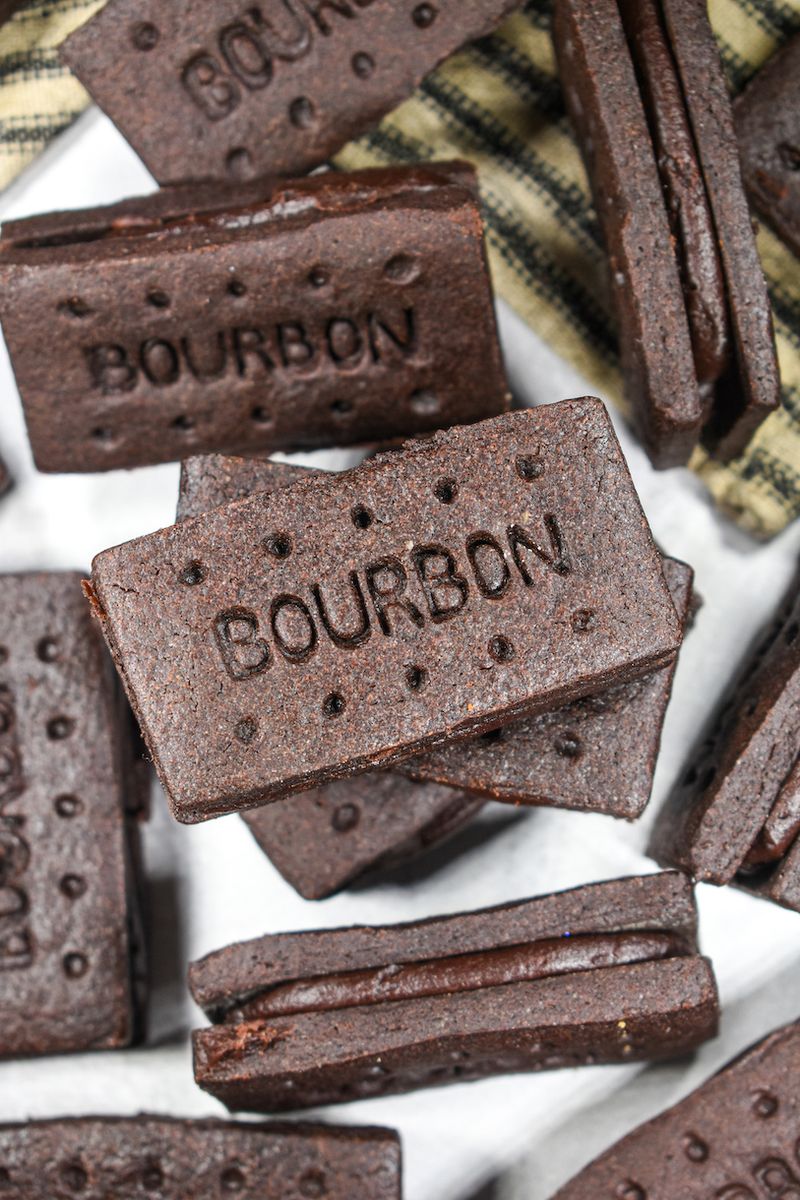
Dark, chocolatey, and with that unmistakable cream filling, the Bourbon biscuit has been a British lunchbox legend since 1910. Named after the French royal family, it has nothing to do with whiskey – despite what the name suggests.
Kids across Britain developed rituals around eating them, carefully twisting the two halves apart to lick out the chocolate cream first. That satisfying snap when you bite into one is genuinely hard to beat.
A true classic through and through.
3. Custard Cream
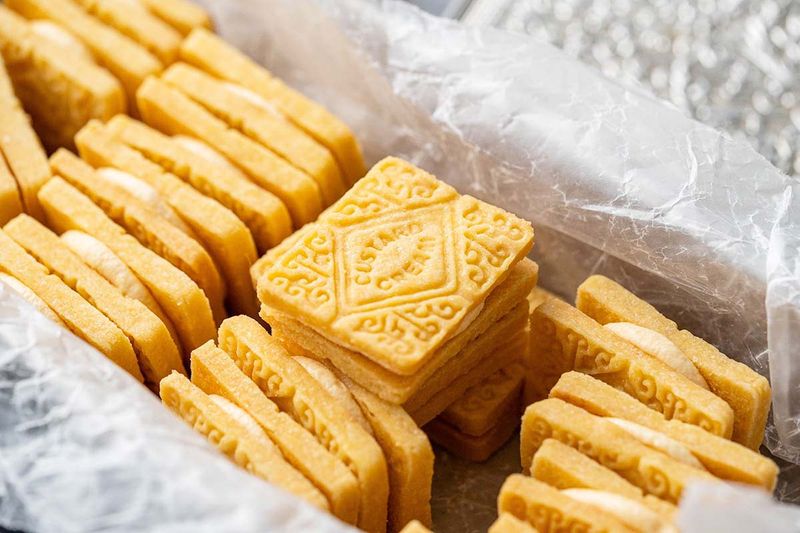
Surveys have repeatedly named the Custard Cream as Britain’s all-time favourite biscuit, and honestly, it is easy to see why. That ornate, almost Victorian-looking pattern pressed into the biscuit surface always made it feel a little bit fancy.
The sweet vanilla custard filling sandwiched between two crisp biscuits is genuinely addictive. Whether you ate yours whole or pulled it apart, one biscuit was never quite enough.
It has been delighting British families since around 1908 and shows no signs of stopping.
4. Jammie Dodger
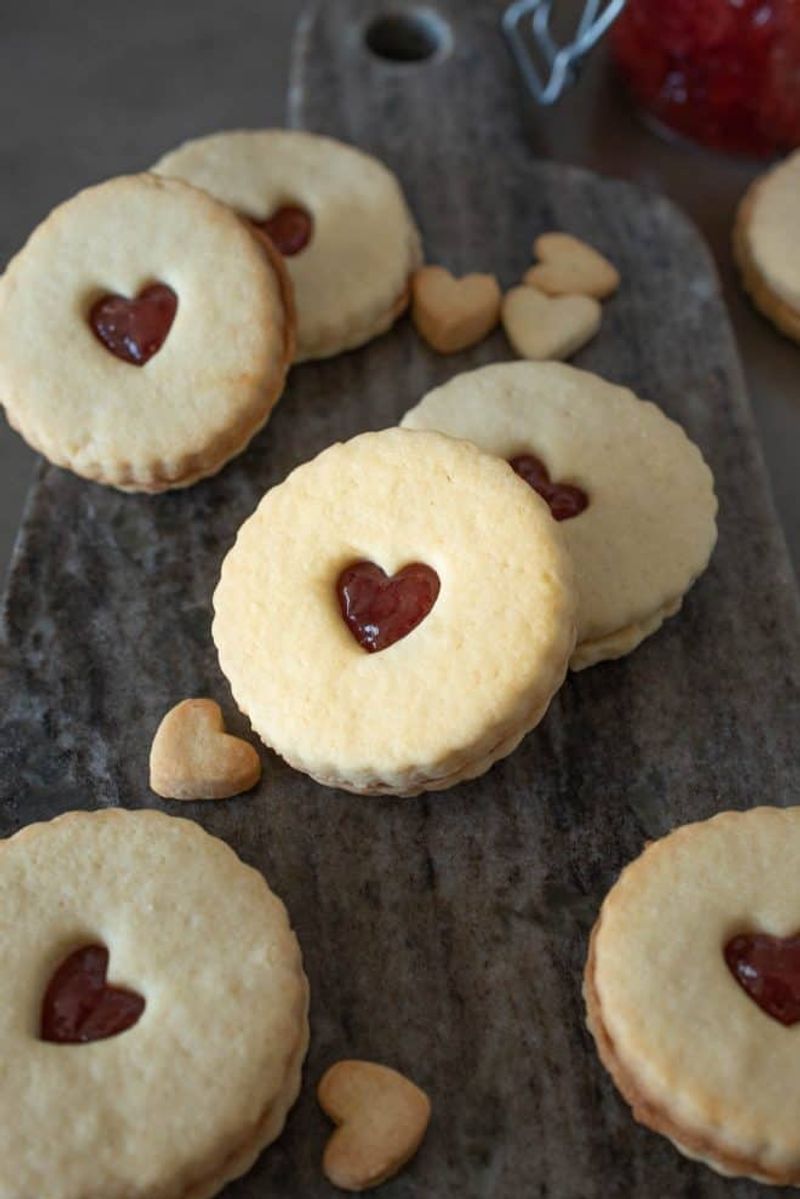
Bright, bold, and bursting with jammy goodness, the Jammie Dodger is one of Britain’s most cheerful biscuits. That heart-shaped window showing off the red raspberry jam filling made it look almost too good to eat – almost.
Burton’s Biscuits launched this treat in 1960, and it quickly became a playground favourite. Legend has it the name came from the phrase “dodging” something unpleasant, which makes choosing a Jammie Dodger feel like a small act of rebellion.
Brilliantly fun from start to finish.
5. Rich Tea Biscuit
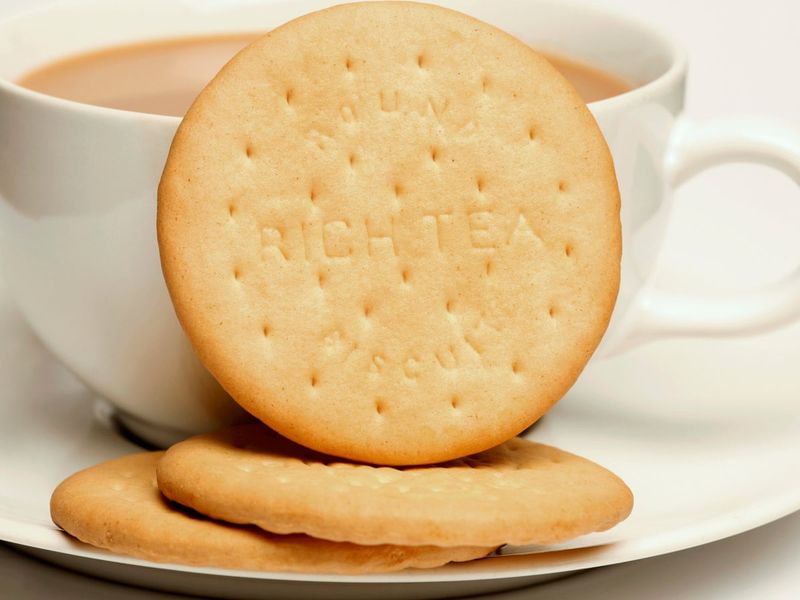
Do not underestimate the Rich Tea biscuit. Plain-looking it may be, but this understated classic has been quietly holding its own on British tea trays since the 17th century.
Originally created for the upper classes as a between-meals snack, it somehow became everyone’s everyday biscuit.
Its mild, slightly sweet flavour makes it a perfect dunker – though it requires nerves of steel to hold it in tea long enough. Soggy Rich Tea is both a disaster and a rite of passage.
6. Ginger Nut
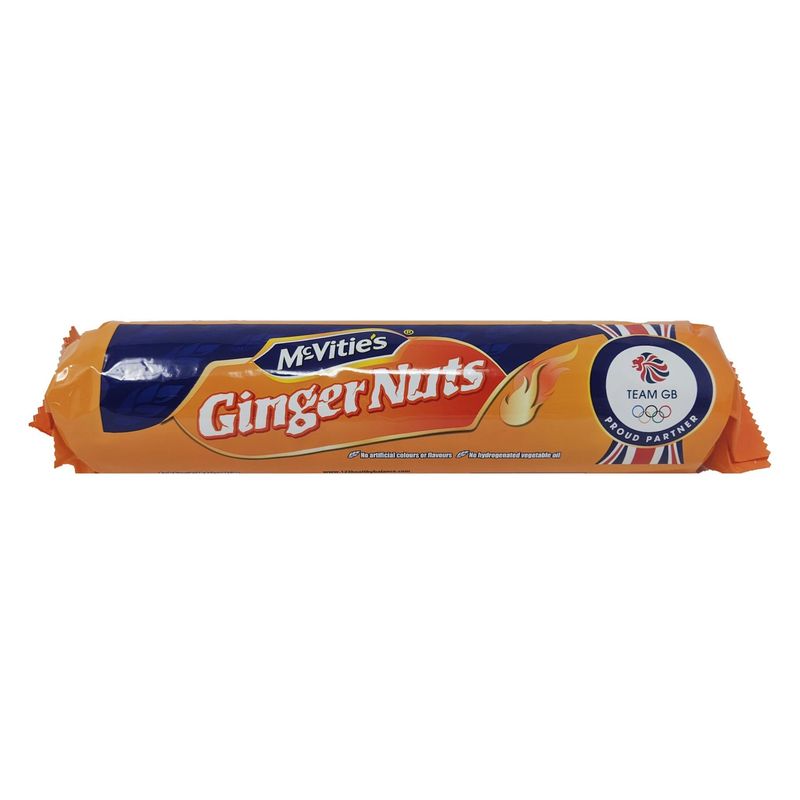
Crunchy, spicy, and rock solid, the Ginger Nut is the biscuit that fights back. McVitie’s version has been around since 1892, and its fiery ginger kick has made it a firm favourite for those who like a bit of attitude in their afternoon snack.
It is arguably the hardest biscuit in Britain, famously capable of surviving a tea dunk longer than almost any other. Builders, grandparents, and ginger enthusiasts across the country have sworn by it for decades.
Tough love in biscuit form.
7. Hobnob
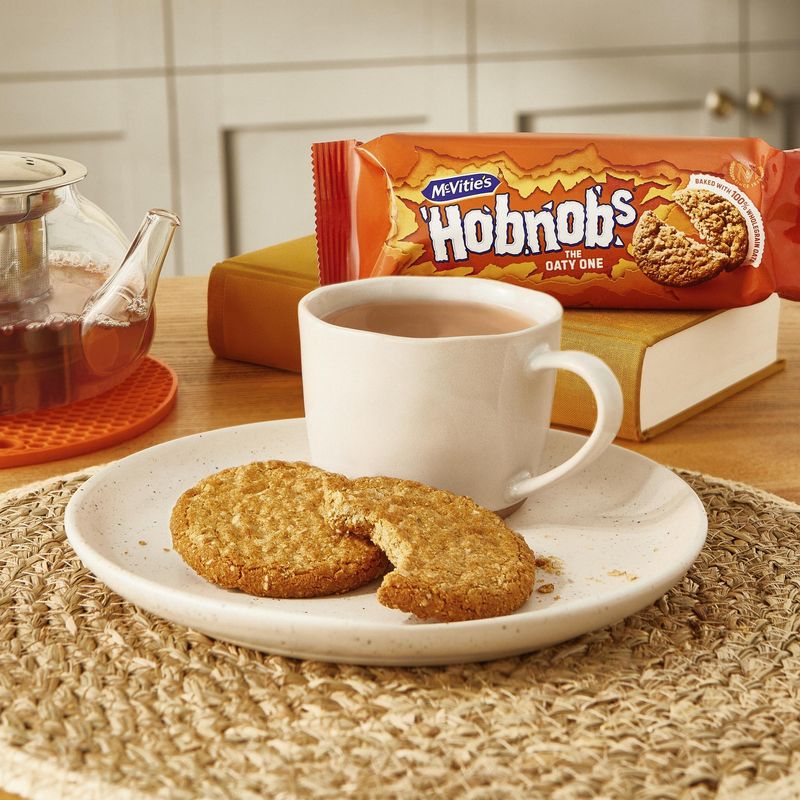
Oaty, hearty, and wonderfully textured, the Hobnob arrived in 1985 and immediately won over Britain’s biscuit lovers. Its rough, chunky surface and rich oat flavour set it apart from smoother, more polished rivals.
It felt honest and unpretentious.
McVitie’s later added a chocolate-coated version that became equally beloved. The Hobnob is also a legendary tea dunker – it soaks up liquid beautifully without immediately disintegrating.
For anyone who grew up in the 80s or 90s, a Hobnob with a cuppa is pure comfort.
8. Chocolate Digestive
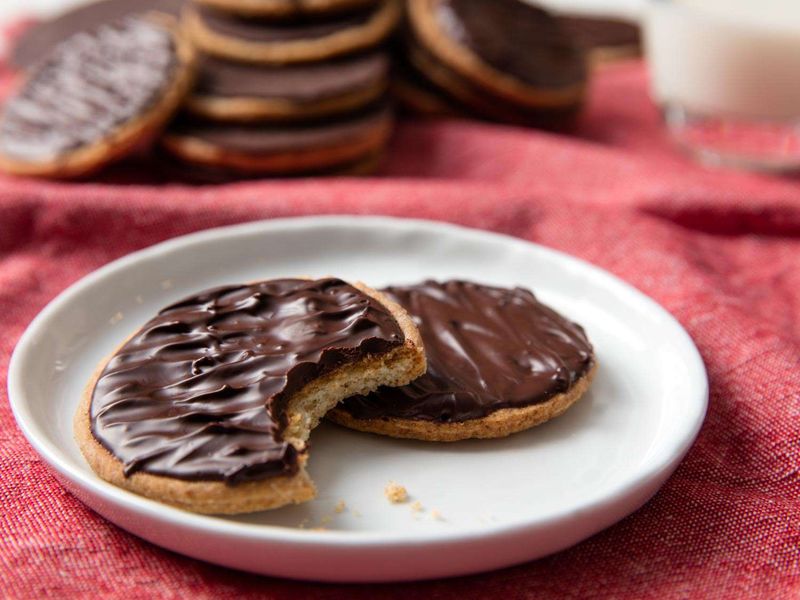
When McVitie’s added a layer of chocolate to the already-beloved Digestive in 1925, they created something close to perfection. The combination of slightly salty wholemeal biscuit and smooth milk chocolate is genuinely hard to improve upon.
A long-running debate has divided Britain ever since: do you eat it chocolate-side up or chocolate-side down? Scientists have actually weighed in, suggesting chocolate-down gives your tongue the best experience.
Whether you care about the science or not, this biscuit is practically a national institution.
9. Garibaldi Biscuit
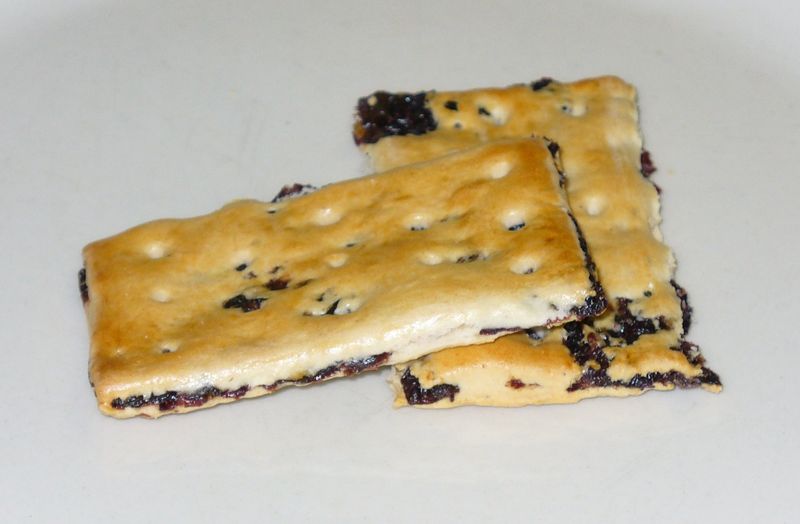
Spotted with squished currants and completely flat, the Garibaldi biscuit looks unlike anything else in the biscuit tin. Named after the Italian general Giuseppe Garibaldi, it has been baked in Britain since 1861.
That is a seriously impressive track record.
Some kids called them “squashed fly biscuits” because of the currants, which is either very funny or slightly off-putting depending on your perspective. Either way, the Garibaldi’s lightly sweet, fruity flavour has kept it relevant for over 160 years.
Old-school charm at its finest.
10. Pink Wafer
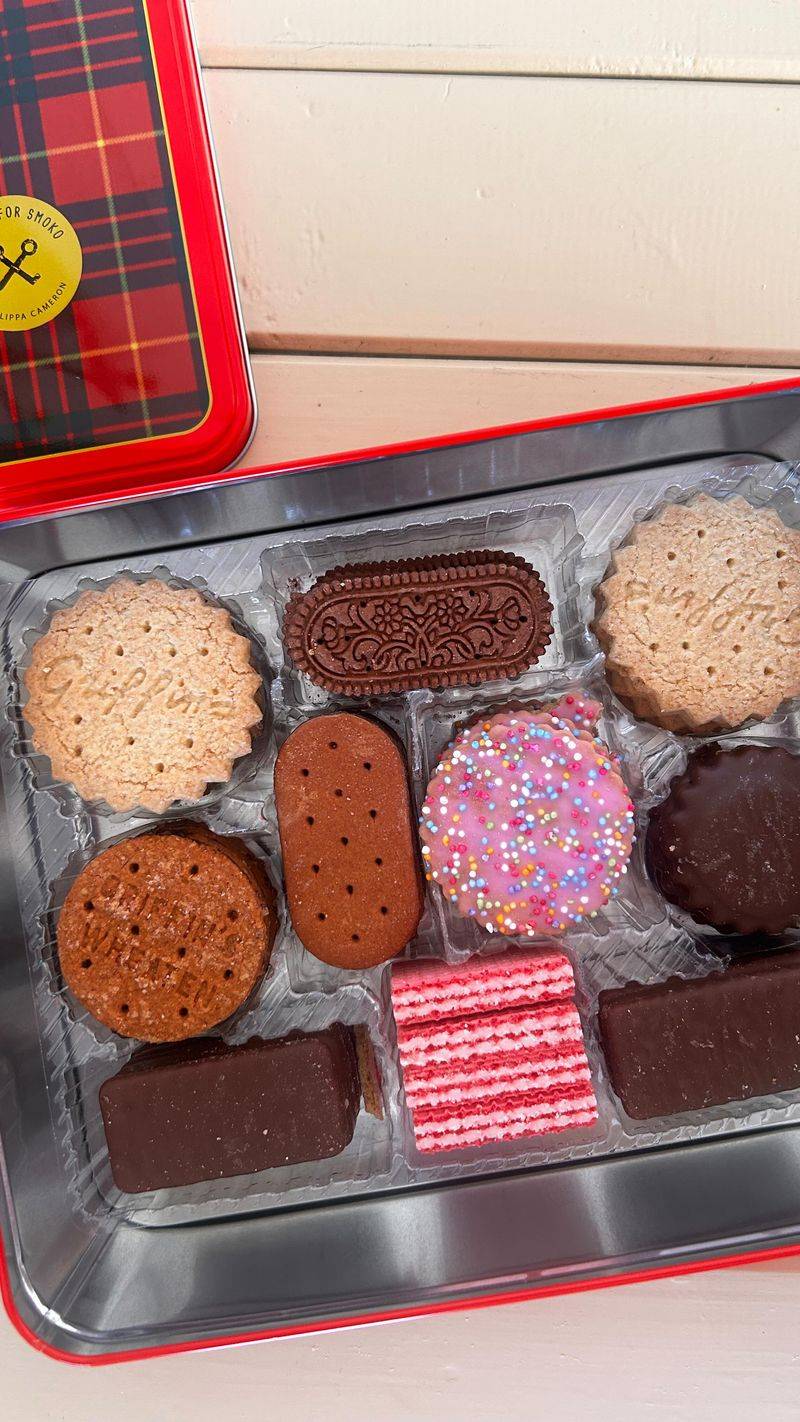
Few biscuits are as instantly recognisable as the Pink Wafer. That shocking shade of pink, the crisp layered texture, and the sweet cream filling made it feel like a treat from another world.
Crawford’s has been making them for decades, and they remain a party staple.
Biting through the delicate layers was half the fun – there was something deeply satisfying about how it crumbled. Orange and yellow versions exist too, but let’s be honest, the pink one is the one everyone remembers.
Retro brilliance in every bite.
11. Fig Roll
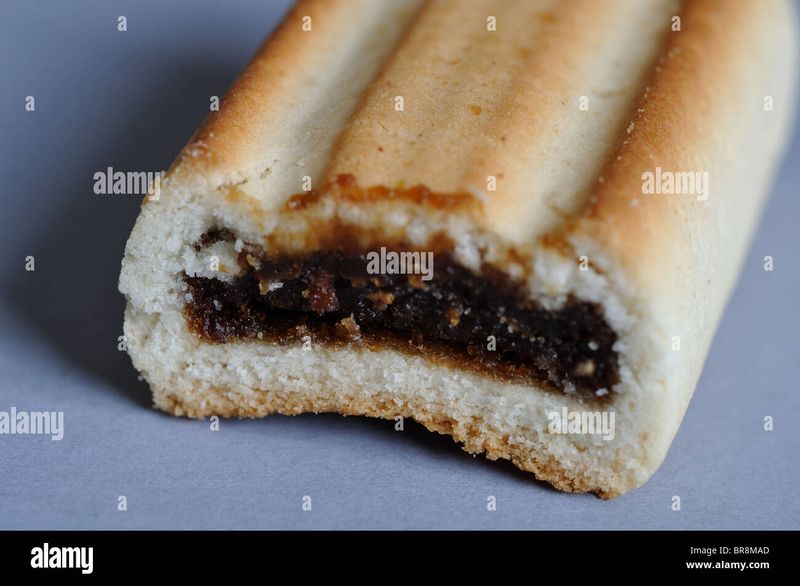
Fig Rolls occupy a unique position in British biscuit culture – they are the ones adults seemed to love and kids were unsure about. That soft, chewy fig paste wrapped in a slightly firm pastry shell is a flavour combination unlike anything else in the tin.
Jacob’s has been the go-to brand for decades, and the Fig Roll dates back to 1892 in the UK. Once you develop a taste for them, there is no going back.
Many a childhood sceptic became a devoted adult fan.
12. Shortbread Finger
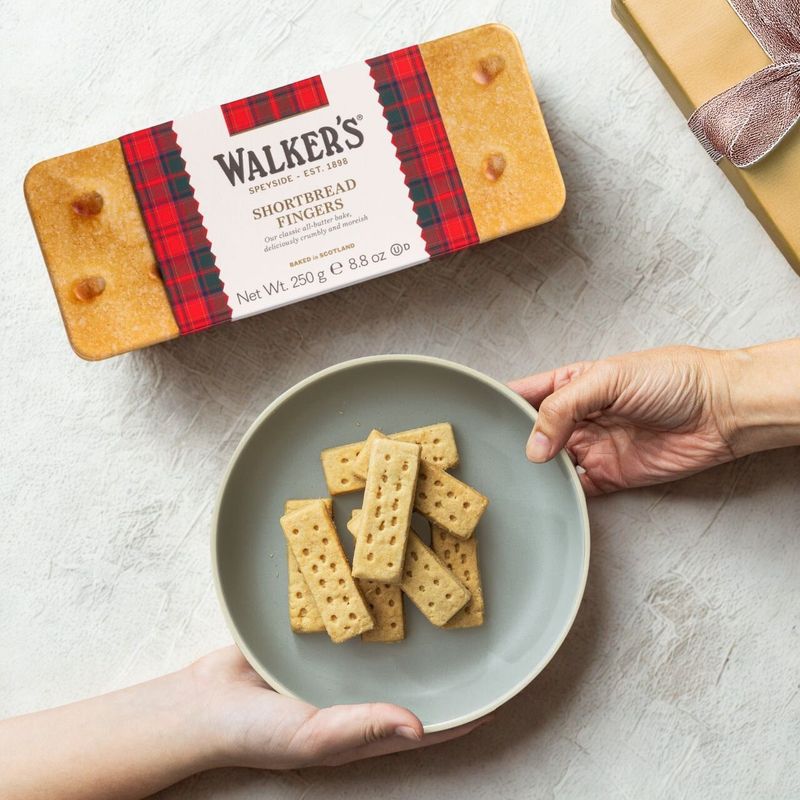
Buttery, crumbly, and melt-in-the-mouth, shortbread fingers are Scotland’s greatest contribution to Britain’s biscuit culture. Walker’s Shortbread in particular has been producing this golden treat since 1898, using a famously simple recipe of butter, flour, and sugar.
There is something almost ceremonial about eating shortbread – it feels like a special occasion biscuit even when you are just having it with Tuesday afternoon tea. The way it dissolves on your tongue is genuinely luxurious.
A biscuit that punches well above its simple ingredients.
13. Malted Milk Biscuit
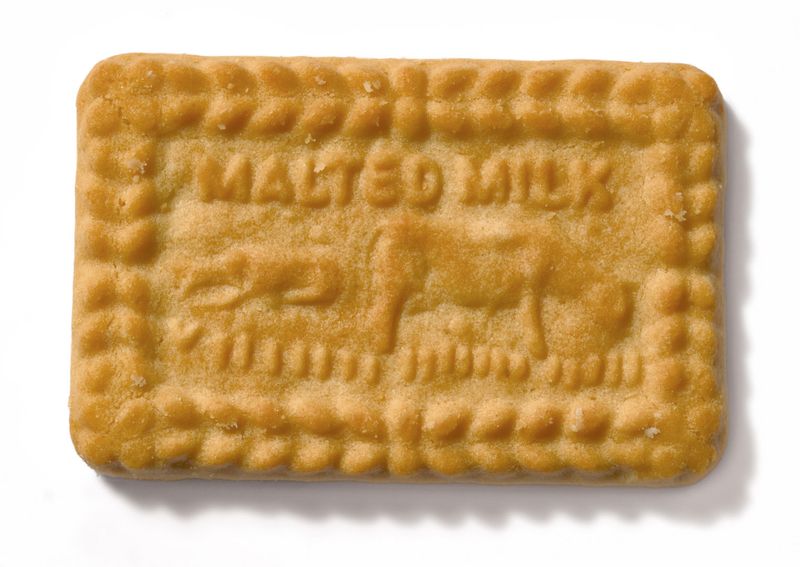
Look closely at a Malted Milk biscuit and you will spot a little embossed cow on top – which makes total sense given its creamy, milky, malt flavour. McVitie’s has been producing this gentle, understated biscuit since 1924, and it has never gone out of style.
It is not the loudest biscuit in the tin, but that quiet reliability is exactly its charm. Soft enough to eat without effort, sweet enough to satisfy, and mild enough to eat six in a row without feeling guilty.
A true comfort biscuit.
14. Jaffa Cake
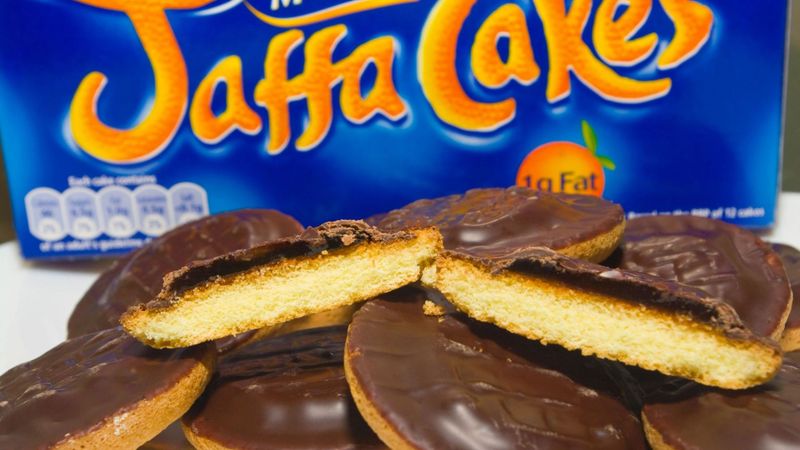
Yes, there is the great debate: is a Jaffa Cake a biscuit or a cake? A 1991 VAT tribunal officially ruled it a cake – but it lives in the biscuit aisle, comes in biscuit packaging, and gets eaten like a biscuit.
Make of that what you will.
McVitie’s created this iconic treat in 1927, combining a soft sponge base, tangy orange jelly, and dark chocolate coating. That three-layer combination is genuinely inspired.
Biscuit or cake, it is undeniably one of Britain’s most beloved teatime treats.
15. Nice Biscuit
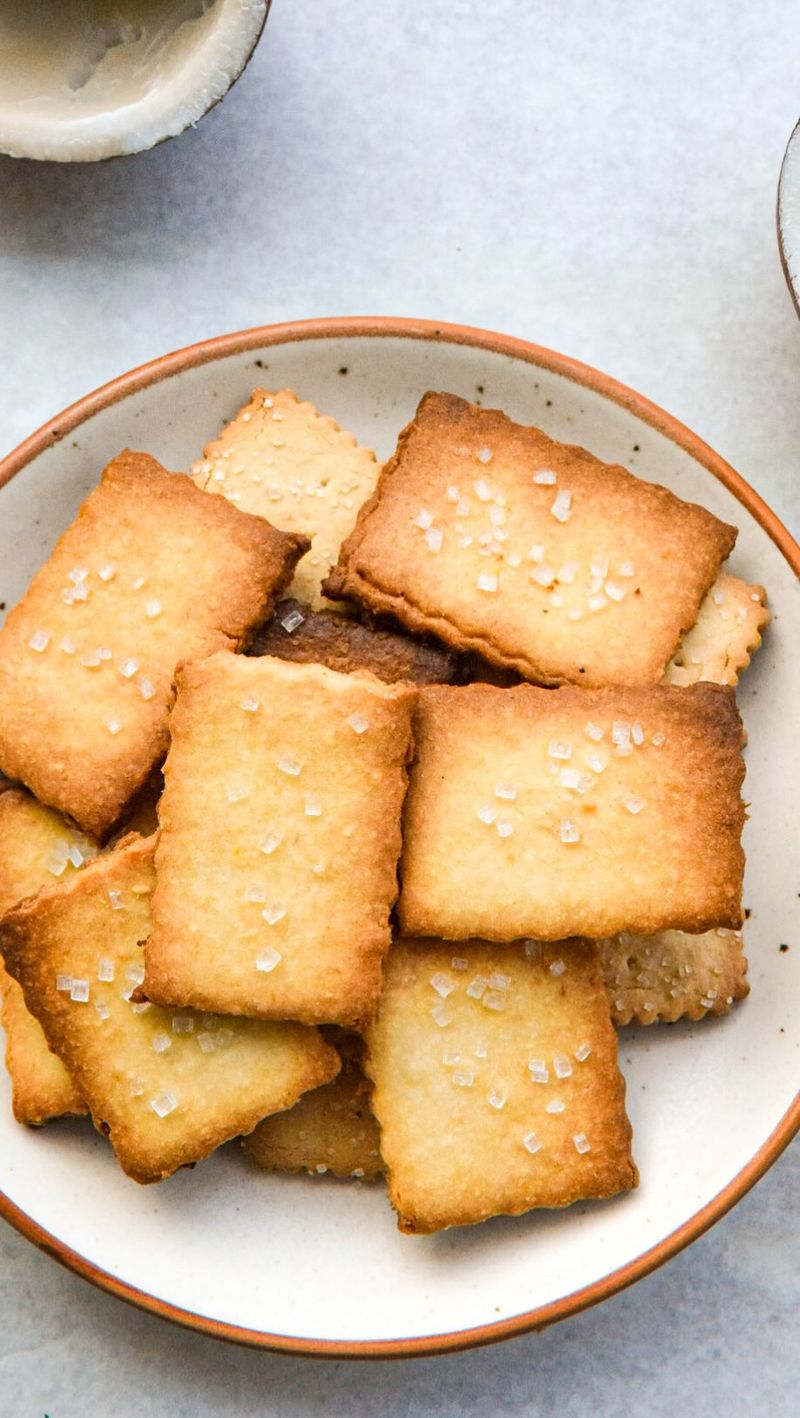
Pronounced “niece” rather than “nice” – as in the French city – the Nice biscuit has been confusing and delighting British people in equal measure since the 1900s. Its coconut-sugar topping gives it a slightly tropical flavour that feels charmingly out of place in a British biscuit tin.
That crunchy texture and subtle coconut sweetness make it genuinely addictive. Many people grew up eating Nice biscuits without ever questioning the name.
Finding out the pronunciation is wrong is one of those small but satisfying adult revelations. A quiet classic worth celebrating.