
Some foods taste completely different when you buy them fresh instead of canned, frozen, or pre-packaged. The gap in flavor, texture, and even smell can be so big that it feels like you are eating a totally different food.
Knowing which foods are worth the extra trip to the farmers market or the fresh section of the grocery store can seriously upgrade your meals. Here are 23 foods where buying fresh makes a difference you will notice right away.
1. Tomatoes
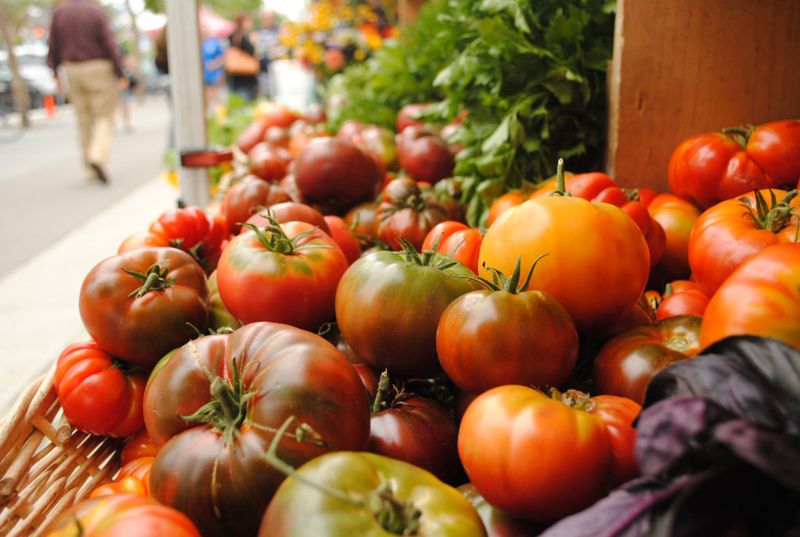
Biting into a fresh tomato versus a canned or out-of-season one is a completely different experience. Fresh tomatoes burst with natural sweetness and a bright, slightly tangy flavor that no jar or can can replicate.
The texture is firm yet juicy, not mushy or flat.
Buy them from a local farmers market when possible. Even supermarket vine-ripened tomatoes beat their canned counterparts in a fresh salad or bruschetta.
Your taste buds will thank you immediately.
2. Mozzarella Cheese
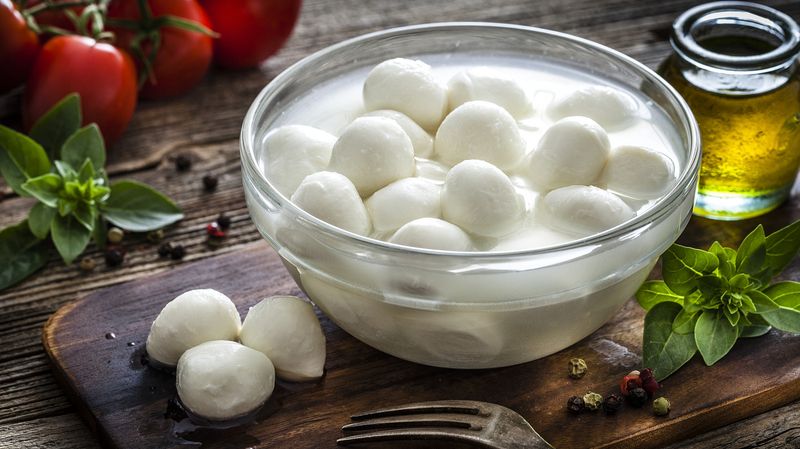
Fresh mozzarella has a creamy, milky softness that the pre-shredded or block versions simply cannot match. Pull it apart and you get that satisfying stretch, plus a mild, buttery flavor that melts on your tongue.
Pre-packaged shredded mozzarella is coated with starch to prevent clumping, which dulls the taste and changes the texture entirely. For a caprese salad or pizza margherita, fresh mozzarella is not just better – it is essential to getting the dish right.
3. Herbs (Basil, Cilantro, Parsley)
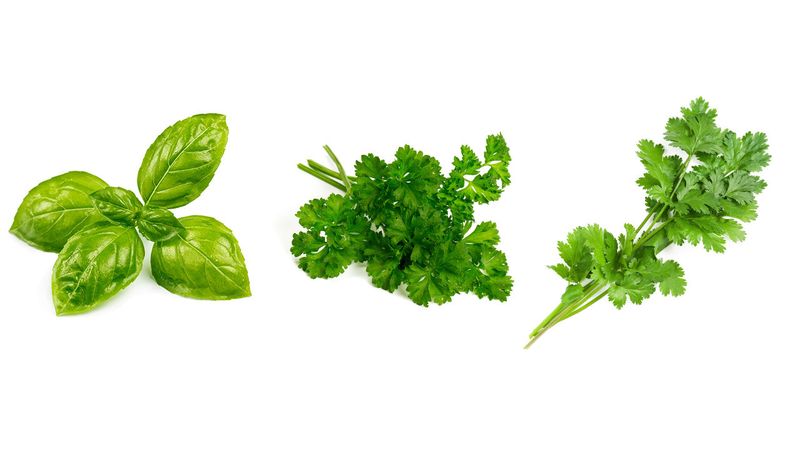
Dried herbs have their place in cooking, but fresh herbs are on a completely different level when it comes to flavor. Fresh basil smells almost floral and sweet, while fresh cilantro has a bright, citrusy punch that dried cilantro totally loses after processing.
Adding a handful of fresh parsley to a finished dish changes everything – it adds color and a clean, grassy taste. Keep a small pot of fresh herbs on your windowsill and you will reach for them every day.
4. Garlic
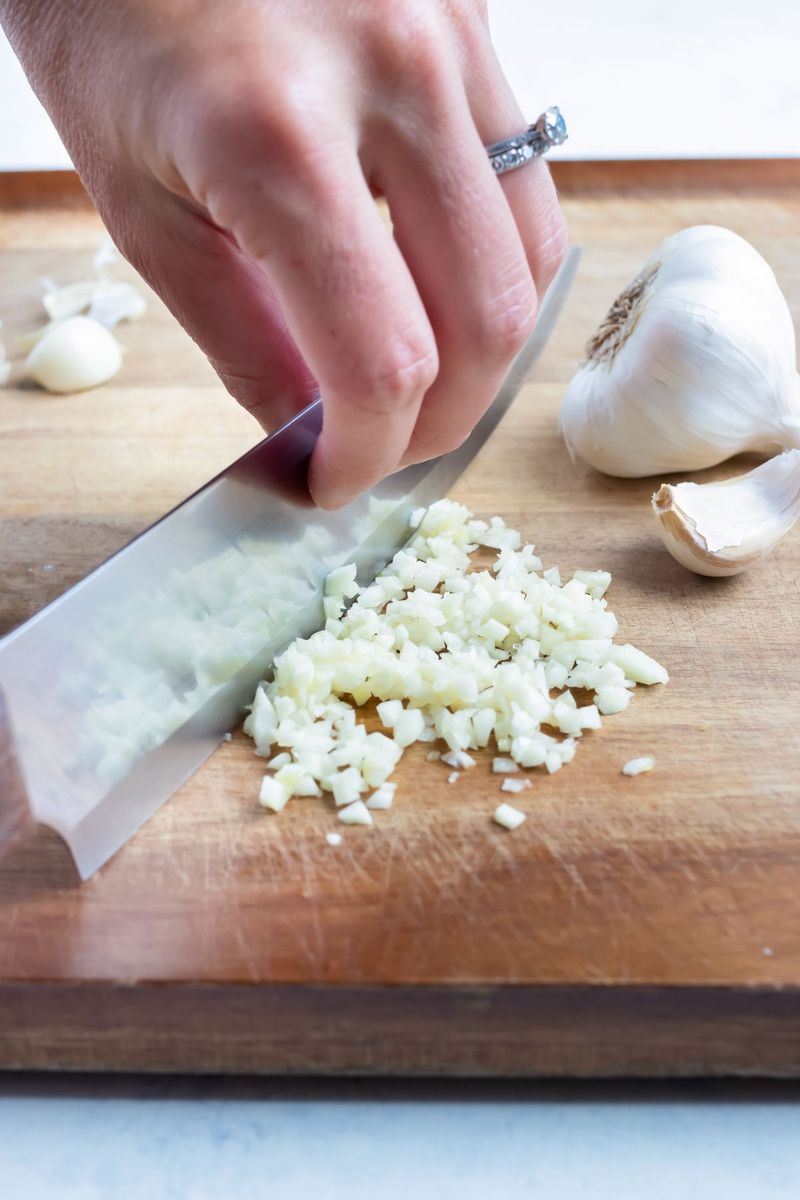
Garlic powder is convenient, but fresh garlic has a sharp, pungent bite and an aroma that fills the entire kitchen the moment it hits a hot pan. That intense smell is actually part of the flavor – and it signals compounds that powdered versions have already lost.
Mincing or crushing fresh cloves releases oils that make sauces, stir-fries, and roasted vegetables taste deeply savory. A single bulb of fresh garlic costs almost nothing and goes a very long way in the kitchen.
5. Corn
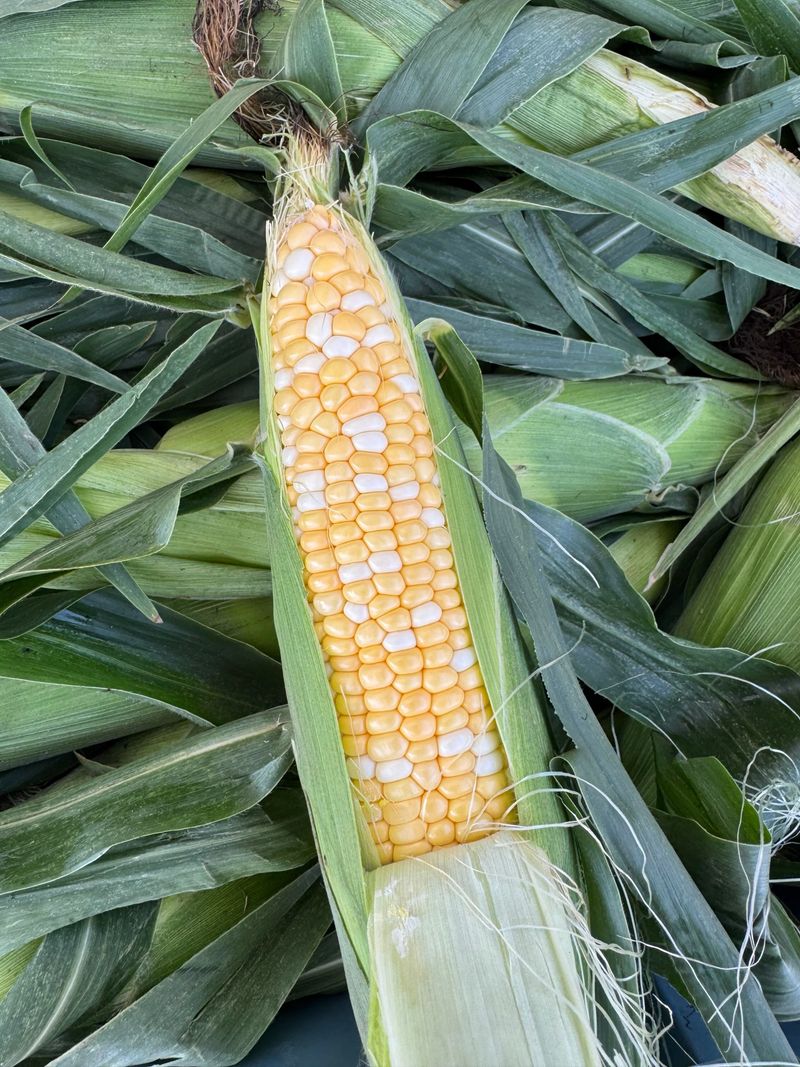
Corn starts converting its natural sugars into starch the moment it is picked, which means the clock is ticking fast. Fresh corn bought the same day it was harvested is sweet, crunchy, and almost juicy – nothing like the soft, bland kernels from a frozen bag.
Grilled or boiled right after purchase, fresh corn needs almost no seasoning because the flavor is already incredible. Try eating it raw straight from the cob at a farm stand and you will understand why summer corn has such a devoted fan base.
6. Fish and Seafood
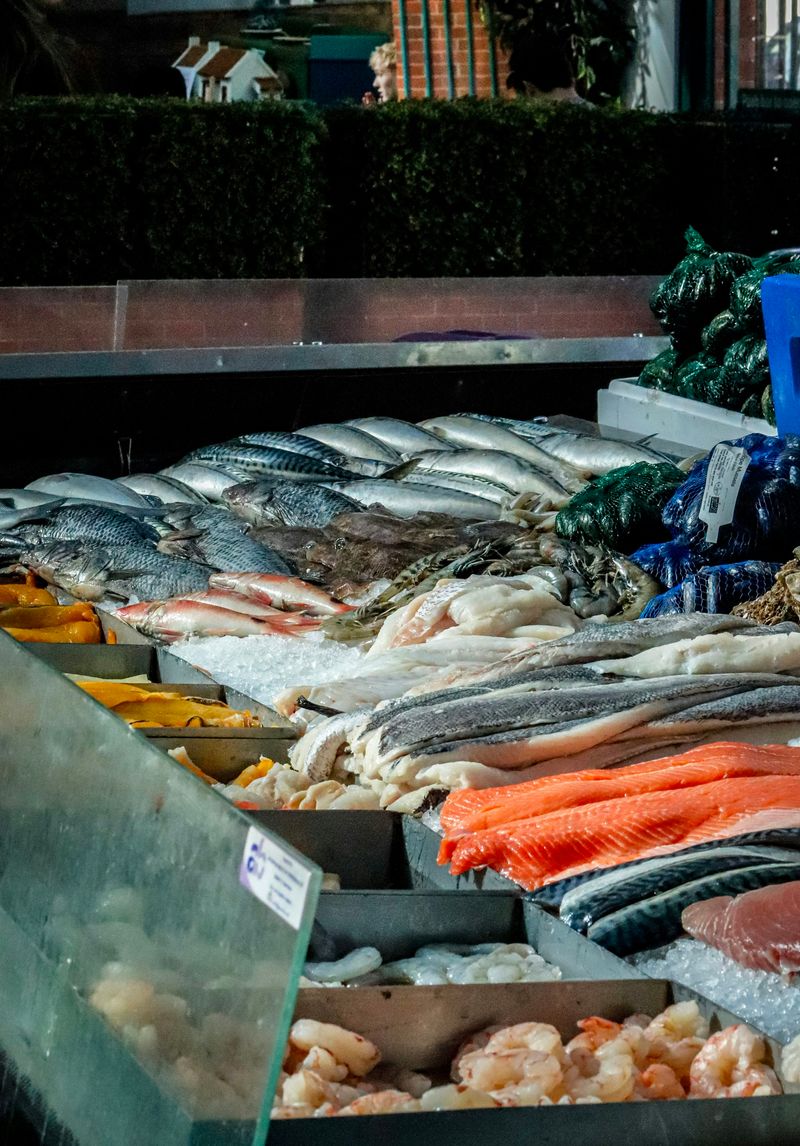
The difference between fresh fish and fish that has been sitting around for days is not subtle – it is unmistakable. Fresh fish has a clean, ocean-like scent and firm flesh that holds together perfectly when cooked.
Older fish smells strongly “fishy” and falls apart easily.
Buying from a reputable fishmonger or a store with high turnover makes a huge difference. Fresh shrimp, salmon, and cod all cook up with better flavor and texture, making even a simple preparation feel like a restaurant-quality meal.
7. Bread

There is something almost magical about a loaf of bread that came out of the oven a few hours ago. The crust crackles when you press it, the inside is soft and airy, and the smell alone is enough to make your mouth water before you even take a bite.
Packaged sandwich bread has preservatives to extend its shelf life, which changes the flavor and texture noticeably. Bakery-fresh bread, even a simple baguette, turns an ordinary sandwich or piece of toast into something genuinely special.
8. Pasta
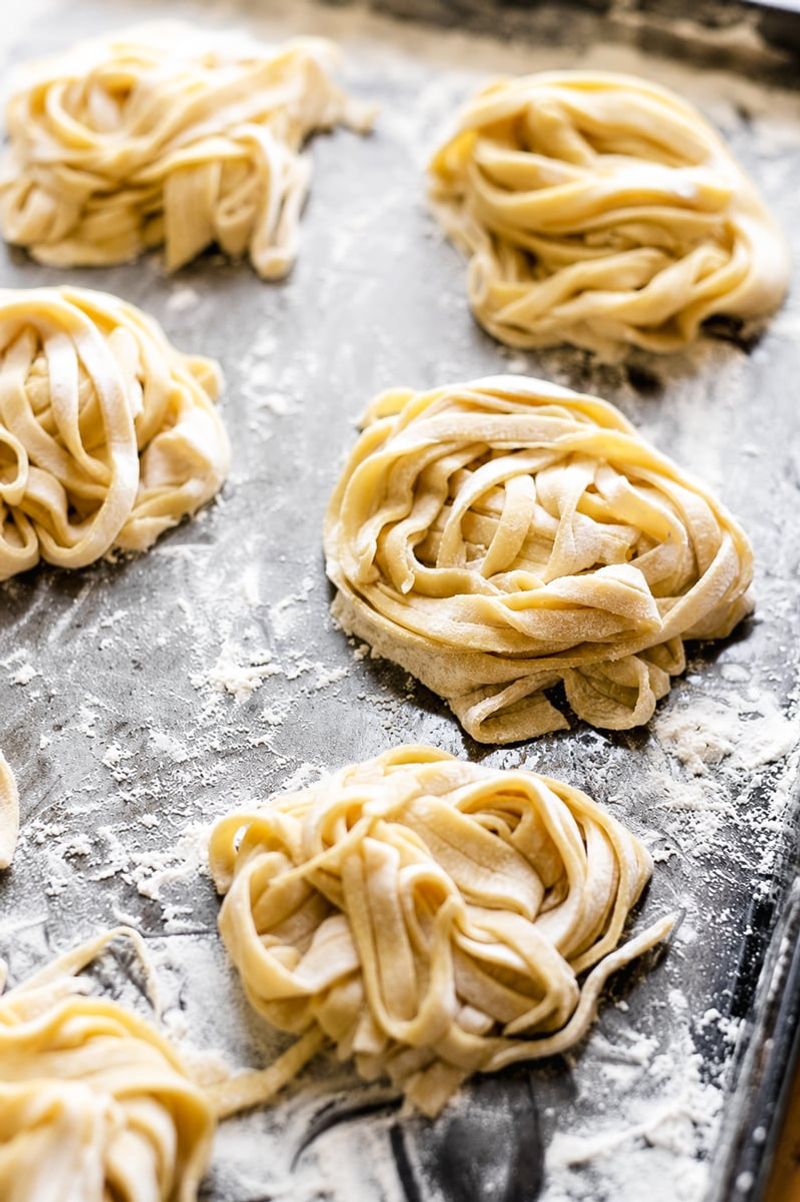
Fresh pasta cooks in just two to three minutes and has a tender, silky texture that dried pasta simply cannot replicate. Made with eggs and soft flour, it absorbs sauces differently – each strand or sheet becomes part of the dish rather than just a vehicle for it.
You can find fresh pasta at many grocery stores and Italian delis without making it yourself. Paired with a simple butter and sage sauce or a rich bolognese, fresh pasta transforms an everyday dinner into something that feels genuinely indulgent and restaurant-worthy.
9. Orange Juice
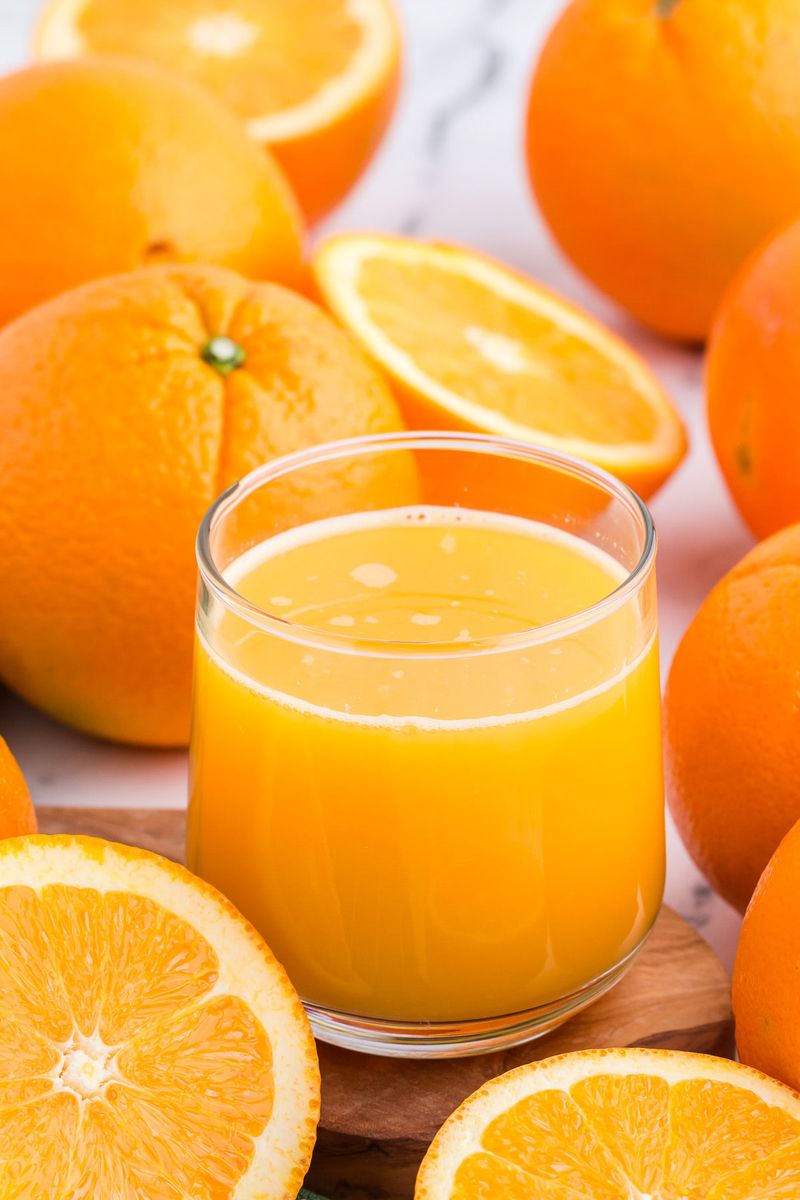
Squeezing oranges yourself takes about three minutes, and the result tastes nothing like the carton version sitting in the refrigerated aisle. Fresh-squeezed juice is bright, slightly tart, and full of natural sweetness with a complexity that pasteurized juice loses during processing.
Carton orange juice is often stored for months before it reaches shelves, and flavor packs are added to restore taste after processing. Fresh juice has none of that.
Even squeezing just a couple of oranges over ice in the morning makes a noticeable difference in how your day starts.
10. Berries
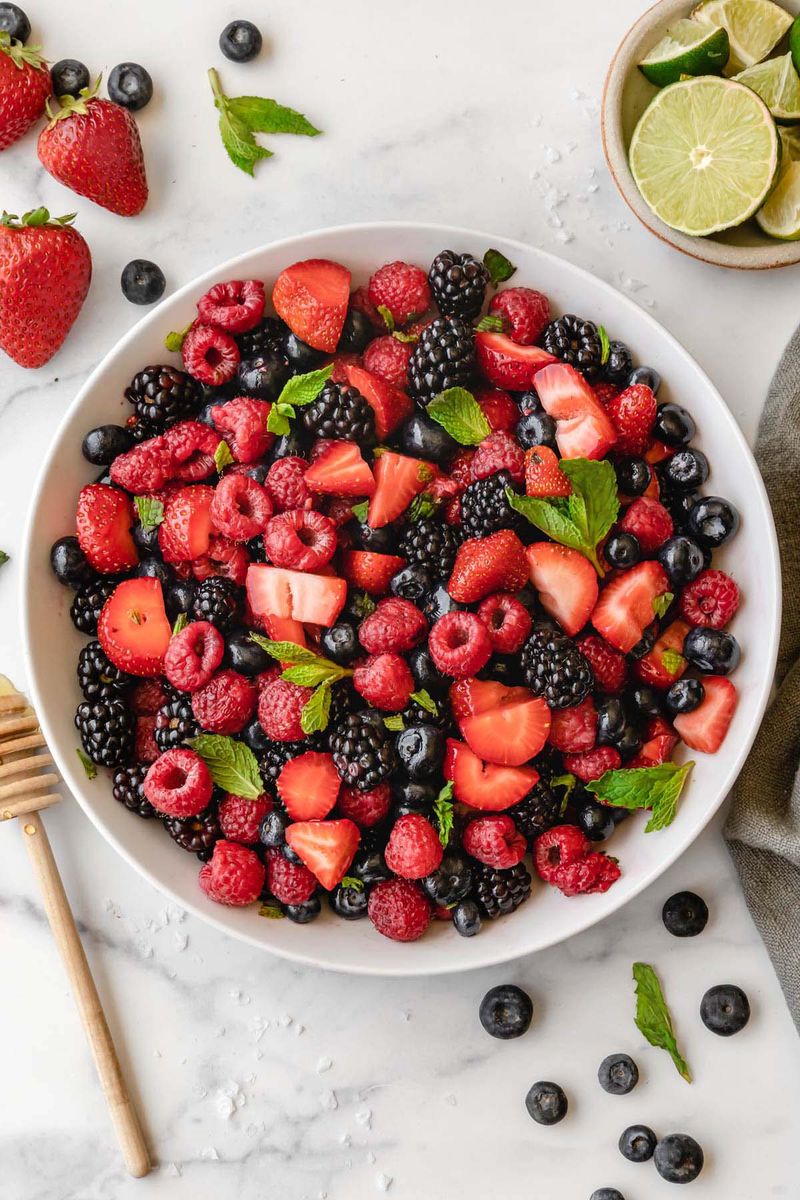
Frozen berries are great for smoothies and baking, but nothing compares to popping a perfectly ripe, fresh strawberry or blueberry into your mouth. The texture is firm, the flavor is bright and sweet-tart, and the color is vivid in a way that frozen and thawed berries just are not.
Fresh berries are especially worth buying in season when they are locally grown. Out-of-season berries shipped from far away tend to be flavorless and mealy.
A punnet of peak-season raspberries from a local farm is one of summer’s greatest simple pleasures.
11. Ginger
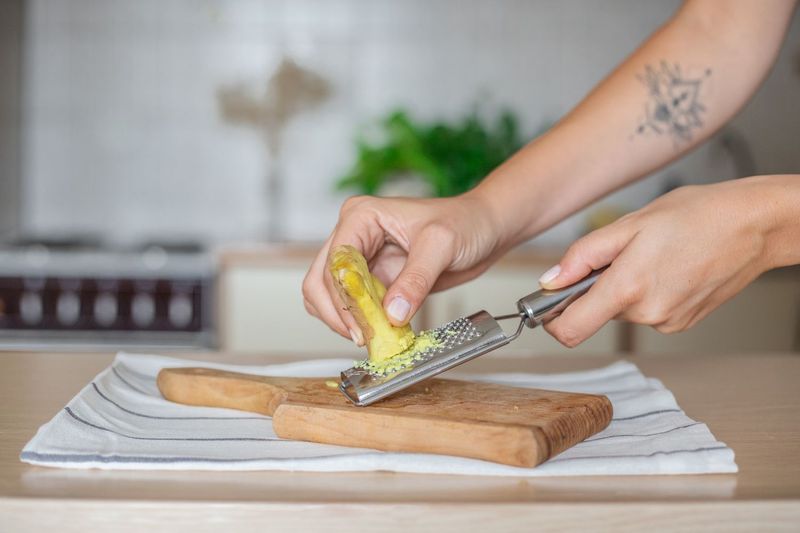
Ground ginger and fresh ginger root are not interchangeable – they taste completely different. Fresh ginger has a fiery, slightly floral heat and a juicy quality that ground ginger cannot deliver.
Grate it into a stir-fry, tea, or dressing and you will immediately notice the bold, warming kick.
A small knob of fresh ginger keeps well in the freezer for weeks, so there is no reason to settle for the powdered version. Grating it straight from frozen is actually one of the easiest kitchen tricks you can add to your routine.
12. Peas
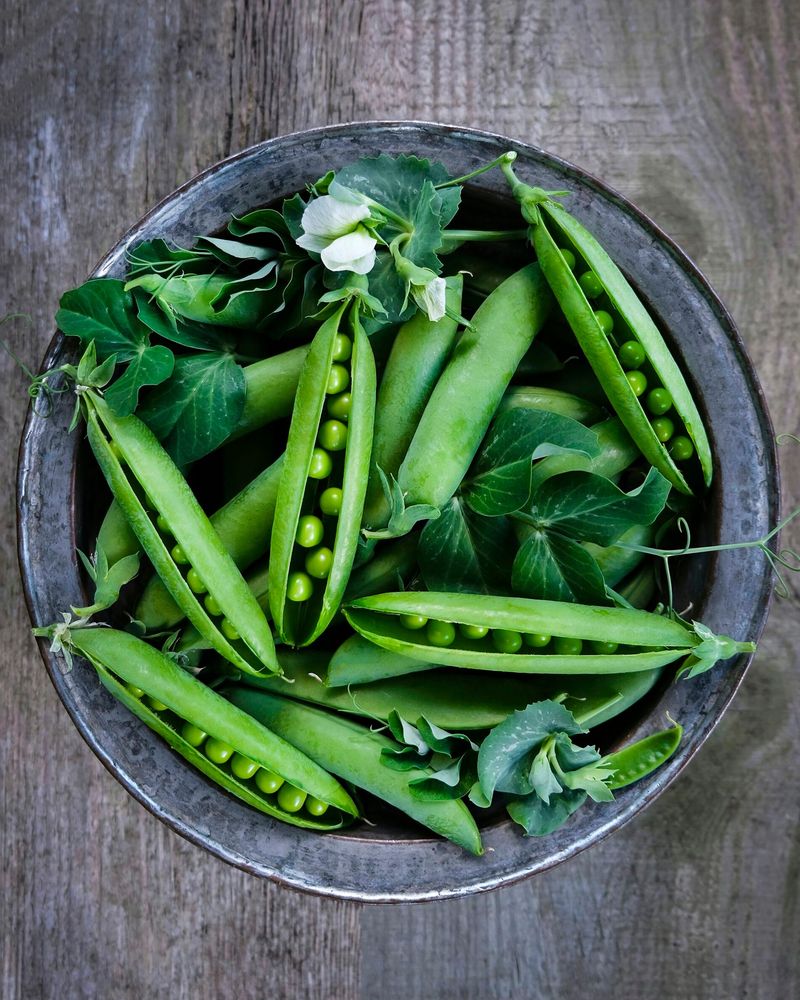
Frozen peas are actually quite good because they are flash-frozen shortly after harvest, but truly fresh peas – the kind you shell yourself – are in a league of their own. They are sweet, slightly starchy, and have a snap and brightness that even frozen versions cannot fully capture.
Fresh peas are only available for a short window in spring and early summer, which makes them even more worth seeking out. Eat them raw, barely blanched, or tossed into a warm pasta, and the sweetness will genuinely surprise you.
13. Peaches
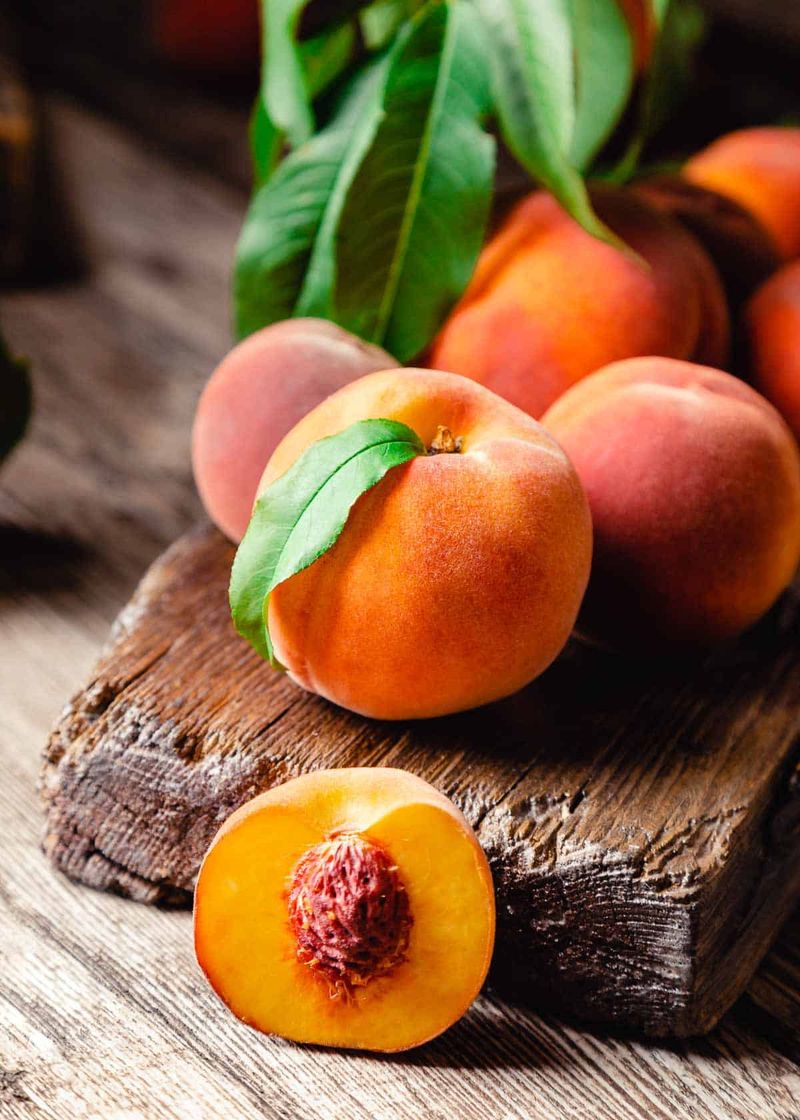
A perfectly ripe fresh peach is one of the most rewarding things you can eat in summer. The juice runs down your hand, the flesh is soft but not mushy, and the sweetness is balanced by just enough tartness.
Canned peaches taste syrupy and soft in comparison.
The key is buying them when they are actually in season locally, not the hard, flavorless ones shipped from far away in winter. Give them a day or two on the counter to ripen fully and the flavor payoff is absolutely worth the patience.
14. Coconut
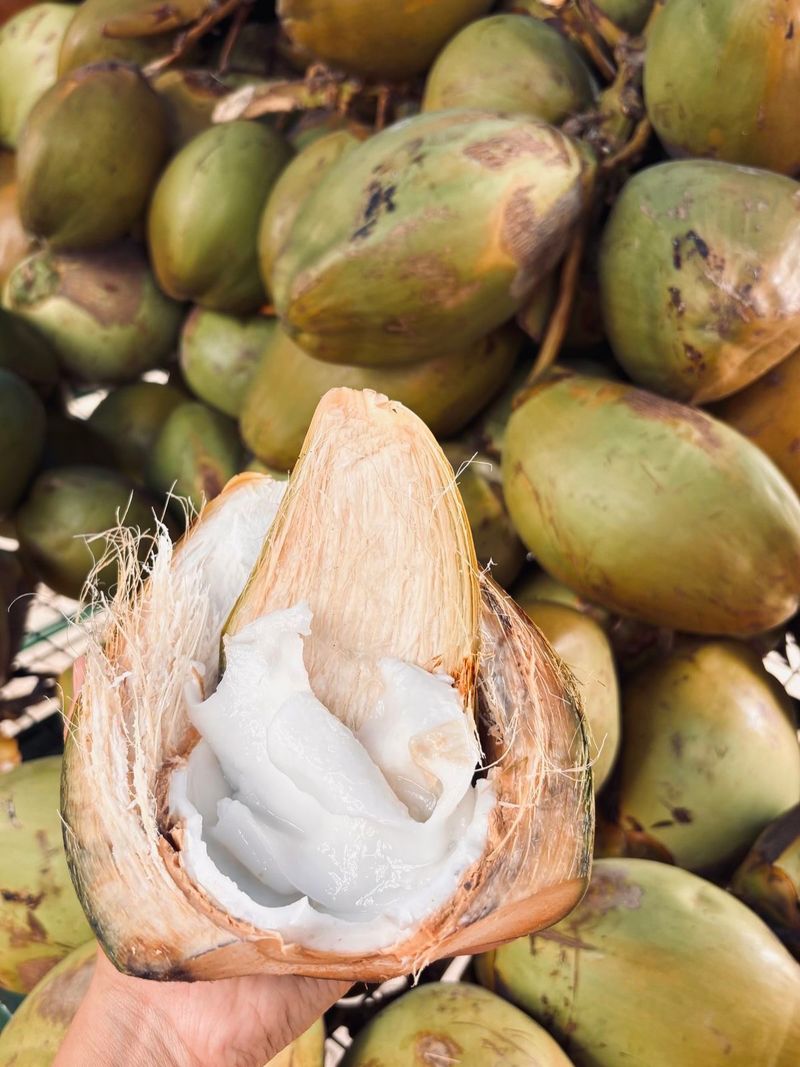
Shredded coconut from a bag is sweetened, dried, and a pale shadow of the real thing. Cracking open a fresh coconut reveals tender, moist white flesh with a mild, naturally sweet flavor and a satisfying chew that the packaged version completely lacks.
The coconut water inside a fresh coconut is also cleaner and more refreshing than most bottled versions. Fresh coconut works beautifully in curries, desserts, or eaten plain as a snack.
Once you try it fresh, the dried version will feel like a completely different ingredient.
15. Pineapple
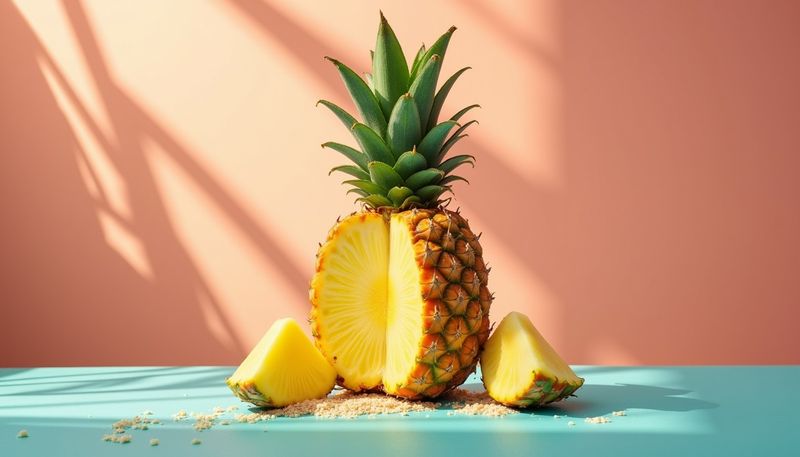
Canned pineapple is swimming in syrup and has a soft, almost mushy texture. Fresh pineapple, on the other hand, has a firm bite, a fiercely tropical sweetness, and a natural tang that makes it taste alive.
The aroma alone when you cut into a ripe one is extraordinary.
Ripe fresh pineapple is also loaded with bromelain, an enzyme that helps with digestion. Look for a golden-yellow skin and a sweet smell at the base when choosing one at the store.
That smell is the best indicator that it is ready to eat.
16. Avocado
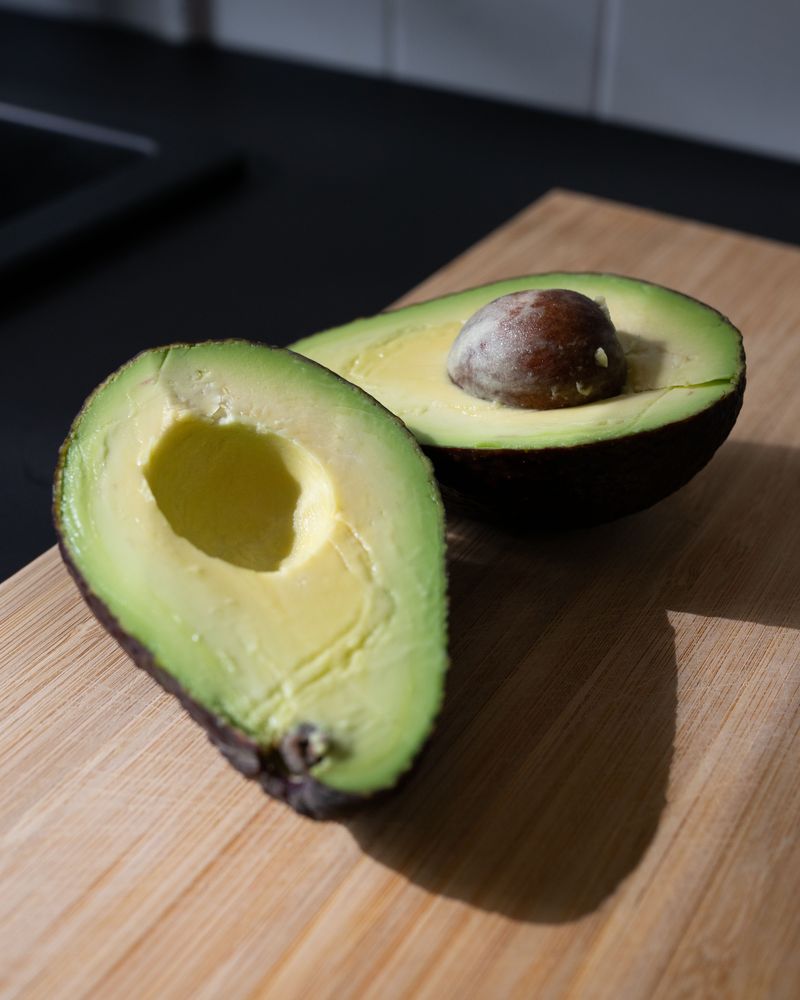
Pre-made guacamole from a tub and those little squeezable avocado packets are fine in a pinch, but they never taste like a freshly sliced or mashed avocado. Fresh avocado has a buttery, rich creaminess with a clean, nutty flavor that processed versions lose quickly after exposure to air.
Timing matters a lot with avocados. Let them ripen on the counter until they yield slightly to gentle pressure, then use them right away.
On toast, in a bowl, or beside eggs, fresh avocado adds a luxurious texture that no packaged substitute can replicate.
17. Coffee Beans
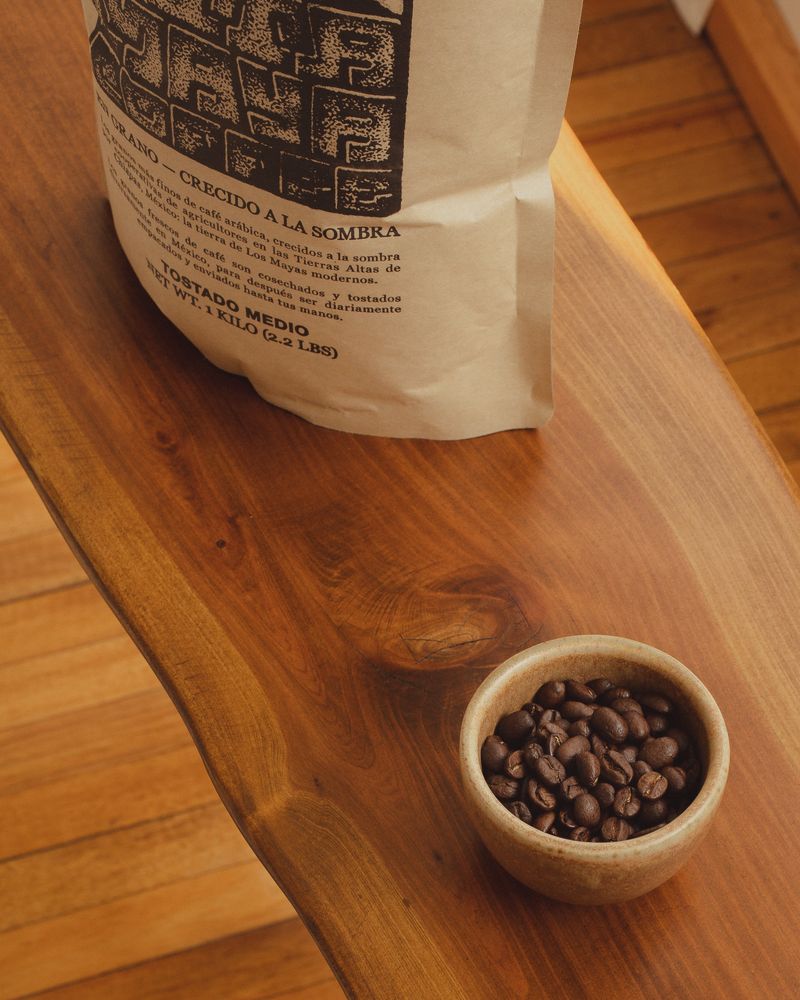
Coffee starts losing its best flavors within days of roasting, so freshly roasted beans make a genuinely noticeable difference in your cup. Pre-ground coffee from a can has often been sitting on a shelf for months, and the aromatic oils that make coffee taste bright and complex have long since faded.
Buying whole beans from a local roaster and grinding them right before brewing takes almost no extra effort. The reward is a cup that tastes richer, more nuanced, and far more satisfying than anything that comes from a pre-ground tin.
18. Eggs

Farm-fresh eggs have yolks that are a deep, almost orange color – a sign of a diet rich in nutrients. The yolk stands tall and firm when cracked into a pan, and the flavor is noticeably richer and more satisfying than eggs from a standard grocery store carton.
Supermarket eggs can be weeks old by the time they reach your kitchen, which affects both taste and texture. If you have access to a local farm or farmers market, fresh eggs are one of the most worthwhile upgrades you can make to your everyday cooking.
19. Spinach
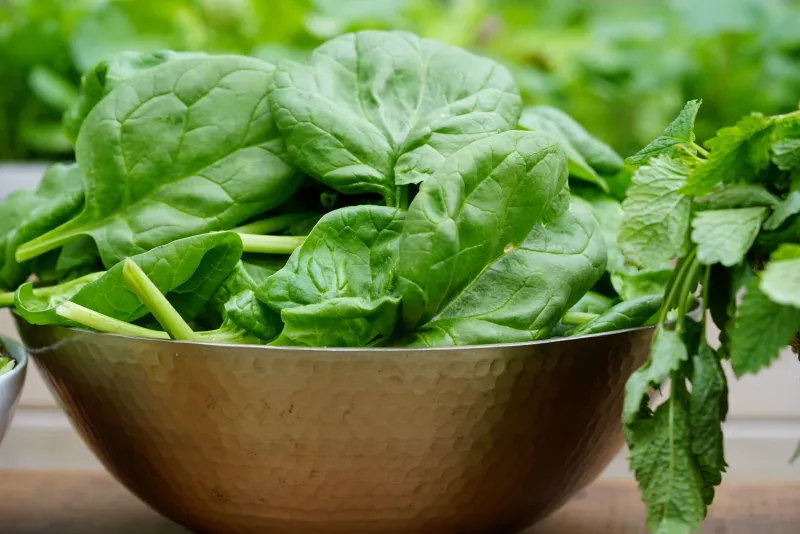
Bagged spinach that has been sitting in the refrigerator for a week gets slimy, bitter, and unpleasant fast. Fresh spinach from a farmers market or the loose-leaf section of a grocery store has crisp, dark green leaves with a mild, slightly earthy taste that works raw or cooked.
Wilted or old spinach loses its texture and a good portion of its nutrients. Using fresh leaves in a salad, smoothie, or quick saute makes the dish look more appealing and taste noticeably cleaner.
Freshness here is not just about flavor – it is about the whole experience.
20. Mushrooms
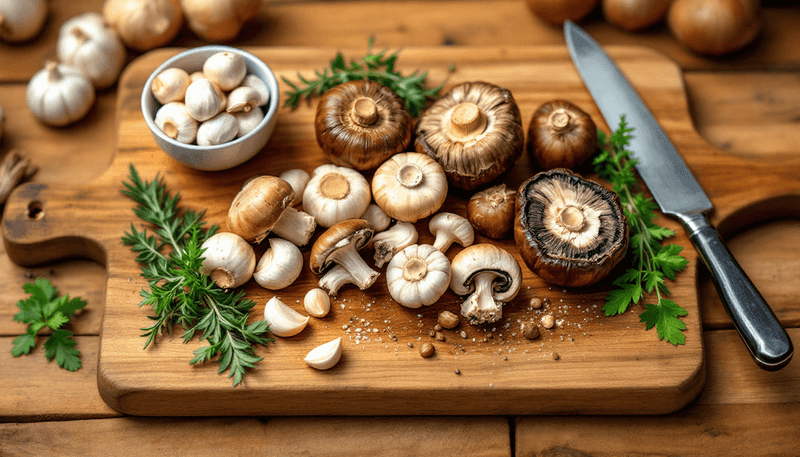
Fresh mushrooms have a firm, meaty texture and a deep, earthy aroma that dried or canned mushrooms only hint at. When you cook fresh cremini or shiitake mushrooms in butter, they develop a savory, nutty depth of flavor that is almost impossible to get from a can or jar.
Canned mushrooms are soft, salty, and lack the satisfying chew that makes mushrooms such a beloved ingredient. Fresh ones also brown beautifully in a hot pan, adding color and complexity to any dish.
They are worth the small extra cost every single time.
21. Lemon and Lime Juice
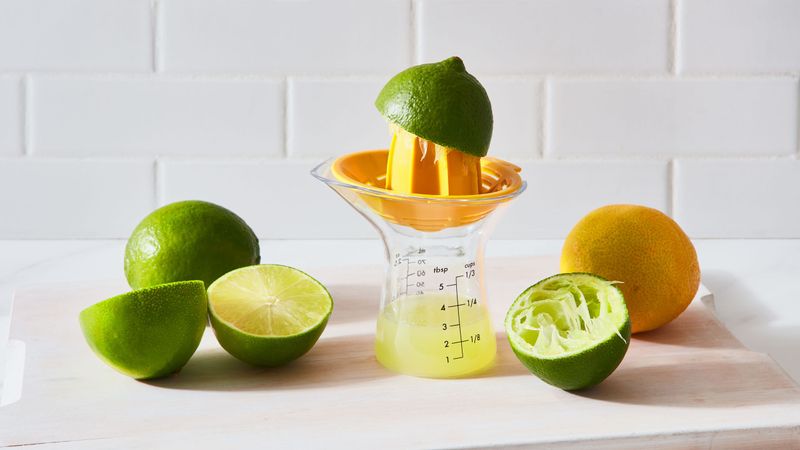
Bottled lemon and lime juice often has a slightly bitter, metallic aftertaste from preservatives and processing. Fresh juice squeezed directly from the fruit is bright, vibrant, and has a complexity – including a bit of natural bitterness from the zest oil – that bottled versions miss entirely.
A squeeze of fresh lemon over roasted vegetables, fish, or a cocktail makes everything taste more alive and balanced. Keep a bag of lemons and limes in your fridge.
The difference in flavor between fresh and bottled is so clear that you will never want to go back.
22. Meat (Butcher-Cut)
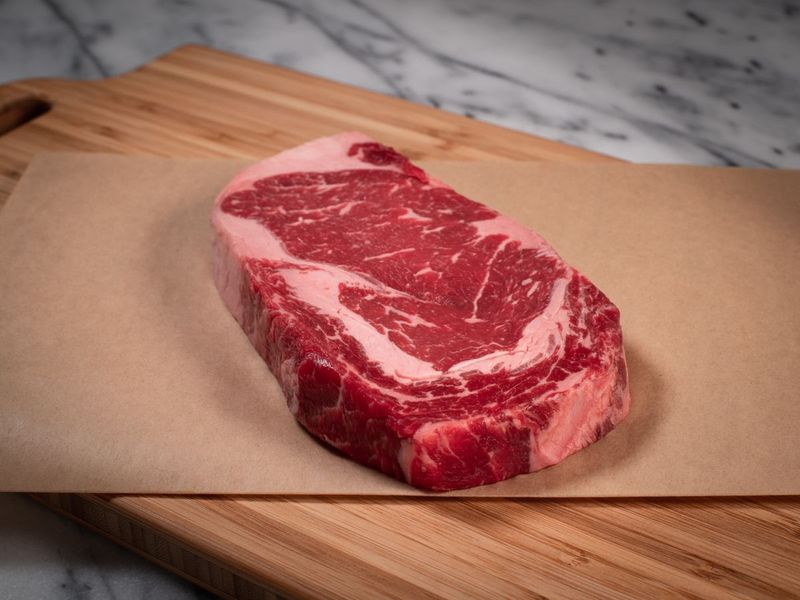
Butcher-fresh meat has a color, moisture, and smell that pre-packaged supermarket cuts often lack. A freshly cut ribeye or chicken breast from a good butcher has better marbling, more even thickness, and a clean, fresh aroma rather than the faint plastic-and-blood smell of vacuum-sealed packages.
Fresh-cut meat also sears better because it has not been sitting in its own liquid inside plastic wrap. Ask your local butcher to cut to your preferred thickness for even better results.
The quality difference shows up clearly in how the meat cooks and tastes on the plate.
23. Salsa
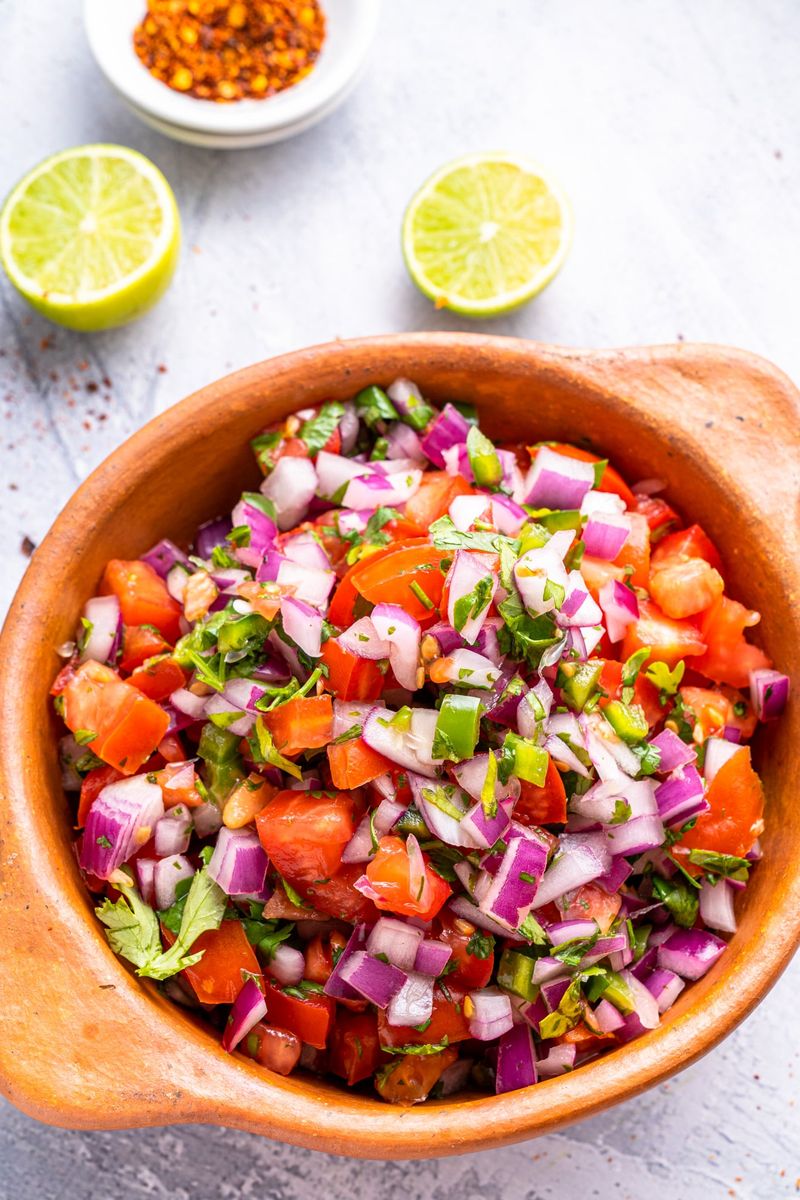
Jarred salsa is a pantry staple for a reason, but fresh pico de gallo made with ripe tomatoes, onion, jalapeño, cilantro, and lime juice is in a completely different category. The flavors are bold, bright, and distinct – each ingredient keeps its own character rather than blending into a cooked, uniform paste.
Making fresh salsa takes about ten minutes and requires no cooking at all. The crunch of the raw onion and the brightness of fresh lime juice make it taste lively in a way that no jar can match.
Serve it immediately for the best possible results.