
Feminism means different things to different people, and not every famous woman wants to wear that label. Some celebrities prefer words like “humanist” or “equalist” instead, while others simply feel the term doesn’t match their personal beliefs.
Their reasons are often surprising, thoughtful, and sometimes even controversial. Here are 18 well-known women who have publicly stepped away from calling themselves feminists.
1. Joni Mitchell
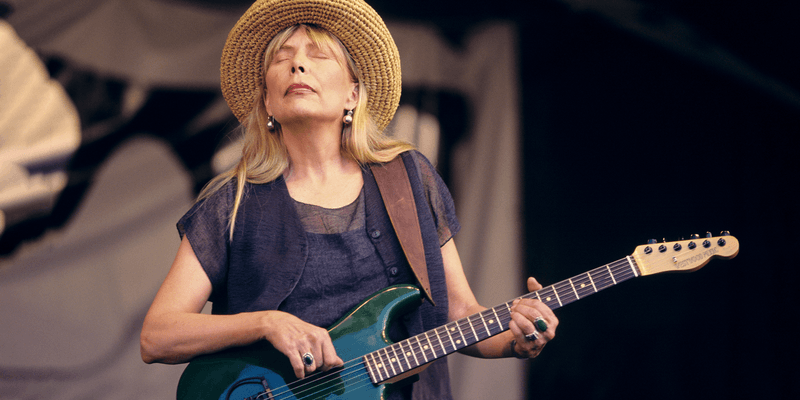
Legendary singer-songwriter Joni Mitchell made headlines in 2013 when she flatly said, “I’m not a feminist.” Her reason was refreshingly personal rather than political.
Mitchell explained that she has many close male friends and simply didn’t want to create what she called a “posse against men.” For her, solidarity didn’t have to mean separating from the opposite sex.
Her stance reflects how some artists prefer connection over conflict when it comes to gender conversations.
2. Kelly Clarkson
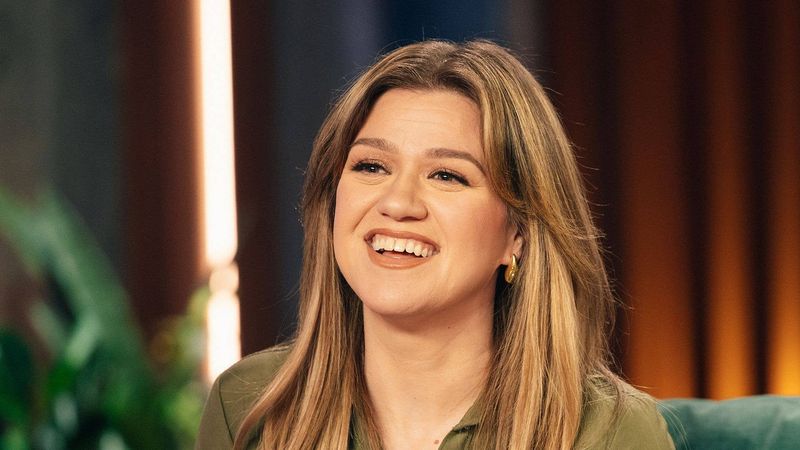
Kelly Clarkson once told TIME magazine that the word “feminist” felt “too strong” for her. She openly said she loves “being taken care of” and appreciates having a partner who leads.
Clarkson was careful to clarify she wasn’t putting women down. She simply felt the label didn’t capture her personal values around relationships and partnership.
Her honesty sparked debate, reminding everyone that famous women can hold complex, layered views about gender.
3. Sarah Jessica Parker
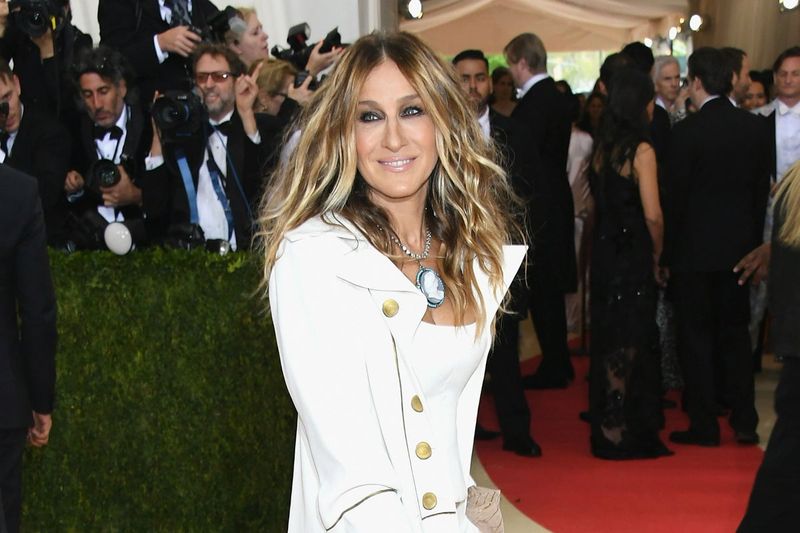
Best known for playing Carrie Bradshaw, Sarah Jessica Parker surprised many fans by saying, “I am not a feminist. I am a humanist.” She wanted to focus on equality for every person, not just women.
Parker felt the feminist label carried negative baggage that she didn’t want attached to her name. She believed society had evolved past the need to separate gender groups in rights conversations.
Her preference for “humanist” reflects a broader worldview she holds dear.
4. Lana Del Rey
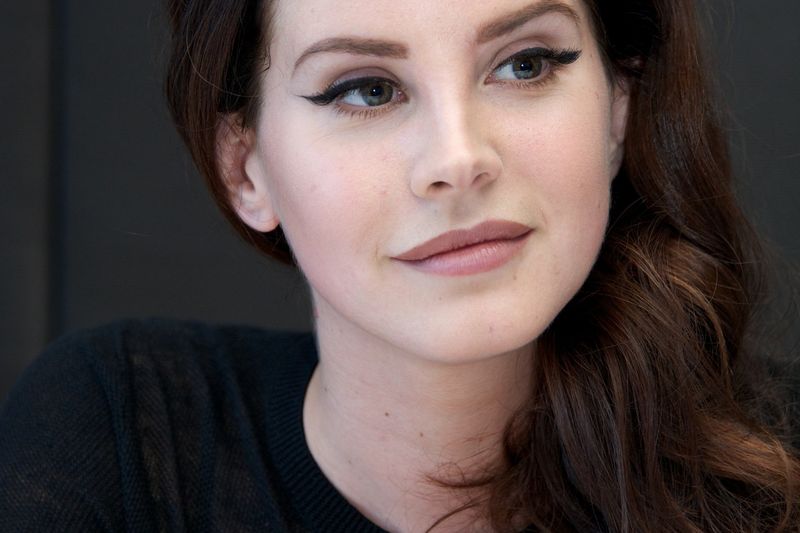
Lana Del Rey has always marched to her own beat, so it wasn’t shocking when she said the concept of feminism was simply “not an interesting concept” to her. She’s known for embracing themes of romance and vulnerability in her music, which some critics have labeled anti-feminist.
Rather than engaging with the debate, Del Rey largely stepped away from it altogether. She prefers to let her art speak for itself, regardless of political categorization.
5. Gwyneth Paltrow
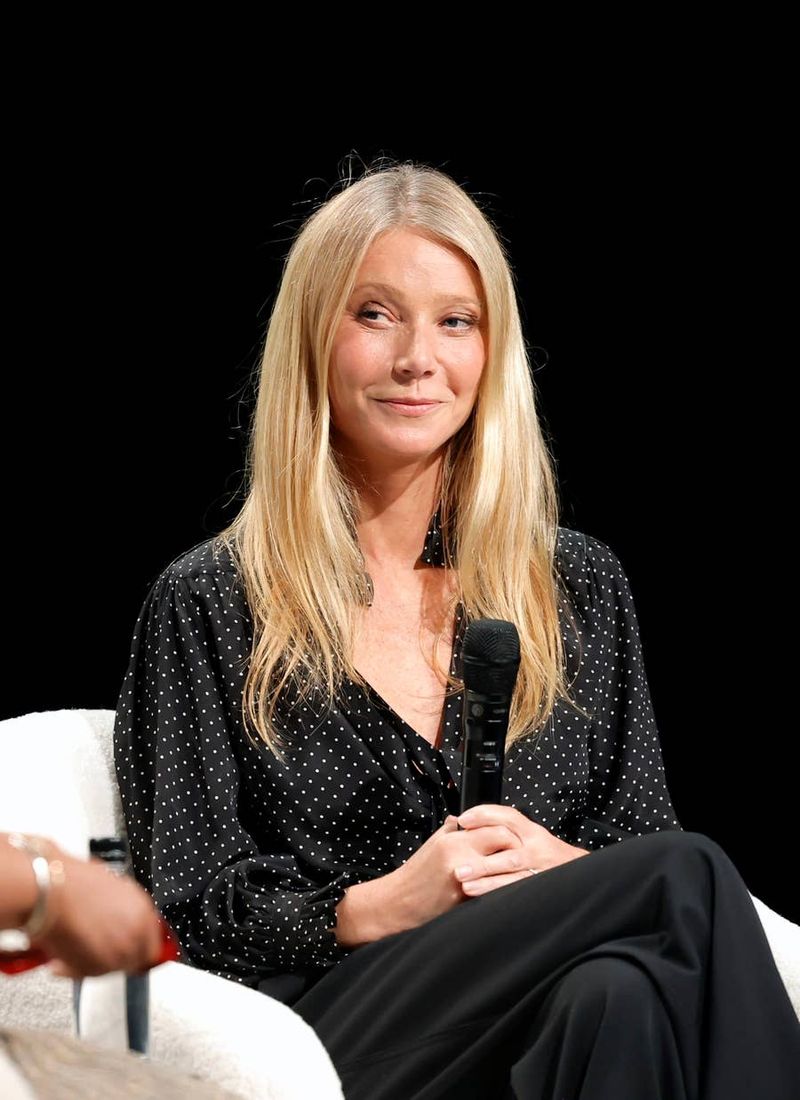
Gwyneth Paltrow once said she’s not a feminist because she “loves men” and worries that pushing women into power while removing men creates imbalance. She later went further, calling feminism “a label that discriminates.”
Her comments drew strong reactions from fans and critics alike. Many pointed out that her perspective seemed to misread what mainstream feminism actually promotes.
Still, Paltrow stands by her belief that balance between the sexes is the real goal worth pursuing.
6. Meryl Streep
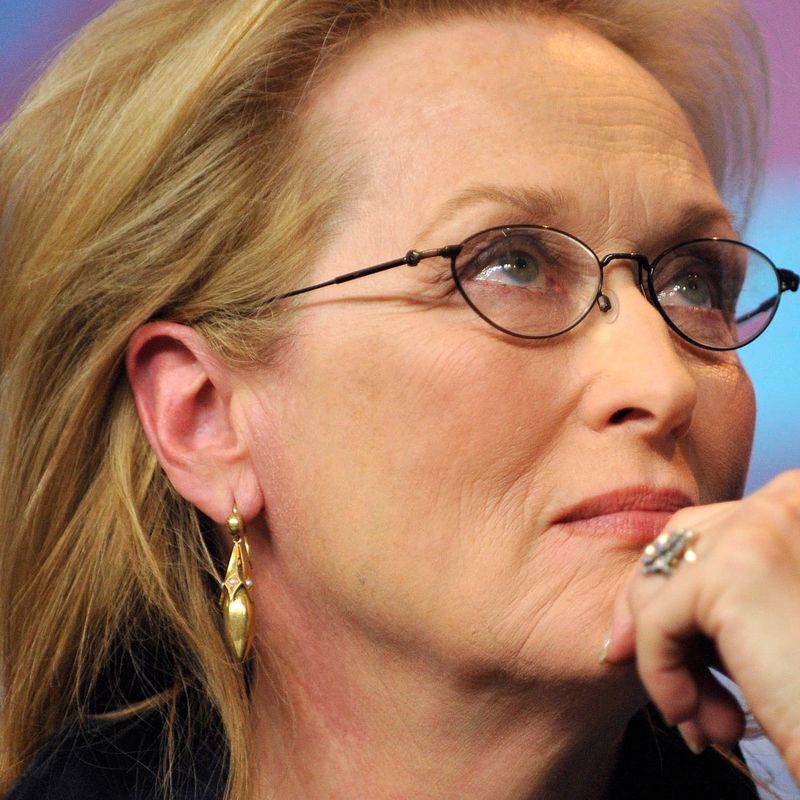
Meryl Streep, one of Hollywood’s most respected actresses, once said she preferred “humanist” over “feminist” because the latter felt too narrow. She wanted a word that covered equality for all people, not just women.
After facing public backlash, Streep revisited her comments and clarified her position. She acknowledged the power of the feminist movement while still holding onto her preference for broader language.
Her journey shows how even icons wrestle with labels and their meanings.
7. Marion Cotillard
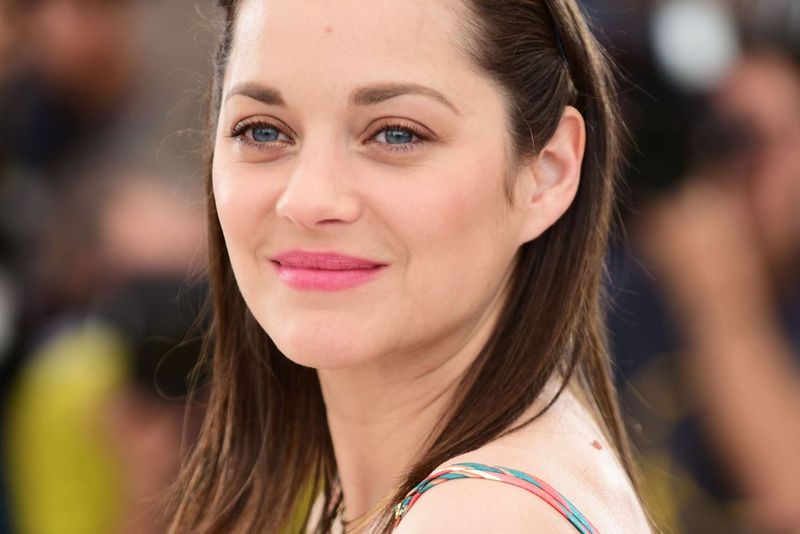
French actress Marion Cotillard expressed genuine hesitation about calling herself a feminist, worried the movement sometimes creates division between men and women rather than bringing them together.
She doesn’t reject equality at all. Her concern is that modern feminism can feel combative in ways that push people apart instead of uniting them around shared goals.
Cotillard’s thoughtful take reminds us that embracing equality and embracing a label aren’t always the same thing.
8. Carla Bruni
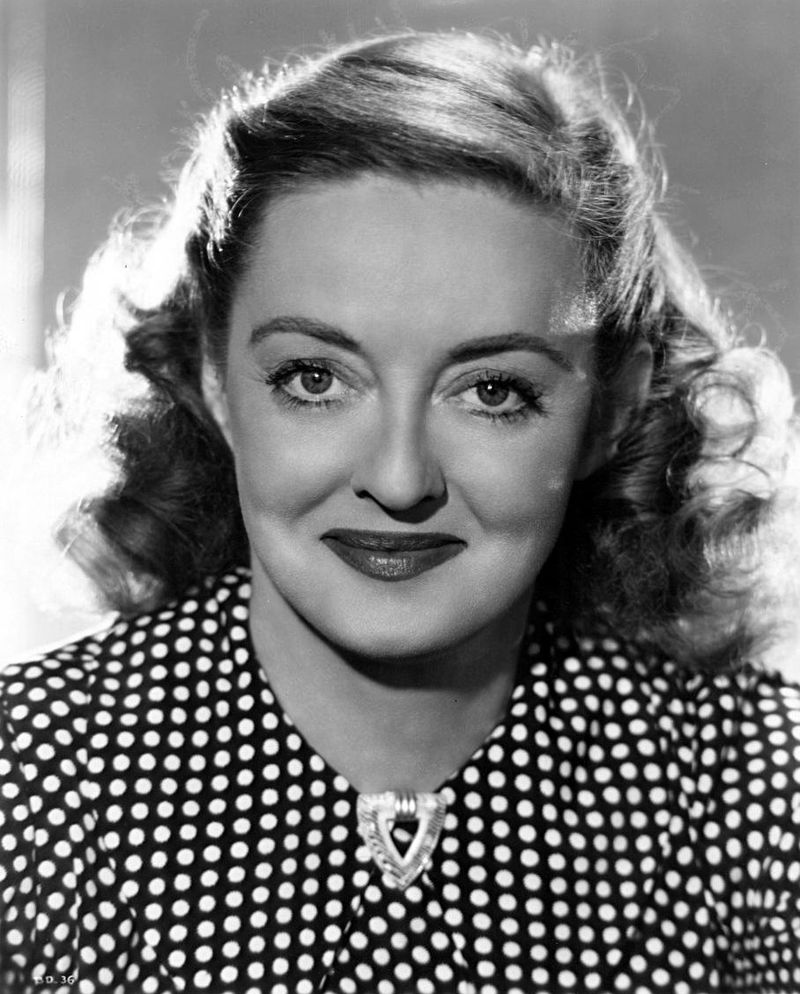
Former French First Lady and model-turned-singer Carla Bruni rejected the feminist label by saying she had never personally experienced discrimination as a woman. From her perspective, the fight didn’t feel personal.
Critics were quick to point out that her privileged background, growing up wealthy and later living in elite circles, likely shaped that viewpoint significantly.
Her comments sparked conversations about how class and privilege can influence the way people understand gender inequality.
9. Shailene Woodley
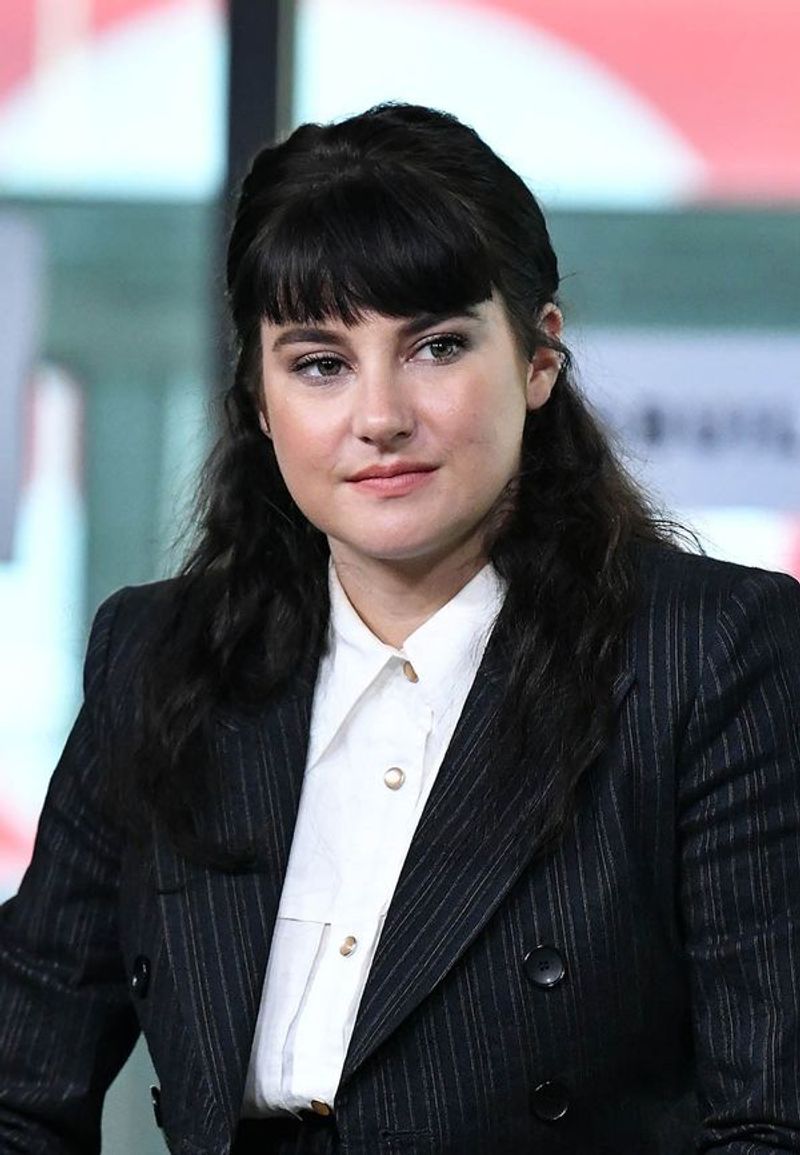
Shailene Woodley once stirred up quite a storm by saying she wasn’t a feminist because she “loves men” and felt the movement leaned toward female superiority rather than balance. She preferred the idea of “sisterhood” instead.
To her credit, Woodley later apologized and admitted she had educated herself more about what feminism actually stands for. Her willingness to learn and grow won back respect from many who had criticized her.
10. Kim Kardashian
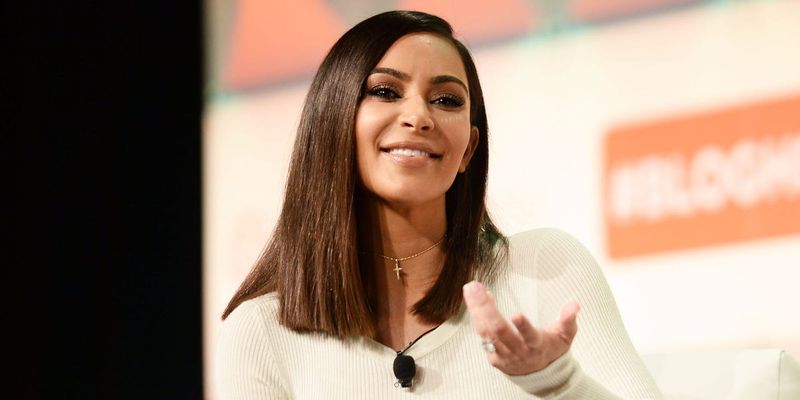
Kim Kardashian has had a famously complicated relationship with the feminist label. Early on, she was hesitant to claim it and said she doesn’t really like using labels at all.
She has defended her focus on appearance and body image by arguing that women should control their own stories. To her, owning your image is its own form of empowerment.
Her take on feminism is unconventional but has sparked real conversations about choice and self-expression.
11. Drew Barrymore
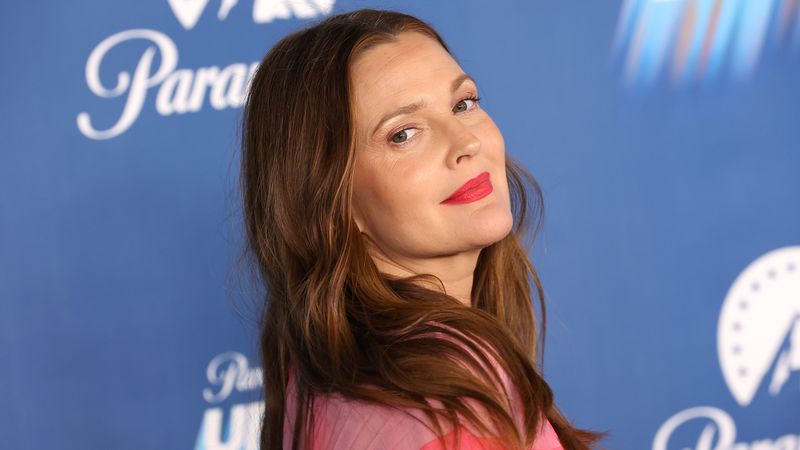
Drew Barrymore has a sunny, upbeat personality that she says doesn’t quite match the energy she associates with the word “feminist.” She explained that the term can carry an angry connotation that feels foreign to her character.
Barrymore made it clear she absolutely believes in women and their abilities. She just prefers to show that belief through her actions rather than a label.
Her cheerful approach to empowerment is very much her own brand.
12. Lisa Vanderpump
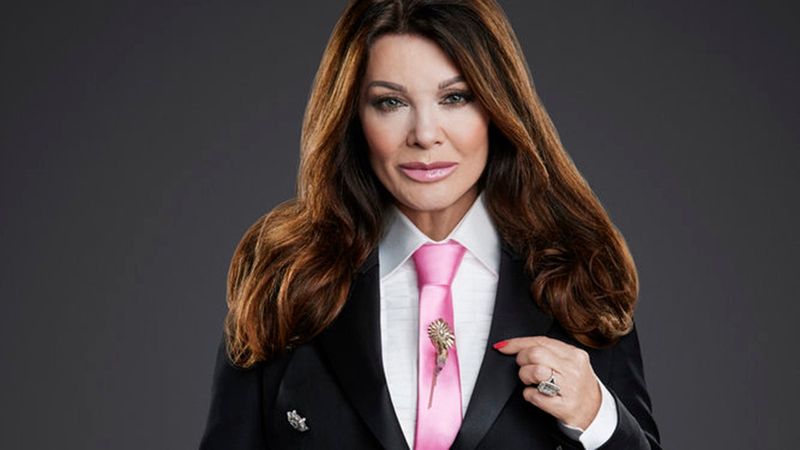
Reality TV star and savvy businesswoman Lisa Vanderpump describes herself as an “equalist,” not a feminist. She believes men and women are equal and sees no reason to put a specific label on that belief.
Vanderpump points to her own business empire as proof that she walks the walk. Running multiple successful restaurants and television ventures, she demonstrates female power through action.
For her, results speak louder than any political title ever could.
13. Demi Moore
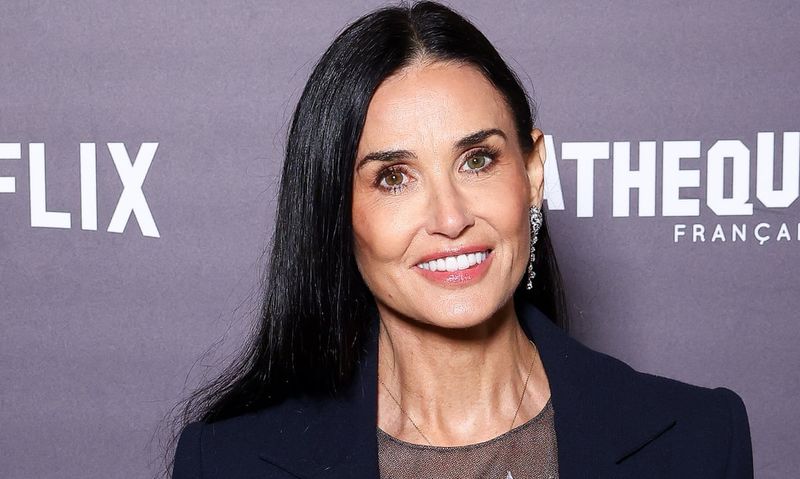
Demi Moore has long been a supporter of women, but she hesitates to call herself a feminist. Her preference is the word “humanist,” which she feels is less politically charged and more open to all people.
Moore worries that feminism has become too politicized over the years, turning a message of equality into something that feels restrictive or even divisive to some audiences.
She champions women loudly, just without the traditional banner overhead.
14. Susan Sarandon
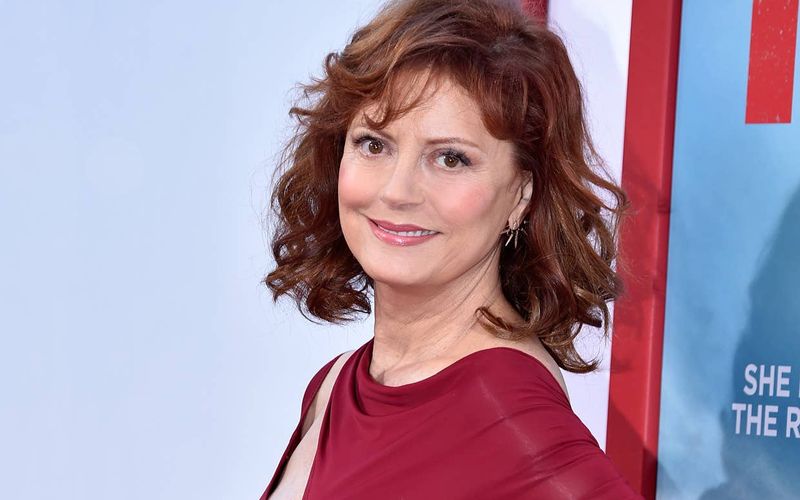
Susan Sarandon, a lifelong activist, surprised many by calling the term “feminist” self-limiting and old-fashioned. She prefers to be seen as a “humanist” who cares about social justice for every group of people, not just women.
Her rejection of the label isn’t about rejecting women’s rights. It’s about refusing to let any single word box in her wide-ranging commitment to fairness and equality.
Sarandon has always been one to challenge every category placed around her.
15. Azealia Banks
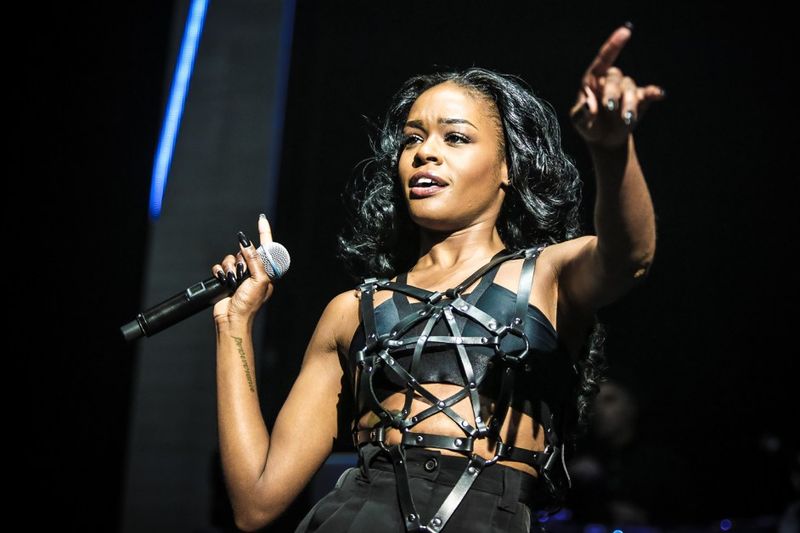
Rapper Azealia Banks has taken a sharper, more critical approach to the feminist debate. She has used social media repeatedly to argue that mainstream feminism too often ignores the specific struggles of women of color.
Banks believes the movement focuses too much on corporate success and middle-class white women’s issues, leaving out communities that face racism alongside sexism.
Her critique pushes for a more inclusive conversation, one that doesn’t erase race from the equation.
16. Brigitte Bardot
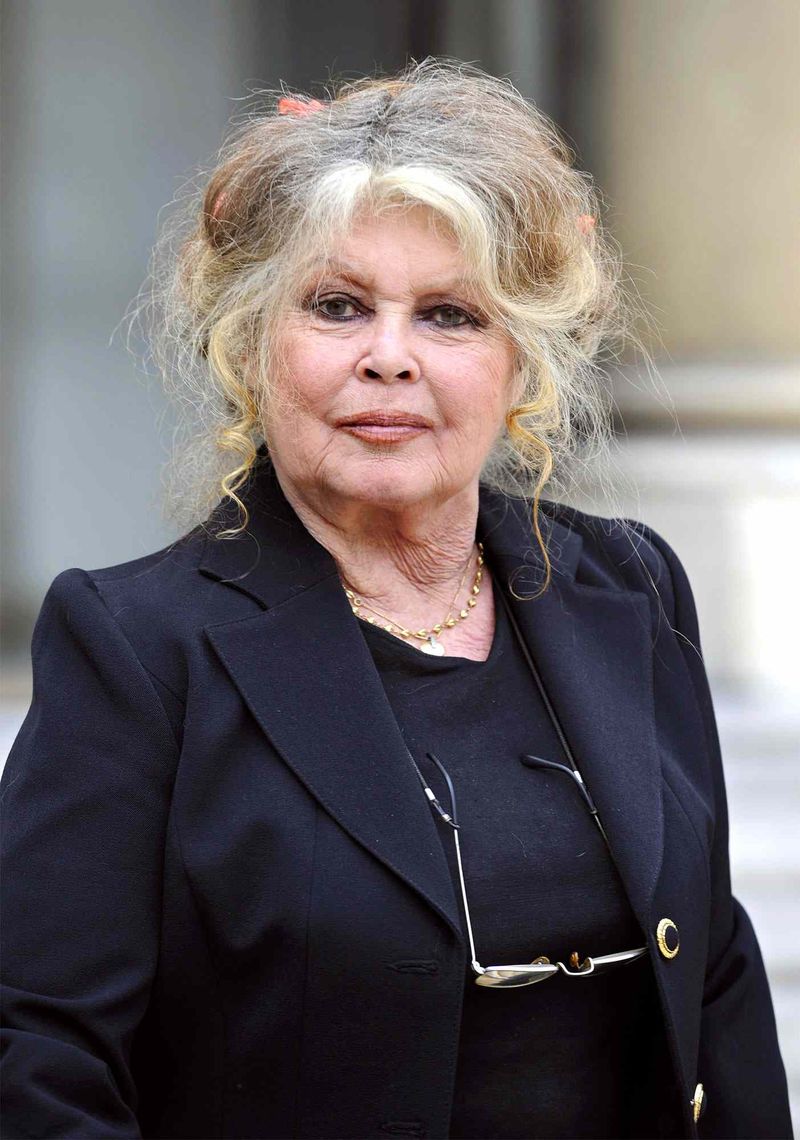
Brigitte Bardot, one of France’s most iconic stars, has been a vocal critic of modern social movements, including the #MeToo movement, which she called hypocritical. She has long preferred traditional romantic dynamics over what she sees as modern puritanism.
Bardot’s views have drawn fierce criticism, with many pointing out that her comments dismiss real experiences of harassment and abuse.
Love her or not, she has never been shy about going against the cultural current.
17. Catherine Deneuve
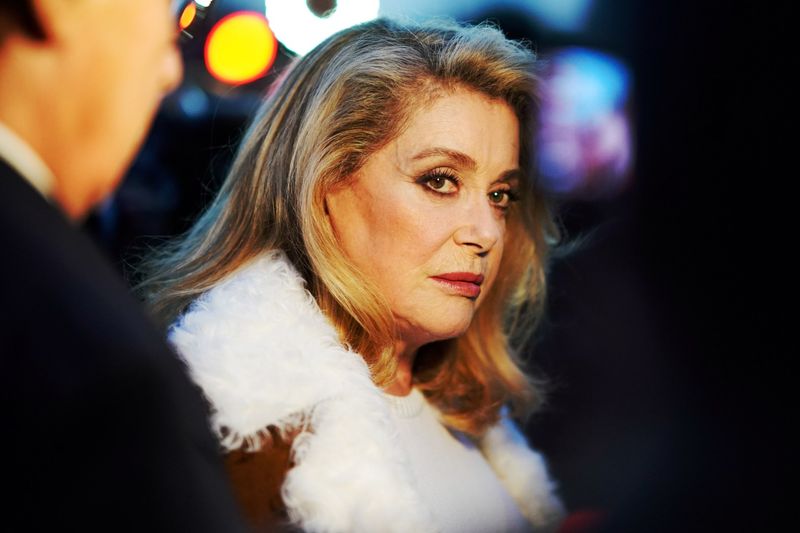
Catherine Deneuve made international headlines when she was among a group of French women who signed an open letter criticizing the #MeToo movement. The letter argued that the movement had gone too far, creating what they called a new puritanism.
The backlash was swift and intense. Many women’s rights advocates were deeply hurt by the letter’s framing.
Deneuve later issued a partial apology but stood by the core of her argument about protecting nuance in gender discussions.
18. Salma Hayek Pinault
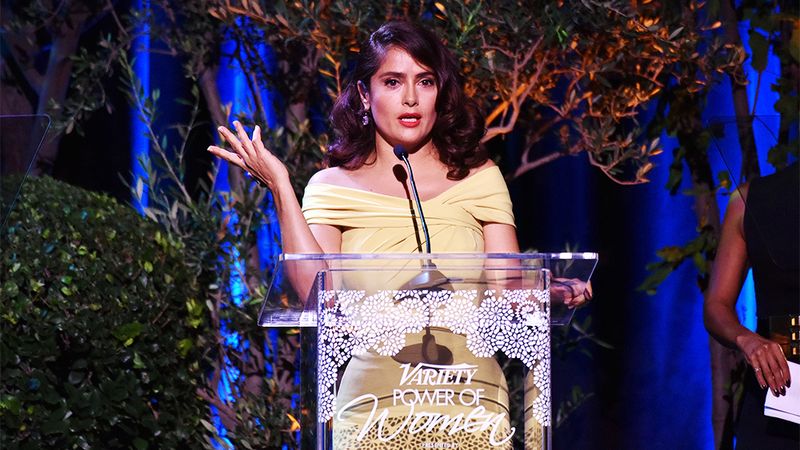
Salma Hayek Pinault once famously said she was not a feminist, believing strongly in equality and women’s empowerment but not wanting to attach herself to the movement’s specific label.
She later suggested her original stance came partly from a misunderstanding of what feminism actually means. As she learned more, her views shifted toward a more accepting position.
Her story is a good reminder that education and open-mindedness can genuinely change the way we see important ideas.