
Texas has a reputation that arrives before you even cross the state line. Most people picture cowboys, tumbleweeds, and endless heat before they ever set foot there.
But spend a few days in the Lone Star State, and you will quickly discover the real Texas is far more surprising, diverse, and fascinating than the myths suggest. Here are 15 common stereotypes that simply do not hold up once you see the state for yourself.
1. Everyone Wears Cowboy Hats and Boots Every Day
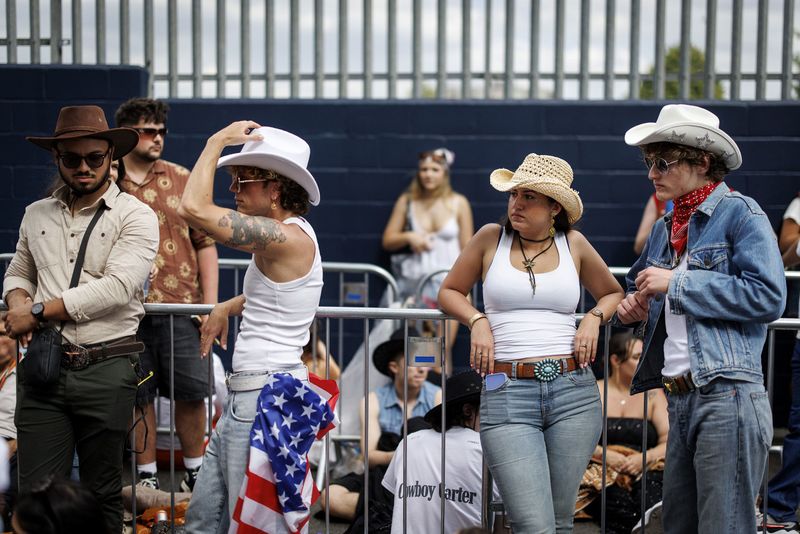
Walk through downtown Houston or Austin on a regular Tuesday, and you might spot more sneakers than spurs. Cowboy boots and hats are absolutely part of Texas culture, but most city-dwelling Texans save them for rodeos, country concerts, or special occasions.
In urban areas, western wear is almost treated like formal attire. Ranch workers and rural Texans do wear boots daily, but that is a practical choice, not a statewide fashion rule.
2. Horses Are How Texans Get Around
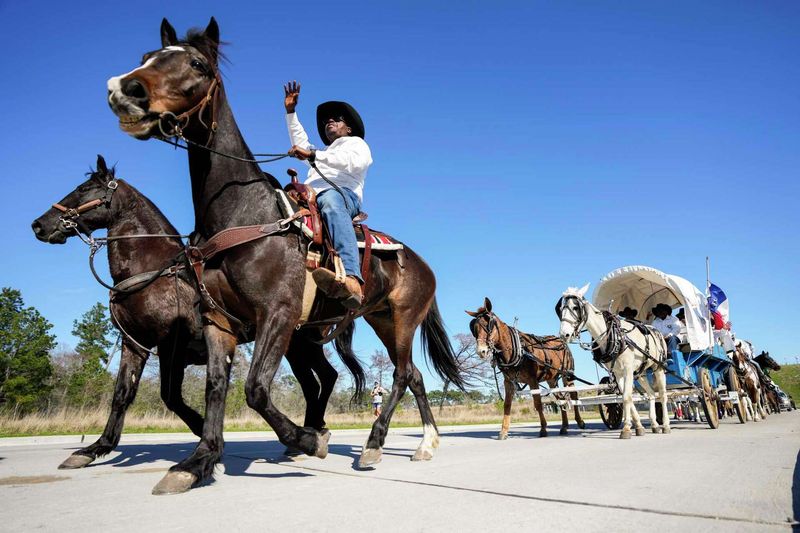
Somewhere along the way, the image of a Texan trotting down Main Street on horseback became a running joke. Horses are technically legal on Texas roads since they are classified as non-motorized vehicles, but city governments can and do restrict them.
Ranchers still rely on horses for managing livestock across rough terrain where ATVs struggle. Outside of working ranches, though, most Texans commute the same way everyone else does: by car, truck, or even light rail.
3. Everything Is Literally Bigger in Texas
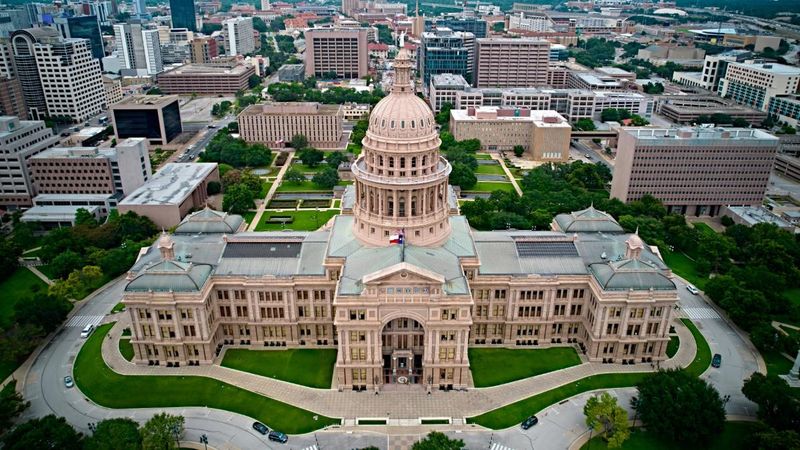
“Everything is bigger in Texas” is a motto built on attitude, not a measuring tape. Sure, Texas is the second-largest U.S. state by area, bigger than France and Germany combined, and its state capitol dome holds the record for largest by square footage in the country.
But not every single thing is supersized. The phrase really captures Texan pride, generosity, and ambition.
Visit once, and you will understand it is more about spirit than square footage.
4. Texas Is Nothing but Flat Desert
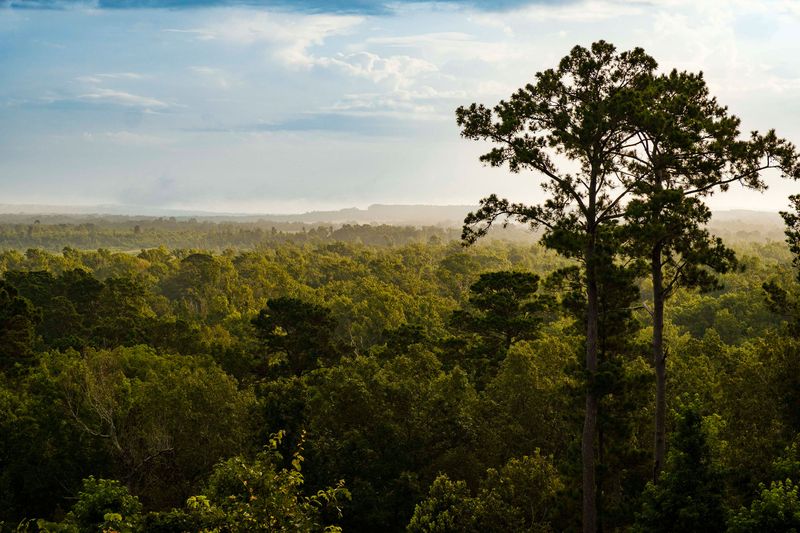
Many people picture Texas as one giant, sun-scorched wasteland of sand and scrub brush. Surprisingly, less than 10% of the state is actually desert.
East Texas is blanketed in dense pine forests that look more like Louisiana than the Lone Star State most people imagine.
The Hill Country bursts with wildflowers, rolling hills, and sparkling rivers. Limestone caves, scenic lakes, and dramatic canyons round out a landscape that genuinely shocks first-time visitors expecting nothing but flat brown land.
5. Texas Weather Is Always Scorching Hot
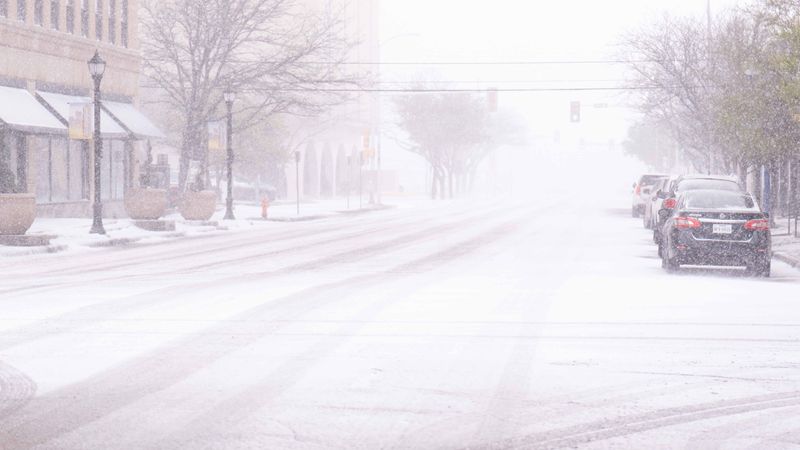
Pack light, right? Not so fast.
Texas summers are famously brutal, regularly pushing past 100 degrees Fahrenheit, but the state’s massive size means wildly different climates exist within its borders. The Panhandle around Amarillo experiences genuine, bone-chilling winters with heavy snowfall.
Houston and Galveston sit in humidity levels that rival Miami, while Lubbock stays dry as a bone. One state, many weather personalities.
Visitors expecting nothing but blazing sun often get a rude, and sometimes frosty, surprise.
6. Texas Food Is Only BBQ and Tex-Mex
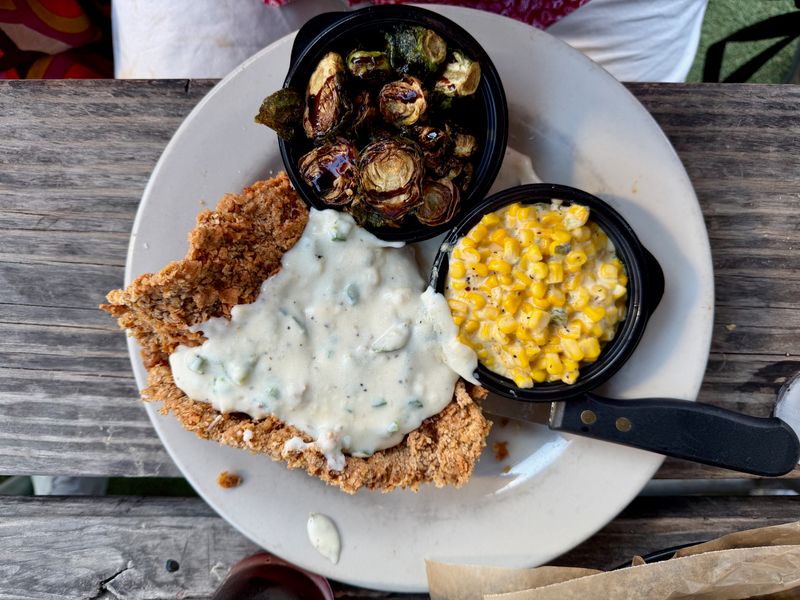
BBQ and Tex-Mex are absolutely legendary here, and nobody is arguing otherwise. However, Texas food culture runs much deeper than those two pillars.
German and Czech immigrants left a delicious mark in the form of kolaches and smoked sausages that are still beloved across the state.
Chicken-fried steak, frito pie, and hearty breakfast tacos all deserve their own spotlight. African American, Native American, and Southern cooking traditions have also shaped Texas flavors in ways that reward any curious, hungry visitor willing to explore.
7. Tex-Mex and Mexican Food Are the Same Thing
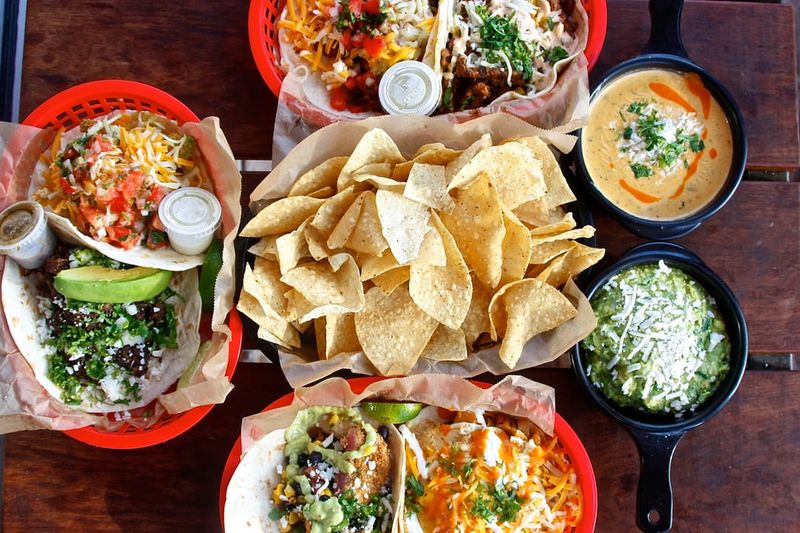
Ordering a plate of nachos smothered in yellow cheese and assuming it is authentic Mexican cuisine is a mistake many visitors make. Tex-Mex is its own distinct culinary tradition, born from the blending of Texan and Mexican cooking styles over generations along the border.
Traditional Mexican food relies heavily on fresh ingredients, corn tortillas, and complex regional sauces. Tex-Mex leans into flour tortillas, melted cheese, and hearty beef fillings.
Both are wonderful, but calling them identical is like calling pizza and flatbread the same thing.
8. Texas Is Politically One-Note
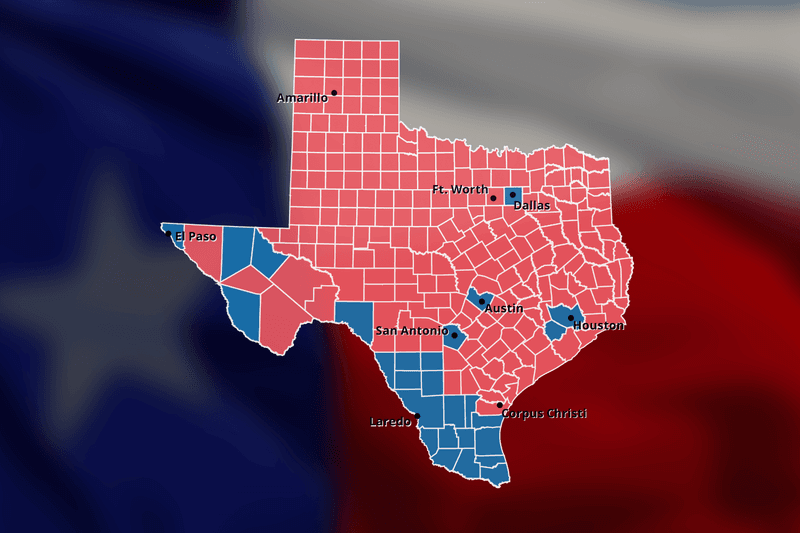
The stereotype of Texas as a completely uniform, deep-red conservative state skips over a fascinating political story. Republicans do hold all major statewide offices, but the margins of victory have been shrinking steadily in recent election cycles.
A sharp divide exists between cities and rural areas. Houston, Austin, Dallas, and San Antonio all lean heavily Democratic.
Historically, the Democratic Party actually dominated Texas politics for roughly a century after Reconstruction. The political reality is far more layered than any simple label can capture.
9. All Texans Have the Same Drawling Accent
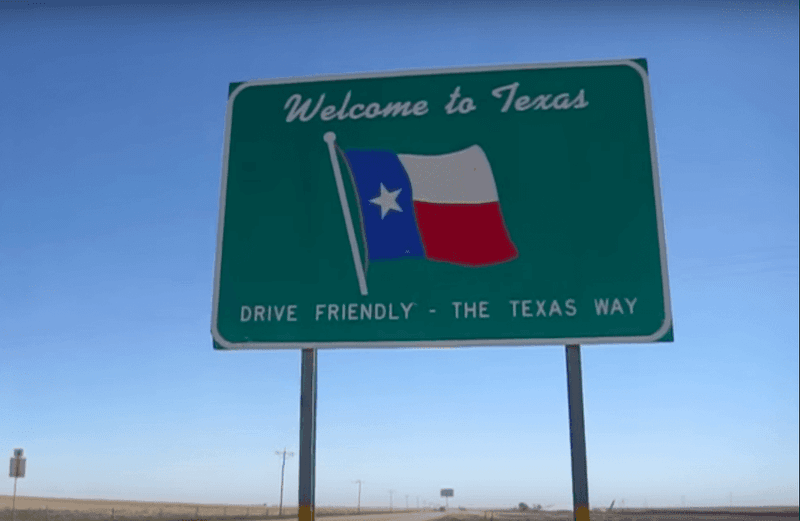
Picture a Texan speaking, and most people imagine a slow, syrupy Southern drawl. Linguists will tell you that is only part of the picture.
Texas actually hosts a wide range of American English dialects, shaped by geography, culture, and history.
East Texas, close to Louisiana, sounds noticeably more Southern. The Panhandle picks up Midwestern tones.
South and West Texas carry strong Mexican American and Western influences. Younger urban residents increasingly sound less regionally distinct.
One state, many voices, and none of them wrong.
10. Texans Are Unfriendly to Outsiders
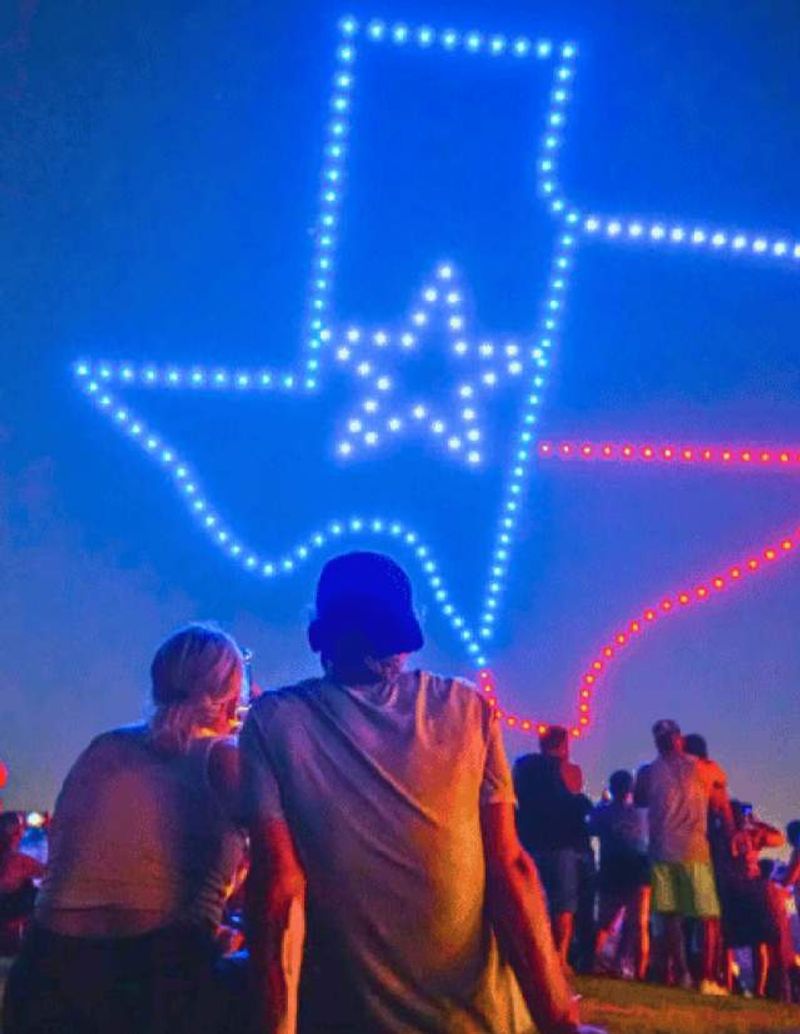
Some folks worry that rolling into Texas as an outsider will earn them cold stares and clipped conversations. Most visitors walk away with the opposite experience entirely.
Southern hospitality is deeply embedded in Texas culture, and strangers are routinely greeted with warmth and genuine helpfulness.
Locals will often strike up conversations, offer directions without being asked, and welcome newcomers with enthusiasm. The state’s pride can come across as loud, but underneath it sits a genuinely open and welcoming community spirit that surprises many first-time visitors.
11. Texas Cities Are Just Big Small Towns
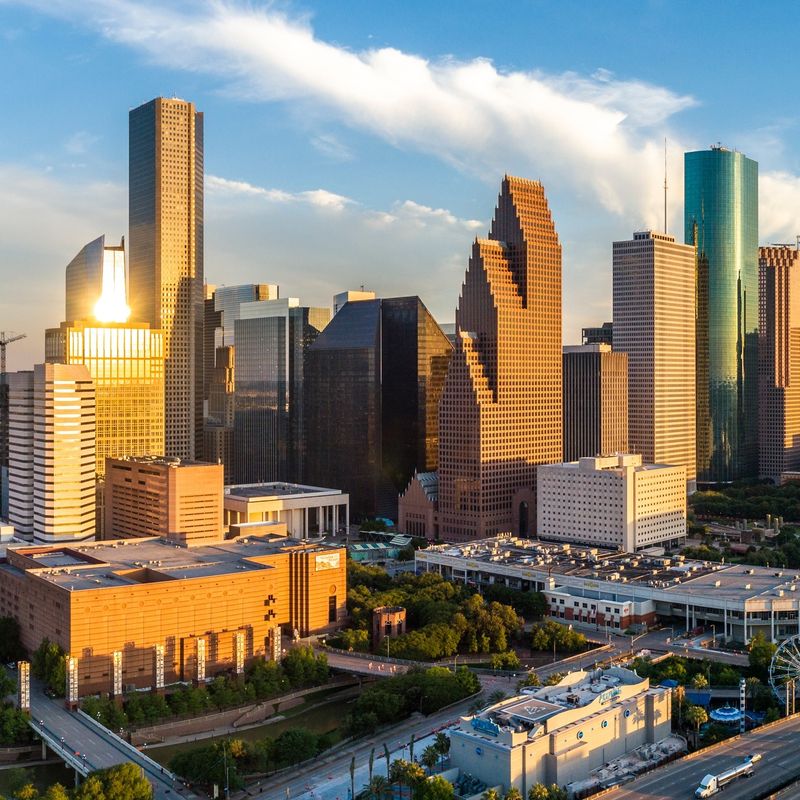
Houston is the fourth-largest city in the entire United States. Austin has become one of the fastest-growing tech hubs in the country.
Dallas hosts a world-class arts district and a booming finance sector. None of those descriptions fit the image of an oversized small town.
Texas cities buzz with international restaurants, cutting-edge museums, major sports franchises, and thriving music scenes. The urban energy rivals any coastal metropolis.
Visitors expecting sleepy, boots-and-brisket towns often find themselves genuinely overwhelmed by how cosmopolitan and fast-moving Texas cities actually are.
12. Oil Is the Only Industry That Matters in Texas
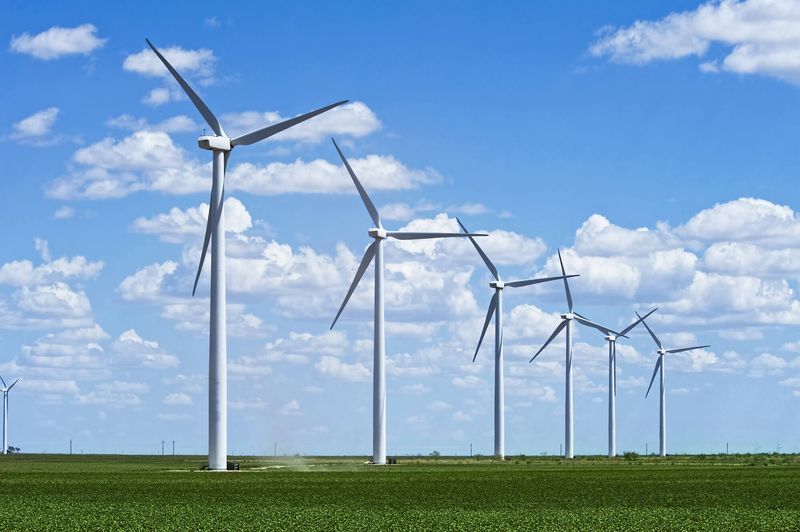
Oil and gas built a huge part of Texas, and that legacy is real and ongoing. But banking your entire understanding of the Texas economy on petroleum is like describing New York as just a finance city.
The state has diversified in dramatic ways.
Austin is packed with major tech companies including Apple, Tesla, and Dell. Texas also leads the nation in wind energy production.
Healthcare, aerospace, agriculture, and film production all contribute significantly. The economy here is as wide and varied as the landscape itself.
13. Texans Only Listen to Country Music
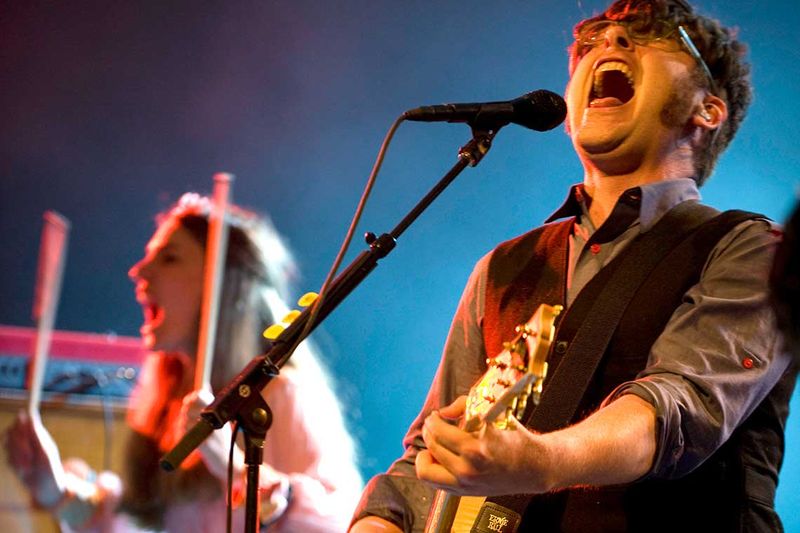
Austin calls itself the Live Music Capital of the World, and it earned that title with far more than country twang. The city’s famous Sixth Street and Red River Cultural District pulse with blues, jazz, rock, hip-hop, and experimental sounds every single night of the week.
Houston has a legendary rap and hip-hop scene that produced global stars. Tejano music, rooted in South Texas, carries its own proud tradition.
Texas music is a massive, genre-bending universe, and country is just one bright star in it.
14. Texas Has No Cultural or Arts Scene
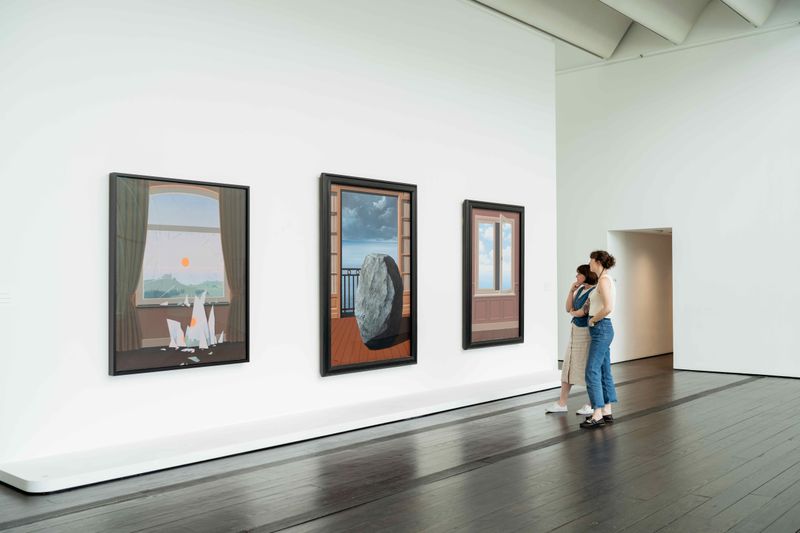
Tumbleweeds and oil derricks do not exactly scream “world-class arts destination,” but Texas quietly holds some of the finest cultural institutions in the country. Houston alone is home to the Menil Collection, a free world-renowned art museum, and the Museum of Fine Arts, one of the largest in the United States.
Dallas has the AT&T Performing Arts Center and a thriving theater community. San Antonio’s rich Hispanic cultural heritage fills its museums, festivals, and public art.
The arts scene here runs deep and wide.
15. Texas Has No Real Natural Wonders
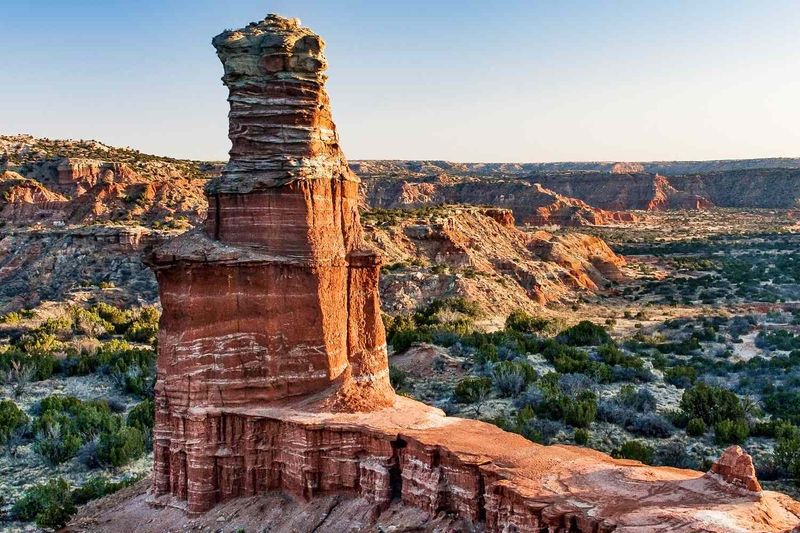
Palo Duro Canyon, stretching 120 miles long and dropping 800 feet deep, is often called the Grand Canyon of Texas, and it earns that nickname honestly. Big Bend National Park covers more than 800,000 acres of jaw-dropping desert mountains, hot springs, and river canyons along the Rio Grande.
Enchanted Rock, a massive pink granite dome near Fredericksburg, draws hikers and stargazers year-round. Natural Bridge Caverns near San Antonio offers stunning underground formations.
Texas is loaded with natural wonders that most outsiders simply never knew existed.