
Some foods are good on their own, but grating them completely changes the game. The texture, flavor, and even how your body absorbs nutrients can shift in surprising ways once a grater gets involved.
From cheese to vegetables to chocolate, grating unlocks a whole new side of familiar ingredients. Get ready to see some of your favorite foods in a totally new light.
1. Parmesan Cheese
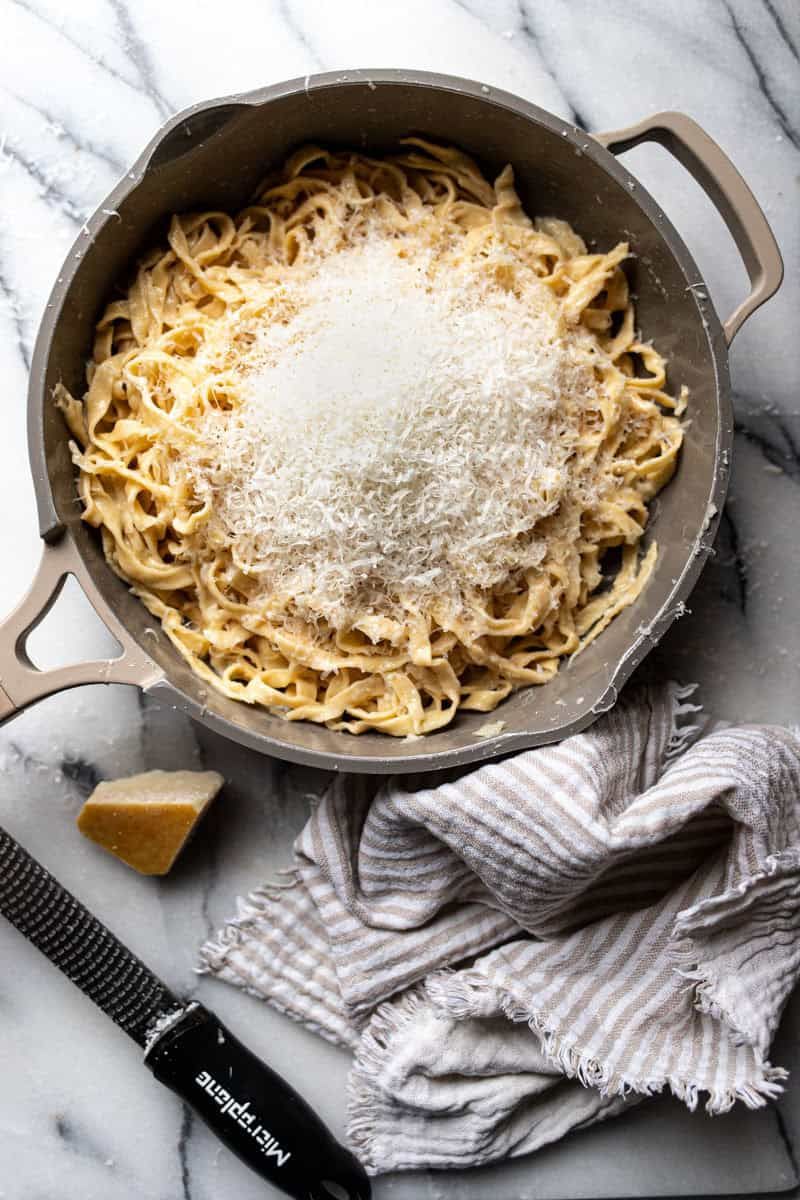
Hard and almost impossible to bite into straight from the block, Parmesan cheese turns into something magical once grated. Those fine, feathery shreds melt almost instantly on hot pasta, releasing a rich, nutty flavor you just cannot get from a slice.
Grating also increases the surface area, which means your taste buds get hit with more flavor at once. Many chefs say freshly grated Parmesan tastes twice as good as the pre-packaged powder.
Try it fresh and you will never go back.
2. Carrots
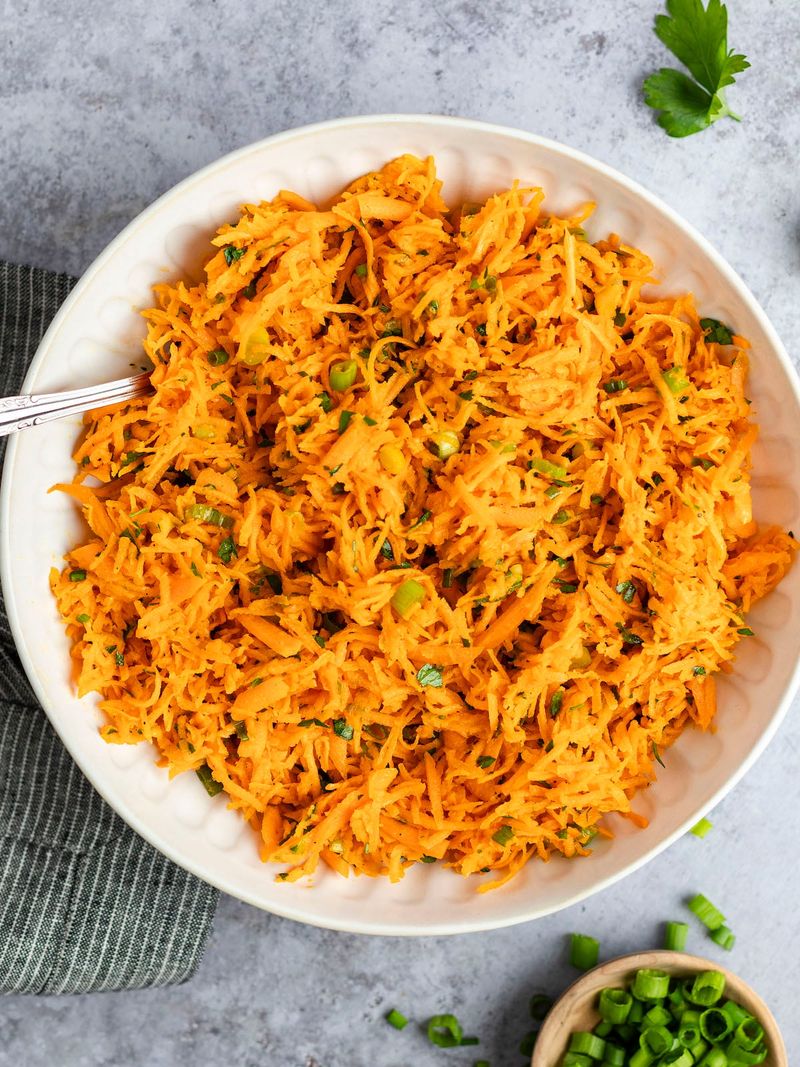
Biting into a raw carrot gives you a satisfying crunch, but grating it turns it into something softer, sweeter, and far more versatile. Grated carrots soak up dressings and sauces much faster, making every bite more flavorful.
They also blend seamlessly into baked goods like carrot cake, where you would never guess a vegetable is hiding inside. Grating releases natural sugars, giving the carrot a noticeably sweeter taste.
It is a simple trick that makes this humble veggie shine.
3. Chocolate
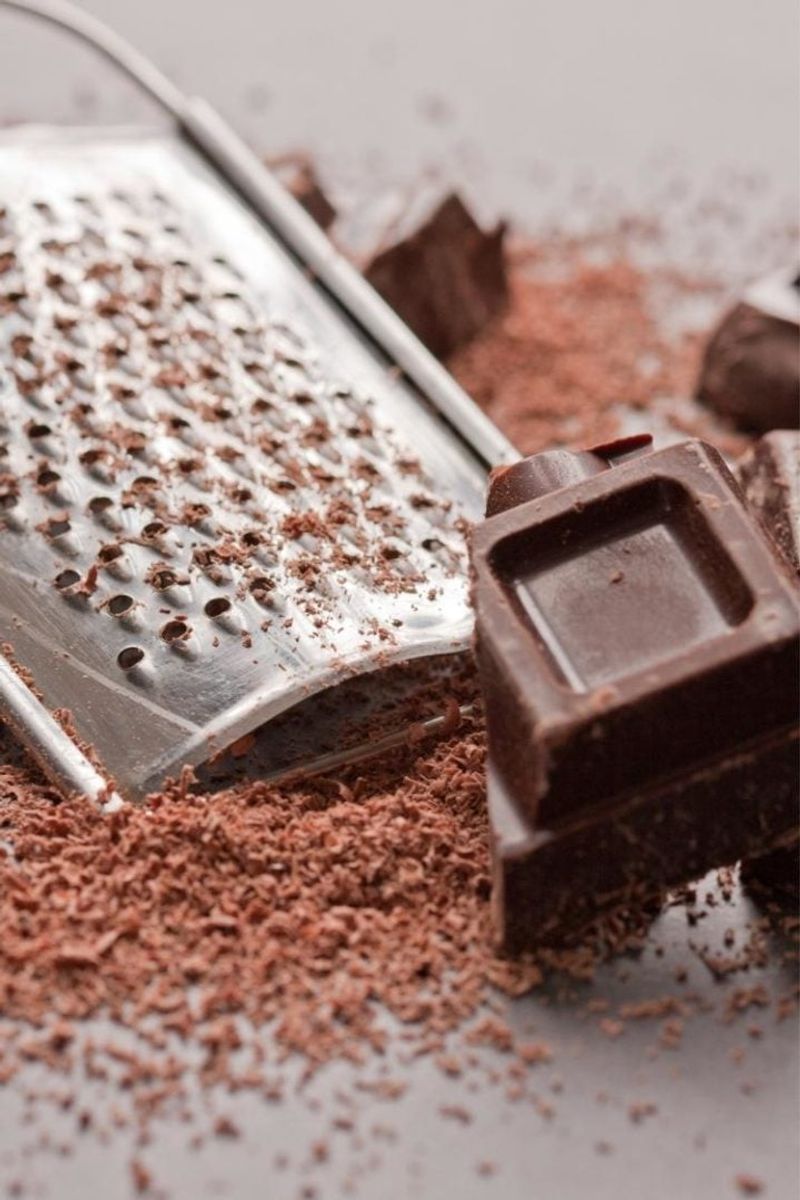
Chocolate is already one of the most beloved foods on the planet, but grating it takes things to a whole new level. Instead of biting into a solid chunk, you get delicate, airy curls that dissolve on your tongue almost instantly.
Grated chocolate melts faster and spreads more evenly over desserts like tiramisu or hot cocoa. The lighter texture also makes each bite feel more luxurious.
Fun fact: pastry chefs often prefer grated chocolate over chips for a smoother finish in recipes.
4. Zucchini
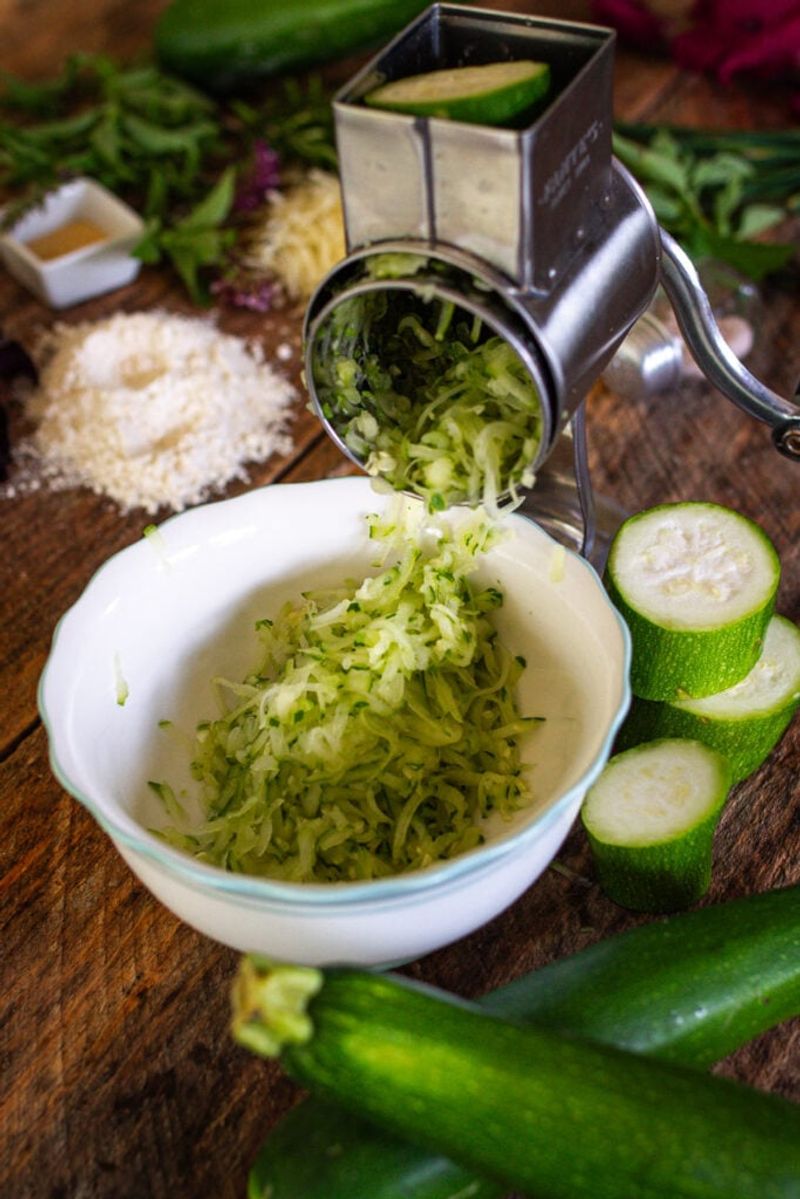
Zucchini on its own is pretty mild and watery, which makes it easy to overlook. But once you grate it, something interesting happens: it almost disappears into whatever you are cooking, adding moisture and nutrition without announcing itself.
Grated zucchini is the secret behind incredibly moist zucchini bread and soft veggie fritters. It also sneaks extra vegetables into meals for picky eaters without them ever noticing.
The shredded texture soaks up spices and seasonings far better than thick slices ever could.
5. Potatoes
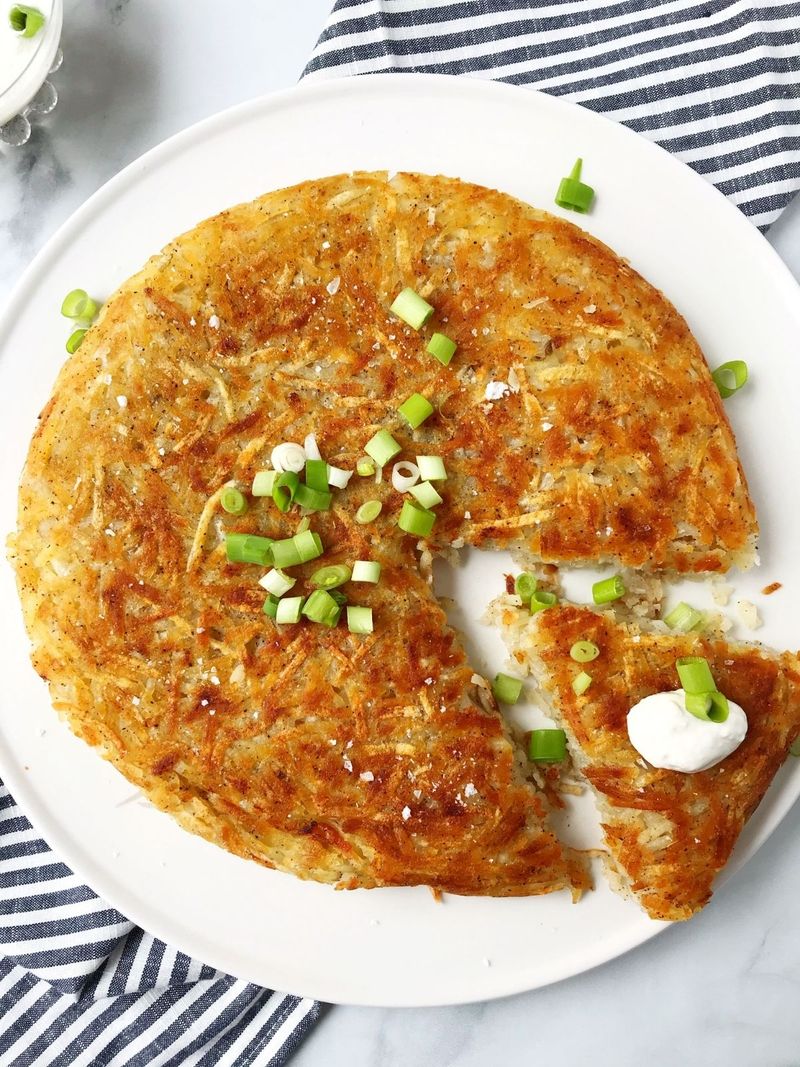
A whole potato is starchy and dense, but run it through a grater and it transforms into something completely new. Grated potatoes release starch and moisture, giving them a lacy, crispy quality when cooked that sliced potatoes simply cannot match.
This is exactly why hash browns and rosti are so irresistibly crunchy on the outside and tender inside. Squeezing out the extra liquid before cooking is the key step most beginners skip.
Once you nail that technique, your potato game changes forever.
6. Ginger
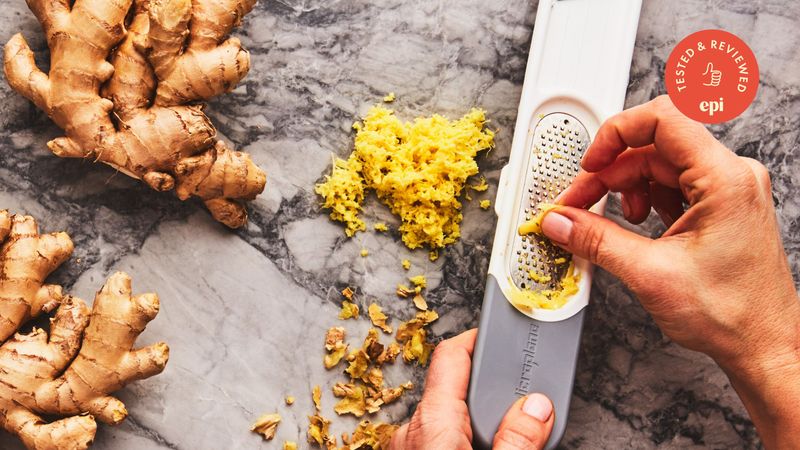
Fresh ginger has a sharp, spicy bite, but grating it completely unlocks its full flavor and aroma. The fine pulp that comes out of the grater is intensely fragrant and blends smoothly into sauces, teas, and marinades without leaving fibrous chunks behind.
Grated ginger also releases more of its natural oils, which means a stronger kick in every dish. Many home cooks are surprised by how much more powerful grated ginger tastes compared to simply slicing it.
A little goes a very long way.
7. Beets
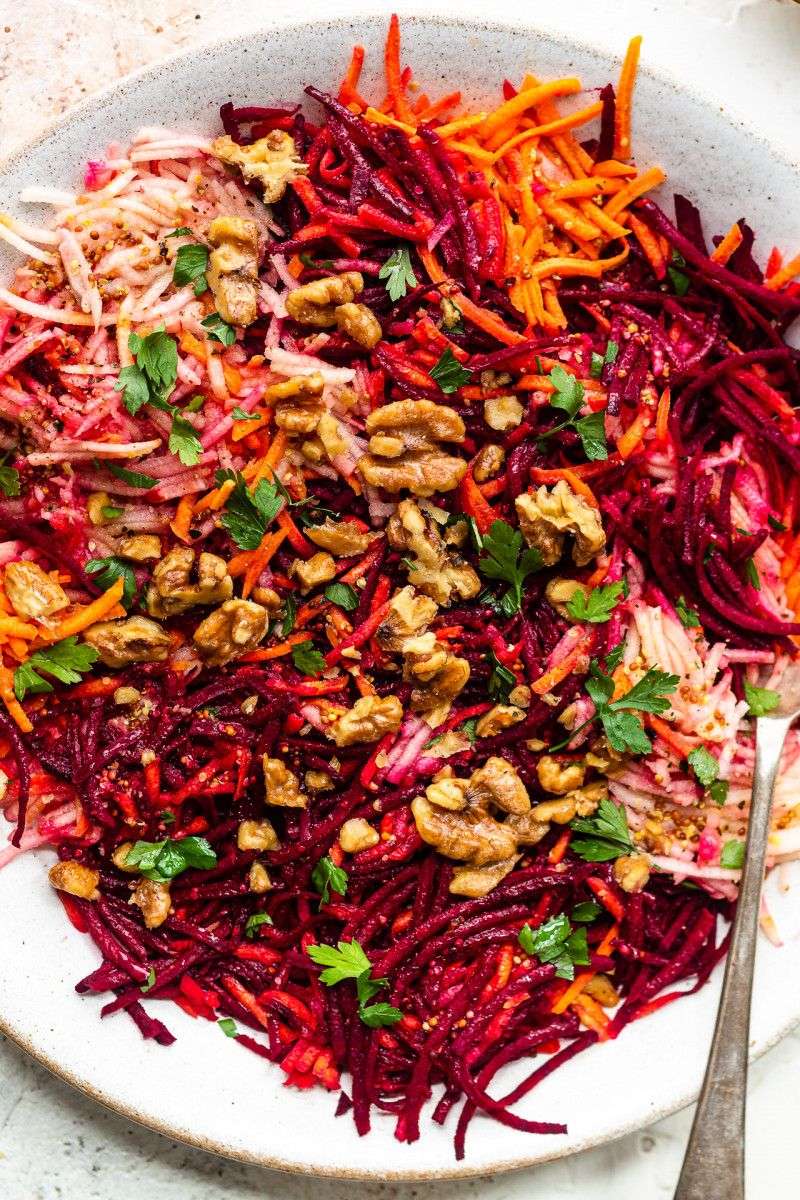
Whole beets are earthy, firm, and a bit intimidating to work with in the kitchen. Grating them, though, softens their intensity and makes them surprisingly approachable.
The shredded beet releases natural sweetness and juices that make salads and slaws pop with vivid color.
Raw grated beets are also easier for your body to digest than cooked whole beets. They mix beautifully with citrus dressings, goat cheese, and walnuts.
If beets have always felt like a chore, grating them is the shortcut that changes everything.
8. Apples
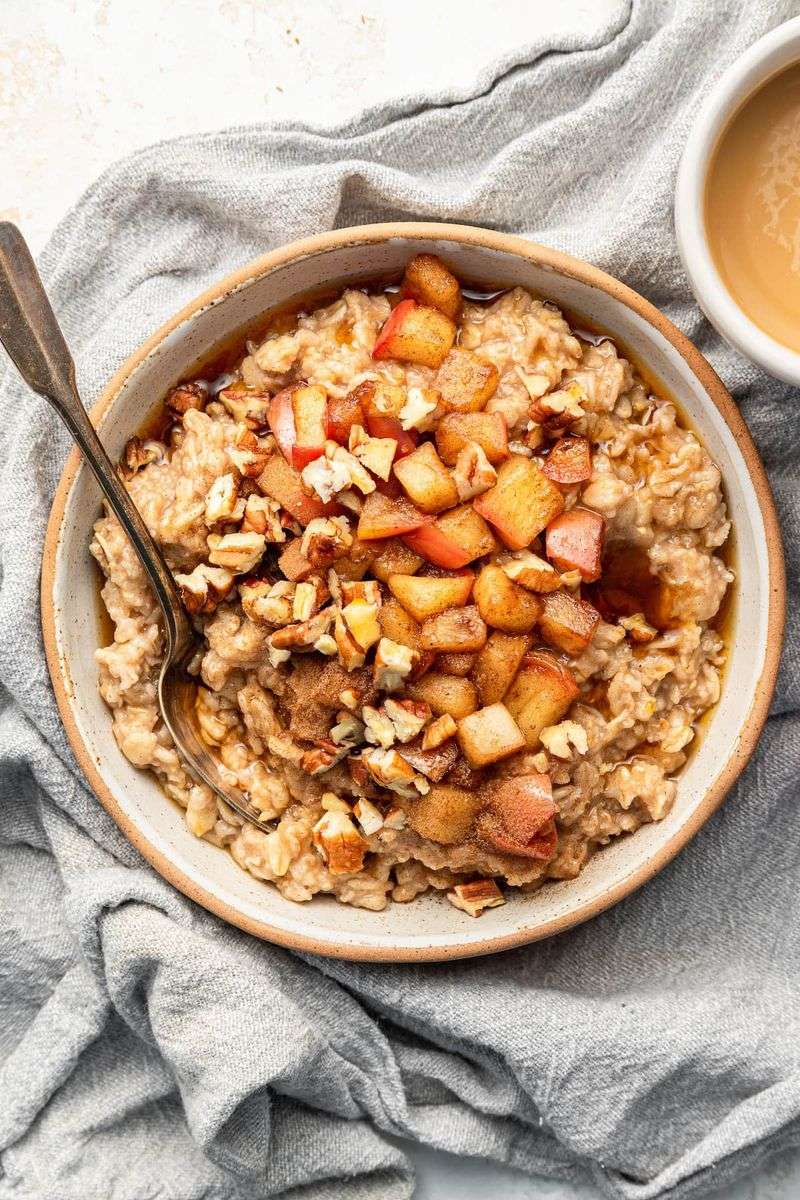
Apples are crisp and juicy when bitten into whole, but grating them creates a completely different experience. The shreds become soft, fragrant, and almost sauce-like, releasing natural juice that spreads flavor through everything it touches.
Grated apple is a brilliant secret ingredient in oatmeal, pancake batter, and even coleslaw. It adds sweetness without sugar and moisture without liquid.
Bakers have been using this trick for generations to keep muffins and quick breads tender for days after baking.
9. Garlic
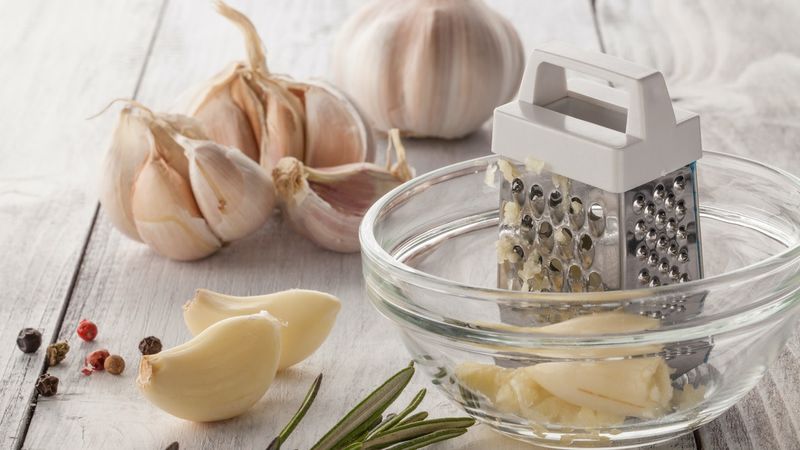
Minced garlic is great, but grated garlic is on a different level entirely. When you grate a garlic clove on a fine microplane, it becomes an almost creamy paste that dissolves completely into sauces, dressings, and marinades without any chunky bits.
This paste form means the flavor spreads more evenly and hits harder in every bite. Grated garlic also browns faster in a pan, creating a deeper, more complex taste.
Chefs call this technique one of the easiest upgrades you can make in everyday cooking.
10. Frozen Butter
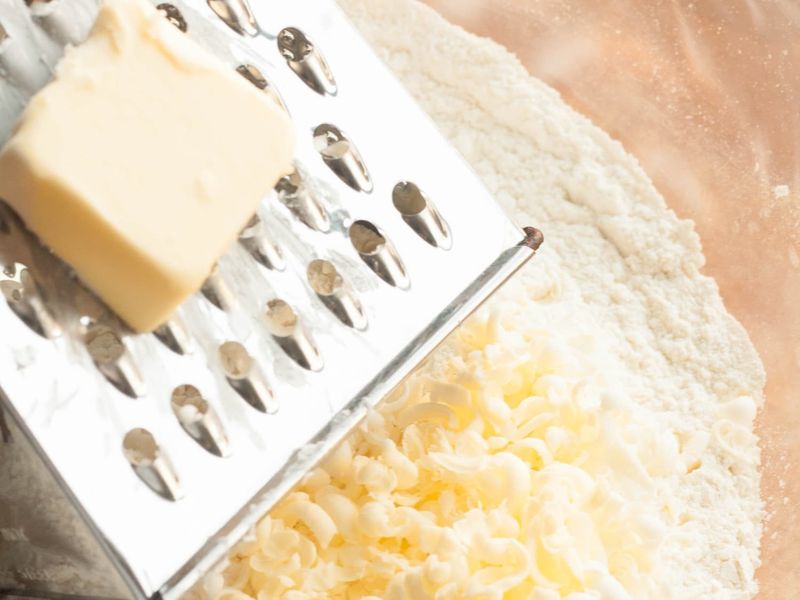
Butter seems simple enough, but freezing it and then grating it is one of the best-kept secrets in baking. Grated frozen butter creates tiny, even pieces that stay cold longer and distribute perfectly through pastry dough without overworking it.
The result is flakier biscuits, lighter scones, and more tender pie crusts than you could ever achieve by cutting in cold cubes. It is a trick that professional bakers swear by.
Once you try it, the old method of cutting in butter will feel like unnecessary hard work.
11. Tomatoes
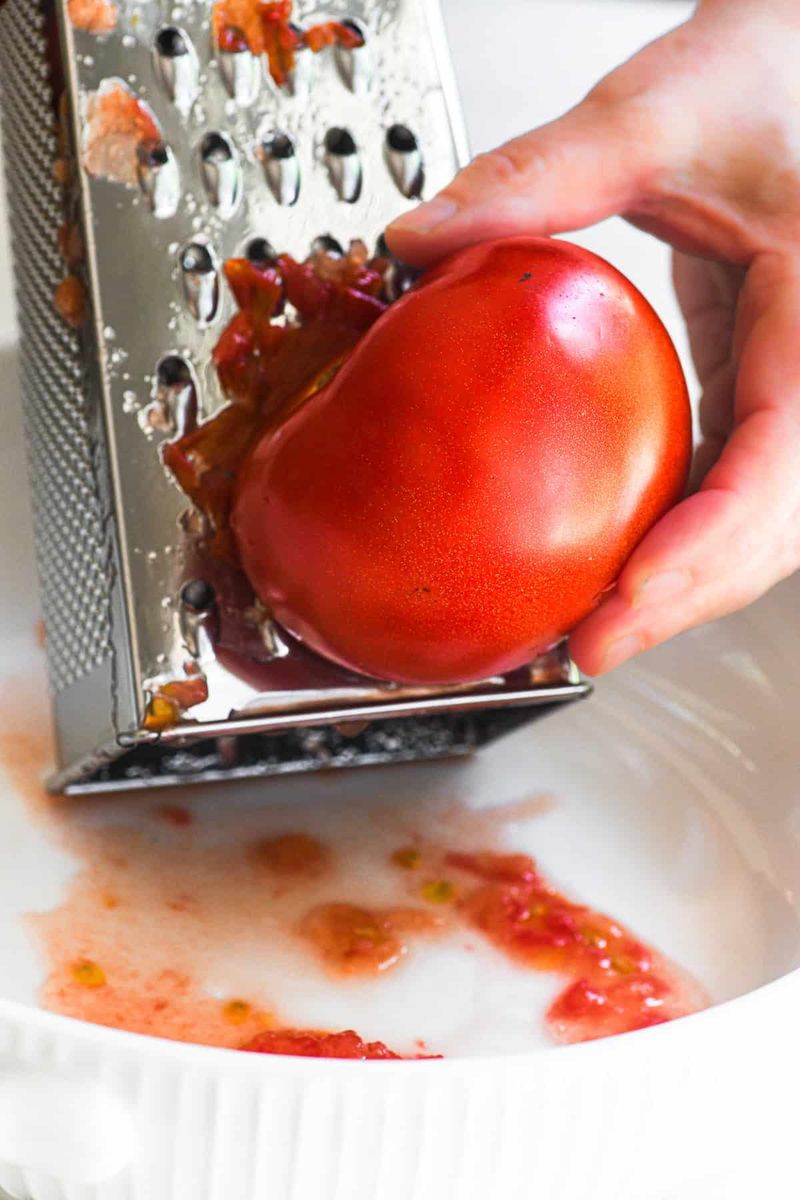
Most people slice or dice tomatoes, but grating them is a technique used across Mediterranean kitchens for centuries. When you grate a ripe tomato, the flesh turns into a fresh, silky pulp while the skin stays behind in your hand, no blanching or peeling needed.
This grated tomato base is the foundation of Spanish pan con tomate and many Middle Eastern sauces. The flavor is brighter and fresher than canned tomato.
It is one of those old-school kitchen moves that feels like a revelation the first time you try it.
12. Cauliflower
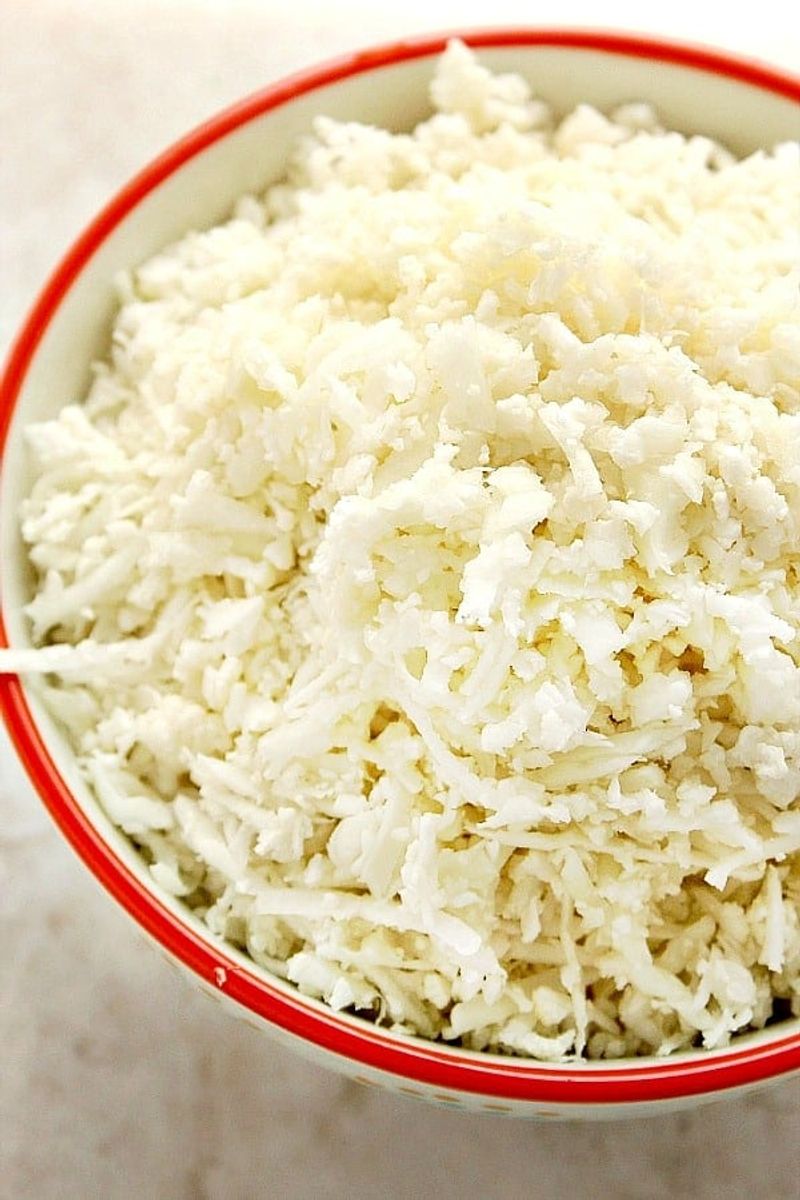
Cauliflower is already having a moment, but grating it takes its versatility to a whole new place. Run a head of cauliflower over a box grater and you get fluffy, rice-like granules that cook in minutes and absorb flavors like a sponge.
Cauliflower rice has become a popular low-carb swap for regular rice in stir-fries, bowls, and fried rice dishes. The texture is surprisingly satisfying, and it takes on whatever seasoning you throw at it.
It is proof that one kitchen tool can completely reinvent a vegetable.
13. Onion
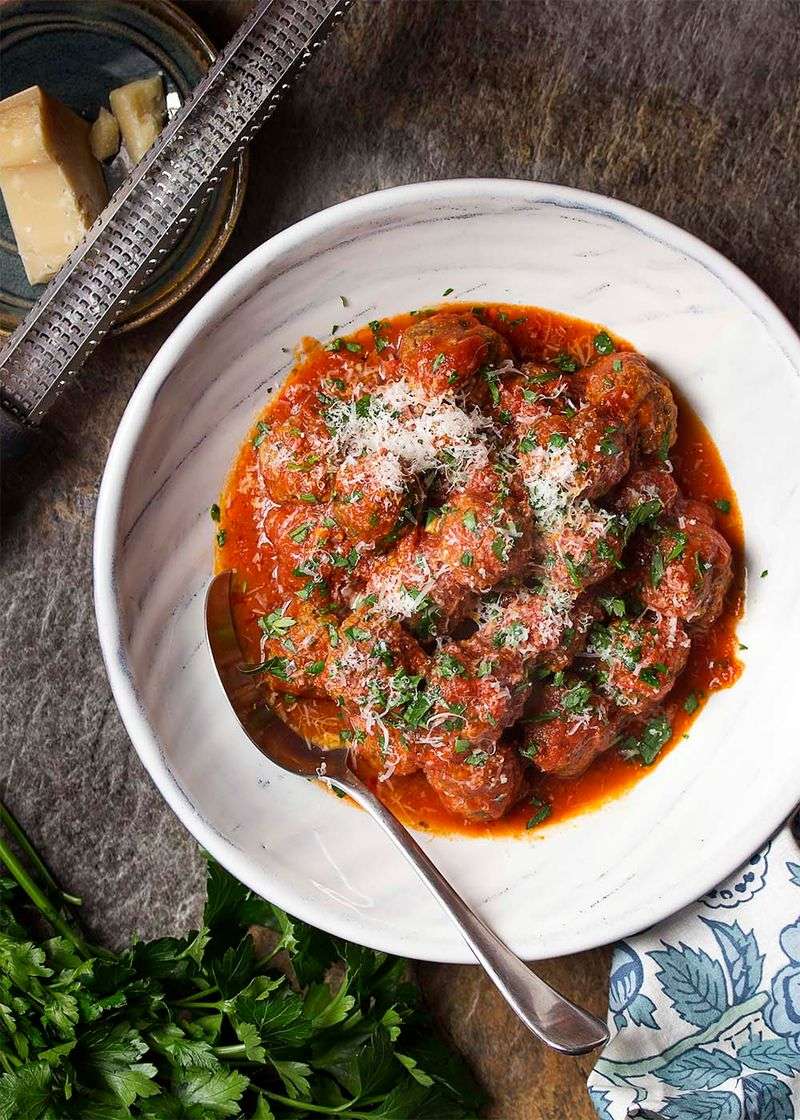
Chopped onion adds texture and bite, but grating an onion produces something surprisingly different: a juicy, pungent pulp that melts invisibly into whatever you are making. There are no chunks, no crunchy bits, just pure onion flavor woven through every part of the dish.
Grated onion is the secret behind incredibly juicy burgers and tender meatballs. It is also used in Korean and Middle Eastern marinades for this exact reason.
Yes, it will make your eyes water, but the results are absolutely worth a few tears.
14. Coconut
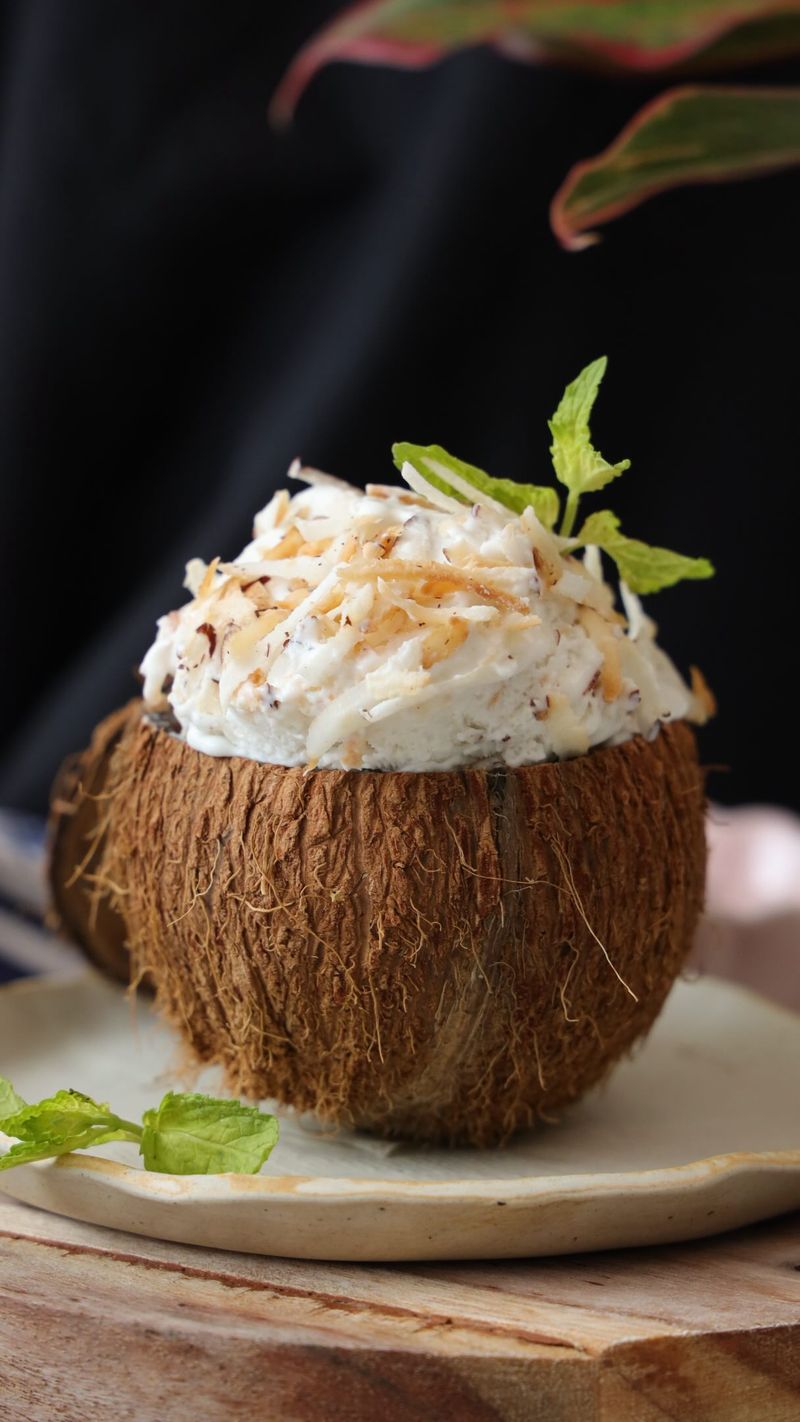
Fresh coconut in its shell is tough, hard, and not exactly easy to eat. But grate the white flesh inside and it becomes soft, fluffy, and bursting with natural sweetness and tropical aroma.
Freshly grated coconut is a world apart from the dried shredded kind sold in bags.
It is used in South Asian curries, Caribbean desserts, and Indian chutneys where the moist texture makes all the difference. Grating fresh coconut also releases its natural oils, giving dishes a richness that pre-packaged coconut simply cannot replicate.
15. Horseradish
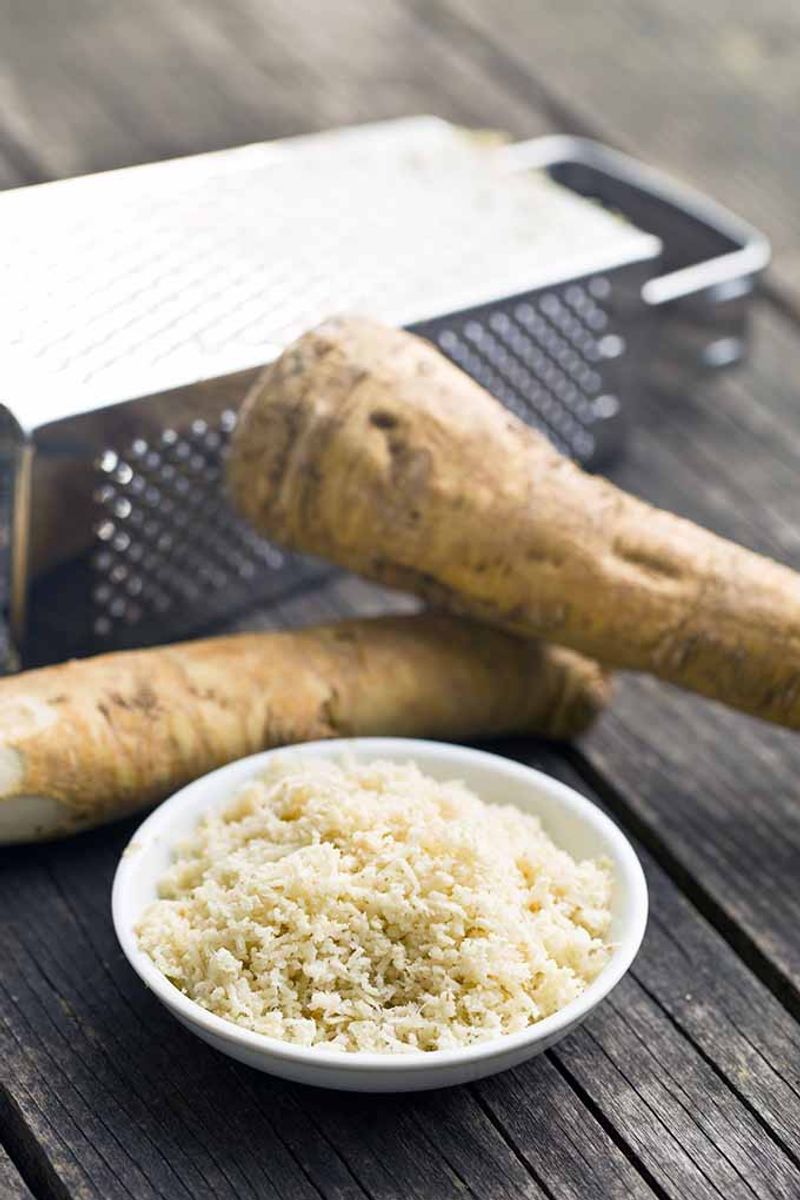
Fresh horseradish root looks plain and unassuming sitting on a countertop. The moment you grate it, though, the room fills with a sharp, eye-watering aroma that signals something powerful is happening.
Grating breaks open the cells and triggers a chemical reaction that produces its signature fiery heat.
That heat fades quickly once exposed to air, so freshly grated horseradish needs to be used right away for maximum punch. Mixed with cream or vinegar, it becomes a bold condiment that pairs perfectly with roast beef and smoked fish.
16. Lemon or Orange Zest
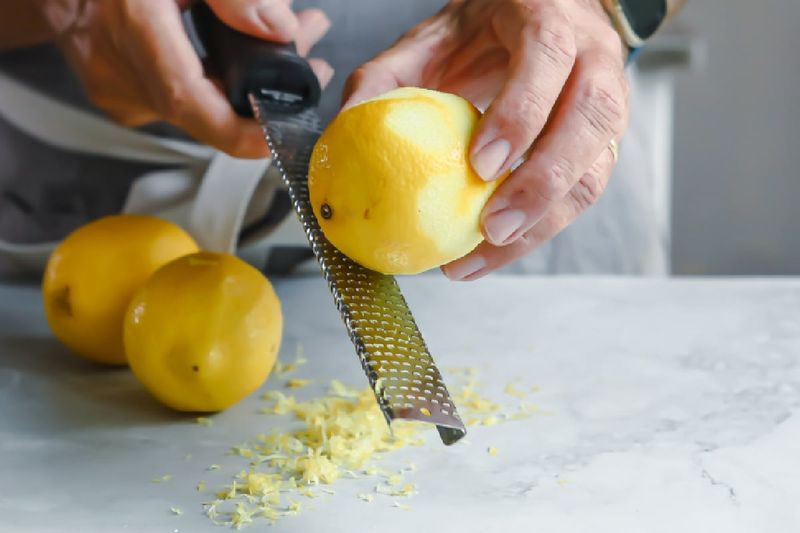
The outside of a lemon or orange looks like just colorful packaging, but grating that peel unlocks a concentrated burst of citrus flavor that the juice alone cannot deliver. Zest contains essential oils that are intensely fragrant and far more complex than anything from a bottle.
Just a teaspoon of freshly grated lemon zest can transform a plain cake, pasta dish, or salad dressing. Pastry chefs consider zest one of the most powerful flavor boosters in the kitchen.
It costs nothing extra since you already have the fruit.
17. Nutmeg
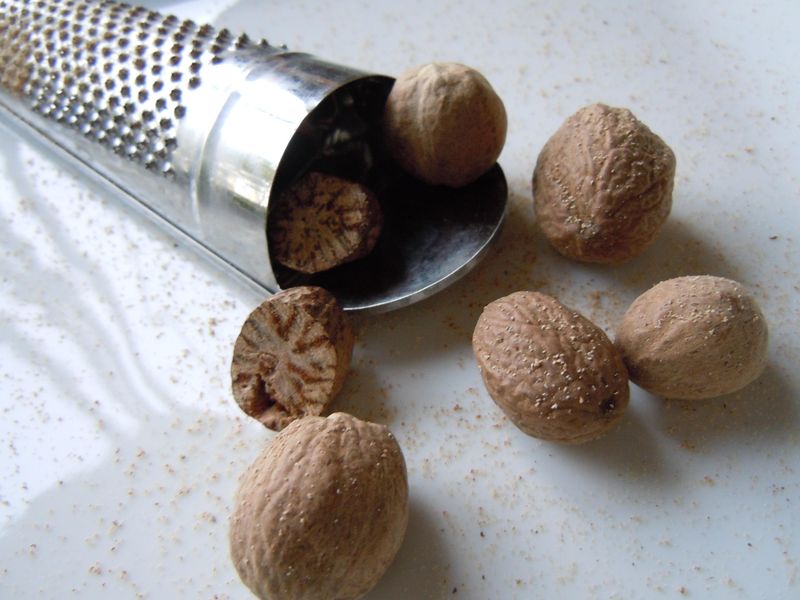
Pre-ground nutmeg from a jar is fine, but freshly grated whole nutmeg is a completely different spice. The moment the hard seed touches a microplane, it releases warm, aromatic oils that smell almost floral and sweet, nothing like the dull powder sitting in most spice cabinets.
Freshly grated nutmeg is noticeably more intense, so you need far less of it to flavor a dish. It is traditionally grated fresh into bechamel sauce, eggnog, and warm custards.
Once you experience the real thing, jarred nutmeg will feel like a pale imitation.