
Some foods smell so strong that you might want to hold your nose and run. But many of these stinky ingredients are loved by cooks all over the world for their amazing flavor.
Learning about them can help you try new dishes and become a braver eater. Get ready to meet the foods that prove you should never judge a bite by its smell.
1. Durian, the King of Stink
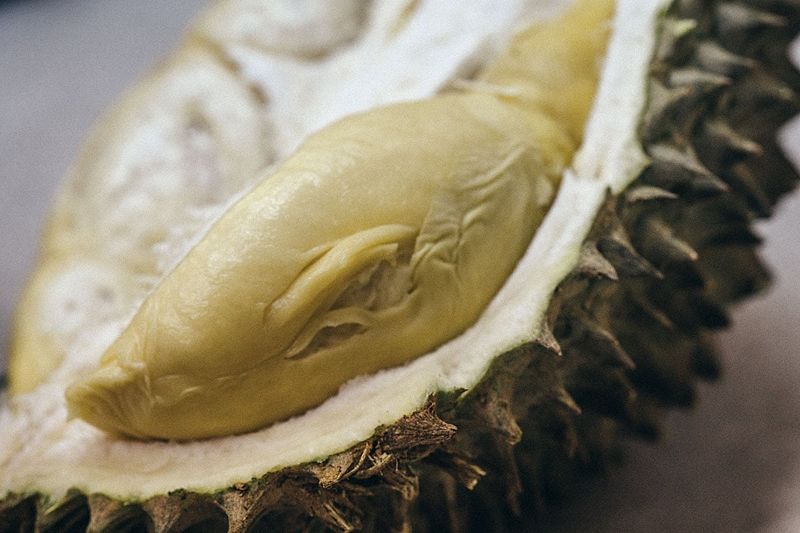
Hotels in Singapore actually ban durian from their rooms. The smell has been compared to gym socks, onions, and old garbage all at once.
Inside that spiky shell, though, waits custard-like flesh that tastes sweet, nutty, and a little like caramel. Many people call it the king of fruits.
Want to try it without the shock? Start with durian ice cream or candy.
The flavor stays, but the smell gets much softer.
2. Fish Sauce
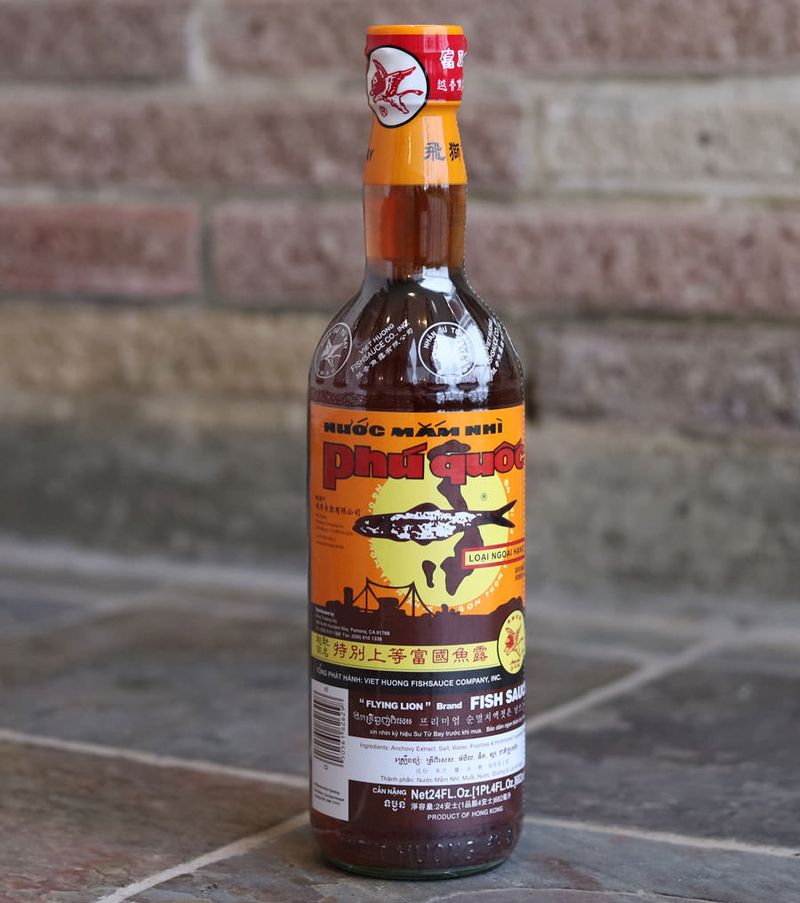
Open a bottle and you may think something went very wrong. Fish sauce is made from anchovies and salt left to ferment for months, so the smell is fierce.
Once it hits a hot pan, magic happens. That funky scent turns into a deep, savory flavor that makes noodles, soups, and stir-fries taste rich.
Use only a few drops at first. Even a tiny splash can make a simple fried rice taste restaurant-worthy.
3. Garlic Gets a Glow-Up
Ever had garlic breath that lasted all day? Raw garlic is sharp and stinky, and it clings to your fingers for hours.
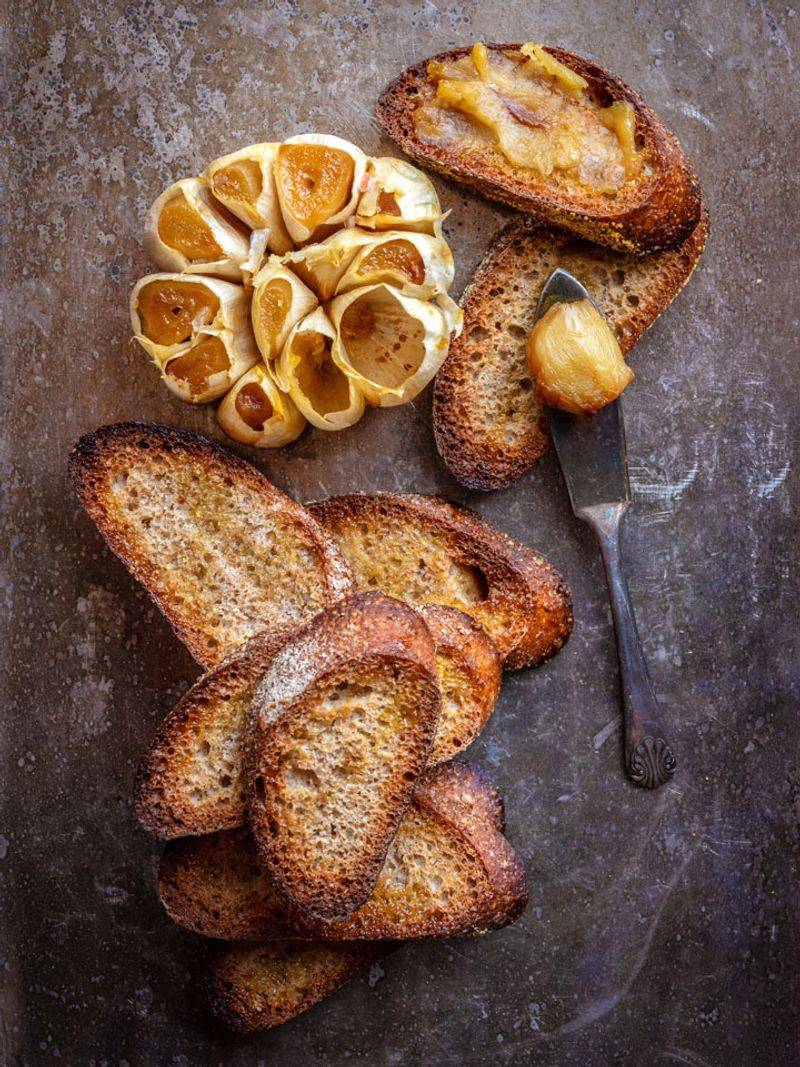
Roast a whole bulb in the oven, though, and everything changes. The cloves turn soft, golden, and sweet enough to spread like butter on warm toast.
Fun fact: ancient Egyptian workers building the pyramids ate garlic for energy. Rub your hands on a steel spoon under water to remove the smell.
4. Limburger Cheese
Picture a cheese that smells like sweaty feet. Limburger earns that reputation because the same kind of bacteria found on human skin helps it ripen.
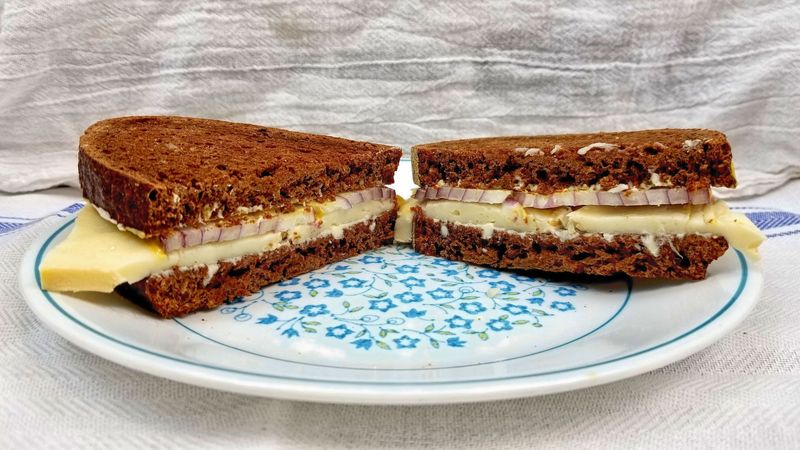
Surprisingly, the taste is mild, creamy, and slightly tangy. In Wisconsin, folks pile it on dark rye bread with onions and mustard for a classic sandwich.
Store it wrapped tightly in a sealed container. Your fridge, and everyone in your house, will thank you for that small step.
5. Kimchi
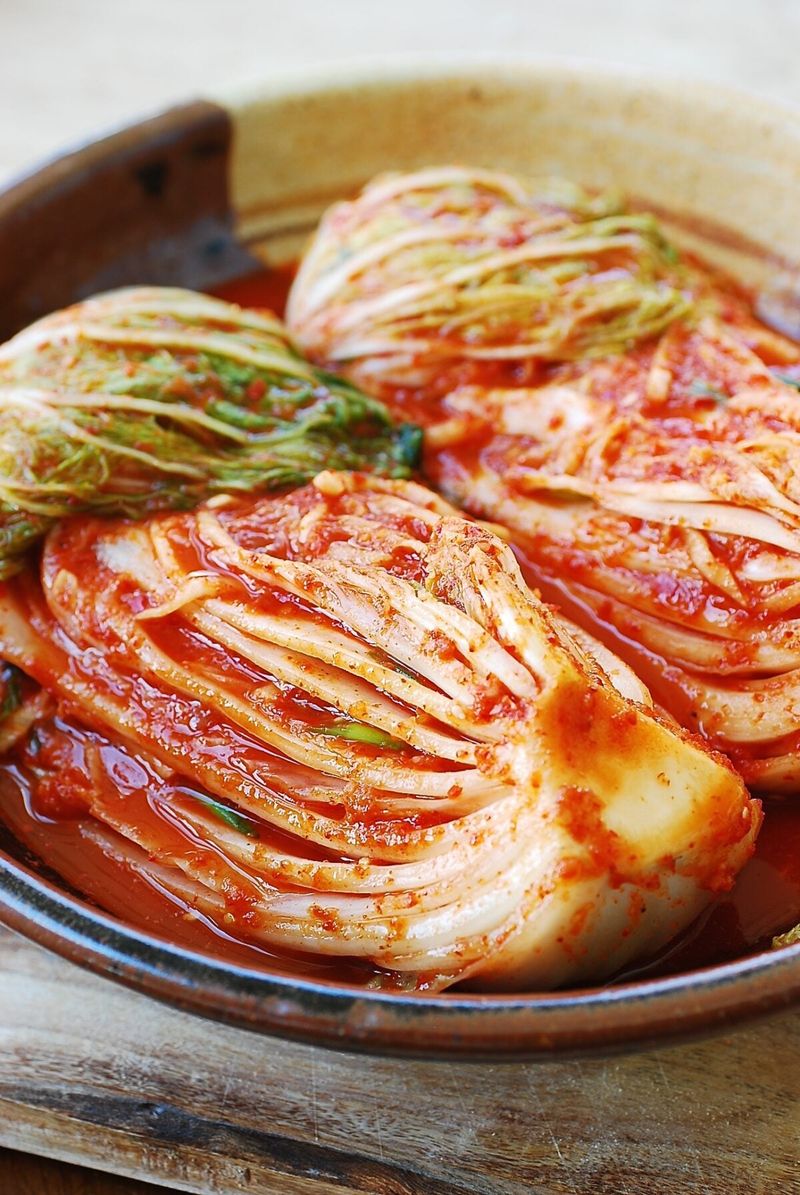
Korean grandmothers have made kimchi for centuries, burying jars in the ground to ferment through winter. The result smells sour, garlicky, and powerful.
One bite reveals crunchy cabbage that is spicy, tangy, and full of life. It wakes up plain rice, eggs, and even grilled cheese sandwiches.
Bonus points for health, too. Kimchi is packed with good bacteria that help your belly stay happy.
Try kimchi fried rice for an easy first taste.
6. Sauerkraut on a Hot Dog

Here is a sour little secret. Sauerkraut is just shredded cabbage and salt, yet the jar can smell like an old locker room when you open it.
Pile it on a juicy hot dog or bratwurst, and suddenly it makes sense. The tangy crunch cuts through the rich meat perfectly.
The name means sour cabbage in German. Rinse it quickly under water if the flavor feels too strong for your taste buds.
7. Natto Surprise
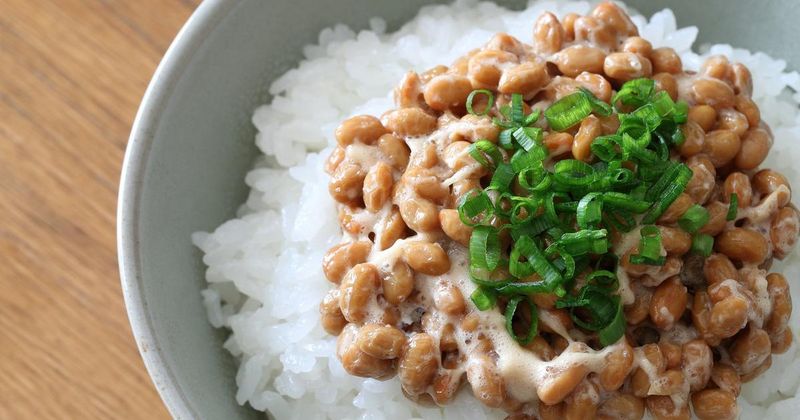
Even many people in Japan admit natto is a challenge. These fermented soybeans smell like strong cheese mixed with ammonia, and they stretch into gooey strings.
Brave eaters discover a nutty, earthy flavor, especially when mixed with soy sauce, mustard, and green onions over hot rice.
Natto is a breakfast favorite loaded with protein and vitamin K. Stir it about fifty times before eating.
Fans swear it makes the texture fluffier and tastier.
8. Blue Cheese Crumbles

Those blue lines running through the cheese are actually mold, and yes, you can eat them. They also create a sharp, musty smell.
Paired with spicy buffalo wings, blue cheese dressing is pure comfort. Crumble it over salads with apples or pears and you get salty, creamy, sweet bites.
Legend says a shepherd left his lunch in a French cave and returned to find it moldy. That happy accident became Roquefort cheese.
9. Asafoetida, the Devil’s Dung
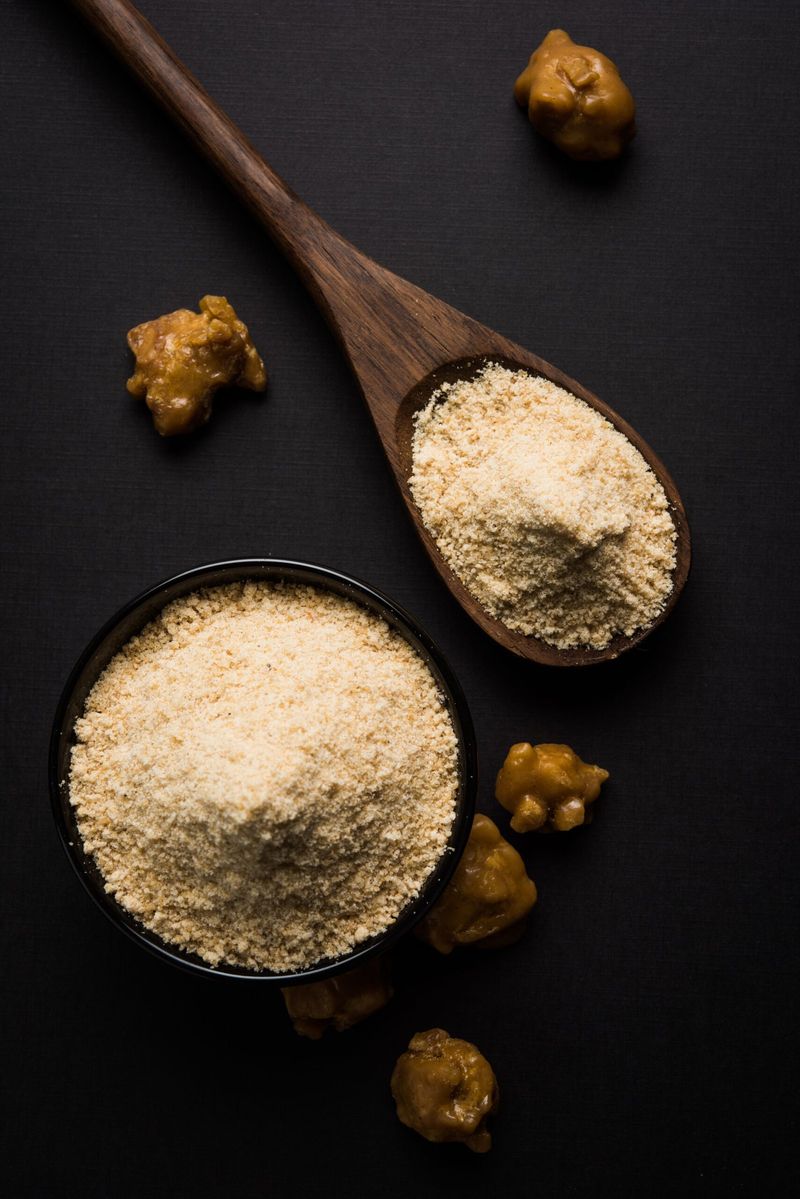
Its nickname is literally devil’s dung. Asafoetida is a dried plant resin from Iran and India, and the raw powder smells rotten and sulfuric.
Drop a pinch into hot oil, and it mellows into a flavor like gentle onions and garlic. Indian cooks add it to lentil dishes for warmth and depth.
Keep the jar inside a sealed bag. Otherwise, your whole spice cabinet may start smelling like it, which nobody wants.
10. Truffles
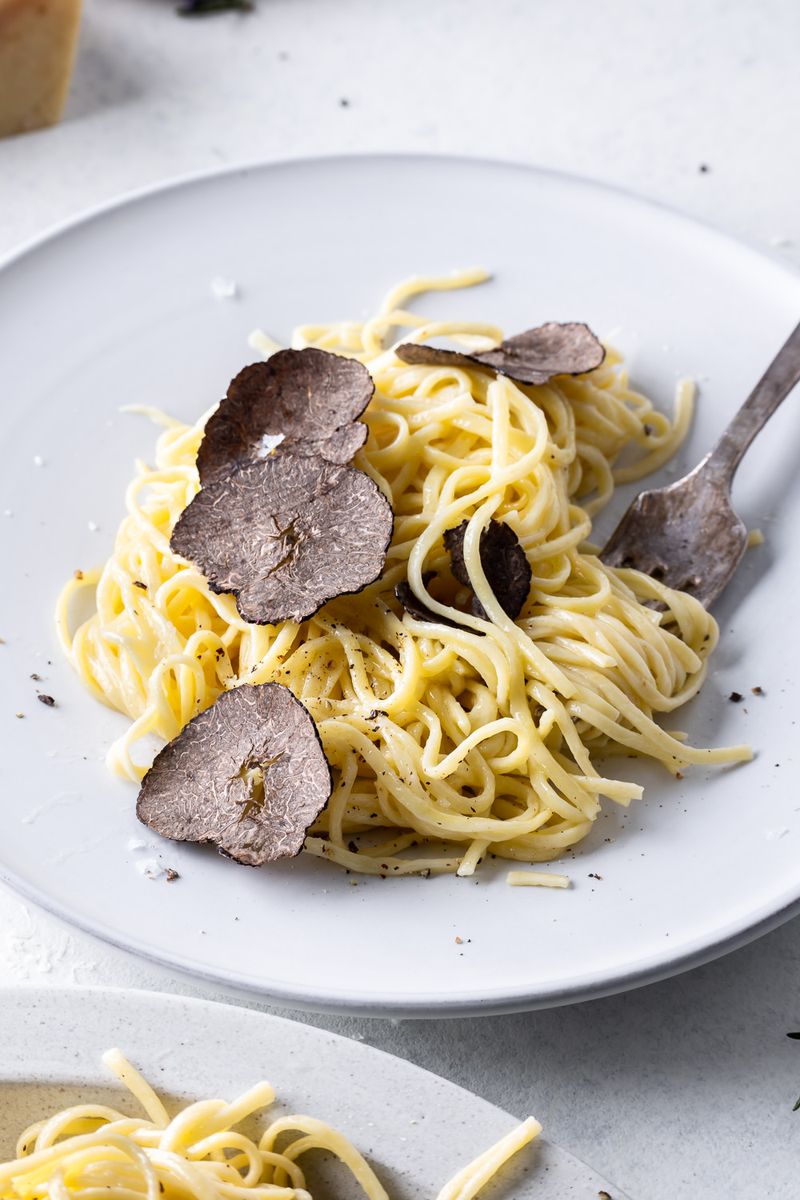
Pigs and trained dogs sniff out truffles buried underground in Italy and France. Their smell is musky, earthy, and almost like damp socks.
Shave a few thin slices over warm pasta or scrambled eggs, and the flavor becomes rich and luxurious. Chefs pay hundreds of dollars for a tiny one.
On a budget? Truffle salt or truffle butter gives you a taste of that fancy flavor without emptying your wallet.
11. Stinky Tofu
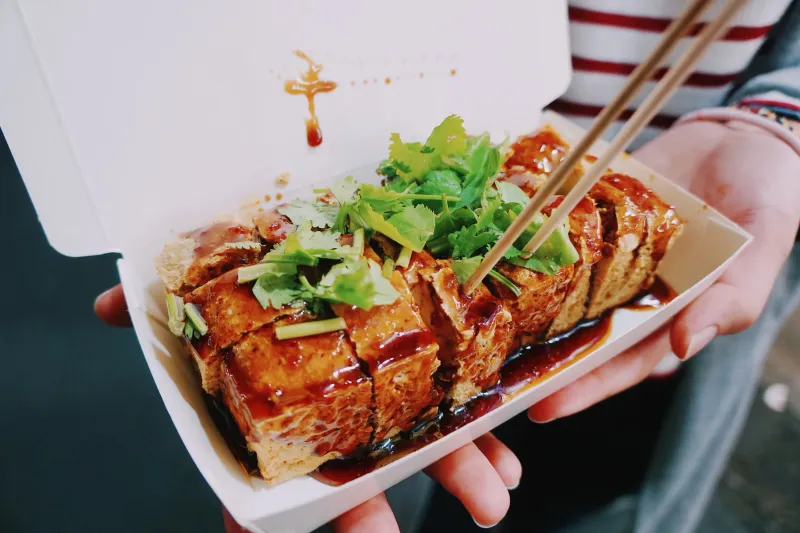
Walk through a night market in Taiwan and you will smell stinky tofu long before you see it. The fermented scent drifts for blocks.
Fried golden and crispy, it tastes mild and savory with a soft inside. Locals top it with sweet chili sauce and pickled cabbage for crunch.
Many travelers say it is the best snack they tried abroad. Close your eyes, take one bite, and let your tongue decide.
12. Onions Turned Sweet
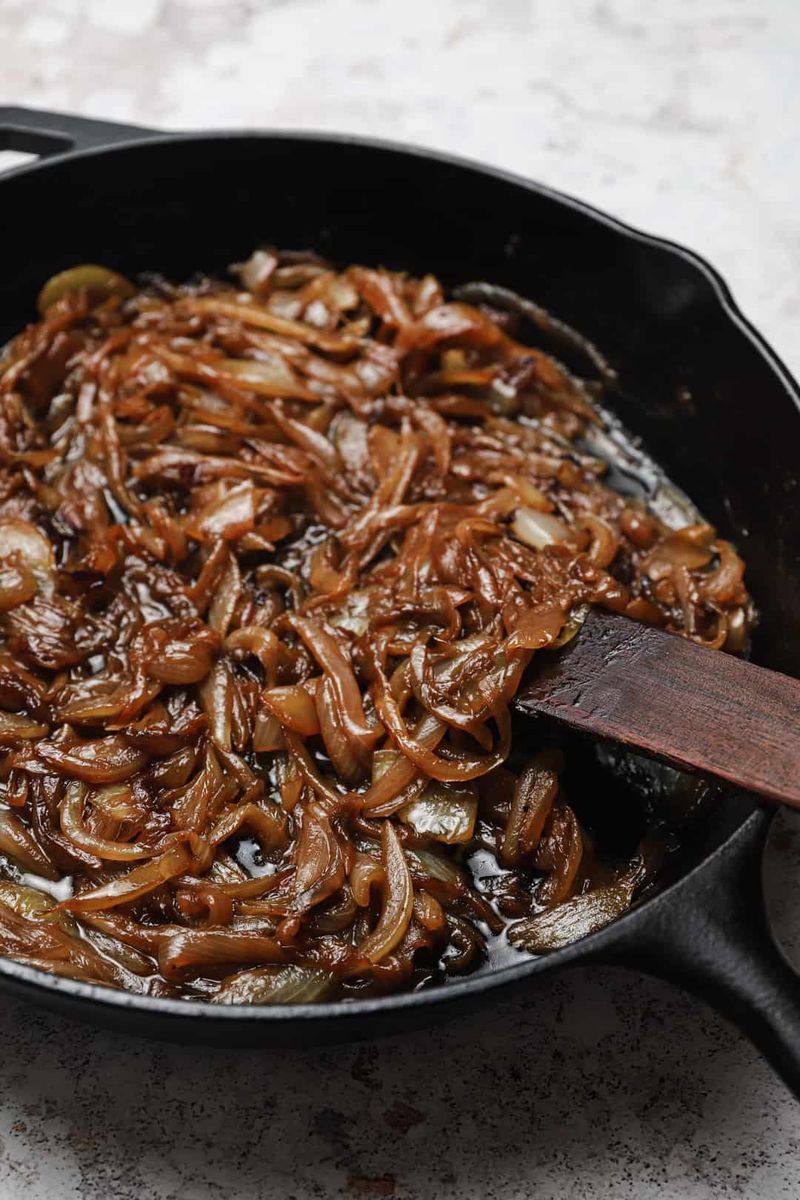
Chopping onions can make you cry, and the sharp smell sticks to cutting boards. Raw, they bite back hard.
Cook them low and slow for about forty minutes, though, and they melt into sweet, jammy caramelized onions. Burgers, soups, and grilled cheese all get better.
Patience is the key ingredient here. Keep the heat medium-low and stir now and then.
Rushing will just burn them instead of making them sweet.
13. Anchovies
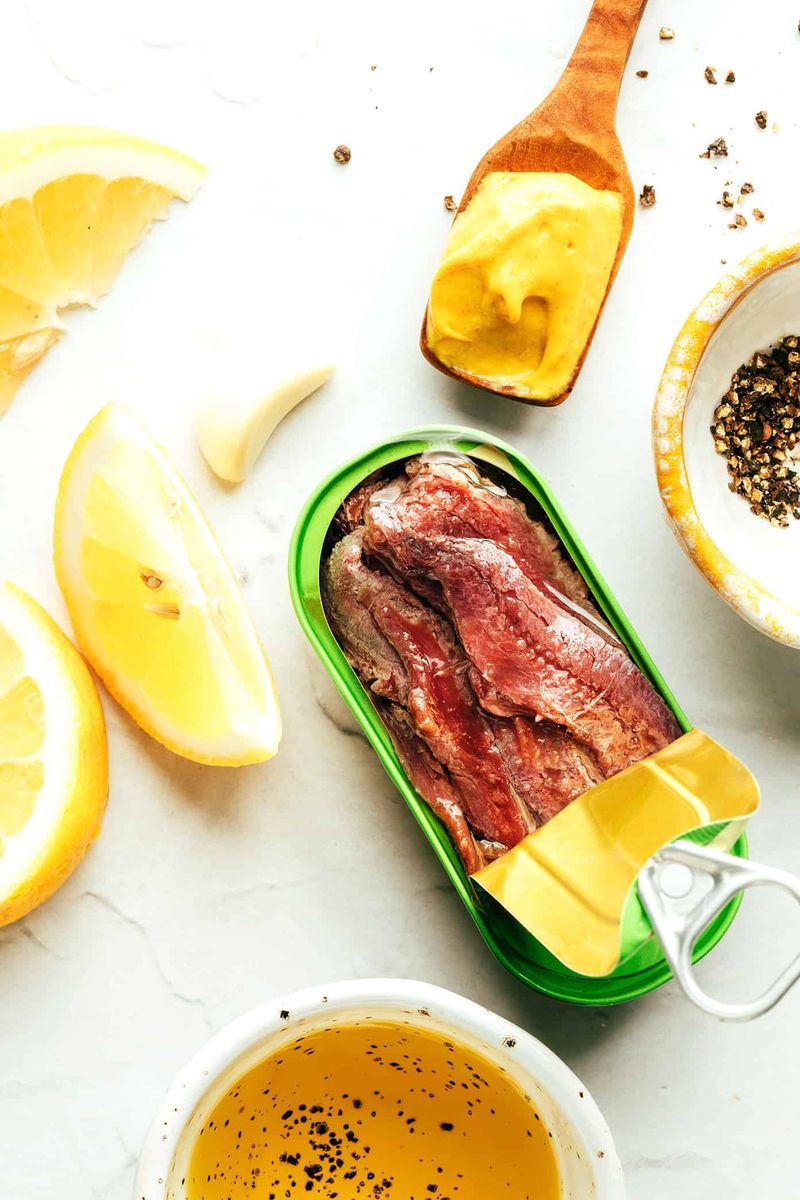
Pizza toppings get no more divisive than tiny, salty anchovies. Peel back the tin and a strong fishy smell greets you.
Here is the trick many chefs know. Melted into sauces, anchovies disappear completely and leave behind a deep, savory boost.
Caesar salad dressing would taste flat without them.
Mash one fillet into tomato sauce next time. Nobody will guess it is there, but everyone will notice how good dinner tastes.
14. Fenugreek
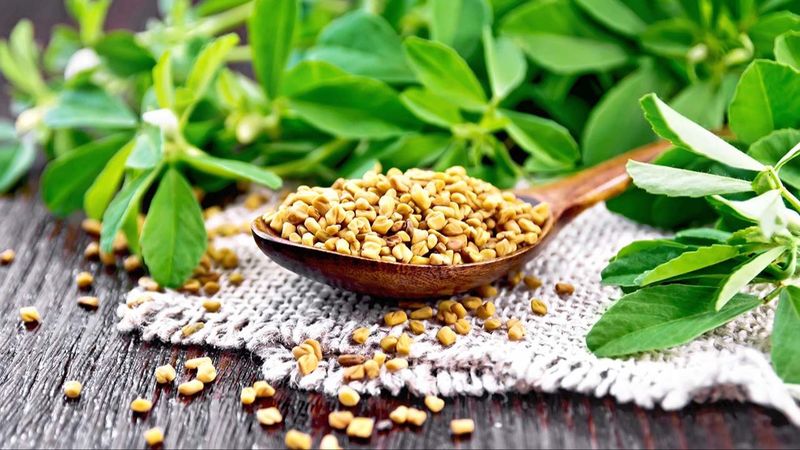
Eat enough fenugreek and your sweat may smell like maple syrup. This spice has a bold, bitter, almost burnt scent straight from the jar.
Toasted lightly, the seeds turn warm and nutty with a hint of sweetness. They are a secret behind the flavor of many curries.
Fun fact: fake maple syrup is often flavored with a chemical found in fenugreek. Try sprinkling the dried leaves over buttery potatoes for a treat.
15. Brussels Sprouts
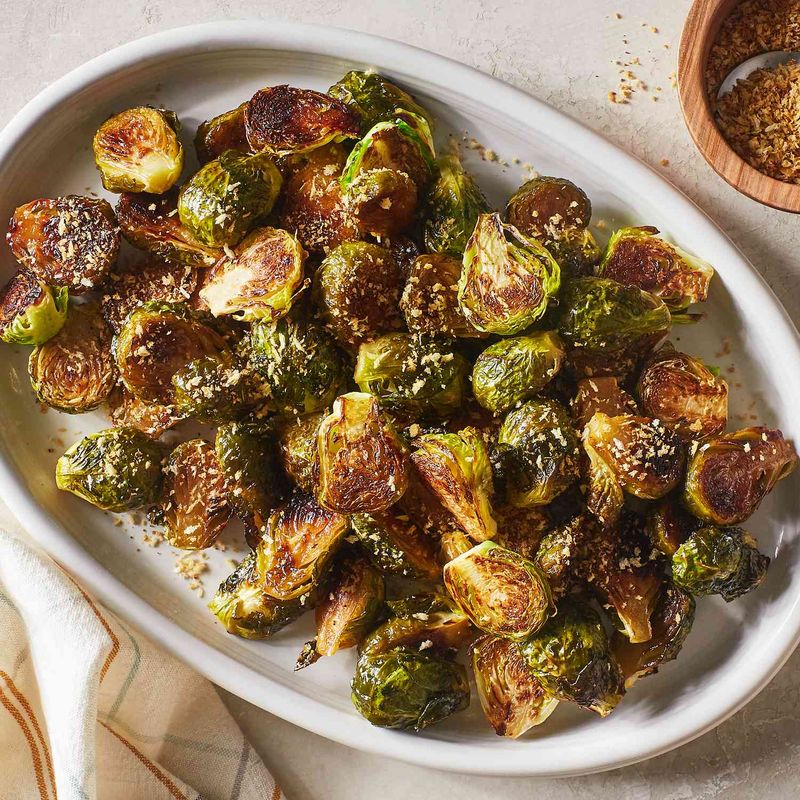
Lots of kids grew up dreading boiled Brussels sprouts. Overcooked, they release a sulfur smell like rotten eggs that fills the whole kitchen.
Roasting changes the story. Cut them in half, toss with olive oil and salt, and bake until crispy.
The edges turn nutty and sweet, almost like little chips.
Add a drizzle of honey or a sprinkle of parmesan at the end. Even sprout haters often ask for seconds.
16. Shrimp Paste
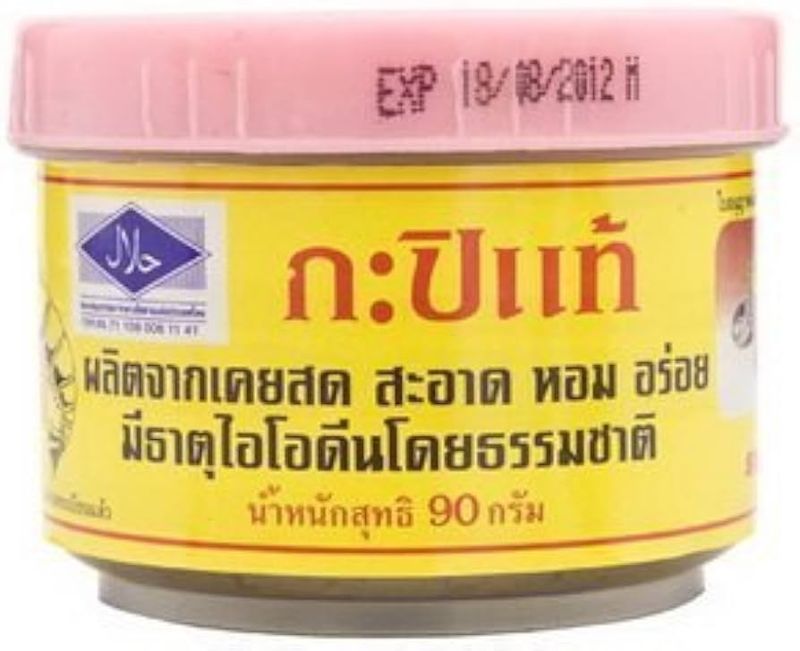
Thai and Malaysian kitchens rely on a purple-gray block that smells like low tide. Shrimp paste is made from tiny shrimp mashed with salt and fermented.
Toast a small piece and add it to curry pastes or sambal. The flavor becomes salty, rich, and incredibly savory.
It is the backbone of many famous dishes.
Open a window while cooking with it. The smell fades fast, but the delicious taste stays in every spoonful.
17. Epoisses Cheese
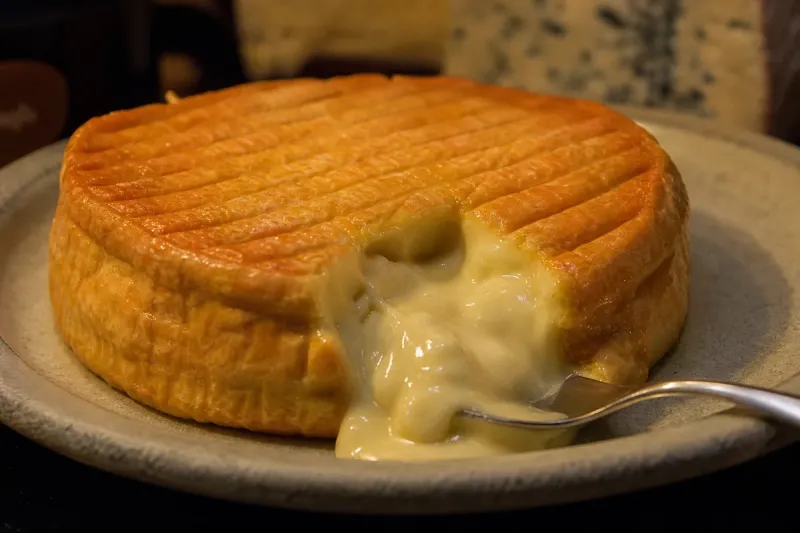
Rumor has it that this French cheese is banned on Paris public transport. True or not, Epoisses smells so strong it can clear a room.
Spread on crusty bread, it is gooey, buttery, and surprisingly gentle. Napoleon reportedly loved it.
The orange rind is washed with brandy while aging, which creates that wild aroma. Let it sit out for an hour before serving so it becomes perfectly soft and spreadable.
18. Cilantro

Genes might decide how you feel about cilantro. For some people, it smells and tastes like soap thanks to a gene that picks up certain chemicals.
For many others, it is bright, fresh, and citrusy. Tacos, salsa, and guacamole would feel incomplete without a handful on top.
Not a fan yet? Try crushing or blending it into sauces.
Chopping finely breaks down the soapy compounds and makes the flavor much milder.
19. Black Garlic
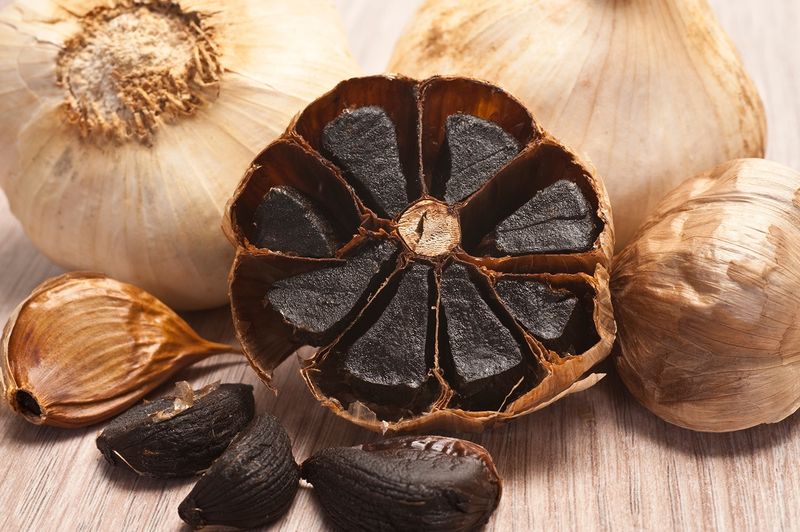
Imagine garlic aged for weeks in warm, humid heat until every clove turns jet black. Black garlic has an intense, earthy, almost smoky smell.
Taste one, and you will be amazed. It is soft and chewy like a gummy, with sweet flavors of balsamic vinegar and molasses.
Spread it on toast, mix it into mayo, or chop it over pizza. A little goes a long way toward fancy flavor.