
A great performance can stay with us long after Hollywood stops offering an actress the roles she deserves. Black actresses have faced unfair casting, racism, and barriers that talent alone could not break.
While not every career slowdown proves a deliberate effort to erase someone, these stories show how often gifted women were overlooked. Their work gives us plenty of reasons to keep watching and remembering.
1. Hattie McDaniel: An Oscar Could Not Open Every Door
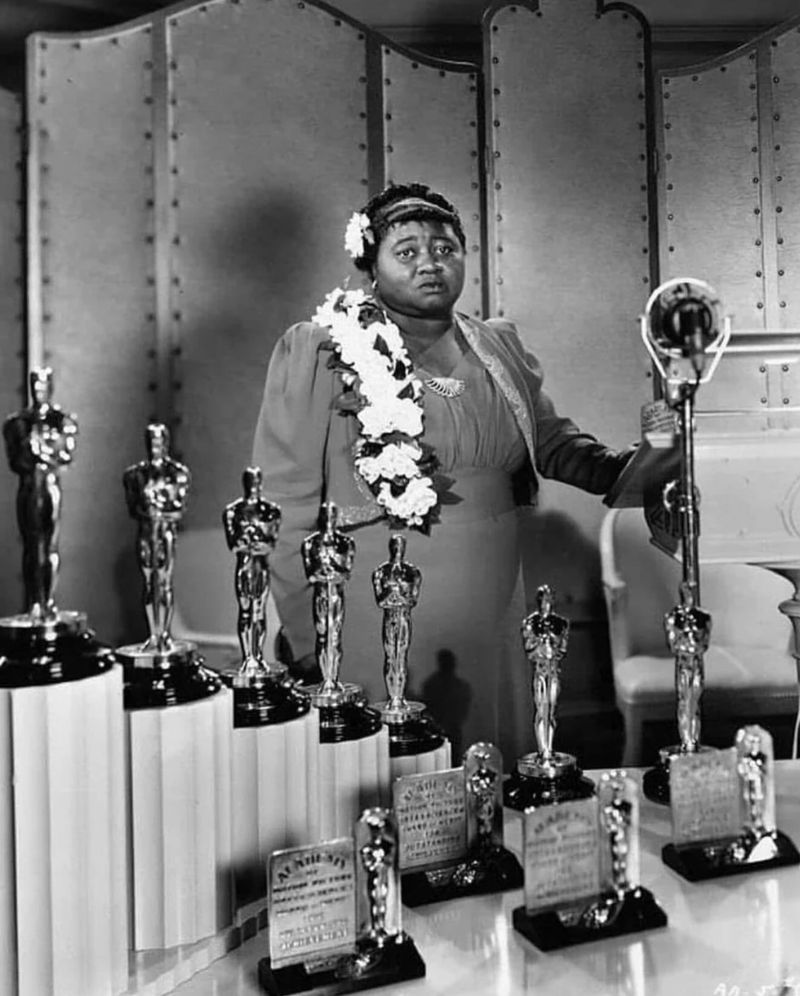
Winning an Oscar should have meant a world of new chances. Instead, the first Black Academy Award winner still faced an industry that mostly offered her servant roles.
Her award recognized Gone with the Wind, released in 1939.
At the ceremony, segregation kept her apart from her fellow cast members. Watch her work with that history in mind: her sharp timing and strong presence often reached far beyond the narrow characters Hollywood allowed her to play.
2. Dorothy Dandridge: Leading Lady, Limited Chances
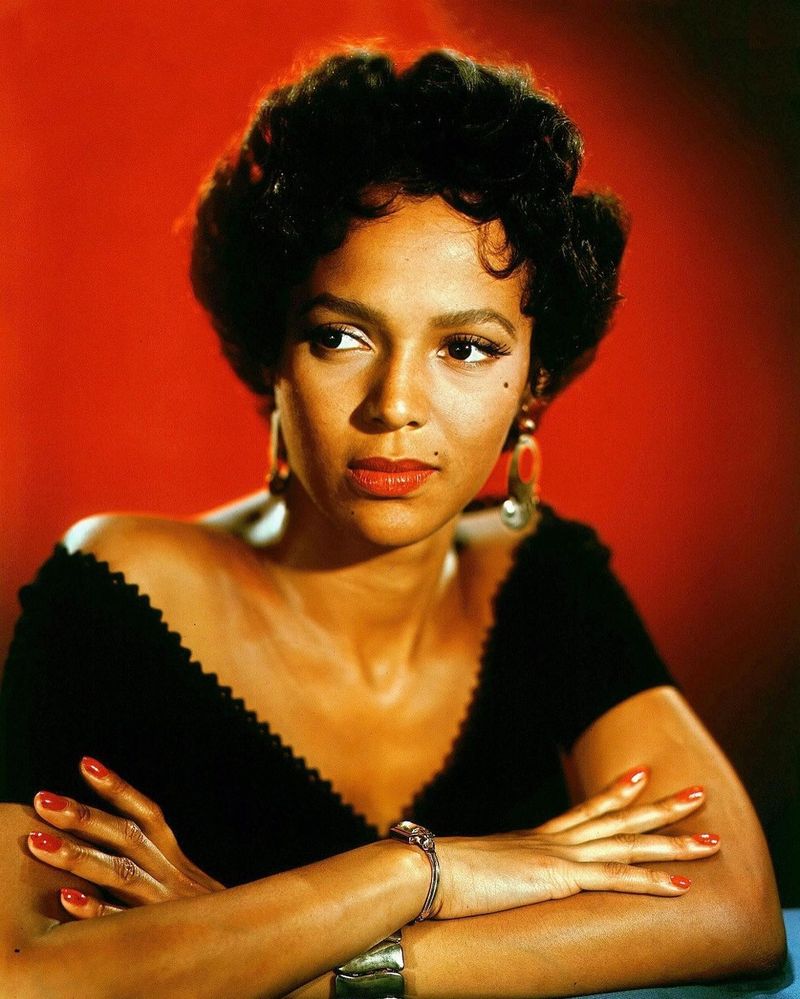
Beauty and talent made her impossible to miss in Carmen Jones. That 1954 performance brought the first Best Actress Oscar nomination for a Black woman, but major leading roles did not suddenly follow.
Segregation shaped which romances studios would show and which stars they would promote. Her story exposes the gap between public praise and real opportunity.
Start with Carmen Jones to see a performer whose screen presence still feels vivid, confident, and deeply alive today.
3. Fredi Washington: Refusing to Hide Her Identity
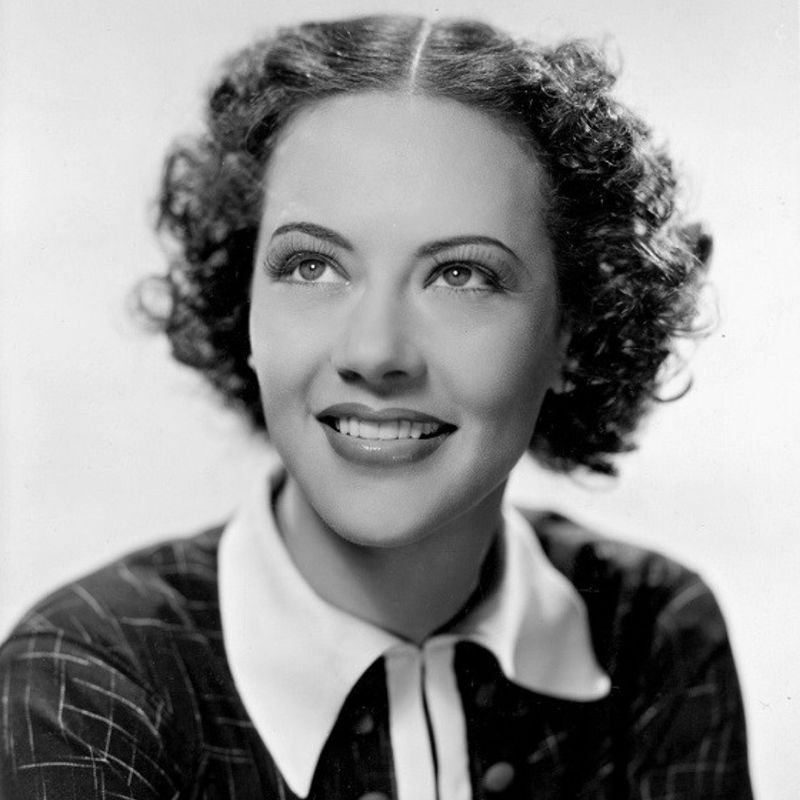
Passing as white was not a bargain she wanted to make. Proud of being Black, Washington refused to hide her identity for a better chance at movie stardom.
In Imitation of Life from 1934, she played Peola, a young woman struggling with that very choice. Hollywood’s rigid racial rules left Washington with few suitable roles afterward.
Her later work supporting Black performers reminds us that protecting your dignity can matter more than pleasing powerful studio bosses.
4. Josephine Baker: A Star Beyond Hollywood
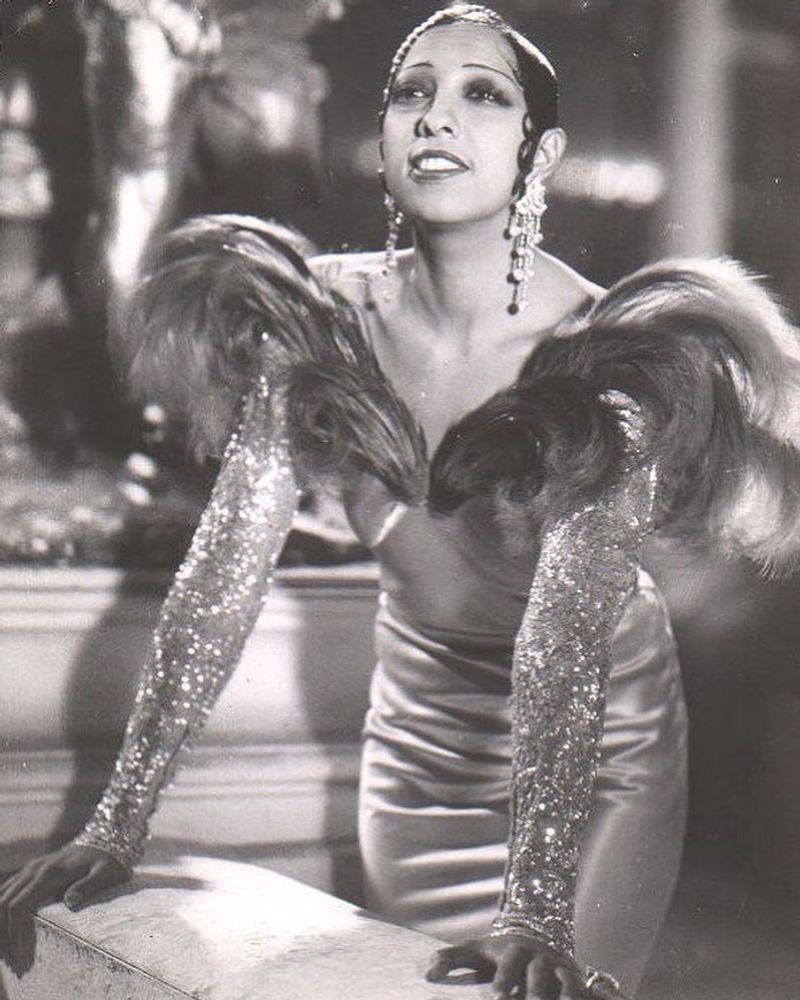
Paris celebrated a star whom American racism too often pushed aside. Baker built an extraordinary career in France, bringing charm, movement, and comic timing to films including Zouzou in 1934.
Her success abroad did not translate into equal access to Hollywood. She also refused to perform for segregated audiences and supported civil rights.
Exploring her French films offers a useful reminder: American studio fame is only one measure of an artist’s reach, courage, and lasting cultural importance.
5. Ethel Waters: A Voice With Dramatic Power
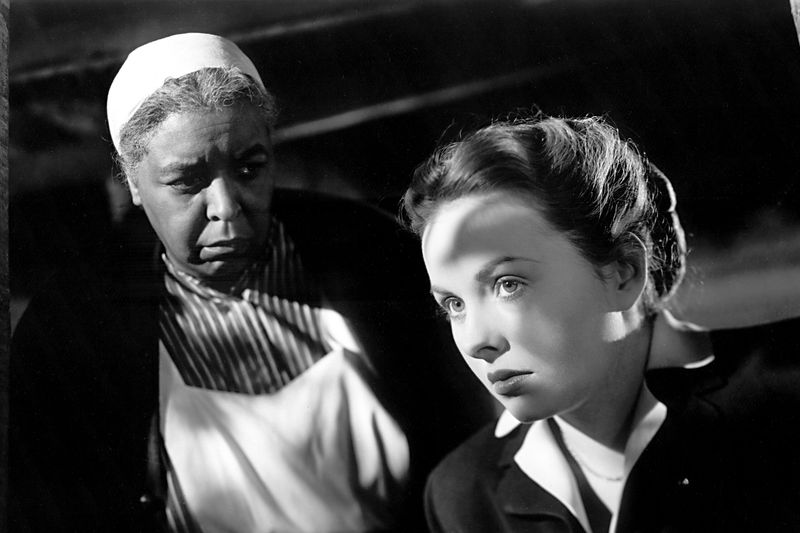
A song was only one way she could hold a room. On screen, Waters brought emotional weight to characters that Hollywood often wrote within narrow racial limits.
Her performance in Pinky earned an Oscar nomination, and she later became the first Black woman nominated for a Primetime Emmy. Those milestones reveal remarkable range, not an easy road.
Look beyond the stereotypes surrounding some roles and notice how carefully she gives her characters feelings, backbone, and individual lives.
6. Nina Mae McKinney: A Breakthrough Without a Fair Follow-Up
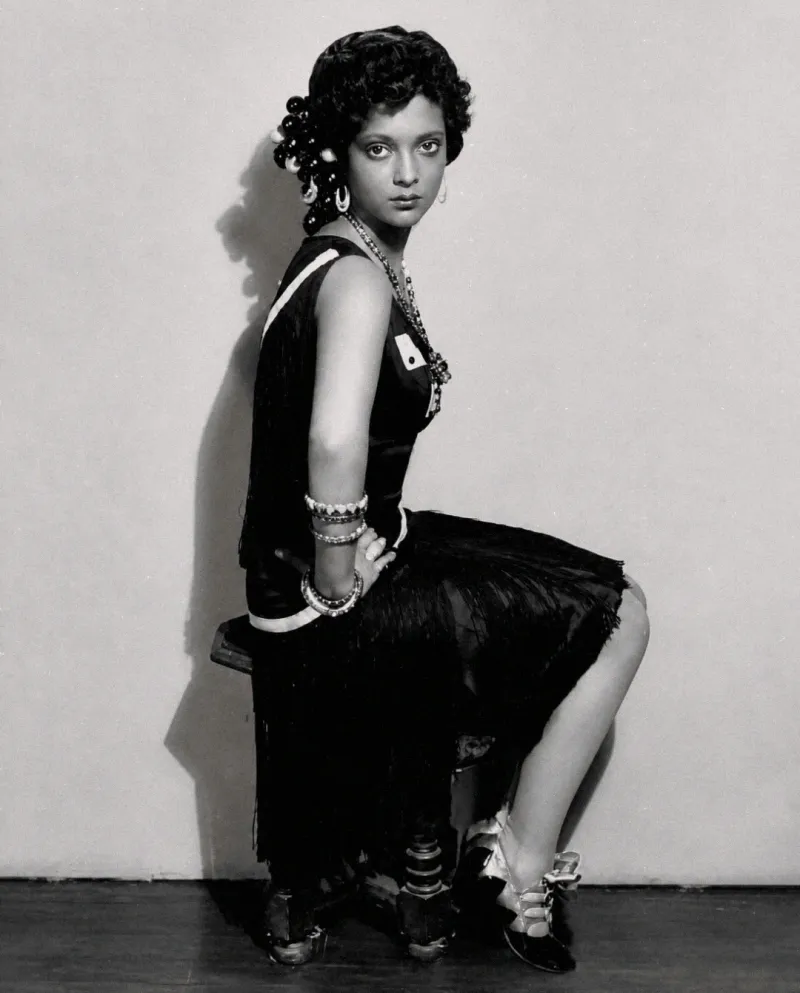
Electric energy made her stand out in Hallelujah, the 1929 musical directed by King Vidor. A studio contract followed, suggesting that a major new screen career might be beginning.
Yet Hollywood rarely gave McKinney roles that matched her promise. Racial barriers narrowed her options, and she also performed abroad.
Her story challenges the idea that getting discovered guarantees success. Revisit her breakthrough with attention to her expressions and movement, which show how naturally she commanded the camera.
7. Louise Beavers: More Than the Roles She Was Given
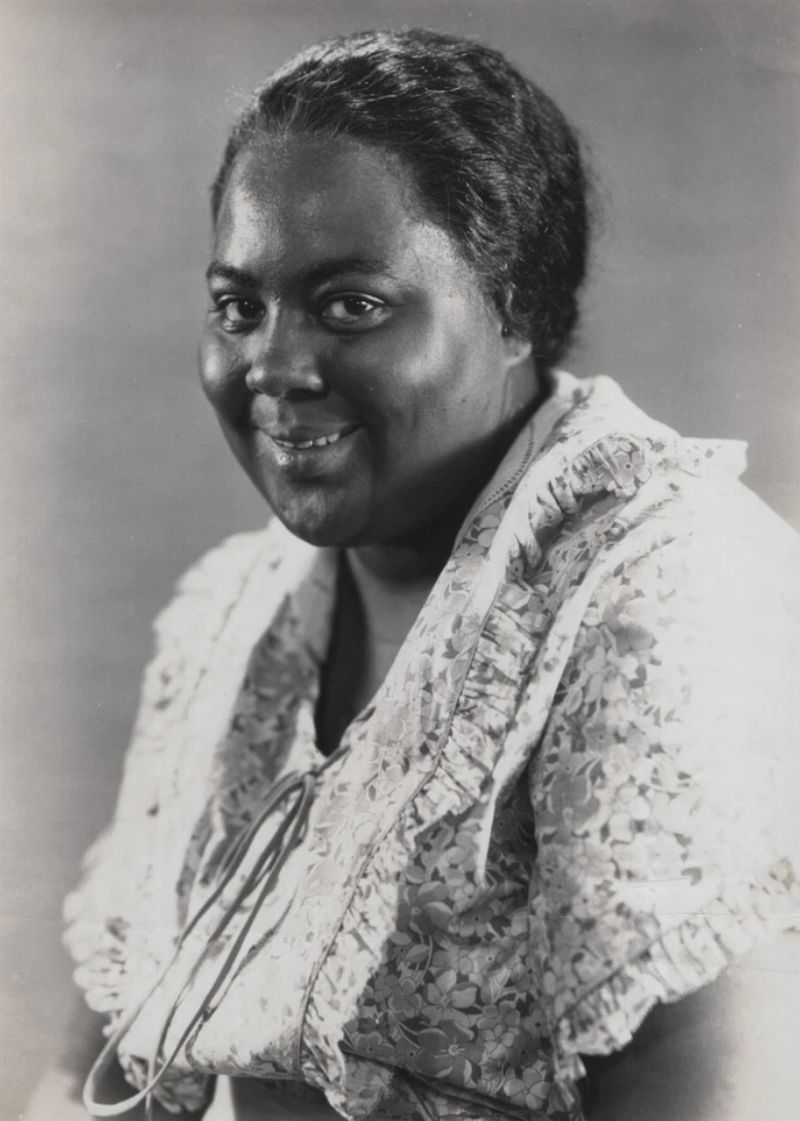
Warmth can be powerful, especially when a script gives an actress little room. Beavers brought that quality to many films, including her memorable performance as Delilah in the original Imitation of Life.
Hollywood repeatedly cast her as a domestic worker, limiting the kinds of women she could portray. Her skill deserves attention without pretending those stereotypes were harmless.
Watching her scenes closely reveals humor, sadness, and a steady presence that often make supporting characters feel central instead.
8. Juanita Moore: A Performance That Outgrew Its Label
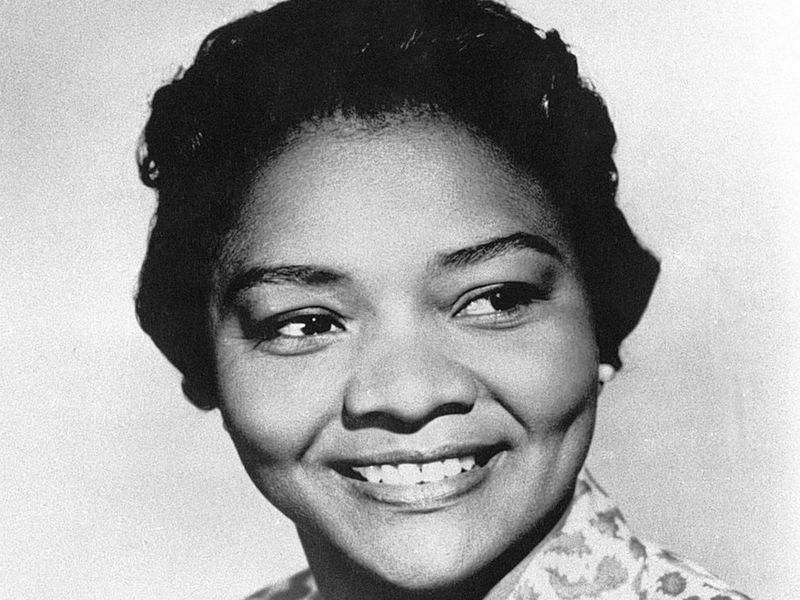
Sometimes a supporting performance becomes the heart of an entire movie. Moore achieved that in the 1959 version of Imitation of Life, earning an Oscar nomination for playing Annie Johnson.
The recognition did not bring a steady stream of equally rich film roles. Like many Black actresses, she faced an industry more comfortable casting her in service positions.
Her performance remains a strong starting point for discussing how a gifted actor can find emotional truth inside restrictive storytelling.
9. Ruby Dee: Art and Activism Together
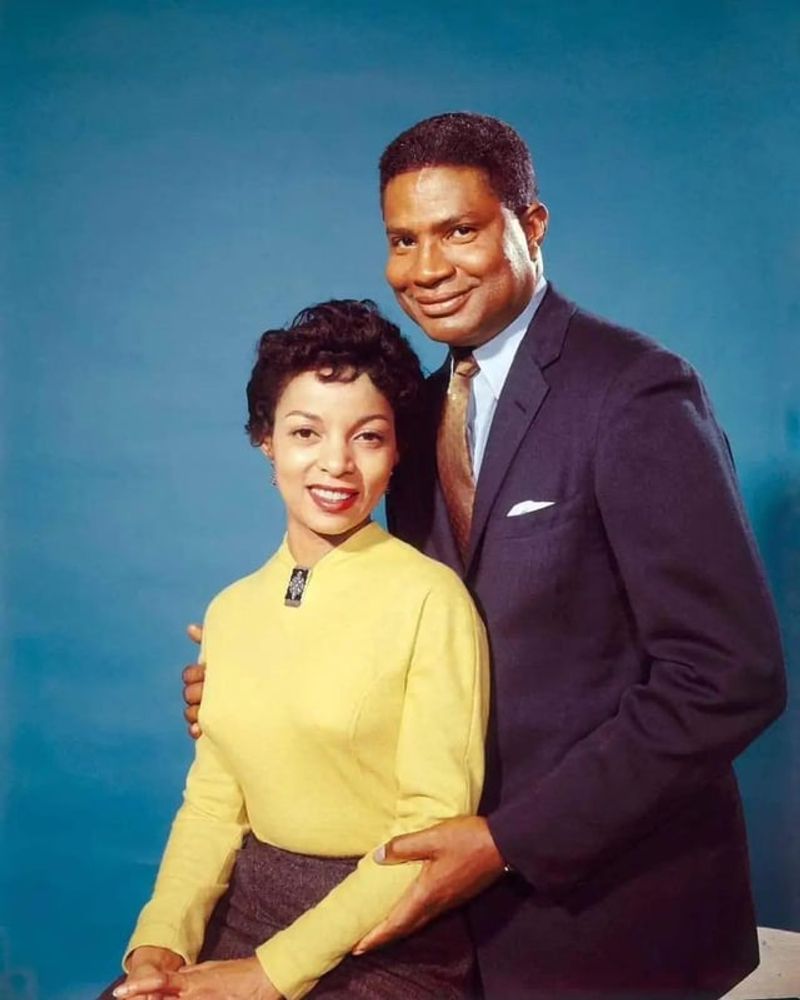
Quiet intensity was one of her greatest tools. Across stage, film, and television, Dee could suggest an entire inner life with a glance or a carefully spoken line.
A Raisin in the Sun and Do the Right Thing offer different views of her range. She also worked for civil rights alongside her husband, Ossie Davis.
Rather than calling her forgotten, remember how often mainstream Hollywood failed to match her gifts with the number of substantial roles she deserved.
10. Eartha Kitt: A Voice That Would Not Be Silenced
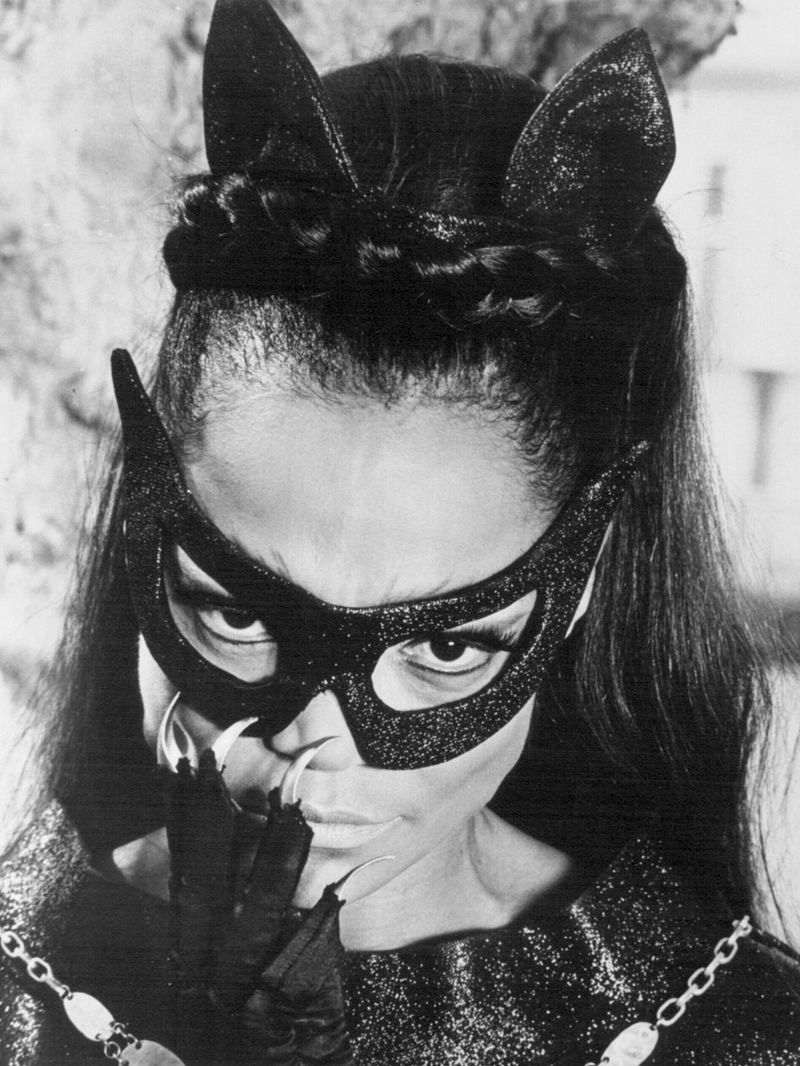
That unmistakable voice could purr, tease, or cut straight through a room. Kitt brought playful danger to Catwoman on Batman and built a celebrated career as a singer and performer.
After criticizing the Vietnam War at a White House luncheon in 1968, she faced serious professional backlash in America. Overseas work helped sustain her career.
Her later successes, including voicing Yzma in The Emperor’s New Groove, show why a period outside Hollywood’s favor never defined her whole story.
11. Diahann Carroll: Changing Who Could Be the Lead
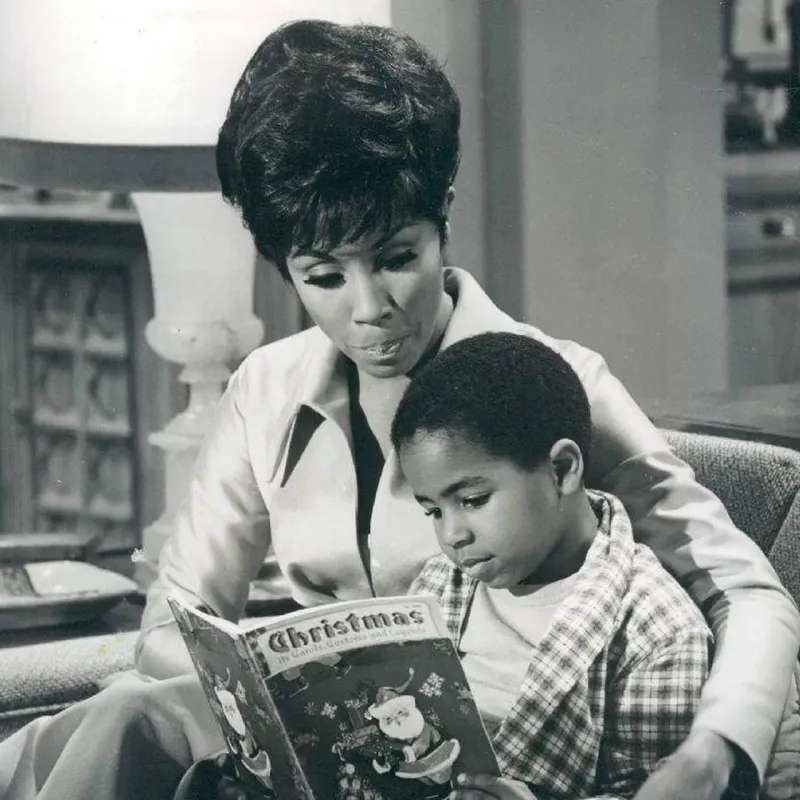
A nurse raising her son may sound ordinary today. In 1968, seeing a Black woman lead Julia without playing a servant marked a major change in American television.
Carroll’s elegance and talent also shone in Claudine, which earned her an Oscar nomination. Still, breaking one barrier did not remove every casting limit.
Compare those two roles to appreciate her range, from polished television comedy to a working mother’s struggles, rather than reducing her legacy to a single milestone.
12. Pam Grier: An Action Star With Staying Power
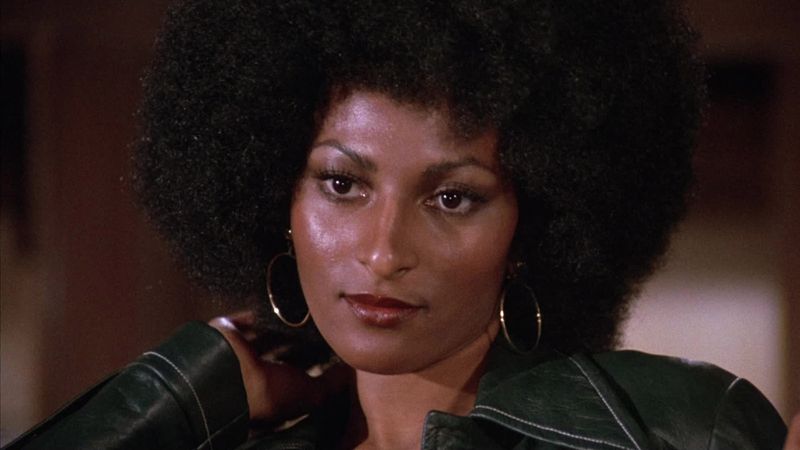
Action movies looked different when she took charge. Coffy and Foxy Brown made Grier a defining star of 1970s Black cinema, with toughness and charisma that audiences still recognize.
When that film cycle faded, leading opportunities became less steady, though she kept working. Jackie Brown brought renewed attention in 1997 and a Golden Globe nomination, not a win.
Give her earlier work equal attention: her career did not begin when another filmmaker reminded Hollywood of her considerable talent.
13. Vonetta McGee: Range Beyond a Genre
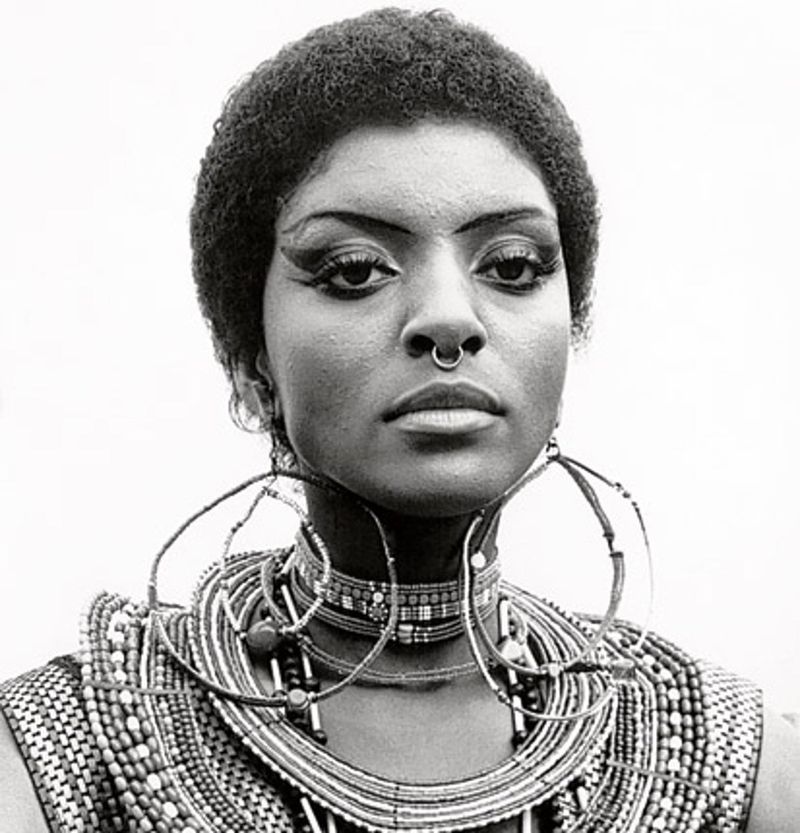
Horror, romance, and crime stories all had room for her cool presence. McGee appeared in Blacula, Thomasine & Bushrod, and The Eiger Sanction, showing talents that reached beyond one film category.
She worked in television too, but never received the sustained mainstream spotlight her performances invite viewers to imagine. Avoid treating her career as simply disappearing when a trend ended.
Exploring several of her films reveals an actress with varied credits, quiet authority, and a distinctive place in cinema.
14. Evelyn Preer: A Pioneer Outside the Studio Gates
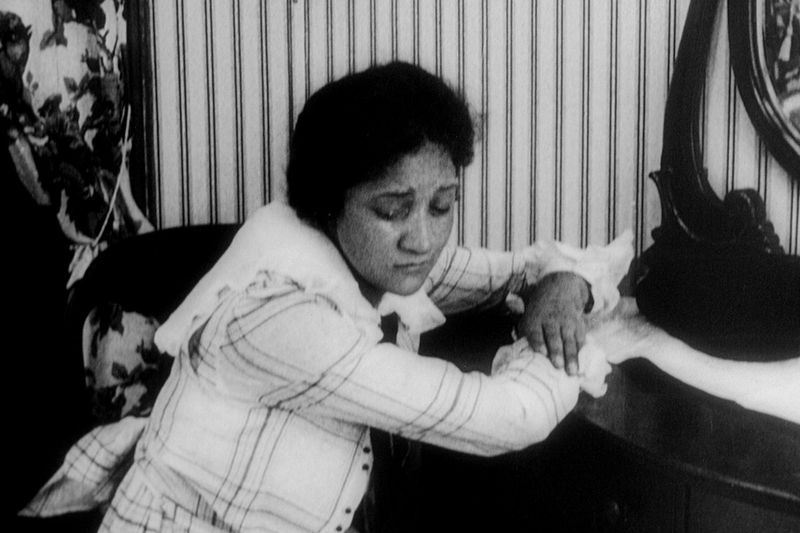
Long before Hollywood offered fair chances, independent Black filmmakers were creating their own screens. Preer became a major figure in that world through her work with director Oscar Micheaux.
Within Our Gates, released in 1920, remains a key place to encounter her talent. Her stage and singing work add depth to that legacy.
Because many early films were lost or poorly preserved, remembering her also means supporting archives that protect Black film history for future audiences to discover.
15. Kimberly Elise: Emotion Without Shortcuts
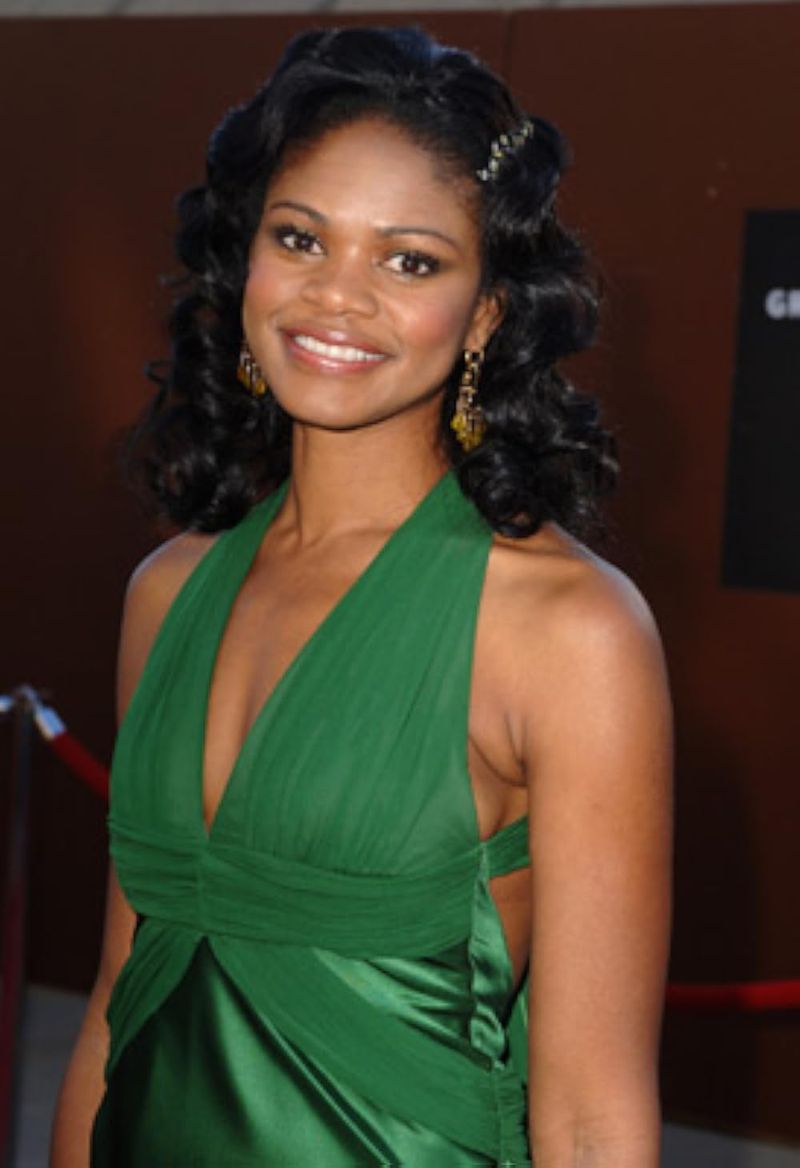
Grief, fear, and determination rarely feel simple in her hands. Elise made an impression in Set It Off and followed it with demanding work in Beloved, proving her gift for emotionally complex characters.
Her career has continued across film and television, including Hit the Floor. Uneven visibility in major studio releases should not be mistaken for an absence of work or proof of deliberate exclusion.
A small viewing marathon makes her range much easier to appreciate than headlines do.
16. Nicole Beharie: Talent Beyond the Headlines
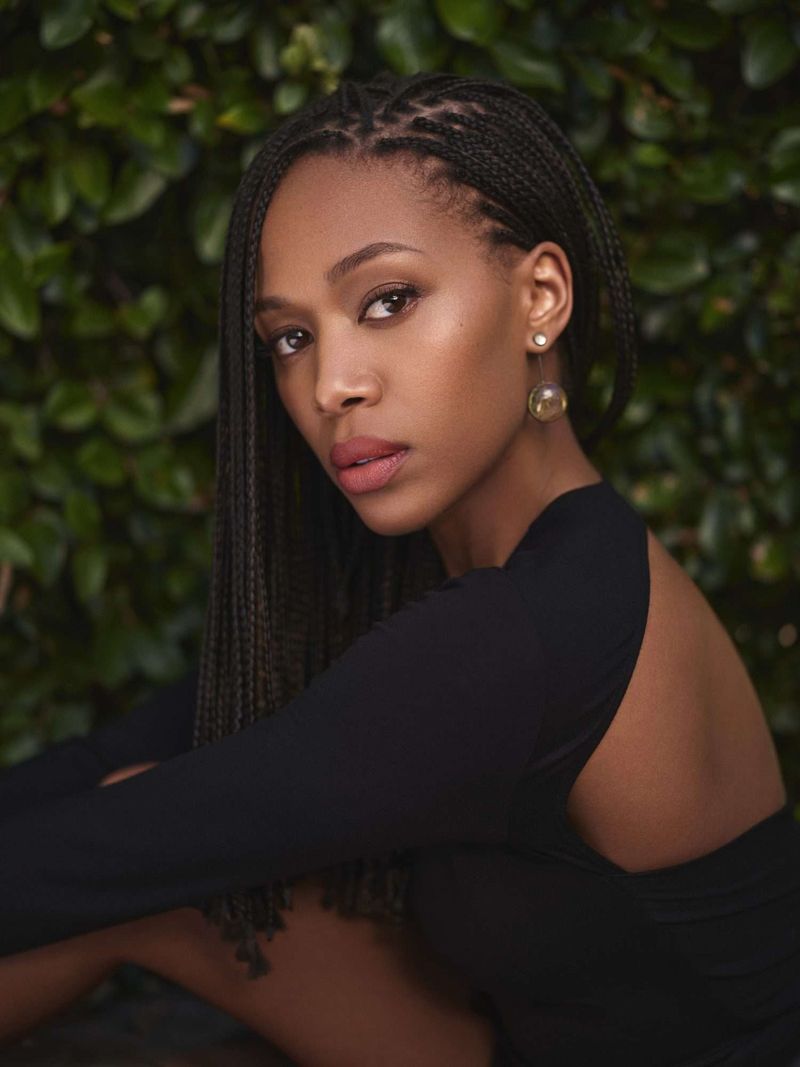
Fans of Sleepy Hollow knew how much her presence mattered. As Abbie Mills, Beharie brought intelligence and warmth to a supernatural series whose appeal depended heavily on its central partnership.
Her departure prompted debate about treatment and opportunity for Black actresses. Yet that chapter is not her whole career: Miss Juneteenth showcased her dramatic depth, and The Morning Show brought further recognition.
Follow the performances beyond the controversy to see an artist still building a rich body of work.
17. LisaRaye McCoy: Looking Past the Celebrity Coverage
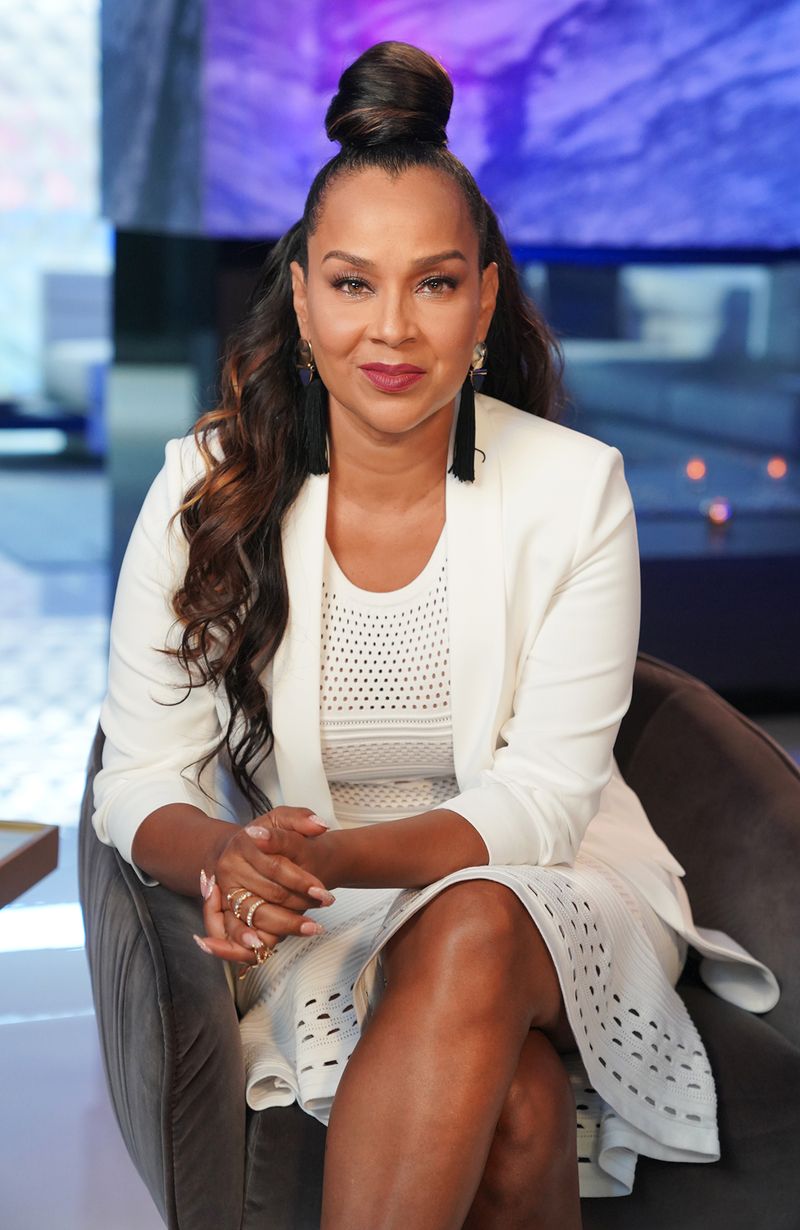
A memorable debut can follow an actress for decades. For McCoy, The Players Club became that calling card, introducing a screen presence that later found another audience through television comedy.
All of Us and Single Ladies belong in any fair account of her career. Interviews and celebrity coverage can overshadow acting credits, but they do not erase them.
Before accepting claims that Hollywood forgot her, separate reduced movie visibility from continued work across other parts of the entertainment business.