
Kids love snacks, sweets, and all kinds of tasty treats, but some everyday foods can quietly affect their health over time. Many popular foods marketed to children are packed with sugar, salt, unhealthy fats, and artificial ingredients that can lead to problems like tooth decay, weight gain, and low energy.
As a parent, knowing which foods to watch out for can make a big difference in your child’s long-term well-being. This list breaks down 17 foods worth limiting so your family can make smarter, healthier choices every day.
1. Sugary Breakfast Cereals
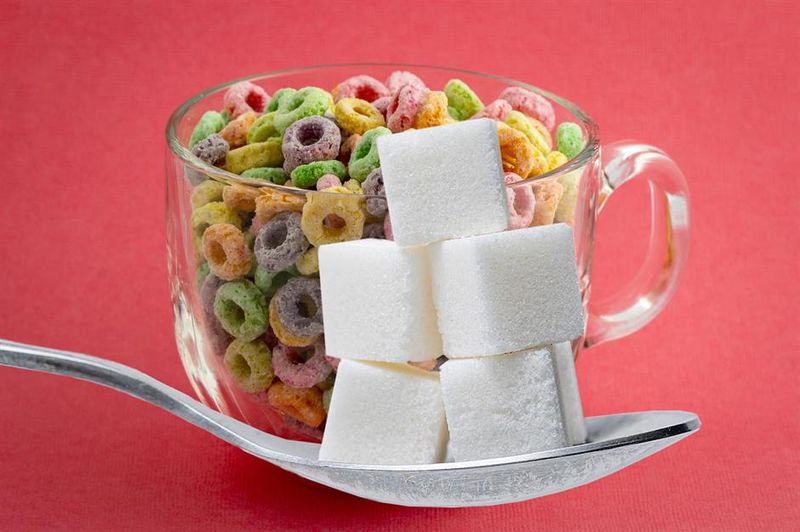
Walk down the cereal aisle and you will find rows of brightly colored boxes aimed right at kids. Many of these cereals contain more sugar per serving than a cookie.
That sugar rush might wake them up fast, but it leads to an energy crash before lunchtime.
Choosing cereals with whole grains and less than 6 grams of sugar per serving is a smarter move. Look for options with fiber to keep kids full longer.
2. Flavored Yogurt Pouches
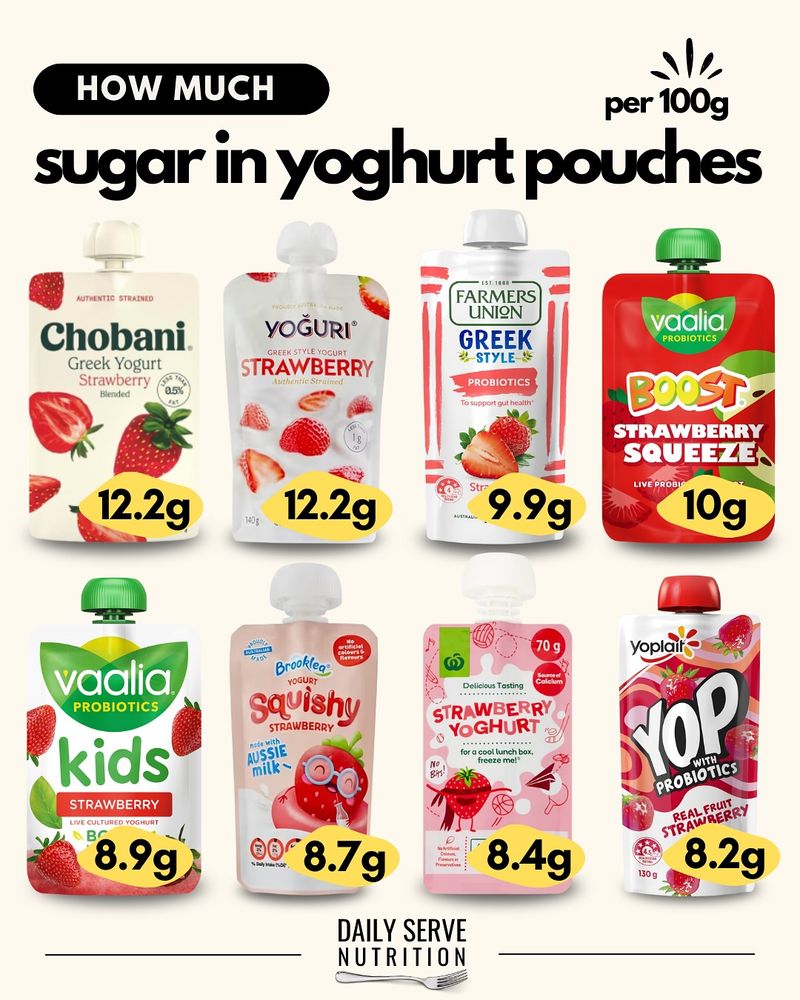
Yogurt sounds healthy, and plain yogurt truly is. But those squeezable flavored pouches kids go crazy for?
Many pack as much sugar as a small candy bar. The fruity flavors are often made with syrups and artificial coloring rather than real fruit.
Plain Greek yogurt with a drizzle of honey or fresh berries mixed in gives kids real nutrition without the sugar overload. It takes one extra minute and makes a big difference.
3. Chicken Nuggets

Few things make a child’s face light up like a plate of chicken nuggets. They are convenient, kid-approved, and easy to serve on a busy night.
The problem is that most store-bought and fast-food nuggets are heavily processed, high in sodium, and fried in oils that add unhealthy fats.
Homemade nuggets baked in the oven with whole grain breadcrumbs give kids the same satisfying crunch with far better ingredients. Small swaps add up over time.
4. Fruit Juice
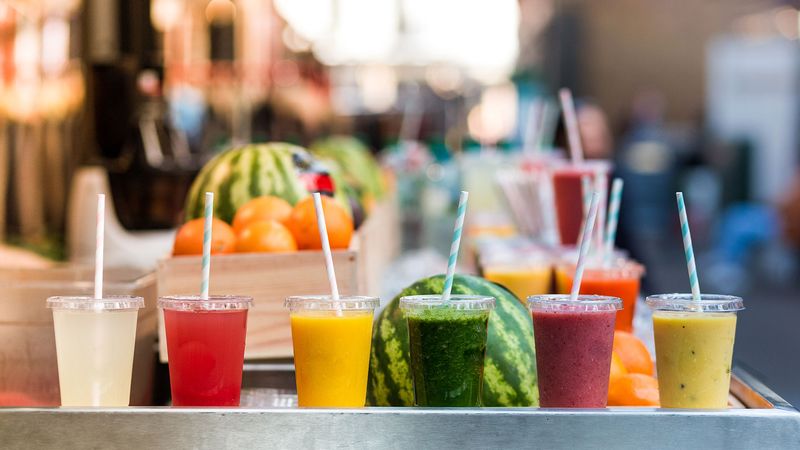
Fruit juice feels like a healthy choice because it comes from fruit, right? Sadly, most juice, even 100% juice, contains a concentrated amount of natural sugar and very little fiber.
Kids who drink juice regularly are consuming extra calories without feeling full.
The American Academy of Pediatrics recommends limiting juice to 4 ounces a day for young children. Water with a slice of fresh fruit is a refreshing swap that keeps kids hydrated without the sugar spike.
5. Processed Lunch Meats
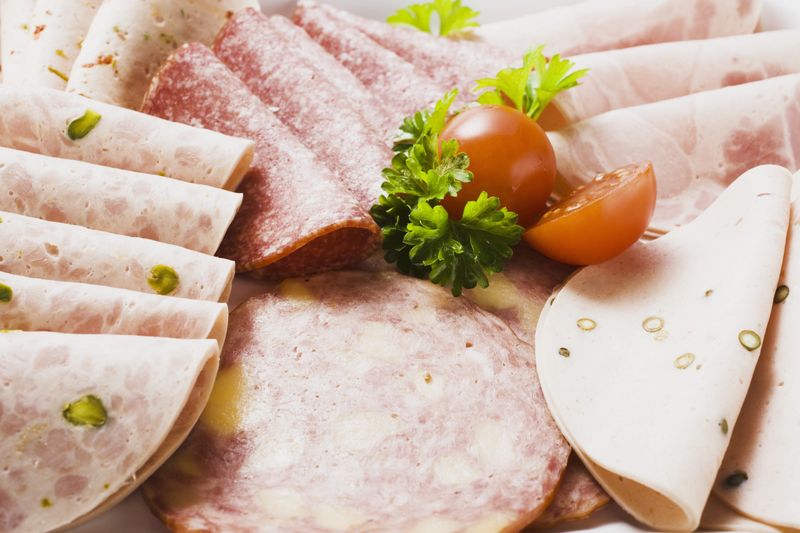
Bologna, salami, and packaged deli meats have been a lunchbox staple for decades. They are easy to grab and kids usually enjoy them.
However, processed meats are loaded with sodium, nitrates, and preservatives that are not great for growing bodies when eaten daily.
The World Health Organization has classified processed meats as a Group 1 carcinogen. Rotating in fresh proteins like turkey slices, hard-boiled eggs, or hummus during the week is a worthwhile habit to build.
6. Potato Chips
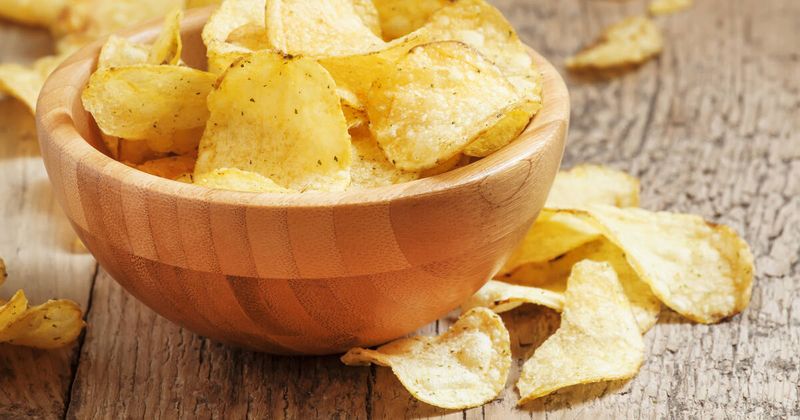
Crunchy, salty, and nearly impossible to stop eating, potato chips are one of the most common snacks found in family kitchens. They are low in nutrients and high in sodium, unhealthy fats, and empty calories.
Regular chip snacking can crowd out better food choices throughout the day.
Air-popped popcorn, rice cakes, or veggie sticks with hummus offer that same satisfying crunch. Keeping chips as an occasional treat rather than an everyday snack helps kids develop healthier taste preferences over time.
7. Sports Drinks
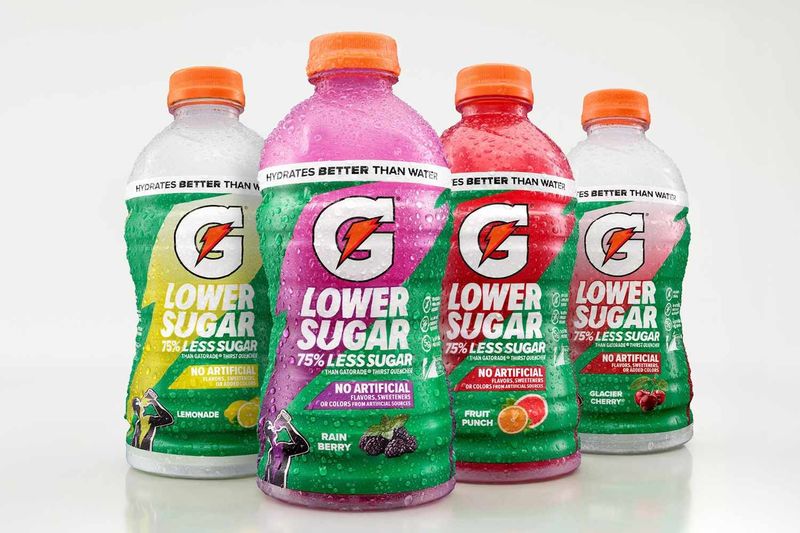
Sports drinks were designed for elite athletes doing intense physical activity for long periods. Most kids playing a 45-minute soccer game or riding bikes around the block simply do not need them.
These drinks are high in sugar and artificial dyes, and they can contribute to tooth enamel erosion.
Plain water is the best hydrator for children in most situations. If your child is doing prolonged physical activity in the heat, a small amount of a low-sugar electrolyte drink is fine occasionally.
8. White Bread
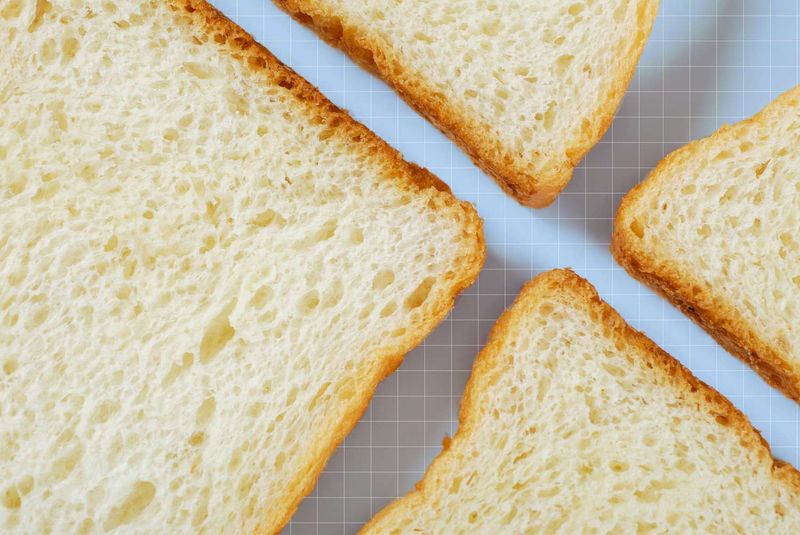
White bread is soft, mild, and beloved by picky eaters everywhere. The issue is that it is made from refined flour, meaning most of the fiber and nutrients have been stripped away during processing.
It digests quickly, causing blood sugar to spike and drop fast.
Switching to whole grain or whole wheat bread gives kids more fiber, B vitamins, and lasting energy throughout the school day. Many kids barely notice the difference, especially when paired with their favorite toppings.
9. Candy and Gummy Snacks
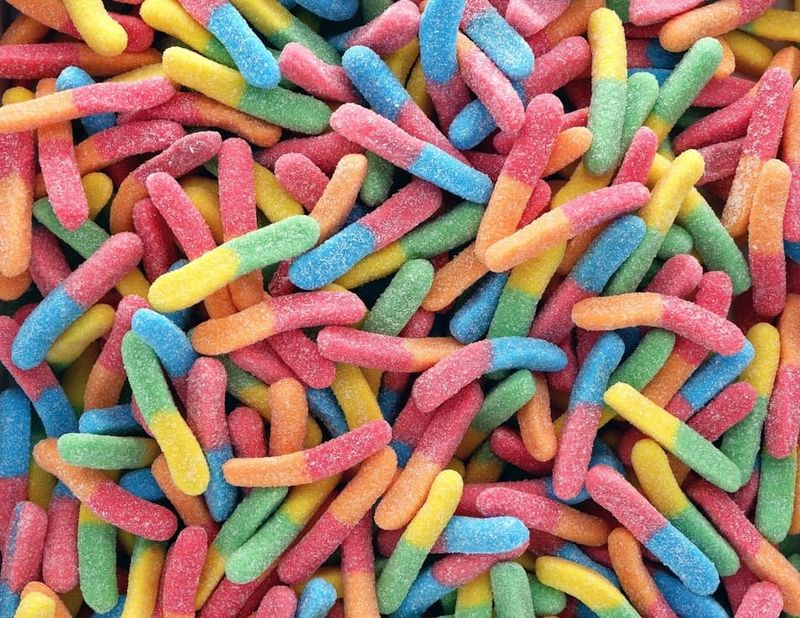
Gummy bears, sour worms, and chewy candies are practically a rite of childhood. But these treats are almost entirely sugar, with artificial colors and flavors added for extra appeal.
Gummy candies are especially hard on teeth because they stick to enamel and feed cavity-causing bacteria for hours.
Limiting candy to special occasions rather than everyday snacking protects both teeth and overall health. Fresh fruit satisfies a sweet craving while delivering vitamins and natural fiber at the same time.
10. Packaged Mac and Cheese
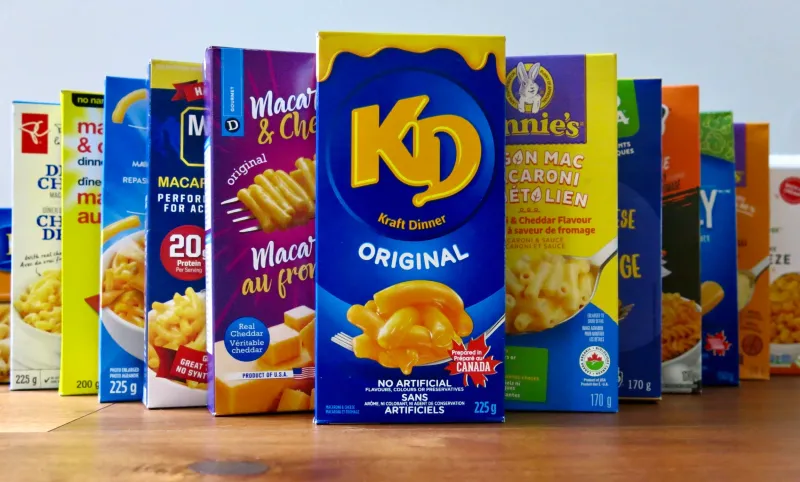
That iconic blue box has fed generations of children, and there is no denying its comfort food charm. However, the powdered cheese sauce is high in sodium and artificial additives, and the pasta is made from refined white flour.
Eaten daily, it offers little nutritional value.
Homemade mac and cheese using whole grain pasta and real cheese is a simple upgrade. You can even sneak in pureed butternut squash or cauliflower to boost the nutrition without changing the taste much.
11. Soda and Sugary Drinks
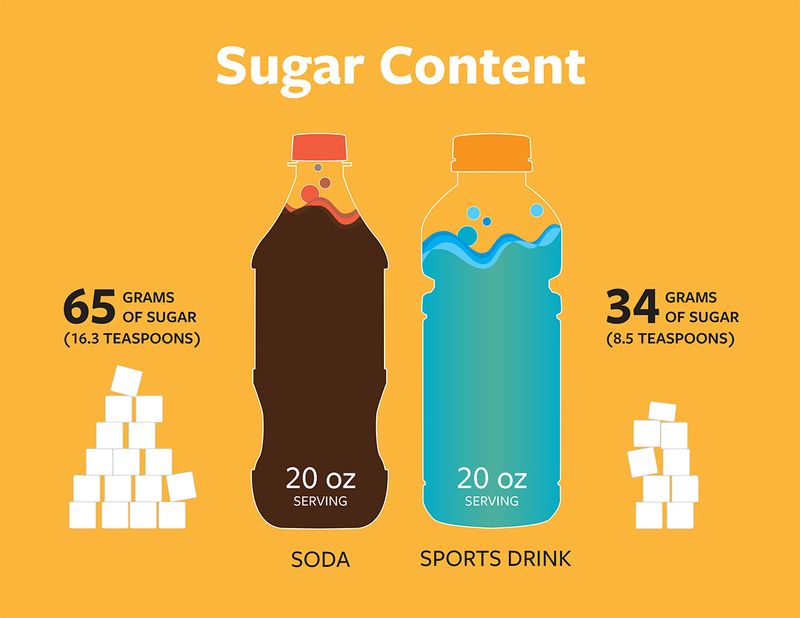
Soda is one of the biggest sugar sources in a child’s diet, and it offers zero nutritional value. A single can of regular cola contains about 39 grams of sugar, which is more than the recommended daily limit for children.
Diet sodas are no better, as artificial sweeteners may still affect kids’ taste preferences and gut health.
Making water, sparkling water, or milk the default drink at meals sets a healthy habit early. Soda can stay a rare treat rather than a daily staple.
12. Fast Food Burgers and Fries
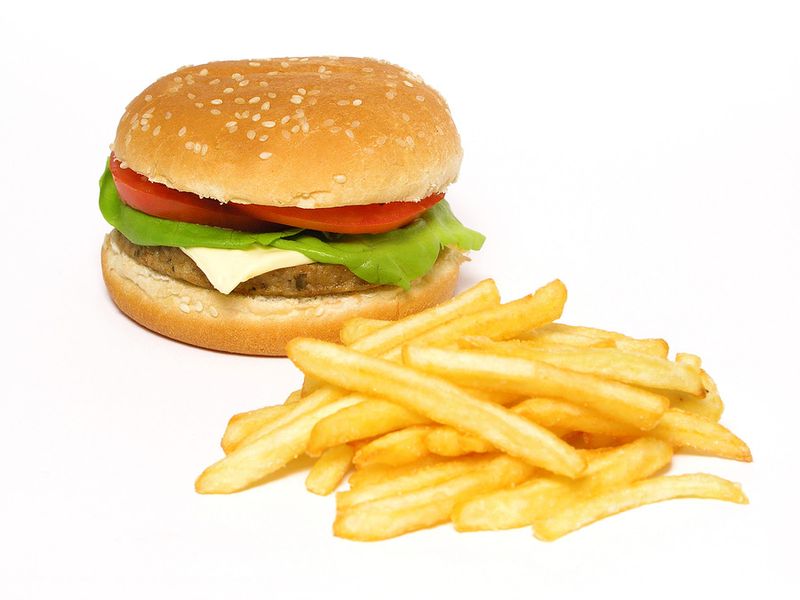
Fast food is quick, affordable, and kids absolutely love it, which is exactly what makes it easy to rely on too often. The combination of a burger, fries, and a drink can deliver a full day’s worth of sodium and more saturated fat than a child needs in one sitting.
Keeping fast food as a once-in-a-while meal rather than a weekly routine makes a real difference. When you do go, choosing apple slices over fries or water over soda are simple improvements.
13. Flavored Milk
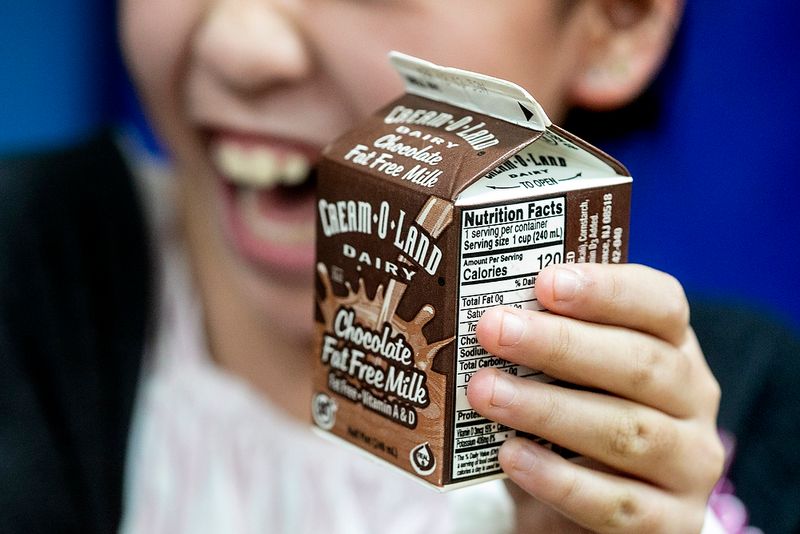
Chocolate milk and strawberry milk make dairy more exciting for kids who resist plain milk. While they do provide calcium and protein, the added sugar in flavored milks is significant.
A typical 8-ounce carton of chocolate milk can contain 3 to 4 teaspoons of added sugar.
Plain whole milk or unsweetened fortified plant-based milk gives kids the same bone-building benefits without the sugar. Gradually reducing the sweetness in flavored milk can help kids transition to enjoying plain milk over time.
14. Frozen Pizza
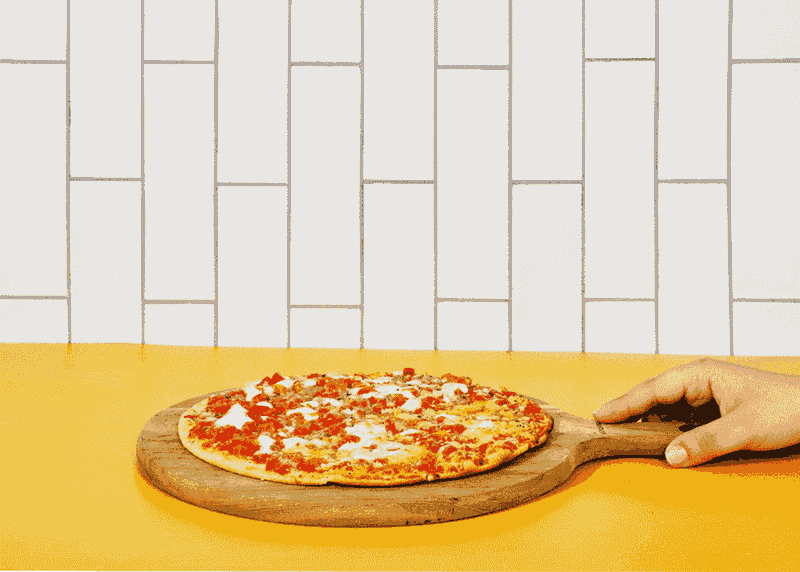
Frozen pizza is the ultimate weeknight shortcut, and most kids would happily eat it every single day. The problem is that it tends to be very high in sodium, saturated fat, and refined carbohydrates.
A few slices can easily exceed a child’s recommended daily sodium intake.
Making a simple homemade pizza on a whole wheat pita or English muffin puts you in control of the ingredients. Kids can even top their own, which makes them more excited to eat it.
15. Granola Bars
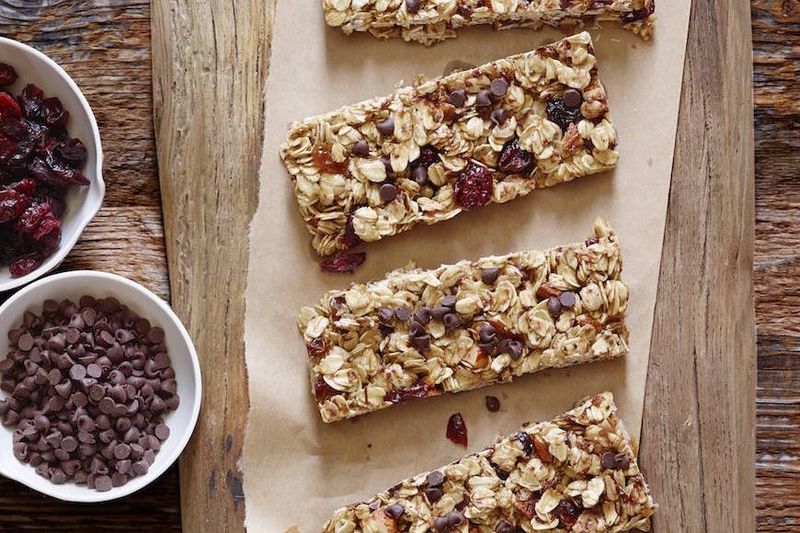
Granola bars have a reputation for being a healthy snack, and some truly are. But many popular kids’ granola bars are loaded with added sugars, chocolate chips, and syrups that push them closer to candy bar territory.
Reading the label can be quite surprising.
Look for bars with 5 or fewer grams of added sugar, whole oats listed first, and a short ingredient list. Bars with nuts or seeds also offer protein and healthy fats that keep kids satisfied between meals.
16. Hot Dogs

Hot dogs are a summer cookout classic and a lunchtime favorite that kids rarely turn down. However, they are heavily processed, high in sodium and saturated fat, and made with preservatives like nitrates.
Eating them frequently has been linked to increased health risks over time.
Swapping hot dogs for grilled chicken sausages made with fewer additives is a reasonable middle ground. When hot dogs are served, pairing them with plenty of vegetables and fruit balances the meal and adds real nutrition.
17. Packaged Cookies and Snack Cakes
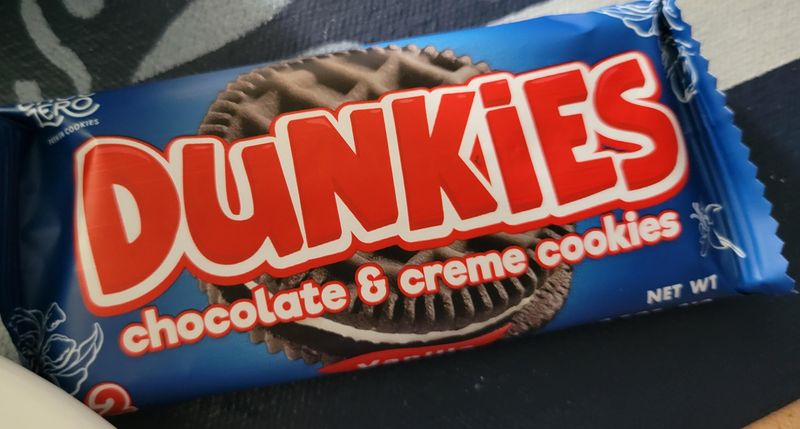
Those little wrapped cakes and sandwich cookies in lunchboxes feel harmless, but they are engineered to be hard to stop eating. Packed with refined sugar, hydrogenated oils, and artificial flavors, they deliver a quick taste reward with almost no nutritional payoff.
Homemade oatmeal cookies or banana muffins made with whole ingredients give kids something sweet that actually has some value. Baking together on weekends can be a fun family activity that naturally shifts snack habits in a better direction.