
Some foods go through an amazing transformation when you let time, salt, and good bacteria do their thing. Fermentation is one of the oldest food preservation tricks in the world, and it turns ordinary ingredients into bold, tangy, complex flavors you just can’t get any other way.
From crunchy pickles to creamy cheese, fermented foods have earned a permanent spot in kitchens across every culture. Get ready to rethink everything you thought you knew about your favorite ingredients.
1. Cabbage Becomes Sauerkraut
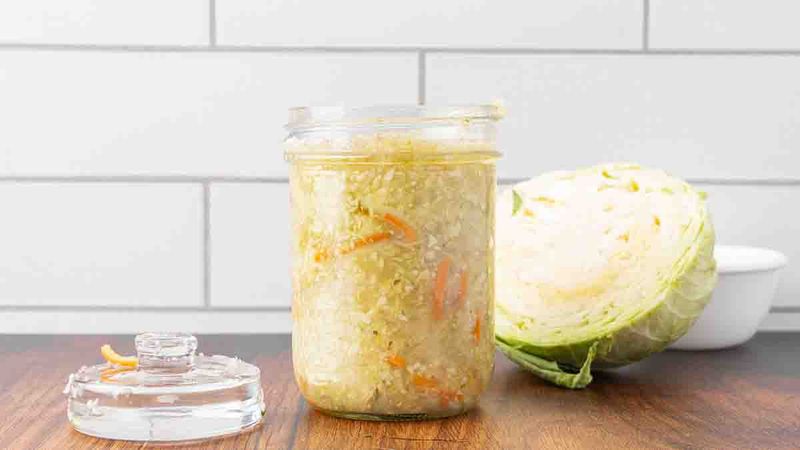
Plain cabbage is fine, but sauerkraut is a whole different experience. The fermentation process transforms bland, crunchy leaves into a sour, savory topping that makes hot dogs, sandwiches, and grain bowls incredibly satisfying.
The lactic acid bacteria that develop during fermentation also load sauerkraut with probiotics, which are great for gut health. Ancient Romans and Chinese laborers both relied on fermented cabbage for energy and nutrition, making it one of history’s most enduring superfoods.
2. Cucumbers Become Dill Pickles
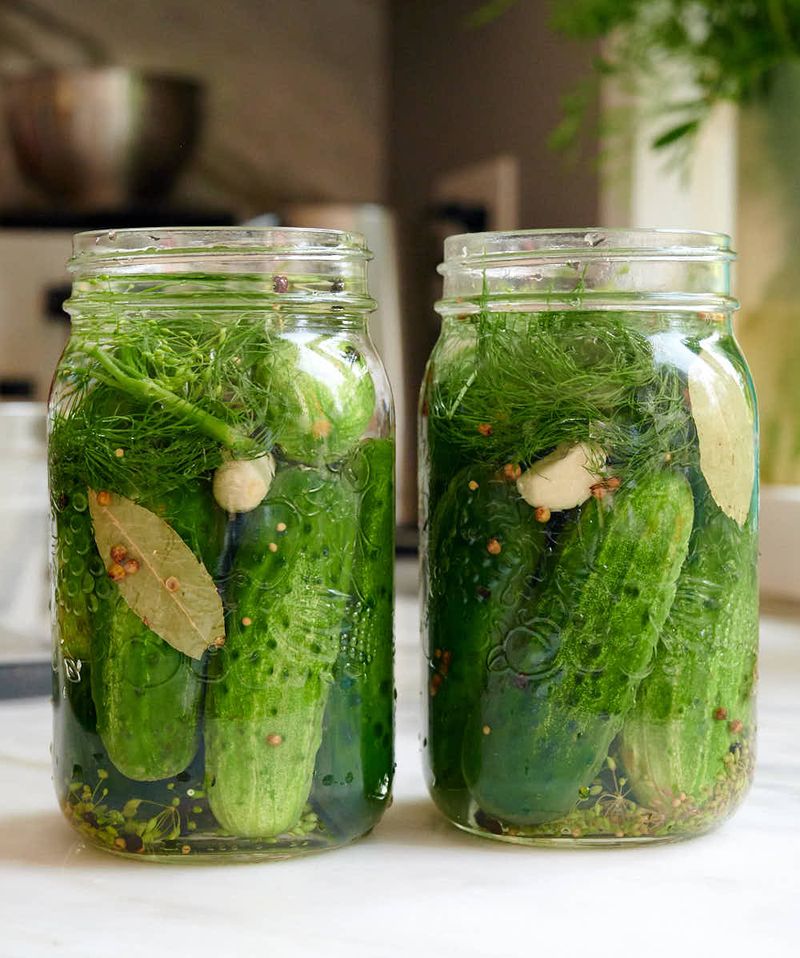
Fresh cucumbers are refreshing, but honestly, they are a little plain on their own. Once they spend time in a brine of salt, water, garlic, and dill, something magical happens.
The cucumbers soak up all that tangy flavor and develop a satisfying crunch that fresh ones simply cannot match. Fermented pickles, unlike vinegar-brined ones from the store, contain live cultures that support digestion.
That pop of sour flavor is what makes them irresistible on burgers and sandwiches.
3. Soybeans Become Miso Paste
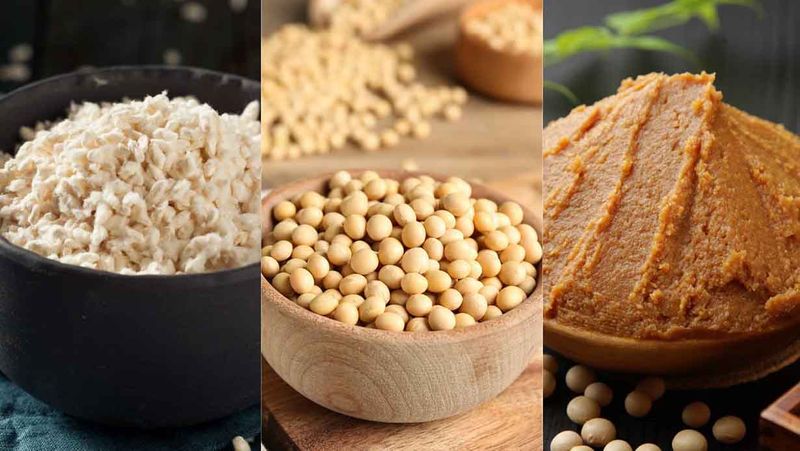
Raw soybeans taste earthy and a bit bitter, but miso paste is something you could eat every single day. Made by fermenting soybeans with salt and a mold called koji, miso develops a deep, savory umami flavor that elevates soups, marinades, and dressings.
Japanese cuisine has relied on miso for over a thousand years. The longer it ferments, the richer and more complex it becomes.
Even a tiny spoonful adds incredible depth to almost any dish.
4. Milk Becomes Yogurt
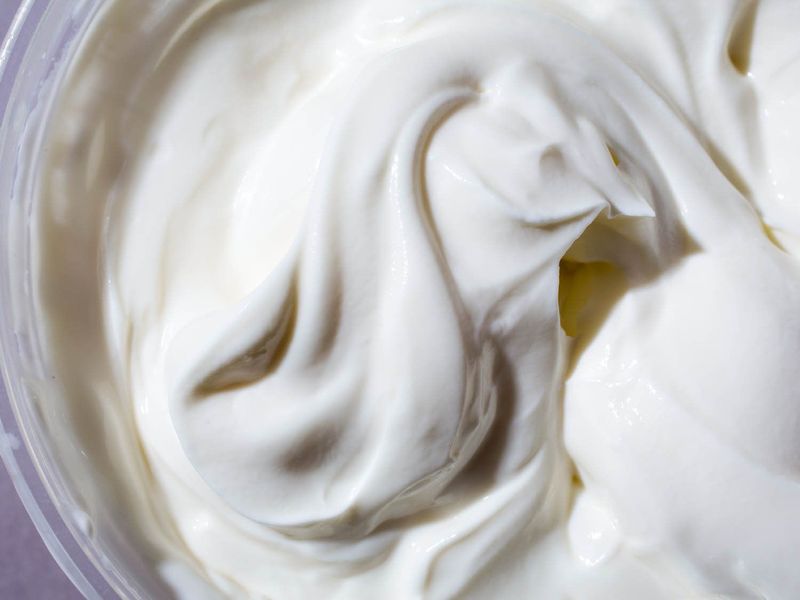
Milk is nutritious, but yogurt takes things to a completely different level of flavor and texture. When specific bacteria are introduced to warm milk, they consume the natural sugars and produce lactic acid, creating that signature tangy taste and thick, creamy consistency.
Yogurt has been made for thousands of years across Central Asia and the Middle East. Beyond the taste, it delivers protein, calcium, and gut-friendly probiotics in every spoonful.
Plain yogurt with honey is honestly one of the simplest pleasures around.
5. Tea Becomes Kombucha

Brewed tea is calming, but kombucha is exciting. A rubbery culture called a SCOBY, which stands for Symbiotic Culture of Bacteria and Yeast, transforms sweet tea into a fizzy, tangy drink packed with organic acids and beneficial bacteria.
The result tastes a little like sparkling apple cider mixed with vinegar, in the best possible way. Kombucha fans love the slight effervescence and the way flavors like ginger and berry develop beautifully during the second fermentation stage.
6. Grapes Become Wine
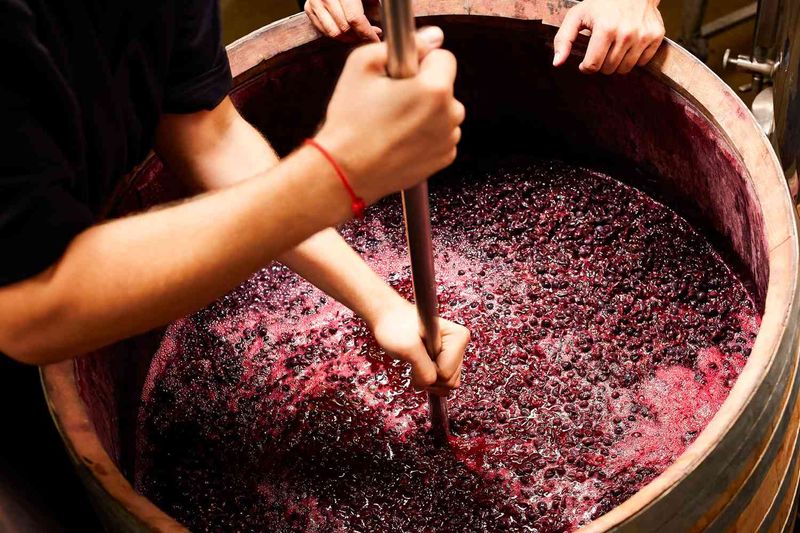
Fresh grapes are sweet and juicy, but wine offers layers of complexity that no bunch of fruit can deliver on its own. Yeast consumes the natural sugars in crushed grapes and produces alcohol and carbon dioxide, along with hundreds of flavor compounds.
The result can taste like cherries, oak, vanilla, or even leather, depending on the grape variety and fermentation process. Humans have been making wine for at least 8,000 years, and every bottle tells a story of time and transformation.
7. Barley Becomes Beer
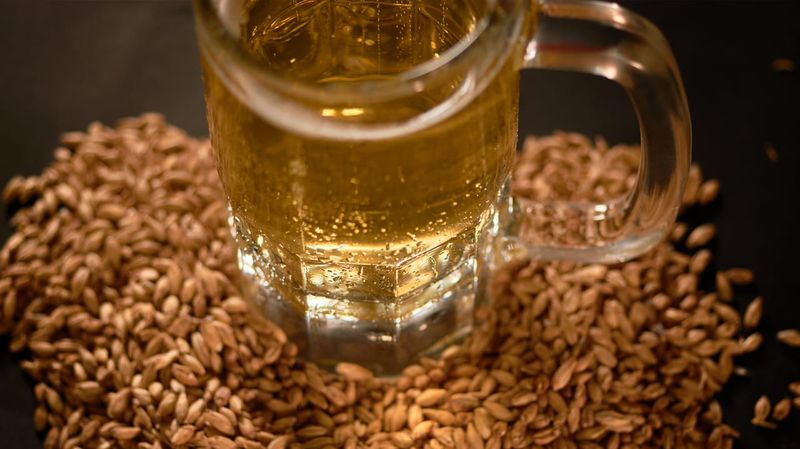
Barley grain on its own is chewy and pretty unremarkable as a food experience. But when it goes through malting, mashing, and yeast fermentation, it becomes one of the most beloved beverages on the planet.
Beer has been brewed since ancient Mesopotamia, and early workers were sometimes paid in it. The fermentation process creates the carbonation, alcohol, and that complex balance of bitter hops and malty sweetness.
No wonder people have been perfecting the recipe for thousands of years.
8. Hot Peppers Become Hot Sauce
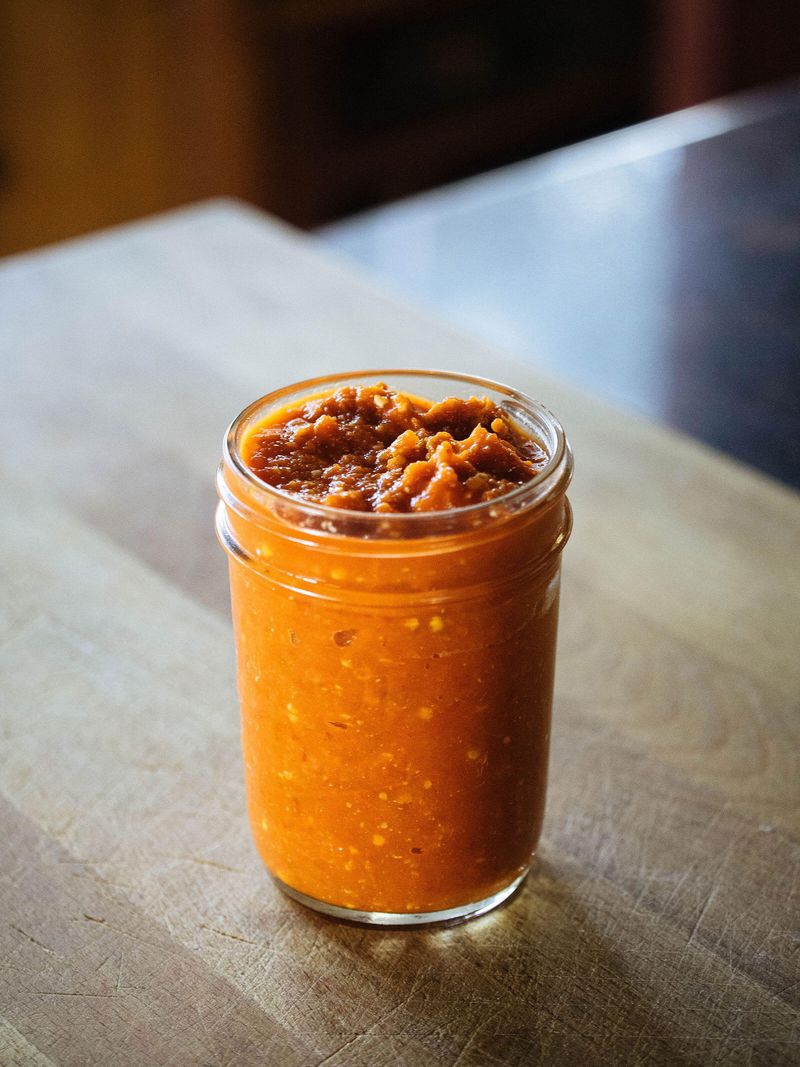
Fresh hot peppers deliver heat, but fermented hot sauce adds a tangy, complex punch that bottled vinegar sauces just cannot replicate. Fermenting peppers with salt mellows some of the raw sharpness while building funky, rounded flavors underneath the spice.
The famous Tabasco sauce uses a three-year fermentation process in oak barrels for its distinctive flavor. Home fermenters love experimenting with different pepper varieties and garlic levels to craft their own signature sauces.
A few drops can completely transform a meal.
9. Beets Become Kvass
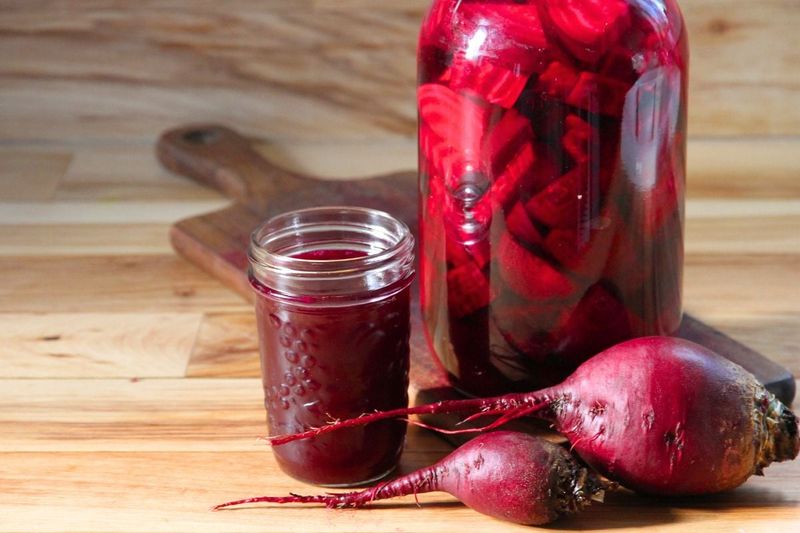
Raw beets are earthy and a little sweet, which not everyone loves straight off the cutting board. Fermented into kvass, a traditional Eastern European drink, they become something surprisingly refreshing and deeply flavorful.
The fermentation process softens the raw earthiness and adds a pleasant tartness that makes beet kvass incredibly thirst-quenching. It is also loaded with electrolytes and probiotics.
People in Ukraine and Russia have sipped beet kvass for centuries as a health tonic and everyday beverage.
10. Flour and Water Become Sourdough Bread
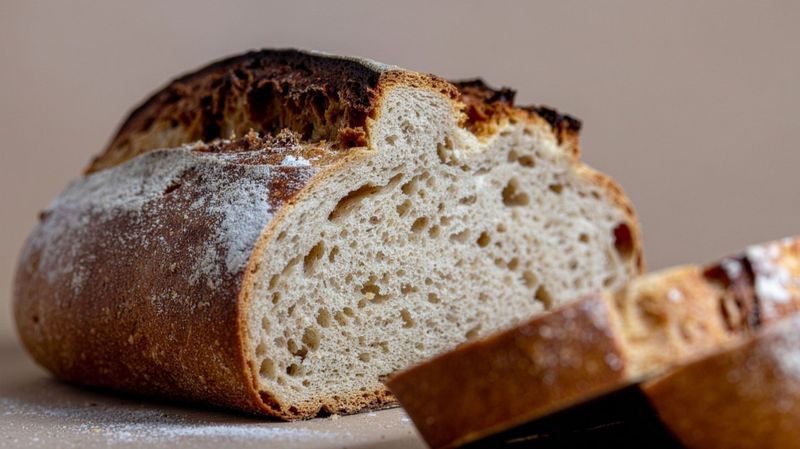
A simple mix of flour and water sounds about as basic as food gets. But when wild yeast and bacteria move in and start fermenting, that paste becomes a living starter capable of producing some of the most flavorful bread on earth.
Sourdough has a chewy crust, a tangy crumb, and a depth of flavor that commercial sandwich bread could never match. The long fermentation process also breaks down gluten and phytic acid, making it easier for many people to digest comfortably.
11. Napa Cabbage Becomes Kimchi
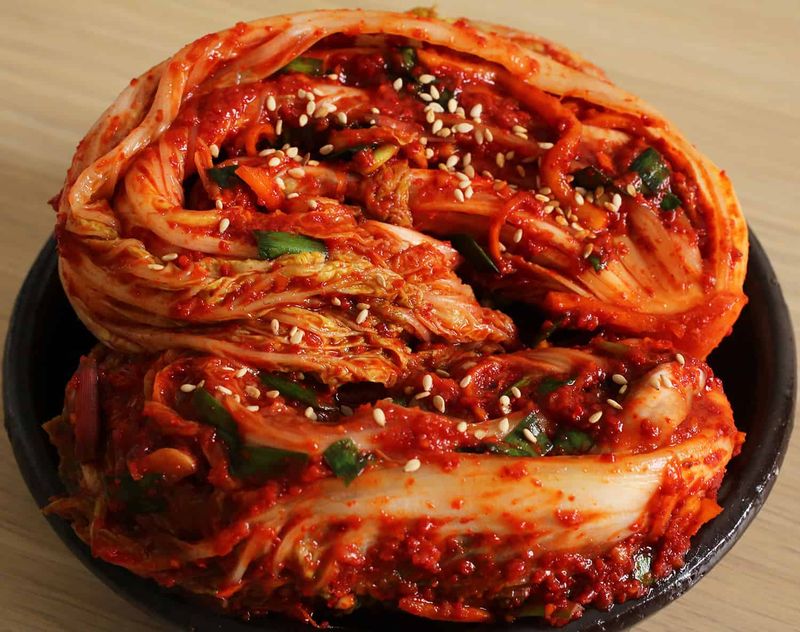
Napa cabbage is mild and watery on its own, but kimchi turns it into a spicy, garlicky, funky masterpiece. Korean families have been making kimchi for thousands of years, traditionally storing it underground in clay pots to ferment slowly through the winter months.
The combination of chili paste, ginger, garlic, and fermentation creates layers of heat and sourness that build over time. Kimchi tastes great fresh, but many cooks swear the flavor peaks after a few weeks of patient waiting.
12. Milk Becomes Cheese
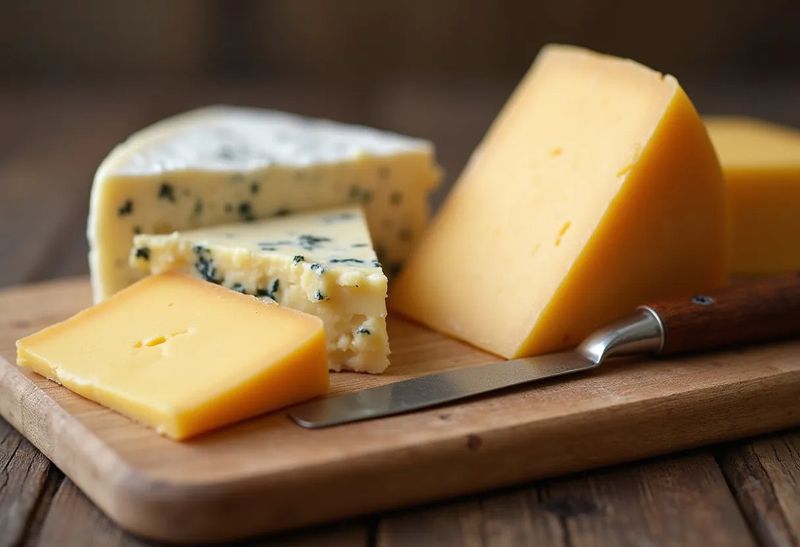
Nobody is going to argue that a glass of plain milk is more exciting than a perfectly aged sharp cheddar or a creamy brie. Cheese is essentially milk that has been transformed by bacteria, enzymes, and time into something incredibly complex.
Different bacteria and mold cultures create wildly different results, from the bold punch of blue cheese to the nutty sweetness of aged gouda. Some cheeses ferment for years before reaching their peak flavor, rewarding patience with unforgettable taste.
13. Cassava Becomes Fufu
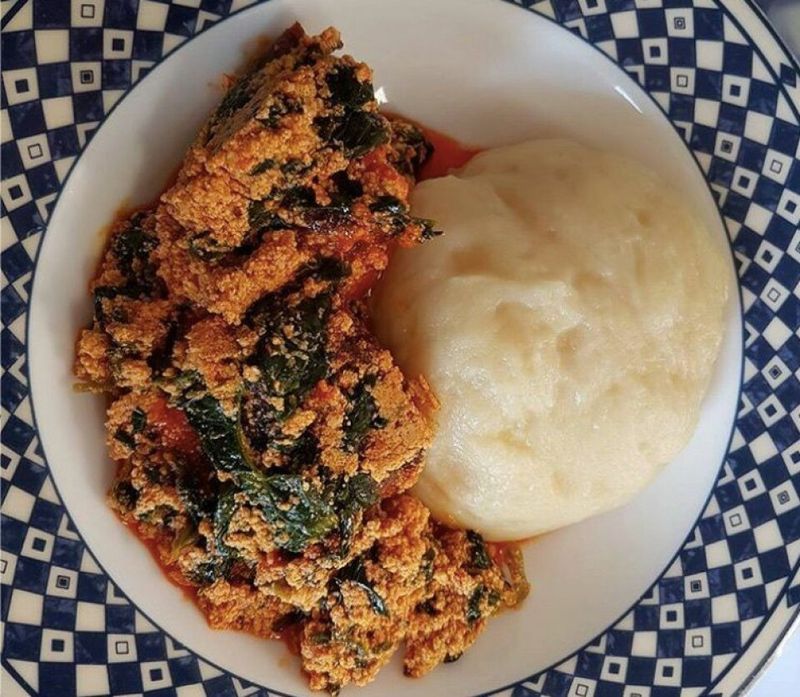
Cassava root is starchy and fairly tasteless when eaten plain, but fermented cassava tells a completely different story. In many West African countries, cassava is soaked in water for several days to ferment before being pounded into fufu, a smooth and slightly sour dough.
The fermentation process gives fufu its characteristic tangy undertone that pairs perfectly with bold, rich stews and soups. It also improves the nutritional profile by reducing naturally occurring compounds that can interfere with digestion.
14. Anchovies Become Fish Sauce
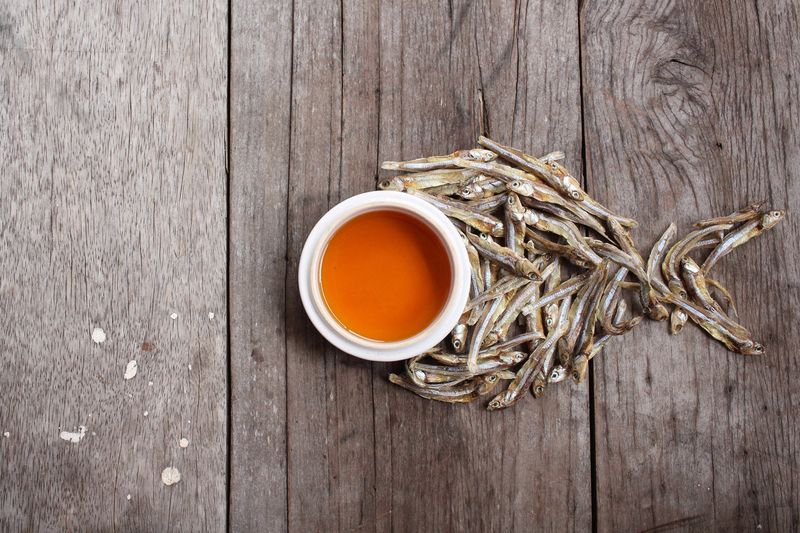
Fresh anchovies have a strong, briny smell that puts a lot of people off. But when they are packed in salt and left to ferment for months or even years, they break down into fish sauce, one of the most powerful flavor enhancers in the culinary world.
A small splash of fish sauce adds a savory, umami-rich depth to stir-fries, dressings, and marinades that is nearly impossible to achieve any other way. Southeast Asian and Roman cuisines both discovered this secret independently.
15. Corn Becomes Chicha
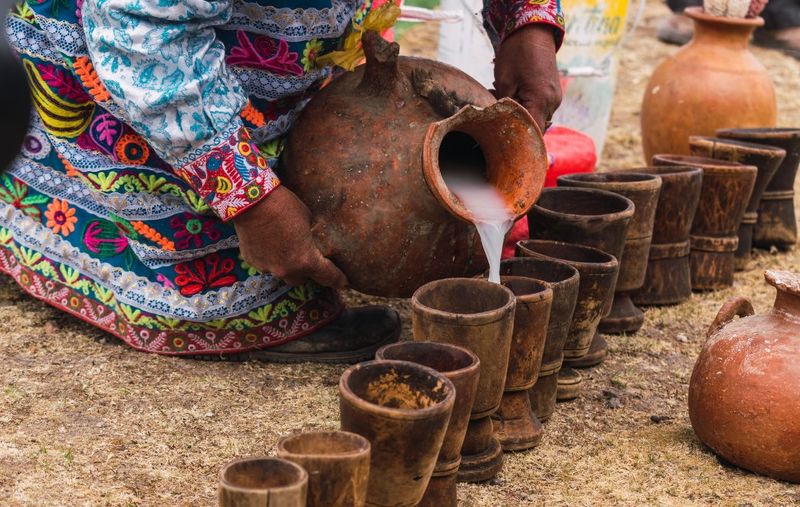
Dried corn ground into masa or eaten off the cob is tasty, but chicha turns corn into something ancient and fascinating. This fermented corn beverage has been brewed across South America for thousands of years, especially among Andean cultures like the Inca.
Traditional chicha is made by chewing corn and spitting it into water, allowing enzymes in saliva to kick-start fermentation. Modern versions skip that step, but the result is still a mildly sour, lightly fizzy drink with a rich cultural history behind every sip.