
Breakfast is often called the most important meal of the day, but not every morning staple is as healthy as it seems. Many foods we grab before school or work are secretly loaded with sugar, even when they taste mild or look perfectly wholesome.
Knowing what is actually in your breakfast can help you make smarter choices and feel better throughout the day. You might be surprised by just how sweet some of these everyday favorites really are.
1. Flavored Yogurt
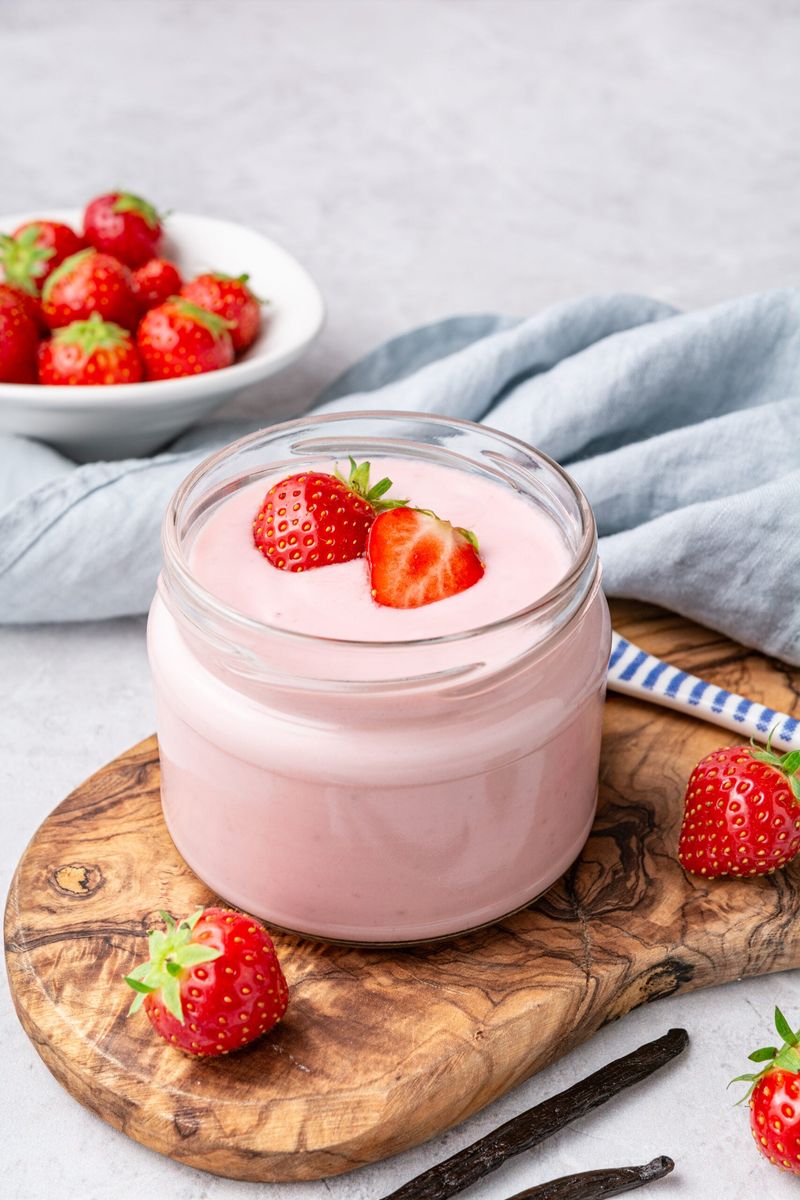
Yogurt sounds like a health food, and plain yogurt truly is. But the flavored versions lining grocery store shelves are a different story.
A single small cup can pack anywhere from 15 to 26 grams of sugar, which is close to what you would find in a candy bar.
Much of that sweetness comes from added sugars, not just the natural lactose in dairy. Choosing plain Greek yogurt with fresh fruit on top is an easy swap that cuts sugar significantly.
2. Granola
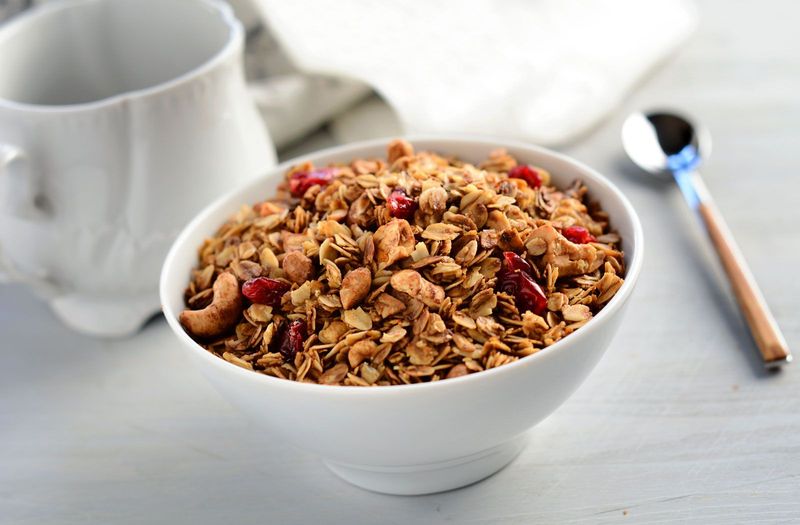
Granola has a reputation for being a wholesome, outdoorsy food, and the packaging usually shows mountains and sunshine to match. What those bags do not always highlight is the sugar content, which can reach 12 grams or more per half-cup serving.
Most people also pour far more than a half cup, so the sugar adds up quickly. Checking the nutrition label before buying is the smartest move you can make at the grocery store.
3. Instant Oatmeal Packets
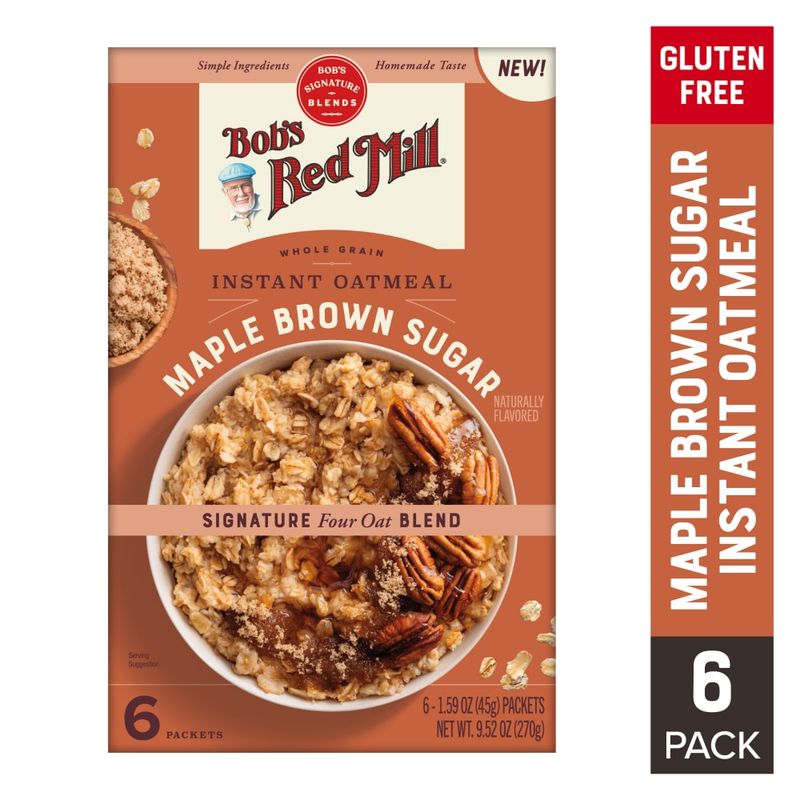
Plain oatmeal is genuinely good for you, full of fiber and slow-burning energy. Instant oatmeal packets, though, are a sneaky sugar trap.
Flavors like maple brown sugar or peaches and cream can contain 10 to 15 grams of added sugar before you even pick up your spoon.
The convenient packets are designed to taste like dessert, which is exactly why kids love them. Plain rolled oats with a drizzle of honey give you control over how sweet your morning gets.
4. Store-Bought Smoothies
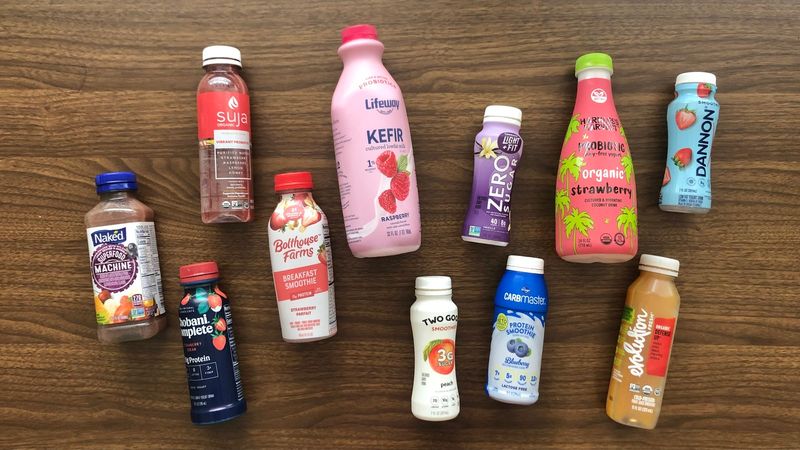
Grabbing a bottled smoothie feels like a responsible breakfast decision, especially when the label shouts words like “natural” or “fruit-powered.” The reality hiding in those colorful bottles can be shocking. Many store-bought smoothies contain 40 to 60 grams of sugar per bottle, often more than a can of soda.
Fruit juice concentrates and sweetened yogurt bases are common culprits. Blending your own smoothie at home with whole fruit gives you all the flavor without the sugar overload.
5. Breakfast Cereals
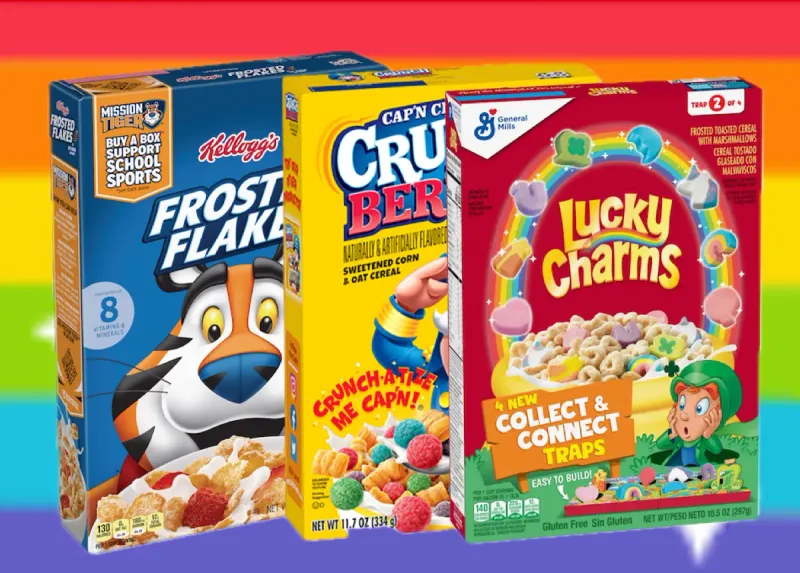
Some cereals marketed toward kids can contain up to 12 grams of sugar per serving, and the serving sizes listed on boxes are often much smaller than what most people actually pour. Cereals with words like “frosted,” “honey,” or “chocolate” in their names are usually the worst offenders.
Even some cereals that look healthy, like certain bran or multigrain varieties, sneak in surprising amounts of added sweetener. Reading the ingredient list is your best defense at the breakfast table.
6. Pancakes with Syrup
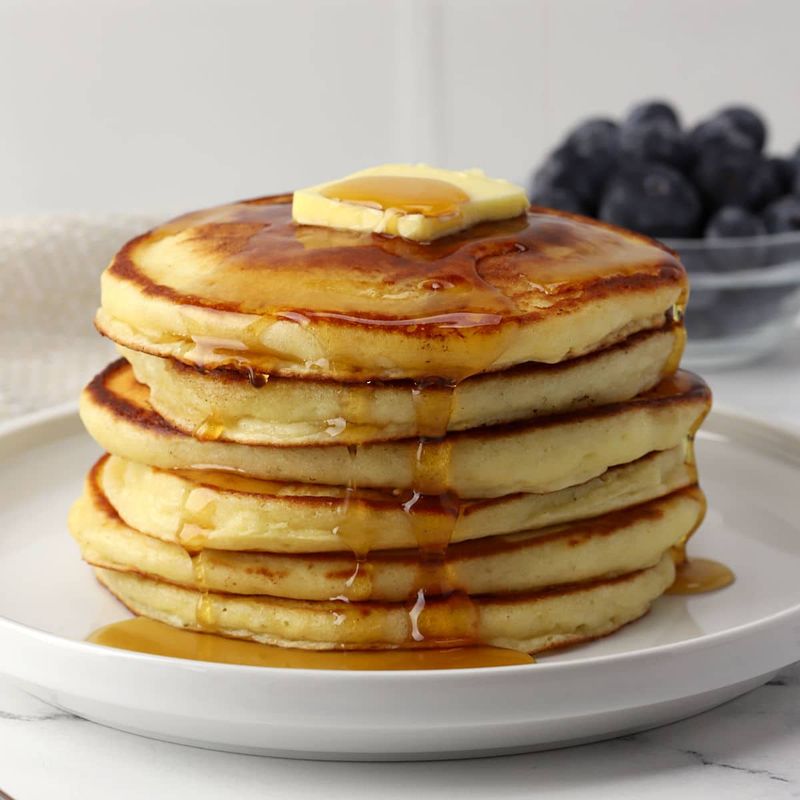
Few breakfasts feel as comforting as a tall stack of pancakes on a slow weekend morning. The pancakes themselves contain some sugar, but the real flood comes from the syrup poured on top.
A standard two-tablespoon serving of pancake syrup holds about 25 grams of sugar, and most people use far more than that.
Many commercial syrups are made almost entirely from high-fructose corn syrup rather than real maple. Using fresh berries as a topping is a tasty way to cut back.
7. Muffins
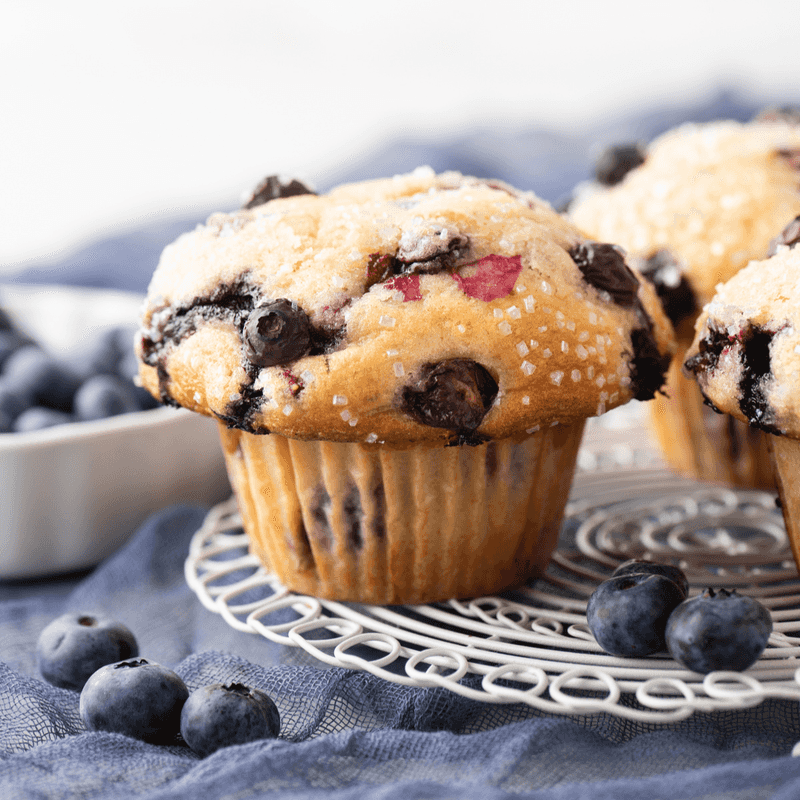
A blueberry muffin from a coffee shop or bakery looks innocent enough, almost like a health food because of the fruit. However, a single large muffin can easily contain 30 to 40 grams of sugar and nearly as many carbohydrates as a slice of cake.
The oversized portions sold at most cafes make the numbers even more dramatic. Homemade mini muffins with less sugar and whole wheat flour are a much smarter choice when the craving strikes.
8. Flavored Coffee Drinks

Millions of people start their mornings with a coffee drink, and many of those drinks are basically dessert in a cup. A large caramel frappuccino or a vanilla latte loaded with flavored syrup can carry 50 or more grams of sugar before you even add a pastry on the side.
The whipped cream and drizzles on top look fun but push the sugar even higher. Ordering a plain coffee with a splash of milk is a simple way to stay alert without the sugar spike.
9. Fruit Juice
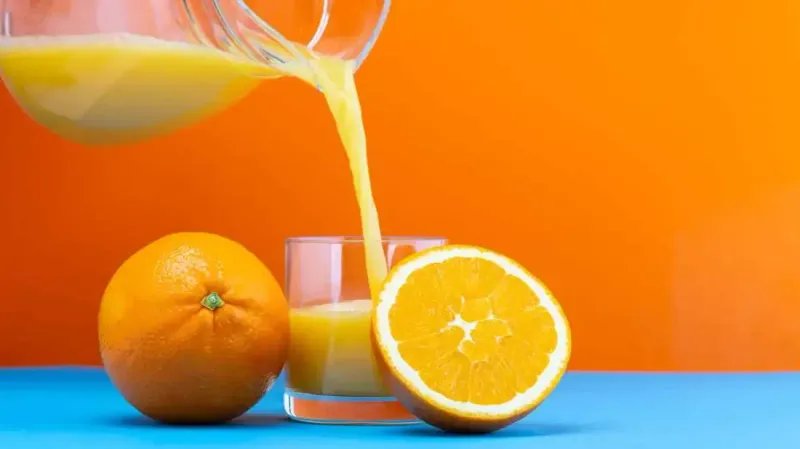
Orange juice has been a breakfast staple for generations, and most people assume it is purely healthy. The truth is that a single eight-ounce glass contains about 22 grams of sugar, with very little of the fiber that whole fruit provides.
Without fiber, that sugar hits your bloodstream quickly.
Apple and grape juices are even higher in sugar content. Eating a whole orange instead gives your body the same vitamins along with fiber that slows sugar absorption.
10. Toaster Pastries
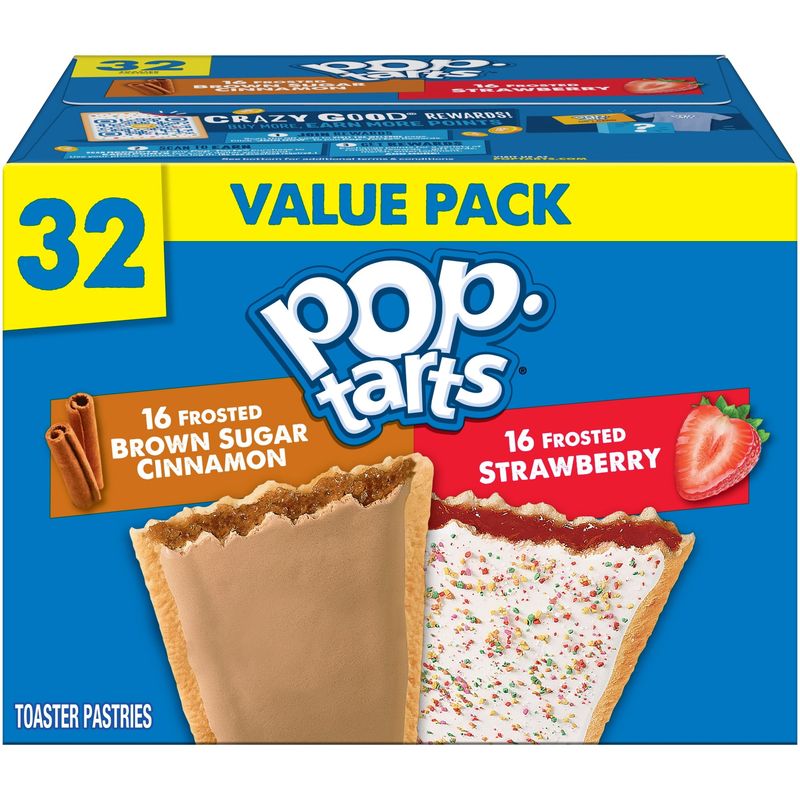
Toaster pastries have been a morning shortcut for decades, beloved for their speed and sweet taste. One frosted pastry contains roughly 16 to 18 grams of sugar, and the box usually lists two pastries as a serving.
That means eating a full pouch lands you at over 30 grams of sugar before 8 a.m.
The bright frosting and sprinkles make them look fun, but the nutritional value is minimal. A slice of whole grain toast with peanut butter is a far more filling alternative.
11. Flavored Milk
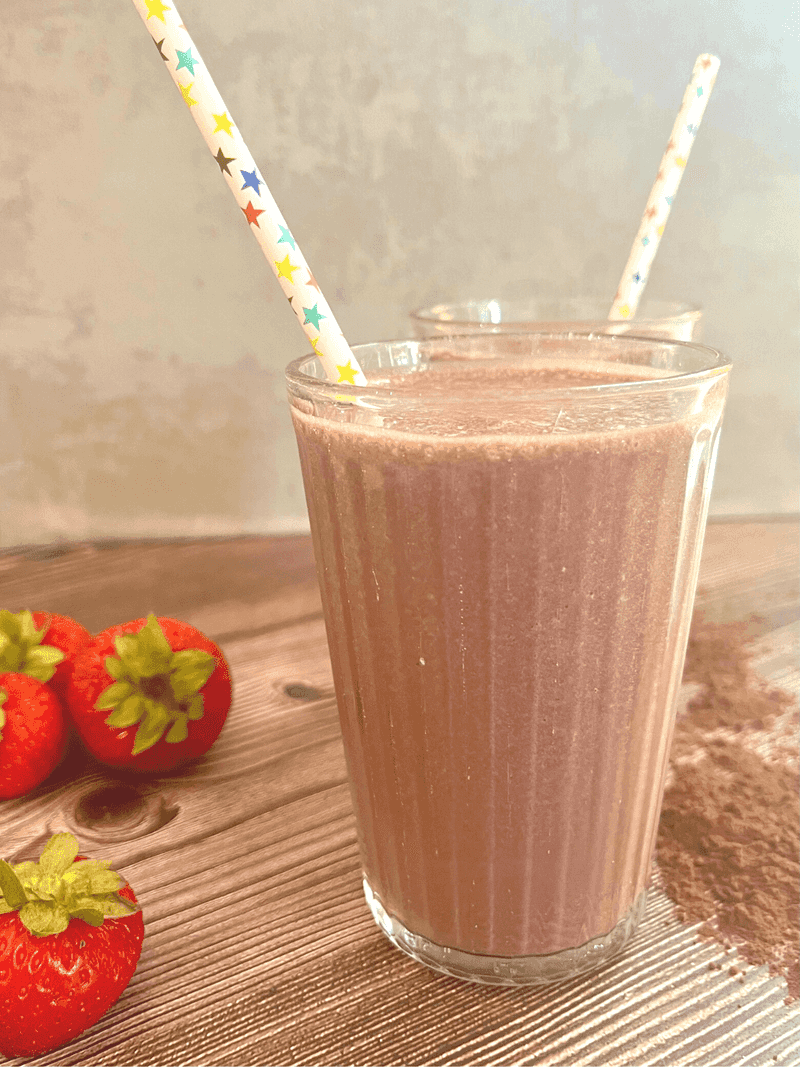
Chocolate and strawberry milk are popular with kids and even many adults who want something more exciting than plain white milk. A single cup of chocolate milk can contain 24 grams of sugar, compared to about 12 grams of natural lactose in plain milk.
That difference comes entirely from added sweeteners.
Flavored milks do provide calcium and protein, so they are not completely without merit. However, drinking them daily adds a steady stream of extra sugar that most people do not account for.
12. Acai Bowls
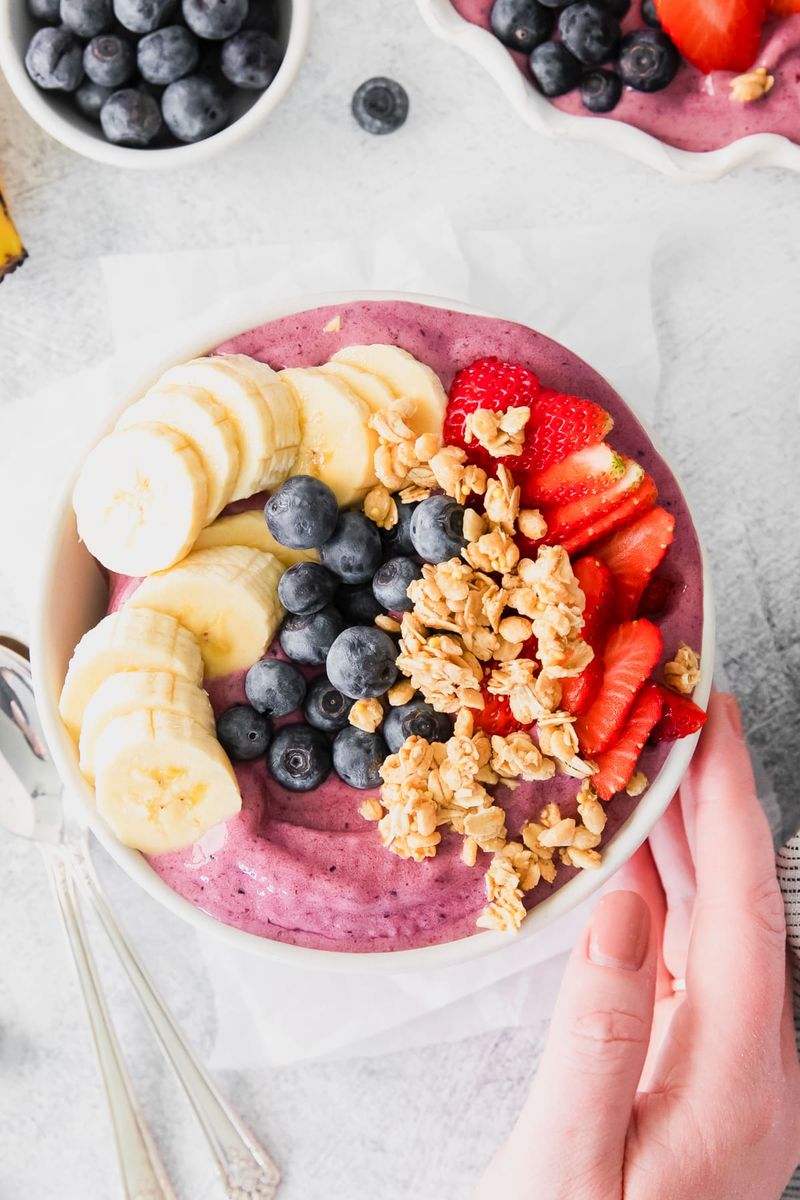
Acai bowls exploded in popularity because they look incredible and carry a reputation for being a superfood breakfast. The acai base itself is relatively low in sugar, but the toppings and sweeteners added during blending tell a different story.
Many cafe versions contain 50 to 70 grams of sugar once honey, granola, and fruit are piled on.
Making your own at home lets you control every ingredient. Skipping the honey drizzle and using unsweetened acai packs keeps this trendy breakfast genuinely nutritious.
13. Dried Fruit
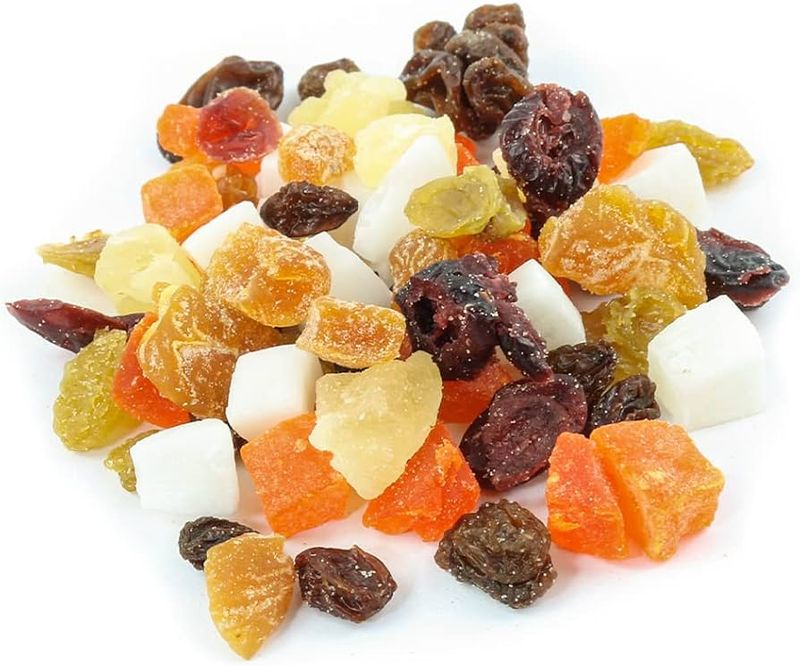
Dried fruit seems like a smart, portable breakfast addition, and it does contain vitamins and minerals worth having. The drying process, though, concentrates the natural sugars dramatically.
A small quarter-cup serving of raisins contains about 25 grams of sugar, which is similar to many candy products.
Commercially dried cranberries and mangoes often have extra sugar added on top of the concentrated natural sugars. Fresh fruit is almost always the lower-sugar option when you have the choice.
14. Waffles with Toppings
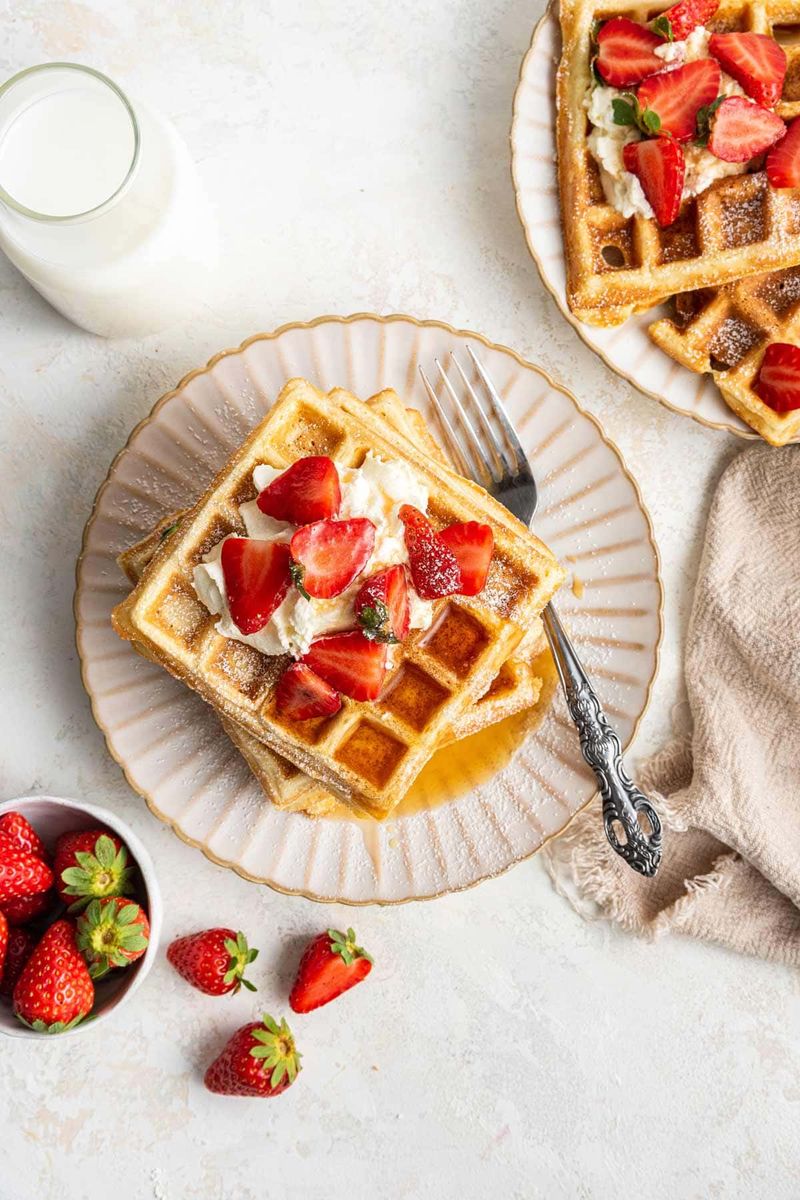
Waffles are a weekend favorite that feel festive and fun, especially when topped with whipped cream and fruit syrup. A standard frozen waffle has modest sugar on its own, but the toppings quickly change that picture.
Two tablespoons of strawberry syrup add about 20 grams of sugar, and whipped cream from a can adds even more.
The combination can turn a breakfast plate into a dessert-level sugar event. Topping waffles with plain Greek yogurt and sliced strawberries satisfies the craving with far less sugar.
15. Protein Bars
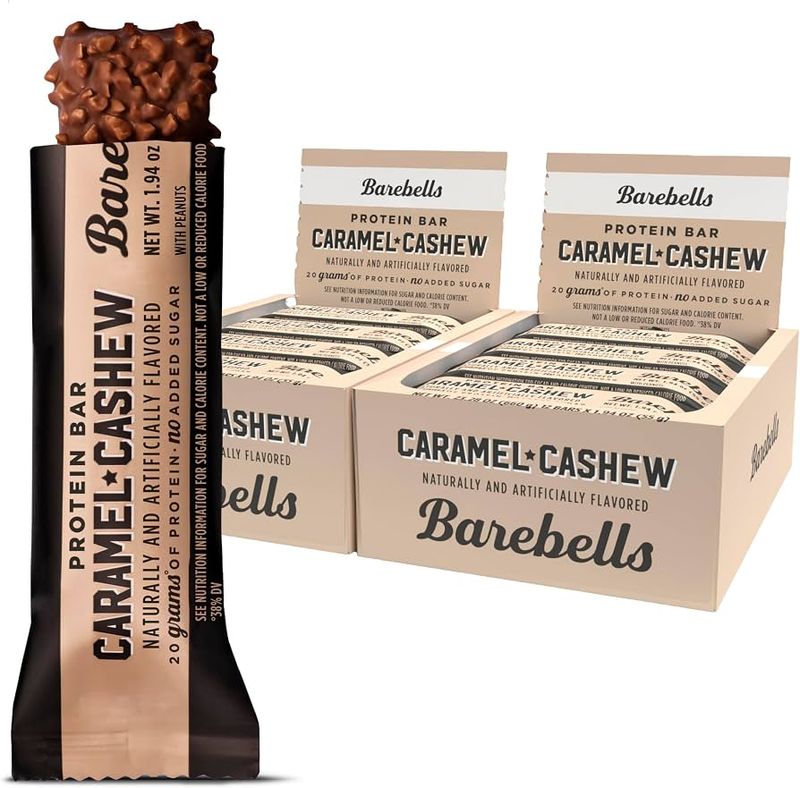
Protein bars are marketed as a serious, no-nonsense breakfast for busy people on the go. The word “protein” on the label makes them sound disciplined and healthy, but many popular bars contain 20 to 30 grams of sugar to make them palatable.
Some use sugar alcohols instead, which can still cause digestive discomfort in large amounts.
Checking the sugar content before buying a bar is just as important as checking the protein grams. A hard-boiled egg and a piece of fruit often beats the bar on every nutritional measure.